
Truck buyers talk about odometers the way collectors talk about provenance, and a handful of engines have earned that kind of reverence. Reputation here is built on iron castings, unstressed tuning and parts that shops can rebuild rather than replace. Here are eight truck engines that owners and mechanics credit with running past 400,000 miles when the maintenance is not skipped.
1. Cummins B Series engine: The Inline Six That Outlives The Truck
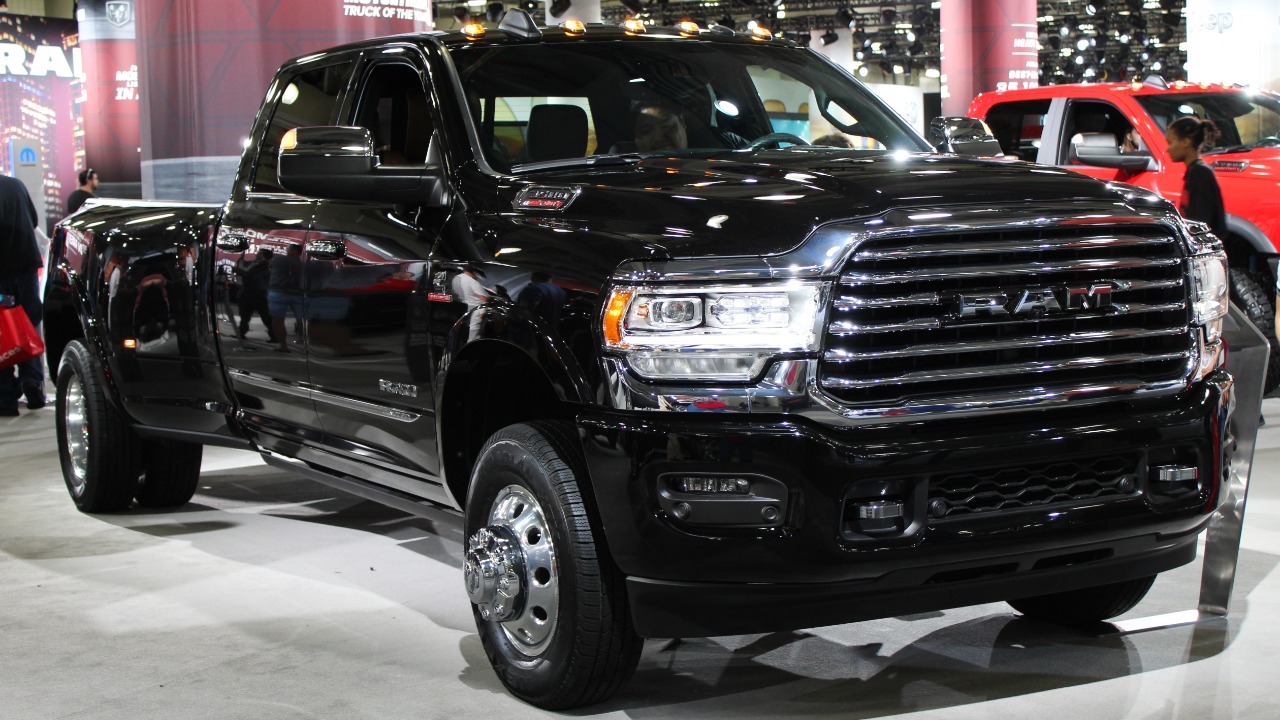
Ram’s heavy-duty reputation rests on an engine that was never designed for a pickup at all. the Cummins B Series began as an industrial inline-six and arrived in the 1989 Dodge Ram as a 5.9-liter turbodiesel, carrying a cast-iron block and head into a market used to lighter castings. That commercial-duty architecture explains the reputation.
Restraint does the rest. The engine makes its power at low revolutions, and the earliest mechanically injected versions have almost no electronics to strand an owner. Most high-mileage stories end with the transmission or the cab giving up before the block does, which is why worn-out trucks get parted out for a running core. Injection and lift pumps remain the honest exception to the maintenance-free myth.
2. Duramax V8 engine: A Joint Venture Built For Loaded Miles
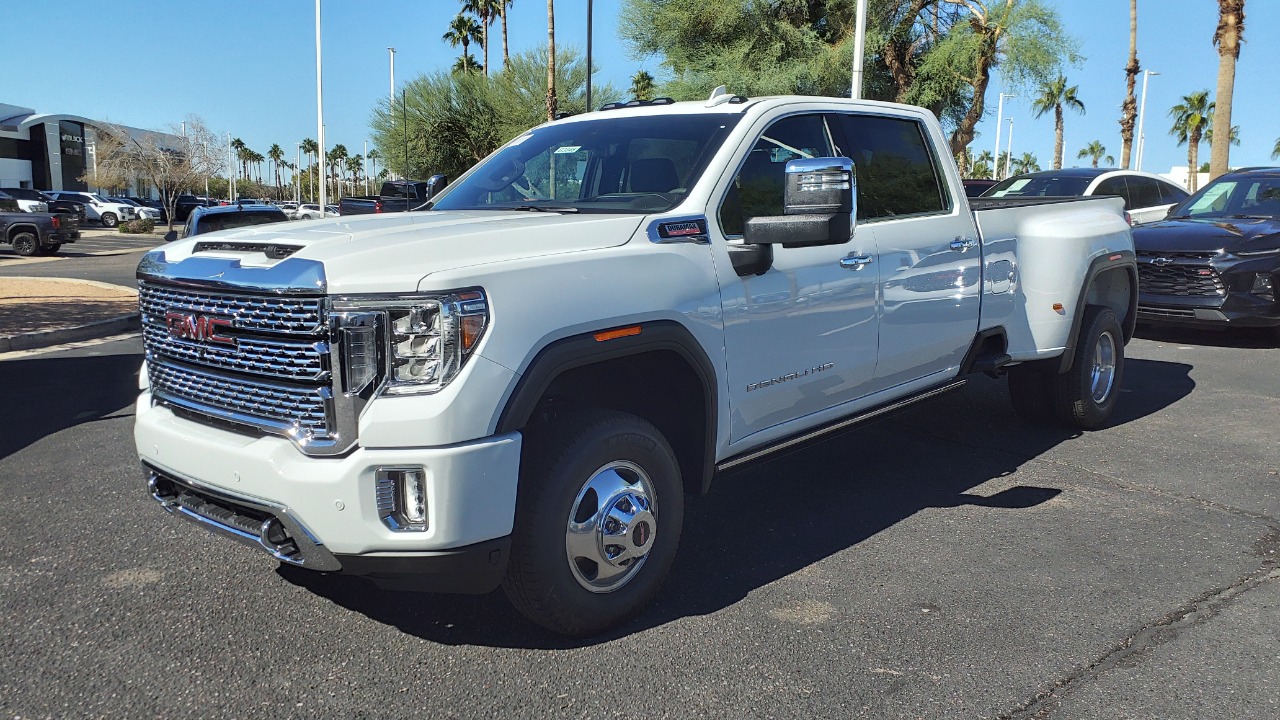
General Motors did not develop its heavy-duty diesel alone. the 6.6-liter Duramax V8 is built by DMAX, a joint venture with Isuzu in Moraine, Ohio, and it went into Silverado and Sierra heavy-duty pickups in 2001 with aluminum cylinder heads and Bosch common-rail direct injection. Isuzu’s commercial-diesel experience shows up in a bottom end that shrugs off towing.
Its record is not spotless, and buyers who know the family shop by generation. Early LB7 versions became notorious for injectors that failed under the valve covers, an expensive job because the heads have to come off. Later revisions moved the injectors and addressed cooling, and well-kept examples now routinely change hands with odometers that have long since stopped impressing anyone.
3. Ford Power Stroke engine: The 7.3 That Made The Name
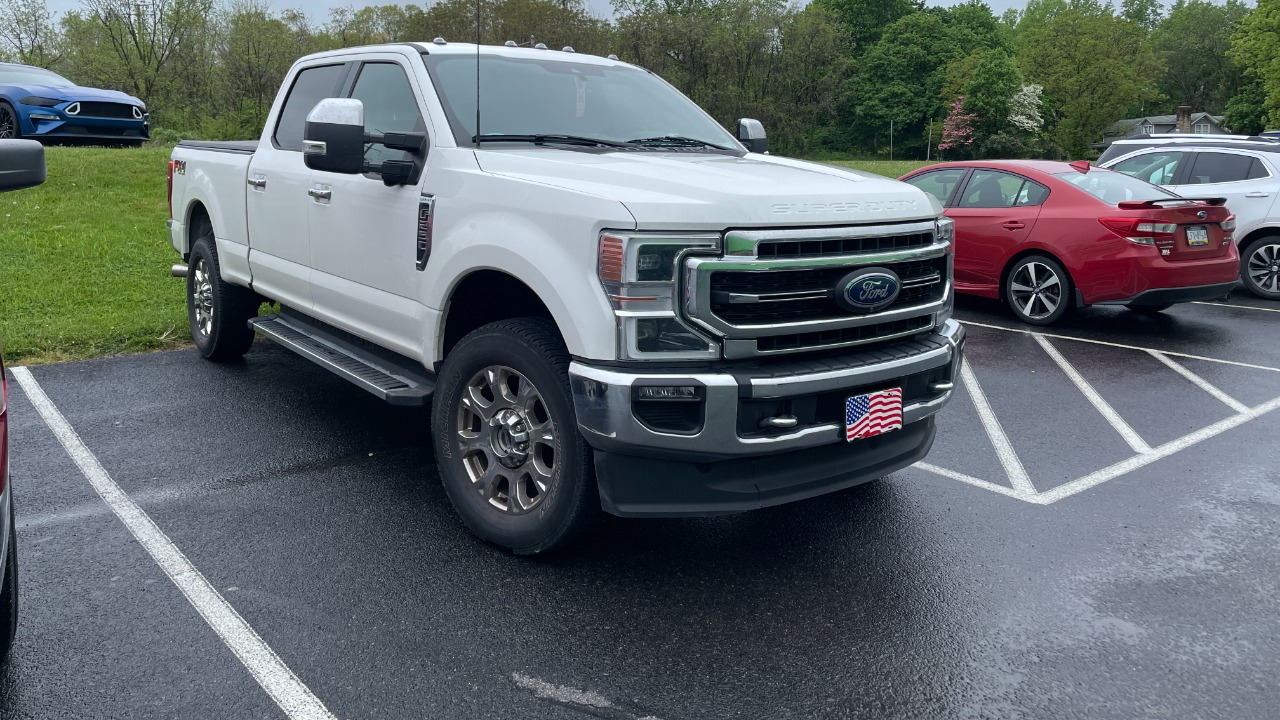
One displacement carries the whole reputation here. Ford introduced the Power Stroke diesel name in 1994, and the 7.3-liter V8 built by Navistar, with its hydraulically actuated electronic unit injectors, ran until 2003 and became the version owners hunt for. Its power output looks modest by modern standards, and that understress is exactly the point.
What followed complicated the story. The 6.0-liter successor drew head-gasket and EGR complaints severe enough to sour a generation of buyers, and Ford eventually brought diesel design in-house with the 6.7-liter in 2011. Anyone shopping the legend should confirm which engine is actually under the hood, because the badge on the fender says Power Stroke either way and the two reputations are not interchangeable.
4. Toyota UZ engine: Quad-Cam V8 With Nothing To Prove

Toyota’s first V8 was engineered to embarrass German rivals on refinement and then simply refused to wear out. the UZ engine family debuted as the all-aluminum 1UZ-FE in the 1989 Lexus LS 400 and grew into the 4.7-liter 2UZ-FE, an iron-block version fitted to the Tundra, Sequoia and Land Cruiser. Four camshafts, generous main bearings and conservative tuning define it.
Truck owners inherited a passenger-car engine with commercial margins built in, and that is why the family turns up in service vehicles decades later. The one recurring bill is scheduled rather than catastrophic: these engines drive their camshafts with a rubber timing belt, and skipping the replacement interval turns a routine service into an engine-out conversation.
5. GM LS based small-block engine: Pushrod Simplicity, Deep-Skirt Strength
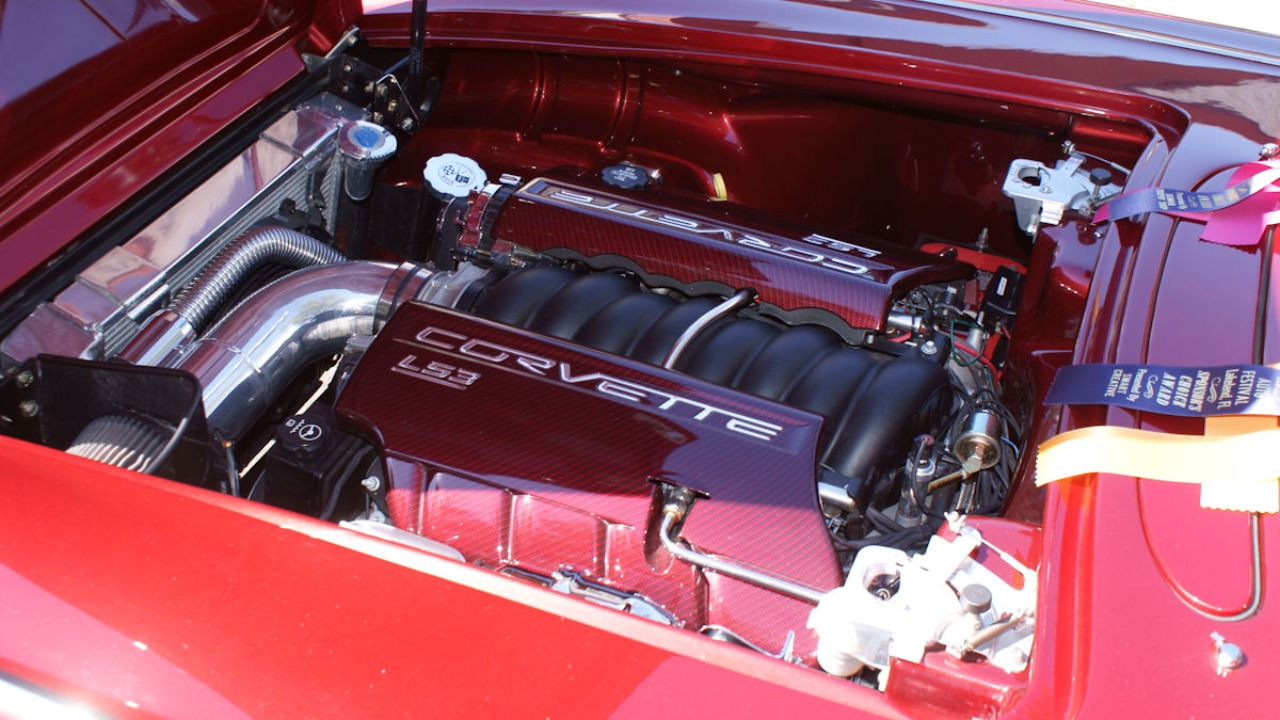
Two camshafts fewer than the competition turned out to be an advantage. the LS small-block family arrived in 1997 with a single cam in the block, a deep-skirt cylinder case and six-bolt main caps, and the truck variants of 4.8, 5.3 and 6.0 liters used iron blocks under the same design. Fewer moving parts up top means fewer things to fail at high mileage.
Ubiquity compounds the benefit, because parts are everywhere and almost any shop has worked on one. The weak spots are later additions rather than the core design: cylinder-deactivation hardware on some 5.3-liter versions has a record of lifter and camshaft trouble, and oil consumption complaints tend to trace back to the same era.
6. Ford Modular engine: Overhead Cams In A Work Truck
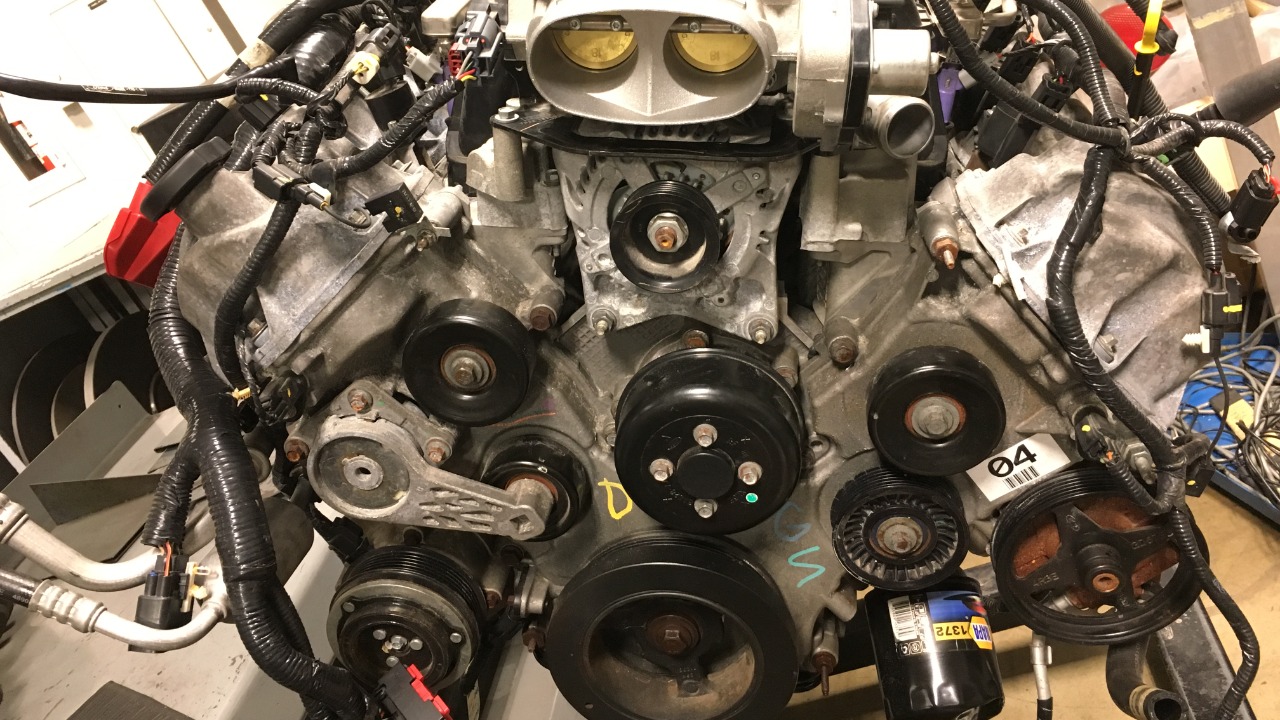
Ford replaced its pushrod V8s with an overhead-cam design and worried customers would find it fragile. the Modular V8 family launched in 1991 and reached the F-150 in 1997 as the 4.6-liter, built around a stout bottom end and a chain-driven valvetrain that asks for little beyond clean oil. Fleet buyers noticed first, and the 4.6 became a default for high-mileage duty.
The engine’s reputation is undermined by its cylinder heads rather than its internals. Two-valve versions became known for spark plugs backing out of shallow aluminum threads, and the later three-valve 5.4 used a two-piece plug that can break off during removal. Both are repairable annoyances, a different category of problem from an engine that quits at 150,000 miles.
7. Toyota GR engine: The V6 Tacoma Owners Never Replace
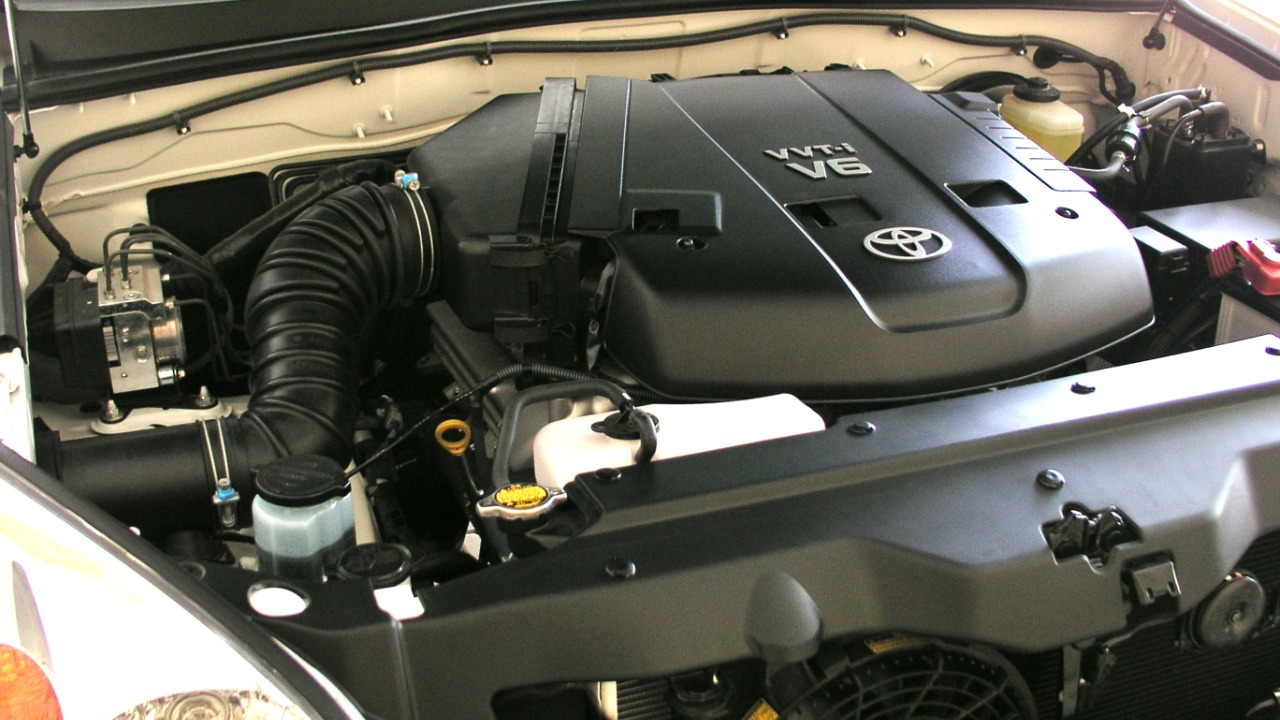
Not every long-lived truck engine is a V8. the Toyota GR V6 family arrived in 2002, and the 4.0-liter 1GR-FE went on to power the Tacoma, 4Runner, FJ Cruiser and the base Tundra with an aluminum block, chain-driven camshafts and a torque curve tuned for hauling rather than headline horsepower. Nothing about the specification is exotic, which is the appeal.
A timing chain removes the belt-replacement clock that hangs over older Toyota V8s, and routine service is reachable without special tools. Neglect still costs the same as anywhere else, and buyers should judge a used example by its service records rather than its badge, because a reputation for durability is not a warranty against a skipped oil change.
8. Chrysler Hemi engine: Two Plugs Per Cylinder, One Long Run
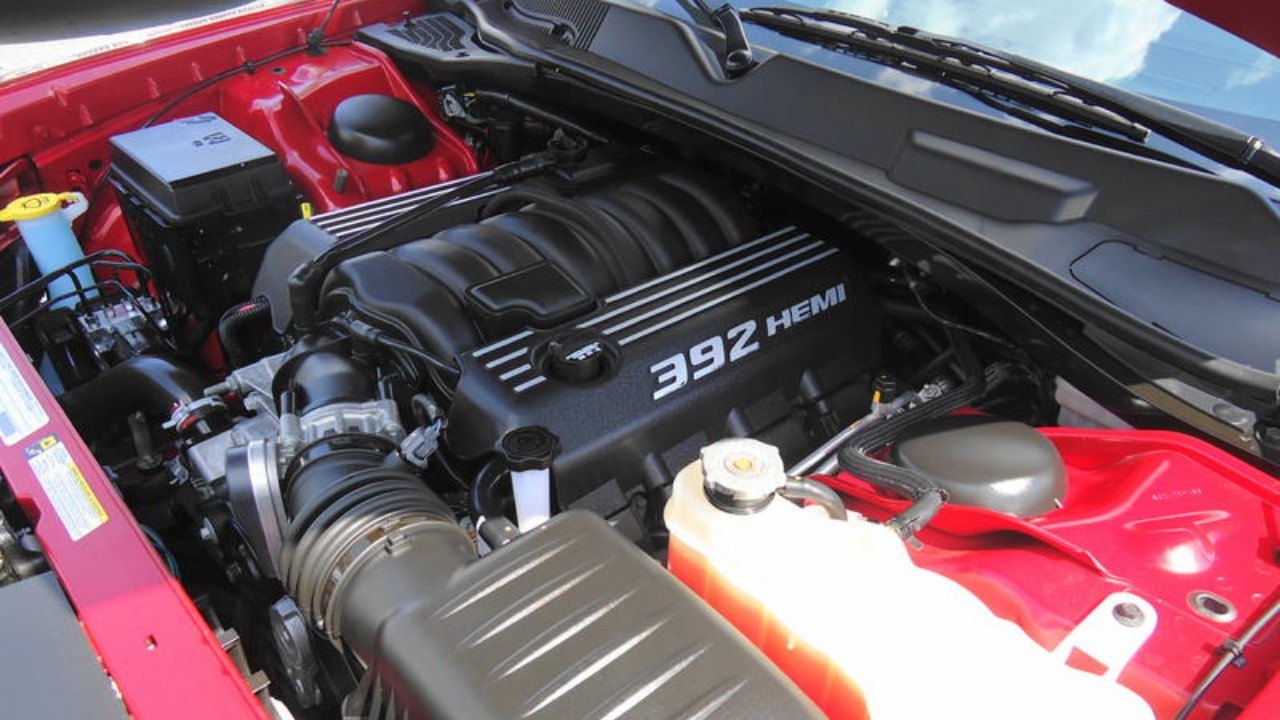
The name is older than the truck it made famous. the Chrysler Hemi engine traces to the hemispherical-chamber V8s of the 1950s, and the modern 5.7-liter revival landed in the Ram 1500 in 2003 with two spark plugs per cylinder and a conventional pushrod layout. Simple architecture gave it a following among owners who keep trucks for a decade.
This is the entry on the list that comes with an asterisk. Well-maintained examples pass 300,000 miles regularly, but the cylinder-deactivation system has been linked to camshaft and roller-lifter wear that announces itself as a persistent tick. Frequent oil changes and a skeptical ear at purchase separate the trucks that reach those numbers from the ones that need a camshaft.
More from Morning Overview
