
Three-row SUVs often look family-ready on paper but fail in practice: car seats block second-row access, the third row ends up kid-only, or cargo space disappears once every seat is filled. The SUVs below get second-row access, third-row room, and trunk space right at the same time. Here are eight three-row SUVs families can actually use every seat in.
1. Kia Telluride: A Third Row Built for Real Passengers
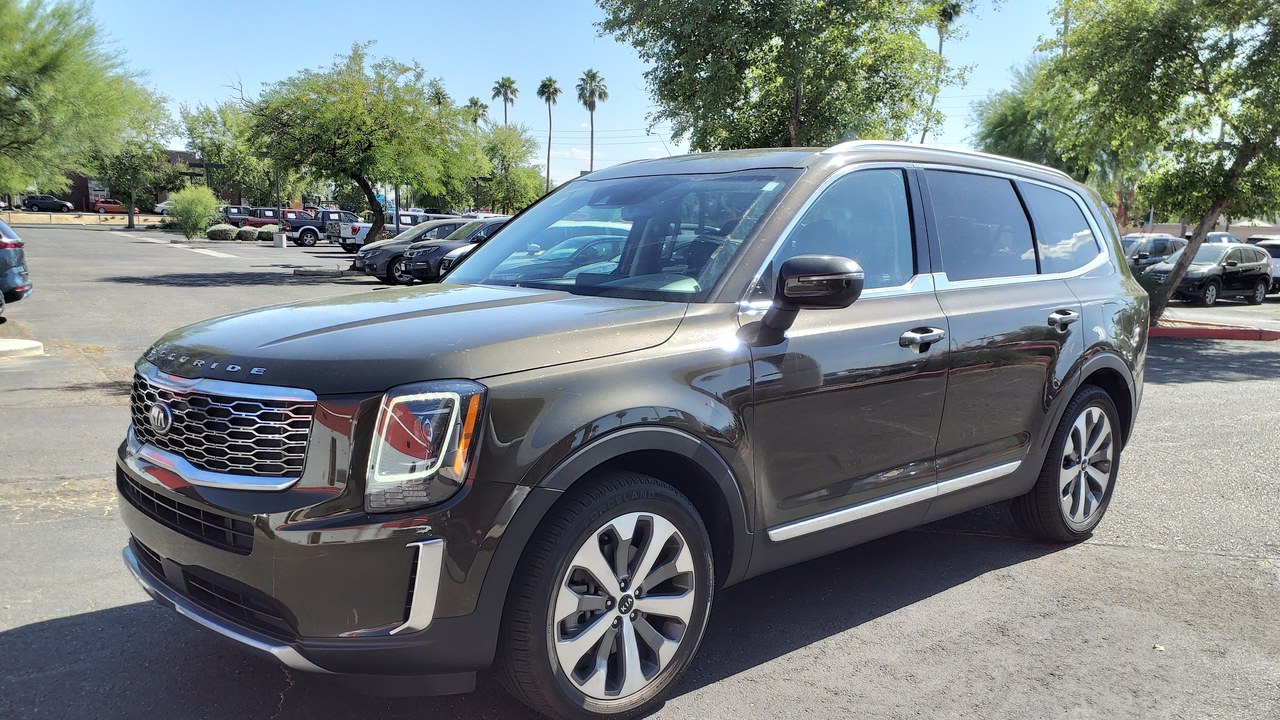
The Kia Telluride pairs a usable third row with a second row that slides and tips forward in one motion, so a parent can leave a car seat installed and still get an older kid to the back bench without contorting. Kia built the Telluride’s third row to seat adults on short trips, not just kids, which is rarer in this class than it should be.
The compromise lands at the tailgate: raise all three rows and the cargo well shrinks to little more than a stroller-and-backpacks space, so hauling sports gear or luggage usually means folding the third row flat. The Telluride’s crash-test scores have stayed near the top of the class, which counts once real kids are riding in back.
2. Hyundai Palisade: Roomy Seating Without the Compromise
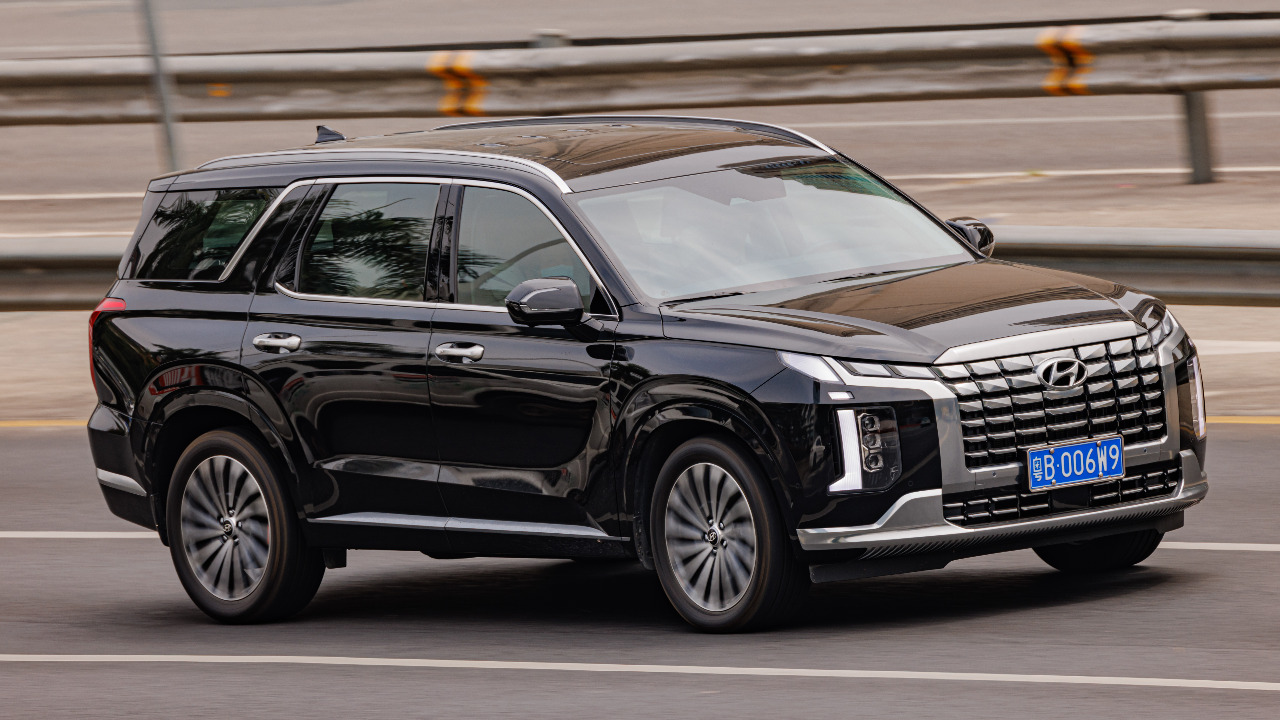
The Hyundai Palisade matches its platform-mate’s roominess with a cabin that feels a size class larger than its badge suggests, and its second-row captain’s chairs, where equipped, leave a clear aisle for older kids to climb back to the third row without anyone else getting up. Hyundai loaded the Palisade’s feature list with driver-assist and family tech further down the trim ladder than most rivals bother with.
Choosing captain’s chairs over a bench trims total seating from eight to seven, a trade some families won’t want to make for easier third-row access. Cargo room behind the last row handles the daily school-and-groceries run fine, but like its rivals it tightens fast once the third row is needed for passengers instead of bags.
3. Toyota Grand Highlander: Toyota’s Fix for a Cramped Third Row
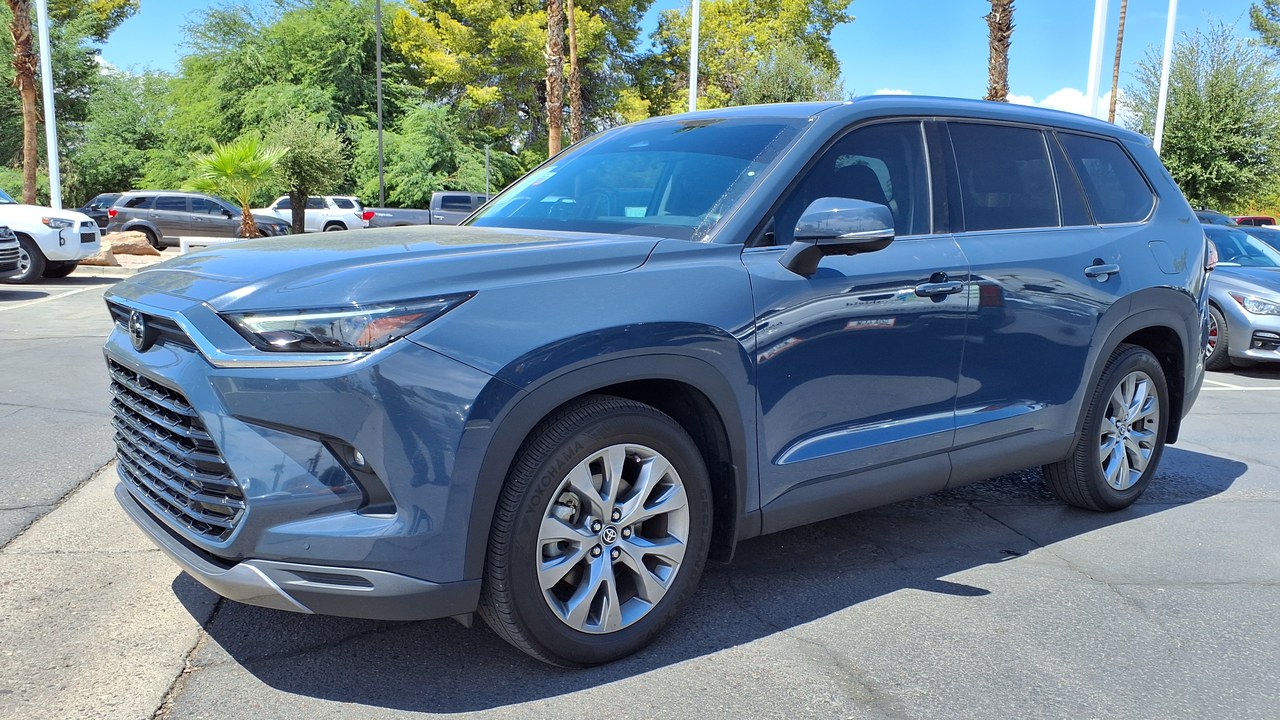
Toyota built the Grand Highlander specifically to answer complaints that the regular Highlander’s third row was too tight for anyone but small kids, stretching the wheelbase to open up real knee room in the back bench. The Grand Highlander also widens the space behind the third row enough to carry more than a token amount of cargo with all seats occupied, unlike the SUV it was designed to fix.
That extra length makes the Grand Highlander noticeably longer to park and maneuver than the standard Highlander, a trade-off some driveways and garages won’t love. Families cross-shopping the two should expect to pay more for the third-row room, since Toyota positions the Grand Highlander a notch above its sibling rather than as a straight replacement.
4. Chevrolet Traverse: Sheer Cabin Volume Over a Tidy Footprint
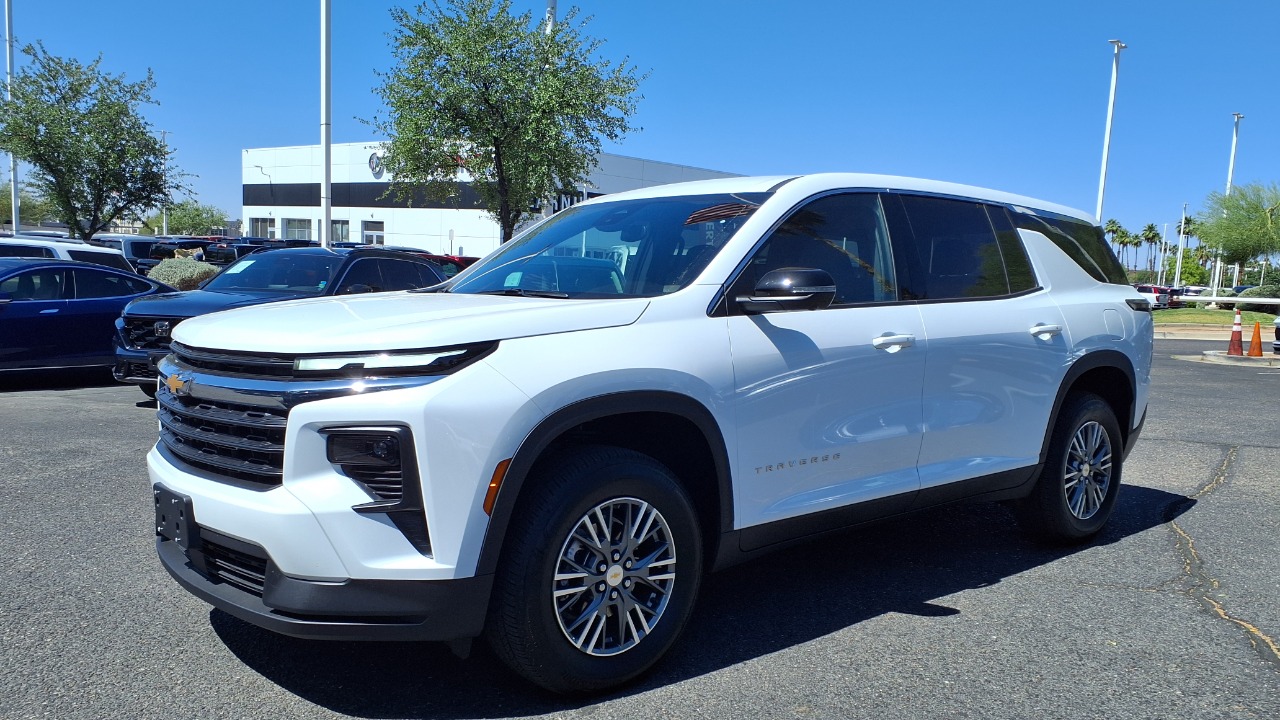
The Chevrolet Traverse trades a compact footprint for sheer interior volume, and that shows up most in the third row, where adults can ride for longer stretches than in most three-row competitors. Chevrolet also kept the Traverse’s second-row access wide and low to the ground, which matters more than any spec-sheet number when it’s a squirming toddler climbing back there alone.
All that interior space comes with a correspondingly large footprint, so the Traverse asks for more parking space and a wider turning radius than tidier three-row rivals. Owners who fold the third row down get one of the larger flat cargo floors in the class, useful for stroller-and-luggage trips even if raising that row again eats most of it back.
5. Honda Pilot: Proven Reliability Meets Everyday Space
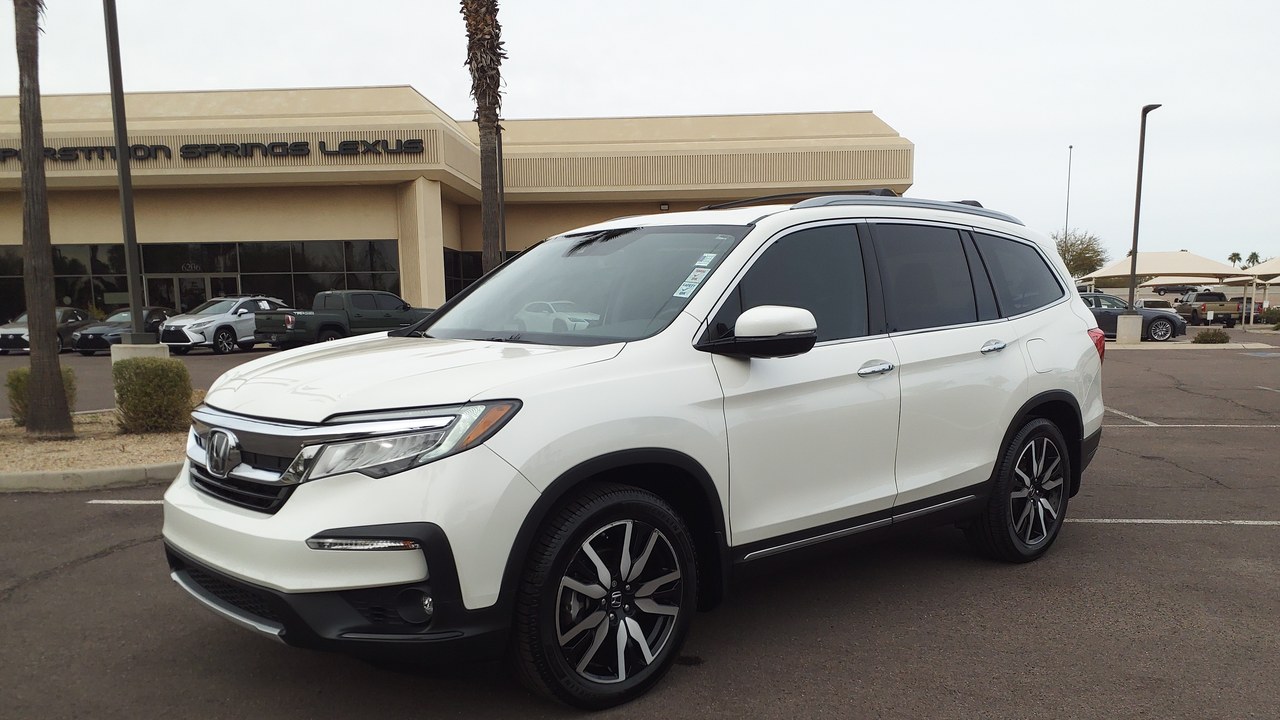
The Honda Pilot has built its family-hauler reputation less on any single standout dimension than on a second and third row that are both genuinely usable together, letting a middle-schooler and a car-seat-bound sibling ride comfortably on the same trip. Honda also gives the Pilot’s low step-in height and wide-opening doors an edge over taller, boxier rivals when it comes to wrangling kids and gear.
Reliability surveys have long ranked the Pilot near the top of its class, a track record that matters more to many parents than an extra inch of legroom. The compromise is a third row that, while usable, isn’t the roomiest in the segment, so families who prioritize maximum third-row space above all else may want to cross-shop before deciding.
6. Ford Explorer: A Mainstay With Adult-Usable Seating
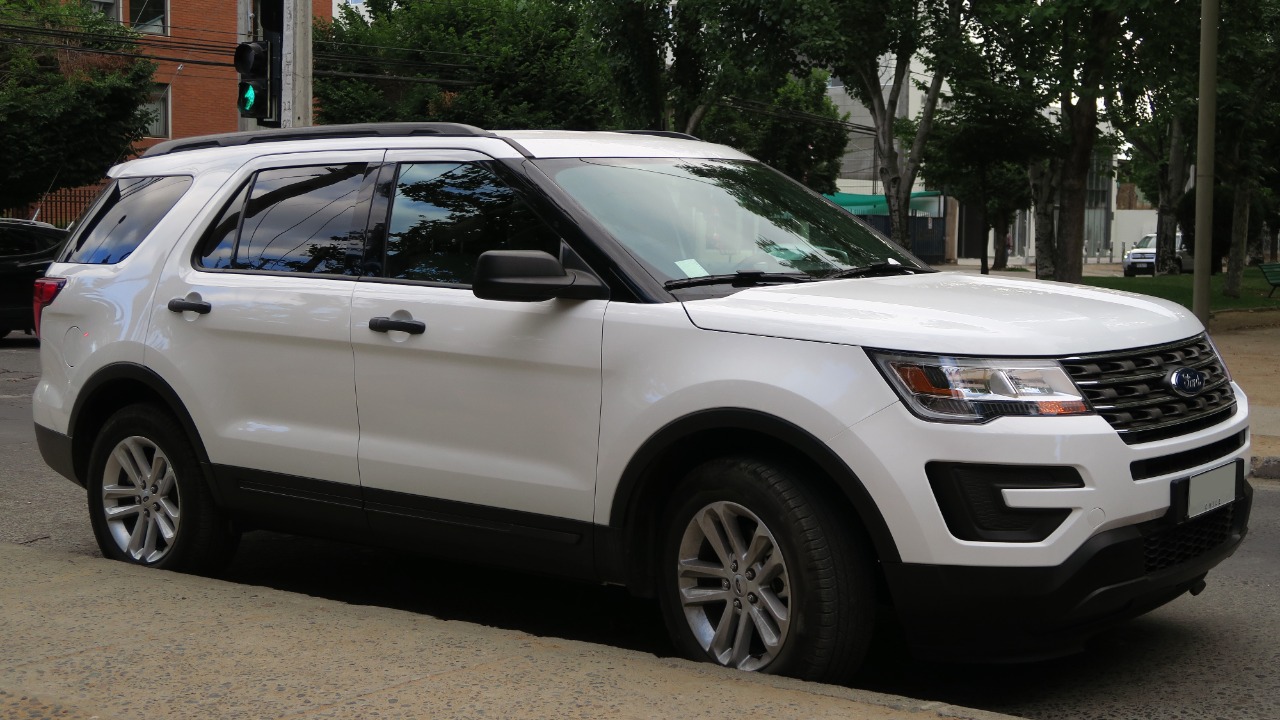
The Ford Explorer has stayed a three-row mainstay for decades in part because its rear-wheel-drive-based layout leaves genuine adult-usable space in the third row, not just a kids-only bench. The Explorer’s second row slides far enough forward to open a real aisle to the back, which helps when an older kid needs to climb past a sibling still buckled into a car seat.
That layout also means the Explorer’s cargo floor sits a bit higher than some rivals’, which can make loading a heavy stroller or cooler more of a lift than a slide. Trim levels vary widely on what actually ships as family-friendly, so shoppers should confirm second-row configuration and driver-assist features rather than assume they carry over from the base model.
7. Subaru Ascent: Standard All-Wheel Drive, Real Third-Row Room
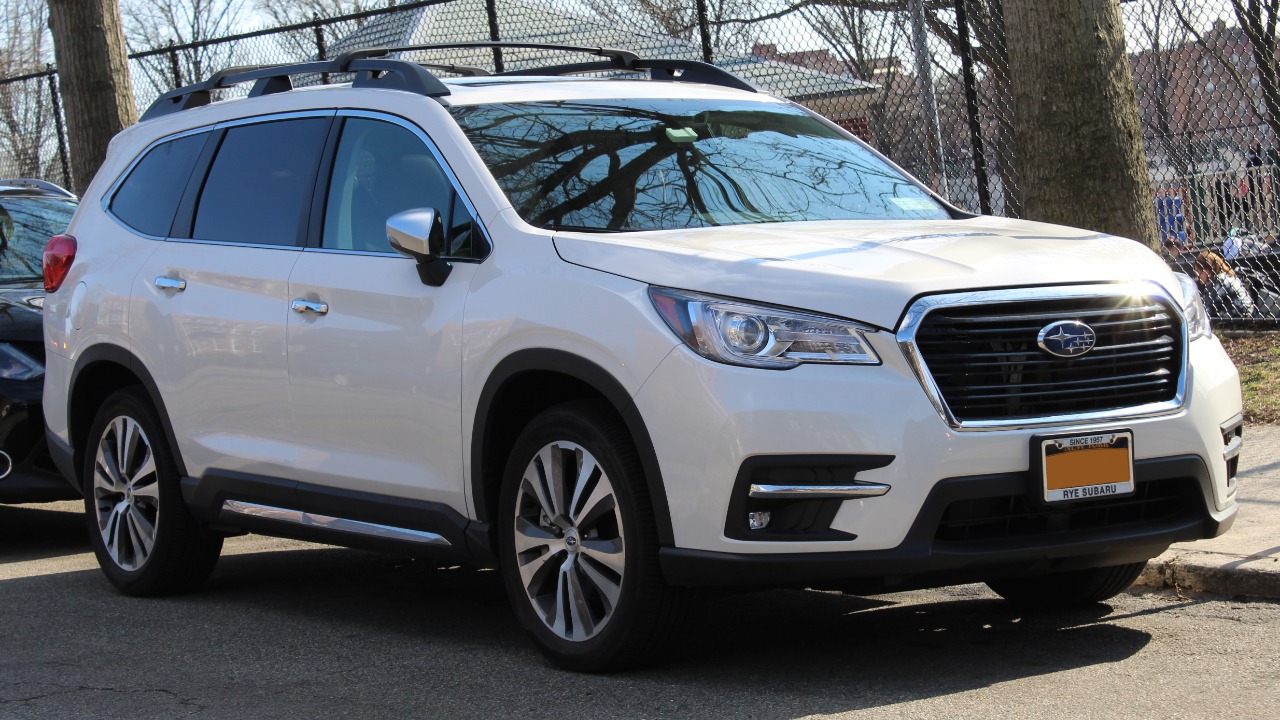
The Subaru Ascent stands out among three-row family SUVs for making all-wheel drive standard across every trim, a reassurance for parents who drive through snow or rain to school and practice without paying extra for it. The Ascent still manages a usable third row despite carrying that drivetrain hardware, and Subaru’s EyeSight driver-assist suite comes standard low in the lineup as well.
Standard all-wheel drive does cost the Ascent some fuel efficiency compared with front-drive-only rivals, a trade-off families should weigh against how often they actually need the extra traction. Its third row remains best suited to kids and shorter adults rather than full-size grown-ups on longer trips, a common limit for SUVs in this size class.
8. Volkswagen Atlas: The Most Spacious Third Row in the Class
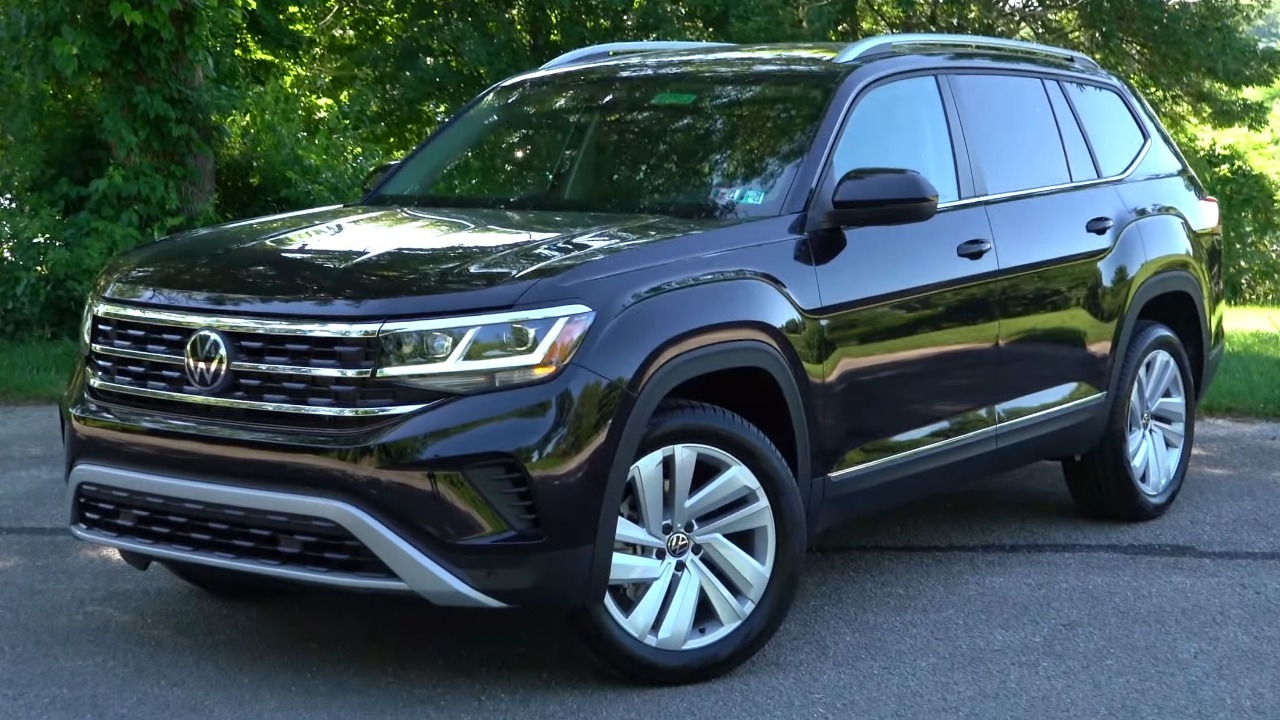
The Volkswagen Atlas was built around a boxier, more upright shape than most three-row rivals, and that shape pays off directly in third-row space that lets adults, not just kids, ride back there without their knees against the seat ahead. The Atlas also keeps a wide, flat cargo floor behind the third row, useful for the stroller-and-grocery-run reality of family life.
That boxier shape trades away some of the curb appeal and fuel efficiency that sleeker rivals offer, a trade-off buyers should weigh against the extra room. Volkswagen’s reliability record has historically lagged some Japanese and Korean rivals in this class, worth checking before committing to the Atlas over a competitor with similar third-row space.
More from Morning Overview
- A handful of SUVs keep hitting 300,000 miles, and they share one engine trait
- Supplements now rank as the fifth-leading cause of death from liver disease.
- A study names the one SUV most likely to reach 250,000 miles
- More than 60,000 people flee the Spokane area as complex fires overrun 600 structures
