
Three-row SUVs absorb the hardest use in a family fleet: full loads, long highway trips and years of school runs. Reliability carries more weight here than in almost any other segment, because a breakdown strands a household rather than a single commuter. Here are eight three-row SUVs with the strongest reliability records in the class.
1. Toyota Highlander: The Segment Benchmark
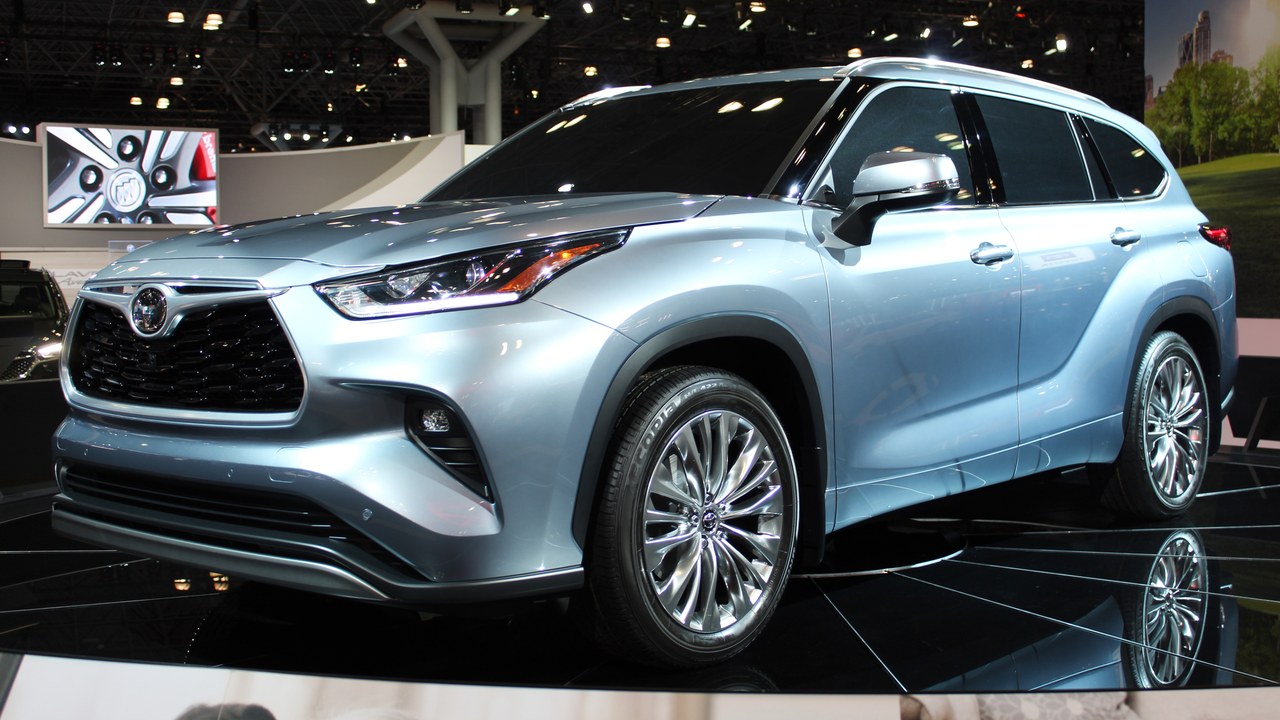
Toyota’s three-row crossover has sat near the top of reliability rankings for years, and the brand’s standing on lists of the most reliable car brands explains much of that pattern. Highlander engineering leans on hardware carried across model cycles rather than debuting new systems every year, which keeps the count of untested components low. Complaints that do surface tend to involve infotainment and cabin noise rather than drivetrain failure.
The trade-off is temperament. Families chasing the newest cabin technology or the largest third row will find bolder options in the segment, but buyers who plan to keep a vehicle well past its warranty are choosing a known quantity.
2. Kia Telluride: Recall And All
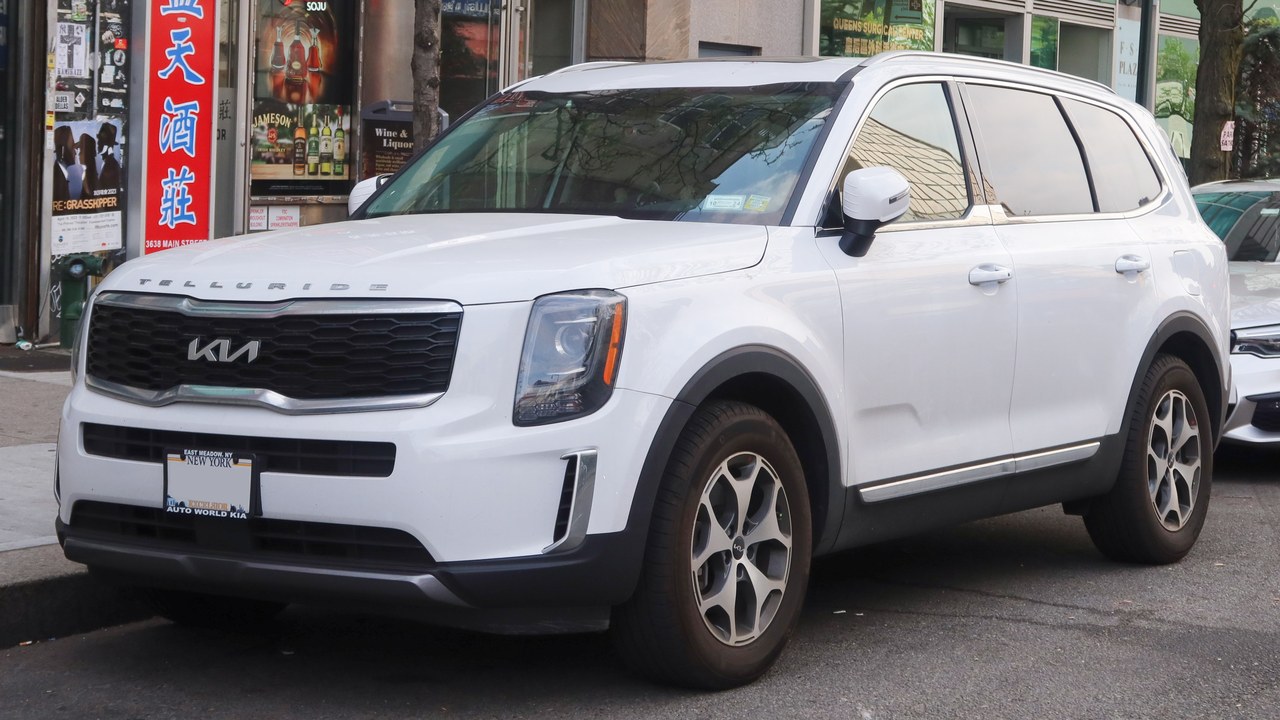
Kia’s three-row arrived as an instant default recommendation and has held that position even as the Telluride’s recall record drew attention in 2026. A recall is a repair order rather than a verdict on a design, and the model’s underlying reliability marks stayed strong through it. Dealers perform the remedy at no charge, which limits the practical cost of a campaign to one service visit.
Anyone shopping the used market should confirm with a dealer that outstanding recall work was actually completed, since the fix only applies once a vehicle is brought in. That check aside, the Telluride remains among the safer bets in a class where several rivals have far shorter service histories.
3. Hyundai Palisade: The Upscale Sibling
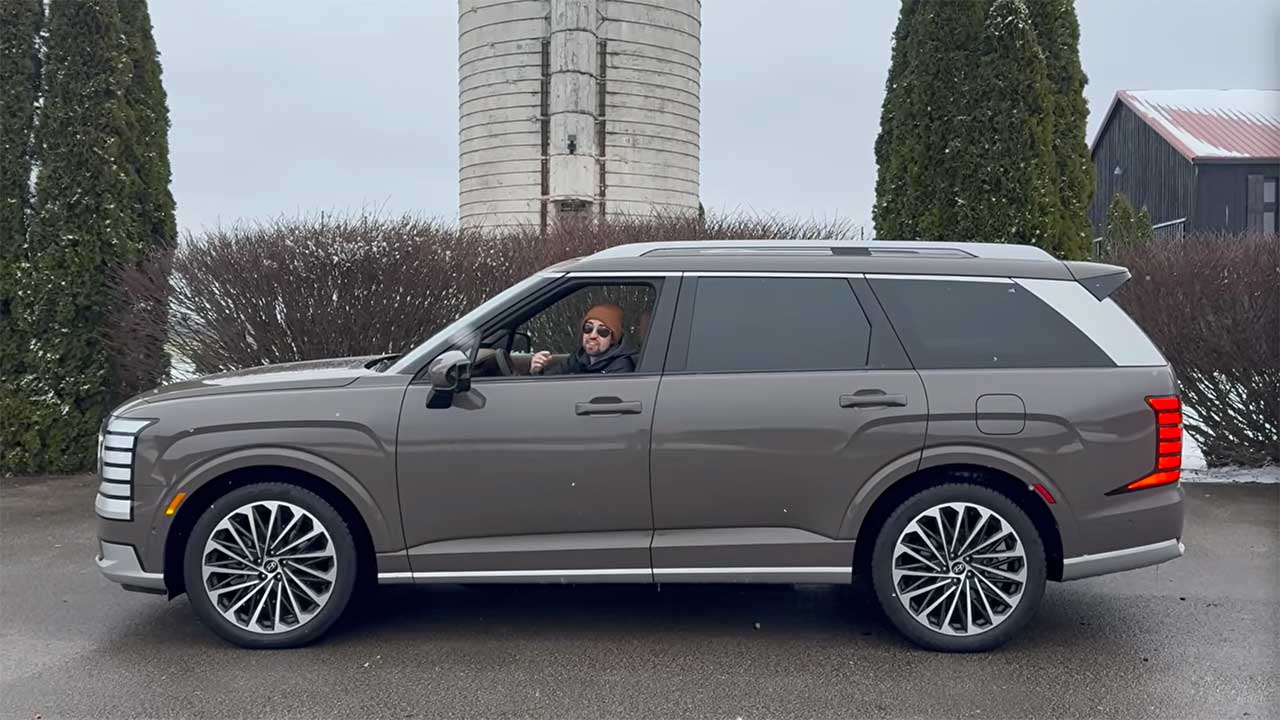
Built alongside the Telluride, the Hyundai Palisade shares the mechanical package that earns its corporate twin such strong marks, and its own scores track closely as a result. Hyundai dresses the vehicle more formally, with a quieter presentation and softer ride tuning, yet the parts underneath are largely the same ones that have proven durable in the Kia.
Shared engineering cuts both ways. A fault that appears in one model usually turns up in the other, so choosing between them on reliability grounds rarely produces a meaningful difference; price, incentives and dealer convenience end up deciding most purchases.
4. Toyota Sienna: Hybrid Family Hauler
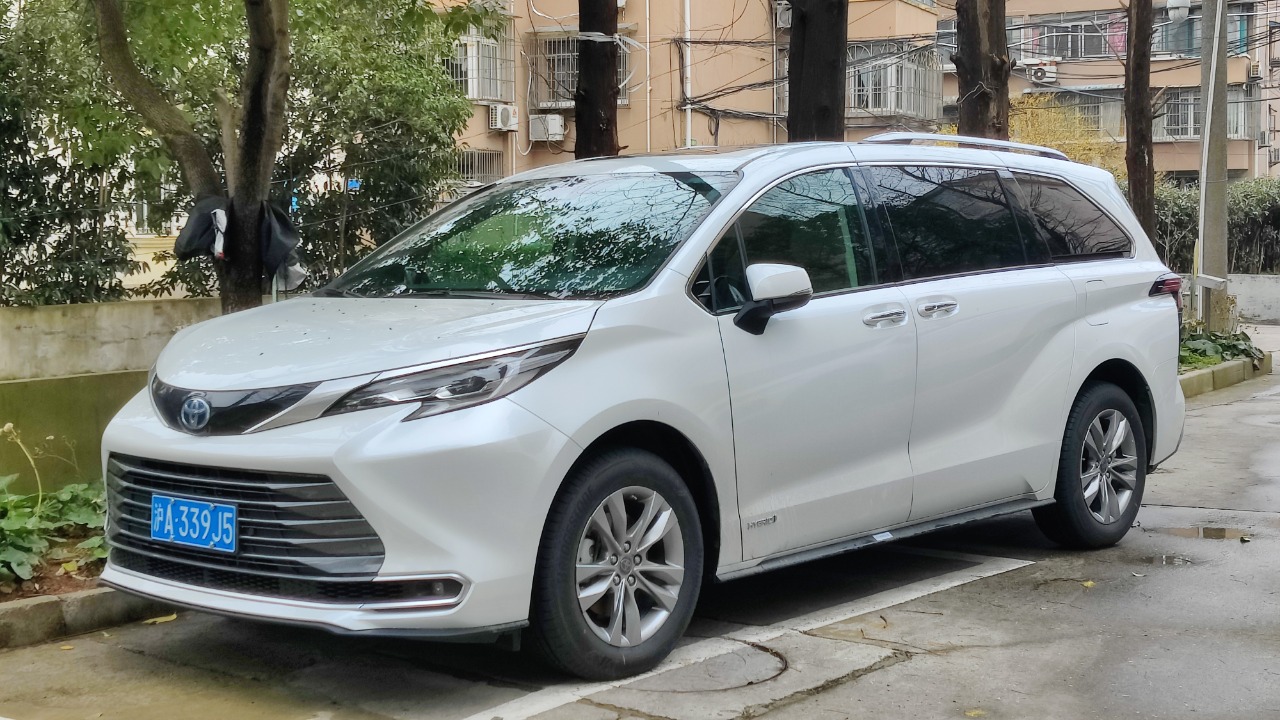
Straddling the line between minivan and crossover, the Toyota Sienna lands on three-row shopping lists on the strength of a hybrid drivetrain with a reputation for durability. Its powertrain follows the hybrid architecture Toyota has been refining for decades, and that accumulated engineering is the main reason the model draws few complaints about mechanical failure.
Body style is the sticking point. Shoppers set on SUV proportions will discount the Sienna on looks alone, though sliding doors and a low load floor make loading children and cargo easier than in most of the tall crossovers it competes against.
5. Honda Pilot: The Long Track Record
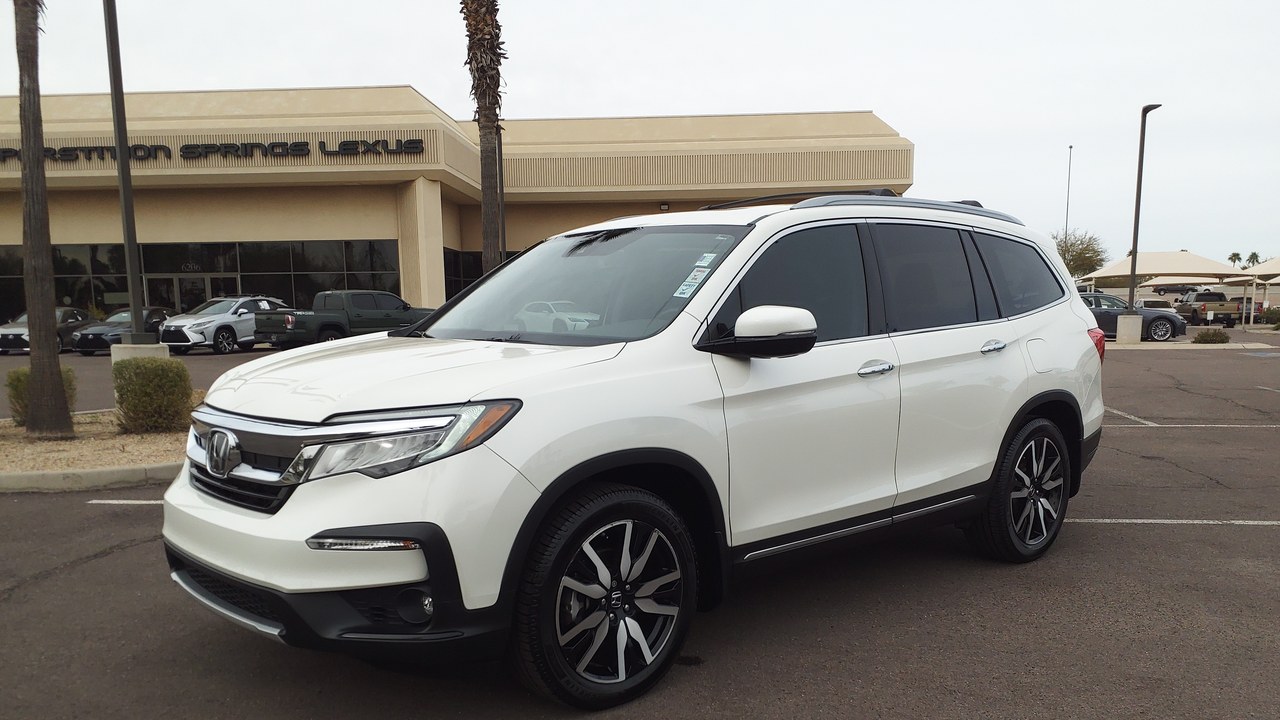
Few three-rows carry as much accumulated service history as the Honda Pilot, which has been sold in the segment long enough for its failure patterns to be thoroughly documented. That visibility is worth something: independent mechanics know the vehicle, parts are widely stocked, and little is left for an owner to discover after the warranty expires.
Longevity brings a drawback of its own, because generations of the Pilot differ enough that a strong record on one does not guarantee the same on another. Anyone evaluating a used example should research the specific generation rather than trusting the nameplate’s overall reputation.
6. Subaru Ascent: Owner-Reported Strength
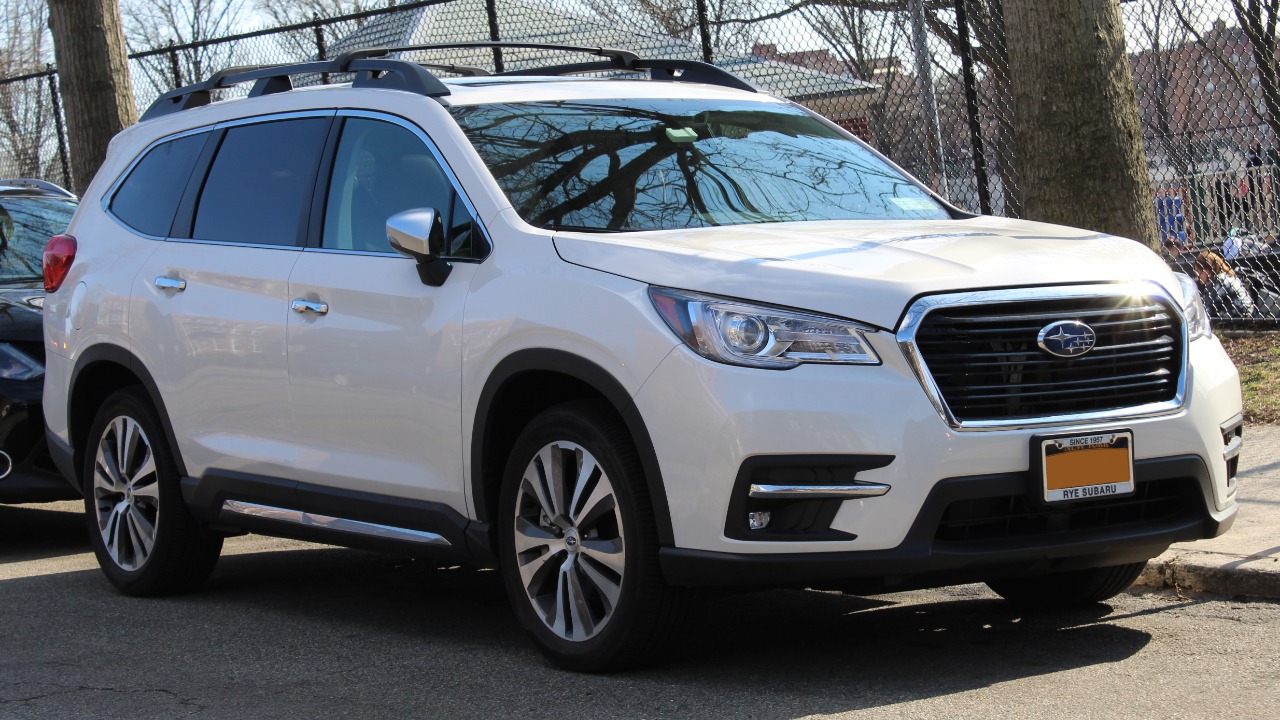
Subaru’s entry in the class, the Subaru Ascent, earns solid marks in owner-reported reliability surveys, the measure that captures what actually breaks rather than what a test track reveals. Standard all-wheel drive gives it a following in snow states, where owners tend to hold vehicles a long time and generate exactly the multi-year data those surveys depend on.
Scale is the caveat. The Ascent is a smaller presence than the largest vehicles here, so the third row and the cargo space behind it are tighter, and families who expect that row occupied on long trips should sit back there before committing.
7. Toyota Grand Highlander: More Room, Same Formula
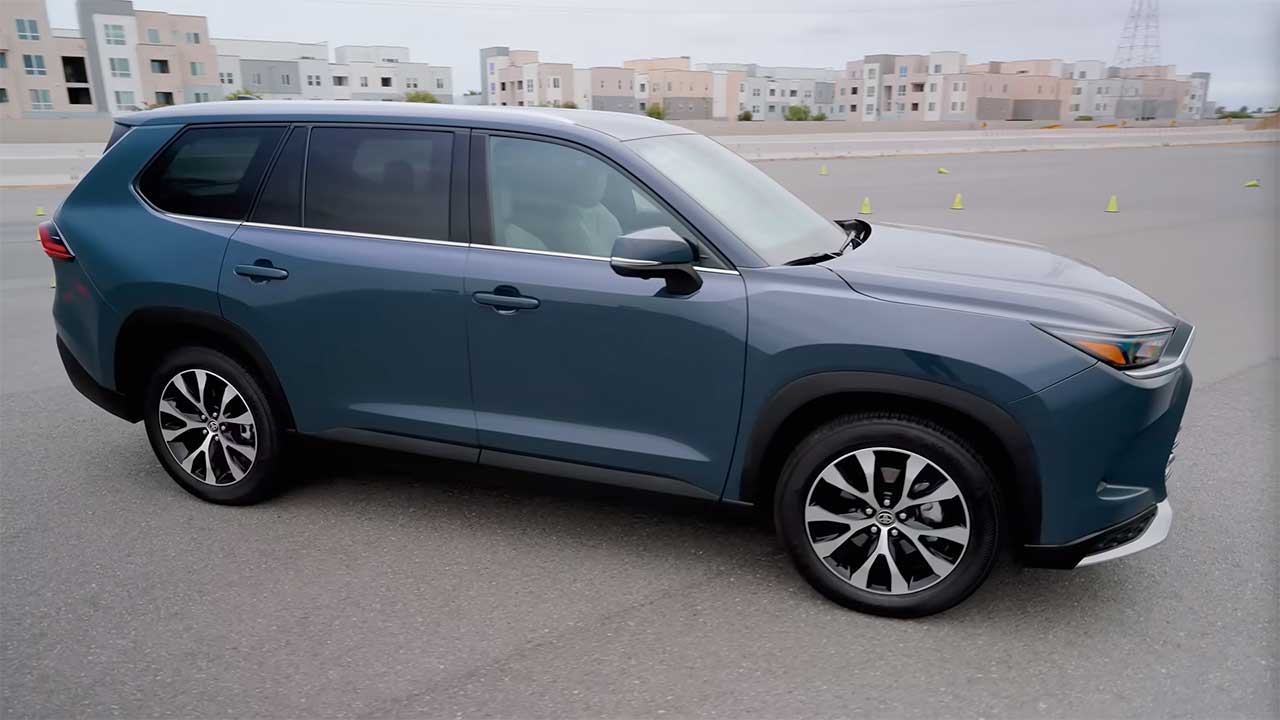
Complaints about tight rear quarters produced the Toyota Grand Highlander, a longer vehicle built to carry the smaller model’s reliability record forward into a roomier package. The approach was deliberately conservative: proven components in a stretched body, rather than a clean-sheet design full of new systems that would need years of field use before anyone could vouch for them.
Newness still argues for some patience. This model has spent fewer years on the road than the Highlander it flanks, so its long-term record is thinner even where the underlying engineering is familiar to mechanics.
8. Mazda CX-90: The Polished Newcomer
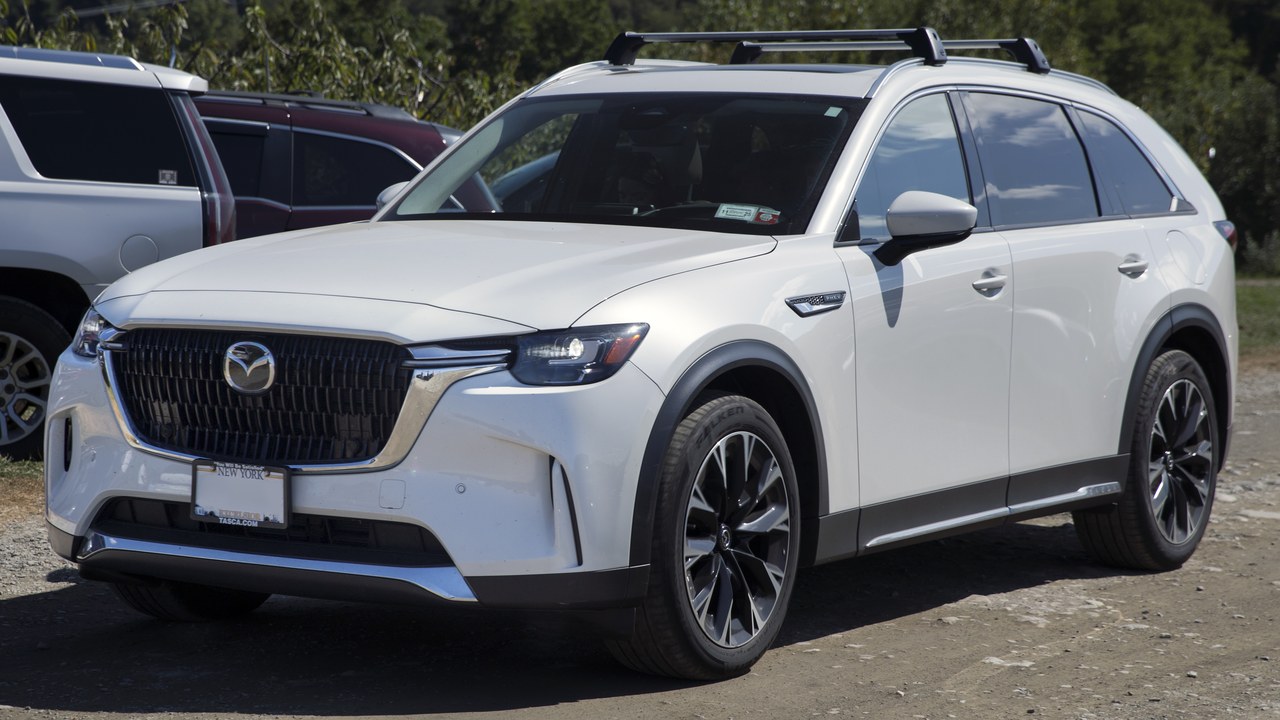
Among the newest entries in the class, the Mazda CX-90 draws praise for build quality, from panel fit to material choices to the general solidity of the cabin. Those traits often signal how well a vehicle ages, since loose trim and cheap switchgear are usually the first things owners complain about once the novelty of a purchase wears off.
Build quality is not the same thing as a proven service record, and the CX-90 has not been on the road long enough to have one. Shoppers who prize documented long-term durability above all else may prefer a nameplate with more years of owner data behind it.
More from Morning Overview
