
Reliability rankings are built from what owners report long after the warranty paperwork is filed, not from a week behind the wheel. Consumer Reports’ 2026 assessment singles out a group of SUVs that struggled badly on that measure, and the list spans electric flagships, full-size luxury haulers and familiar family crossovers. Here are eight SUVs that landed at the bottom.
1. Rivian R1S: Last-Place Brand Score
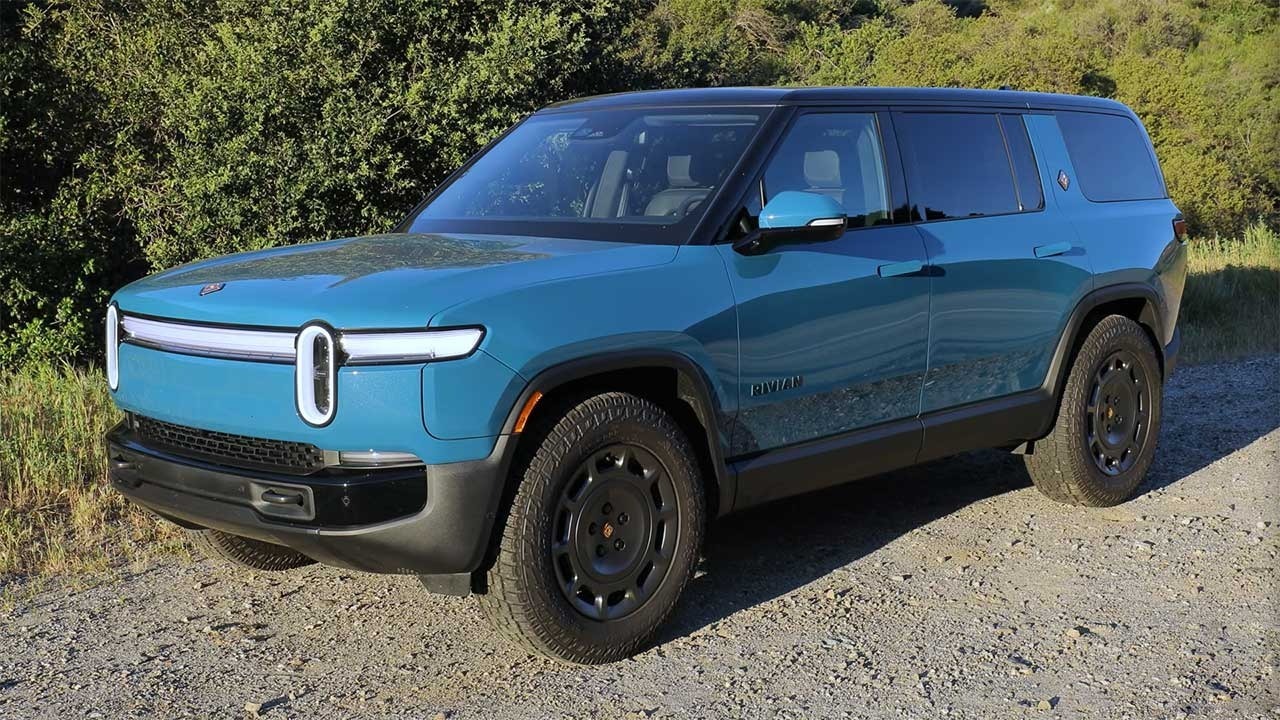
Rivian’s three-row electric SUV carries the heaviest burden on this list, because its maker finished last among all brands in the 2026 reliability rankings. The R1S serves as the company’s flagship family hauler, sharing its skateboard platform and much of its hardware with the R1T pickup.
A brand-level finish that low says more than any single complaint, since it points to trouble spread across systems rather than one isolated defect. Shoppers drawn to the R1S for its off-road ability and cabin space should factor in service visits and the reach of a still-young repair network.
2. Jeep Wagoneer: Big Flagship, Big Complaints
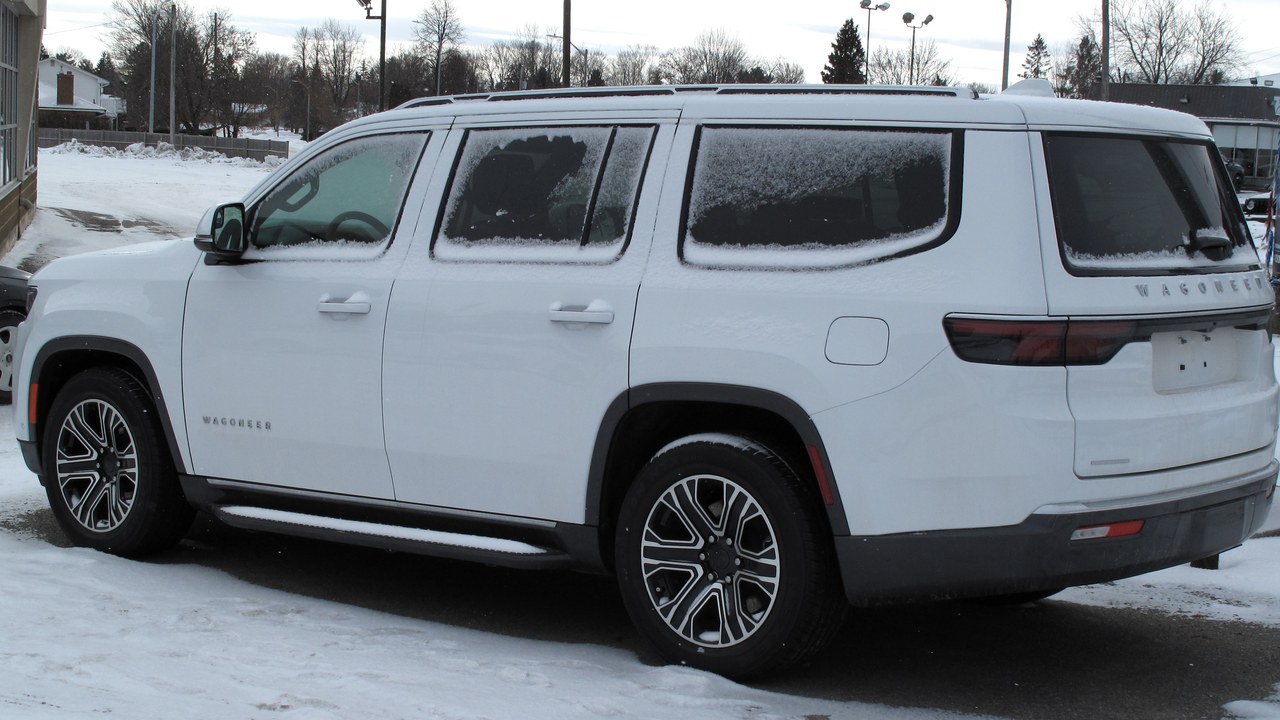
Size and content work against Jeep’s full-size flagship, which appears on a roster of troubled SUVs assembled from owner-reported problems. Three rows of seating, heavy body-on-frame construction and a long roster of powered features leave the Wagoneer with far more to go wrong than a compact crossover.
Complaints sting more on a vehicle this expensive, because parts and labor scale with the machine. Anyone cross-shopping full-size domestic SUVs may love the Wagoneer’s road manners and still face repair bills that outpace the segment, which makes extended factory coverage worth pricing out before signing.
3. Jeep Grand Cherokee: A Best-Seller With Blemishes
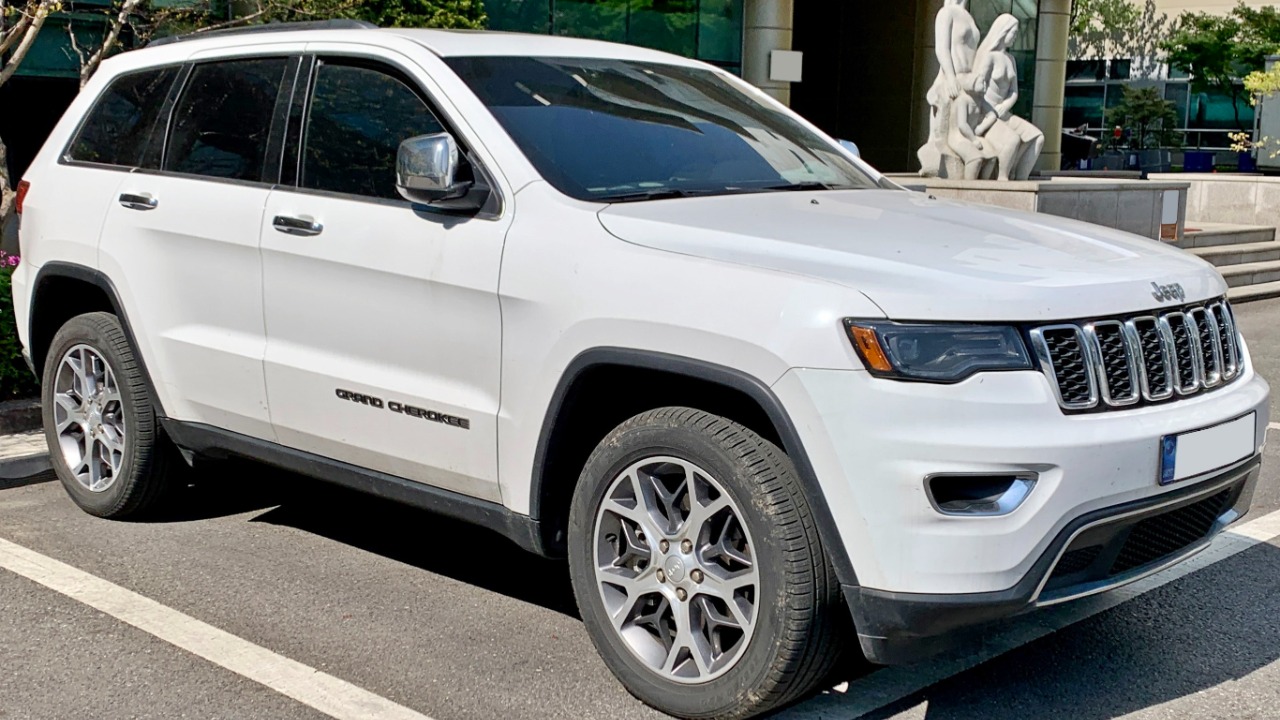
Volume and dependability are not the same thing. Jeep’s midsize mainstay ranks among the brand’s best-selling models, yet it carries below-average reliability marks, a pattern that has trailed the nameplate across generations and drivetrain choices rather than attaching to one bad year.
Popularity does deliver one real advantage: parts are everywhere and independent shops know the platform inside out, which softens the cost of the repairs that do arrive. A documented service history and a pre-purchase inspection still matter, especially on air-suspension and four-wheel-drive versions that pile extra mechanical complexity onto an already complicated vehicle.
4. Cadillac Lyriq: Early EV Growing Pains
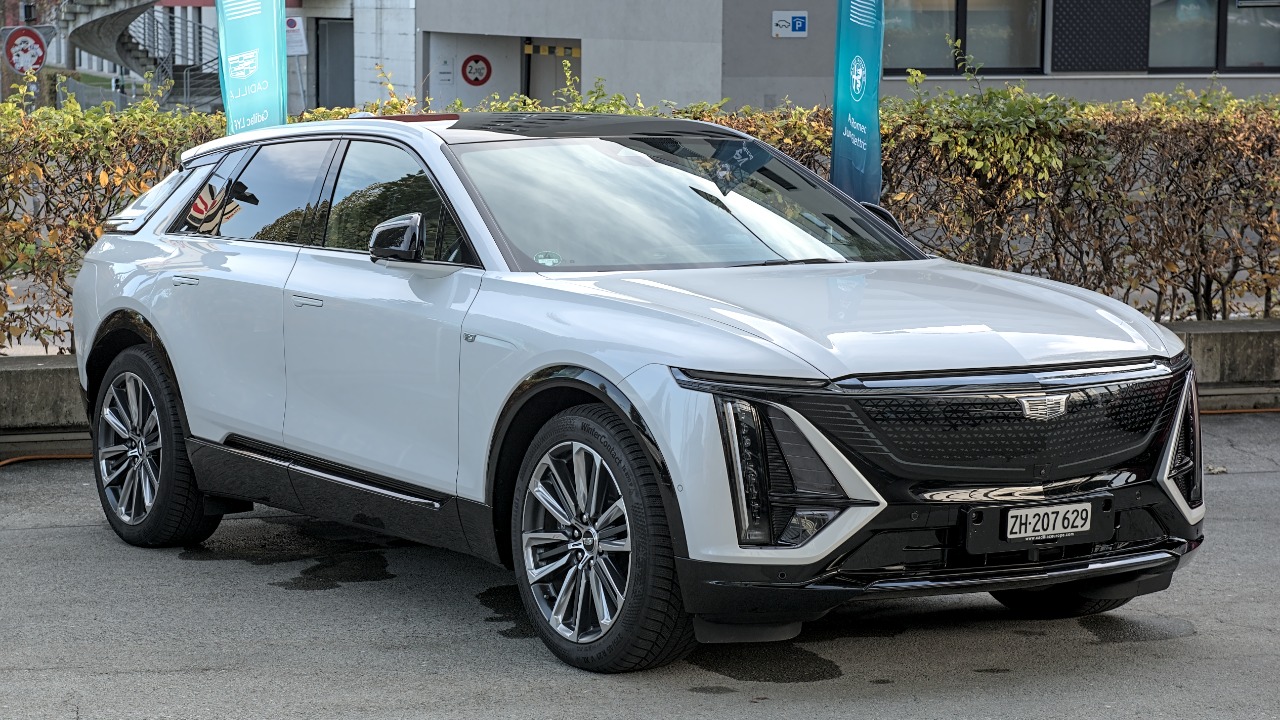
Cadillac’s electric era opened with the Lyriq, the brand’s first mass-market EV, and its reliability trouble surfaced early rather than after years of accumulated mileage. Launching a new battery architecture, a new platform and a new electrical system all at once leaves considerable room for problems to appear.
Early-production electric vehicles often improve once a manufacturer works through launch issues, so a later build can behave nothing like a first-year car. Confirming with a dealer that every outstanding recall and software campaign has been completed is the single most useful step before taking delivery of a used example.
5. GMC Acadia: Owners Score It Low
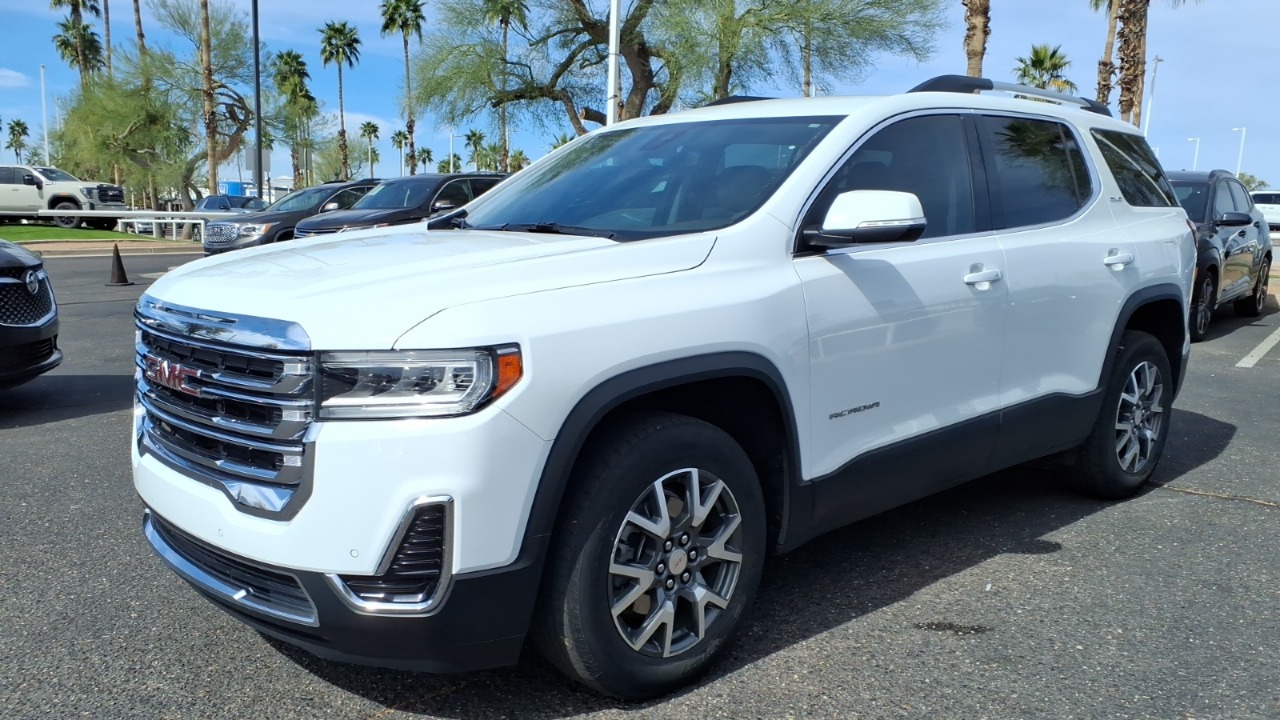
Owner surveys, not lab tests, drive rankings like this one, and the Acadia scores poorly with the people who live with it every day. GMC’s midsize three-row crossover competes in a crowded corner of the market where rivals set a high bar and any weakness gets noticed fast.
Weak owner scores usually reflect an accumulation of nagging faults rather than catastrophic failure, and that is precisely the pattern that erodes resale value over time. With so many alternatives in the segment, cross-shopping costs nothing, and a dependable service department matters more than usual here.
6. Volkswagen Atlas: Recurring Trouble Spots
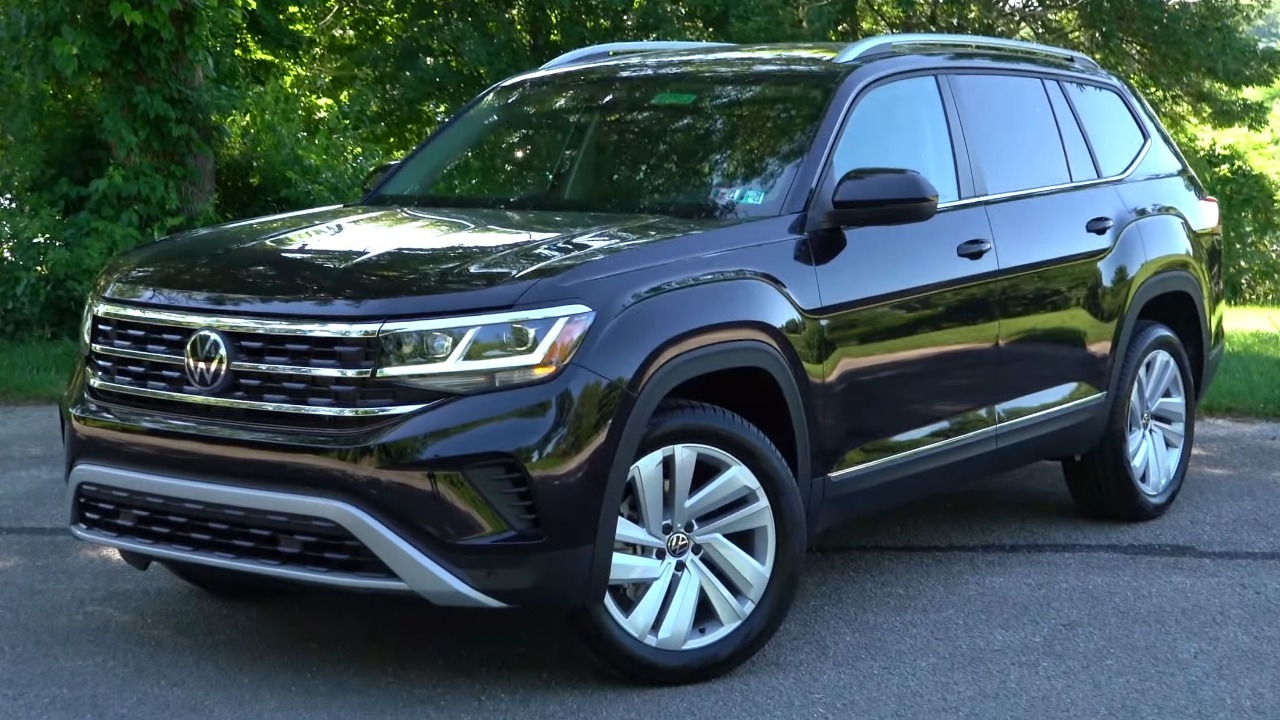
Built for American families who wanted three rows without leaving the brand, the largest Volkswagen sold stateside has developed recurring trouble spots. Faults that repeat across many owners carry more weight than isolated breakdowns, because repetition points toward a design or supplier issue instead of bad luck.
Predictability is the small consolation. Independent shops and owner forums tend to know the fix and its cost long before a warranty runs out, and that transparency lets a careful buyer check whether a specific used Atlas has already had the common repairs performed.
7. Lincoln Aviator: Complexity Cuts Both Ways
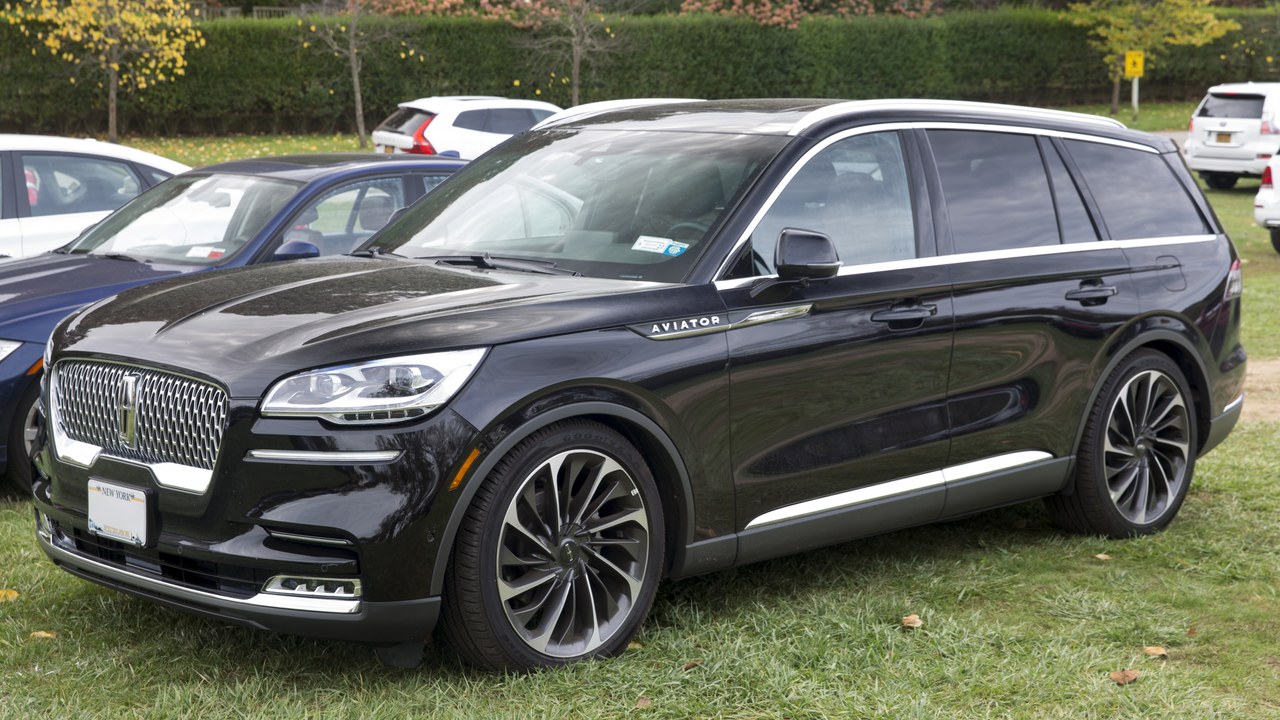
Luxury equipment is both the selling point and the liability here. Lincoln’s three-row luxury SUV layers adaptive suspension, large screens and an elaborate electrical system onto a midsize platform, and that complexity is exactly what hurts its reliability, since every added system creates another way to fail.
The trade is deliberate rather than accidental, as the same hardware that produces a quiet, comfortable cabin also produces expensive out-of-warranty repairs. Targeting a certified pre-owned car with factory coverage intact, instead of chasing the lowest asking price, is how the risk gets managed.
8. Chevrolet Blazer EV: Software And Charging Faults
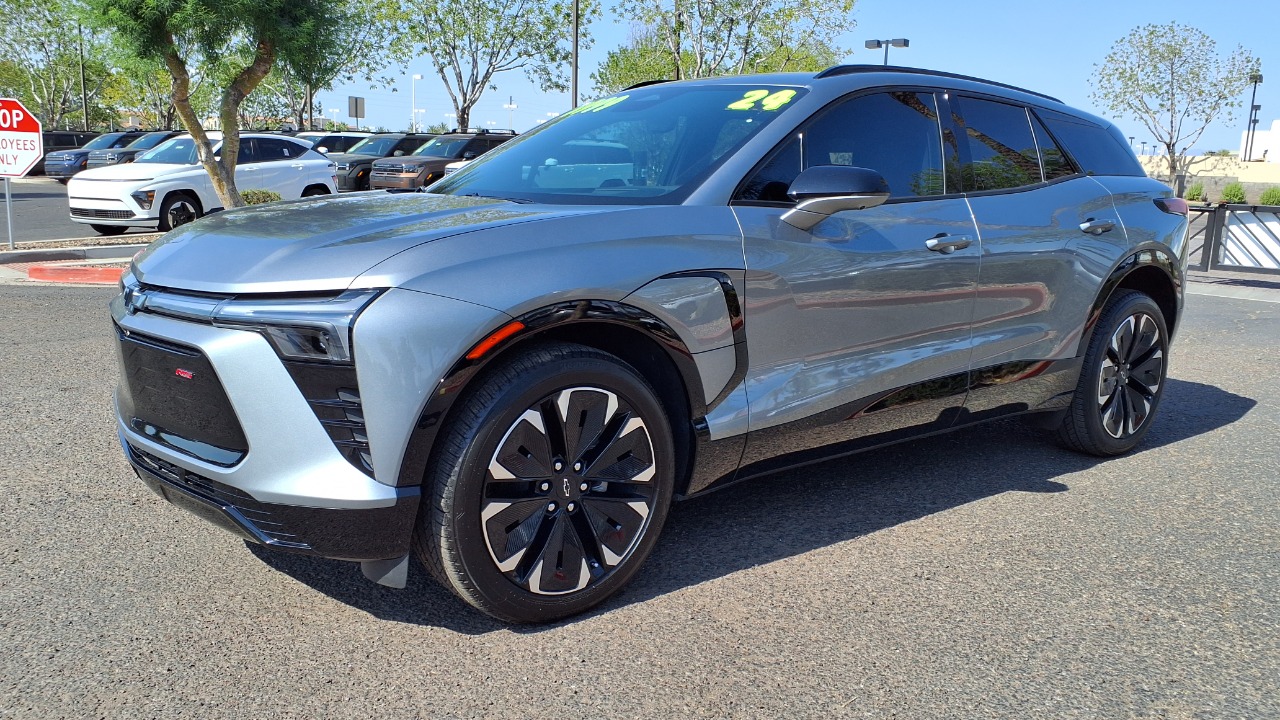
Sharing a nameplate with a gasoline crossover and almost nothing else, Chevrolet’s electric Blazer has been undercut by software and charging issues rather than mechanical ones. Code that mismanages infotainment, driver aids or a charging session can immobilize a vehicle just as effectively as a broken component.
Software-rooted defects at least carry the possibility of a remote or dealer-applied fix, which separates them from hardware failures that wait on parts. Verifying that a given car has received all available updates, then completing a full public charging session before purchase, remains the practical defense.
More from Morning Overview
