
A flat or boxer engine lays its cylinders horizontally in opposing pairs, canceling vibration and dropping the center of gravity lower than an inline or V configuration. Porsche built its identity on the layout, but Subaru, Toyota, and even Chevrolet have each used it to chase the same low, balanced feel. Here are eight sports cars that trace six decades of boxer and flat-engine engineering.
1. Porsche 911: The Flat-Six Original
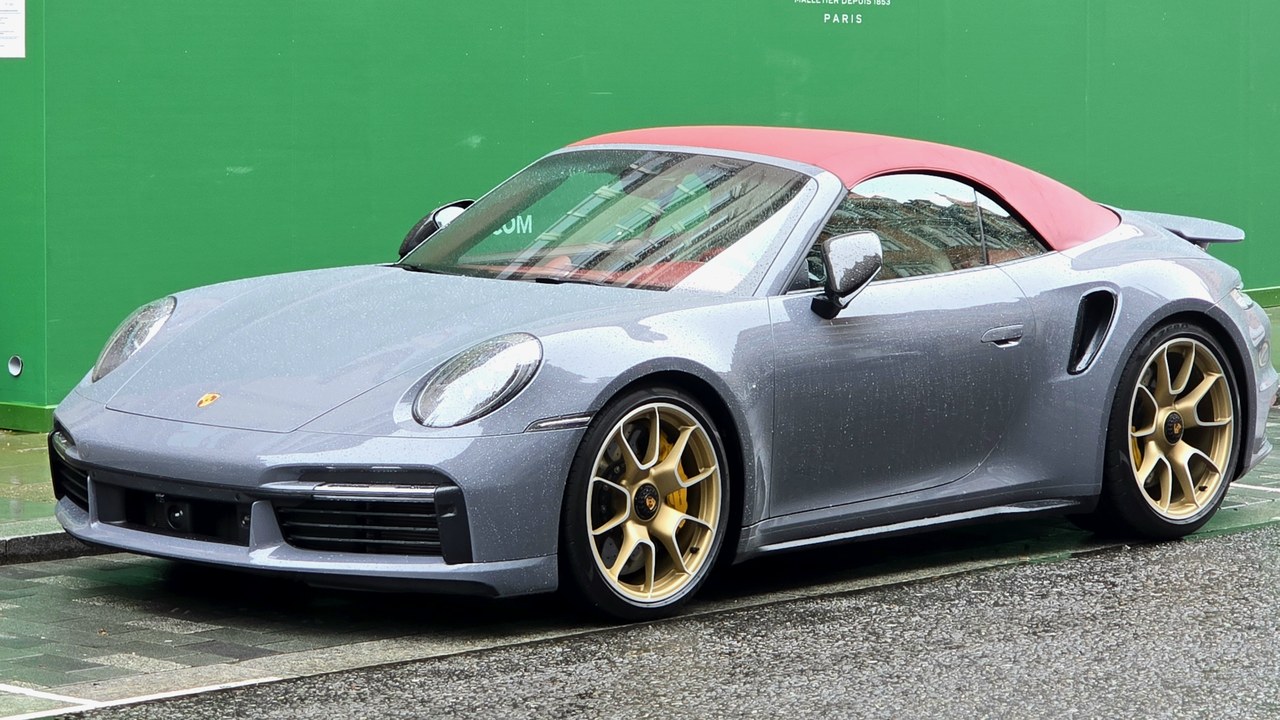
The Porsche 911 has carried a rear-mounted flat-six since its 1963 debut, a layout Porsche never abandoned even as displacement, turbocharging, and horsepower climbed across seven generations. The flat-six architecture keeps the crankshaft low and the pistons firing in opposing pairs, which cancels out primary vibration without a balance shaft.
That inherent smoothness is why the 911 idles and revs with a texture unlike any V-configuration rival, and why owners describe the exhaust note as instantly identifiable. Six decades on, the boxer six remains the car’s single most defining, immediately recognizable mechanical trait.
2. Porsche 718 Cayman: Mid-Engine Boxer Balance
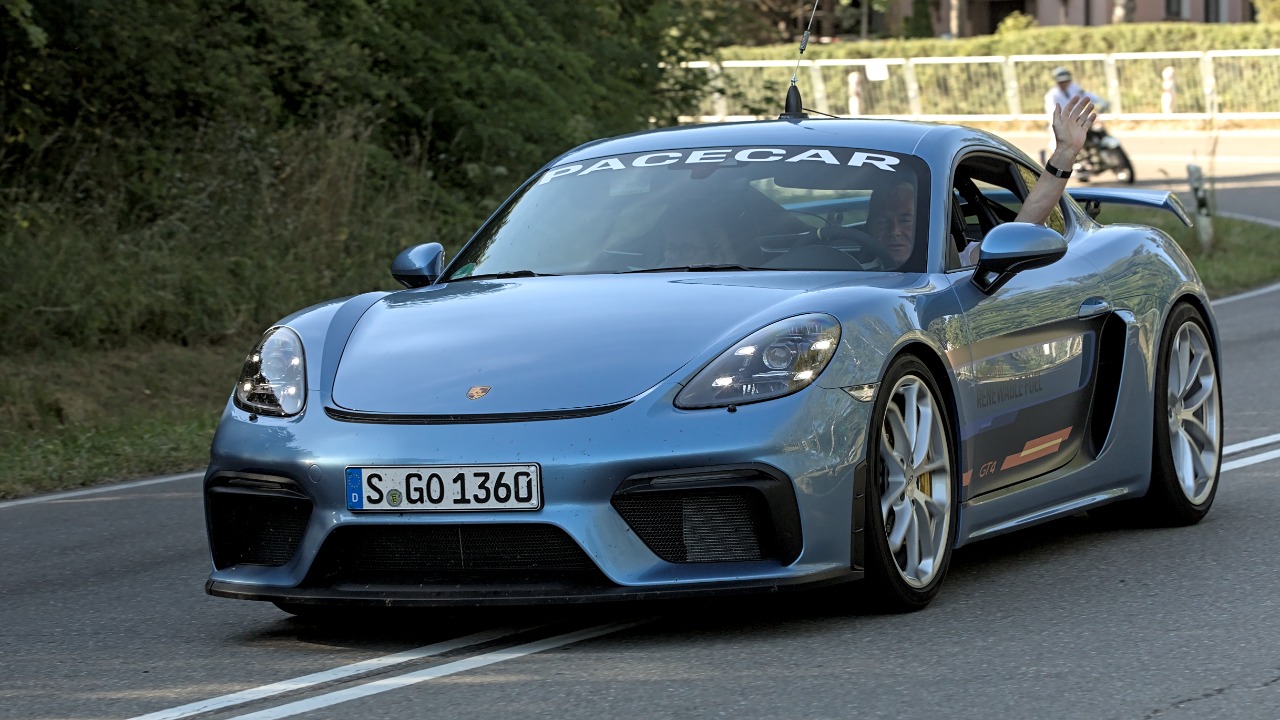
The Porsche 718 Cayman moves the flat engine out of the tail and into the middle of the chassis, sitting the four-cylinder boxer just behind the seats rather than behind the rear axle. That placement, detailed on the model’s 718 Cayman page, centers the mass closer to the car’s midpoint than the rear-engine 911 achieves.
A mid-mounted boxer four lowers polar moment of inertia, which sharpens turn-in and makes the coupe rotate more predictably at the limit than its rear-engine sibling. Enthusiasts and reviewers alike have long rated the Cayman’s chassis balance above the 911’s own.
3. Porsche 718 Boxster: Open-Top Boxer Roadster
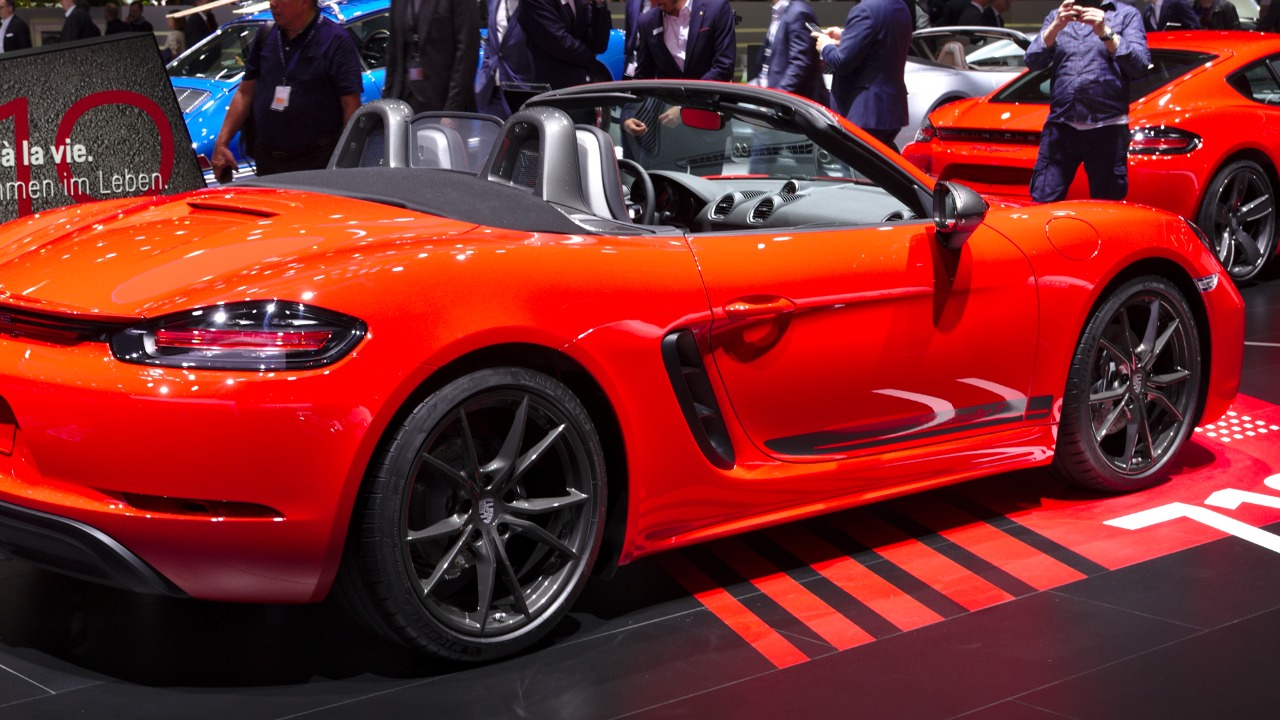
The Porsche 718 Boxster pairs the same mid-mounted flat engine as the Cayman with a folding soft top, making it the roadster half of Porsche’s entry-level sports-car pair. Named for the boxer-plus-roadster formula, the Boxster lineage dates to 1996 and predates the modern Cayman coupe by nearly a decade.
Removing the roof adds weight and can loosen chassis stiffness, yet the Boxster’s low, central engine keeps its handling nearly identical to its hardtop sibling. It remains the cheapest way into a genuine mid-engine Porsche, and its flat-four exhaust note still sets it apart from four-cylinder rivals.
4. Subaru BRZ: Low-Slung Boxer Coupe
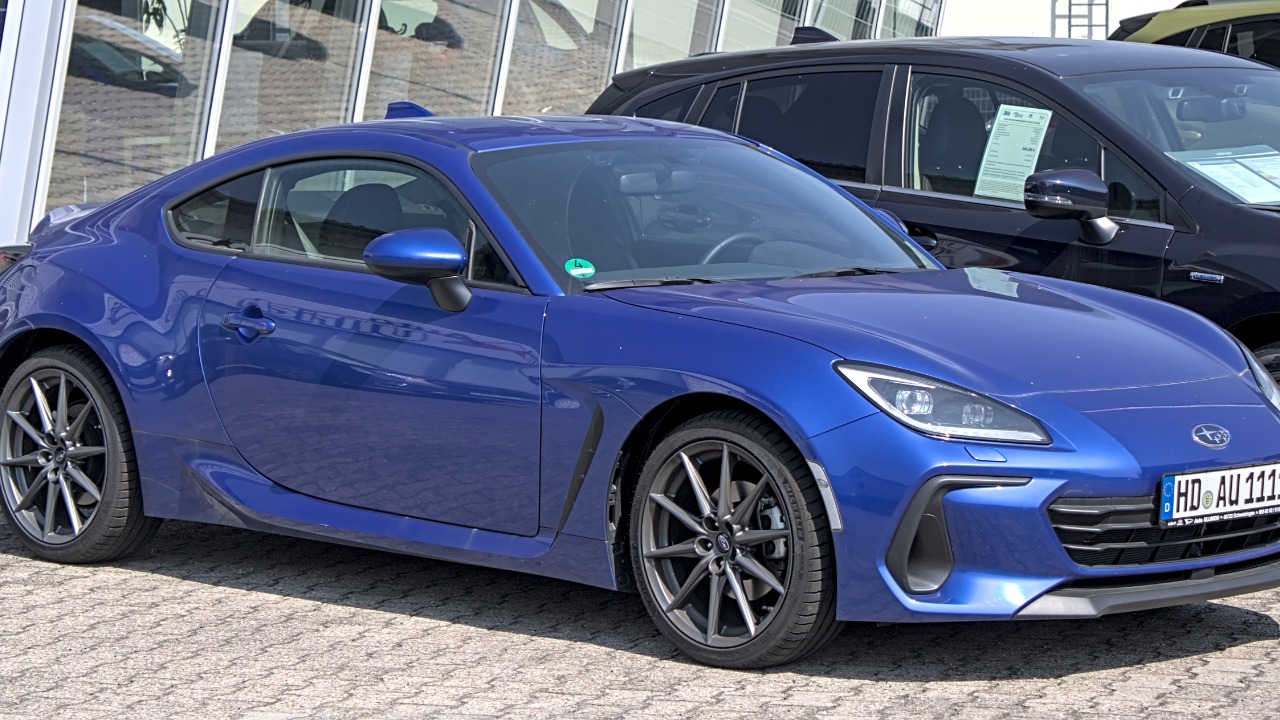
The Subaru BRZ runs a naturally aspirated boxer-four that sits low in the engine bay, a layout the company has used across its lineup since the 1960s. Co-developed with Toyota, the BRZ’s boxer engine drives the rear wheels through a manual or automatic gearbox rather than Subaru’s usual all-wheel drive.
Dropping the all-wheel-drive hardware and keeping the flat-four low cuts curb weight and center of gravity below most rivals in its price class. The result is a light, tail-happy coupe built to reward a driver who wants to feel the chassis move.
5. Toyota GR86: Toyota’s Boxer Twin
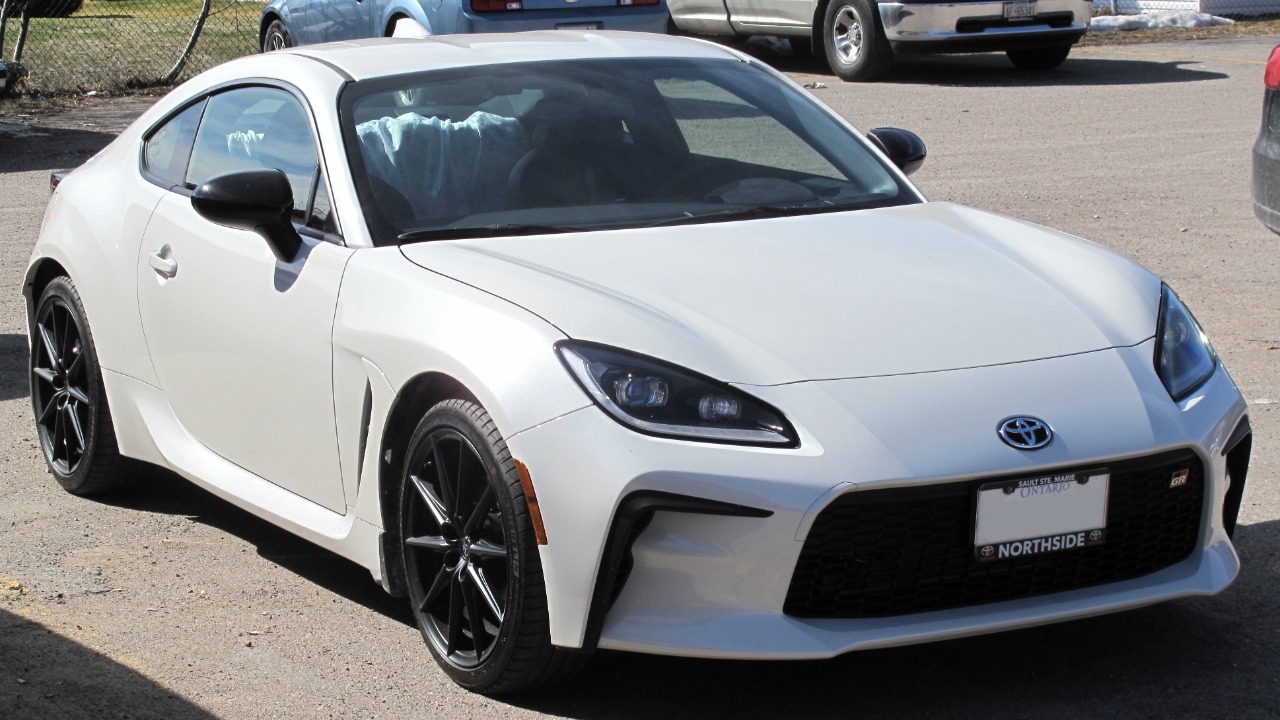
The Toyota GR86 shares its boxer-four engine and rear-wheel-drive platform with the Subaru BRZ, the product of a joint program that began with the original Toyota 86 in 2012. The 86 and GR86 lineage keeps the flat-four mounted low behind the front axle for a near 50/50 weight split between the axles.
Toyota tunes its own suspension and steering feel apart from Subaru’s version, but the low boxer layout gives both cars the same planted, rotate-on-command character. It is the reason driving instructors and track-day regulars keep choosing it over heavier, considerably more powerful coupes.
6. Subaru WRX: Turbocharged Rally Boxer
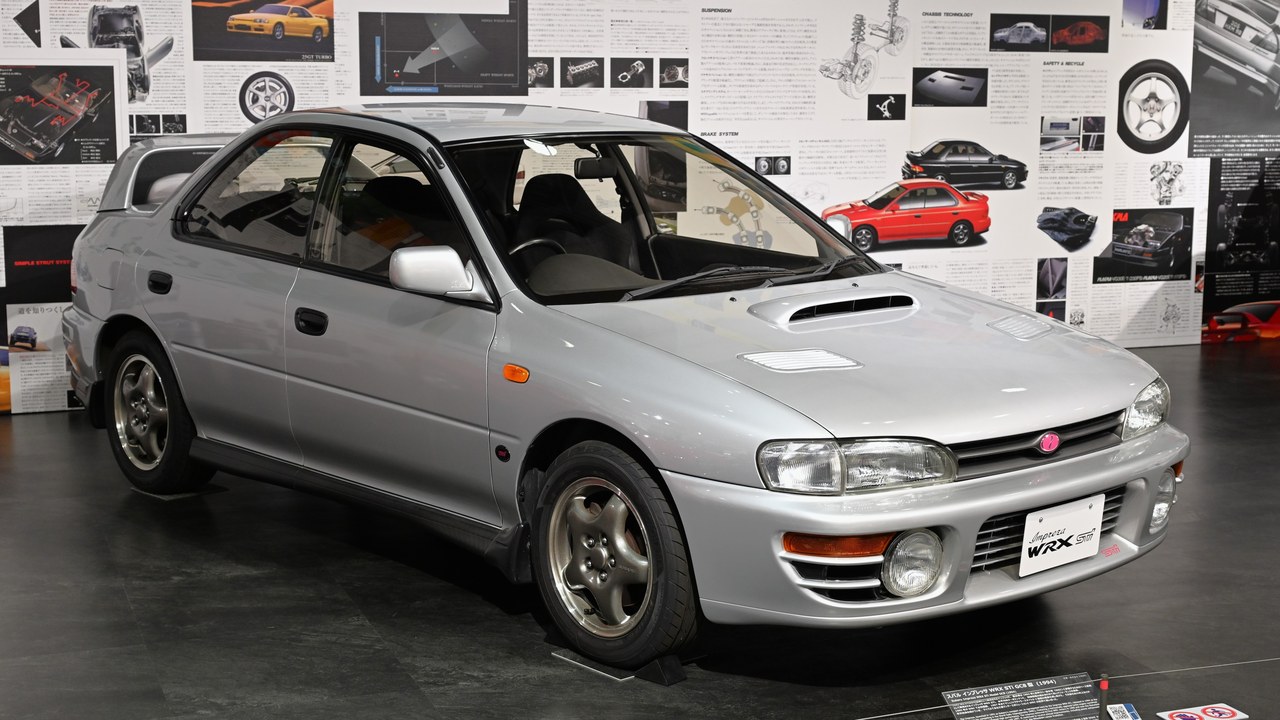
The Subaru WRX pairs a turbocharged boxer-four with all-wheel drive, a formula the company built to homologate its World Rally Championship cars for the street in the 1990s. The WRX’s turbocharged flat-four sits low and flat under the hood, a legacy of Subaru’s rally-bred engineering that outlasted the factory rally program itself.
That low placement combines with the symmetrical all-wheel-drive system to keep the WRX planted through the kind of gravel-rally corners its ancestors were built for. Decades after Subaru’s factory rally cars retired from competition, the boxer turbo remains the WRX’s clearest link to that motorsport pedigree.
7. Porsche 356: Where The Flat-Four Began
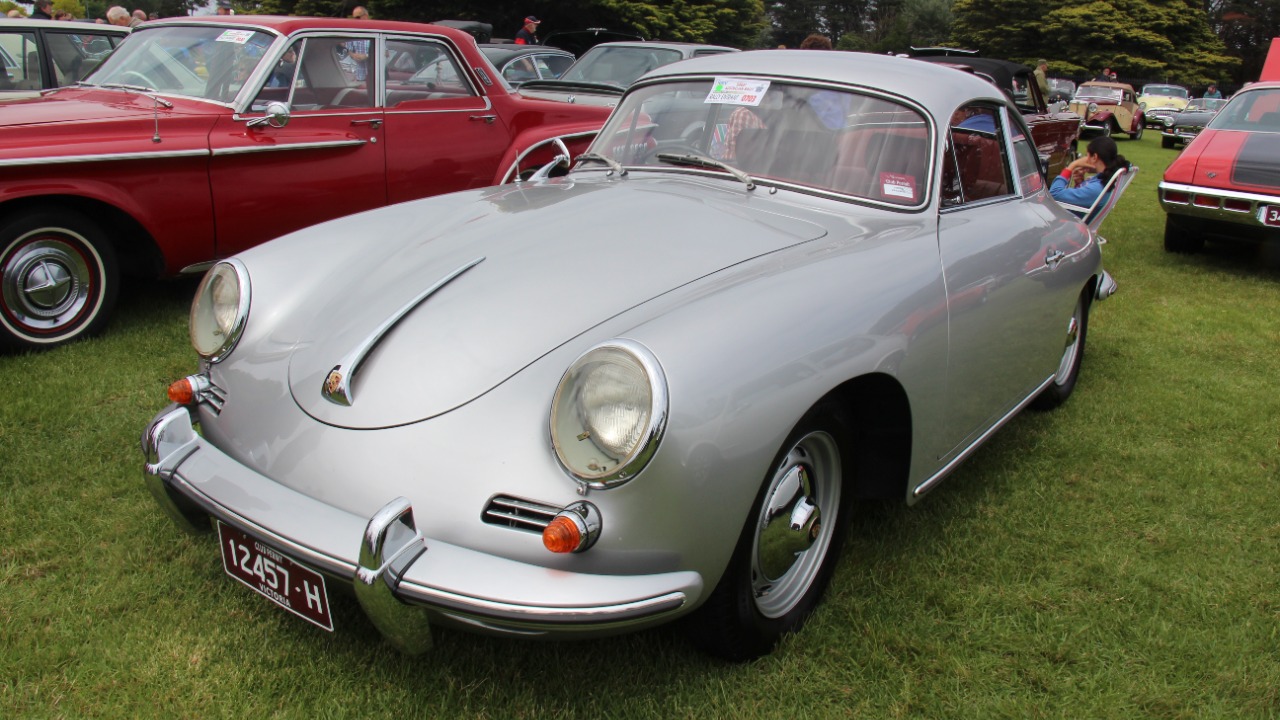
The Porsche 356 launched in 1948 as the company’s first production car, powered by an air-cooled flat-four engine borrowed and reworked from the Volkswagen Beetle. The 356’s flat-four layout set the template every later Porsche sports car, including the 911, would inherit and refine for generations.
Ferry Porsche built the 356 around a lightweight, low-slung boxer engine specifically to chase agility rather than raw power, a priority that still defines the brand today. Nearly eight decades later, that founding decision is why every modern Porsche sports car still runs a flat engine.
8. Chevrolet Corvair: America’s Rear-Engine Flat-Six
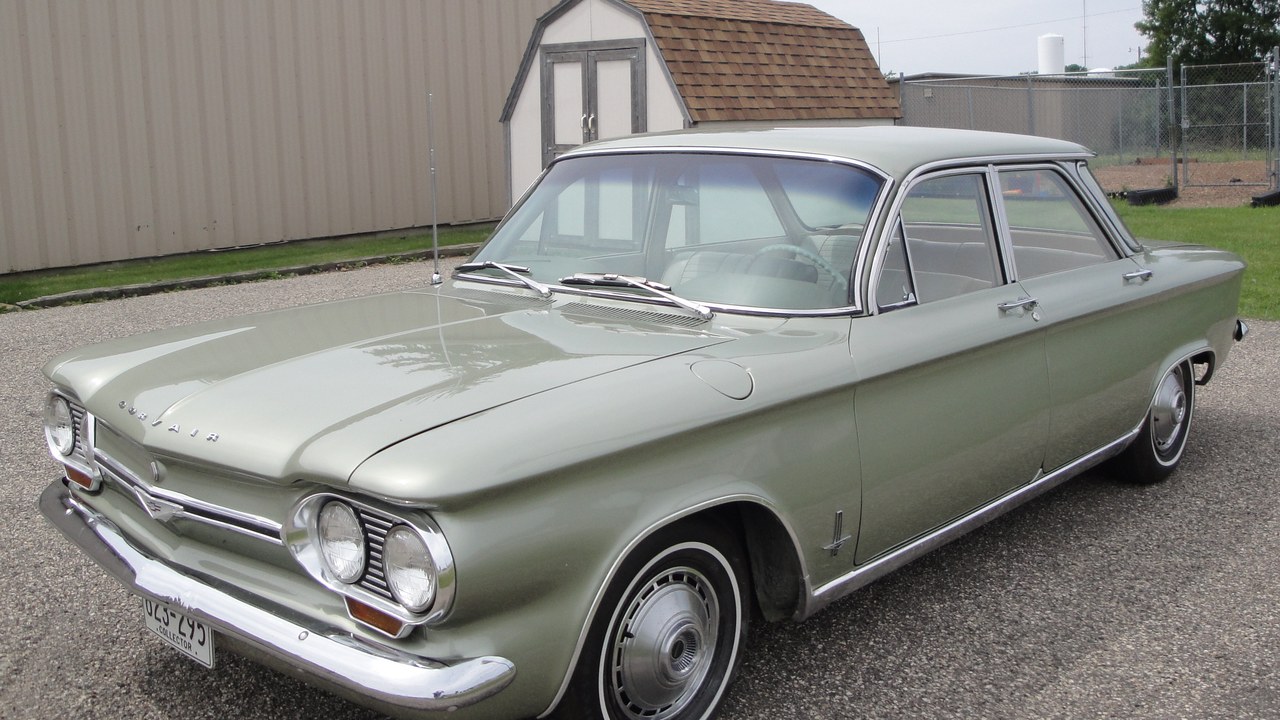
The Chevrolet Corvair broke from every other American compact of its era by mounting an air-cooled, rear-mounted flat-six, the same basic layout Porsche would later popularize in the 911. GM built the Corvair’s flat-six engine from 1960 to 1969 across sedan, coupe, convertible, and even van and pickup variants.
The rear-engine layout that gave the Corvair its distinctive handling also drew scrutiny over swing-axle suspension behavior, most famously in Ralph Nader’s critique of the car. Even so, the Corvair remains the only mass-produced American car ever built around a genuine flat-six engine.
More from Morning Overview
