
Federal auto-safety regulators have opened several new examinations of popular vehicles since late July, covering problems from brake assist to engine oil supply. An investigation or petition review does not mean a defect has been found or that a recall will follow. Here are eight models drawing that scrutiny, along with what regulators or petitioners say is at issue.
1. Chevrolet Traverse: Brake Assist Probe Reaches Millions
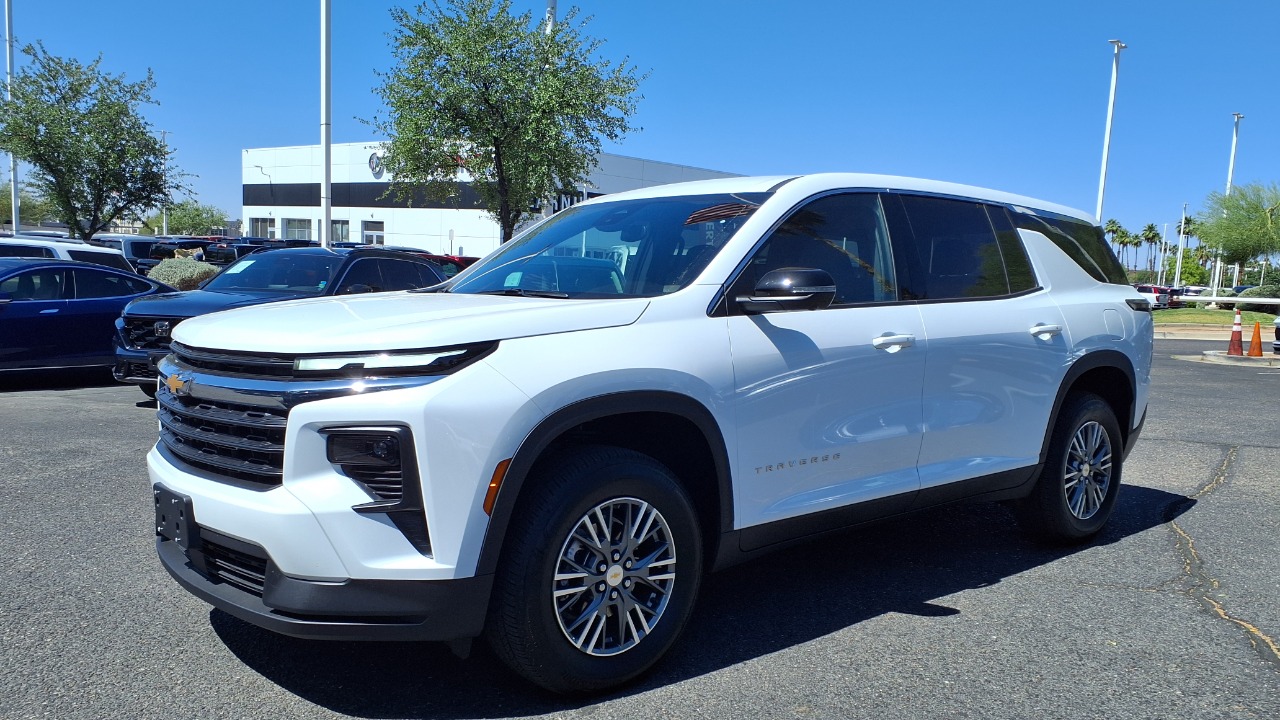
NHTSA opened engineering analysis EA26006 on Aug. 21, 2026, covering about 1,164,820 GM vehicles, including 2024-2026 Traverse, Colorado, Equinox EV and Cadillac Lyriq models, per the agency’s opening document. The probe concerns eBoost brake-module failures that can cause an immediate loss of brake assist, and cites 745 complaints and 22 crashes or fires.
Owners of the listed models can check for open recalls by VIN on the agency’s website. Brakes still work without assist, but pedal effort rises sharply, and no recall had been ordered as part of this probe.
2. Chevrolet Silverado 1500: Recall Repair Under Scrutiny
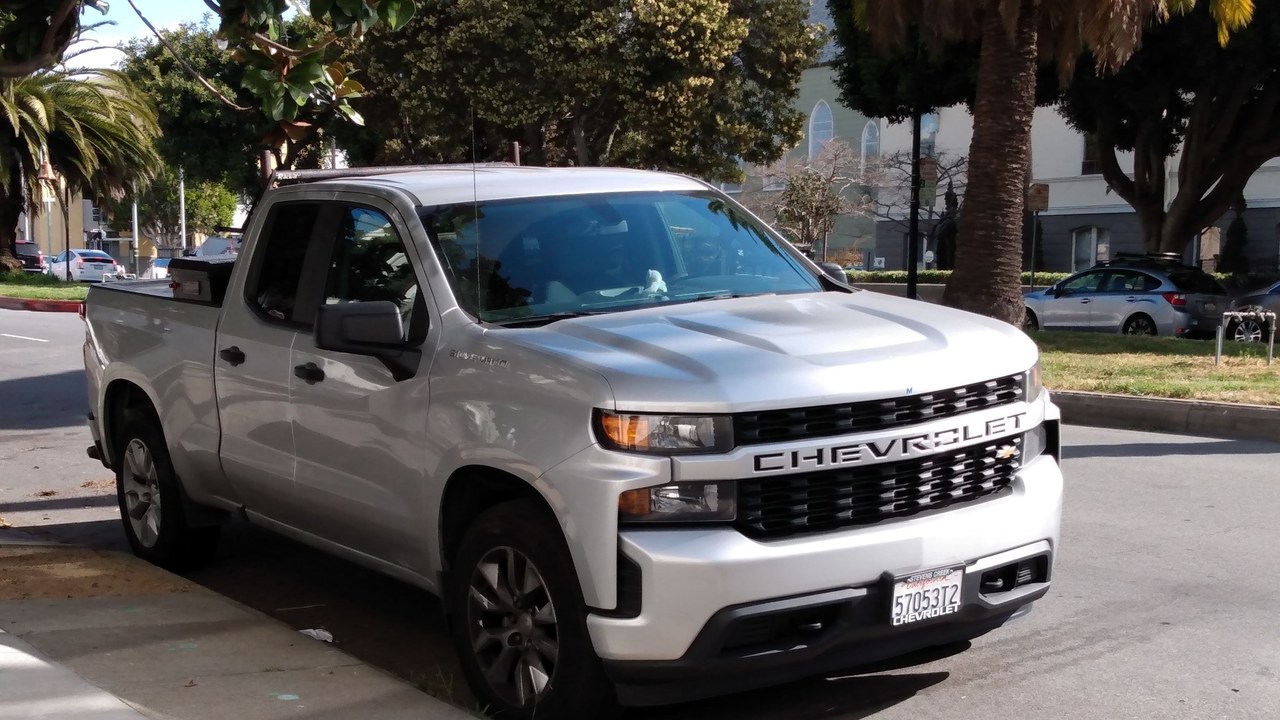
NHTSA opened EA26005 on Aug. 20, 2026, covering about 997,743 GM trucks and SUVs from 2021-2026 with the 6.2L V8, including Silverado 1500, Sierra 1500, Tahoe, Suburban, Yukon and Escalade, according to a Truck Daily report. The probe examines engine failures that occurred after the earlier recall repair was performed.
Owners who already had the recall work done are the focus. Anyone with warning lights, noises or loss of power should have the truck inspected promptly, and keep service records in case regulators widen the probe. The agency has not announced a recall in connection with this engineering analysis, which is a step above a preliminary evaluation and can lead to a recall request.
3. Tesla Model Y: Front Links Draw A Federal Probe
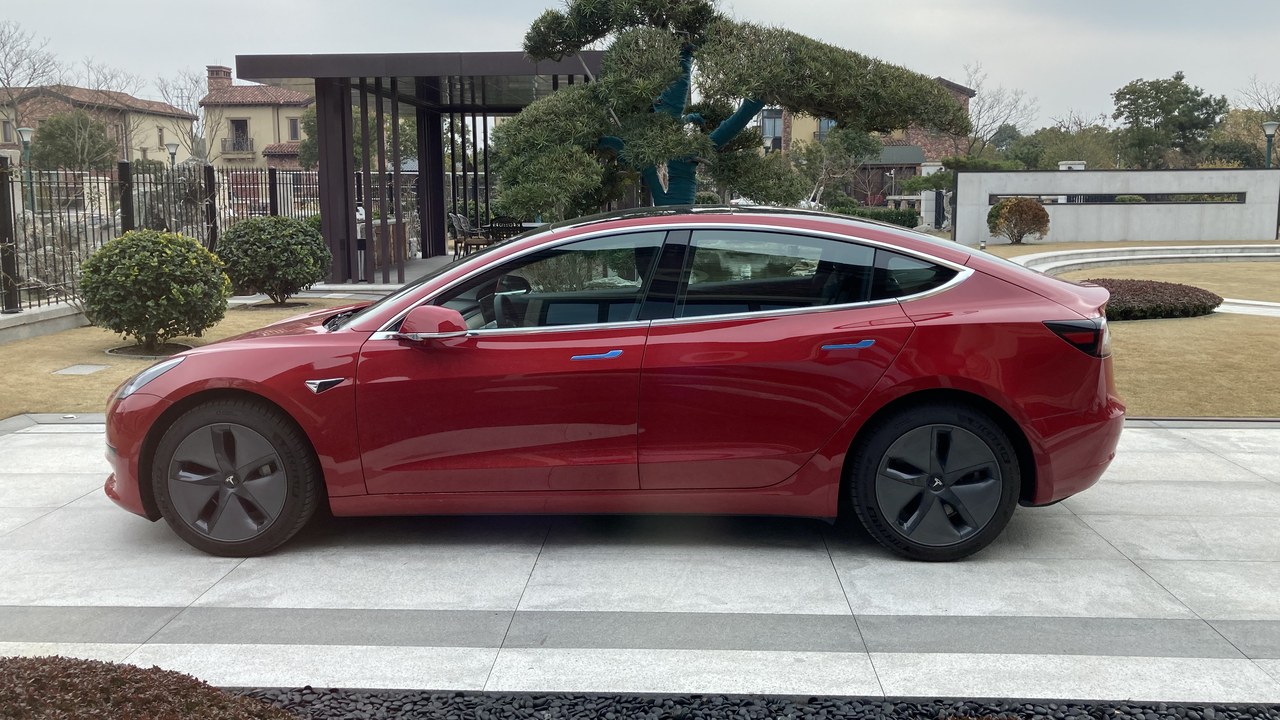
NHTSA opened preliminary evaluation PE26006 in late July 2026, covering about 1.2 million 2021-2023 Model Y and 2018-2020 Model 3 vehicles, according to Electrive’s coverage. It concerns front lower lateral links that can detach, which the report says can severely impair steering and directional stability, and is based on 156 complaints.
A preliminary evaluation is the earliest investigation stage and may be closed or upgraded. Owners noticing clunks, vibration or wandering steering should have the front suspension checked. Owners are not required to take action beyond staying alert, though any recall notice that follows should be handled quickly and repairs kept documented.
4. Ford EcoSport: Timing Belts Shed Debris
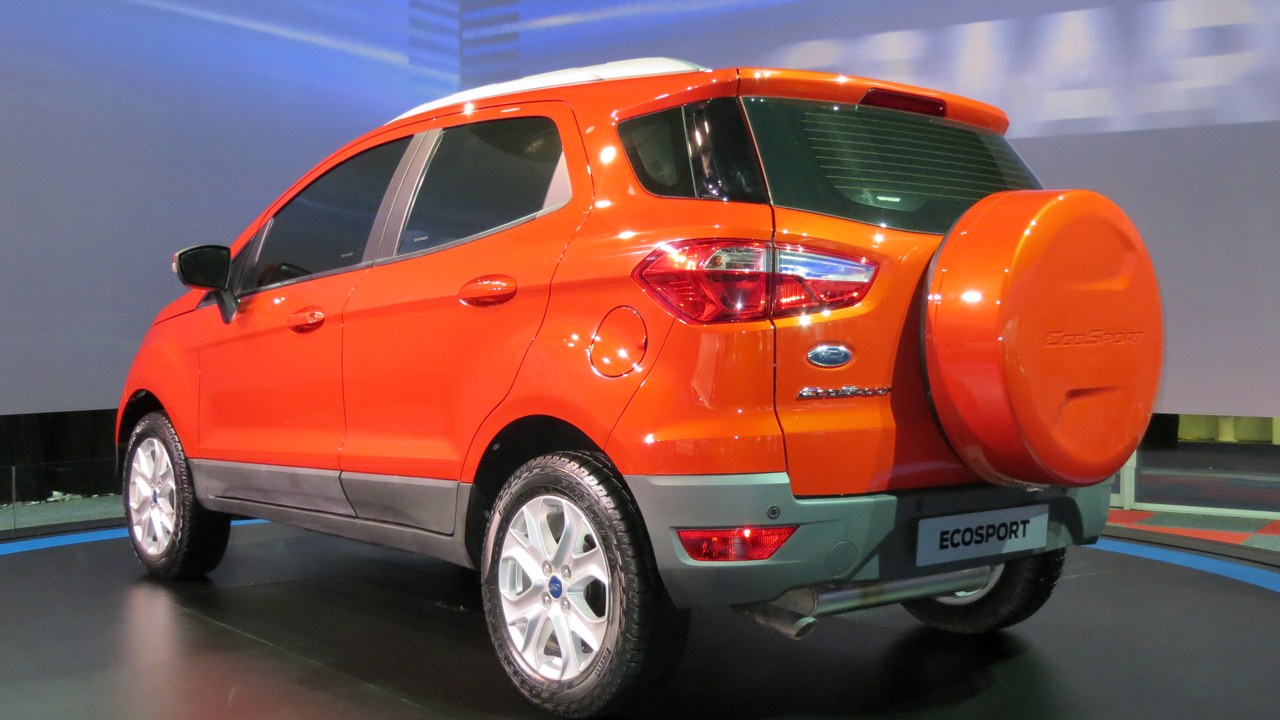
NHTSA opened EA26004 on July 31, 2026, covering 135,551 Ford EcoSport, Focus and Fiesta vehicles with the 1.0L EcoBoost, per the NHTSA opening resume. The probe says timing belt material may degrade and clog the oil pump pick-up screen, reducing engine oil pressure, with failures averaging around 70,000 miles.
Owners of these small cars approaching that mileage may want to ask a shop about belt condition. Low oil pressure can wreck an engine, so a warning light should be treated as urgent. A sudden drop in oil pressure can lead to engine damage, and checking oil level regularly is sensible for older, high-mileage examples in this group.
5. Ford Edge: Coolant Petition Targets Edge
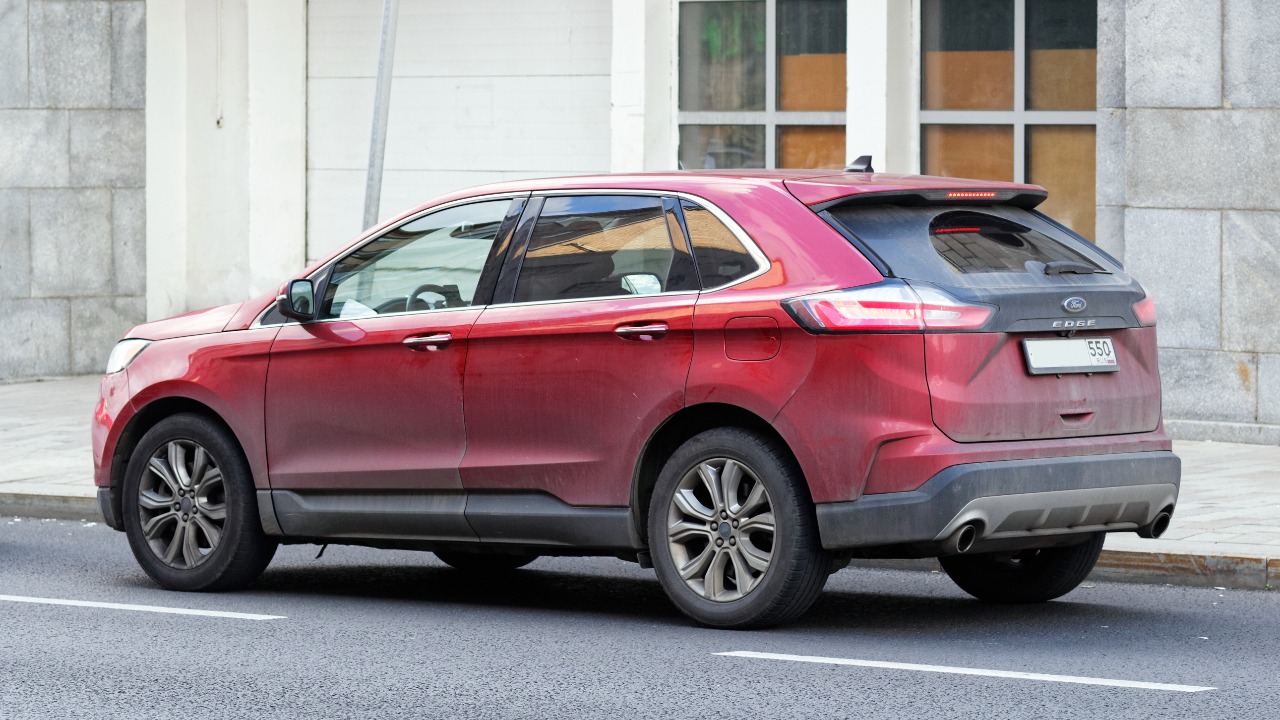
NHTSA’s petition review DP26008, opened Sept. 3, 2026, covers 499,603 2015-2018 Ford Edge SUVs, according to an autoevolution report. Petitioners allege coolant intrusion into the 2.0L EcoBoost that can cause sudden loss of power, and 1,563 incidents are documented.
A petition review is an early step and the agency has not ordered a recall. Owners can watch for coolant loss or white exhaust smoke, since a power loss at highway speed is a serious hazard. Owners of older Edge SUVs should keep maintenance records and report any sudden power loss to NHTSA, since complaints help regulators judge whether an investigation is warranted.
6. Toyota Grand Highlander: Grille Petition Touches Highlander
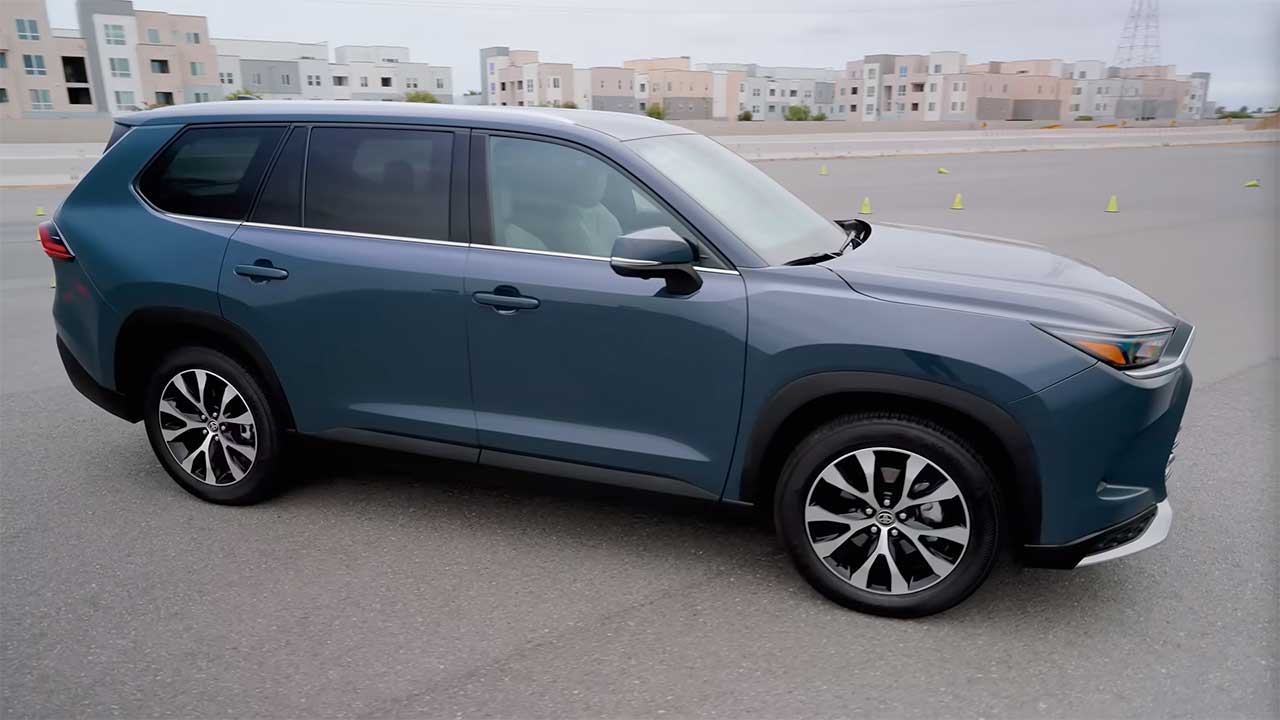
NHTSA opened defect petition DP26006 on Aug. 20, 2026, covering about 87,000 2024-2026 Grand Highlanders, per an autoevolution article. The petition alleges an unscreened grille lets road debris damage radiators and hybrid inverter coolers, risking a sudden loss of propulsion at speed.
The review is only a request for investigation and no defect has been established. Owners in areas with gravel roads or heavy debris may want a dealer to inspect the cooling components. Regulators typically decide whether to grant such a petition after reviewing complaints and manufacturer data, and a denial is as possible as an investigation.
7. Ford Maverick: Hybrid Brake Petition Under Review
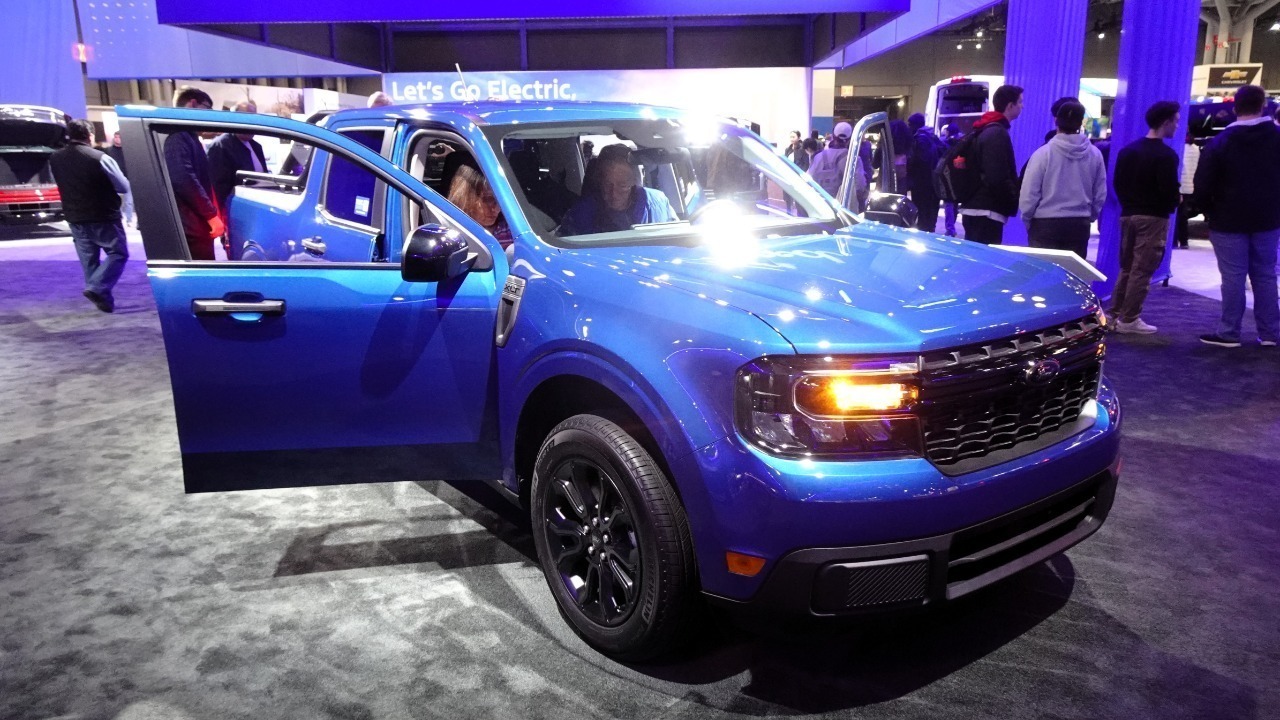
NHTSA opened petition review DP26007 on Aug. 24, 2026, covering 82,040 2024 Ford Maverick Hybrid pickups, according to a Cleverdude report. The petitioner alleges intermittent loss of both anti-lock and regenerative braking associated with certain fault codes.
The allegations remain unproven, and regulators will decide whether to open a formal investigation. Owners who see brake warnings or fault messages should document them and report them to a dealer and NHTSA. Hybrid owners who notice braking behavior that feels unusual should report it, because complaint volume is one of the inputs regulators weigh in these reviews.
8. BMW 5 Series: Driveshaft Petition For 5 Series
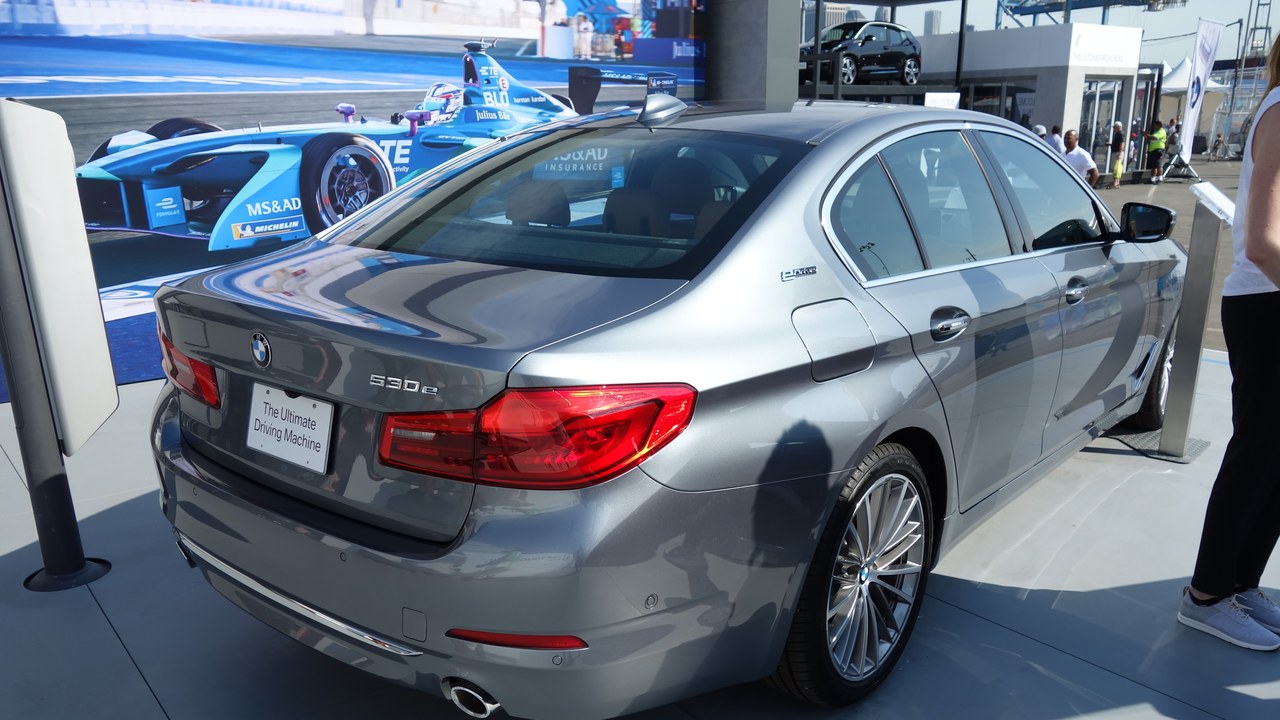
Regulators logged petition review DP26009 on Sept. 14, 2026, over driveshaft-to-rear-differential connection failures, per a CarComplaints article. Petitioners say a failed connection can leave the rear wheels unpowered and a parked car unable to stay put, and the petition targets 2017-2023 5 Series models.
The petition is the newest of the eight and has not led to any finding. Owners should always set the parking brake and choose level parking spots until more is known. Vehicles from these model years are older, so owners should also confirm the transmission is in park and the wheels are turned toward the curb on inclines.
More from Morning Overview
- General Motors is switching on cameras that record inside your vehicle by update
- A geomagnetic storm is forecast to hit Earth today, pushing the northern lights unusually far south
- A recalled pill hid a stimulant dose linked to heart attacks and death
- Four U.S. startups fired up their first small nuclear reactors, aiming to power AI data centers on-site
