
Payload is the number that decides whether a pickup earns its keep, and it swings wildly between trims of the same truck. Bed length, cab style, axle ratio and drivetrain all move the ceiling before a single pallet is loaded. Here are eight pickups whose configurations push the hauling ceiling toward the top of their class.
1. Ford F-150: The Half-Ton Configuration Game
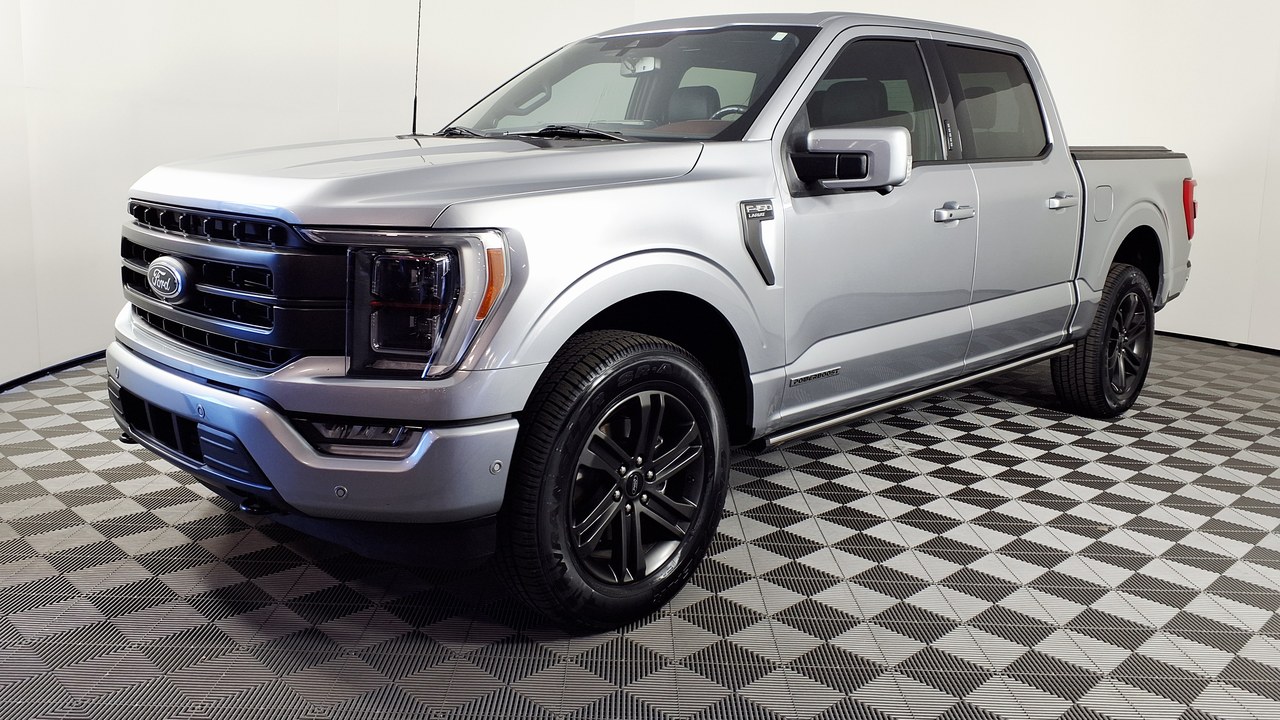
Ford builds its half-ton in so many cab, bed, engine and axle combinations that the load rating behaves less like a single number than a spread, and the highest figures belong to the plainest trucks. A regular cab with the longer bed, the heavy-duty payload package and the right rear axle sits at the top of that range, while a fully optioned four-wheel-drive crew cab sits far below it. The long-running Ford half-ton line has treated that flexibility as a selling point for decades.
Anyone chasing the maximum should read the door-jamb sticker rather than the brochure, because that label reflects the specific truck on the lot. Options add weight, and every pound of trim comes straight out of the allowance.
2. Ram 1500: The Coil-Spring Trade-Off
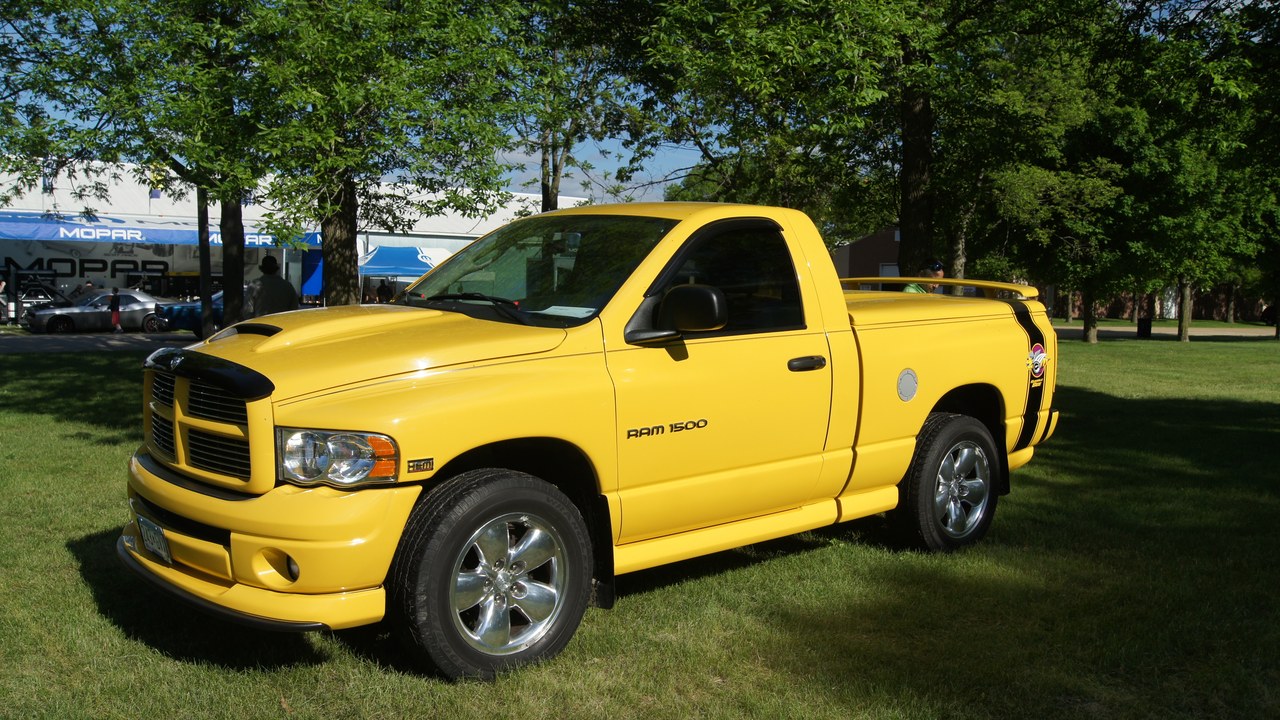
Ram took an unusual path with its light-duty truck by replacing the rear leaf springs with a coil-sprung setup, a choice that smoothed the empty ride and forced the engineering to work harder to keep the load rating competitive. In its lighter configurations the full-size Ram half-ton still posts hauling numbers near the front of the light-duty field, and the optional air suspension can relevel the truck once weight is sitting in the bed.
The practical result is a work truck that does not punish a long commute with an empty bed, though the softer rear end makes weight distribution more noticeable. Loading forward, over the rear axle, keeps the truck settled.
3. Chevrolet Silverado 1500: The Work-Trim Ceiling
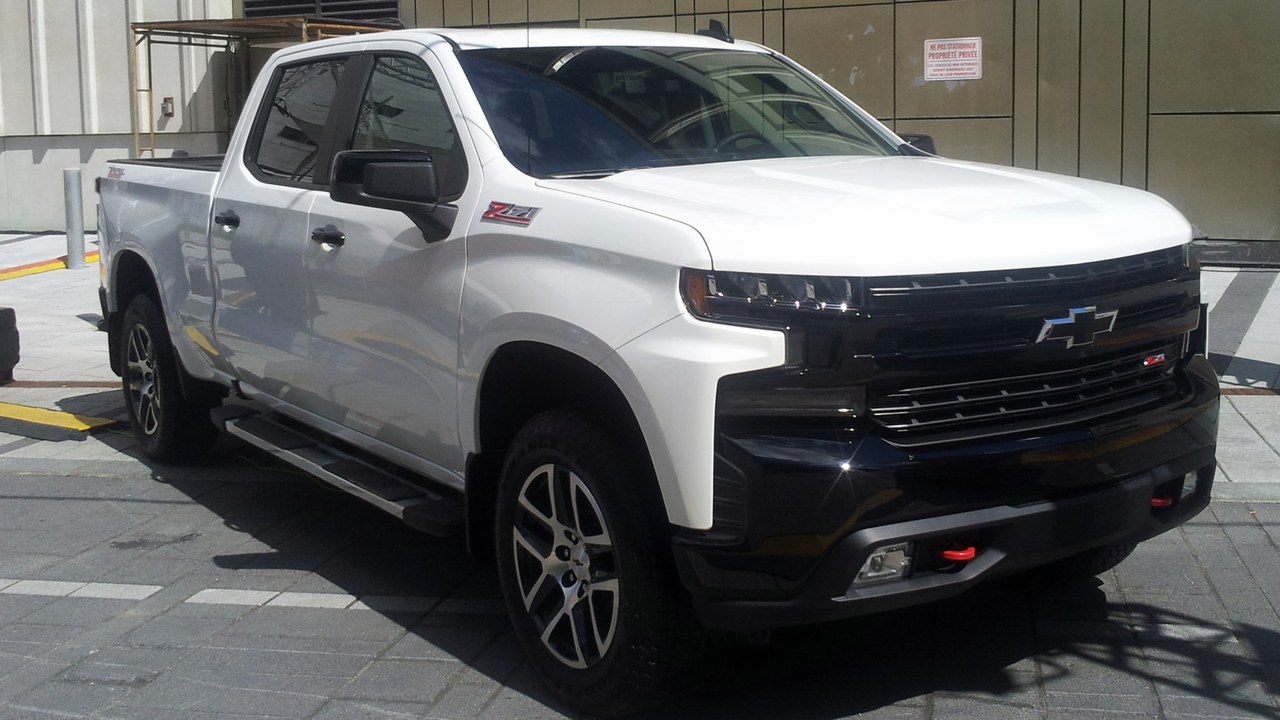
Chevrolet’s light-duty pickup reaches its best hauling figures in exactly the specification most shoppers skip: a work-focused regular or double cab, two-wheel drive, the long bed and a modest engine. Those choices hold curb weight down while the frame and axle ratings stay where they are, so the saved mass turns directly into capacity. The half-ton Silverado range therefore spans a very wide gap between that build and a loaded crew cab.
Fleet buyers exploit the gap on purpose, ordering vinyl floors and cloth seats because every deleted option is capacity regained. Retail lots rarely stock those trucks, which is why an advertised maximum so often overstates what a given example can legally carry.
4. GMC Sierra 1500: Same Bones, Different Badge
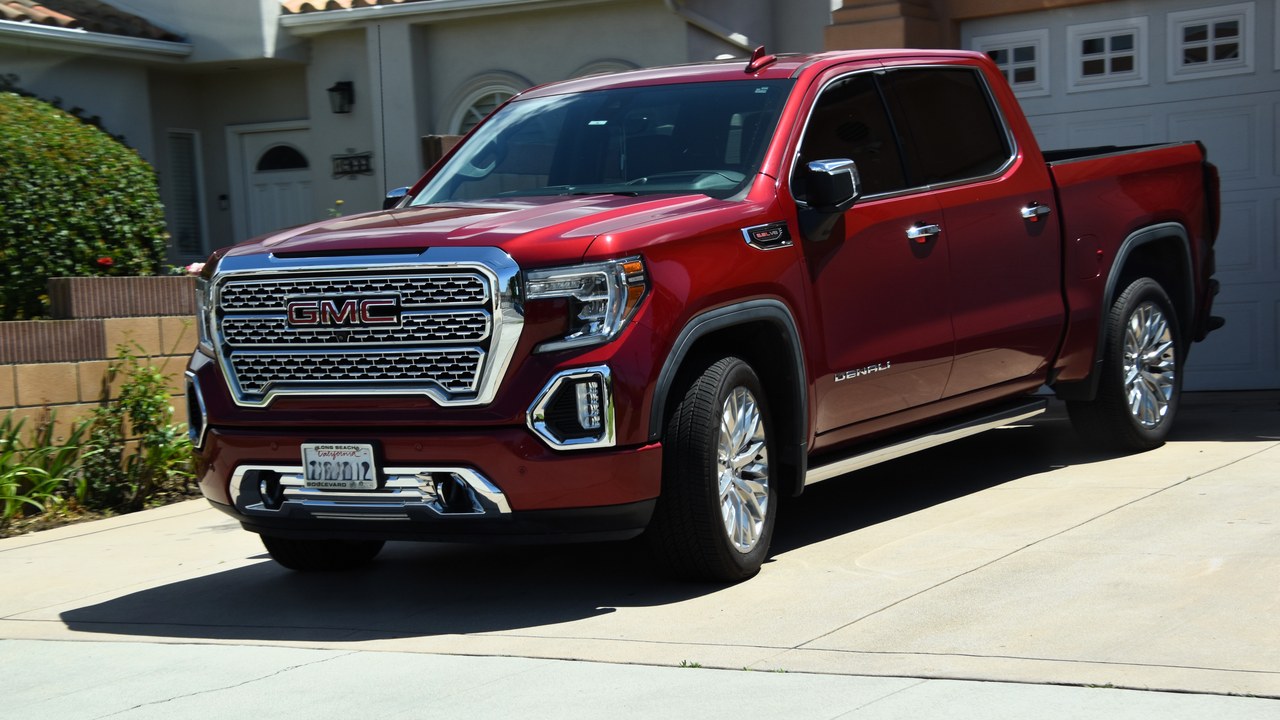
Sierra shares its frame, axles and powertrains with the Chevrolet twin, so its ceiling tracks that truck almost exactly once cab, bed and drivetrain are matched. Where the two diverge is in how they get ordered: the full-size GMC pickup skews heavily toward upper trims, and those trucks carry the mass of larger wheels, sunroofs, power tailgates and extra sound insulation.
That makes the badge a poor guide to capability and the build sheet a very good one. A stripped Sierra will out-haul a loaded one by a wide margin even though both wear the same nameplate, share a showroom and quote the same headline figure in the advertising.
5. Ford F-250 Super Duty: Where The Frame Gets Serious
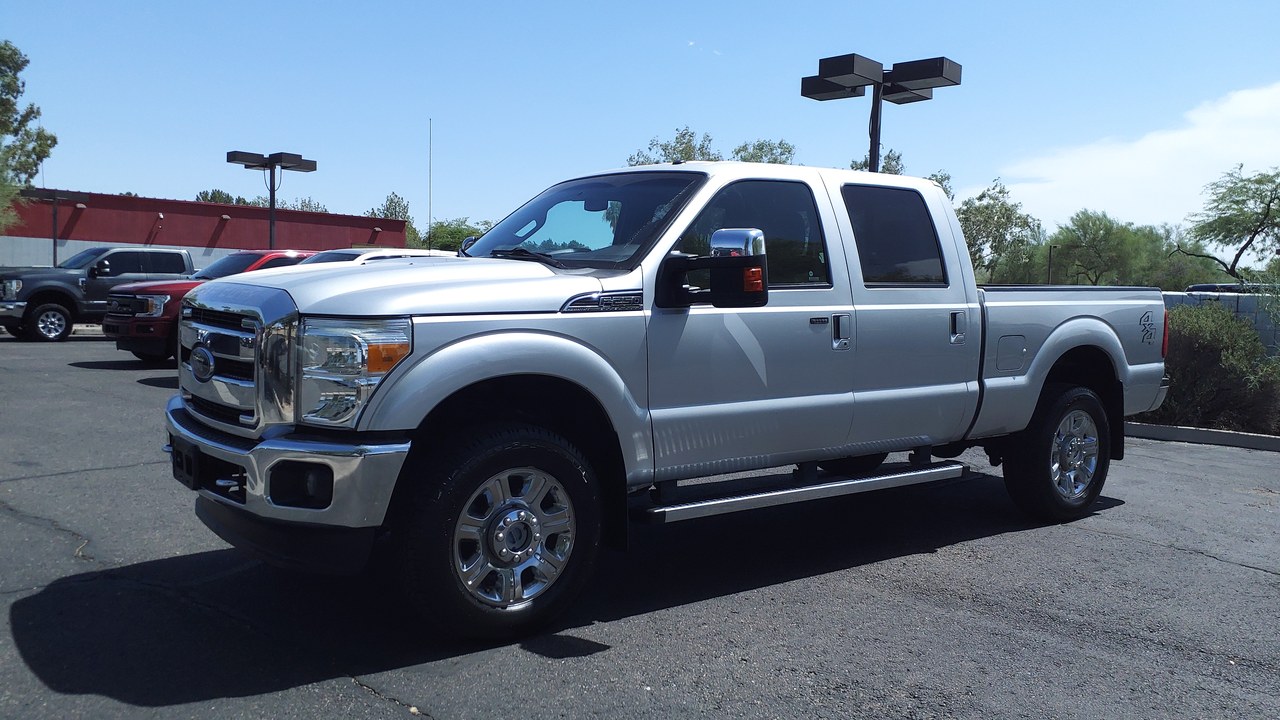
Moving from the half-ton to the three-quarter-ton line changes hardware rather than tuning: a heavier frame, larger brakes, a solid front axle on four-wheel-drive versions and leaf springs sized for sustained weight. The Ford Super Duty family exists precisely to separate that duty cycle from the lighter truck, and this is its entry point, built to carry loads a half-ton chassis can only manage briefly.
The cost is a stiffer empty ride and a heavier truck to fuel. For an owner regularly moving gravel, a slide-in camper or a loaded gooseneck hitch, that trade is the entire reason the class exists.
6. Ram 2500: Leaf Springs Return For Duty
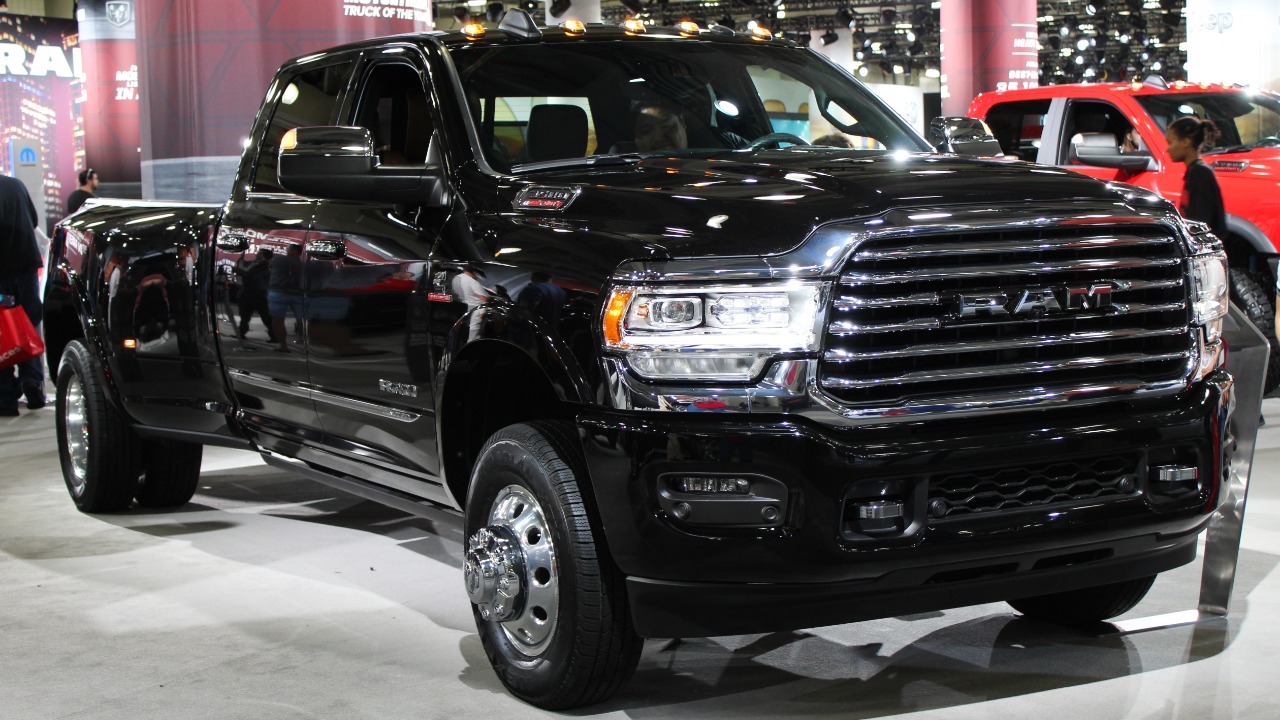
The heavy-duty Rams abandon the coil-sprung rear of the half-ton and go back to leaf springs, hardware that copes with sustained vertical load far better than it flatters an empty bed. The heavy-duty Ram line pairs that suspension with a thicker frame and larger axles, pushing the rated figure well past a ton in the right configuration and putting the truck squarely among the three-quarter-ton contenders.
The diesel option complicates the arithmetic, because that engine and its hardware weigh substantially more than the gasoline alternative and the difference comes out of the bed rating. Gasoline heavy-duty trucks frequently carry more and tow less.
7. Chevrolet Silverado 2500HD: Built Around The Load
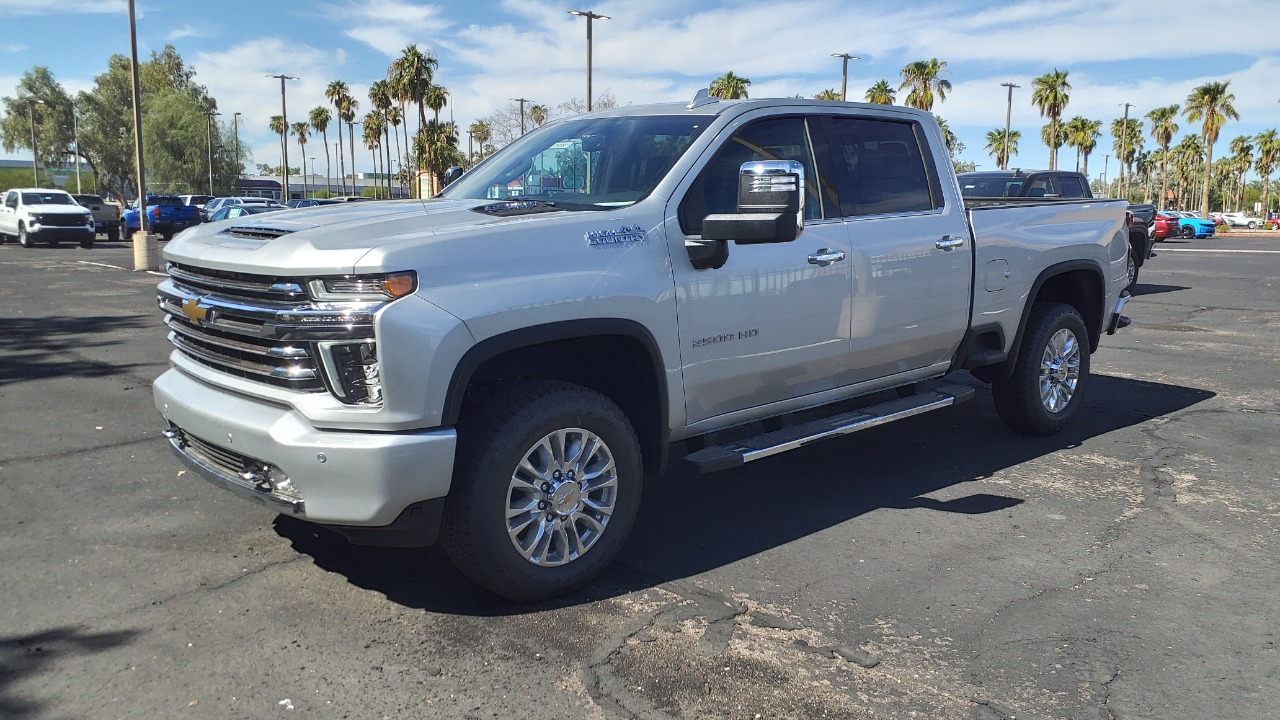
The heavy-duty version is a genuinely different vehicle from the light-duty truck sharing its name, with its own frame, axles, brakes and bed structure engineered for repeated maximum loads rather than occasional ones. Ordered as a regular cab with two-wheel drive and the gasoline engine, the heavy-duty Chevrolet pickup reaches the highest figures in the lineup, simply because that combination adds the least mass to the truck itself.
Crew cabs, four-wheel drive and the diesel each subtract from the number even as they add capability elsewhere. The spread between the lightest and heaviest builds of one model is wide enough to change which jobs the truck can legally accept.
8. Nissan Titan XD: The Truck Between Two Classes
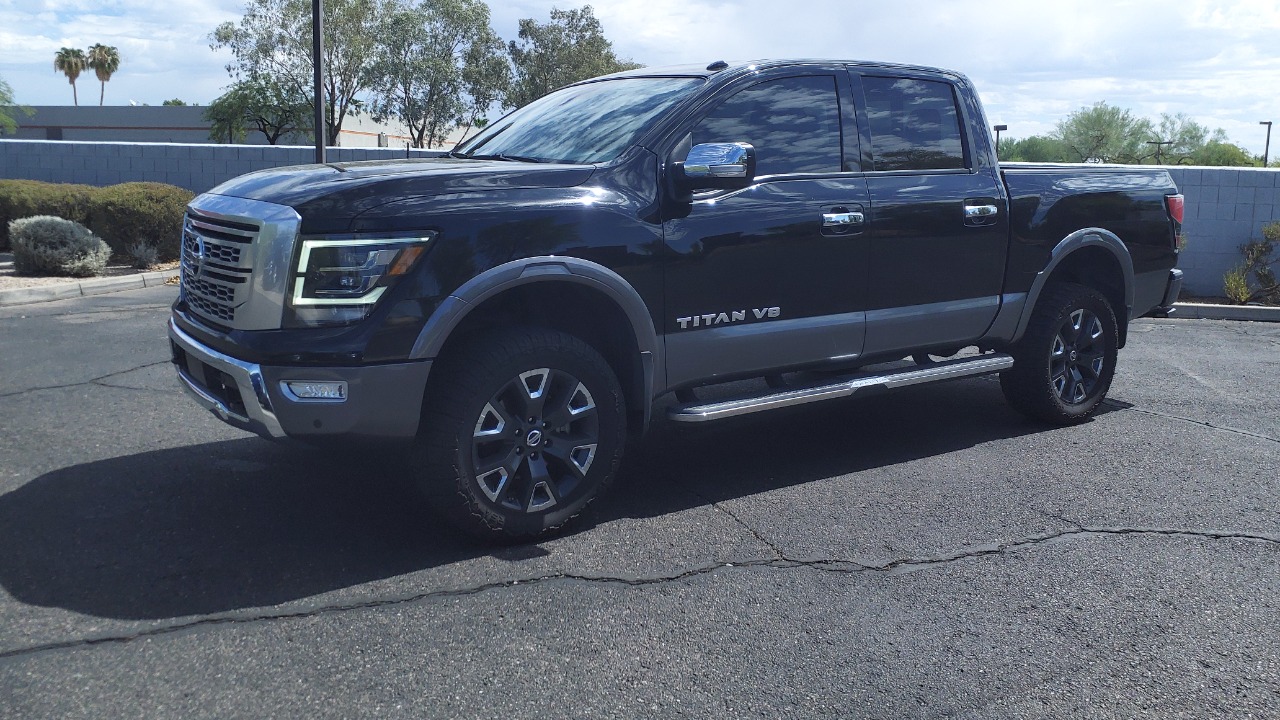
Nissan created the heavier version of its full-size pickup to occupy the gap between half-ton and three-quarter-ton trucks, giving it a stouter frame and firmer suspension than the standard model without adopting full heavy-duty running gear. That deliberately in-between position let the Titan’s heavy-duty variant quote hauling and towing figures above the light-duty pack while keeping road manners closer to the lighter truck.
The niche turned out to be narrow, and the segment never much rewarded a truck that split the difference. Owners who wanted the extra margin found it genuinely useful for campers and equipment trailers, but most shoppers picked one side of the line.
More from Morning Overview
