
Rough pavement exposes a pickup’s suspension faster than any spec sheet ever could. Leaf springs and heavy payload ratings keep trucks working, yet they also transmit every washboard ripple straight into the cabin. Reviewers and owners tend to reserve their praise for eight pickups whose suspension hardware softens that punishment.
1. Ram 1500: Coil Springs Instead Of Leaves
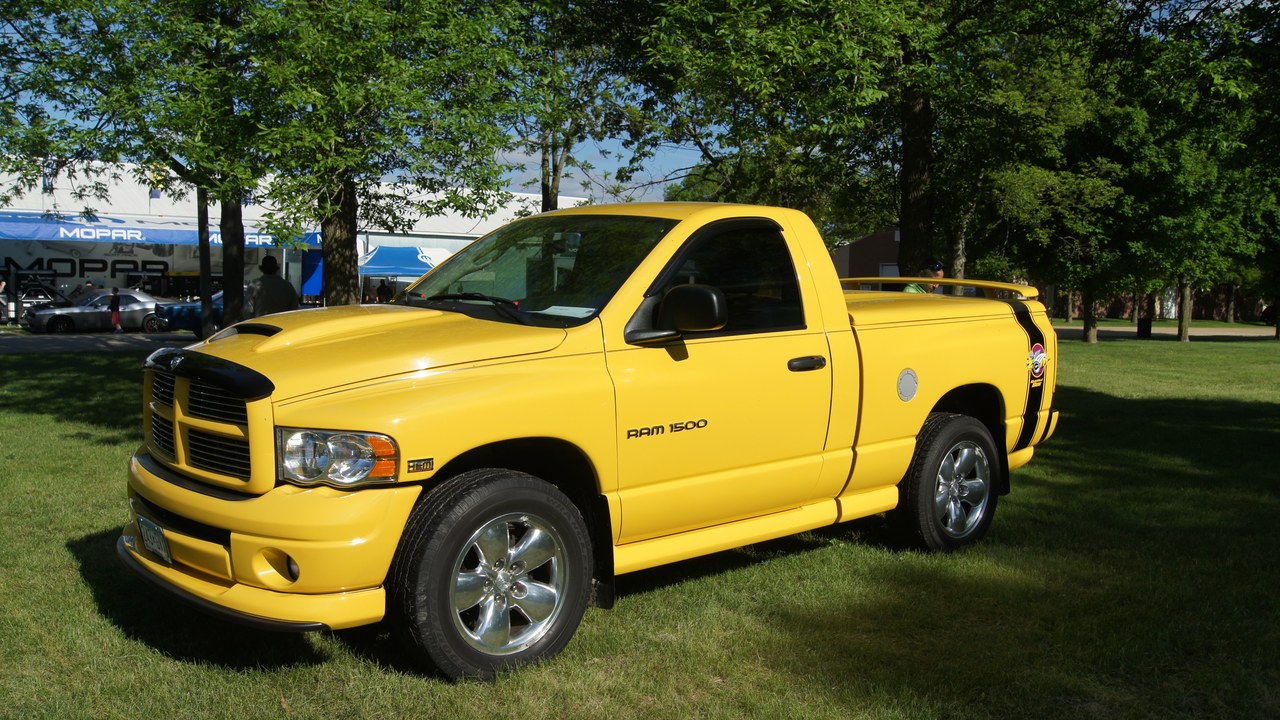
The fourth-generation truck arrived for 2009 with a five-link coil-spring rear axle in place of the leaf springs nearly every rival still used, and later versions kept that layout while offering a four-corner air suspension. Road testers and long-term owners repeatedly point to Ram’s coil-sprung rear axle as the reason broken asphalt registers as a muffled thump rather than a jolt, particularly with an empty bed, where leaf-sprung half-tons skip and hop.
Comfort of that kind is a deliberate trade. Coil links and air bags add weight, plumbing and repair exposure, and the heaviest hauling duty gets pushed toward the 2500 and 3500 models instead of the half-ton.
2. Ford F-150: Outboard Shocks And A Long Wheelbase
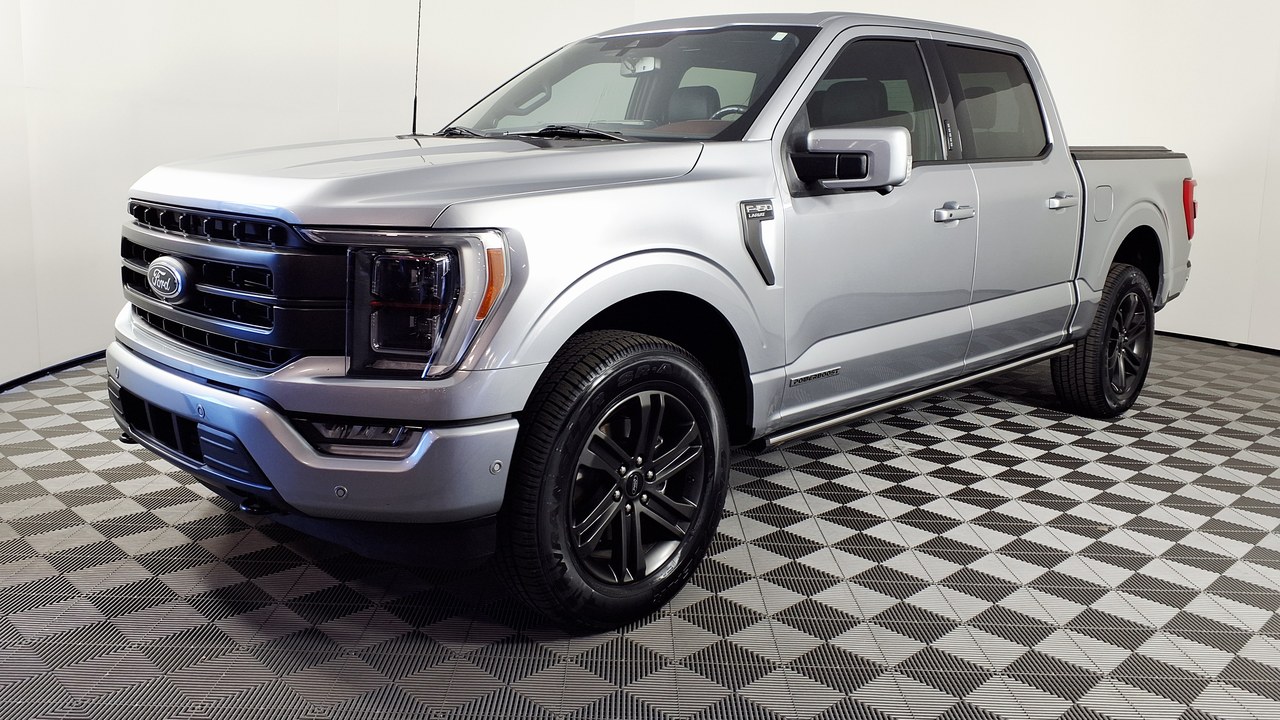
Ford kept leaf springs at the rear but moved the dampers outboard, close to the frame rails, which gives the axle better control over ruts and expansion joints. Crew-cab versions of Ford’s full-size half-ton also stretch the wheelbase well past 140 inches, and a longer span between axles means a given pothole upsets the body less. Reviewers generally rate the result among the more settled rides in the class.
The experience is not uniform across the lineup. Heavy-payload packages stiffen the rear springs noticeably, off-road trims run taller sidewalls and softer damping, and the Raptor swaps in a five-link coil-spring rear entirely, so ride impressions depend heavily on which configuration a driver samples.
3. Toyota Tundra: A Multi-Link Rear Rewrite
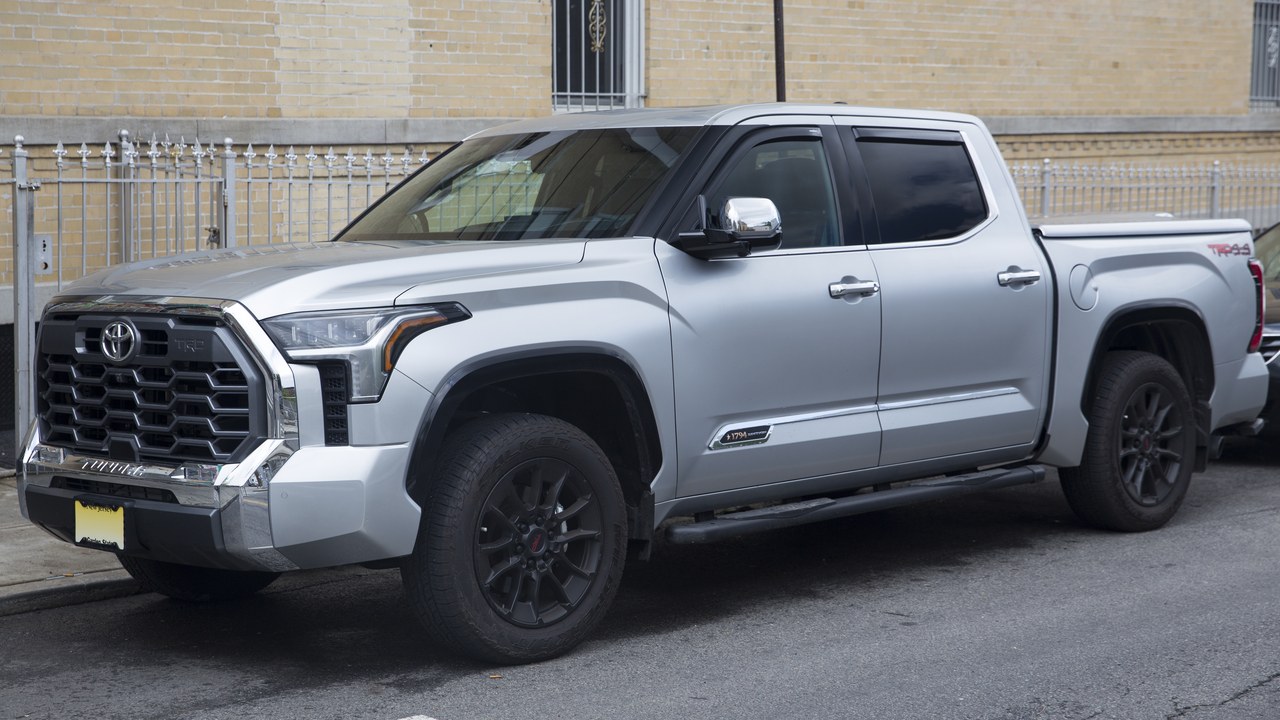
The third generation, launched for the 2022 model year, abandoned the leaf-sprung rear that Toyota had used for two decades in favor of a coil-sprung multi-link axle, with rear air springs and adaptive dampers offered higher up the range. Critics who drove the redesigned Tundra back to back with its predecessor described a marked drop in the head-toss and rear-axle patter that used to define washboard gravel.
Owners of earlier trucks should not assume the improvement applies to them, because first- and second-generation Tundras keep the older leaf-spring layout and ride accordingly. Air suspension also introduces components that leaf springs simply do not have.
4. GMC Sierra 1500: Dampers That Read The Road
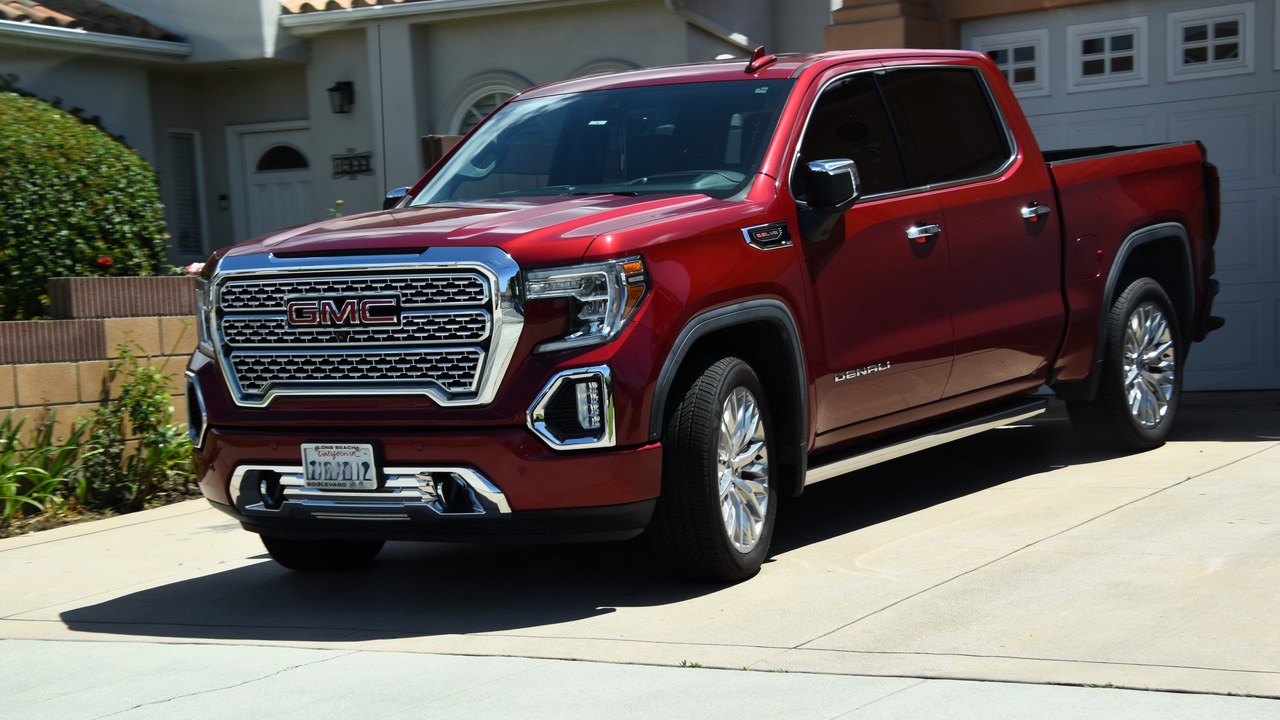
GMC reserves its most sophisticated hardware for the upper trims, where Adaptive Ride Control pairs magnetically adjustable dampers with an air-spring rear axle that levels the truck and firms up or relaxes as the surface changes. The off-road AT4X variant of GMC’s full-size Sierra instead runs spool-valve dampers built by Multimatic. Testers consistently describe both setups as unusually composed over frost heaves and broken shoulders.
Price is the gatekeeper. Volume trims stick with conventional shocks and leaf springs, so the smoothest Sierras sit near the top of a lineup that can approach luxury-sedan money, and the adaptive systems are more expensive to service later.
5. Chevrolet Silverado 1500: A Half-Ton Tuned For Cruising
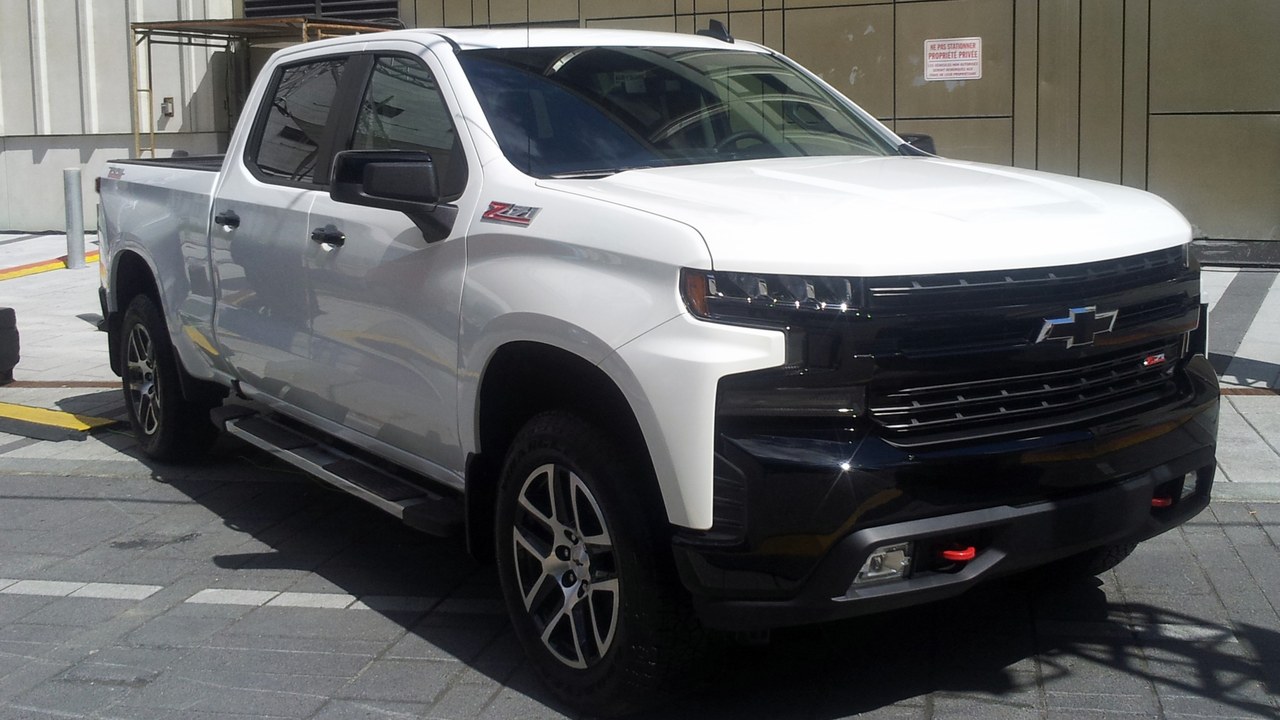
Built on the same full-size architecture as the Sierra, the fourth-generation truck introduced in 2019 grew in wheelbase and shed weight in its bed and cab, and the range now includes adaptive dampers on the top trim and Multimatic spool-valve units on the ZR2. Highway reviews of the current Silverado 1500 tend to single out its quiet, level gait on chewed-up interstate concrete.
That praise is trim-specific. Work-grade versions with maximum-payload springs feel considerably busier when the bed is empty, and off-road packages trade some highway polish for suspension travel and knobby tires.
6. Nissan Titan: Soft Tuning In A Fading Nameplate
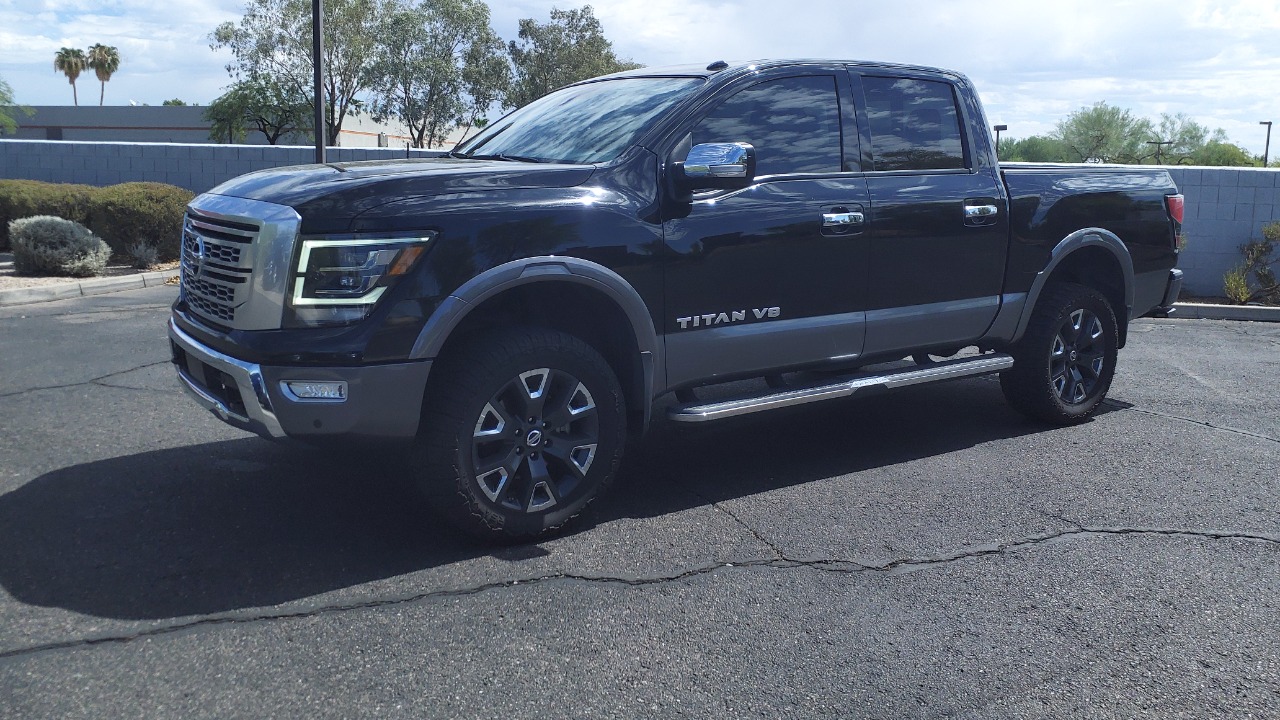
Nissan never chased class-leading payload with its half-ton, and the softer spring and damper tuning that resulted is what reviewers most often complimented, alongside a double-wishbone front end and a fully boxed frame. Second-generation examples of Nissan’s full-size Titan were commonly described as riding more gently than the domestic competition on chopped-up rural pavement, especially when unladen.
The nameplate is now history. Nissan ended Titan production in 2024 after years of thin sales, which pushes buyers toward the used market and raises fair questions about long-term parts availability and resale value.
7. Honda Ridgeline: Independent Rear Suspension Changes Everything
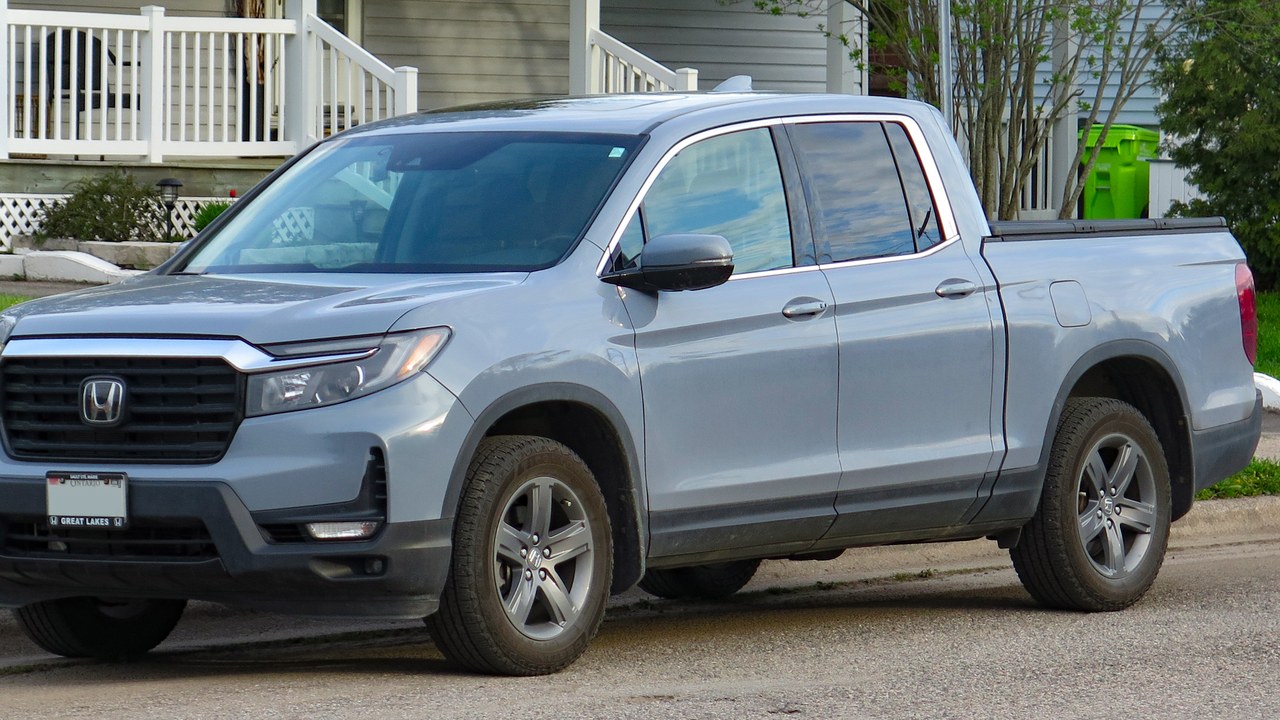
Alone among mainstream pickups, this one uses unibody construction shared with Honda’s crossovers and an independent rear suspension rather than a solid axle, so one wheel can absorb a pothole without shoving the opposite side of the truck. Nearly every road test of Honda’s unibody pickup reaches the same conclusion: it rides like a midsize SUV, not like a truck.
The engineering that delivers that comfort also caps its capability. Tow ratings top out around 5,000 pounds, well under body-on-frame midsize rivals, and there is no diesel, no heavy-duty version and no low-range transfer case.
8. Rivian R1T: Air Springs And Hydraulic Roll Control
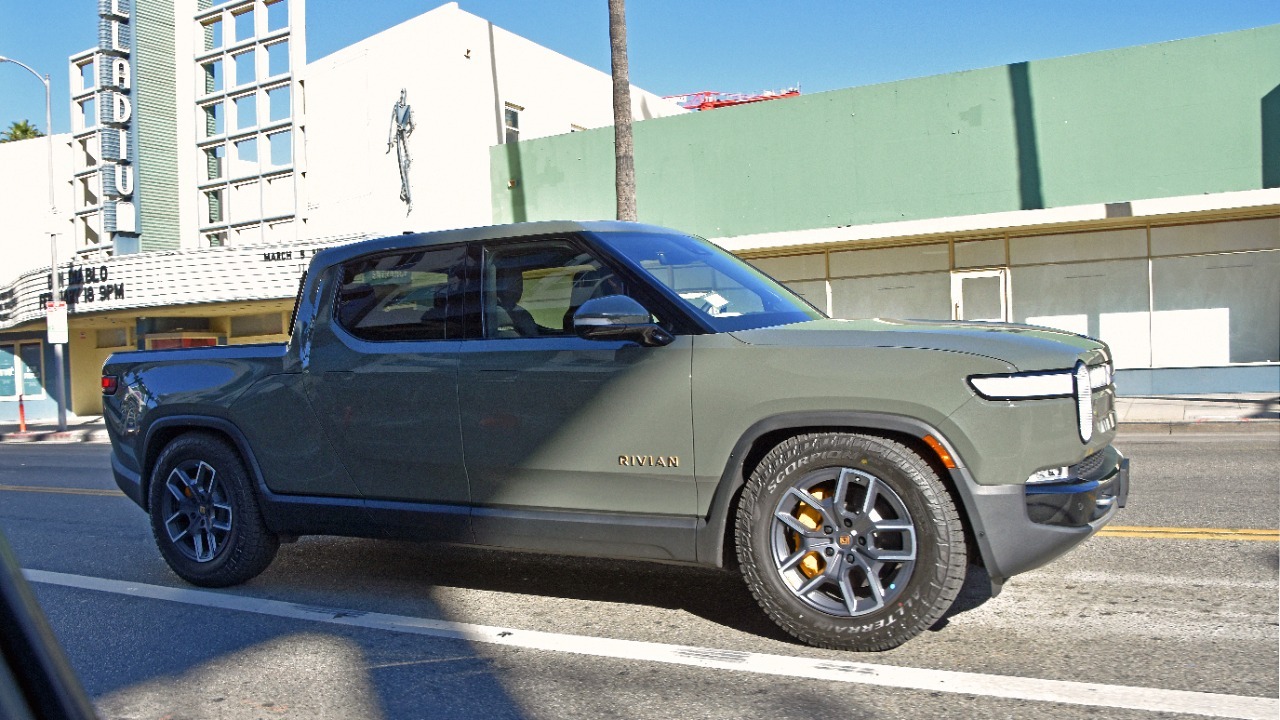
Adjustable air springs at all four corners let the electric pickup change ride height by several inches, and a hydraulically cross-linked damping system manages body roll without the stiff anti-roll bars that usually punish a truck over broken surfaces. Reviewers of Rivian’s electric pickup routinely credit that hardware, plus the absence of engine noise, for a hushed and cushioned experience.
Mass helps and hurts here. The battery pack pushes curb weight past three tons, which flattens small impacts but strains tires and brakes, and air suspension remains a costlier system to repair than steel springs.
More from Morning Overview
