
Pickup trucks promise rugged durability, yet certain model years earned reputations that make seasoned mechanics wince the moment one rolls into the bay. Across three decades of American and Japanese half-tons and heavy-duties, recurring design flaws, emissions hardware, and aging powertrains turned some trucks into frequent, expensive shop visitors. The following roundup gathers eight pickups that technicians repeatedly flag as maintenance headaches.
1. Ford F-250 (6.0 Power Stroke): Chronic Diesel Headaches
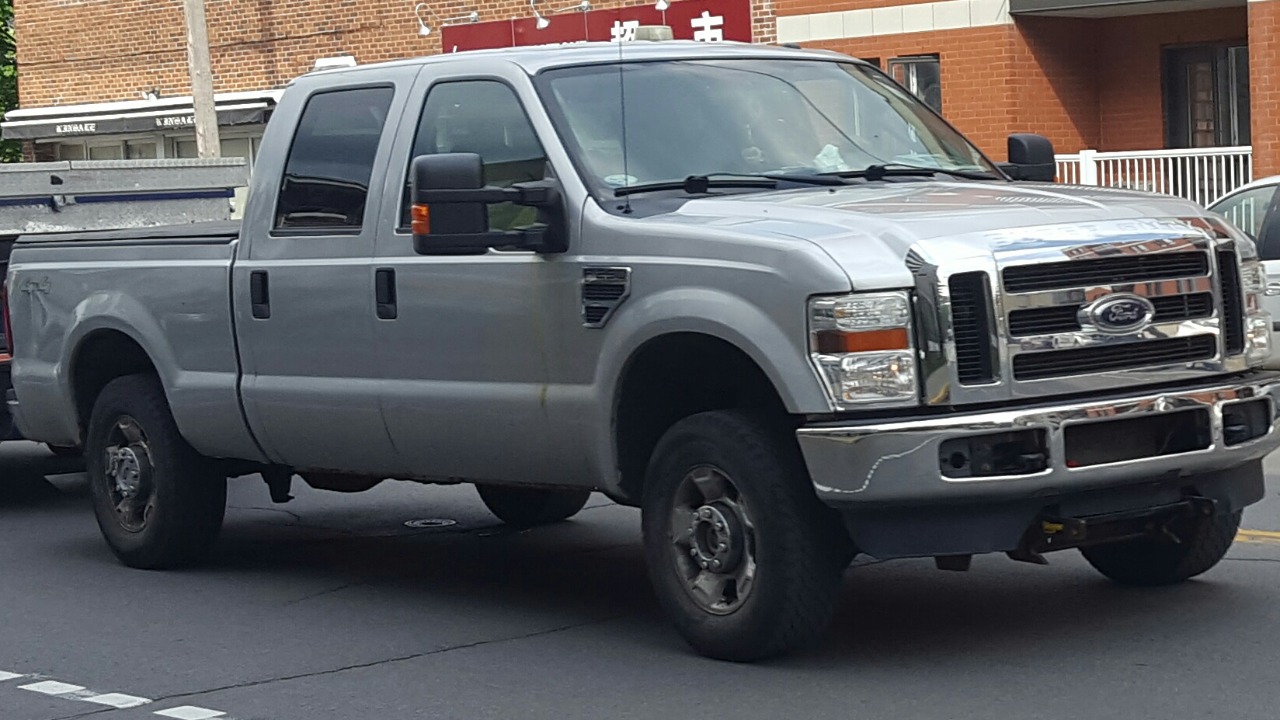
Ford’s 6.0-liter Power Stroke, offered in the F-250 from 2003 through 2007, became notorious for failures that stranded owners and drained wallets. Head gaskets let go under stress, EGR coolers clogged, oil coolers plugged, and the finicky high-pressure injection system faltered, sending trucks back repeatedly. Those troubles grew severe enough to fuel a lengthy dispute between Ford and engine supplier Navistar, as recounted in the Super Duty history.
Many owners eventually spent thousands on aftermarket reinforcement packages just to make the engine dependable. That legacy still shadows used 6.0 examples, where a low asking price can quietly conceal a looming rebuild.
2. Ram 2500 (early EcoDiesel): Emissions Trouble Magnet
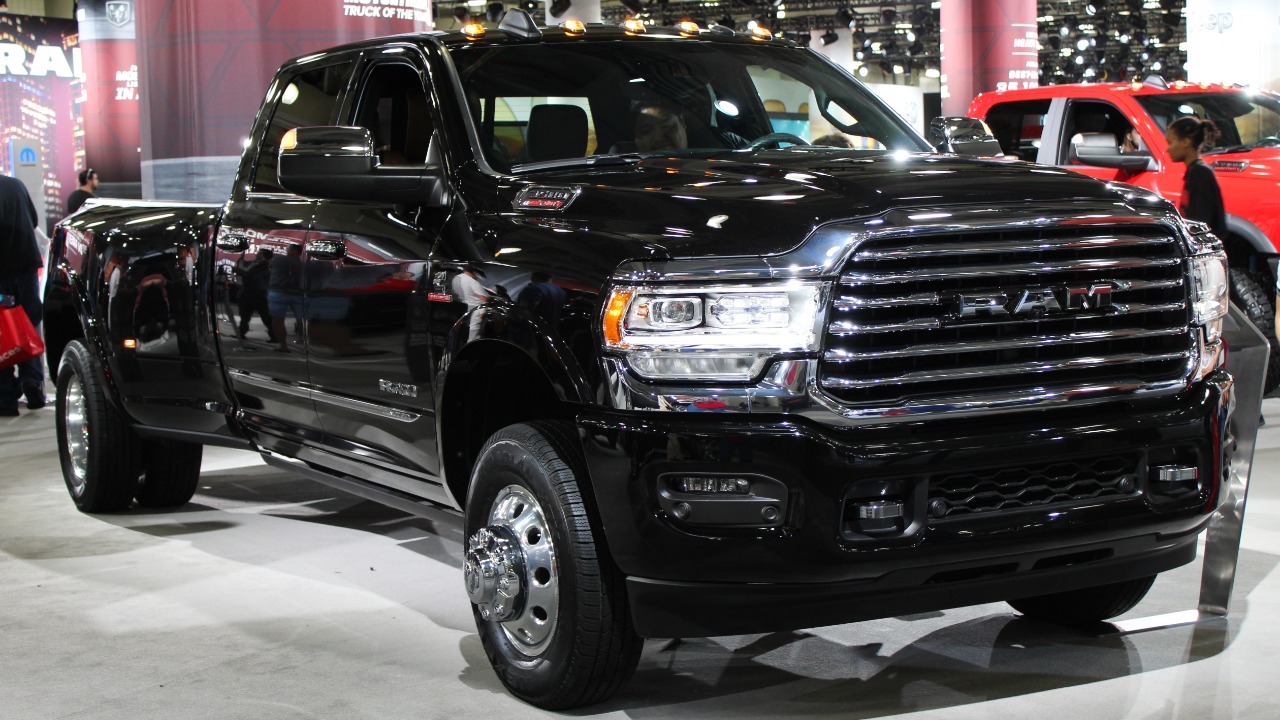
Diesel-powered Ram trucks built early in the emissions-control era gained a reputation for spending too much time in service departments. Clogged exhaust-treatment components, temperamental injectors, and sensor faults triggered warning lights and limp-mode episodes that frustrated owners hauling and towing daily. The broader Ram Heavy Duty lineup leaned on complex after-treatment systems that raised the stakes when something failed.
Repairs to emissions hardware and fuel-system parts often carried heavy parts-and-labor bills. Mechanics grew accustomed to seeing these diesels return for the same recurring complaints, cementing their status as regulars on the lift.
3. Chevrolet Colorado (2004-2012): Head-Gasket Woes

Chevrolet’s first-generation Colorado, sold from 2004 through 2012, disappointed many buyers who expected small-truck simplicity. Its Atlas inline engines drew persistent complaints about head-gasket failures and related overheating, problems that could escalate into major repairs. Reviewers and owners alike criticized the powertrain’s refinement, and the early Colorado’s record reflects that rocky reception.
Because parts and labor on a cracked gasket or damaged head add up quickly, some owners simply walked away rather than invest in an aging compact. Mechanics learned to inspect these engines carefully, checking coolant and compression, before certifying any early Colorado as genuinely trouble-free.
4. Nissan Titan: Driveline Grumbles
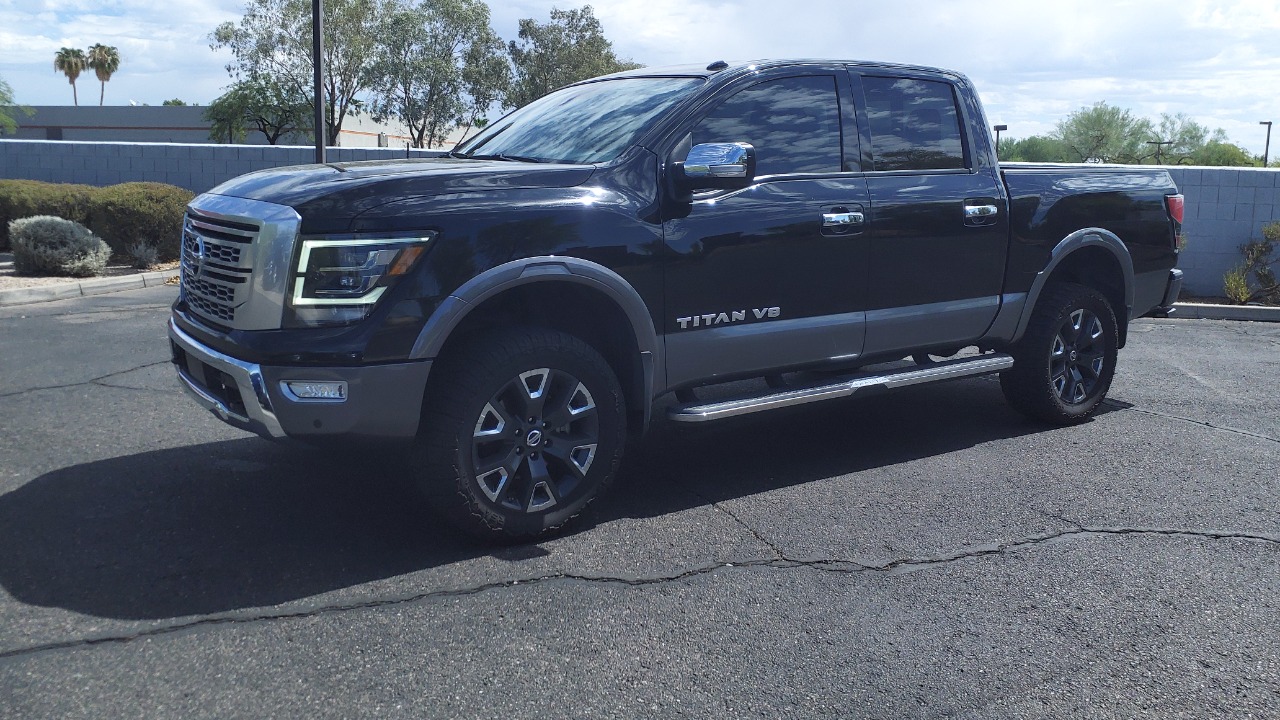
Nissan’s Titan set out to challenge Detroit’s full-size pickups but instead became known for driveline and axle complaints that kept it near the repair bay. Rear-end noise, brake wear, and related mechanical gripes chipped away at owner confidence over the years. Longevity research such as the longest-lasting vehicles study shows how far domestic rivals pulled ahead on staying power.
Limited dealer volume also meant fewer specialists comfortable diagnosing the truck’s quirks. For a pickup meant to prove Nissan could play in the big leagues, its service reputation undercut the ambition.
5. GMC Sierra 1500 (2014-2016): Thirsty V8 Surprise
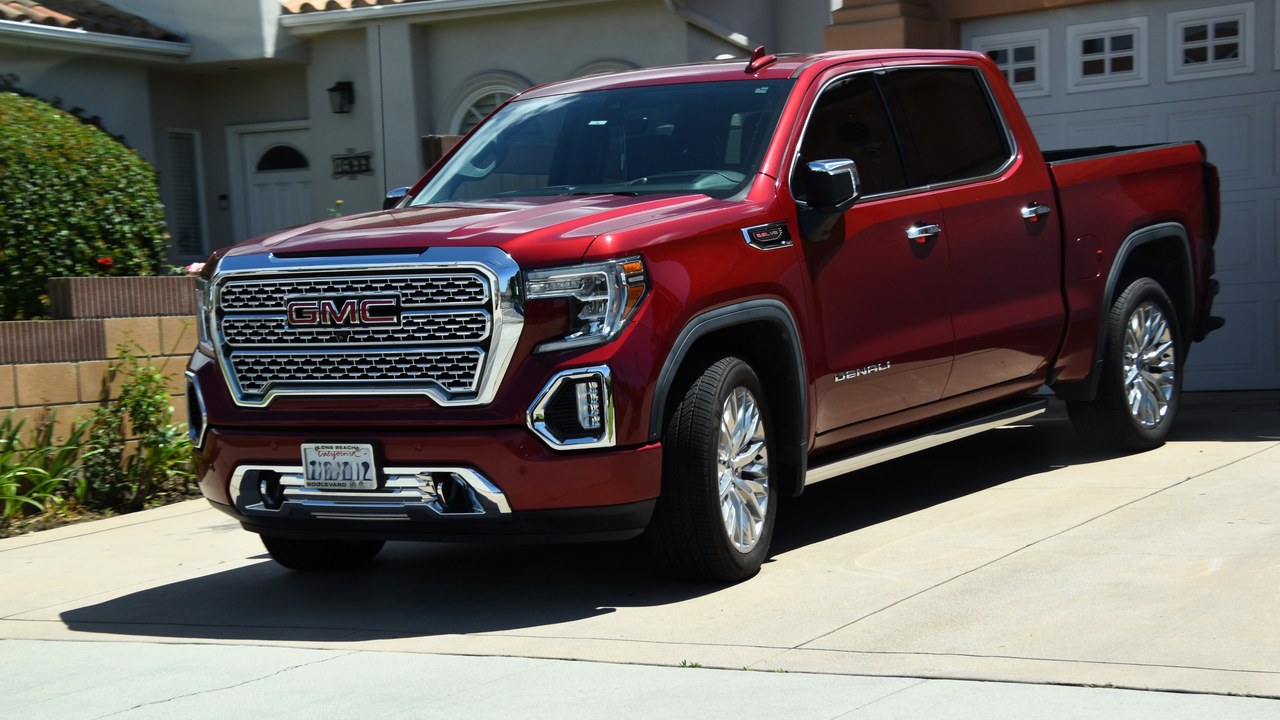
GMC’s Sierra 1500 from the 2014 through 2016 model years drew a wave of complaints over its 5.3-liter V8’s appetite for oil. The cylinder-deactivation system was blamed for excessive consumption that could leave engines low between changes and, in severe cases, damaged. Owners of the GMC Sierra lineup reported topping off frequently to stay ahead of the problem.
Fixing the underlying issue sometimes meant replacing pistons, rings, or the cylinder-deactivation components, an involved repair that few owners welcomed on a relatively young truck. The episode handed an otherwise capable and popular half-ton an unwelcome asterisk that still lingers on used-truck lots today.
6. Ford F-150 (2004-2008): Spark-Plug Nightmare

Ford’s best-selling F-150 hit a rough patch between 2004 and 2008, when its 5.4-liter Triton V8 became infamous for spark-plug trouble. The two-piece plugs could seize and snap during removal, turning a routine tune-up into a labor-intensive extraction job. The saga is well known among owners of the Triton-powered F-150 and its Super Duty cousins.
Specialty extraction tools and careful technique became essential to avoid leaving broken porcelain lodged deep in the aluminum cylinder head. What should have cost very little instead billed like a major service, souring the ownership experience for many otherwise loyal Ford truck buyers.
7. Dodge Ram 1500 (2002-2008): Aging Hemi Bills
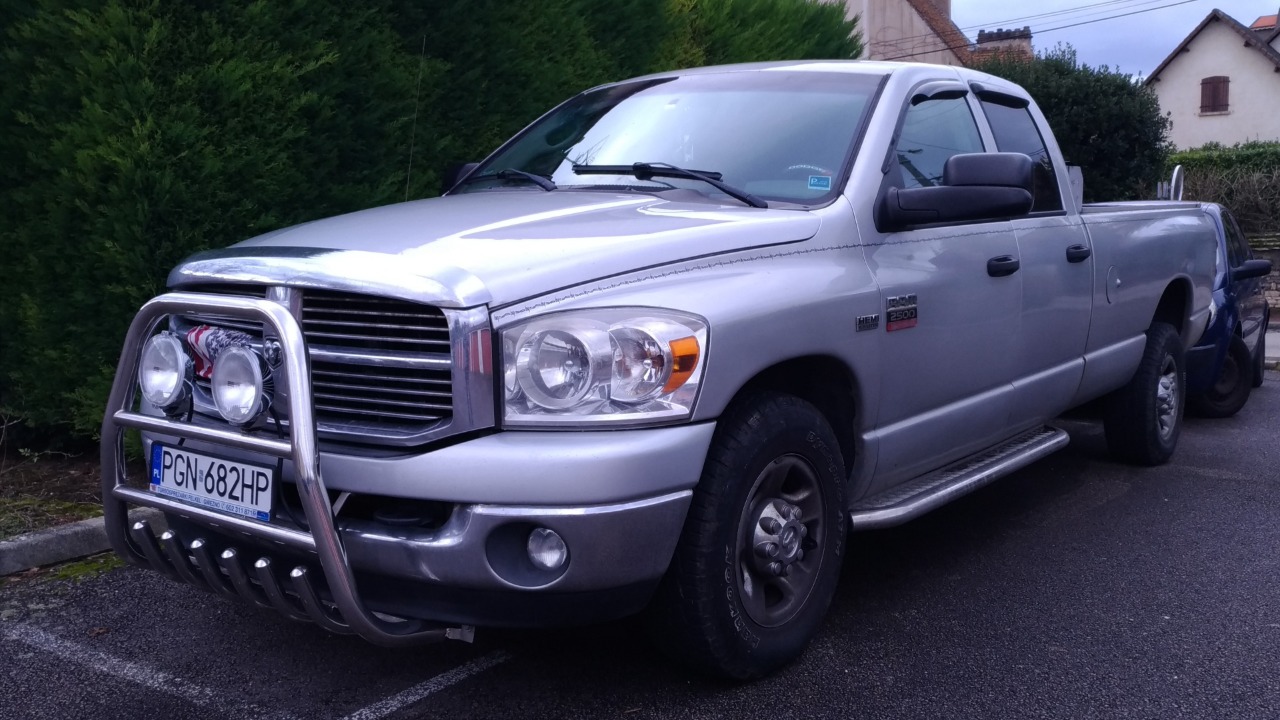
Third-generation Dodge Ram 1500 trucks from 2002 through 2008 aged into steady sources of repair work as miles accumulated. Cracked exhaust manifold bolts, worn suspension components, and electrical gremlins joined the wear expected of an older Hemi V8. The third-generation Ram earned praise for style yet demanded attention as it matured.
Taken individually, each fault seemed minor and manageable, but together they stacked into recurring bills that repeatedly surprised budget-minded second-hand buyers. Mechanics came to view high-mileage examples as dependable generators of billable shop hours rather than the worry-free workhorses their owners had hoped for.
8. Toyota Tundra (2007-2009): Costly Cam-Tower Leak
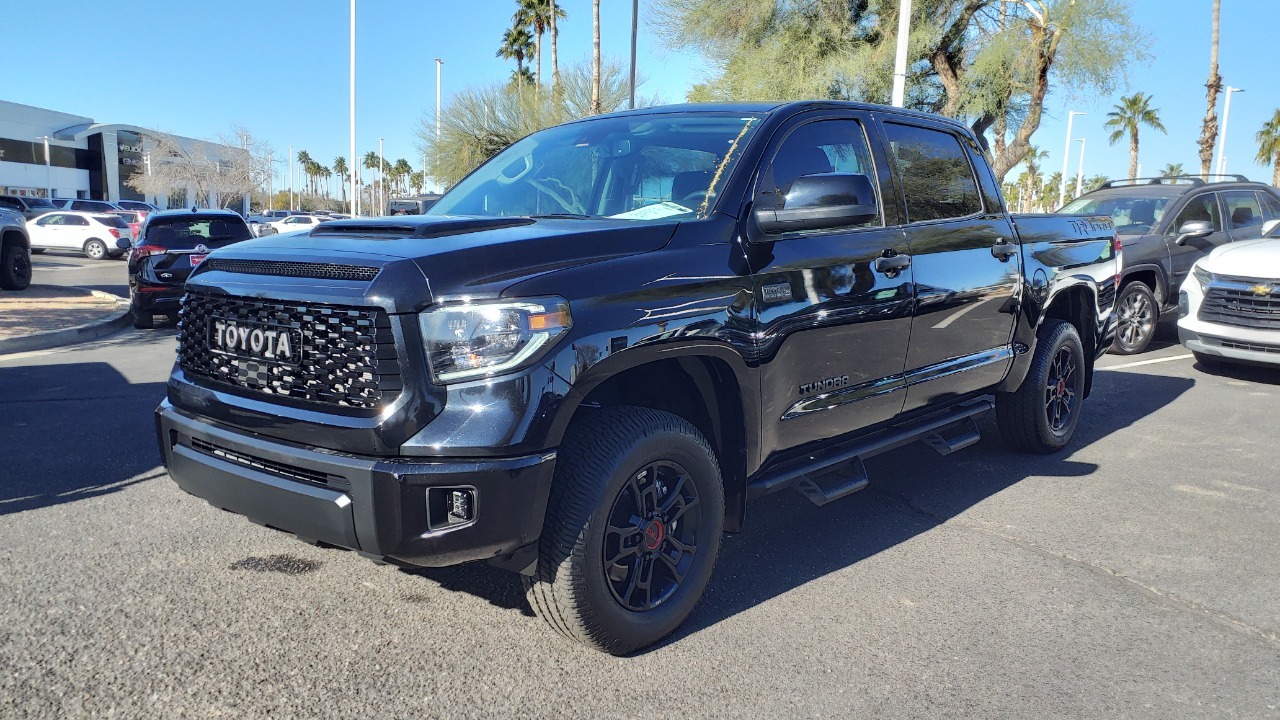
Even Toyota’s normally bulletproof Tundra stumbled with its second-generation trucks from 2007 through 2009. A cam-tower oil leak on the V8 developed into a common and expensive fix, since reaching the seals required significant engine disassembly. The issue stood out on the second-generation Tundra, a truck otherwise praised for toughness.
Labor to reach and correct the leak often dwarfed the modest cost of the gaskets and seals themselves, pushing the total well into four figures. For a nameplate built squarely on a reputation for reliability, the repair served as a reminder that no pickup is entirely immune to design flaws.
More from Morning Overview
- A handful of SUVs keep hitting 300,000 miles, and they share one engine trait
- Supplements now rank as the fifth-leading cause of death from liver disease.
- A study names the one SUV most likely to reach 250,000 miles
- More than 60,000 people flee the Spokane area as complex fires overrun 600 structures
