
The ocean holds far more than the handful of shark species that dominate headlines and horror movies. Some of the largest predatory sharks combine massive size with specialized hunting tools, from electrosensitive hammer-shaped heads to bursts of speed that outrun most fish in the sea. From coastal hunters to deep-sea giants, these eight sharks show just how varied predatory power can be beneath the waves.
1. Great white shark: Nature’s Most Notorious Ocean Hunter
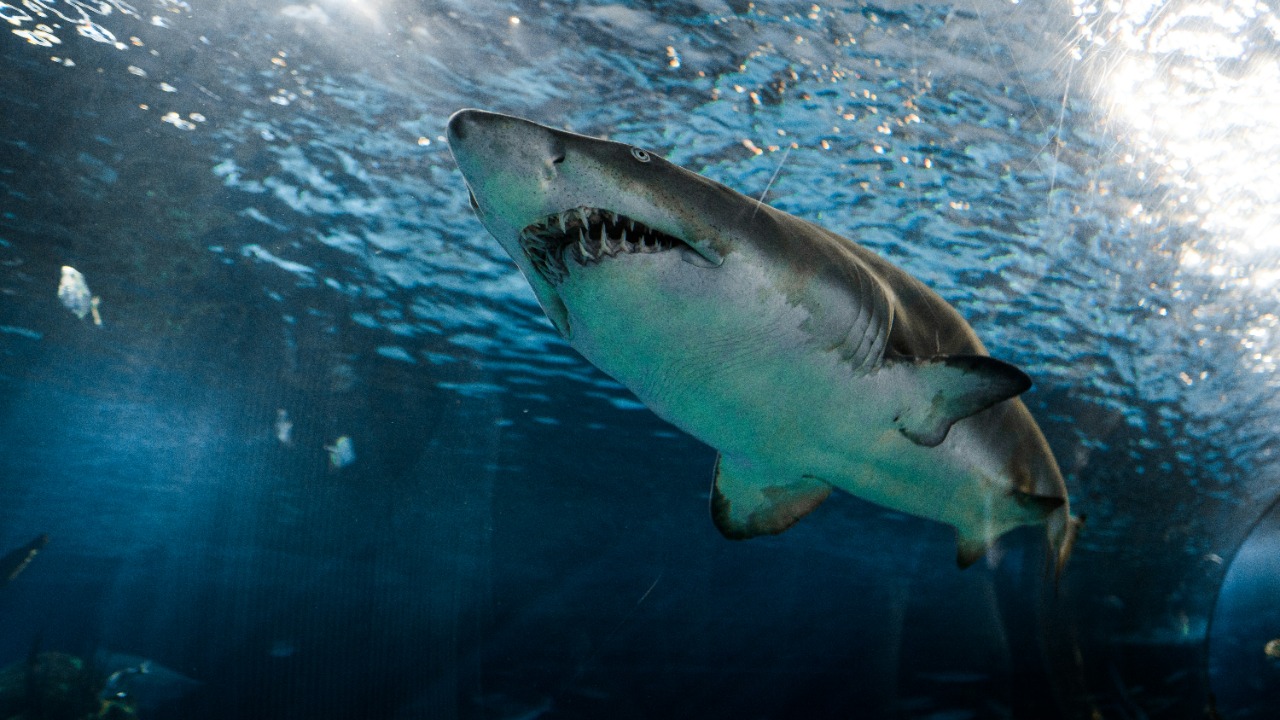
Reaching lengths of nearly 20 feet and weighing more than 5,000 pounds, this massive predator relies on rows of serrated teeth and explosive bursts of speed to ambush seals and sea lions from below, often breaching completely clear of the surface in a single explosive lunge that can send hundreds of pounds of shark airborne.
It patrols cool coastal waters from California to South Africa and Australia, relying on stealth rather than sustained speed, striking once and retreating so an injured target has time to weaken before it returns to finish the kill, a hunting style shaped by millions of years of evolution.
2. Tiger shark: A Voracious Eater Of Almost Anything
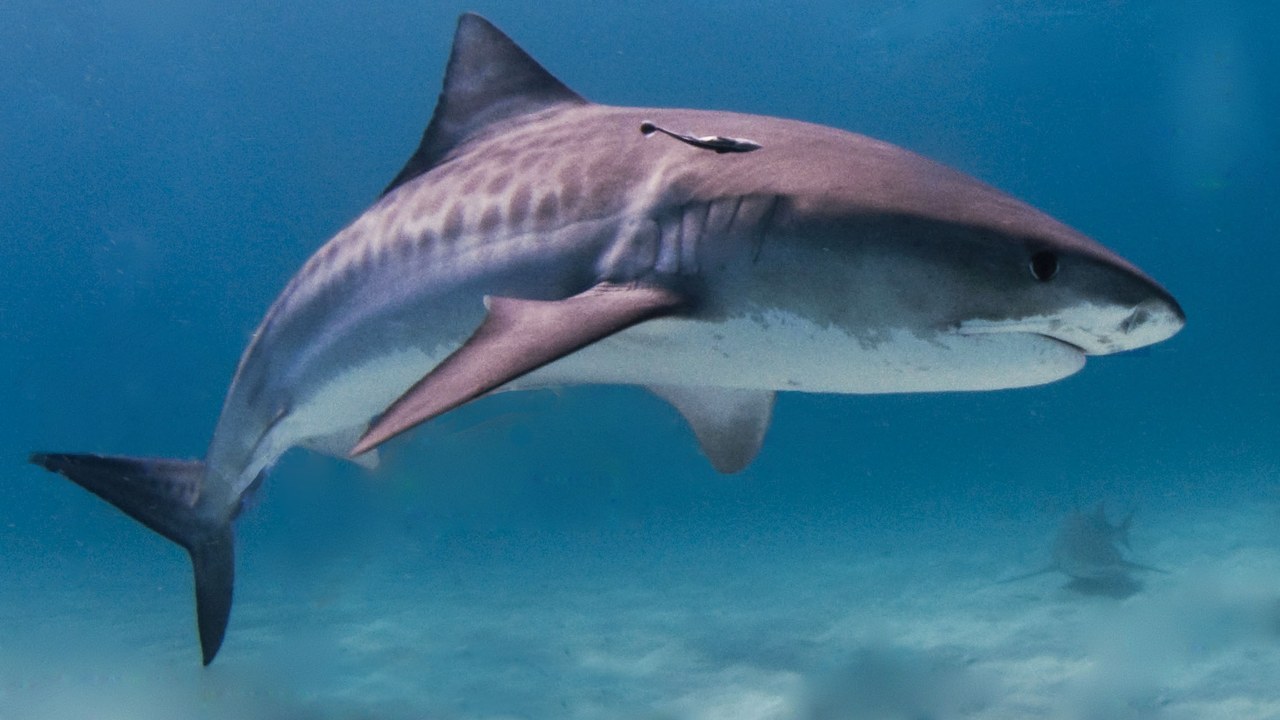
Stretching up to 16 feet long and marked by faint vertical stripes that fade with age, this heavyset predator has earned a reputation as the ocean’s least picky eater, swallowing fish, sea turtles, seabirds, crustaceans, and even inedible debris such as tires and license plates that other sharks would never touch.
It roams warm coastal and open waters worldwide, hunting mostly at night when its prey is least alert, and its powerful jaws and serrated teeth let it crack open turtle shells and bone that would stop most other ocean predators cold.
3. Greenland shark: A Slow Giant That Outlives Empires
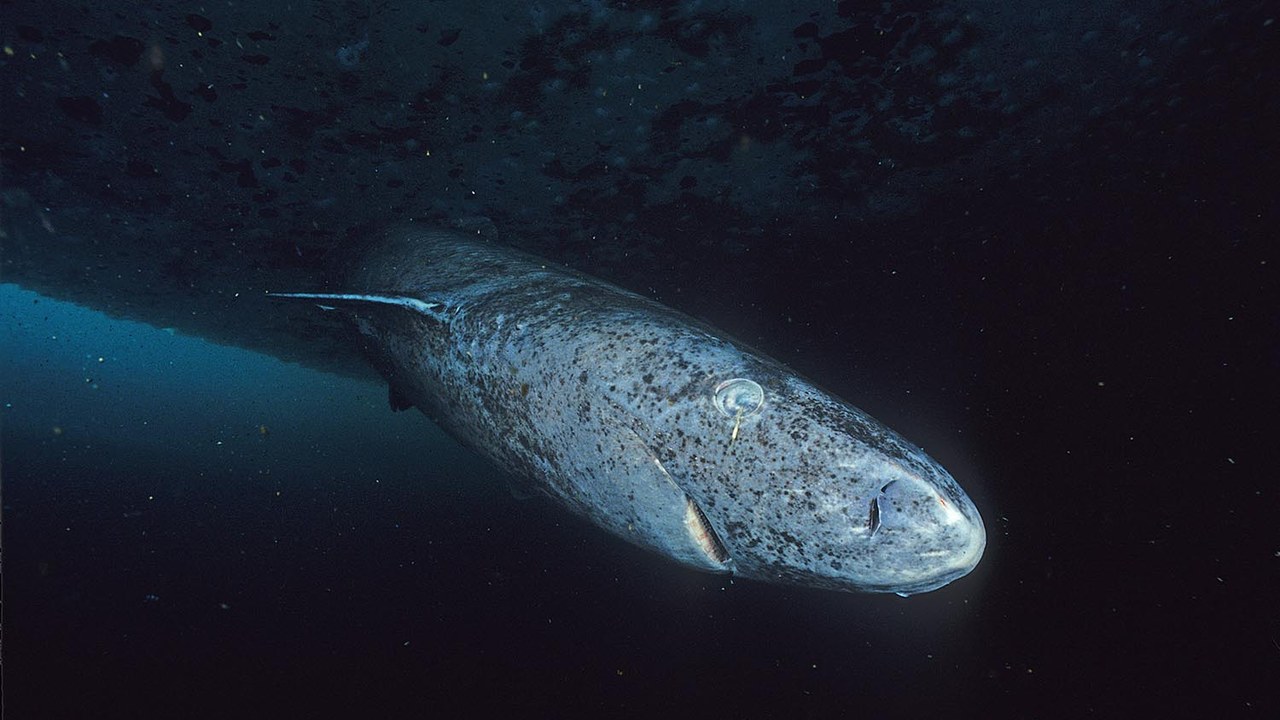
Estimated to reach 21 feet or more, this sluggish giant of the deep prowls the frigid waters of the North Atlantic and Arctic Ocean, moving at barely walking pace while still managing to catch fast fish and scavenge seals, whales, and other carrion.
Scientists believe individuals can live for centuries, with recent studies estimating some may reach 300 to 500 years old, making it the longest-lived vertebrate known to science, and its flesh contains toxins that must be fermented for months before it becomes safe to eat, a traditional Icelandic dish called hakarl.
4. Bull shark: A River Raider With A Stocky Build
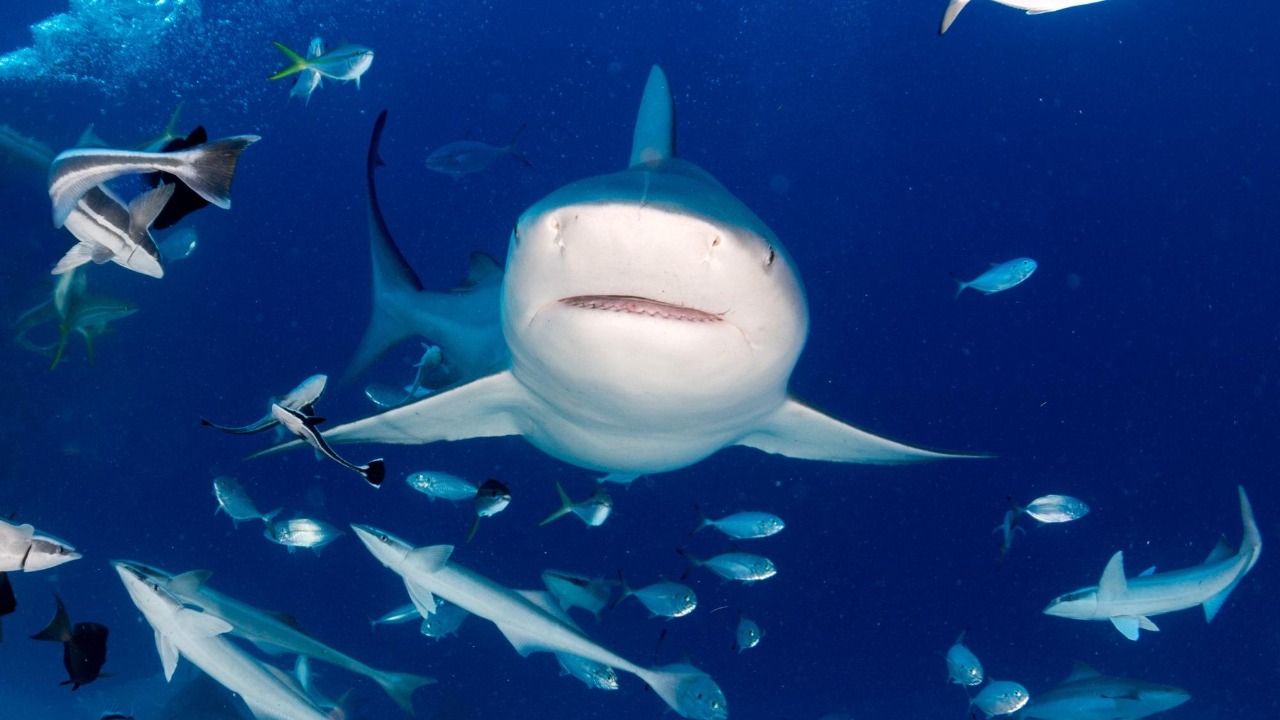
Reaching about 11 feet and built with a thick stocky frame and one of the strongest bite forces of any shark relative to its size, this powerful predator is one of the few sharks able to tolerate fresh water, swimming far up rivers like the Mississippi, Amazon, and Zambezi in search of prey.
Its unpredictable presence in shallow rivers, estuaries, and swimming beaches puts it in close contact with people far more often than most large sharks, and that proximity, combined with its aggressive temperament, contributes to its reputation as one of the most genuinely dangerous species in the ocean.
5. Great hammerhead: Built To Pin Down Stingrays
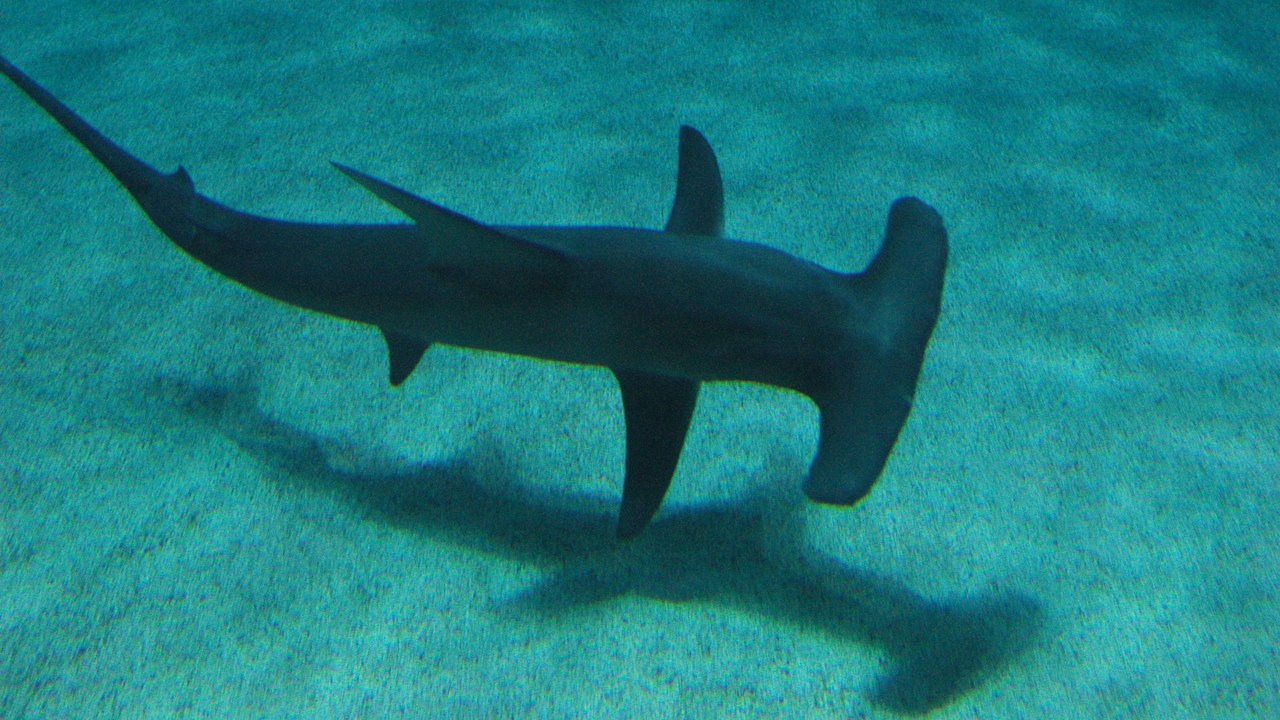
Growing up to 20 feet long and recognized instantly by its long, hammer-shaped head, this is the largest of all hammerhead species, using its wide flattened head to pin down and immobilize stingrays buried in the sand before delivering a fatal, crushing bite.
Found in warm coastal and open waters worldwide, it relies on electroreceptors spread across that oversized head to detect prey hidden beneath the seafloor, and despite its size and strength, overfishing and the global fin trade have significantly pushed the species toward endangered status in recent decades.
6. Shortfin mako: Built For Explosive Underwater Speed
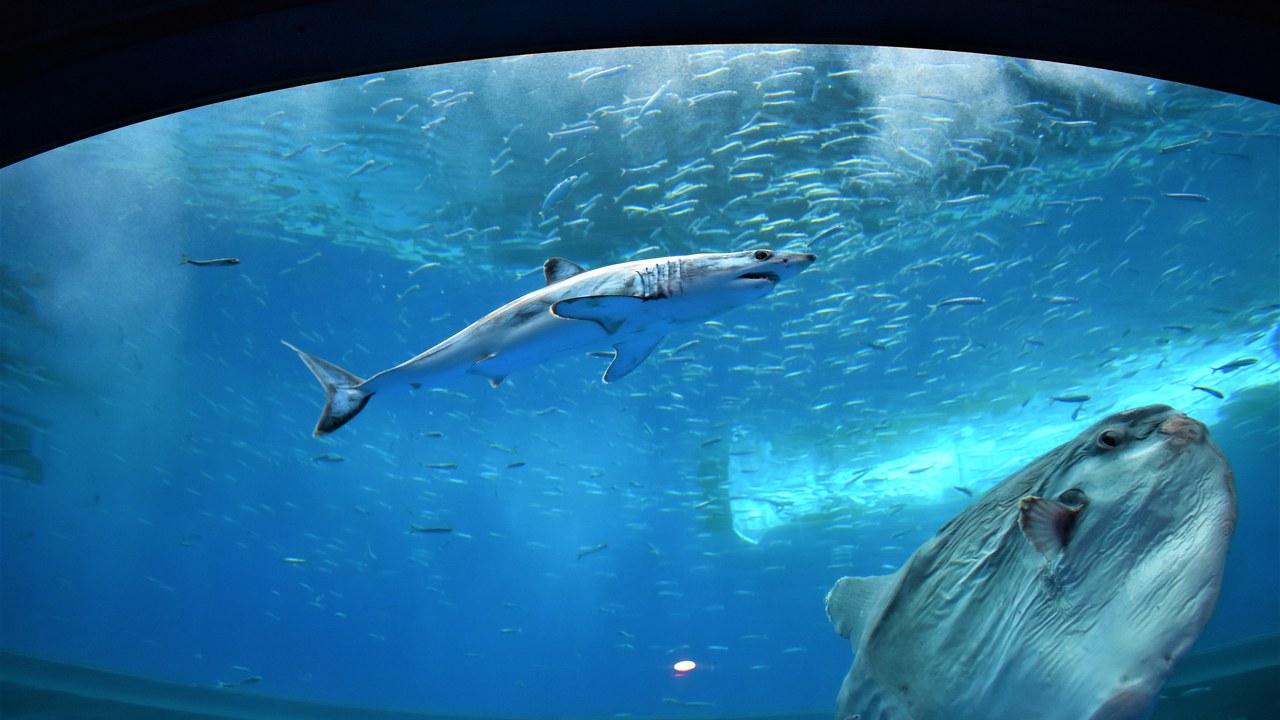
Capable of short bursts near 45 miles per hour, this streamlined predator is widely considered the fastest shark in the ocean, reaching lengths of about 12 feet and relying on that burst of speed to run down fast-swimming tuna, swordfish, and other agile open-ocean prey.
Its body maintains a warmer temperature than the surrounding water, an adaptation that fuels its muscles for sustained high-speed pursuit over long distances, and it is also known for spectacular leaps well clear of the surface when hooked or chasing prey near the top of the water column.
7. Sixgill shark: An Ancient Giant From The Deep Sea
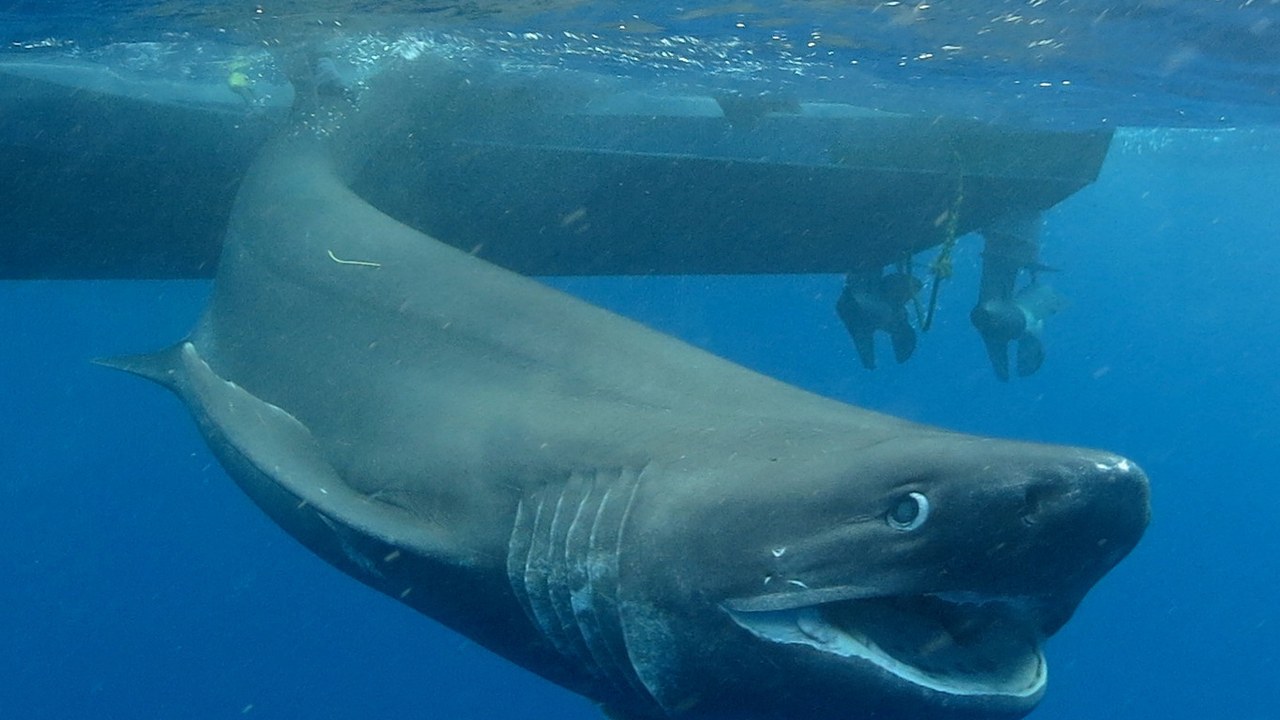
Reaching lengths of up to 18 feet and among the largest predators in the deep sea, this ancient giant is named for the six gill slits lining its throat, a trait shared with only a handful of primitive shark lineages instead of the five gill slits found on most modern species.
It spends most of its life far below where sunlight never reaches, sometimes deeper than a mile, and rises toward the surface mainly at night to feed on fish, seals, and the carcasses of whales that sink to the ocean floor.
8. Oceanic whitetip: A Bold Wanderer Of The Open Sea
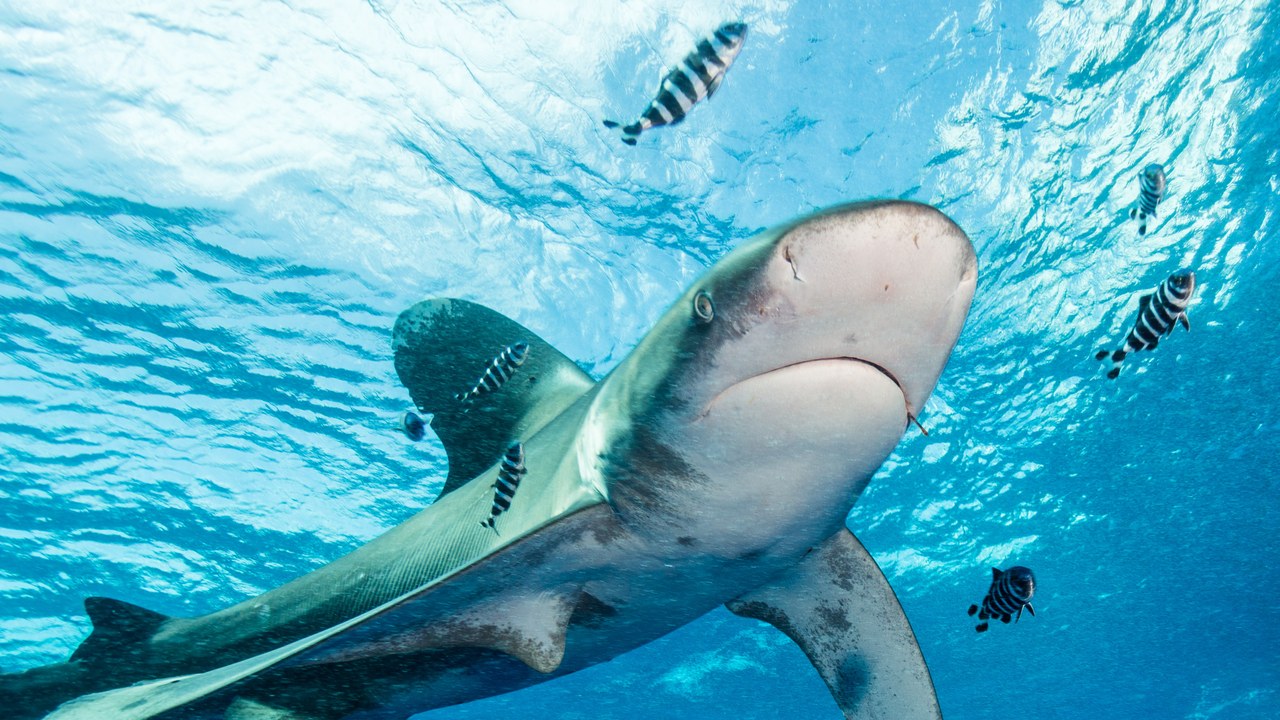
Reaching about 13 feet long, this bold open-ocean predator is easily identified by the rounded white-tipped fins that give it its name, and unlike most sharks that avoid people, it will boldly investigate almost anything that enters its territory, from schools of fish to shipwreck survivors adrift far from land.
Once considered one of the most abundant large animals on Earth, roaming far from any coastline, it has since been decimated by the global fin trade and is now listed as critically endangered across most of its former range in open ocean waters worldwide.
More from Morning Overview
