
Nuclear energy quietly anchors a large share of the electricity that keeps American homes lit and factories humming. A handful of enormous stations, scattered from the Arizona desert to the coast of California, carry an outsized portion of that load through reactors that run around the clock. What follows profiles eight of the biggest nuclear power plants operating across the country today.
1. Palo Verde Generating Station: The Desert Giant Leading the Nation
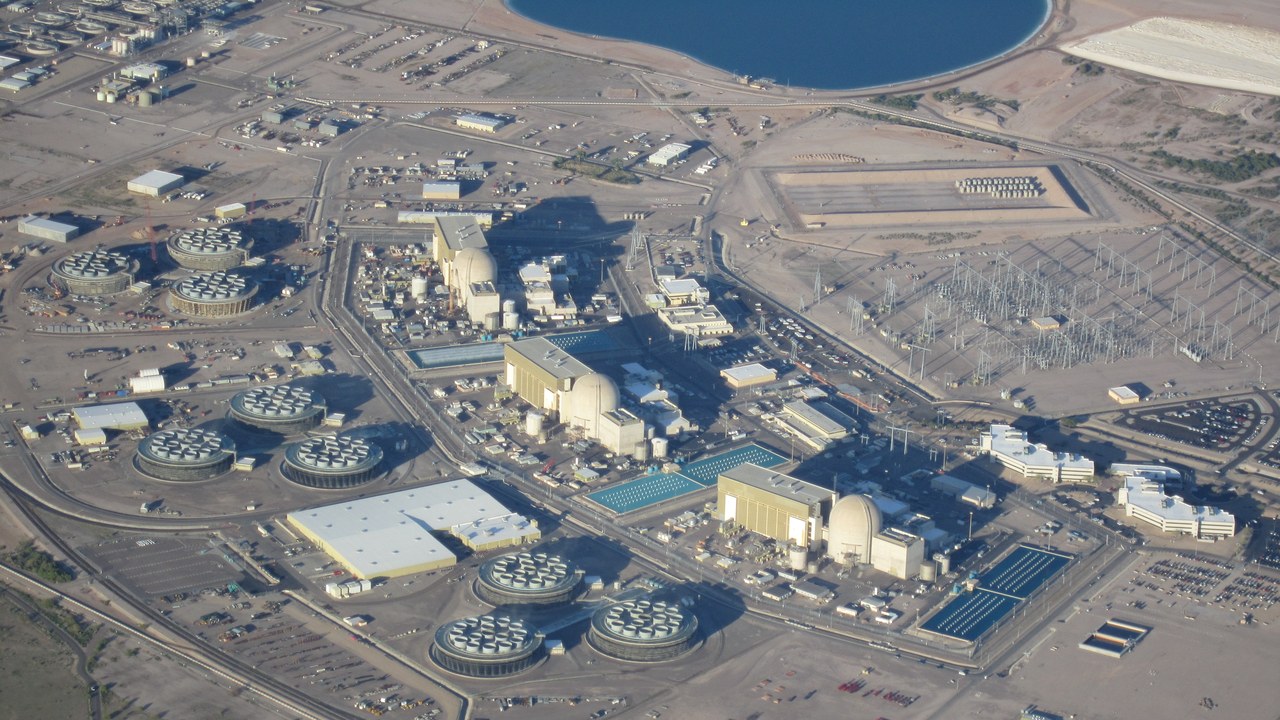
Sitting in the arid stretch of desert west of Phoenix, the Palo Verde plant in Arizona ranks as the largest nuclear power station in the United States by electricity output. Three pressurized-water reactors run in tandem, producing more power than any other single generating facility in the country. Unusually, the site sits far from any large river or lake, so it cools its reactors with treated wastewater piped in from nearby cities.
Because it delivers such a steady stream of electricity, the station serves as a backbone for the Southwest, feeding power to millions of customers across Arizona, California, New Mexico, and Texas. Its round-the-clock output helps stabilize a regional grid that also leans heavily on solar generation, which fades once the sun sets.
2. Browns Ferry Nuclear Plant: Three Reactors On The Tennessee River
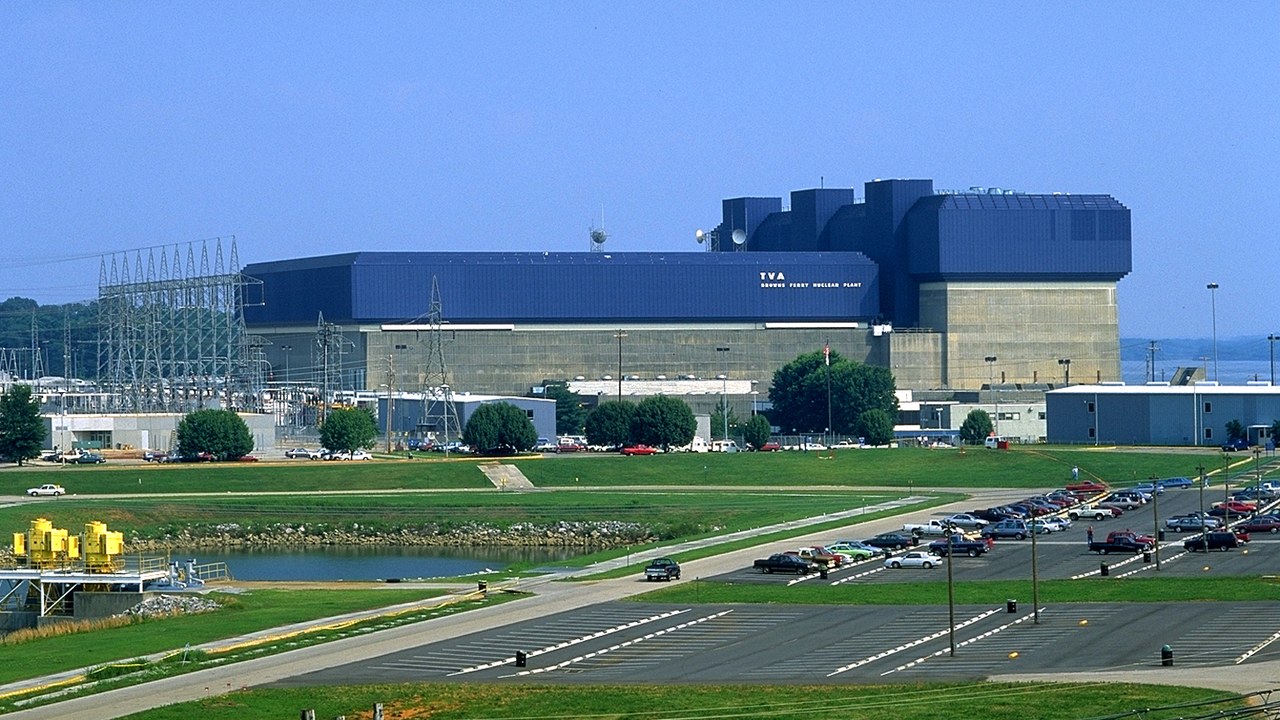
Perched on the Tennessee River in northern Alabama, the Browns Ferry station in Alabama houses three boiling-water reactors owned and operated by the Tennessee Valley Authority. It counts among the highest-output nuclear sites in the nation, a distinction it has held since its earliest units first came online decades ago. The plant draws cooling water directly from Wheeler Lake, the reservoir formed behind a nearby dam.
As one of the largest generators in the TVA system, the station supplies a significant slice of the electricity used across the Tennessee Valley region. Its three reactors give operators flexibility, allowing one unit to shut down for maintenance or refueling while the other two keep power flowing to homes and industry.
3. Peach Bottom Atomic Power Station: A Twin-Unit Workhorse In Pennsylvania
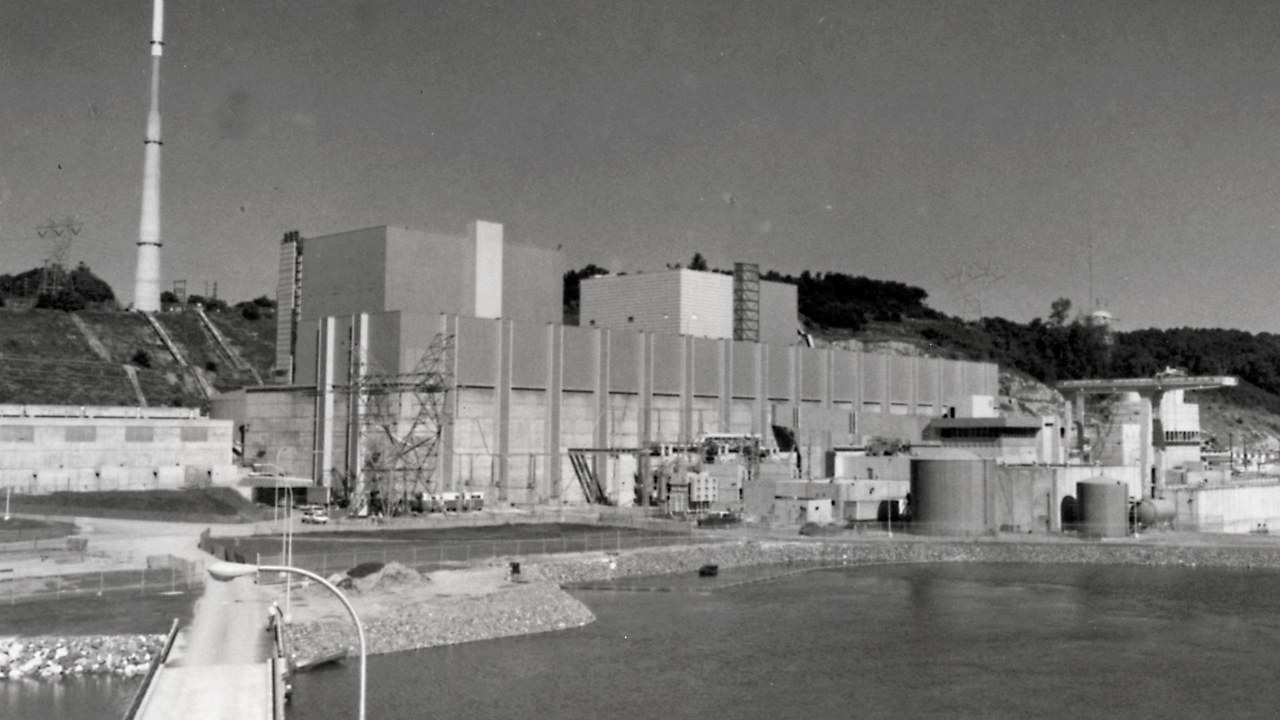
Located along the Susquehanna River in southeastern Pennsylvania, the Peach Bottom station in Pennsylvania runs two large boiling-water reactors that together rank it among the biggest producers on the East Coast. The site draws cooling water from Conowingo Pond, the reservoir behind a downstream dam, and its two units have generated electricity for the Mid-Atlantic region across many decades of continuous service.
The plant feeds into the sprawling grid that serves Pennsylvania, Maryland, and neighboring states, a network that must satisfy heavy demand from dense population centers. Its steady baseload output complements the more variable sources on that grid, helping keep the lights on during summer heat waves and winter cold snaps alike.
4. Vogtle Electric Generating Plant: Home Of America’s Newest Reactors
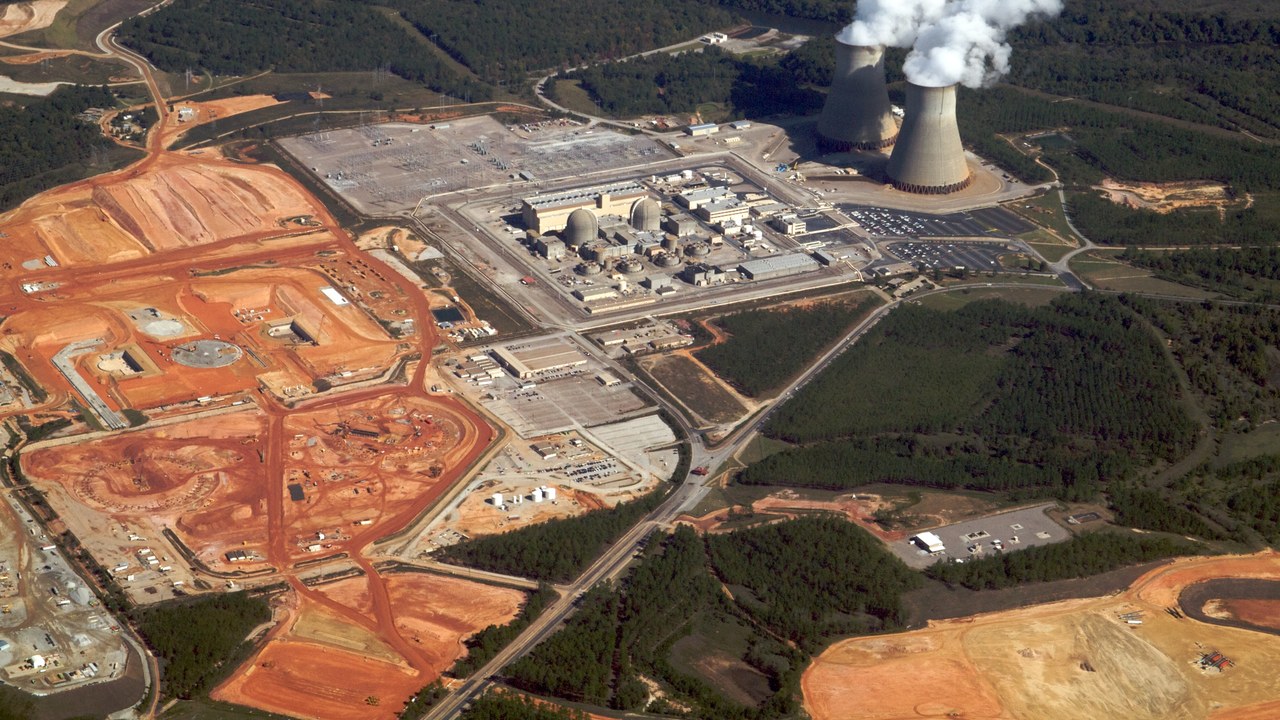
Set beside the Savannah River in eastern Georgia, the Vogtle plant in Georgia became the site of the newest commercial reactors built in the United States. Two additional units came online in recent years, joining the original pair to give the station four reactors in total. That expansion pushed Vogtle to the front rank of American nuclear output.
The two newest units drew national attention as the first freshly constructed reactors finished in the country in a generation, and their completion arrived years behind schedule and well over the original budget. Now running, the enlarged station supplies power across Georgia and neighboring states, marking a rare recent addition to the nation’s nuclear fleet.
5. Oconee Nuclear Station: A Duke Energy Powerhouse In The Carolinas
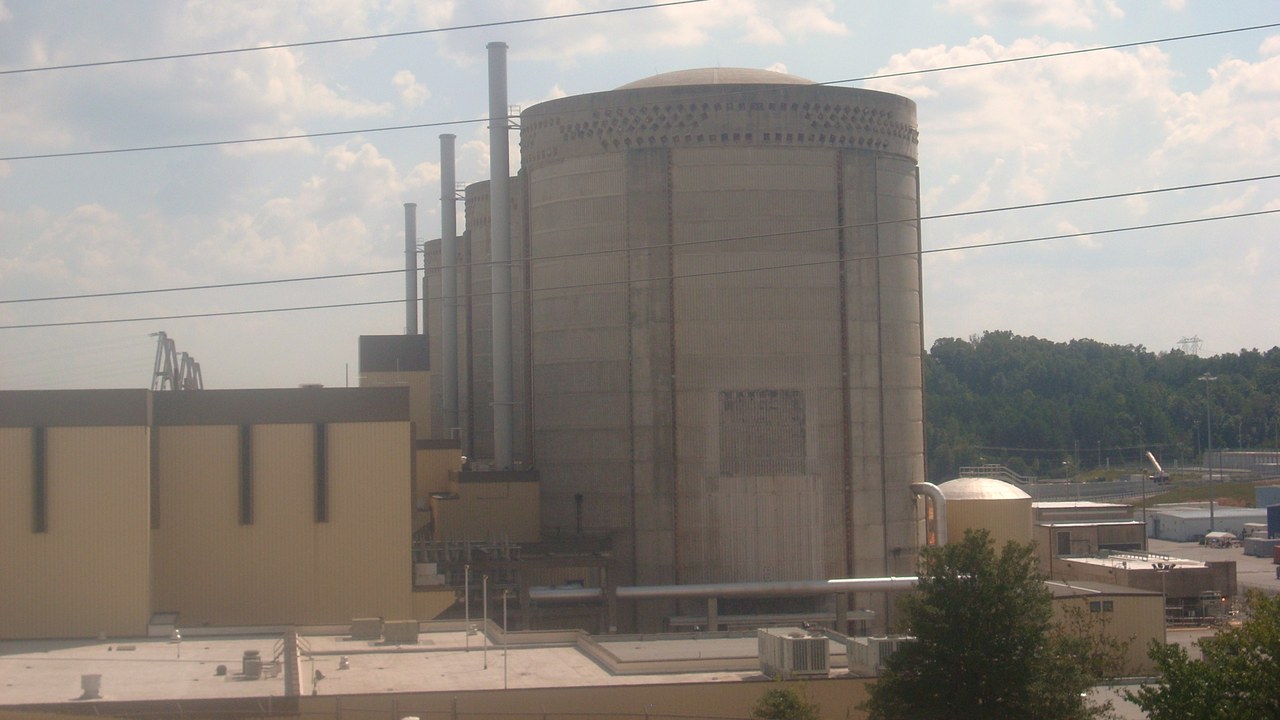
Tucked into the foothills of northwestern South Carolina, the Oconee station in South Carolina operates three pressurized-water reactors under Duke Energy, placing it among the largest nuclear plants in the country. The site sits beside Lake Keowee, which supplies the cooling water its reactors need, and it has produced electricity for the Carolinas across many decades of operation.
With three units running, the plant delivers a large and dependable block of baseload power to Duke Energy’s customers throughout the region. That steady output helps the utility meet demand across the Carolinas without leaning entirely on coal or natural gas, and the reactors continue generating through licenses extended well into the future.
6. Susquehanna Steam Electric Station: High Output From Twin Reactors
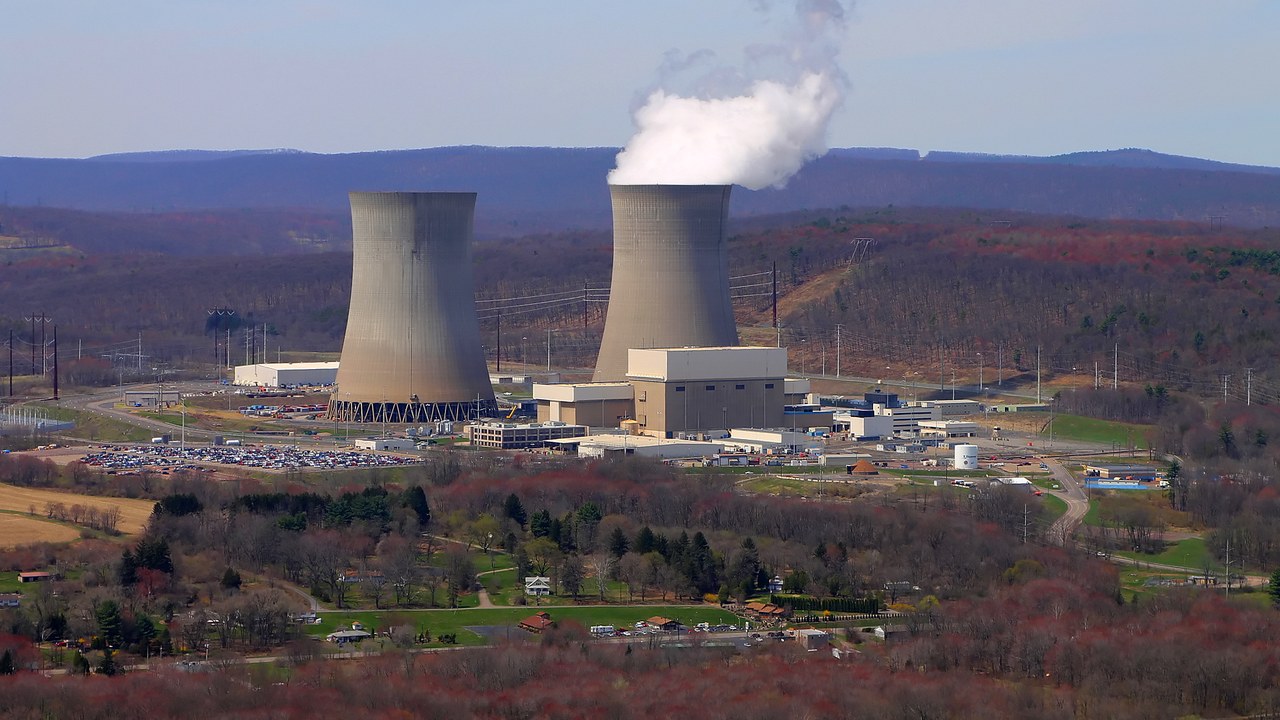
Rising above the landscape near the Susquehanna River in northeastern Pennsylvania, the Susquehanna station in Pennsylvania runs two large boiling-water reactors that together rank it among the highest-output nuclear plants in the nation. Tall natural-draft cooling towers dominate the site, releasing plumes of water vapor visible for miles as the reactors run at full power.
The station feeds a substantial amount of electricity into the regional grid that serves Pennsylvania and surrounding states. Its twin reactors provide reliable baseload generation that runs continuously regardless of weather, offering a steady counterweight to the seasonal swings in demand and the more intermittent renewable sources scattered across the same power network.
7. Diablo Canyon Power Plant: California’s Last Nuclear Stronghold
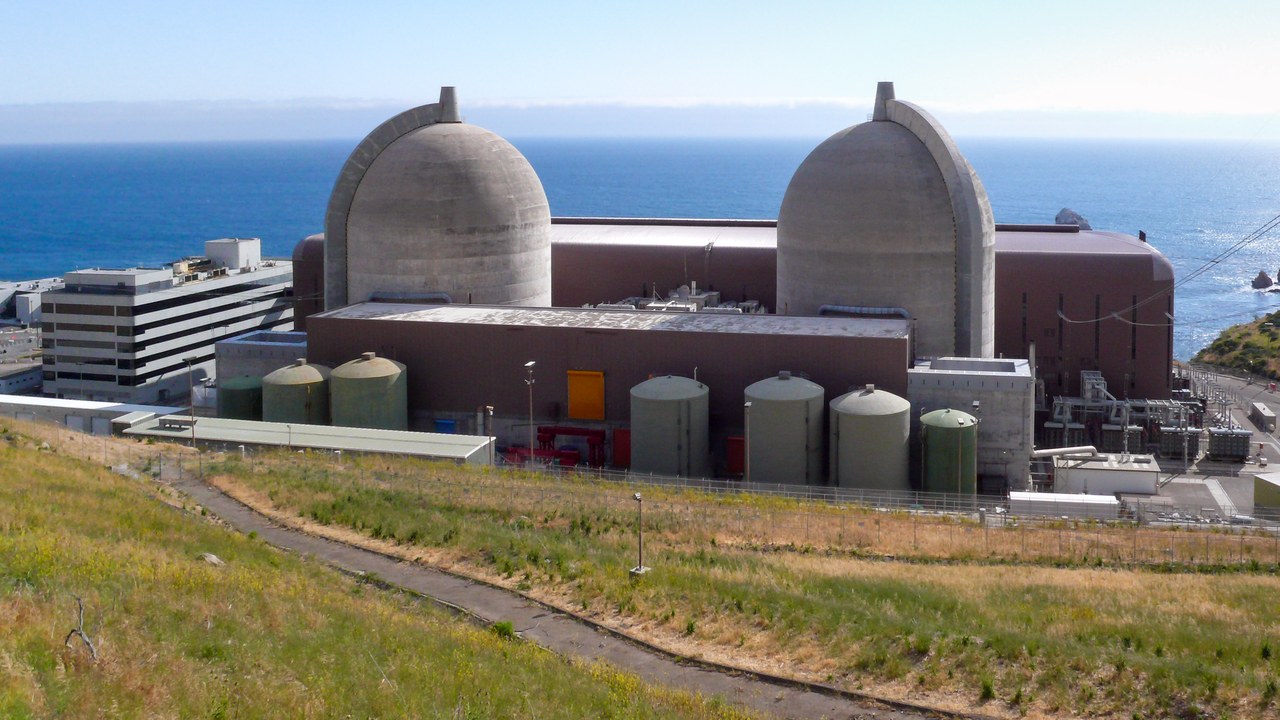
Perched on a bluff above the Pacific along California’s central coast, the Diablo Canyon plant in California stands as the state’s only still-operating nuclear station. Its two pressurized-water reactors draw seawater for cooling and together produce a large share of the carbon-free electricity generated within California, making the site a significant piece of the state’s power supply.
Once slated for closure, the plant won a reprieve to keep running as officials weighed the risk of losing so much reliable, low-emission generation at once. Its continued operation helps California maintain grid stability during periods of peak demand, particularly on hot evenings when solar output has dropped away but air conditioners stay on.
8. Byron Nuclear Generating Station: Twin Units Powering The Midwest
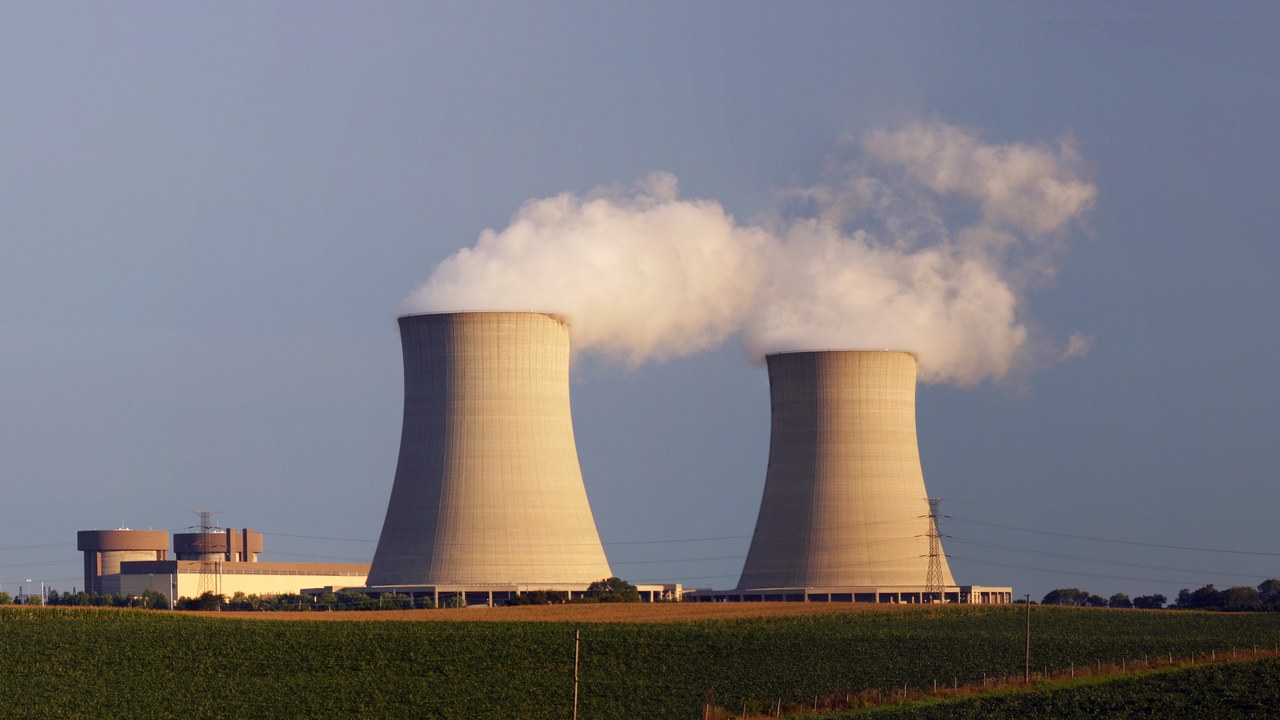
Located in rural northern Illinois, the Byron station in Illinois operates two large pressurized-water reactors that place it among the biggest nuclear generators in a state long defined by its heavy reliance on nuclear power. Prominent cooling towers mark the site, which pulls water from the nearby Rock River to keep its reactors running at full capacity.
Illinois draws more of its electricity from nuclear stations than any other state, and Byron ranks as a major contributor to that fleet. Its two units supply a steady stream of baseload power to the Midwest grid, running continuously to help meet demand across a region that stretches well beyond the plant’s rural surroundings.
More from Morning Overview
