
Nuclear reactors still supply a share of the electricity across the country, and the federal regulator keeps a public list of every operating unit. That list names the state, the reactor type, the distance to a nearby city and the operator for each site. Here are eleven plants from the list, spread from the Arizona desert to the Georgia pines.
1. Palo Verde: Desert Giant West of Phoenix
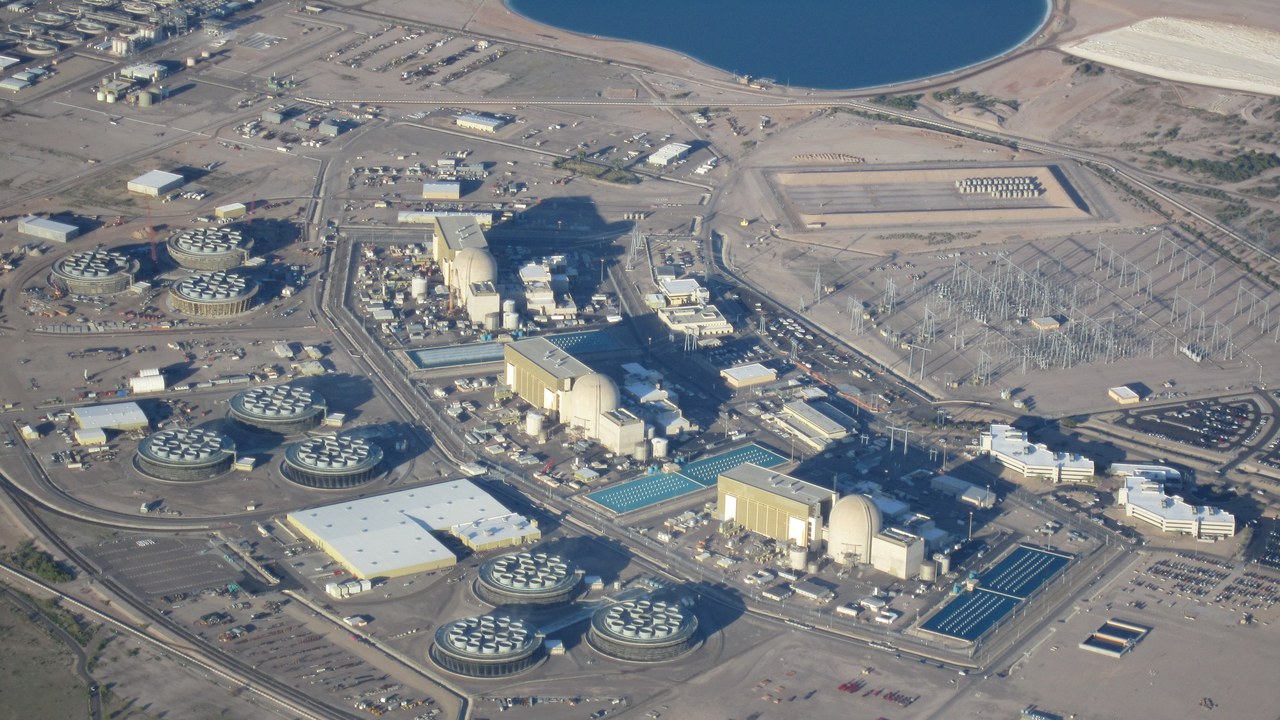
Palo Verde sits 50 miles west of Phoenix, Arizona, and carries three pressurized-water reactors, a trio of units on one site. Arizona Public Service Co. is the operator named on the NRC operating reactor list, which tracks each unit by docket number and license.
The listing matters for anyone in the Phoenix area wondering where part of the regional grid originates. Three units under a single operator also means one site answers for all of them, and the federal regulator inspects it as a unit.
2. Vogtle: Two Old Units, Two New Listings
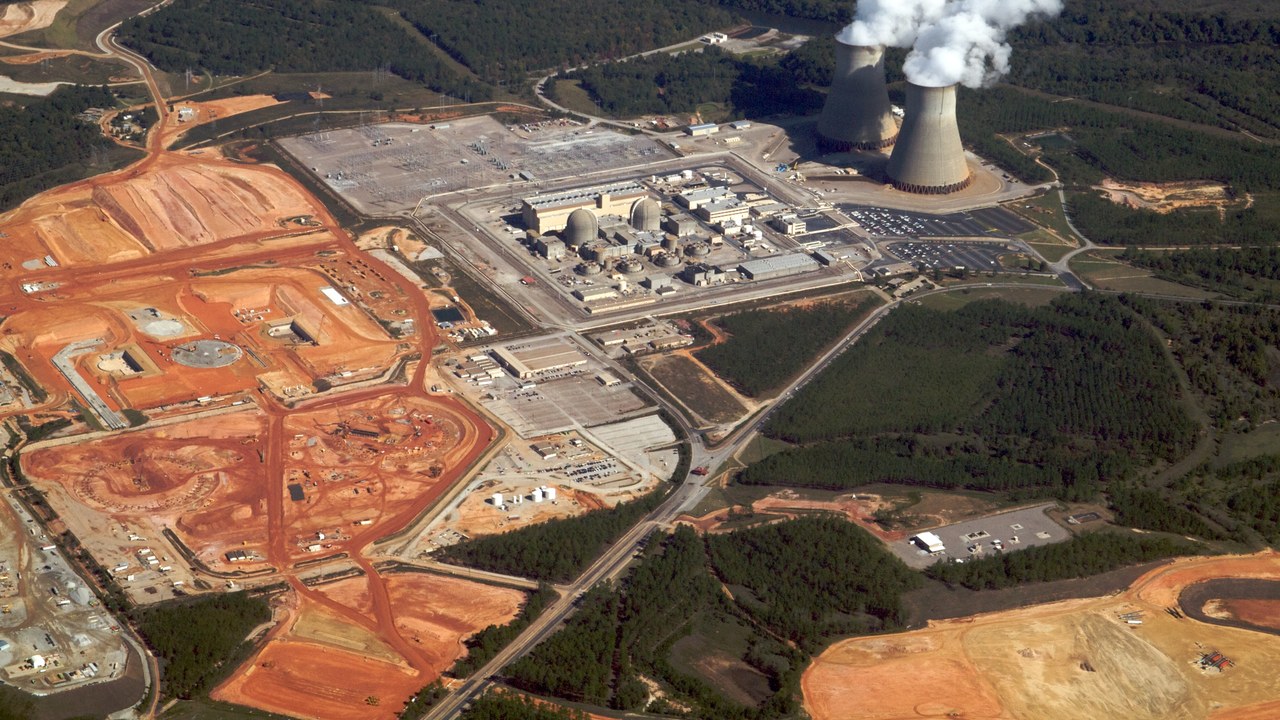
Vogtle appears on the operating list of power reactor units as units 1 and 2, both pressurized-water reactors 26 miles southeast of Augusta, Georgia. Units 3 and 4 are shown separately, held as new-reactor license holders rather than folded into the original pair.
The split is a useful reminder that one address can hold reactors with different regulatory histories. Readers near Augusta should expect the older pair and the newer units to be tracked under separate entries.
3. Browns Ferry: Boiling Water Along the Tennessee Valley
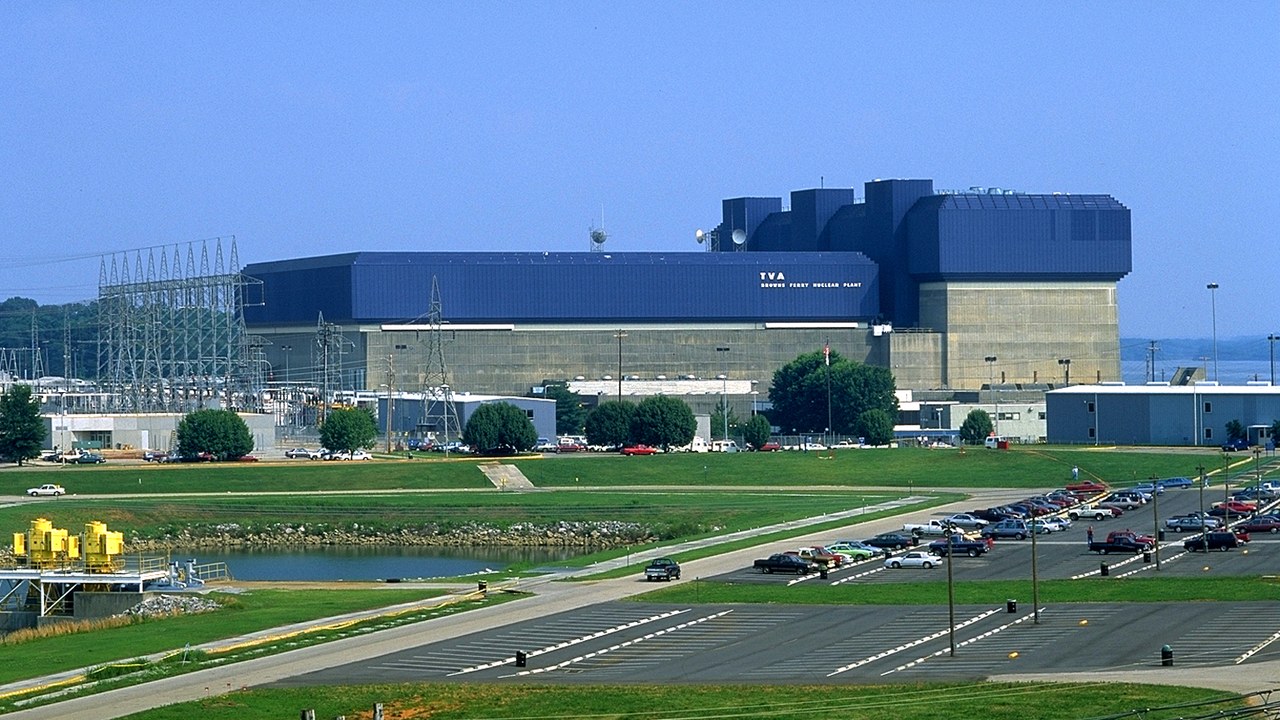
Browns Ferry holds three boiling-water reactors 32 miles west of Huntsville, Alabama, and the Tennessee Valley Authority runs them. The NRC lists the units one by one, with the Browns Ferry 1 entry carrying docket 05000259 and license DPR-33.
Public ownership sets this plant apart from many entries on the list, since the operator is a federal utility rather than a private company. Huntsville-area residents can use the same listing to find the unit numbers behind the name.
4. Diablo Canyon: Cliffs, Domes and a Pacific View
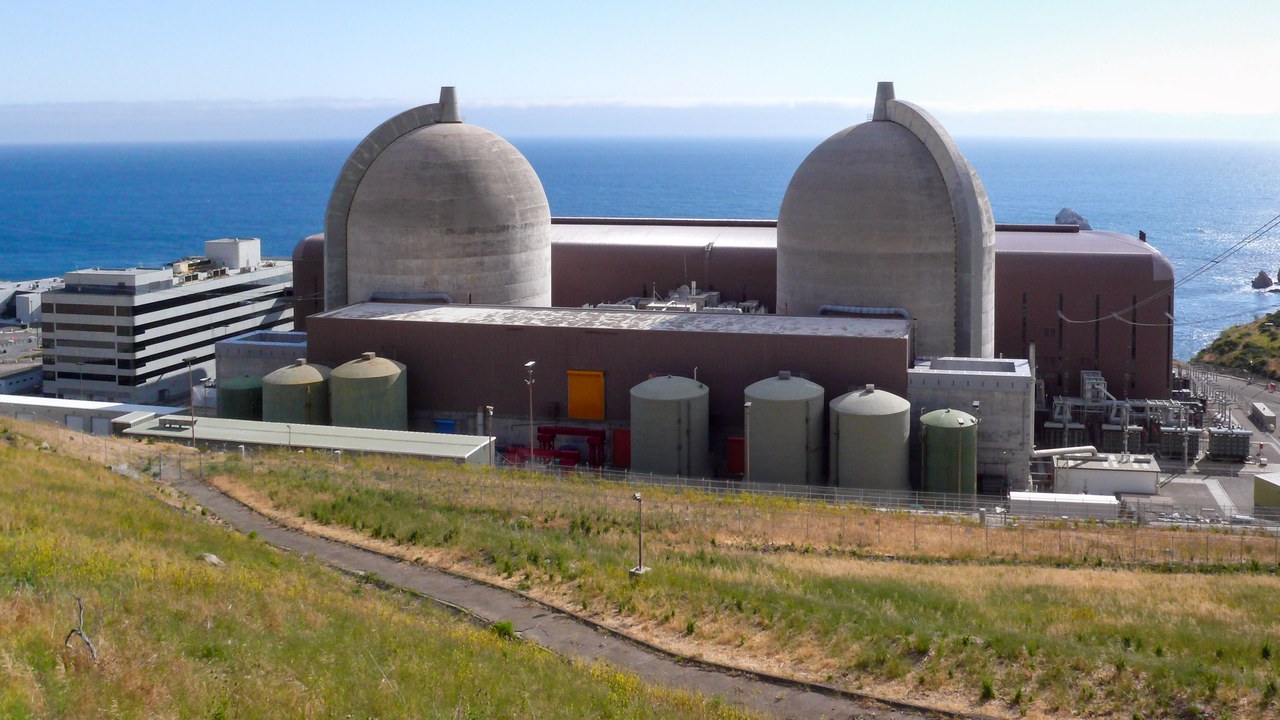
Diablo Canyon operates two pressurized-water reactors 12 miles west-southwest of San Luis Obispo, California. Pacific Gas & Electric is the operator the NRC records for the site, which stands on the central coast.
California appears only once in this set, making Diablo Canyon the state’s entry among the regulator’s operating units. Central Coast readers can verify the operator and distance directly on the federal list. Operator and location details sit in the same table row, so no outside source is needed to place the plant on a map.
5. Susquehanna: Ridge Country in Pennsylvania
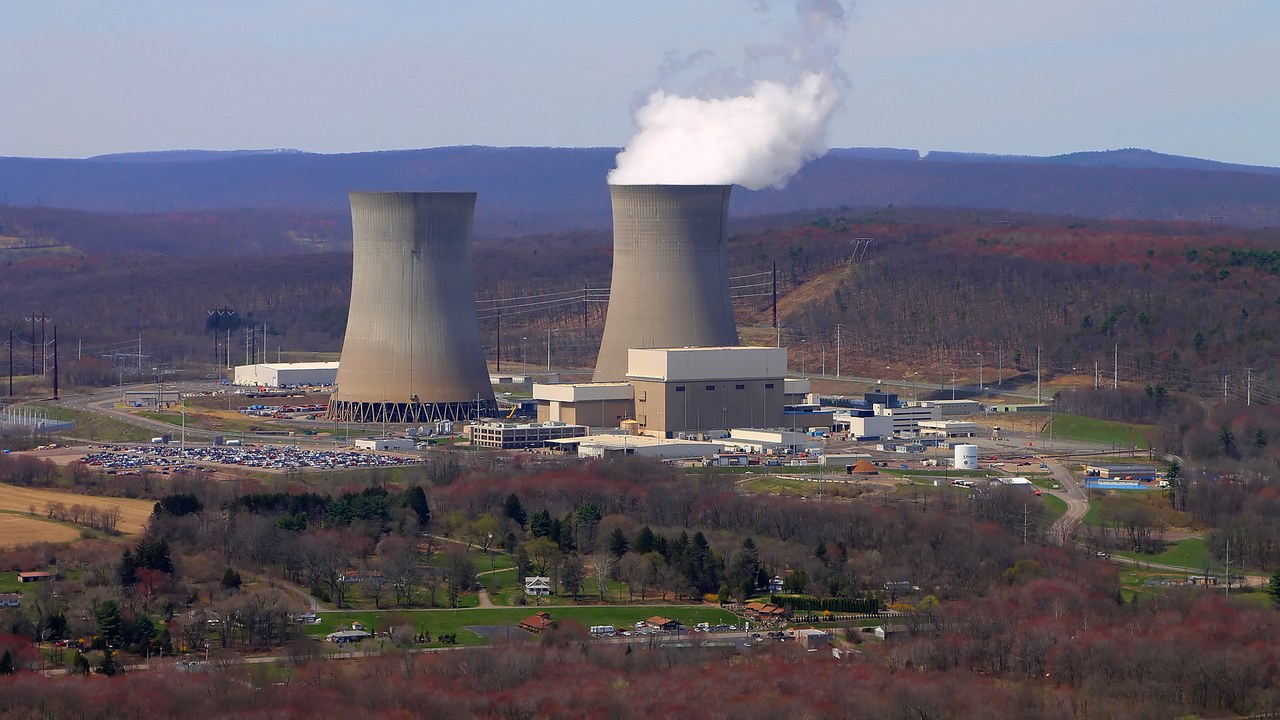
Susquehanna is made up of two boiling-water reactors 70 miles northeast of Harrisburg, Pennsylvania. The NRC’s reactor index names Susquehanna Nuclear, LLC as the operator, a company name distinct from other utilities on the list.
Readers in northeastern Pennsylvania may find the entry through the index’s location grouping. Checking the operator name there avoids confusing this site with the other Pennsylvania stations nearby. The index also links onward to per-plant pages, giving a path from the location list to each site’s own regulatory record.
6. Limerick: Suburban Philadelphia’s Reactor Pair
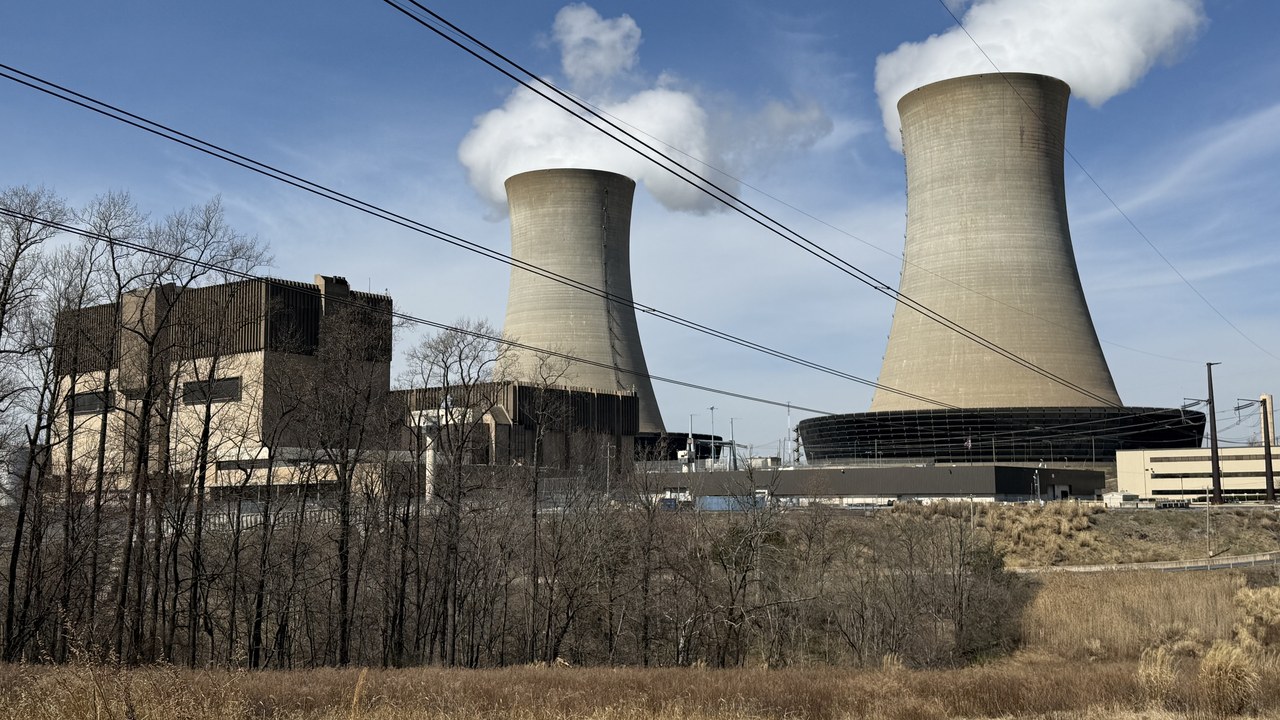
Limerick sits 21 miles northwest of Philadelphia, Pennsylvania, with two boiling-water reactors operated by Constellation Energy Generation. The NRC reactor index groups the plant with other operating sites by location.
The short distance to a major city is the notable feature here, since few operating stations lie that close to a large metropolitan area. The regulator’s listing gives the exact mileage and operator for anyone checking. Both units appear under the one operator, which keeps the entry simple to read next to the other Pennsylvania sites in the index.
7. Peach Bottom: Two Units on the Susquehanna River Corridor
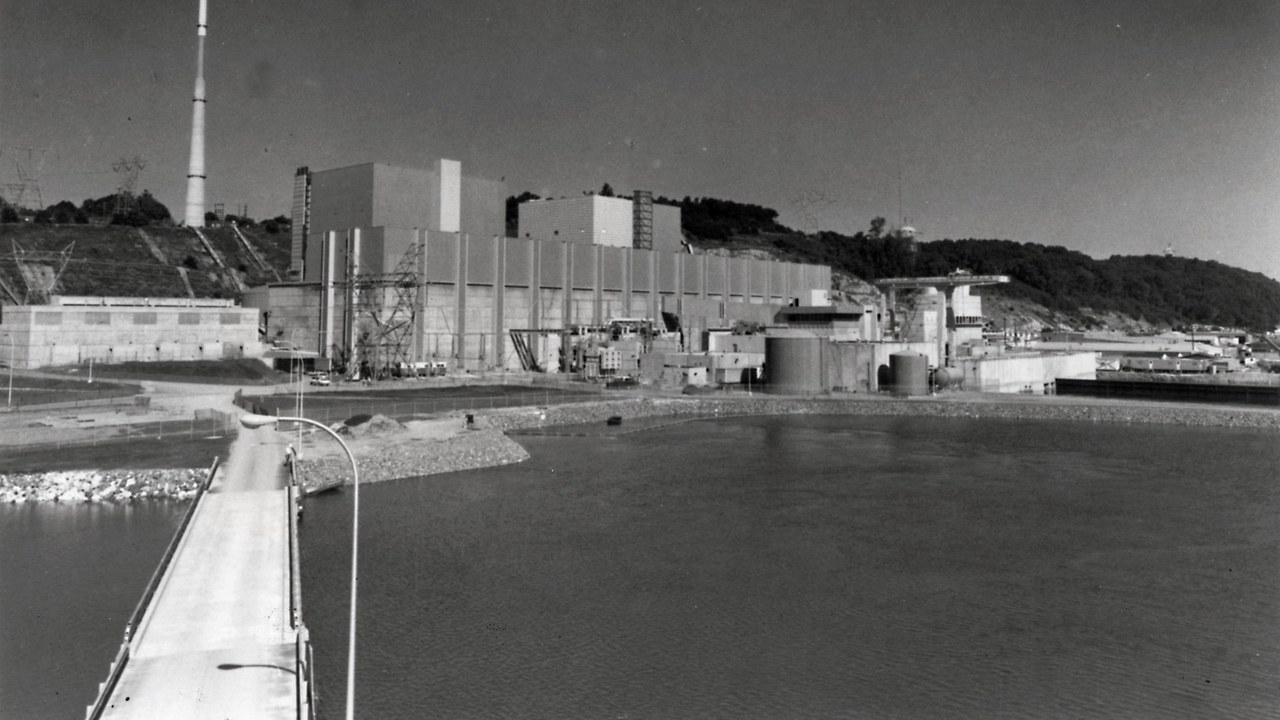
Peach Bottom is represented by Units 2 and 3, boiling-water reactors 17.9 miles south of Lancaster, Pennsylvania. Constellation Energy Generation is the operator recorded in the NRC reactor index.
That decimal mileage is the most precise distance given for any site in this set. Residents of southern Lancaster County can confirm unit numbers and the operator straight from the federal index. The index also links onward to a per-plant page, which gives a path from the location list to the site’s own regulatory record.
8. Byron: Farmland Towers in Northern Illinois
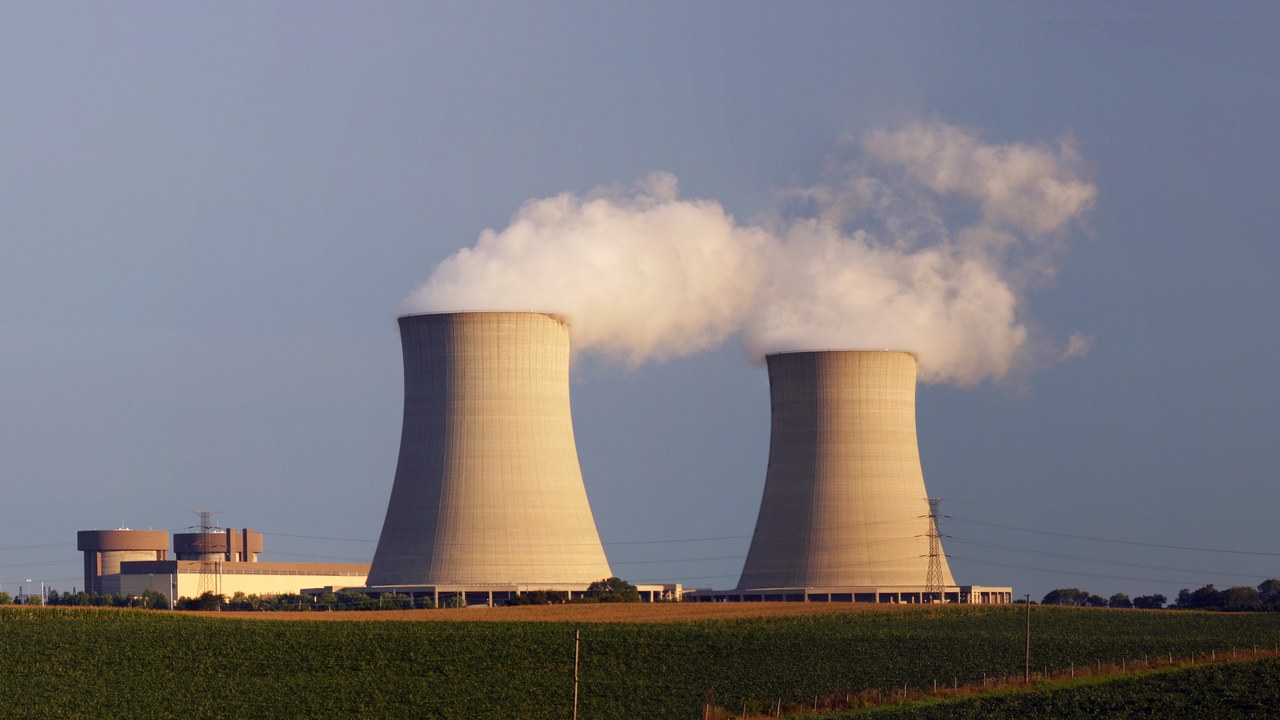
Byron has two pressurized-water reactors 17 miles southwest of Rockford, Illinois, and Constellation Energy Generation operates them. The NRC reactor index lists the site among the operating plants arranged by location.
Rockford sits close enough that the plant is a regional neighbour rather than a remote facility. The same operator also runs Limerick and Peach Bottom, so readers can trace one company across three states. The index lays the sites out by state, so Illinois entries can be compared at a glance.
9. Hatch: Georgia’s Southern Nuclear Station
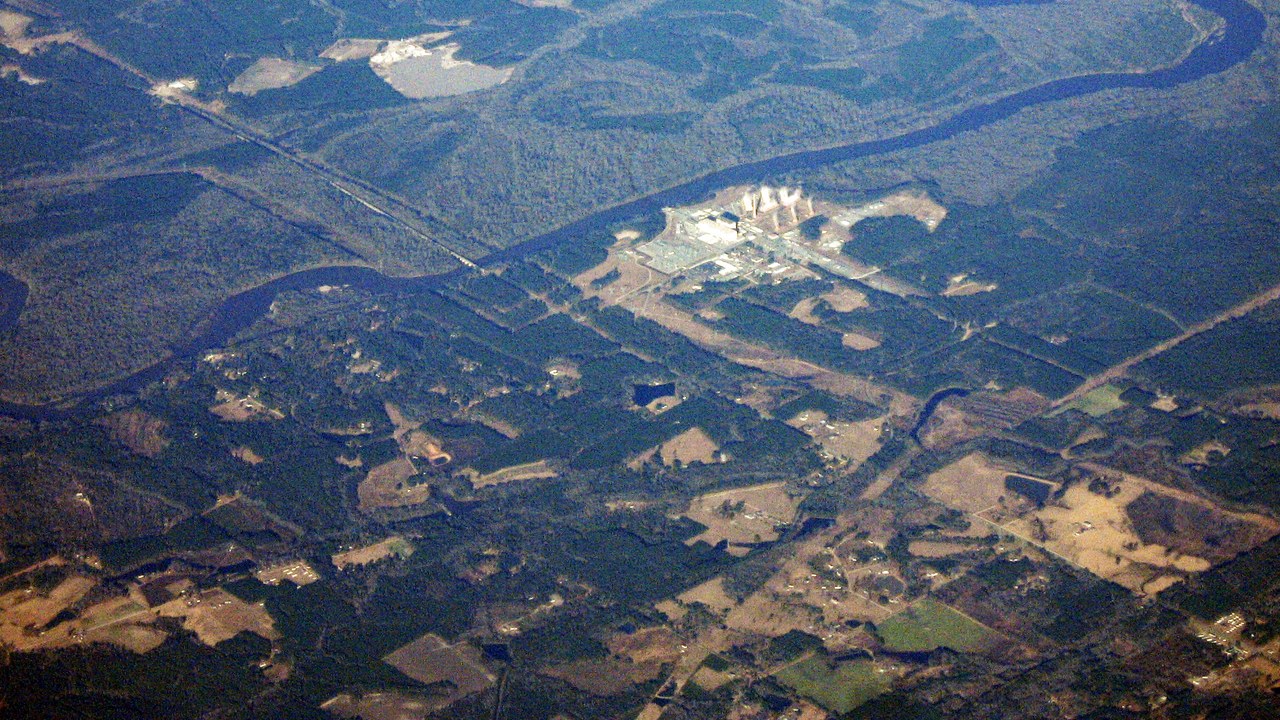
Hatch uses two boiling-water reactors 20 miles south of Vidalia, Georgia, and Southern Nuclear Operating Co. runs the site. The NRC facility finder page for the plant gives the details unit by unit.
Georgia now appears twice in this set, alongside Vogtle, and both sites share a southern utility family. Readers in the Vidalia area can open the facility finder entry for the full record. Both units are boiling-water designs, the same reactor type used at Browns Ferry, Susquehanna, Limerick and Peach Bottom elsewhere in this set.
10. Comanche Peak: Texas Domes Southwest of Fort Worth
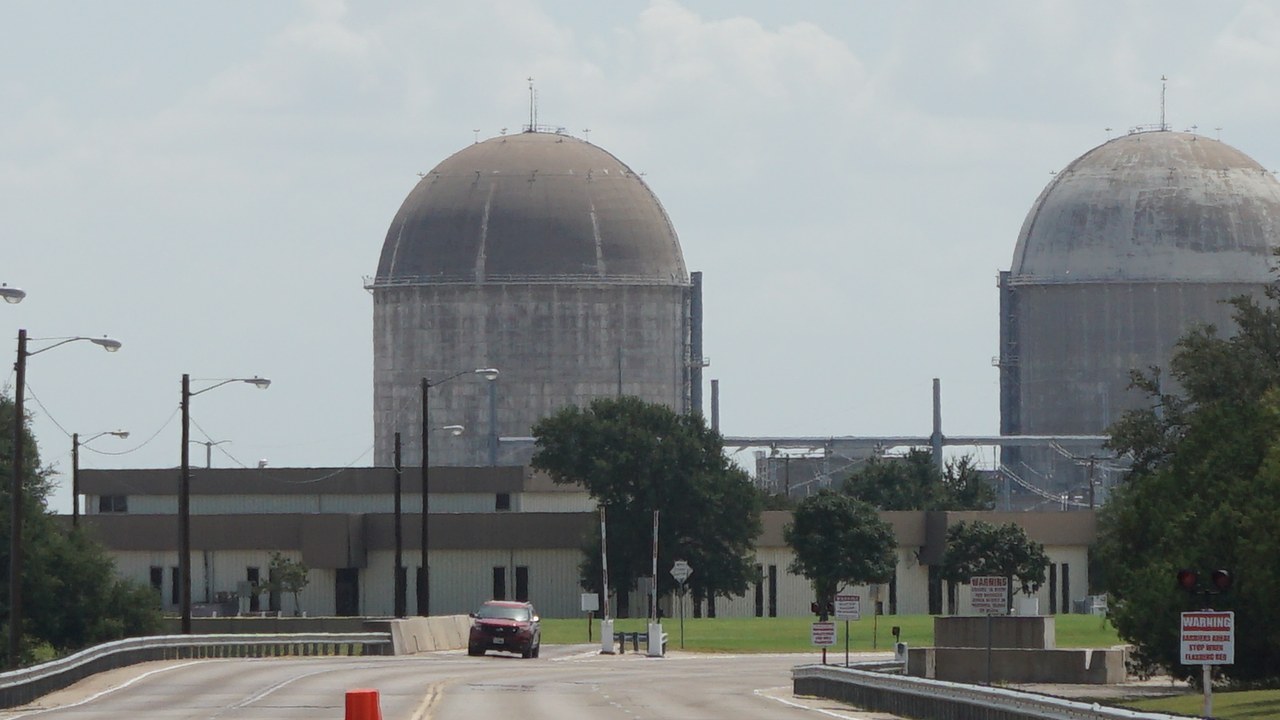
Comanche Peak stands 40 miles southwest of Fort Worth, Texas, where two pressurized-water reactors are operated by Vistra Operations Company. The NRC facility finder carries the plant under its own page.
Texas is represented here by a plant in the Dallas and Fort Worth region, a densely populated part of the state. The facility page lets readers confirm the operator and the unit count themselves. Both units are pressurized-water designs, the same type found at Palo Verde, Diablo Canyon, Byron and Watts Bar.
11. Watts Bar: Tennessee Lake Pair
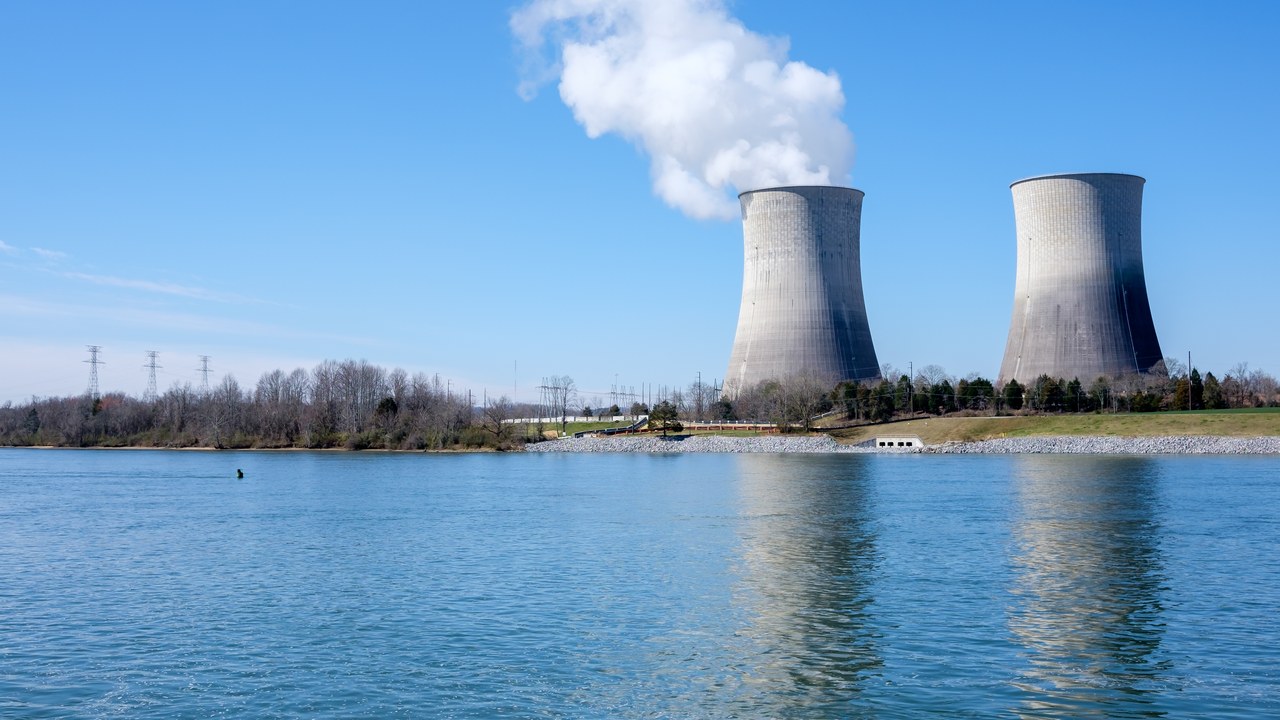
Watts Bar lies 60 miles southwest of Knoxville, Tennessee, with two pressurized-water reactors run by the Tennessee Valley Authority. The NRC facility finder lists the station on a dedicated page.
Watts Bar is the second Tennessee Valley Authority site in this set, after Browns Ferry in Alabama. Knoxville-area readers can use the page to check the units and operator directly. Both units are pressurized-water designs, and the page records the distance from Knoxville alongside the operator name.
More from Morning Overview
- Ford is recalling 223,472 F-150 pickups because the fuel tank can leak or detach
- Hybrids have 15% fewer problems than gas cars, while EVs and plug-in hybrids have about 80% more, Consumer Reports finds
- Regulators cleared the first U.S. small modular reactor, 4 months early
- Lake Powell sank to a record 3,517 feet, nearing the level that stops Glen Canyon Dam’s turbines
