
Nuclear power supplies roughly a fifth of America’s electricity, and a handful of sprawling stations carry most of that load. The country’s biggest plants pair multiple reactors with enormous output, anchoring regional grids from Arizona to Pennsylvania. This gallery surveys eight of the largest nuclear power plants operating across the United States.
1. Palo Verde: Arizona’s Desert Giant
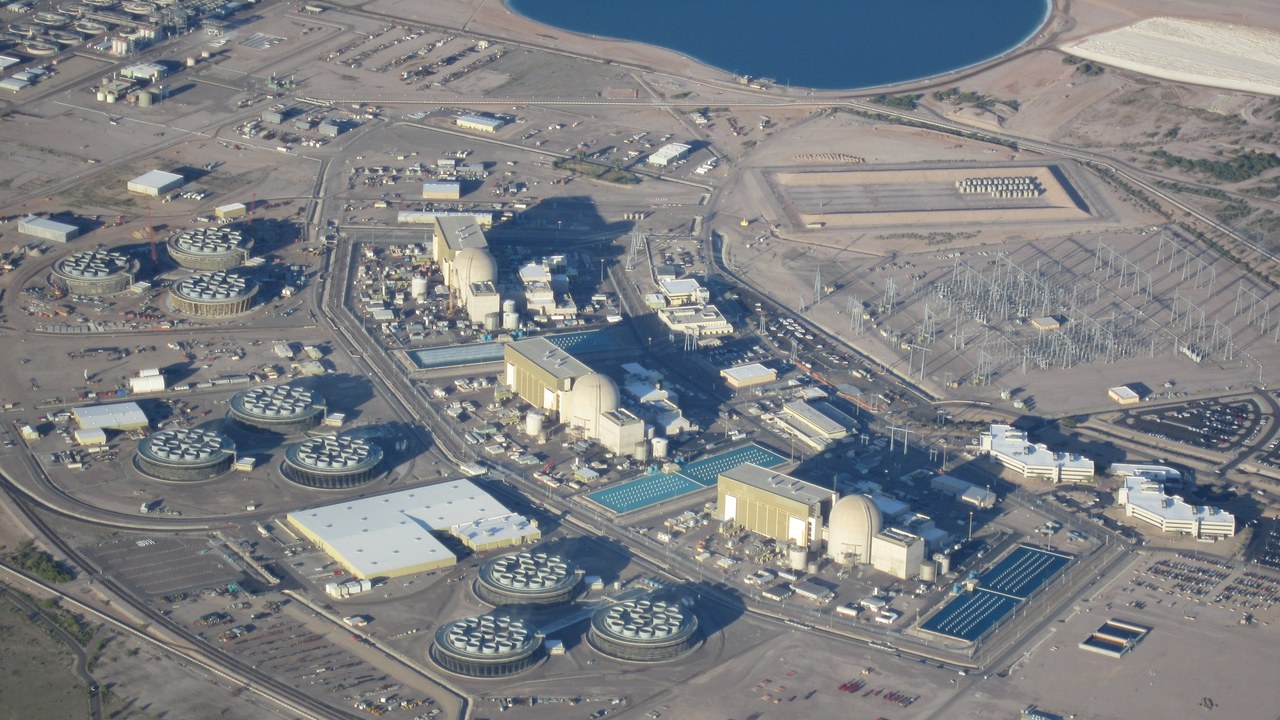
Palo Verde, west of Phoenix, ranks as the highest-producing nuclear plant in the United States, generating more electricity in a typical year than any other single facility. Its three pressurized-water reactors together provide roughly 3.9 gigawatts of capacity, according to federal reactor listings. Unusually for a plant of its scale, it sits in open desert far from any river or lake.
To cool its reactors, Palo Verde relies on treated municipal wastewater piped in from the Phoenix metropolitan area, making it the only major nuclear station cooled without a natural body of water. The Arizona plant serves millions of customers across the Southwest and remains a cornerstone of the region’s baseload power supply.
2. Browns Ferry: TVA’s Riverside Workhorse
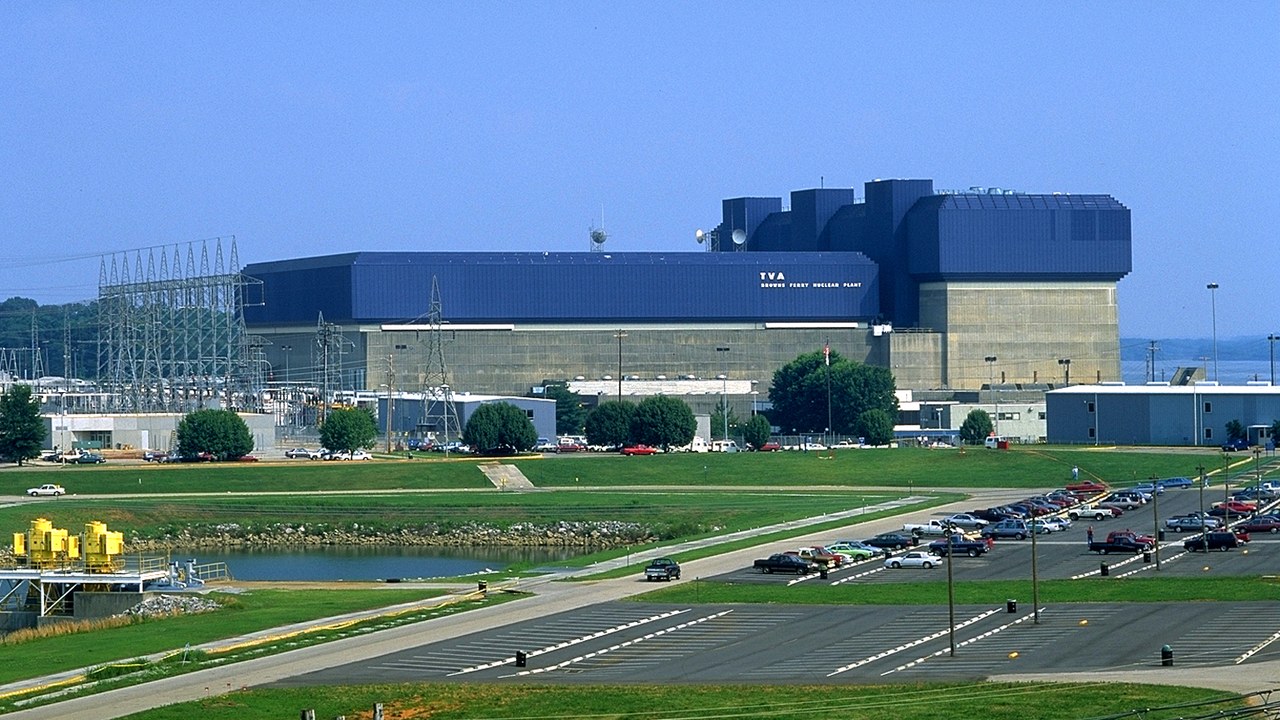
Browns Ferry, operated by the Tennessee Valley Authority near Athens, Alabama, houses three boiling-water reactors along the Tennessee River. Detailed in the operating-reactor map, the plant provides on the order of 3.8 gigawatts, placing it among the largest generating stations the federal utility owns. When its first unit came online in the 1970s, it became one of the earliest reactors to exceed a gigawatt of output.
The plant was among those retrofitted after a serious 1975 cable fire that reshaped fire-safety rules across the industry. Today all three units run under renewed licenses, and the TVA has weighed adding advanced reactors at the site to meet rising electricity demand across the Tennessee Valley.
3. Vogtle: Georgia’s Newly Expanded Leader
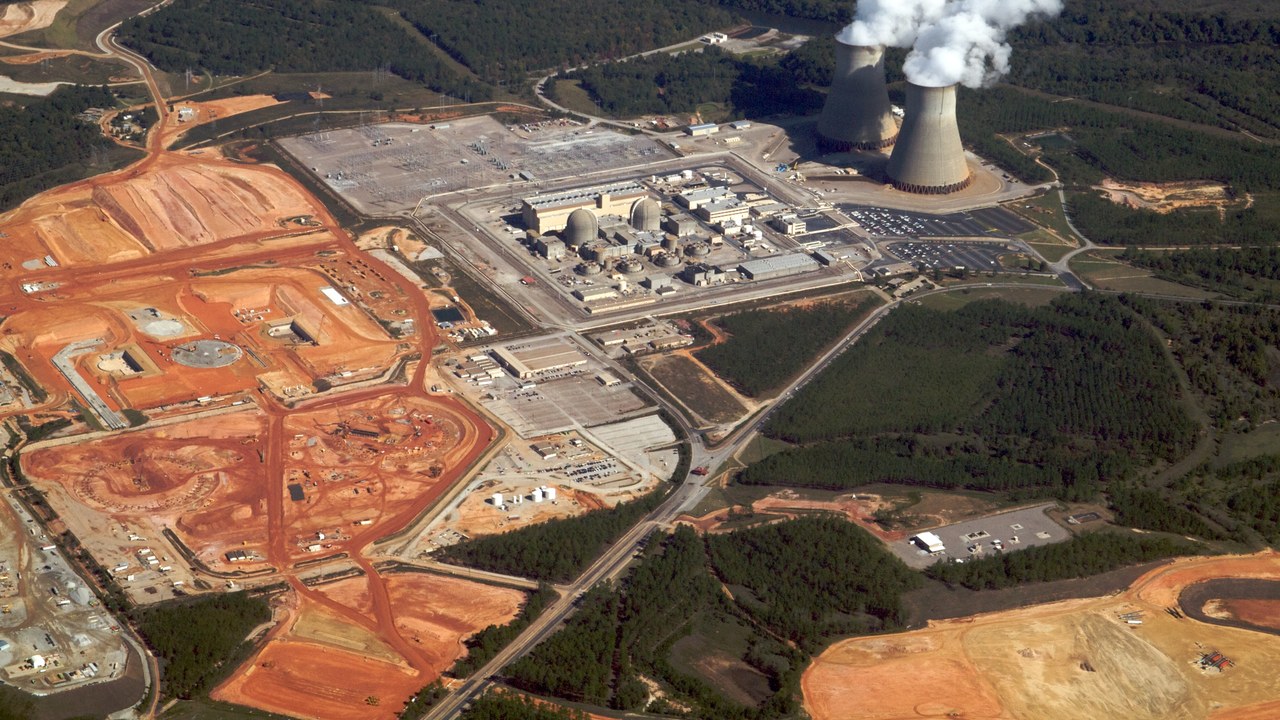
Vogtle, near Waynesboro, Georgia, became the largest nuclear plant in the country by capacity after two new AP1000 reactors entered service in 2023 and 2024. As reflected in commission reactor records, its four units now total roughly 4.5 gigawatts. The expansion delivered the first newly built commercial reactors in the United States in decades.
The project ran years behind schedule and billions over budget, becoming a cautionary tale about the cost of large reactor construction. Even so, the finished plant, operated by Georgia Power and Southern Company, supplies enough electricity to power an estimated one million homes and businesses across the Southeast.
4. Peach Bottom: Pennsylvania’s Susquehanna Producer
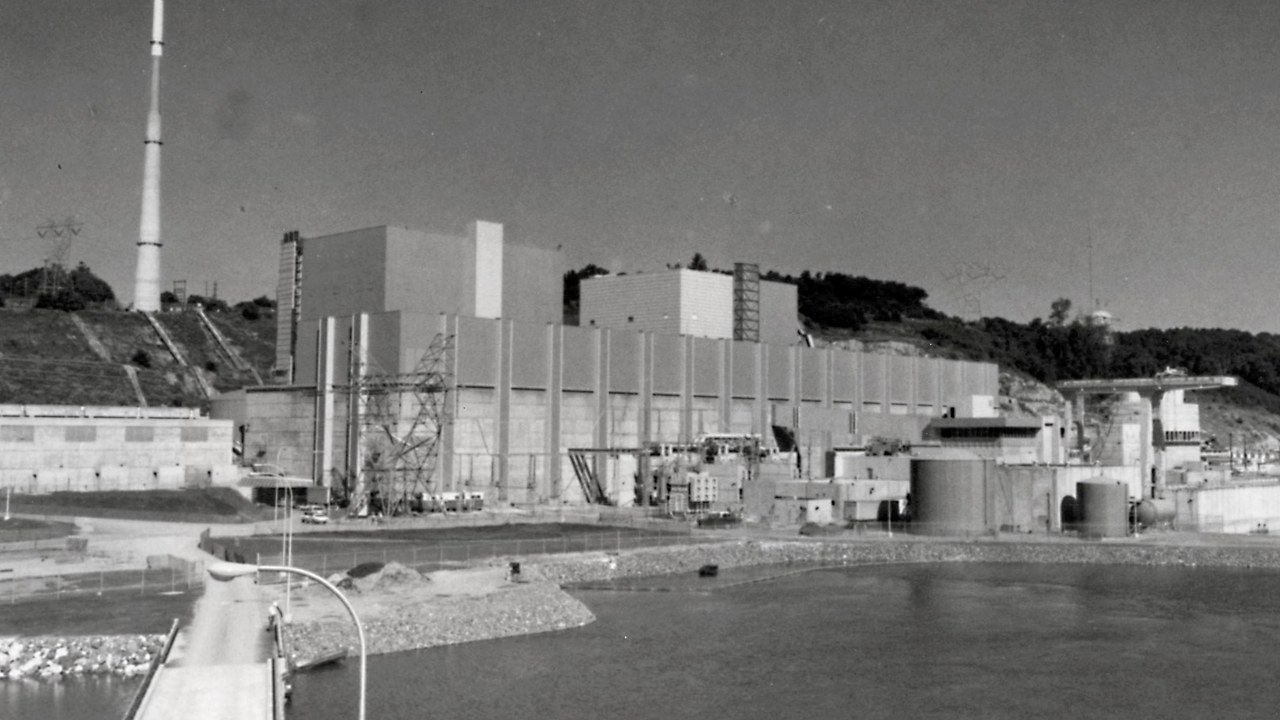
Peach Bottom, on the Susquehanna River in southern Pennsylvania, runs two high-output boiling-water reactors that together generate roughly 2.7 gigawatts. According to a federal nuclear overview, plants of this size anchor the mid-Atlantic grid. Operated by Constellation, the station has held its place among the region’s largest producers for decades.
Both units received license renewals allowing operation well into the 2050s, extending the plant’s role beyond its original design life. Its riverside location supplies cooling water, and the Peach Bottom site has operated in some form since the 1960s, when an early experimental reactor first ran there before the current units were built.
5. Oconee Nuclear Station: Duke’s Lakeside Veteran
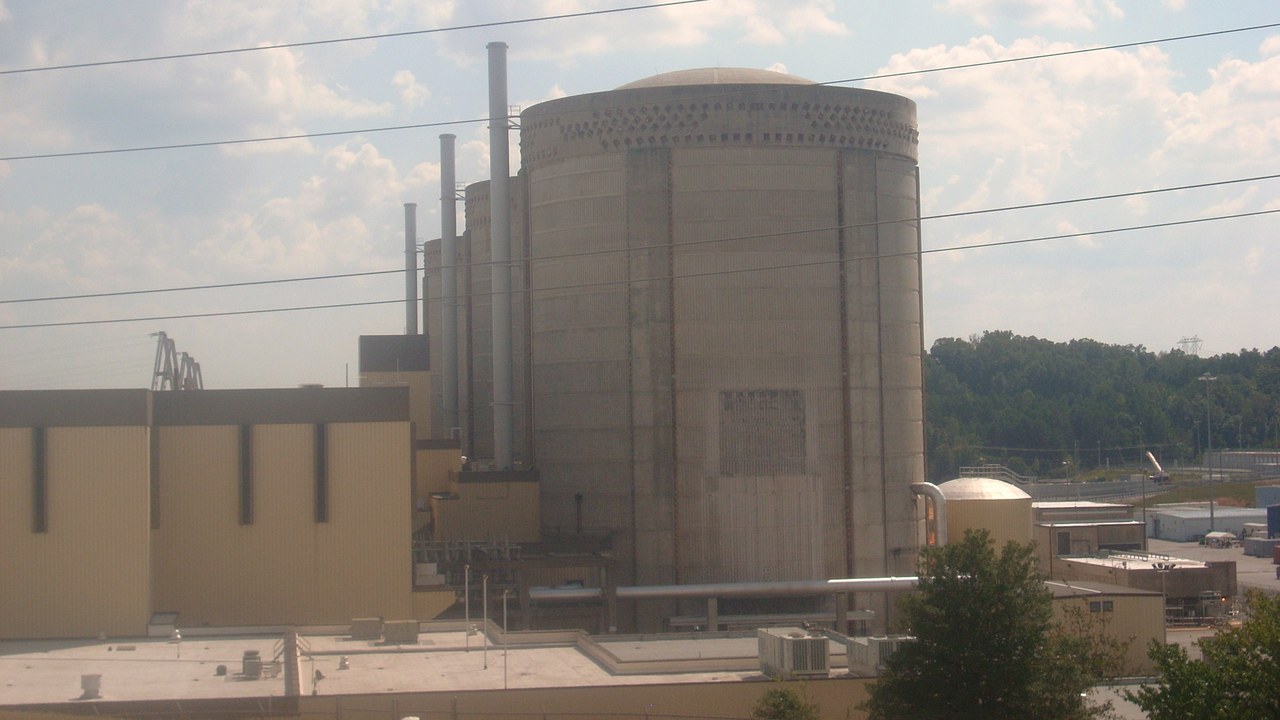
Oconee, operated by Duke Energy beside Lake Keowee in northwestern South Carolina, ranks among the largest nuclear plants in the country. Its three pressurized-water reactors supply roughly 2.5 gigawatts, and energy agency data counts stations of this scale among the nation’s top producers. Oconee was one of the first commercial nuclear plants Duke brought online, beginning operation in the early 1970s.
The plant draws cooling water from Lake Keowee, a reservoir built alongside it, and has become a fixture of the region’s power supply. Its three units earned early license renewals, and Oconee has generated more than a trillion kilowatt-hours over its lifetime, a milestone few individual plants in the United States have ever reached.
6. Diablo Canyon Power Plant: California’s Coastal Giant
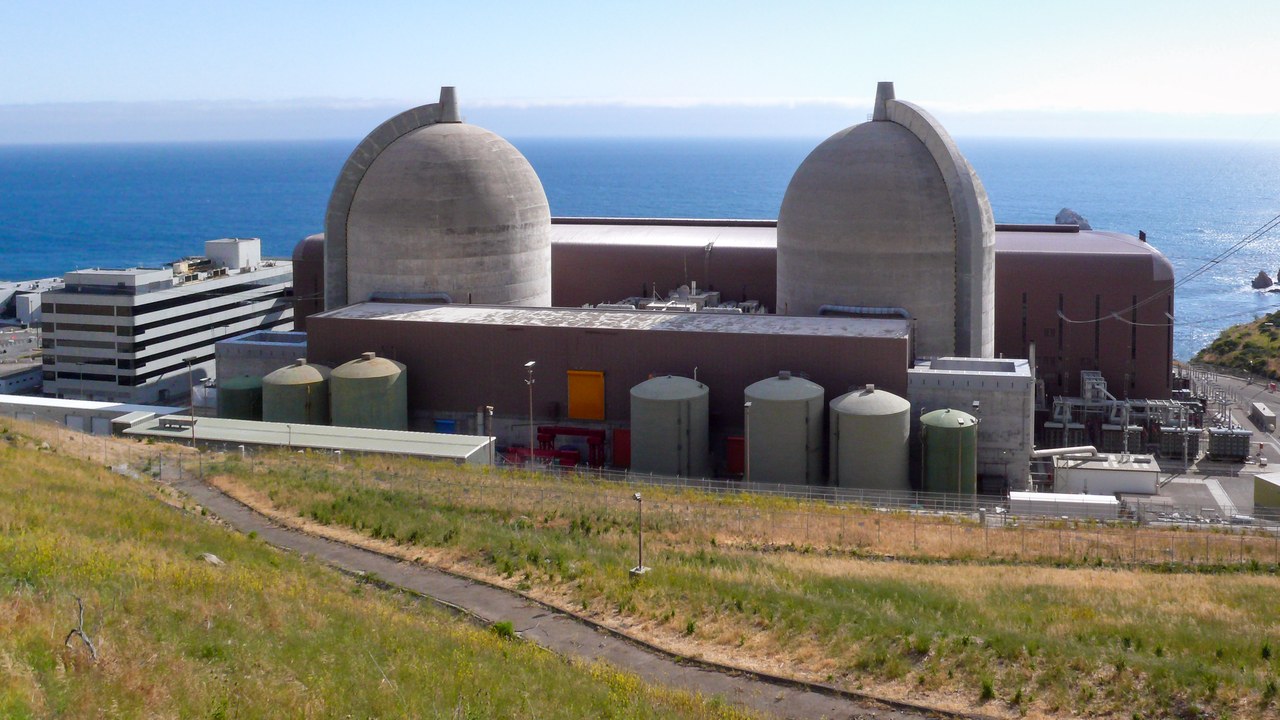
Diablo Canyon, on the California coast near Avila Beach in San Luis Obispo County, is the state’s last operating nuclear plant and one of the largest in the western United States. Its two Westinghouse pressurized-water reactors together produce about 2.2 gigawatts, enough to cover roughly nine percent of California’s electricity. Federal nuclear energy data place it among the country’s higher-output stations.
Operated by Pacific Gas and Electric, the plant entered commercial service in the mid-1980s and draws cooling water directly from the Pacific Ocean instead of a reservoir. Once slated for retirement, its two units won a state-backed extension to keep running into the next decade, preserving a major source of carbon-free power for the grid.
7. Susquehanna: Twin Towers On The Farmland
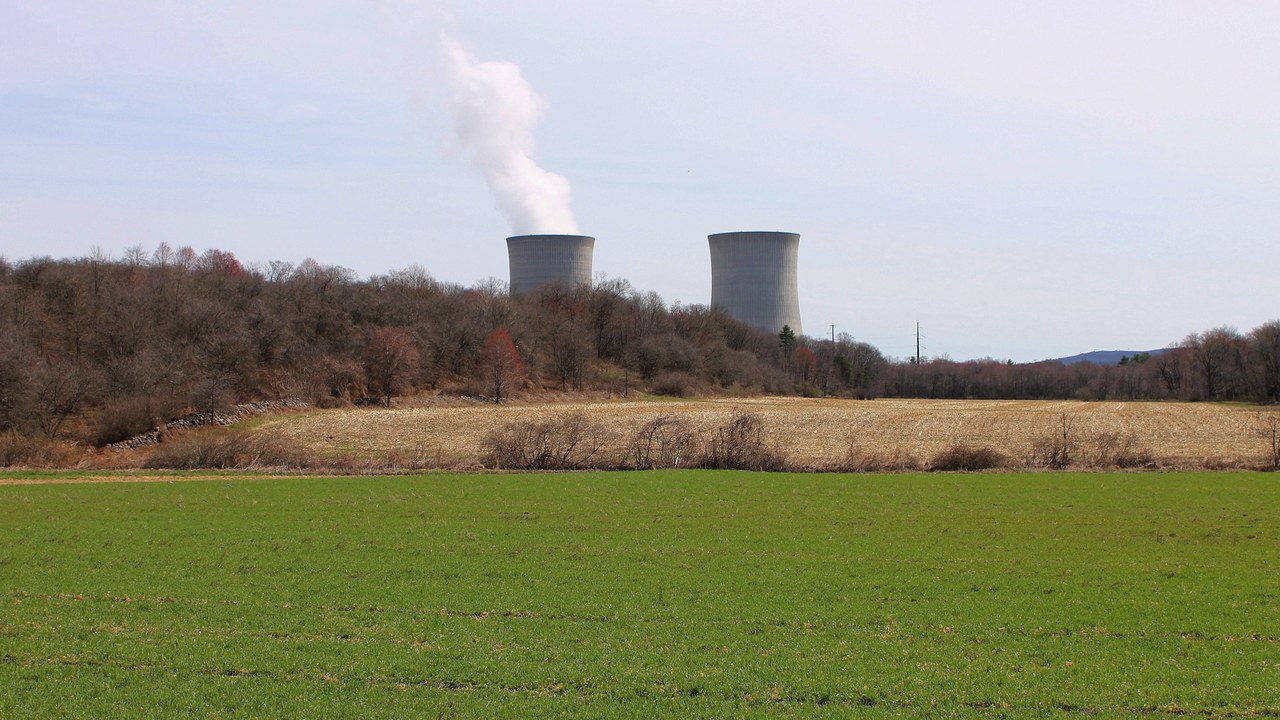
The Susquehanna Steam Electric Station, near Berwick in northeastern Pennsylvania, runs two boiling-water reactors with a combined output around 2.6 gigawatts. Its station overview notes that the units rank among the highest-capacity boiling-water reactors operating in the country. The plant is run by Talen Energy along the Susquehanna River.
Twin natural-draft cooling towers, visible for miles across the surrounding farmland, are the plant’s most recognizable feature. Both reactors have received power uprates over the years, lifting their generating capacity above the original design, and the station supplies a substantial share of the electricity consumed in the Pennsylvania portion of the regional PJM grid.
8. Byron: Illinois Reactors West Of Chicago
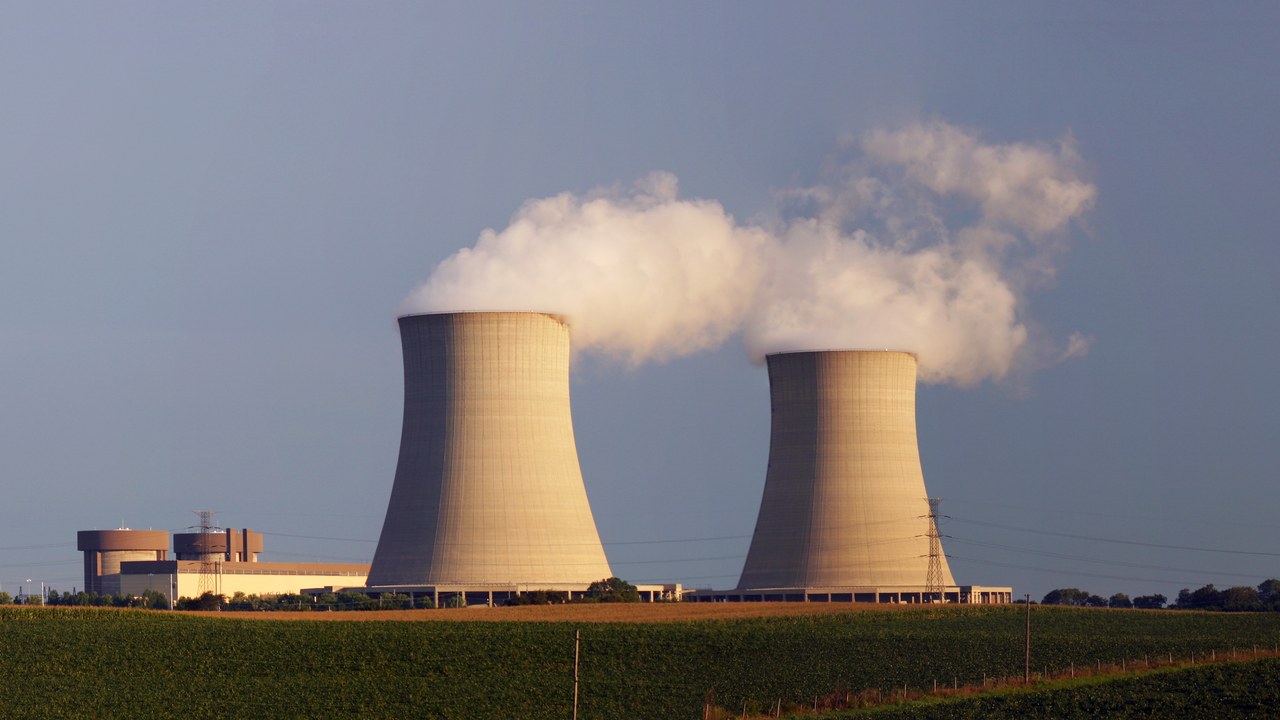
Byron, in rural Ogle County in northern Illinois, operates two pressurized-water reactors producing roughly 2.3 gigawatts combined. Its plant reference page places it among the larger nuclear stations in a state that leads the nation in nuclear generation. The plant is operated by Constellation and sits west of Chicago near the Rock River.
Byron came close to closing in 2021 when its owner cited financial losses, but a state clean-energy support package kept it running. Its two hyperbolic cooling towers dominate the flat farmland around them, and the station provides carbon-free power to the Chicago region, part of the fleet that gives Illinois more nuclear output than any other state.
More from Morning Overview
- The NSA is again telling phone owners to switch off one location setting
- A handful of car transmissions are so tough mechanics say they almost never fail
- A handful of SUVs keep hitting 300,000 miles, and they share one engine trait
- Supplements now rank as the fifth-leading cause of death from liver disease.
