
Speed in the animal world is measured in wildly different ways, from radar on an open plain to timing a diving bird against a skydiver. Some records are precise, and others rest on decades-old claims that biologists still argue about. Here are eight animals whose pace stands out on land, in the air and underwater.
1. Peregrine falcon: The Stoop, Not The Cruise
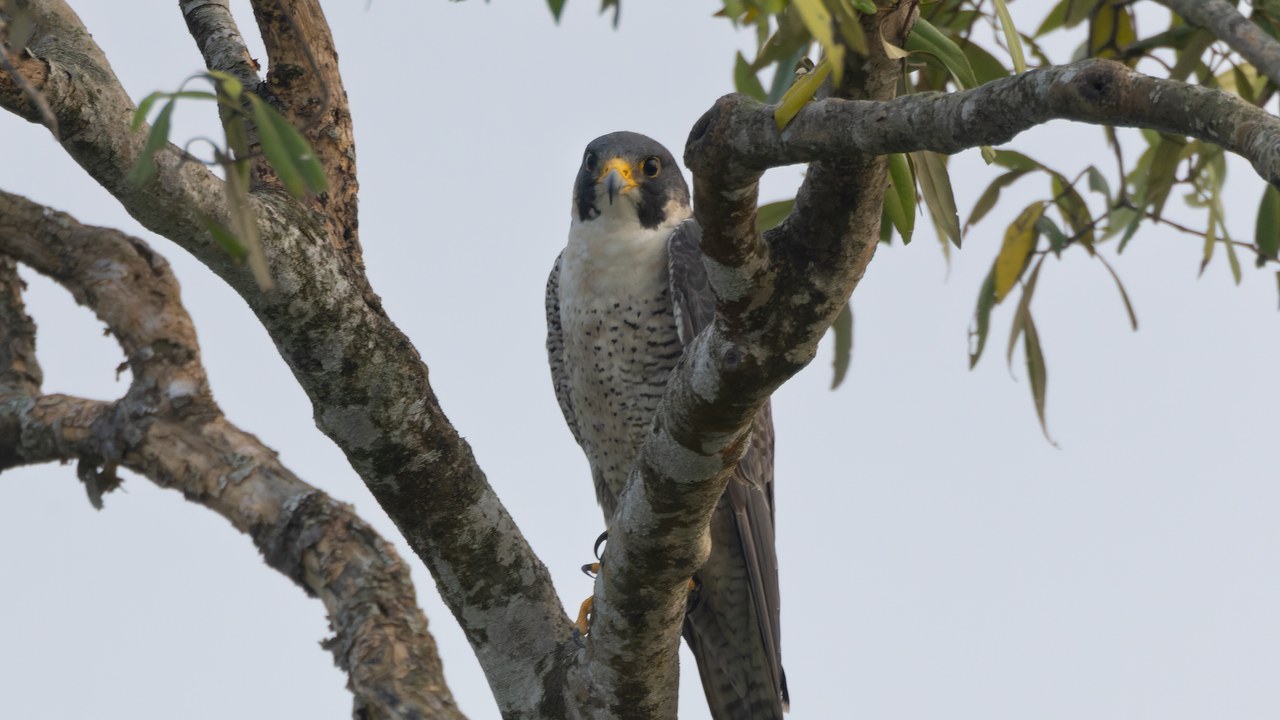
The headline number belongs to the stoop, the near-vertical hunting dive used to strike other birds in midair. Instrumented dives flown with a trained bird clocked roughly 240 miles an hour, and the peregrine falcon is credited on that basis as the fastest animal alive. Level flapping flight is a far more ordinary affair, closer to highway traffic than to a bullet.
The distinction matters whenever species are ranked against each other, because a stoop converts height into velocity while level flight has to be generated by muscle alone. What an observer on the ground actually sees is a folded silhouette dropping out of the sky and a burst of feathers.
2. Cheetah: The Twenty-Second Sprint
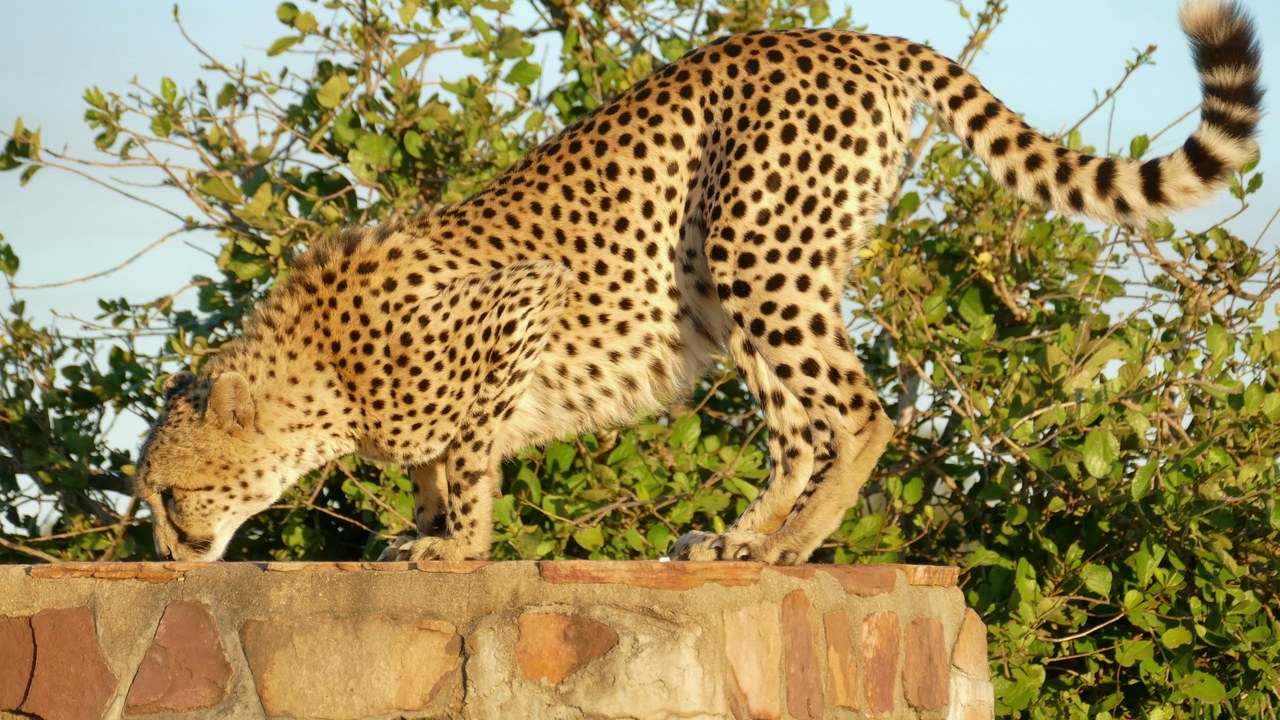
Timed runs put the cheetah near 60 miles an hour, a pace recorded by a captive female over a straight hundred-metre course. Almost every feature of the cheetah’s body plan serves that burst: a flexible spine that lengthens the stride, semi-retractable claws that work like sprint spikes, and a long tail swung as a counterweight through turns.
The catch is duration. A chase lasts a few hundred metres before overheating and oxygen debt force a stop, and a winded cat often surrenders its kill to hyenas or lions that simply wait nearby. Raw speed buys the chase, not the meal.
3. Sailfish: The Record Nobody Can Repeat
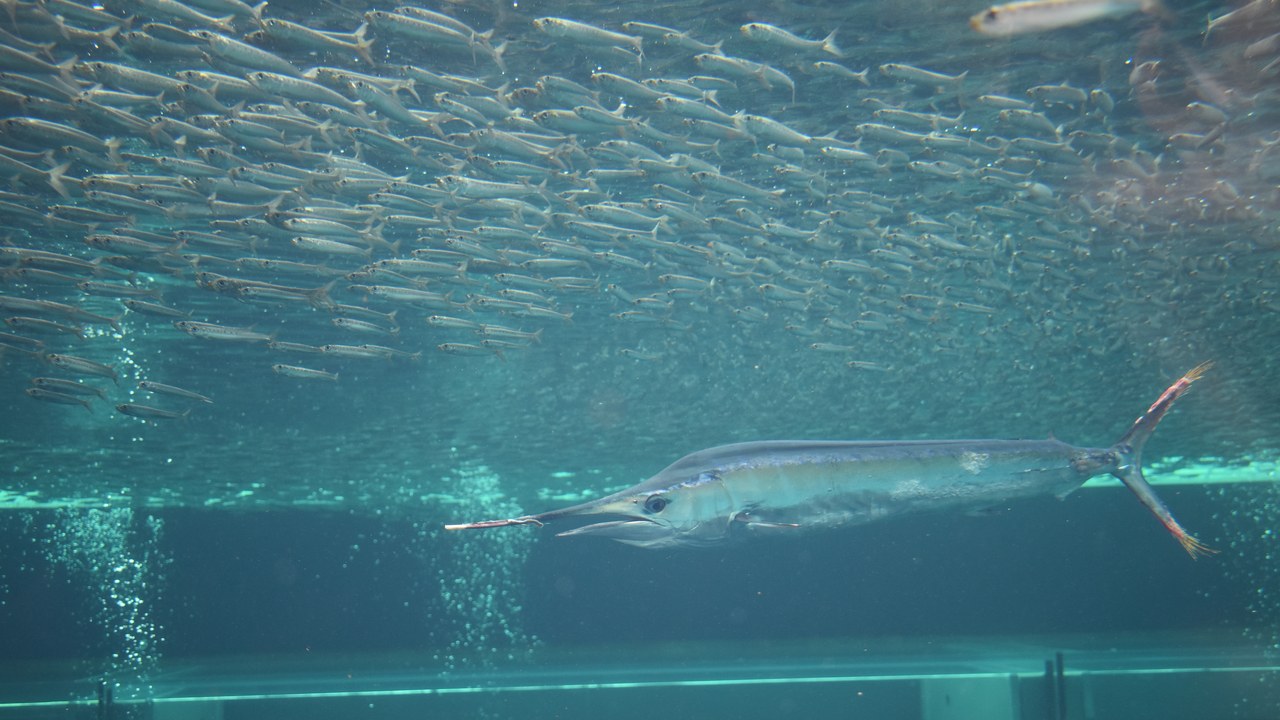
The familiar figure of about 68 miles an hour traces back to a mid-century angling test in Florida in which line peeling off a reel served as the stopwatch. Later research into sailfish hunting behaviour has recorded far slower bursts, and the old number is now widely treated as an overestimate rather than a measurement.
What is not disputed is the acceleration. The fish raises its sail to herd baitfish and slashes through the school with its bill, a tactic built on sudden bursts and sharp turns rather than any sustained top speed.
4. Pronghorn: Built For The Long Chase
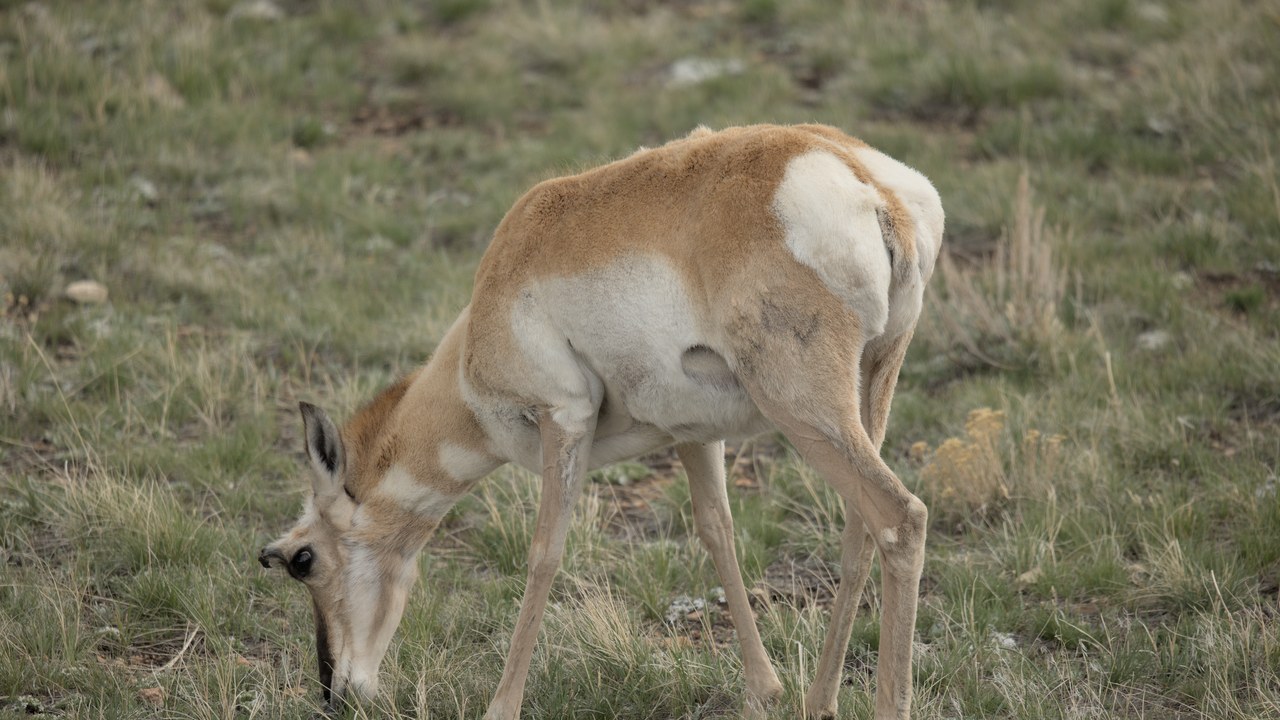
Sprinting is only half the story here. The animal reaches roughly 55 miles an hour, but what sets the pronghorn apart is holding near 30 for miles at a stretch, supported by an oversized windpipe, heart and lungs that move far more oxygen than body size would predict.
Biologists often describe that engine as overbuilt for anything hunting the plains today, and one long-standing explanation points to the extinct American cheetah, a predator that shared the same grasslands. The modern constraint is fencing rather than pursuit, because a pronghorn prefers to duck under wire instead of jumping it, and a badly built fence line can stall an entire seasonal movement.
5. Golden eagle: Gravity Does The Work
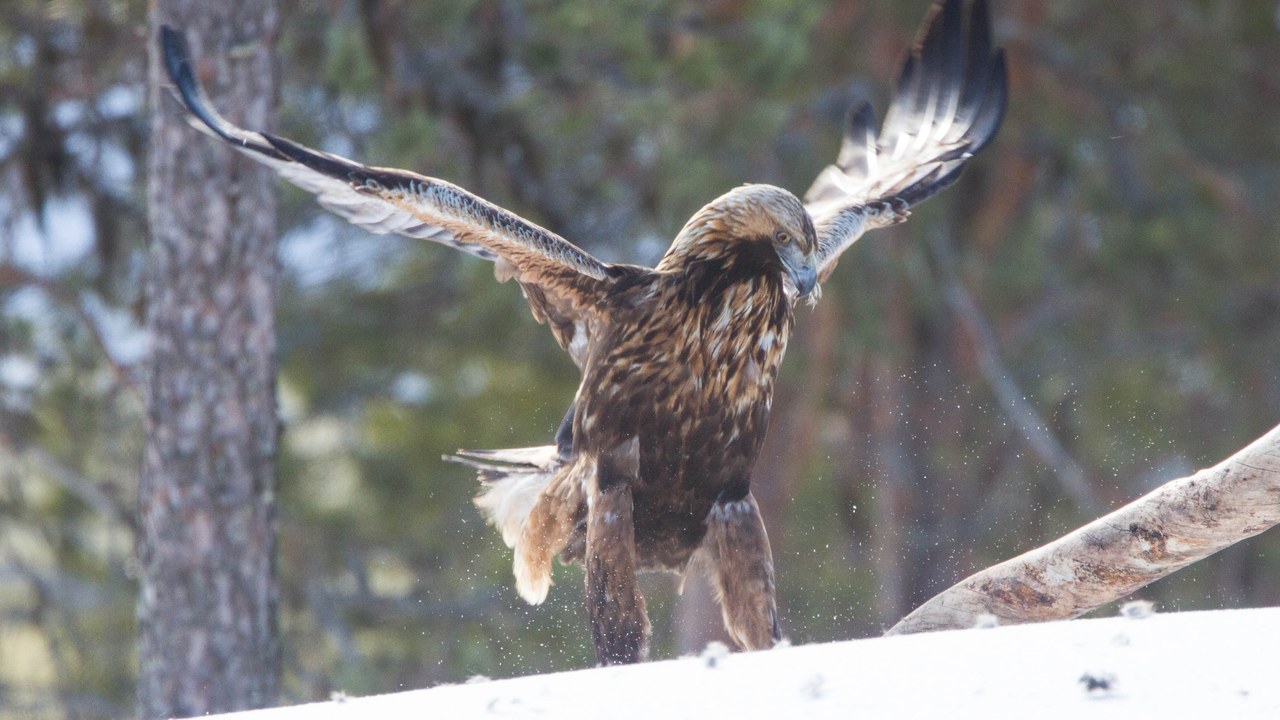
Level flight is unremarkable, somewhere near 30 miles an hour, and cruising glides are only modestly quicker. The number that draws attention comes from the stoop, in which a golden eagle folds its wings and drops on prey at speeds commonly given as 150 miles an hour or more.
As with the peregrine, that figure describes a controlled fall rather than powered flight, and published estimates vary widely because instrumenting a wild dive is difficult. The bird still has to pull out of the plunge and strike, which loads the wings far harder than ordinary flying does.
6. Killer whale: Speed In A Heavy Body
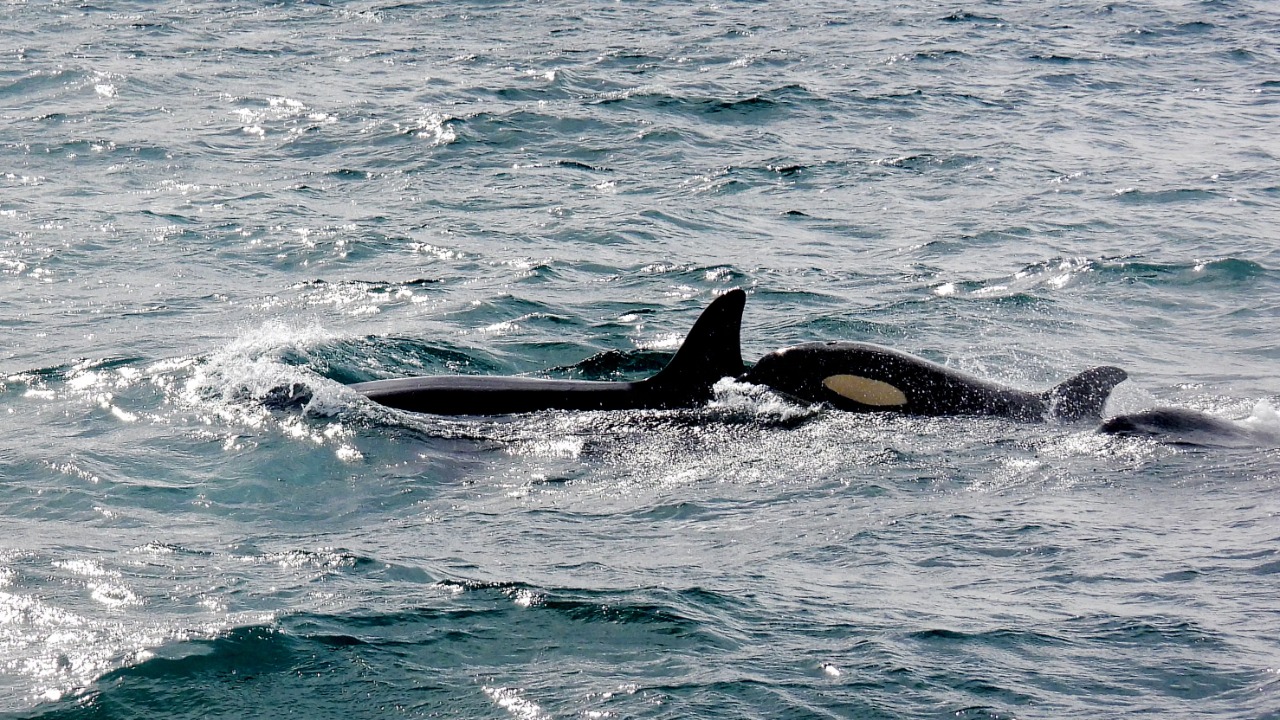
Bulk turns out to be no obstacle here. Speeds are commonly cited in the region of 30 miles an hour, quick enough to make the killer whale the fastest of the marine mammals, and the drive comes from a broad tail pushing a smooth, low-drag body that weighs several tonnes. Pods spend that speed in coordinated pursuit, running down prey that could outpace a lone hunter.
A figure of that kind describes a short burst rather than a cruising pace, and travelling groups move at a small fraction of it for hours at a stretch. Measurements at sea are also hard to standardise, because a boat tracking a surfacing animal sees only a fraction of the chase.
7. Mexican free-tailed bat: The Fastest Flapping Flight
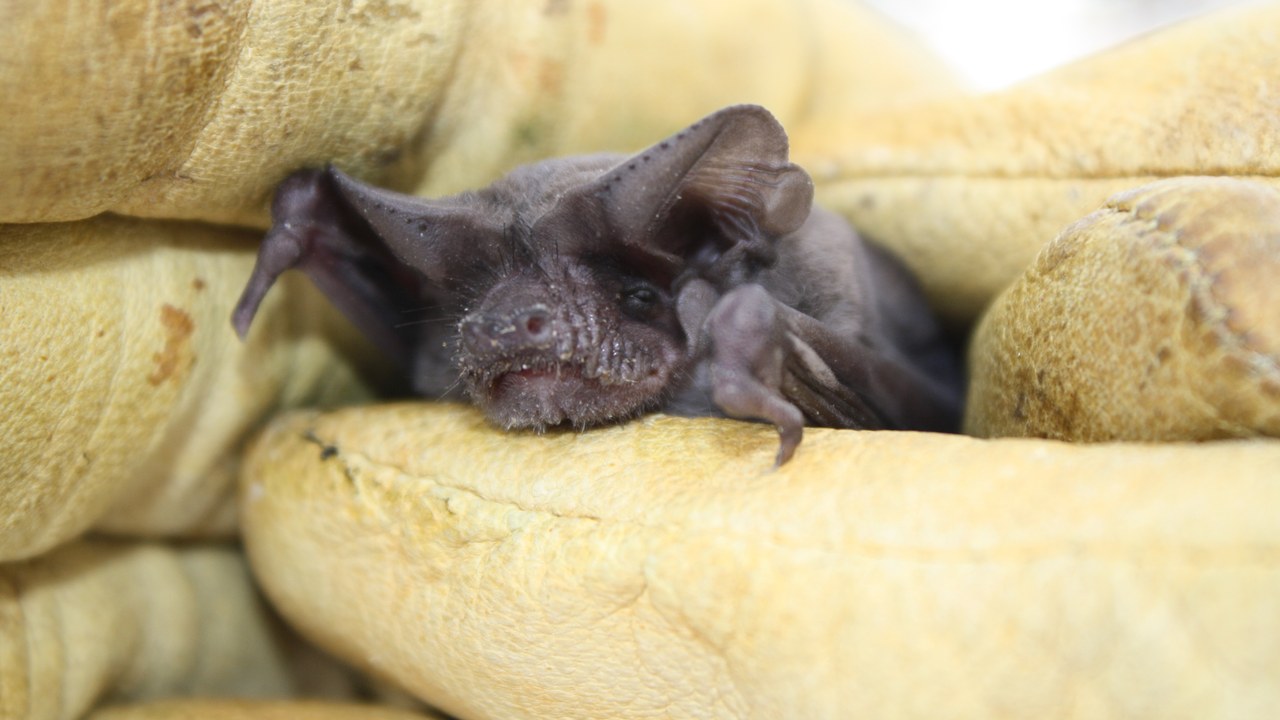
Radio-tracking of bats streaming out of a cave roost recorded ground speeds around 100 miles an hour, the quickest horizontal flight yet documented for an animal under its own power. Long narrow wings and a very light frame make the free-tailed bat an efficient distance flier, and colonies climb thousands of feet to intercept migrating insects.
The caveat is wind. Ground speed includes whatever the air itself is doing, so some of that figure may be tailwind rather than muscle, a limitation the researchers acknowledged. Even discounted, the recorded speeds sit well above what most birds manage in level flight.
8. Shortfin mako shark: Warm Muscle, Cold Water
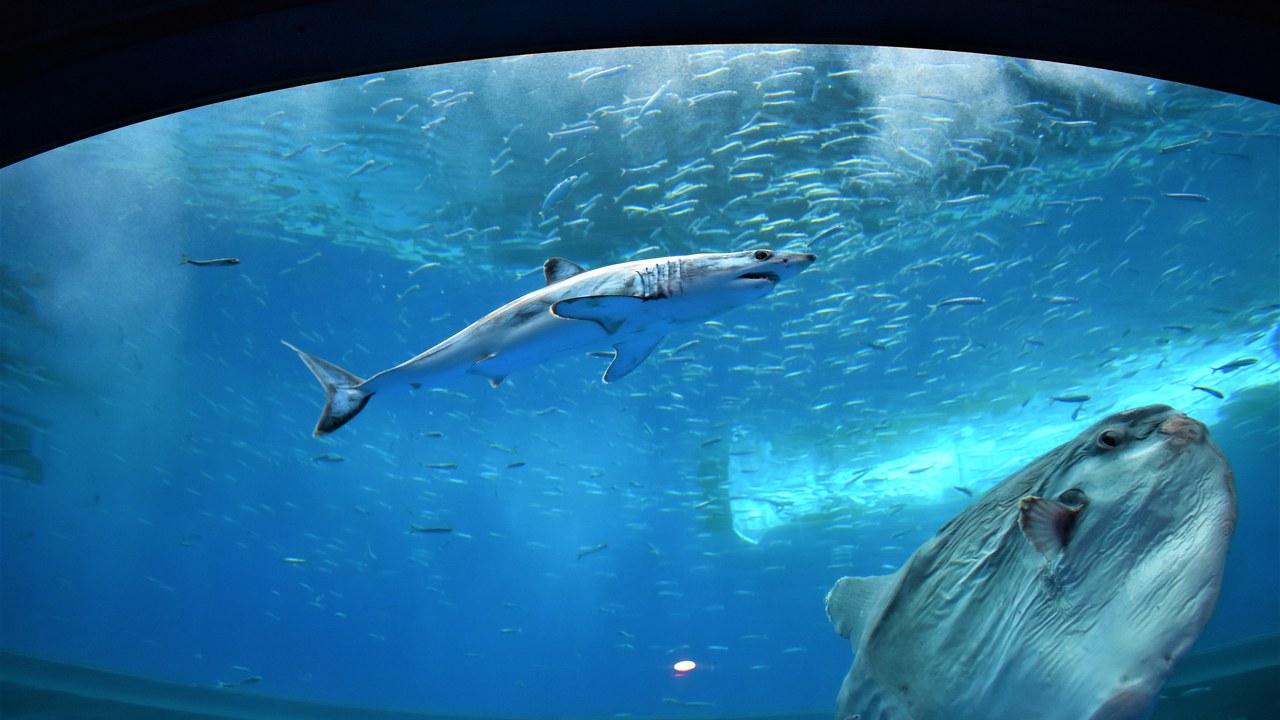
Bursts are usually placed somewhere between 30 and 45 miles an hour, depending on which study is cited and how the swim was measured. The shortfin mako keeps its swimming muscle warmer than the surrounding sea, an arrangement shared with tuna that allows those fibres to contract faster in cold water than a typical shark’s can.
Crews that hook one know the species for leaping several times its own length clear of the surface. That power carries a cost: the shark must keep swimming to push water over its gills, and its numbers have fallen sharply under fishing pressure across much of its range.
More from Morning Overview
