
Minivans earn their keep by starting every morning for a decade, so dependability matters more here than horsepower or styling. The order below runs from the models with the strongest service reputations down to the commercial-derived vans whose records are the most uneven. Here are eight minivans and family vans ordered from the most dependable down to the ones carrying the most caveats.
1. Toyota Sienna: The Hybrid-Only Benchmark
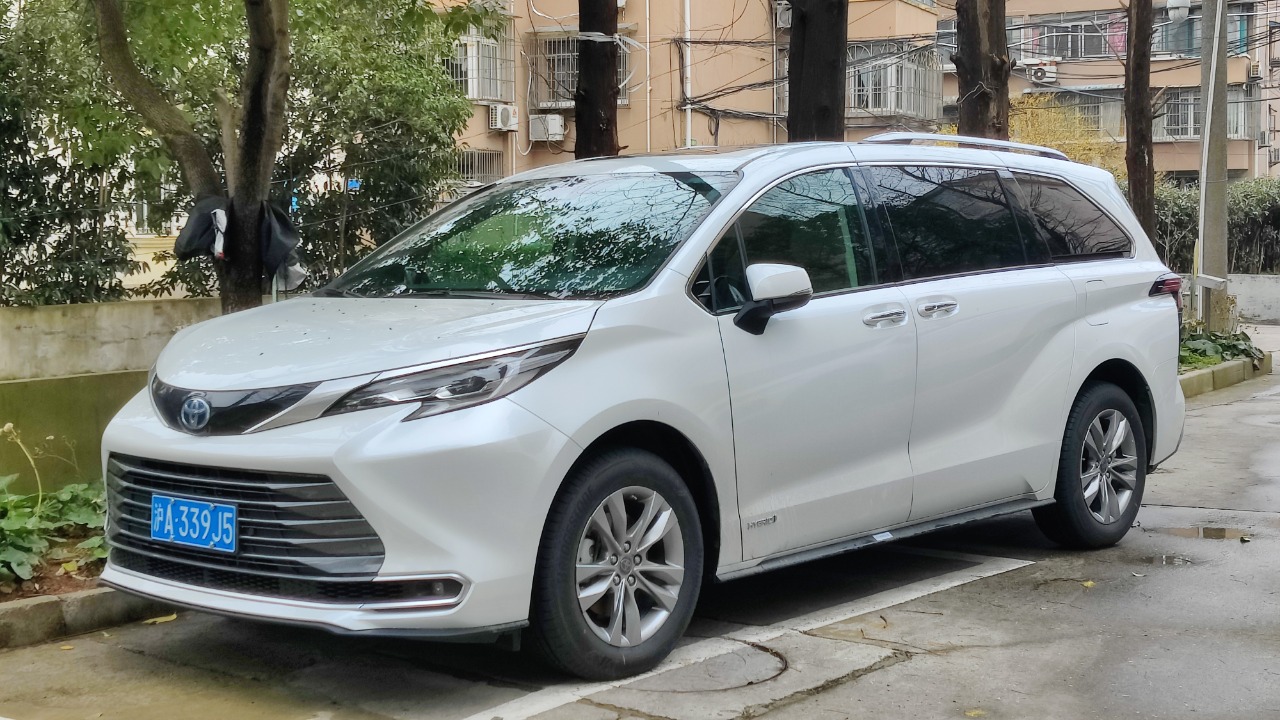
Toyota rebuilt the Sienna around one powertrain for its fourth generation, dropping the V6 and selling the current Sienna only as a hybrid: a 2.5-liter four-cylinder, electric motors and a planetary gearset instead of a conventional stepped automatic. The nameplate has been built in North America since 1997, and that hybrid architecture has been running in Toyota passenger cars for more than two decades.
Fewer wearing parts in the driveline, produced in enormous volume, is the argument for placing the Sienna first. The trade-offs are real but modest: a battery pack that counts as a long-term service item, and less towing capacity than a large six-cylinder van offers.
2. Honda Odyssey: The Long-Running Family Standard
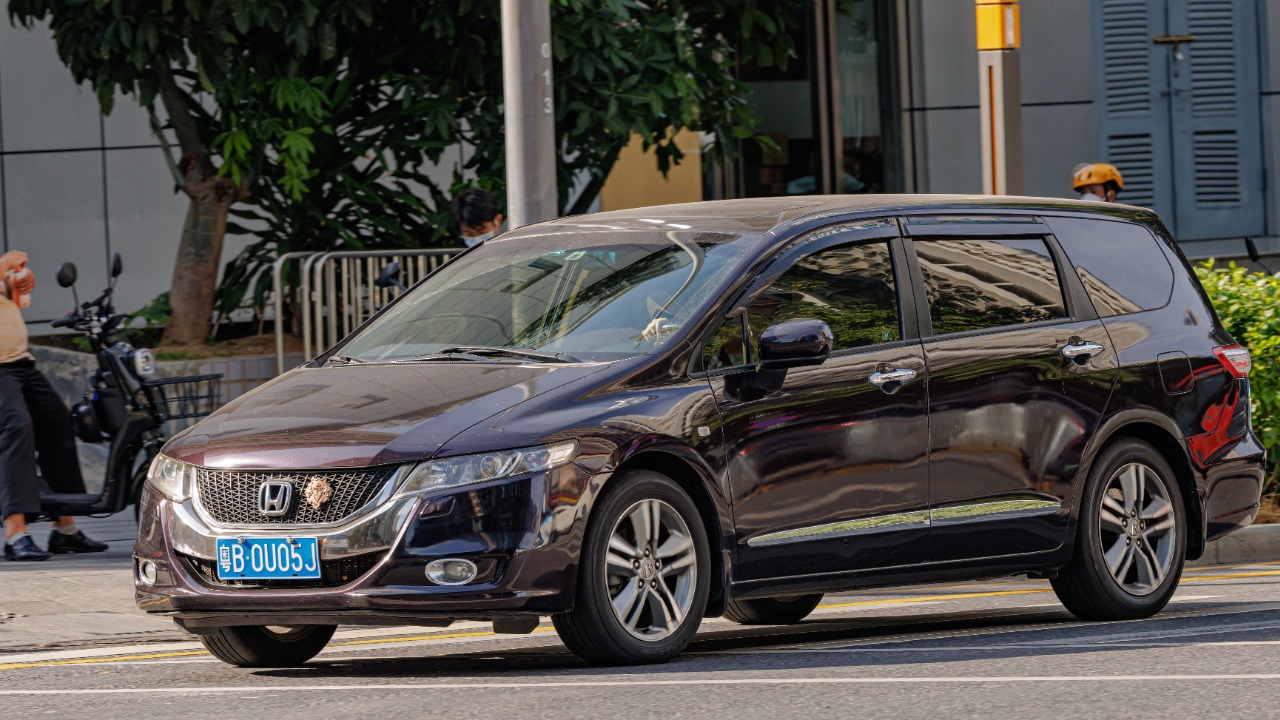
Honda has kept the Odyssey formula unusually stable, and the fifth-generation Odyssey still uses the 3.5-liter V6 that has carried the van through several redesigns, mated to a ten-speed automatic and assembled alongside the Pilot in Lincoln, Alabama. Sharing architecture across three high-volume models means the components that wear out are common, catalogued and stocked far beyond the minivan aisle.
Longevity here rests on a mature engine rather than novel hardware, which is why the Odyssey sits just behind the hybrid Sienna. An automatic transmission remains the expensive component in any van built this way, so a service history showing fluid changes on schedule matters more than the odometer reading.
3. Kia Carnival: The Newcomer With Solid Marks
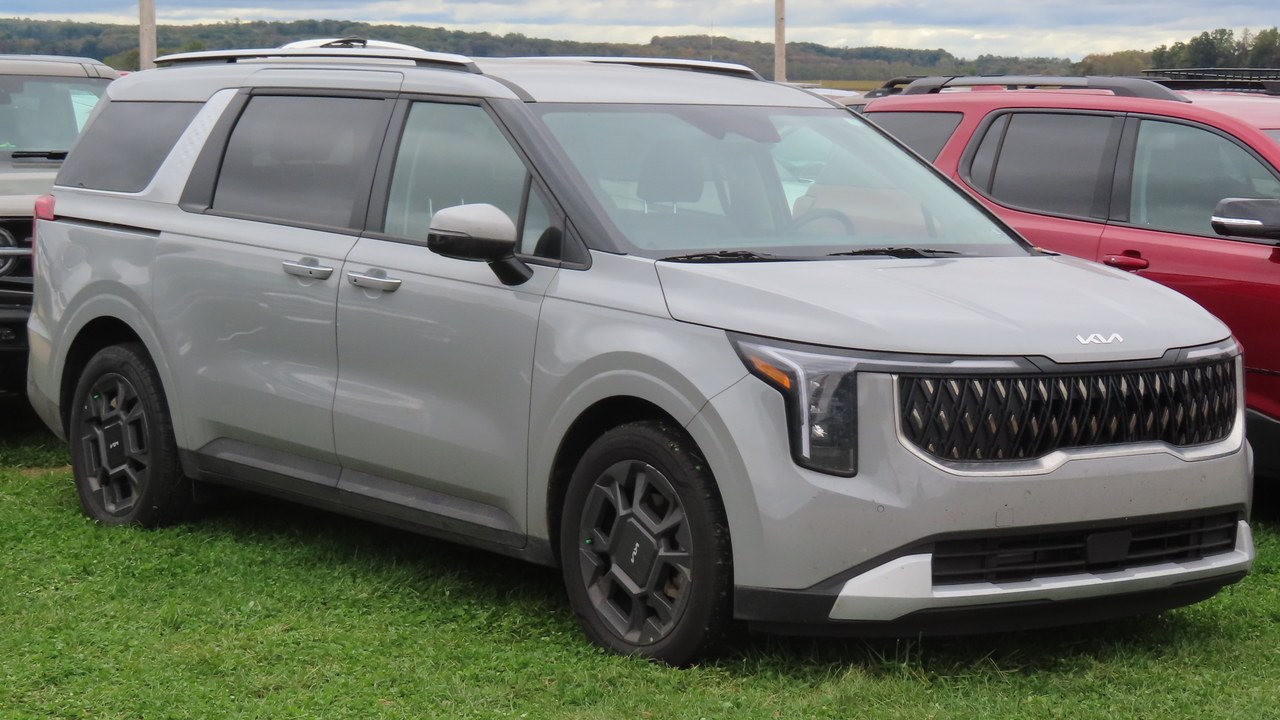
Kia retired the Sedona name in North America and launched the fourth-generation Carnival for the 2022 model year, styled like an SUV but engineered as a front-wheel-drive unibody van with a 3.5-liter V6 and an eight-speed automatic. A hybrid version arrived later, pairing a turbocharged four-cylinder with an electric motor in the same body.
The mechanical package is conventional, which works in its favor, and Kia’s long powertrain coverage spans the years when early-production faults usually surface. What the Carnival still lacks is time: a nameplate this recent has not accumulated the high-mileage field history that separates a good van from a durable one.
4. Chrysler Pacifica: Space Traded For Complexity
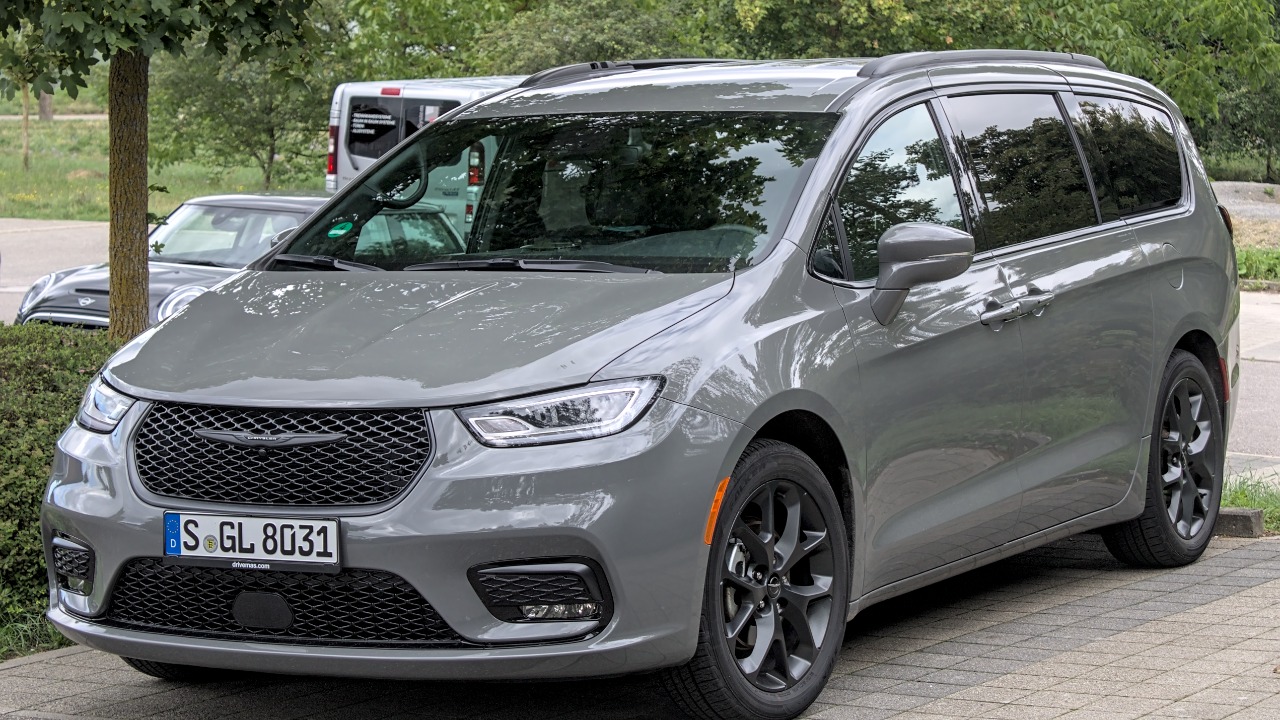
Chrysler replaced the Town & Country with the Pacifica in 2016 and gave it the segment’s most ambitious feature set: second-row seats that fold into the floor on gasoline models, a 3.6-liter V6 with a nine-speed automatic, and a plug-in variant. The Pacifica Hybrid layers a battery pack and an electrically variable transmission onto a van that already carries powered sliding doors and a powered liftgate.
Each of those systems is a convenience families genuinely use and a component that can eventually fail, which is what places the Pacifica in the middle of this order rather than the top. It is the roomiest and most configurable van listed, and also the one with the most hardware to keep alive.
5. Dodge Grand Caravan: A Design Left To Age
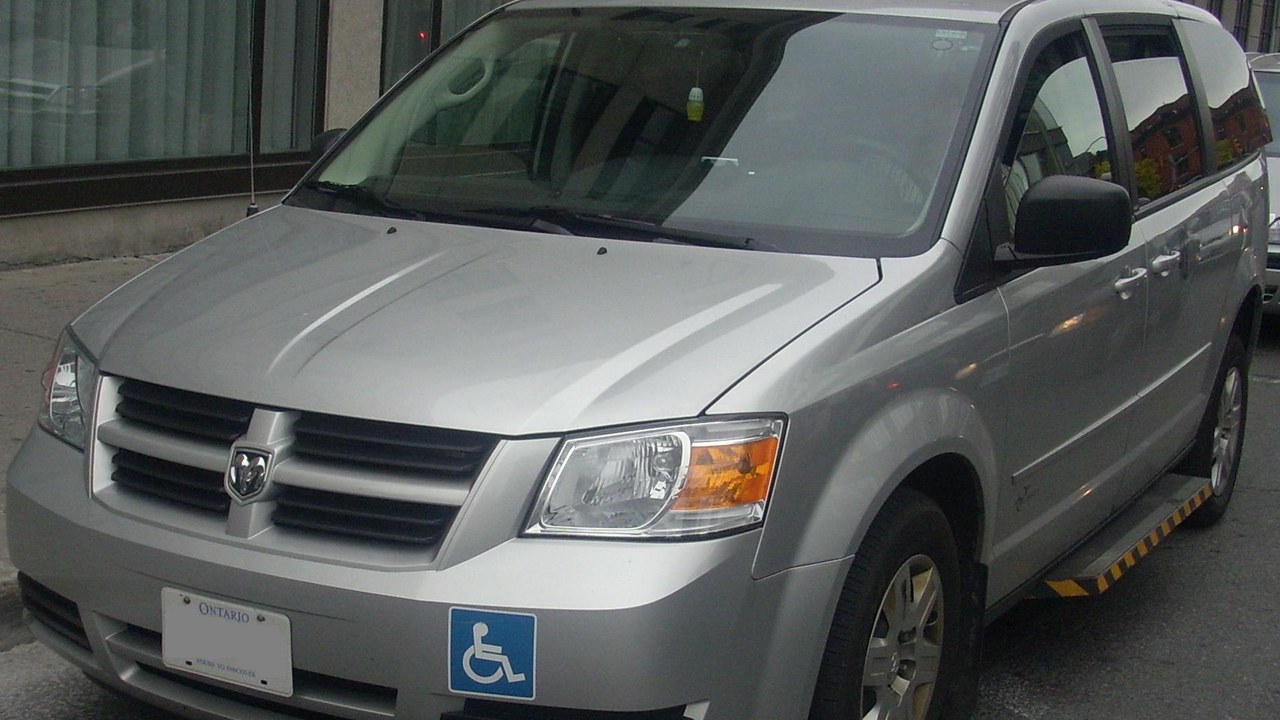
Dodge sold the fifth-generation Grand Caravan from 2008 through the 2020 model year without a full redesign, more than a decade on one platform while rivals turned over twice. Later examples used the 3.6-liter Pentastar V6 with a six-speed automatic, and the van was steadily decontented into the cheapest three-row family vehicle on the American market.
Age cuts both ways. The layout is thoroughly understood and replacement parts are everywhere, but the design predates most current driver-assistance and infotainment hardware, and the surviving fleet consists almost entirely of high-mileage examples bought new as bargains and maintained to match.
6. Ford Transit Connect: Built For Work, Used By Families
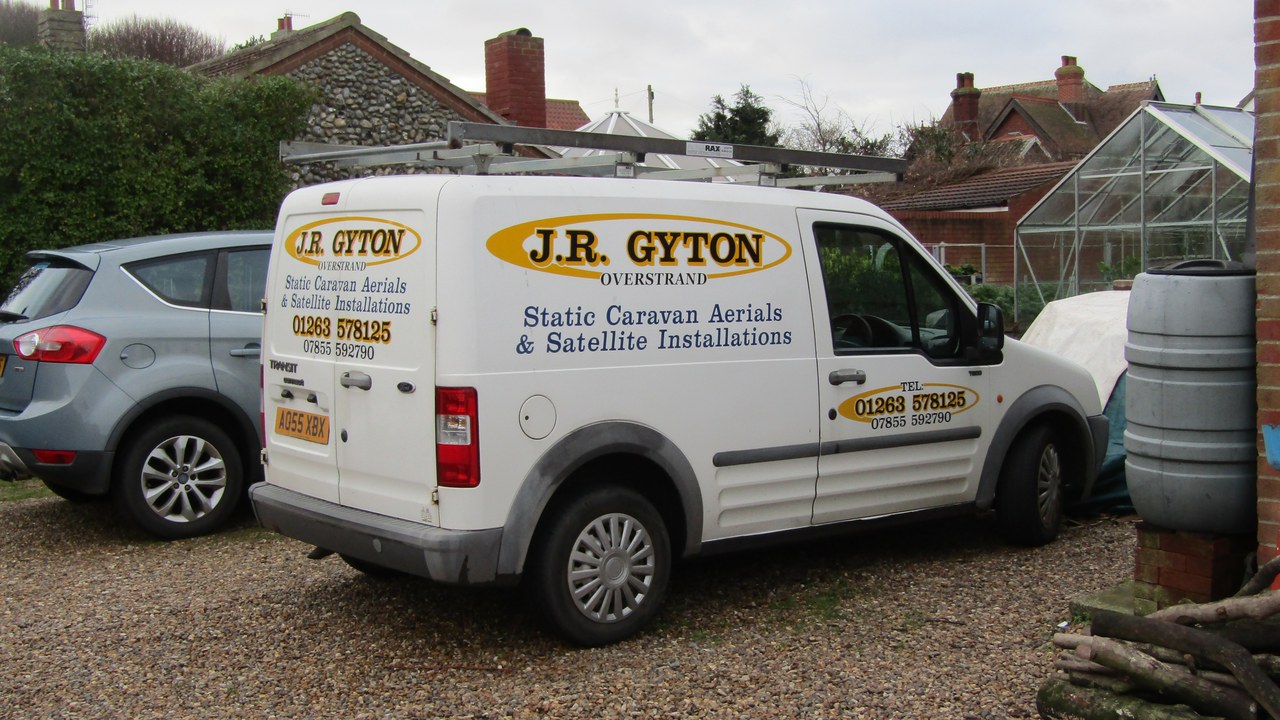
The Transit Connect is a commercial van first, engineered around payload and duty cycles rather than school runs, and the Transit Connect wagon adds windows, rear seats and trim to that same body. Ford built it on car platforms shared with the Focus and later European models, imported it for North America from the 2010 model year, and ended those imports after 2023.
Work-spec hardware tends to be simple hardware, and simplicity keeps vans like this in service long past the point where the odometer stops meaning much. The compromise is comfort: a narrow cabin, a firm commercial ride and cargo-grade materials that never pretended to be a family room.
7. Mercedes-Benz Metris: Durable Metal, Expensive Upkeep
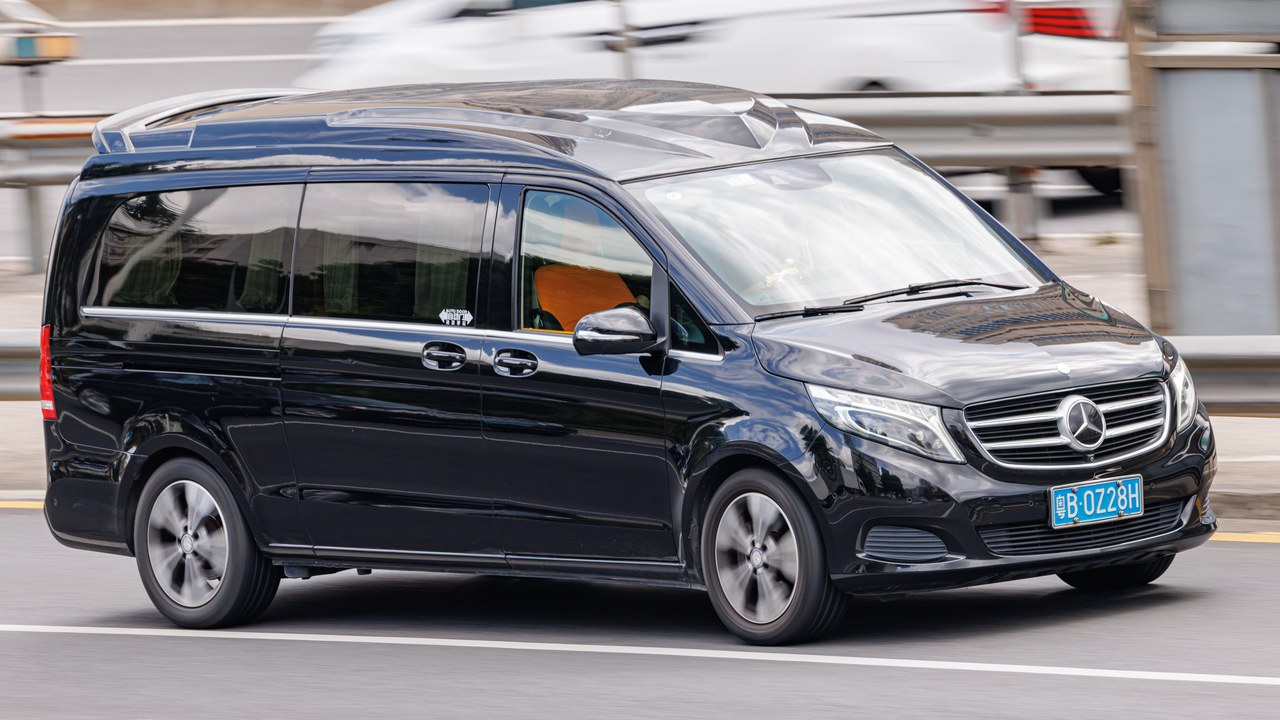
The Metris was the North American version of the Mercedes-Benz Vito, a rear-wheel-drive midsize van offered in cargo and passenger form from 2016 until Mercedes withdrew it after the 2023 model year. The Metris passenger van used a turbocharged four-cylinder and an automatic transmission, hardware developed for European commercial fleets that run far harder than a suburban family van ever will.
The engineering is durable; the ownership costs are the catch. Parts and labor are priced as Mercedes commercial parts and labor, the dealer network handling them is thinner than Toyota’s or Honda’s, and a nameplate pulled from the market makes long-term support a question rather than an assumption.
8. Ram ProMaster City: A Short And Mixed Run
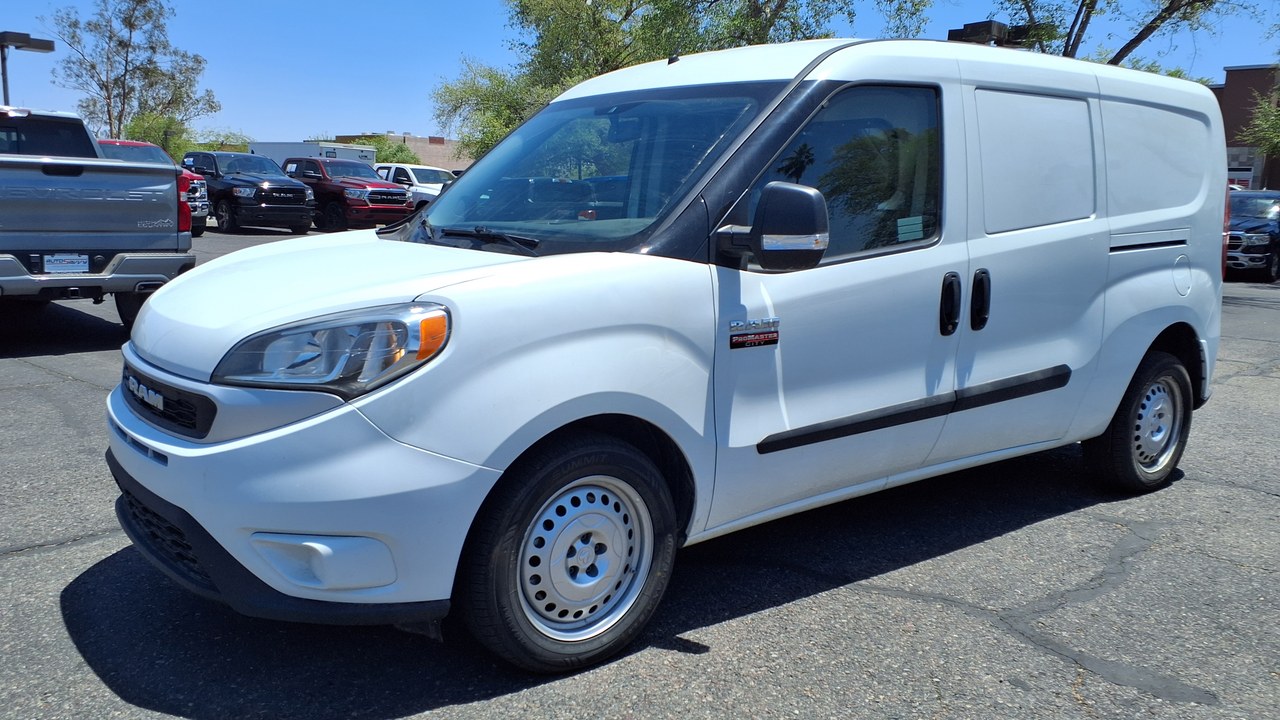
The ProMaster City was a rebadged Fiat Doblo, a front-wheel-drive European small van sold in North America from the 2015 model year through 2022 with a 2.4-liter four-cylinder and a nine-speed automatic. The ProMaster City cargo van and its windowed wagon sibling both leaned on Fiat engineering rather than anything Ram developed, and the model left the lineup without a direct replacement.
A short production run, modest sales and a parts supply rooted in another market are what put this van last in the order. The mechanical layout is ordinary and repairable, but a discontinued nameplate and a low-volume powertrain leave owners with fewer independent shops that know the vehicle well.
More from Morning Overview
