
Longevity in the midsize pickup class is not evenly distributed. Some nameplates have spent decades building a reputation for high-mileage service under routine maintenance, while others are either freshly redesigned or simply too young to have proved anything yet. What follows walks through eight of them, ordered from the most settled durability record down to the least proven.
1. Toyota Tacoma: The Benchmark Everyone Copies
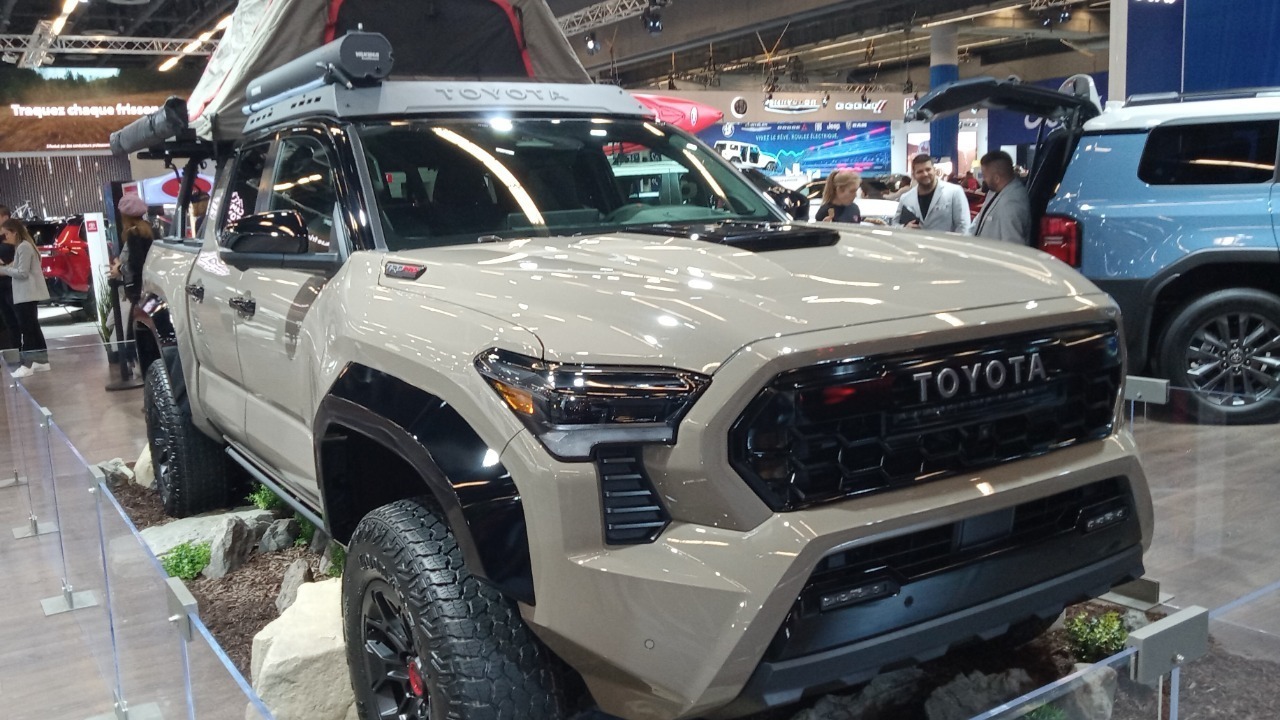
Toyota has built the Tacoma continuously since 1995, and that unbroken run is the foundation of its standing: parts supply, known fixes and mechanic familiarity have had three decades to accumulate. Early trucks paired a simple four-cylinder or a 3.4-liter V6 with a body-on-frame layout that tolerated neglect, and the compact pickup lineage behind it reaches back to Toyota’s small trucks of the 1970s.
The caveat is rust, not mechanicals. Toyota ran a frame-replacement program for corrosion on trucks from the late 1990s and early 2000s, and salt-belt buyers still check the rails first. A dry-state Tacoma with a fluid-change history is the class reference point; one that spent its winters in road salt can fail underneath long before the engine gives up.
2. Honda Ridgeline: Quietly Outlasting Its Class
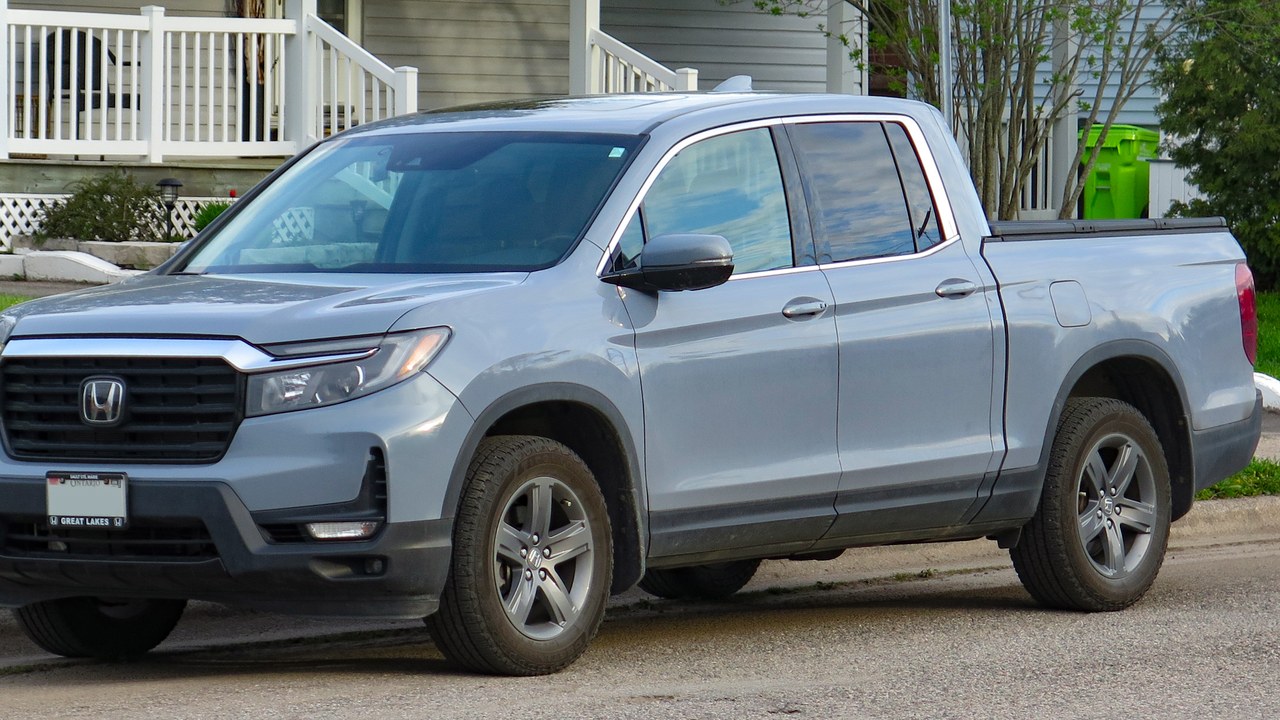
The Ridgeline’s durability argument rests on what it borrows rather than on what makes it a truck. It rides on a light-truck unibody platform closely related to the Pilot and Odyssey, and it uses the 3.5-liter V6 that Honda has installed in minivans and crossovers for years. That volume means the failure modes are documented and the parts are ordinary.
What it surrenders is capability, not years. Towing tops out well below the body-on-frame competition and the unibody discourages punishing off-road use, so Ridgelines tend to live gentle lives, which is itself part of why high-mileage examples turn up so often. Anyone needing a jobsite truck shops elsewhere; anyone wanting a pickup that ages like a Honda sedan rarely regrets it.
3. Chevrolet Colorado: A Redesign That Reset Expectations
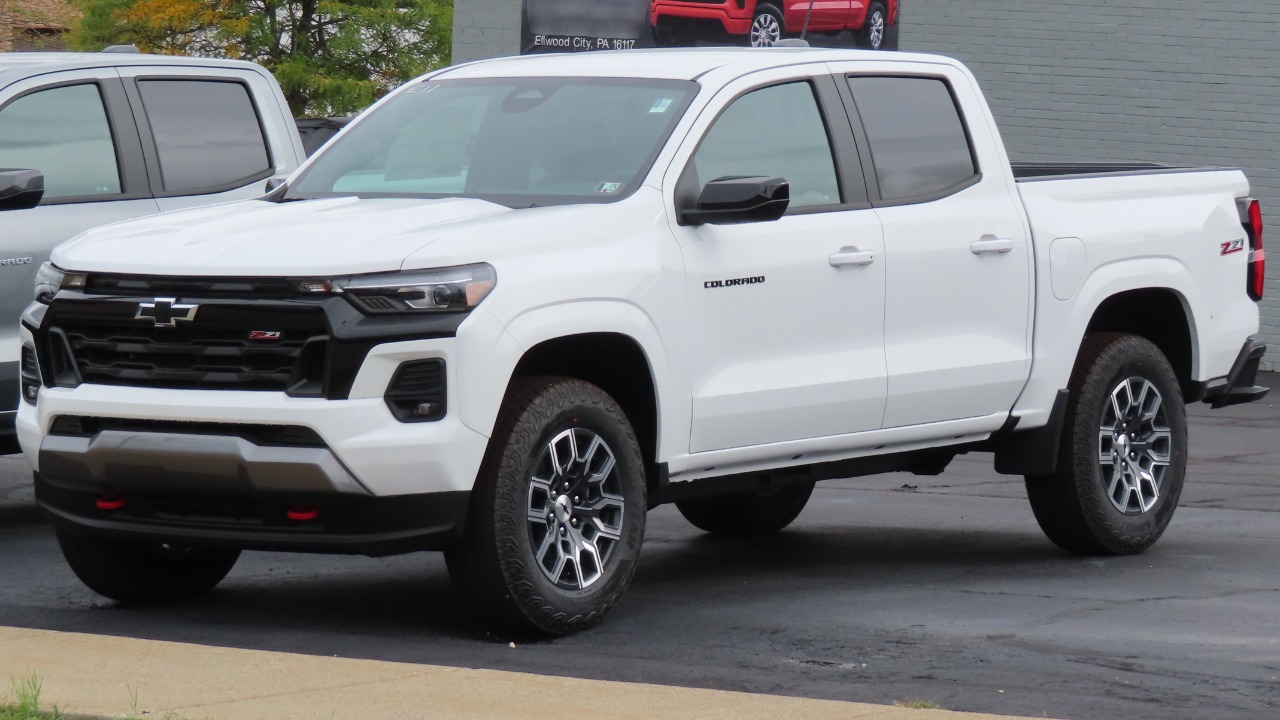
Simplification is the story of the current Colorado, on sale since 2023 with a single 2.7-liter turbocharged four across every trim. Earlier midsize Chevrolet pickups spread across a four-cylinder, a V6 and a turbodiesel, each carrying its own service reputation, so an owner’s experience depended heavily on which box got checked at the dealership.
That mixed history is why it lands mid-pack. The current hardware looks promising but has only a few years of road time behind it, and the generation it replaced never built one consistent record. A Colorado can certainly reach high mileage; which version was bought matters far more here than it does with the two trucks ranked above it.
4. GMC Canyon: Same Bones, Pricier Habits
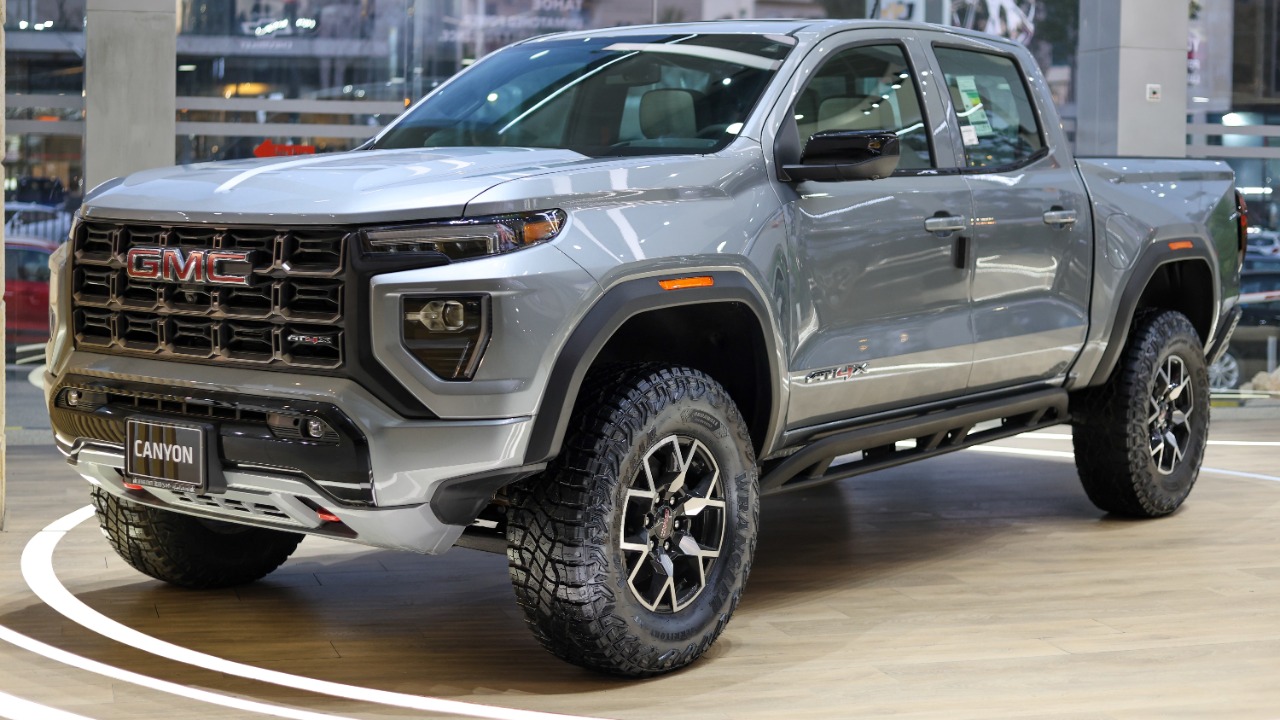
Badge and trim aside, this is the Colorado. The GMC midsize pickup is built alongside its Chevrolet twin and shares the same 2.7-liter turbocharged four and underlying structure, which means the mechanical clock runs at an identical speed. Ranking it separately is really a question about how these trucks get optioned and used.
Canyons skew toward loaded Denali and AT4-style trims, and that changes the ownership math late in life. More electronics, more powered hardware and more expensive trim pieces all wait to be replaced once a truck crosses into six-figure mileage, even when the drivetrain is healthy. The lifespan matches the Chevrolet; the cost of keeping a high-mileage one respectable does not.
5. Ford Ranger: Proven Abroad, Young At Home
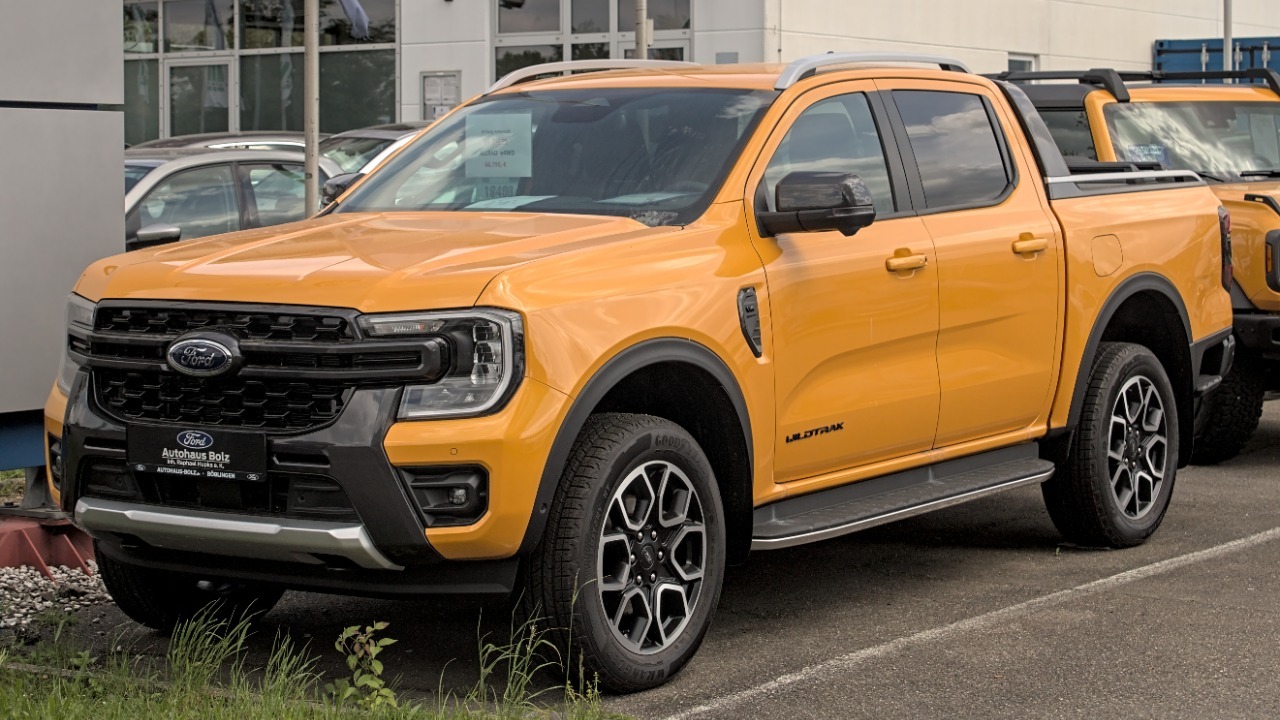
Ford pulled the Ranger from North American showrooms in 2011 and brought it back for 2019 using the global truck already sold hard in Australia, Thailand and South Africa. That import history matters, because the returning midsize Ranger arrived as a mature design rather than a clean-sheet experiment, paired here with a turbocharged four and a ten-speed automatic.
Complexity is the offsetting risk. A small turbo engine and a ten-speed gearbox have more to go wrong across fifteen years than the naturally aspirated engines in the old 1983-2011 Rangers still working in driveways today. Overseas fleet duty suggests the structure is sound, but the modern North American versions have not yet piled up the years the trucks above them have.
6. Nissan Frontier: A Very Long Production Run
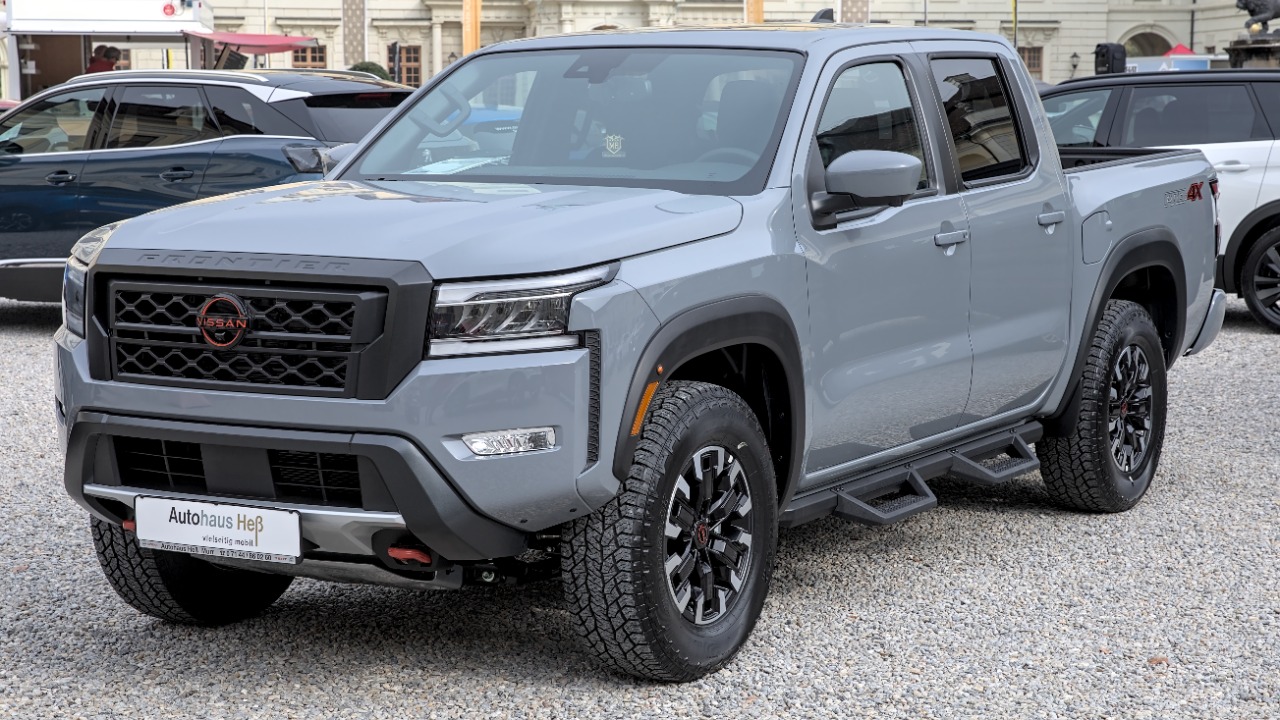
Nissan sold essentially one Frontier from 2005 to 2021, an unusually long stretch that left the truck dated in showrooms and thoroughly understood in service bays. All those model years of the second-generation Frontier meant mechanics knew every quirk, parts stayed inexpensive, and the 4.0-liter V6 under most of them earned a reputation for indifference to odometer readings.
One known defect keeps it from ranking higher. Radiators on mid-2000s trucks could leak coolant into the transmission cooler and destroy the gearbox, a problem that drew a class-action settlement and still shapes how buyers inspect older examples. The 2022 redesign carried a V6 forward into a new body, so the engine’s record survives while the rest of the truck restarts its clock.
7. Jeep Gladiator: Built To Be Taken Apart
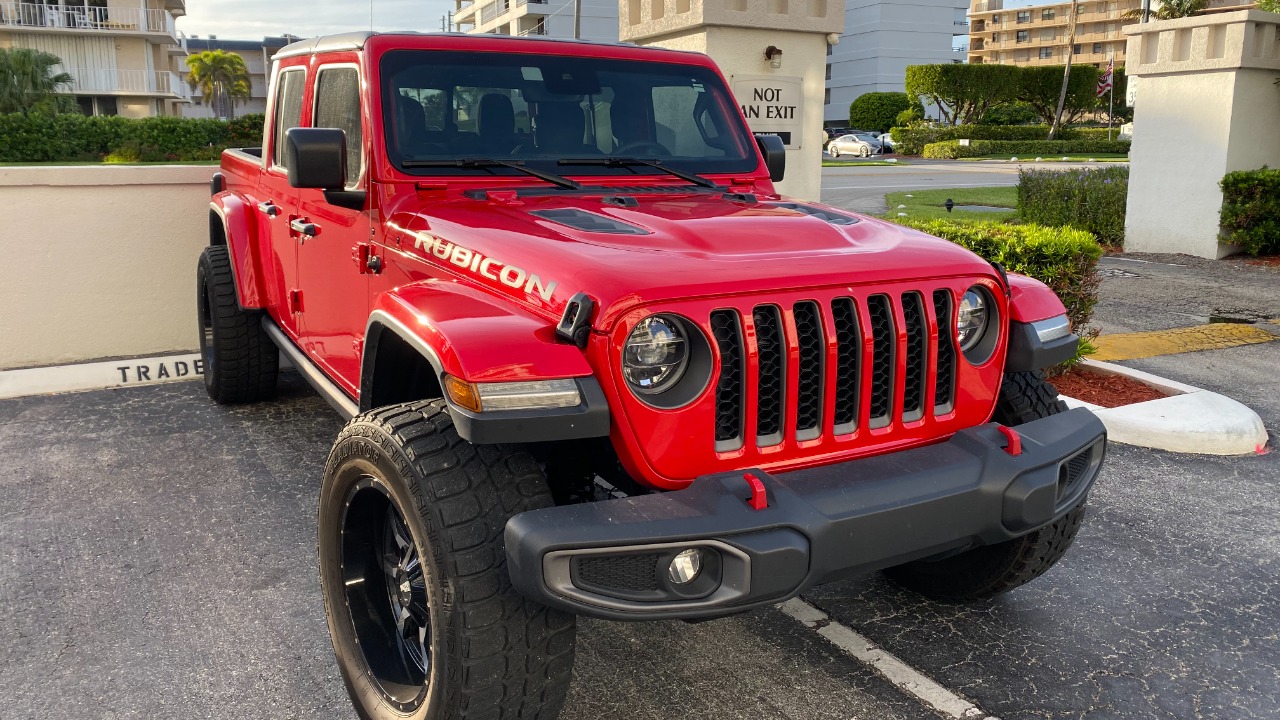
Start with a Wrangler, add a bed, and the durability profile follows: the same architecture, the same 3.6-liter Pentastar V6, the same solid axles front and rear. Those axles and the removable doors and roof are precisely what off-road buyers pay a premium for, and they are also what complicates this truck’s second decade of service.
A body designed to come apart has more seals, fasteners and wiring paths than a fixed cab, and Gladiators are generally bought to be worked hard on trails rather than commuted gently. The Pentastar itself is a high-volume engine with a long track record; the surrounding vehicle is the part that tends to rattle, leak and wear early. Condition here depends enormously on the previous owner’s weekends.
8. Hyundai Santa Cruz: Too New To Judge
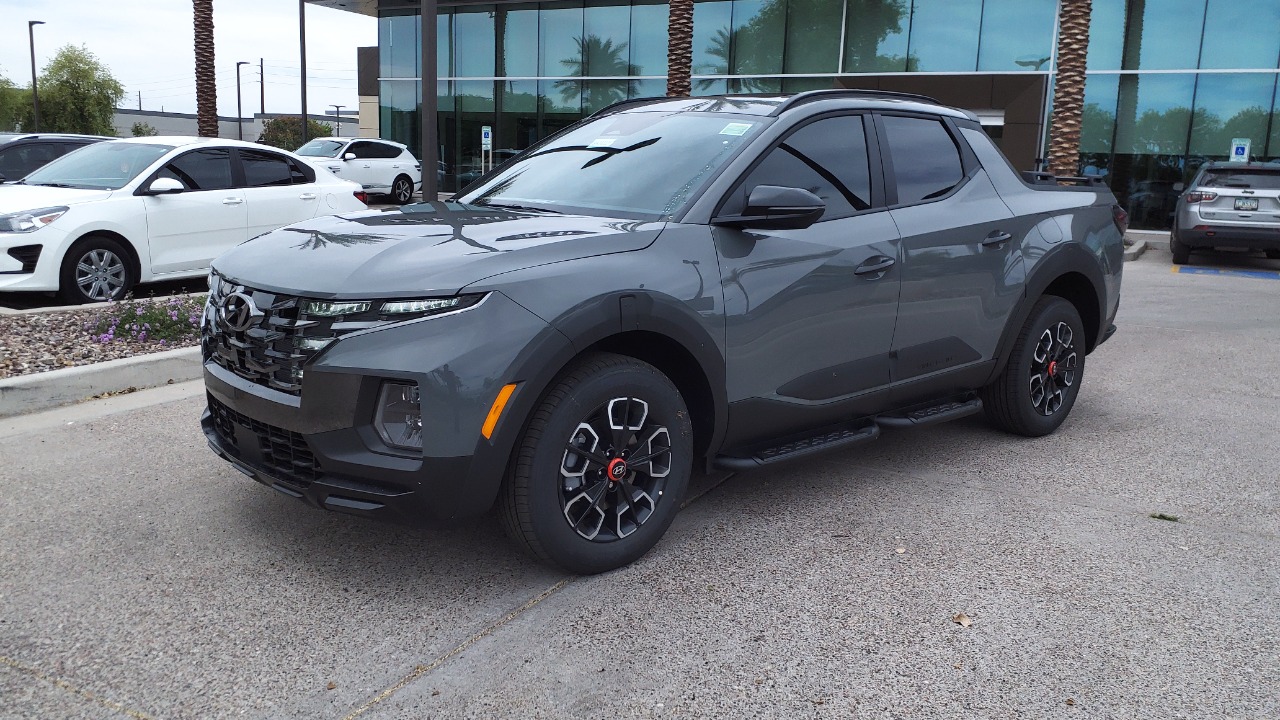
Age, not evidence of weakness, puts this one last. Assembled in Alabama on the Tucson crossover platform, the Santa Cruz reached dealers for the 2022 model year with a 2.5-liter four, turbocharged in upper trims and matched there with a dual-clutch automatic, and it has simply not been on sale long enough for a worn-out population to exist.
None of that is an indictment. The underlying crossover hardware is high volume and shared with one of the brand’s best-selling vehicles, which usually bodes well. But rankings like this are assembled from what tired examples reveal, and dual-clutch gearboxes in particular tend to disclose their habits long after a first owner has moved on.
More from Morning Overview
