
Luxury badges on SUVs often disguise a simpler truth: many premium models are built on the same platform, engine, and chassis as a mainstream sibling sold for tens of thousands less. Automakers share development costs across brands, then dress the shared bones in nicer leather, quieter cabins, and a taller price tag. Here are eight luxury SUVs that quietly share engines and parts with much cheaper models.
1. Lexus GX: Land Cruiser Bones, Lexus Polish
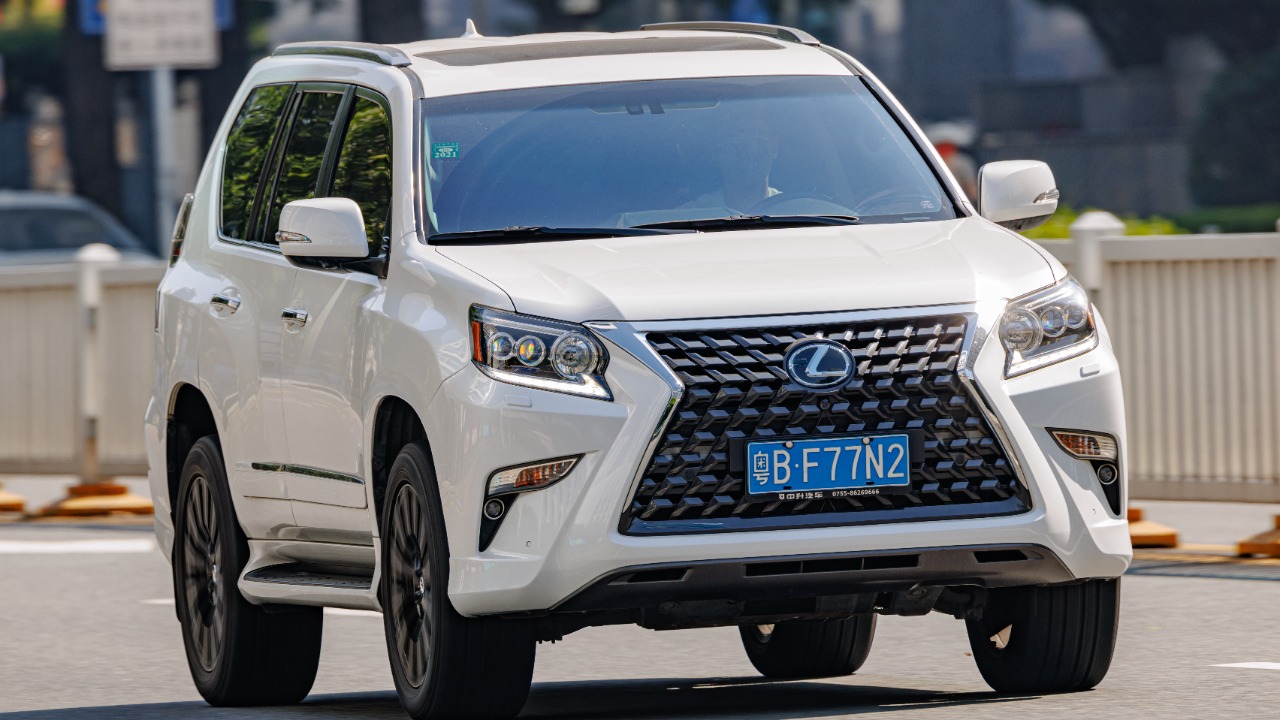
The Lexus GX rides on the same body-on-frame architecture as the Toyota Land Cruiser Prado, sharing its ladder frame, four-wheel-drive hardware, and much of its suspension geometry. Toyota builds both trucks to survive genuine off-road abuse, so the GX inherits that durability rather than borrowing a softer crossover platform dressed up for pavement only.
For buyers, that shared underpinning means parts availability and mechanical know-how stretch across two dealer networks, keeping long-term repair costs closer to a Toyota than a typical luxury SUV. The tradeoff is a stiffer, truck-like ride that some shoppers find less refined than rivals built on car-based platforms.
2. Acura MDX: Honda Pilot In A Suit
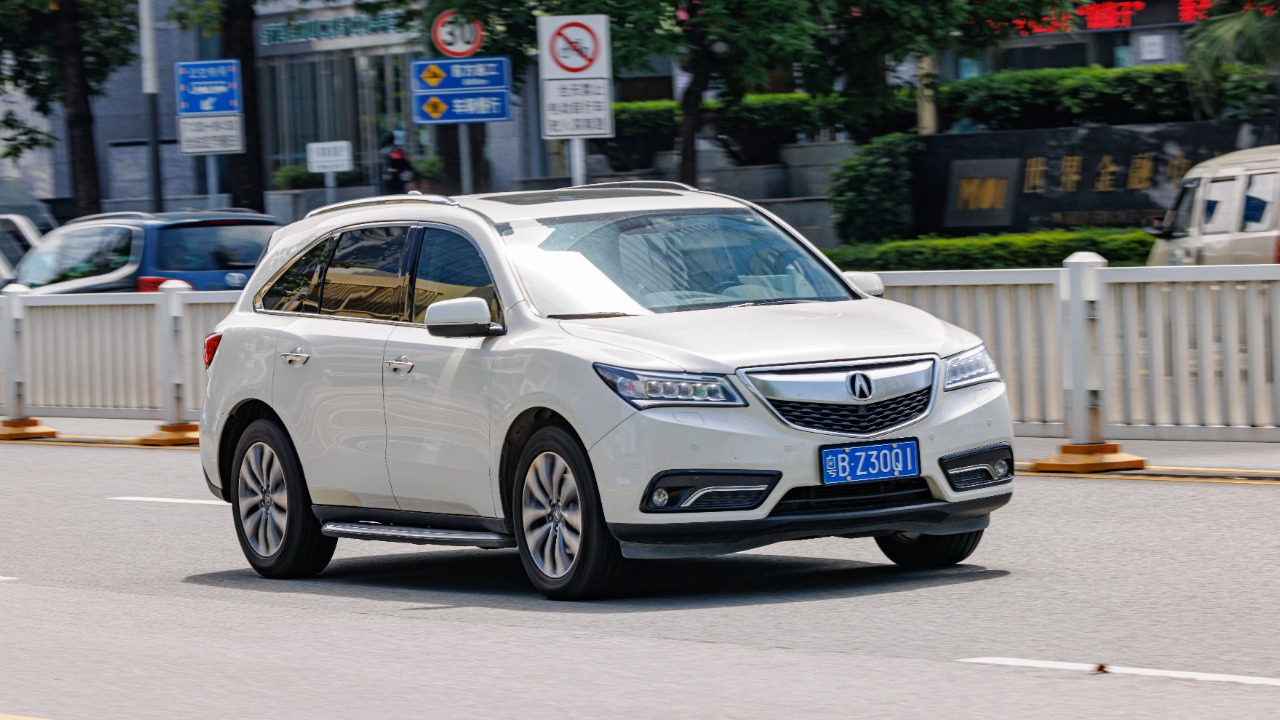
The Acura MDX shares its unibody platform, 3.5-liter V6, and nine-speed transmission with the Honda Pilot, since Honda’s luxury division builds the MDX on the same global light-truck architecture. Suspension tuning, sound insulation, and interior trim separate the two models far more than anything mechanical underneath the sheet metal.
That overlap means an MDX owner can often find a mechanic familiar with Honda’s V6 and transmission without paying luxury-brand shop rates for routine service. Resale buyers should weigh that the extra badge premium pays mostly for cabin refinement and features, not a fundamentally different drivetrain.
3. Lincoln Navigator: Expedition, Reupholstered
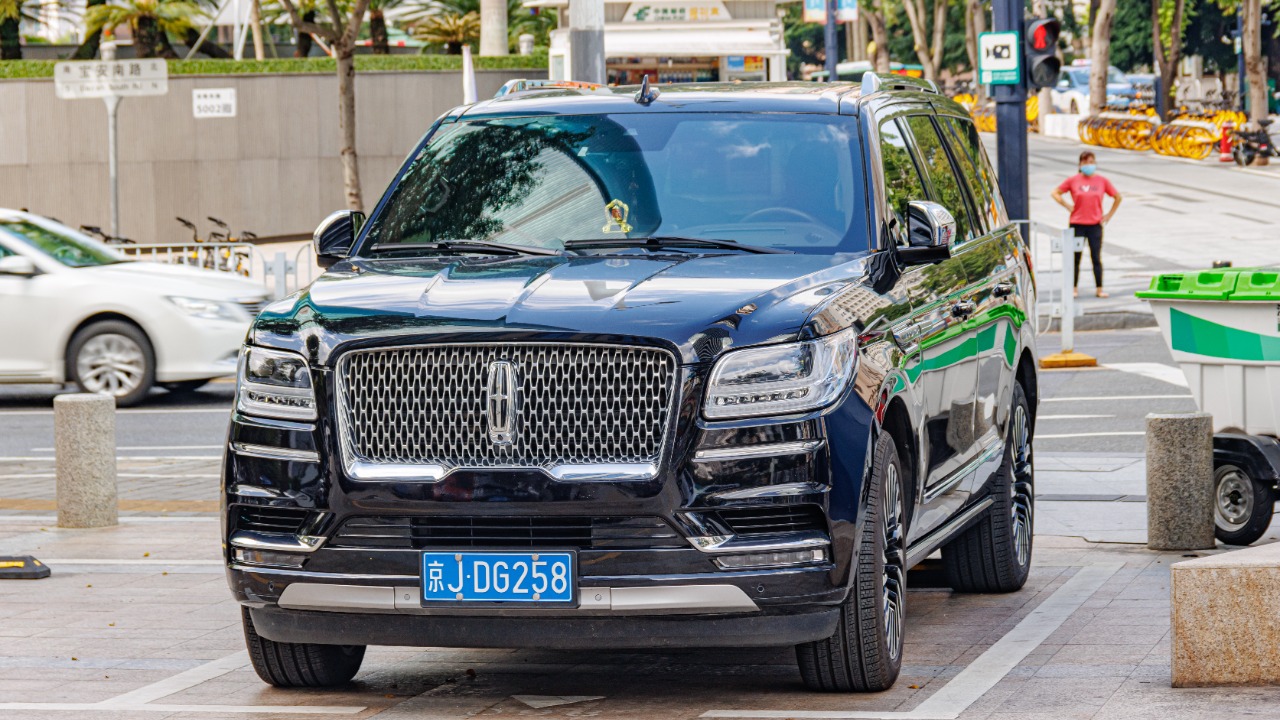
The Lincoln Navigator and the Ford Expedition come off the same body-on-frame truck platform, share their twin-turbo V6 engine and ten-speed transmission, and use nearly identical suspension and towing hardware. Lincoln’s design team reshapes the sheet metal and rebuilds the cabin with quilted leather and extra sound deadening, but the frame and drivetrain underneath started life as Ford’s, not Lincoln’s own engineering.
Owners get genuine full-size-truck towing capacity and durability because the platform was engineered for heavy-duty Ford trucks first, then softened for luxury duty. The downside is that a Navigator’s most expensive repairs, like transmission or air suspension work, mirror the costs an Expedition owner would also eventually face.
4. Cadillac Escalade: Tahoe In Cadillac Clothes
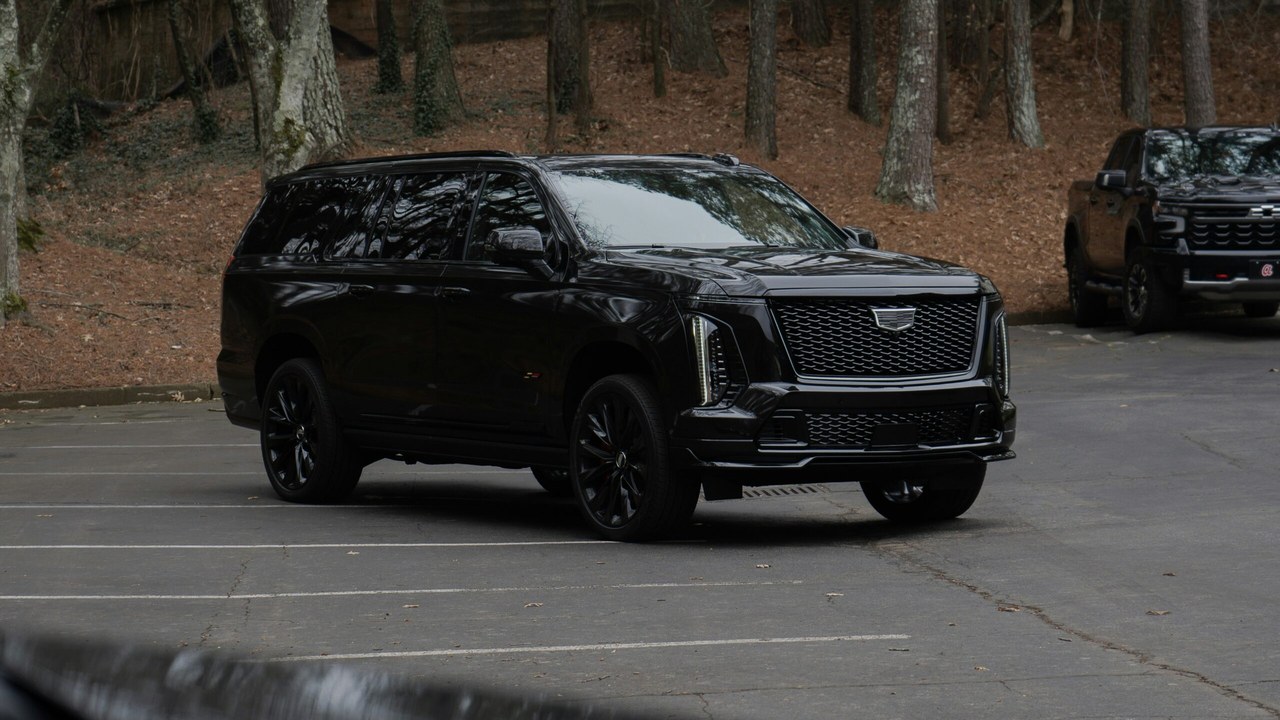
The Cadillac Escalade is built on General Motors’ full-size SUV platform, the same architecture underneath the Chevrolet Tahoe and GMC Yukon, sharing frame rails, axles, and much of the available V8 and diesel powertrain lineup. GM’s engineering teams develop the chassis once, then let each brand tune suspension, wheelbase length, and interior finishes to fit its own price tier.
That shared foundation is why an Escalade tows and hauls like a Tahoe despite its far higher sticker price, and why parts for suspension and drivetrain work are widely stocked at Chevrolet dealers too. Buyers mainly pay the premium for cabin materials, technology, and Cadillac’s styling rather than a different mechanical package.
5. Infiniti QX80: Armada Wearing A Tuxedo
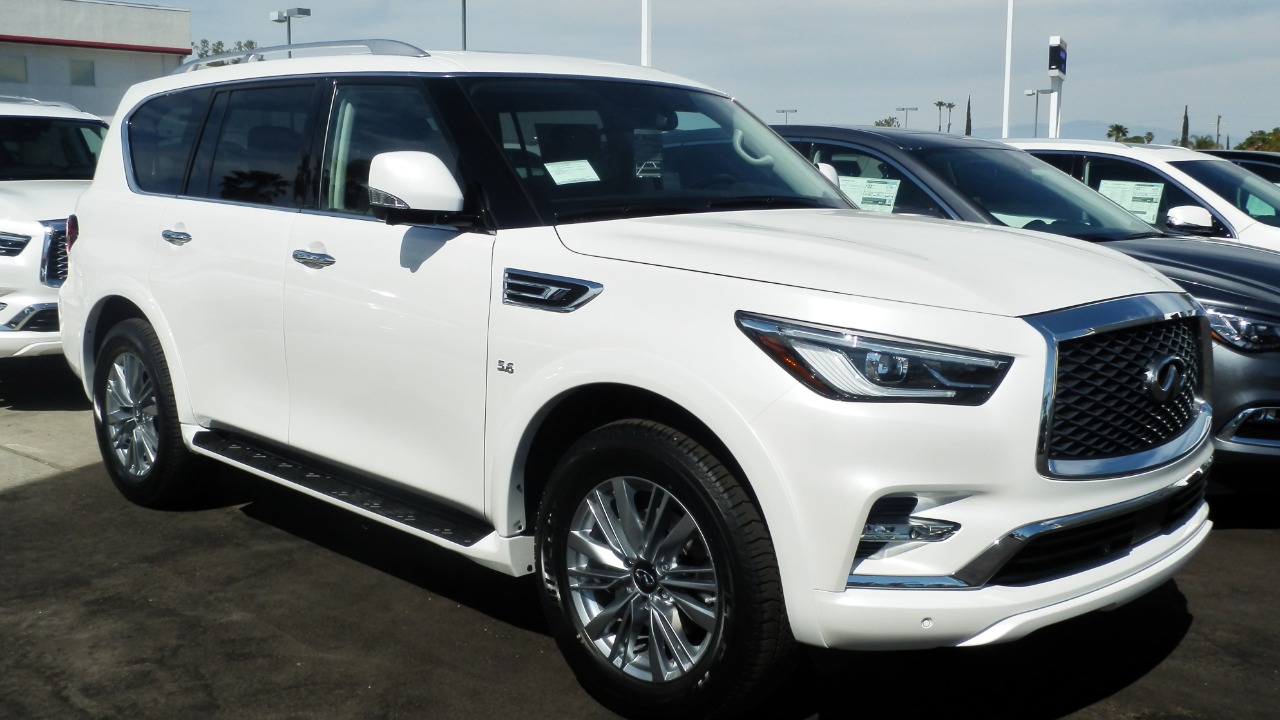
The Infiniti QX80 shares its body-on-frame platform, V8 engine, and four-wheel-drive system with the Nissan Armada, since both come from the same Nissan truck architecture built for the Japanese and Middle Eastern markets. Infiniti adds a quieter cabin, extra sound insulation, and higher-grade trim, but the frame, suspension mounting points, and drivetrain hardware start out identical to Nissan’s own SUV.
That kinship gives the QX80 real towing muscle and mechanical simplicity compared with rivals built on more complex independent suspension platforms. It also means routine maintenance parts, from brake components to suspension bushings, are often cheaper Nissan pieces sold under a pricier Infiniti part number.
6. Lexus LX: The Land Cruiser, Reimagined
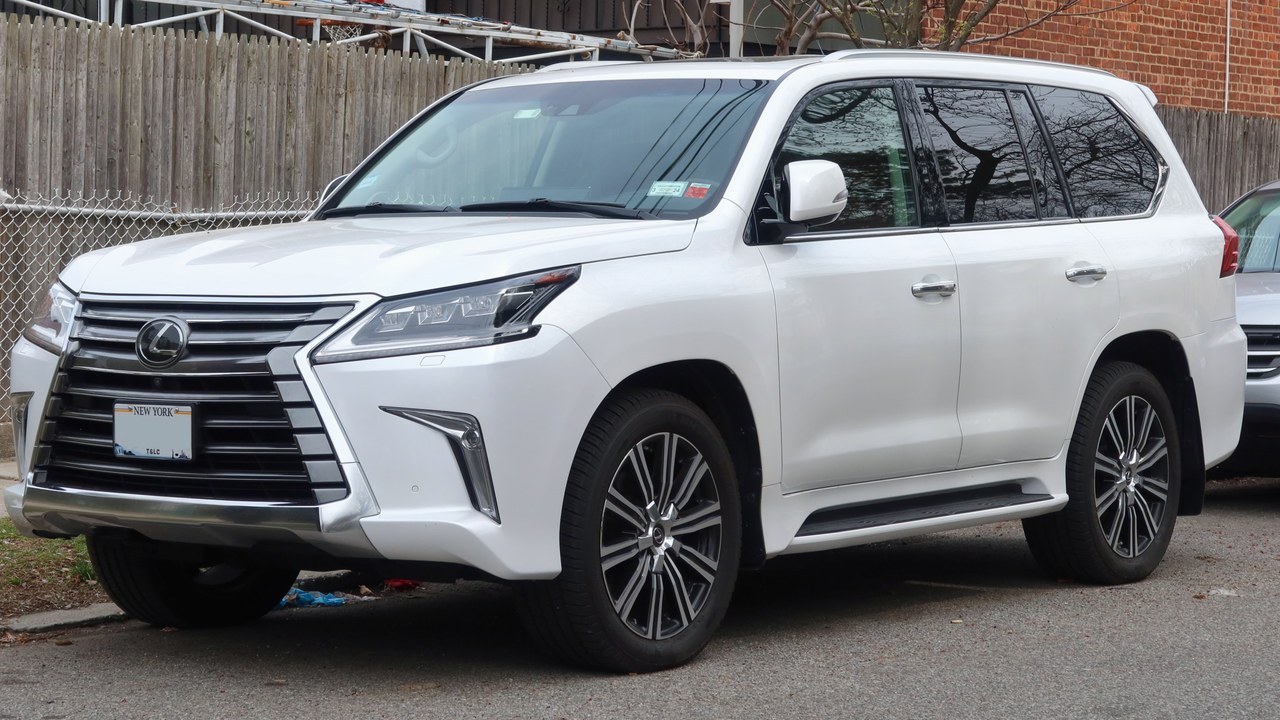
The Lexus LX is built on the same body-on-frame platform as the full-size Toyota Land Cruiser, sharing its V6 engine, transfer case, and off-road-focused suspension hardware across most markets. Toyota engineers the underlying truck to handle desert and mountain terrain first, then Lexus layers on quilted leather, additional sound insulation, and a more elaborate infotainment system.
That shared toughness is why the LX carries a reputation for surviving high mileage that few rivals from other luxury brands can match. The compromise is a heavier, boxier vehicle than car-based luxury SUVs, with fuel economy that trails smoother unibody competitors.
7. Genesis GV80: Hyundai’s Engineering, Genesis Polish
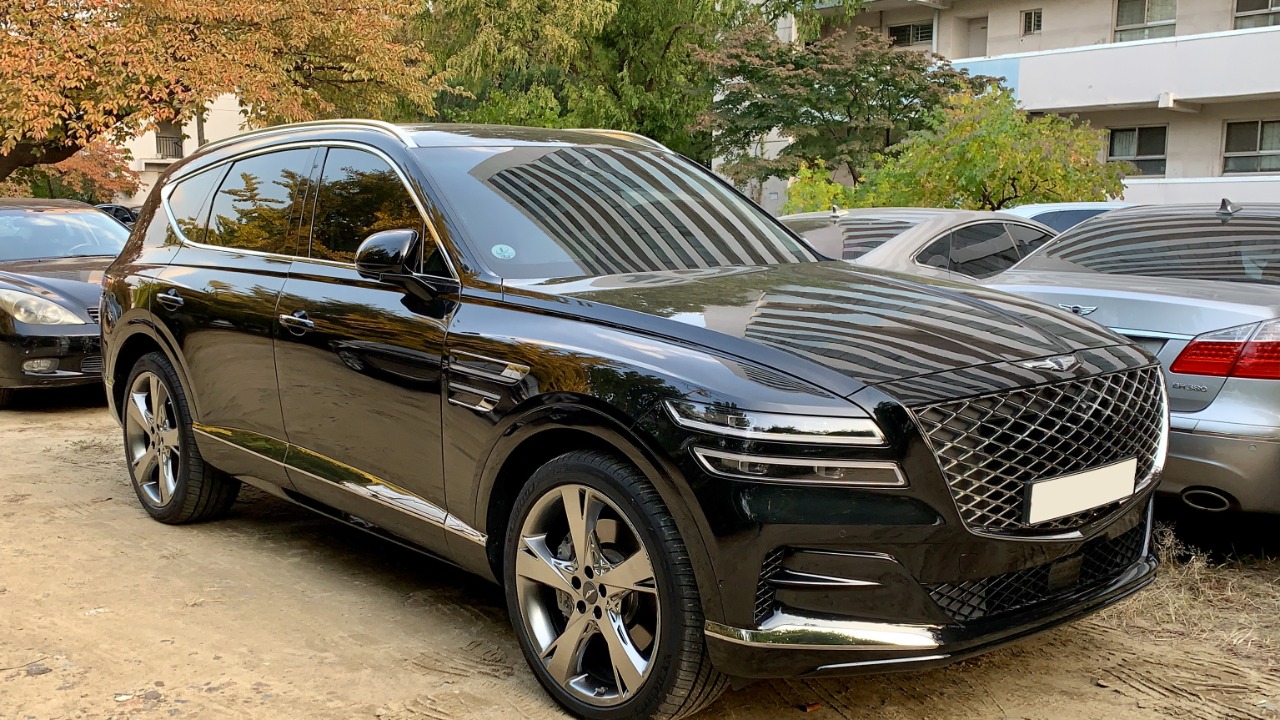
The Genesis GV80 draws its platform, turbocharged four- and six-cylinder engines, and much of its electronics architecture from parent company Hyundai, since Genesis operates as Hyundai’s standalone luxury division rather than a separate engineering house. Components also cross over with related Hyundai and Kia models sold at far lower prices, though Genesis retunes the suspension and adds its own styling and interior design.
Because so much engineering is shared across the Hyundai Motor Group, the GV80 benefits from a large parts and technology budget that a low-volume standalone luxury brand could never fund alone. Owners occasionally see the same infotainment glitches or recalls that show up on related Hyundai and Kia models first.
8. Buick Enclave: Traverse’s Upscale Twin
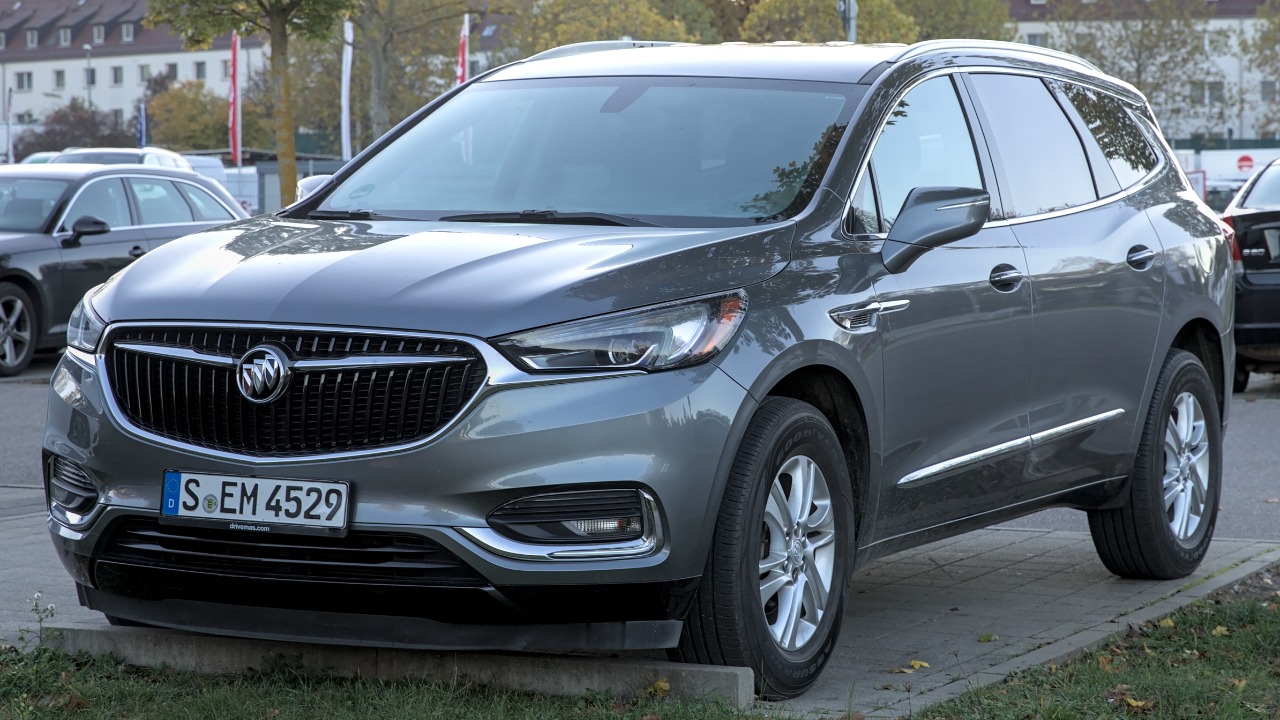
The Buick Enclave is built alongside the Chevrolet Traverse and GMC Acadia on General Motors’ shared unibody crossover platform, using the same V6 engine, nine-speed transmission, and three-row seating structure underneath its own sheet metal. GM assembles all three models on overlapping production lines, then differentiates them through styling, sound deadening, and available driver-assistance features rather than a distinct mechanical layout.
That common platform keeps repair parts and diagnostic knowledge widely available, since most mechanics who service a Traverse can just as easily service an Enclave. The main reason to choose the Buick over its cheaper siblings comes down to a quieter cabin and more upscale interior materials, not extra capability underneath.
More from Morning Overview
- A handful of car transmissions are so tough that mechanics say they almost never die
- Card skimmers hidden on gas pumps are draining accounts, and there’s a quick way to spot them
- The NSA warns one messaging setting can clone your texts to a stranger
- Security experts still urge phone owners to switch off one location-tracking setting
