
Compact hybrids have quietly outpaced many gasoline-only small cars on fuel economy, some stretching a single tank well past 500 miles in mixed driving. Automakers have refined the format for two decades, adding roomier cabins, longer warranties, and smoother powertrains without sacrificing efficiency. These eight hybrids show how far the segment has come, from budget-friendly hatchbacks to a quiet luxury sedan.
1. Toyota Prius: Efficiency Pioneer
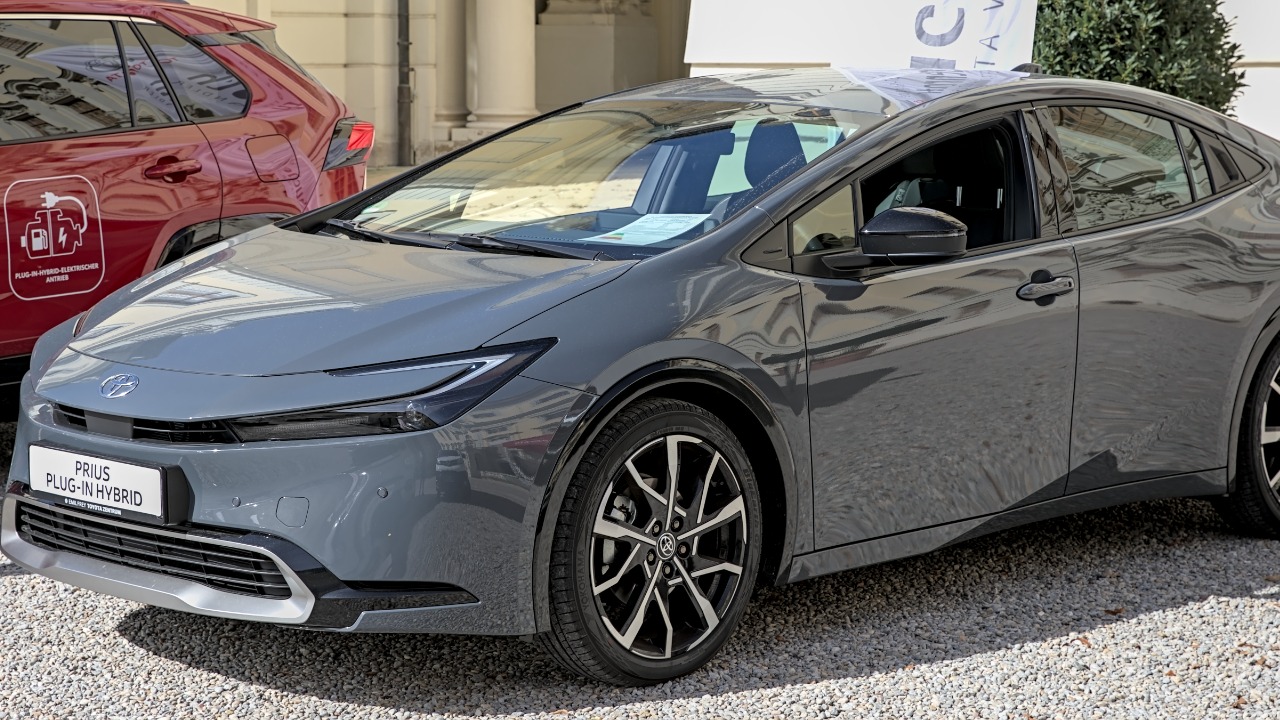
The Toyota Prius remains the benchmark for hybrid efficiency, a nameplate that popularized gas-electric power for everyday drivers. Toyota has refined the Prius platform across five generations, pairing a small gasoline engine with electric motors that handle low-speed driving and stop-and-go traffic without burning fuel.
Real-world owners routinely report highway mileage in the mid-50s, well above what most compact gasoline cars manage even on flat terrain. The hatchback body and low-slung shape help reduce wind resistance at speed, while the battery pack recovers energy during braking that would otherwise be lost as heat.
2. Honda Insight: Quiet Commuter Choice
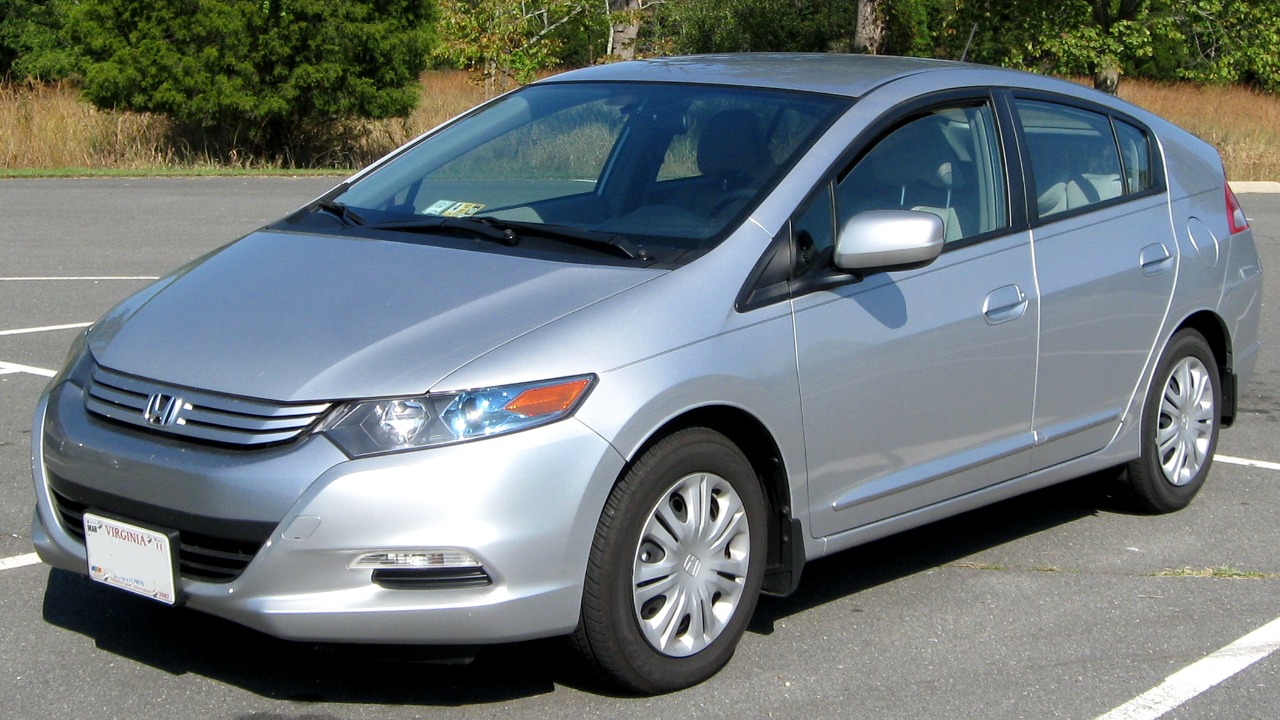
The Honda Insight built a reputation as a calm, understated hybrid aimed squarely at daily commuters rather than eco-car enthusiasts. Honda positioned the Insight sedan as a more conventional-looking alternative to the Prius, wrapping its two-motor hybrid system inside a familiar compact-sedan body.
Owners often cite mid-40s combined mileage alongside a quieter cabin than many rivals, since the powertrain rarely intrudes on conversation or highway cruising. Trunk space stays modest because the battery sits low, but the tradeoff is a car that drives and looks like an ordinary compact rather than a science project.
3. Hyundai Ioniq: Efficiency-First Hatchback
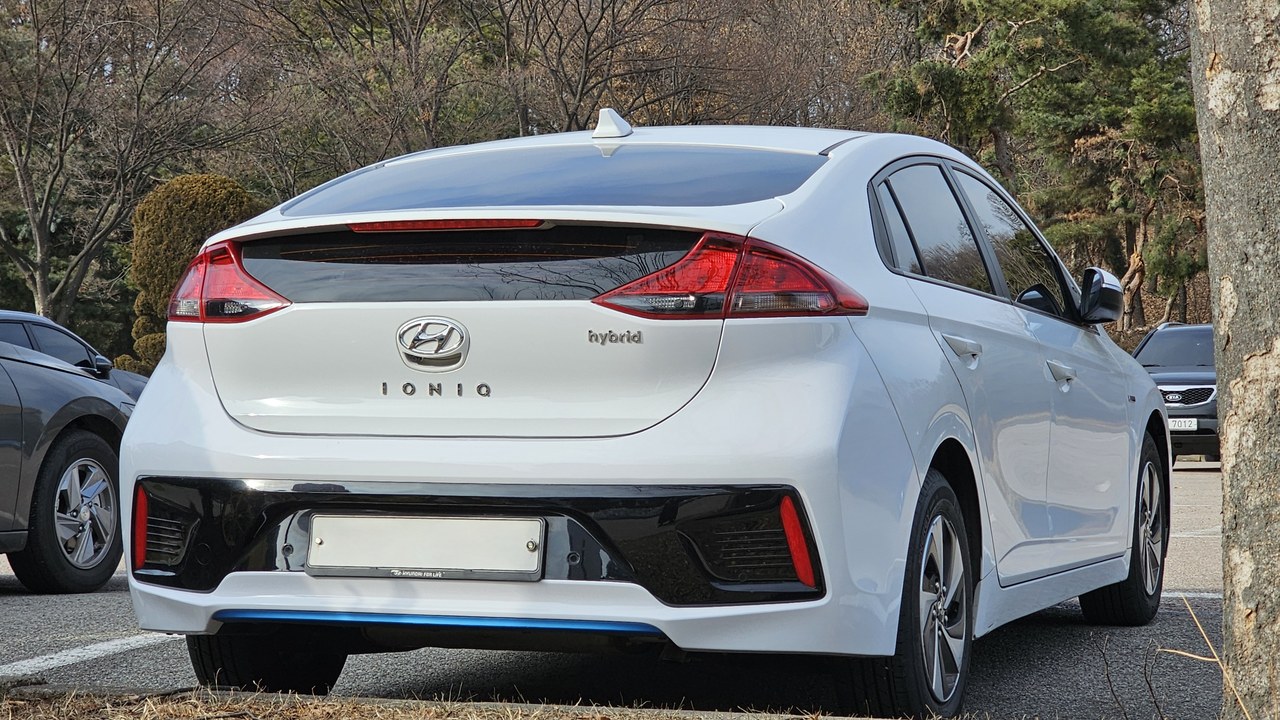
The Hyundai Ioniq was engineered from the ground up as a dedicated efficiency model, sold alongside separate hybrid, plug-in, and electric versions on one platform. Hyundai tuned the Ioniq hybrid with a lightweight body and low-drag shape rather than adapting an existing gasoline model.
That dedicated approach let engineers prioritize aerodynamics and weight savings over shared parts, and the result routinely ranked among the most efficient hybrids sold in the United States. The tradeoff is a smaller back seat and firmer ride than some rivals, since the car was never meant to be a family hauler first.
4. Kia Niro: Crossover-Shaped Efficiency
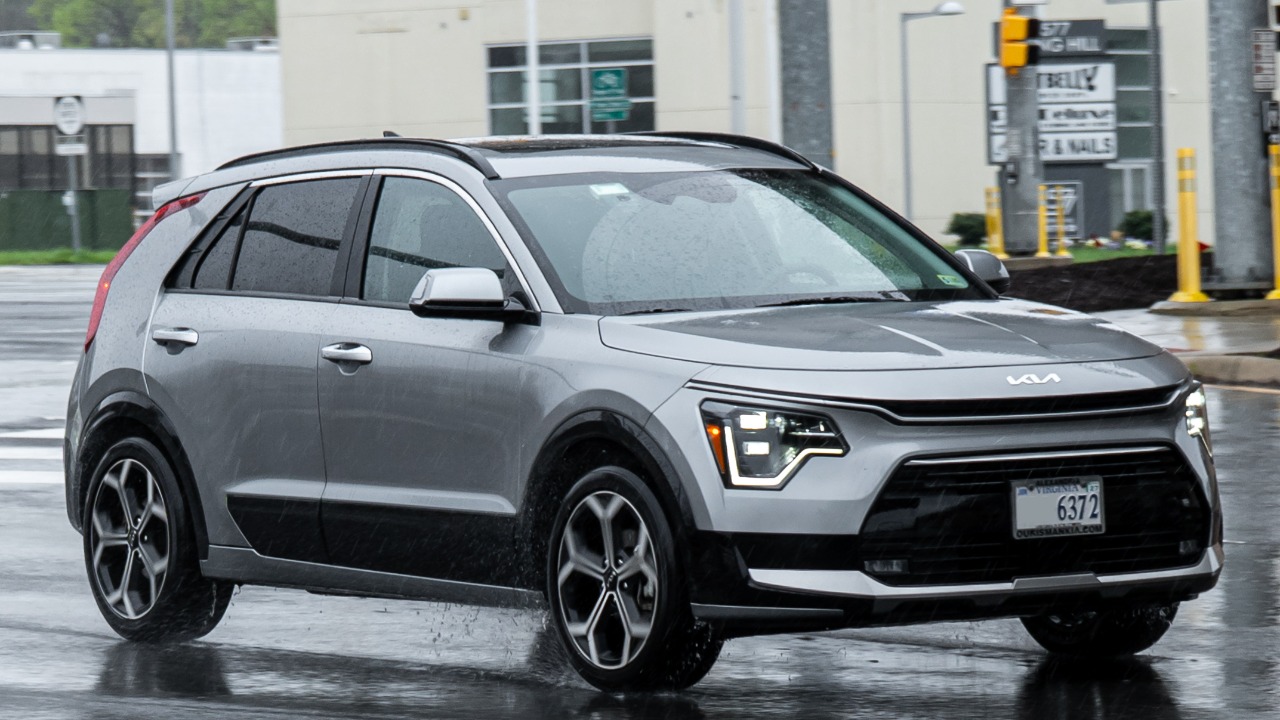
The Kia Niro packaged hybrid efficiency inside a small crossover body, giving buyers a taller seating position without the fuel penalty of a traditional SUV. Kia built the Niro hybrid to compete directly with compact hatchbacks on mileage while offering more cargo room and easier entry.
Combined mileage lands in the mid-to-high 40s, a figure few compact SUVs or gasoline hatchbacks can match without a plug-in battery. The higher ride height and boxier shape mean slightly more wind resistance than a sedan-shaped hybrid, but most owners trade a few miles per gallon for the added visibility and cargo flexibility.
5. Toyota Corolla Hybrid: Familiar Compact, Hybrid Power
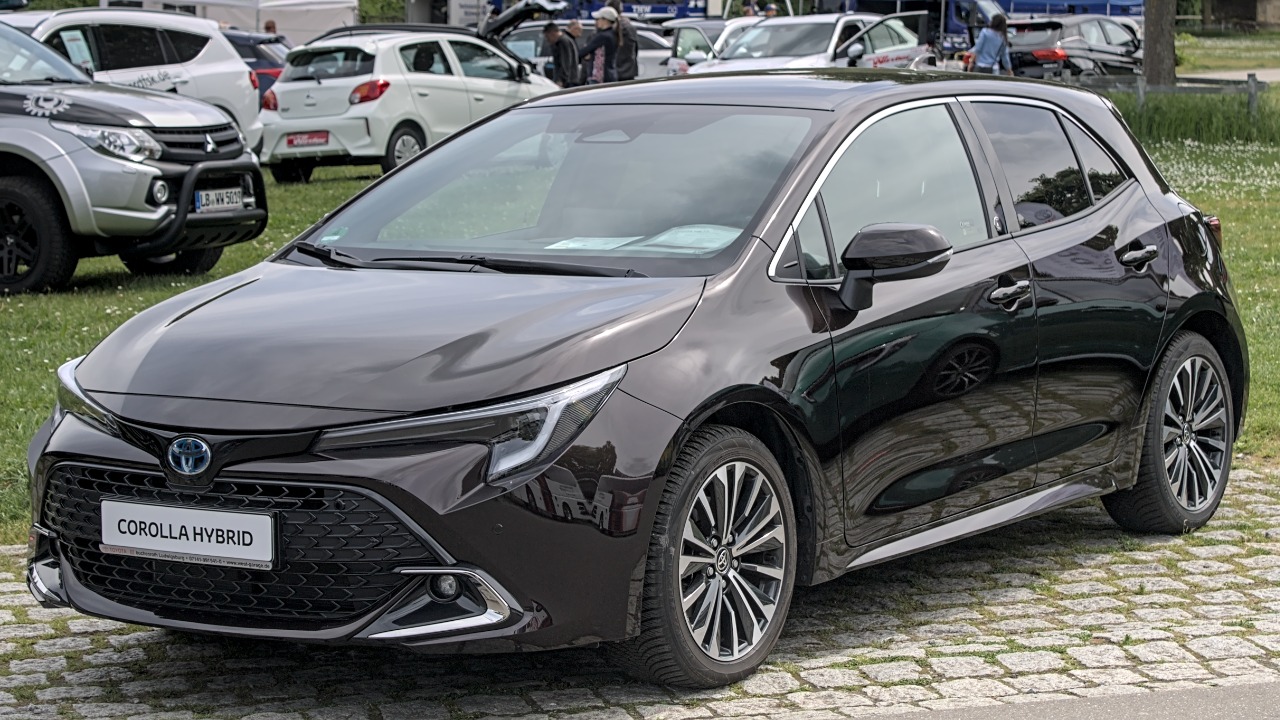
The Toyota Corolla Hybrid takes Toyota’s best-selling compact sedan and adds the same hybrid system proven in the Prius, without changing the car’s practical, no-drama character. Toyota sells the Corolla Hybrid at a modest price premium over the gasoline version, aiming to make hybrid mileage an easy upgrade rather than a lifestyle statement.
Combined fuel economy sits around 50 miles per gallon, roughly 15 to 20 miles per gallon better than the standard gasoline Corolla in comparable driving. The cabin, trunk space, and driving feel stay nearly identical to the regular model, so buyers give up almost nothing to gain the mileage improvement.
6. Hyundai Elantra Hybrid: Roomy Sedan, Small Bills
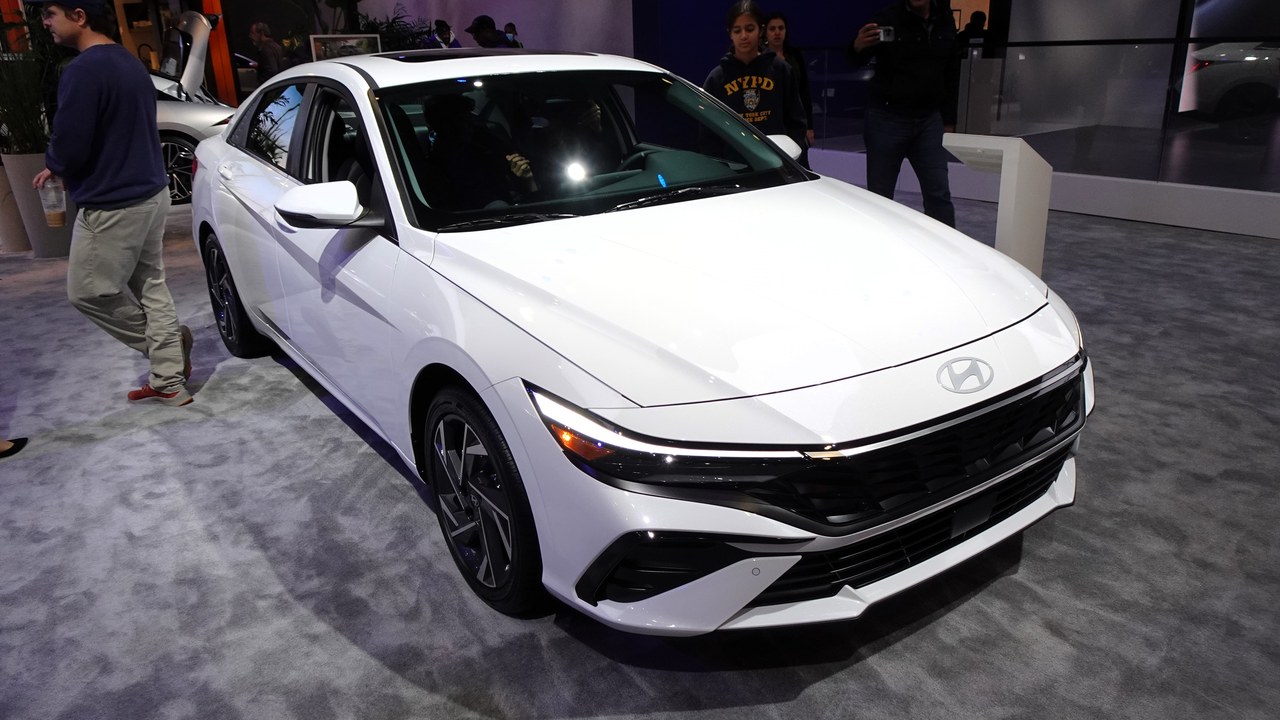
The Hyundai Elantra Hybrid pairs a larger sedan body with a hybrid drivetrain, giving families more back-seat room than most dedicated hybrid hatchbacks offer. Hyundai built the Elantra Hybrid around a turbocharged-feeling but efficient engine paired with an electric motor tucked beneath the trunk floor.
Combined mileage lands in the mid-50s, among the highest of any compact sedan sold in the United States, hybrid or otherwise. The car uses a six-speed dual-clutch transmission instead of the continuously variable unit found in most rivals, giving it a sportier feel without sacrificing the fuel savings.
7. Honda Civic Hybrid: Civic Reliability, Hybrid Thrift
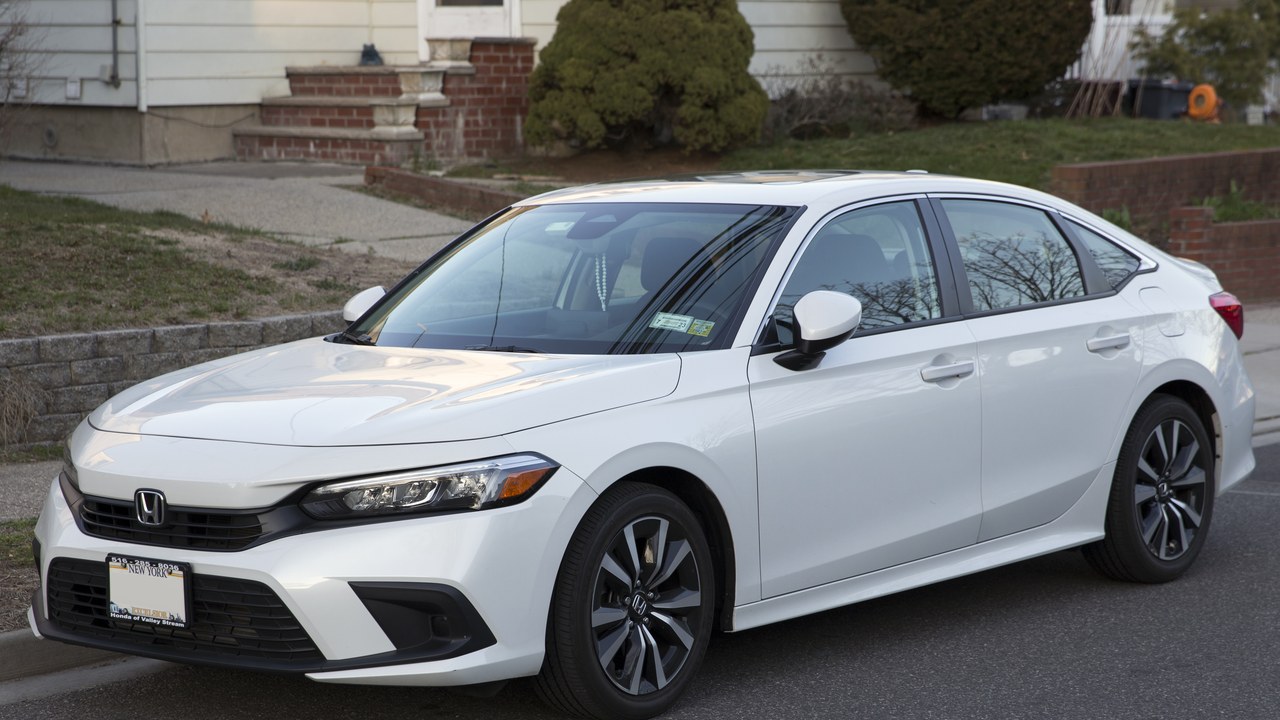
The Honda Civic Hybrid brings Honda’s popular compact platform into the fuel-economy conversation, aiming to match Corolla Hybrid mileage with Civic’s sharper driving dynamics. Honda equips the Civic Hybrid with a two-motor hybrid system shared across several Honda and Acura models.
Combined fuel economy sits in the high 40s to near 50 miles per gallon, close to segment leaders while retaining Civic’s tighter steering and firmer suspension tuning. Trunk space shrinks slightly to accommodate the battery, but the cabin and rear seat remain essentially unchanged from the standard gasoline Civic.
8. Lexus ES Hybrid: Quiet Luxury, Real Savings
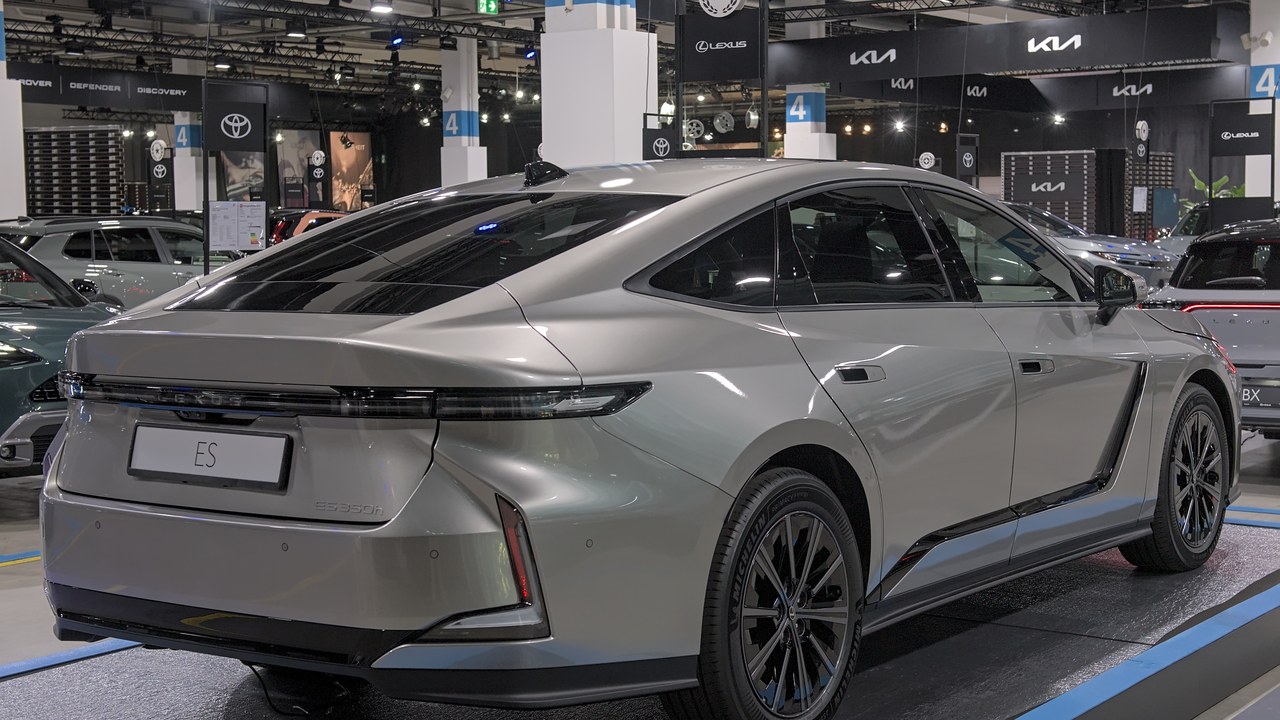
The Lexus ES Hybrid proves hybrid efficiency isn’t limited to economy cars, pairing a midsize luxury sedan with the fuel savings of a much smaller vehicle. Lexus builds the ES Hybrid on shared Toyota hybrid hardware, wrapped in a quieter cabin and more premium interior finishes.
Combined mileage lands in the low 40s, far ahead of most gasoline-only compacts despite the ES Hybrid’s larger size and heavier curb weight. Buyers get a genuinely quiet ride and long options list, making it a rare case where luxury comfort and strong fuel economy arrive in the same car.
More from Morning Overview
- The FTC is warning about a scam quietly draining thousands from victims
- The NSA is again telling phone owners to switch off one location setting
- A handful of car transmissions are so tough mechanics say they almost never fail
- A handful of SUVs keep hitting 300,000 miles, and they share one engine trait
