
Hybrid SUVs no longer ask buyers to accept sluggish performance in exchange for lower fuel bills. The best of them shut the gasoline engine off in traffic, recover braking energy, and stretch a tank far beyond what a comparable gasoline model manages. Here are eight hybrid SUVs whose real-world fuel economy justifies the technology.
1. Toyota RAV4 Hybrid: The Volume Benchmark
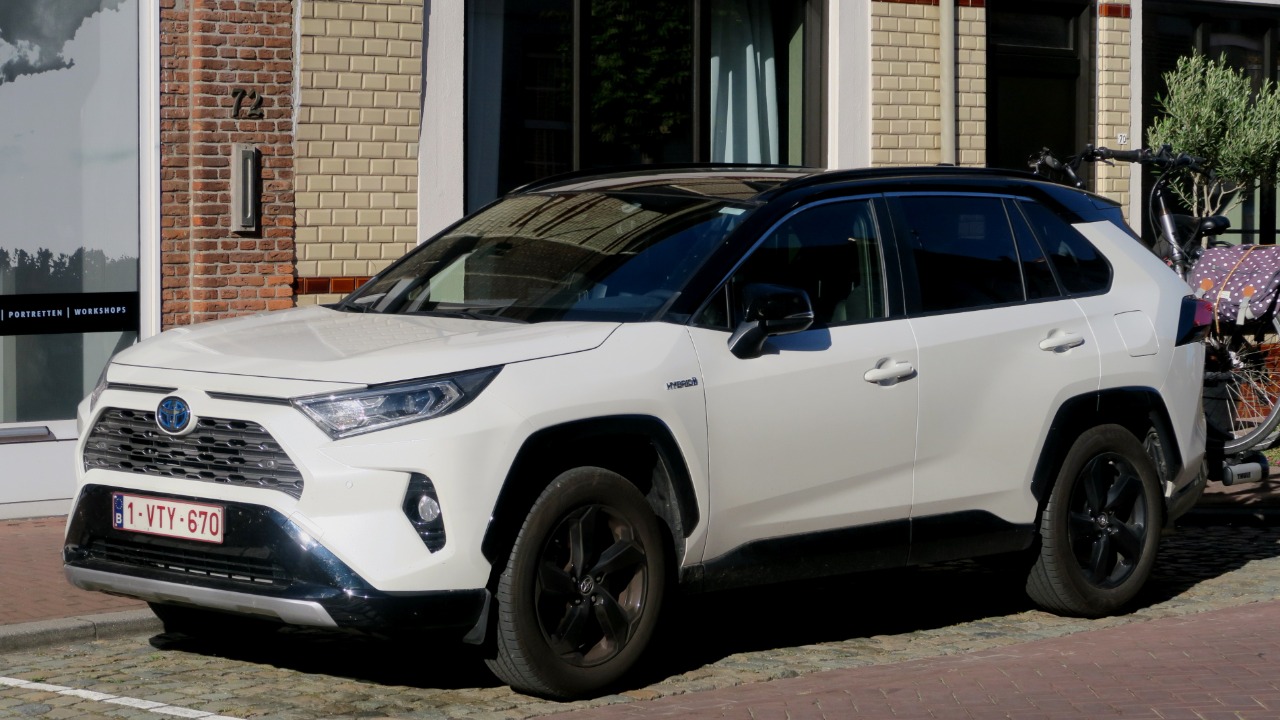
Toyota pairs a 2.5-liter Atkinson-cycle four with two electric motors and a planetary power-split transmission, the arrangement that made the compact crossover lineup a hybrid volume leader. All-wheel-drive versions add a third motor on the rear axle instead of a driveshaft, so torque reaches the back wheels electrically. In stop-and-go traffic the gasoline engine shuts off entirely, and regenerative braking recovers energy that friction brakes would otherwise waste.
Buyers get the efficiency without a plug or a charging routine, since the small battery refills itself. The trade-off is that the advantage narrows at sustained highway speeds, where the engine runs almost continuously and the electric side contributes far less.
2. Honda CR-V Hybrid: Two Motors, No Gearbox
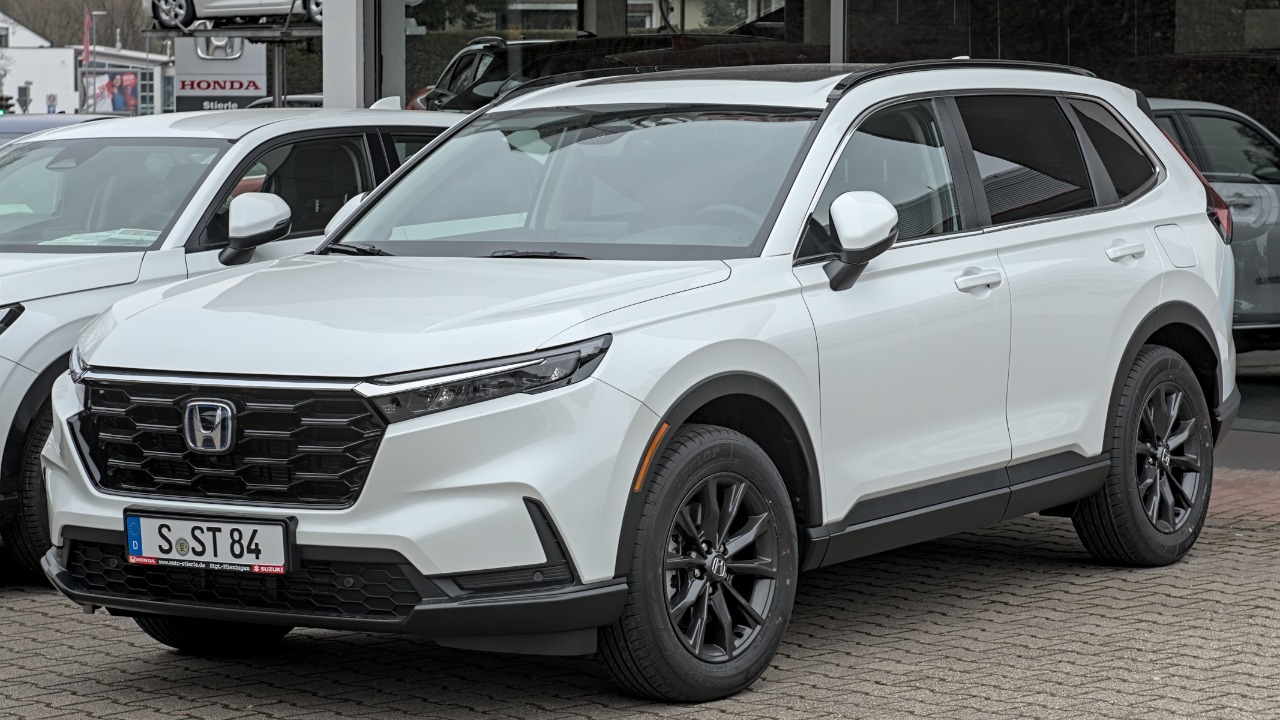
Honda’s two-motor setup works differently: for most of city driving the gasoline engine spins a generator rather than the wheels, and a separate traction motor does the actual driving. Engineers designed the two-motor hybrid system without a conventional automatic transmission, which removes the torque-converter losses that eat into economy. Only at steady highway speeds does a lock-up clutch connect the engine directly to the front wheels.
The result is an electric-car driving feel in traffic, where the powertrain rarely calls on the engine for propulsion. Shoppers should note the engine can rev independently of road speed under hard acceleration, a sensation that some owners find unfamiliar at first.
3. Ford Escape Hybrid: Detroit’s Frugal Compact
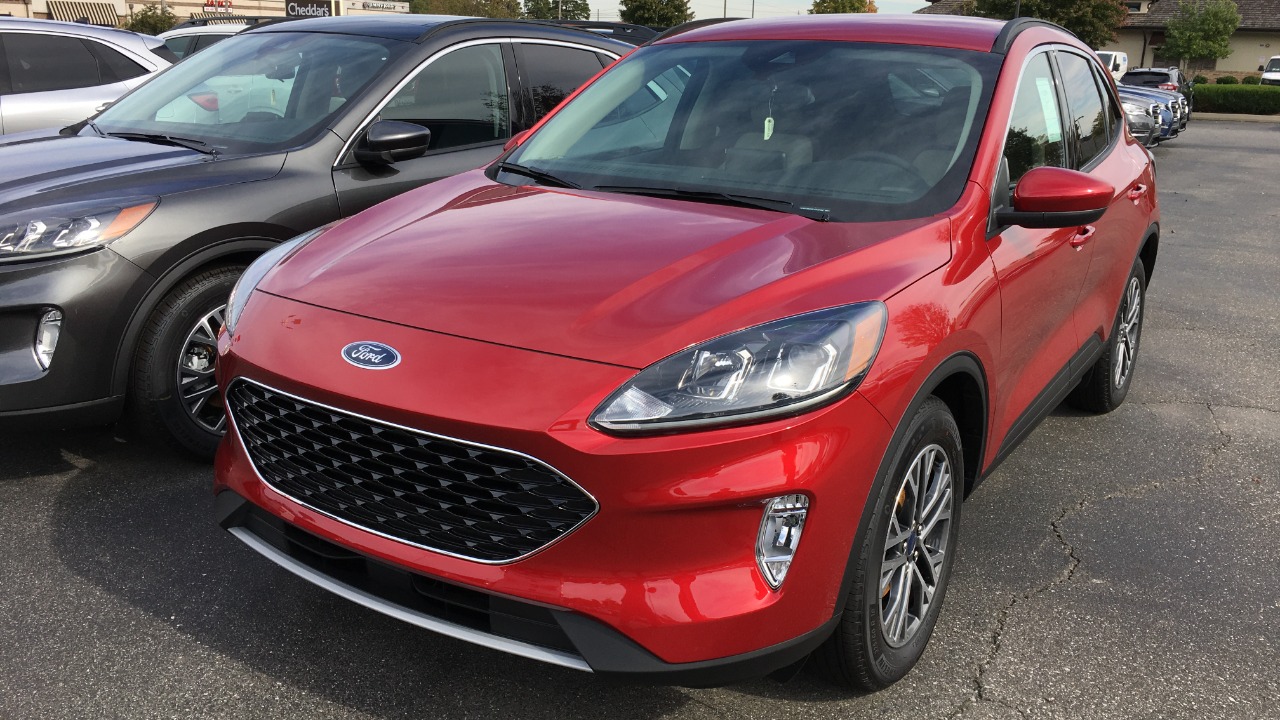
Ford builds its hybrid around an Atkinson-cycle four-cylinder and a power-split planetary gearset, the same basic architecture Toyota popularized. The Ford compact SUV line also offers a plug-in variant whose larger battery covers typical suburban errands on electricity alone before the engine ever starts. Front-wheel-drive versions carry less hardware and less weight, which is why they generally return the strongest numbers in the lineup.
Drivers who charge nightly can go long stretches burning almost no gasoline, while those who never plug in simply get a conventional hybrid. That distinction matters at purchase, because the plug-in commands a premium that only pays back with regular charging.
4. Hyundai Tucson Hybrid: A Turbo Takes The Parallel Route
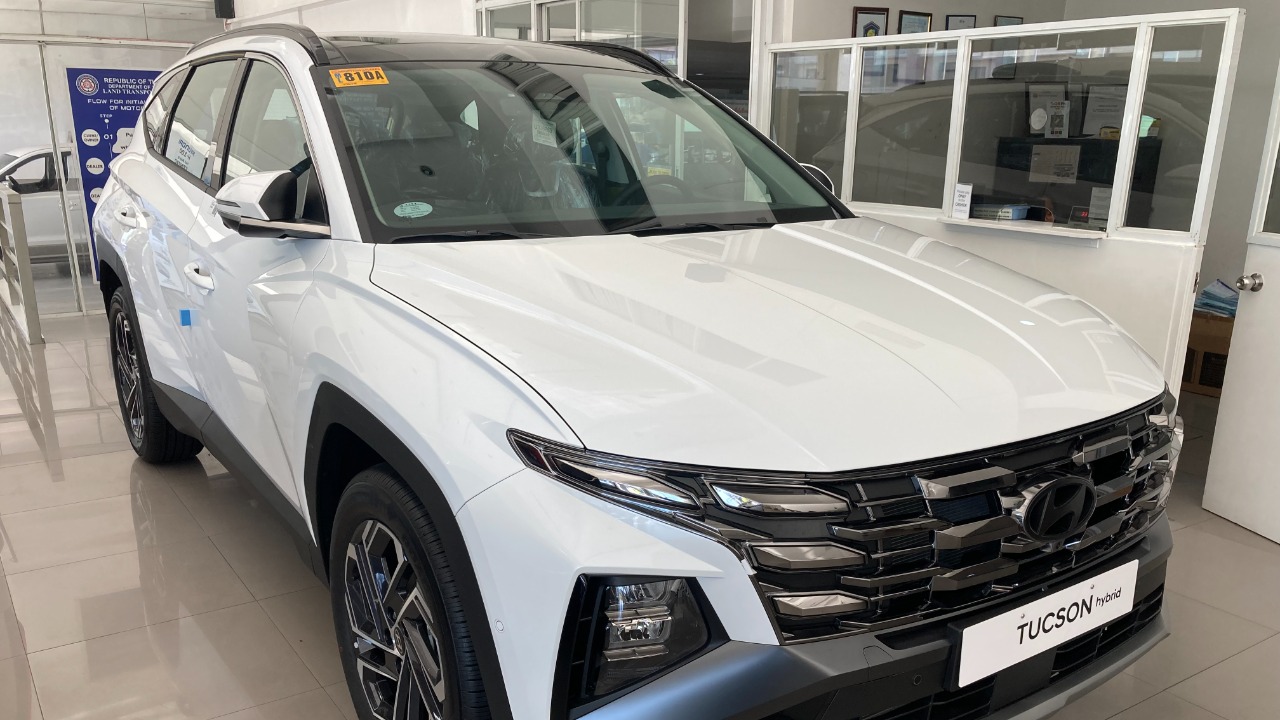
Hyundai took a different path, sandwiching an electric motor between a turbocharged 1.6-liter engine and a conventional six-speed automatic. Because the Tucson hybrid lineup keeps real gears rather than a continuously variable unit, acceleration feels like a normal automatic, and highway economy holds up better than the parallel layout’s reputation suggests. The motor assists during launch and low-speed cruising, letting the engine avoid its thirstiest operating range.
A separate plug-in version adds a much larger pack for short electric commutes. Cold weather remains the honest caveat for any hybrid here: battery output falls, cabin heat draws energy, and short winter trips erase much of the advantage.
5. Kia Sportage Hybrid: The Corporate Twin With Its Own Tune
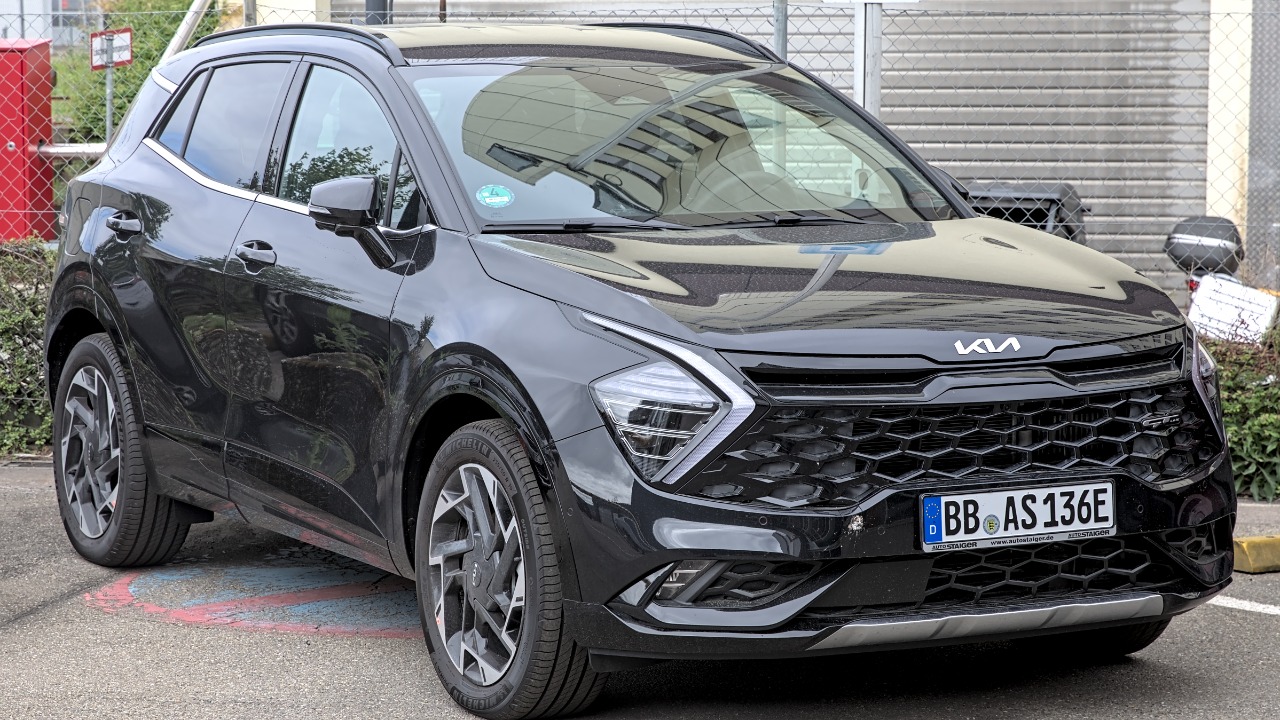
Kia shares Hyundai’s turbocharged hybrid hardware but wraps it in a longer, differently tuned body, and the Sportage model range spreads that powertrain across front- and all-wheel-drive trims. The six-speed automatic and single motor keep the mechanical package simple, with an engine-disconnect clutch that lets the vehicle coast and creep on electricity. Regenerative braking handles most routine deceleration, sparing the friction brakes.
Because the same components underpin two nameplates, parts availability and dealer familiarity are unusually good for a hybrid. Front-drive trims edge out all-wheel-drive ones on economy, so the choice comes down to whether traction or fuel savings matters more.
6. Lexus NX: Luxury Without The Fuel Penalty
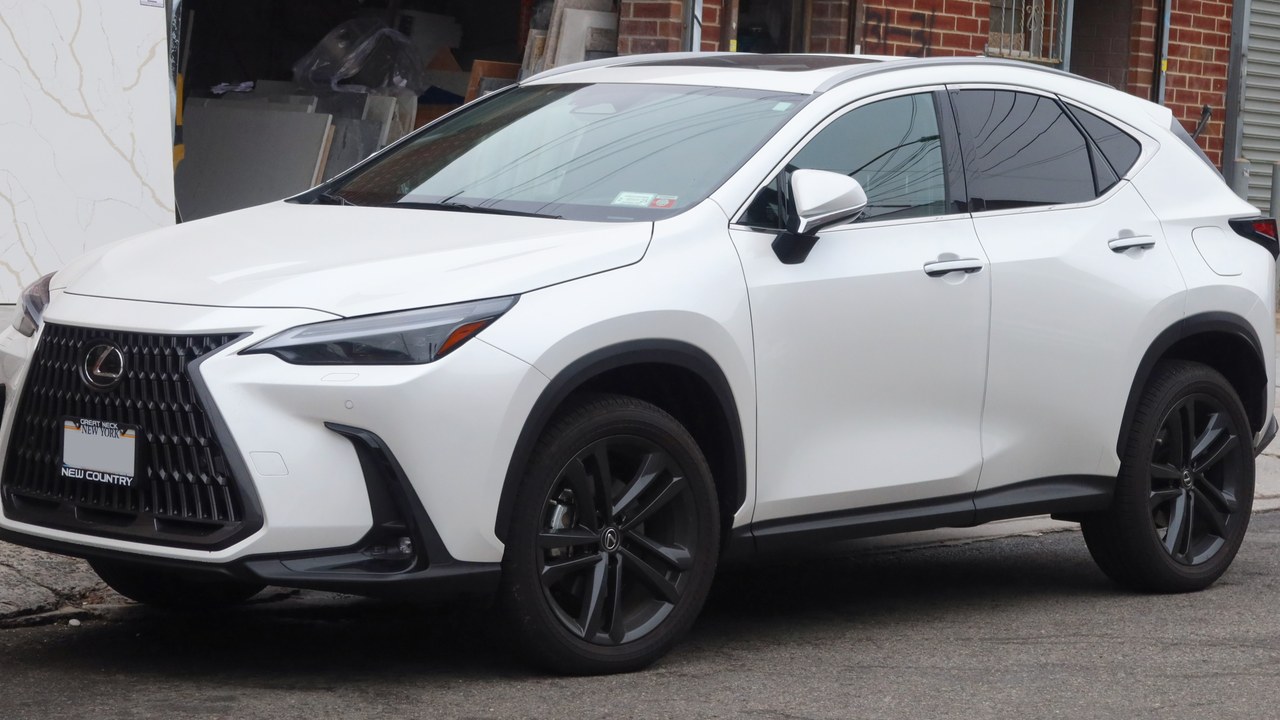
Lexus sells its smallest utility vehicle almost entirely in electrified form, and the NX model family offers both a conventional hybrid and a plug-in with meaningful electric-only range. Both use Toyota’s power-split system, so the engine can idle down at low speeds while the motor moves the car. Extra sound insulation makes those electric stretches noticeably quieter than in the mechanically related Toyota.
The plug-in rewards owners who charge at home and drive short daily routes, since many trips finish before the engine wakes. Higher purchase prices and dealer service costs, however, offset part of what the efficiency saves at the pump.
7. Toyota Highlander Hybrid: Three Rows On Four Cylinders
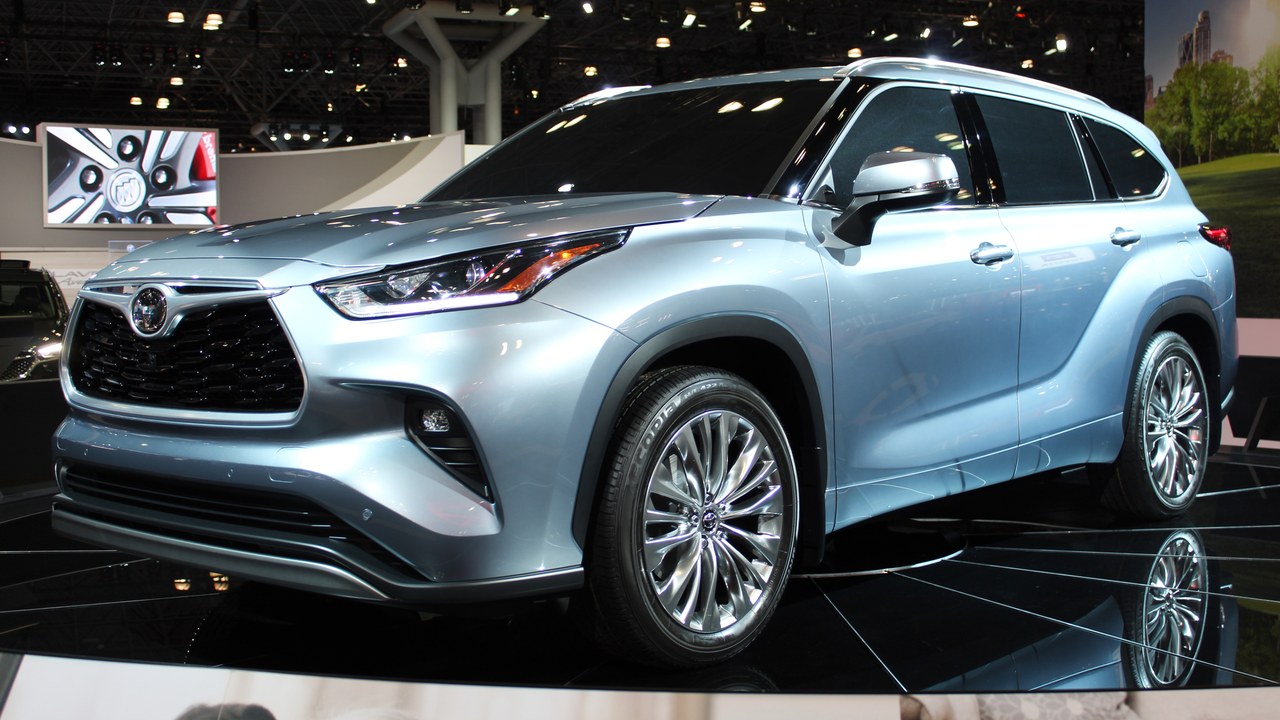
Downsizing was the whole strategy here: Toyota swapped the hybrid three-row’s V6 for a 2.5-liter four, trading a little muscle for a large efficiency gain. The Highlander hybrid range uses the same power-split architecture as the smaller models, including an independent rear motor on all-wheel-drive versions. Seven or eight passengers therefore travel behind a powertrain sized like a midsize sedan’s.
Families gain the ability to run errands and school routes with the engine frequently off, which is where the savings accumulate. Towing capacity is modest compared with V6 and truck-based rivals, so the hybrid suits hauling people far better than trailers.
8. Kia Sorento Hybrid: Midsize Space, Compact Thirst
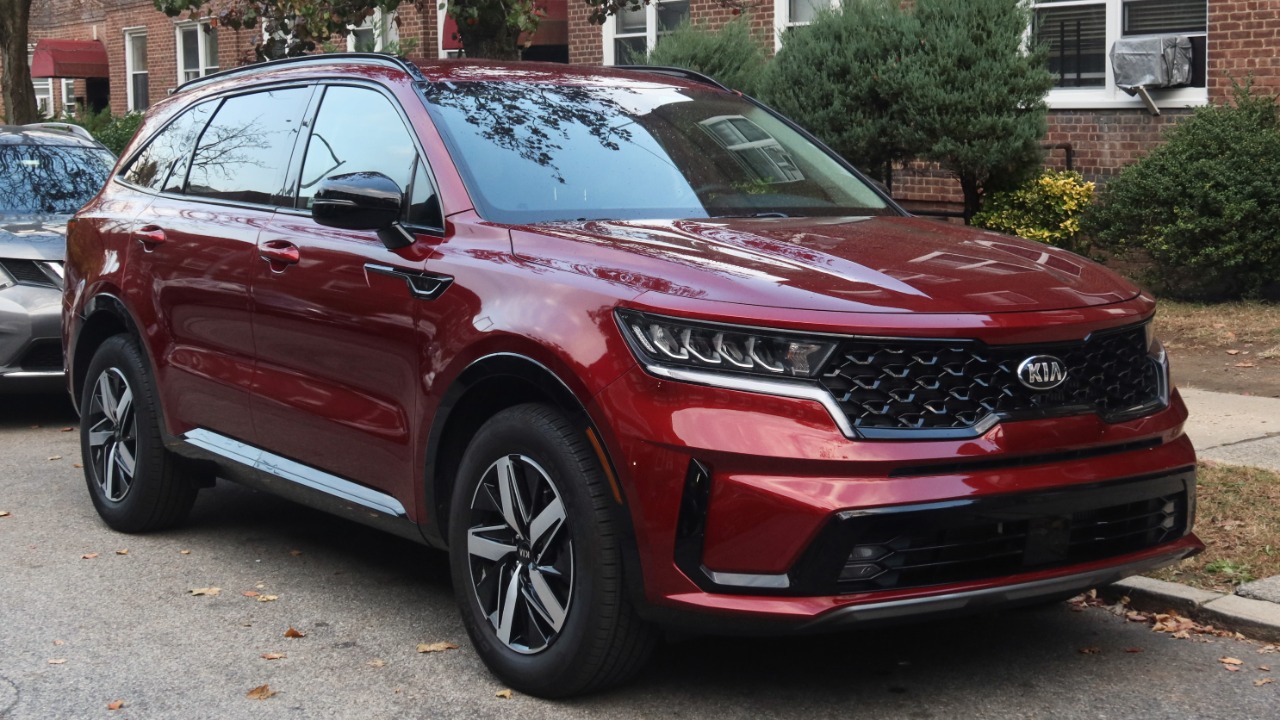
The largest turbo-hybrid in Kia’s lineup carries three rows on the same 1.6-liter assisted powertrain used in smaller crossovers, which is why the Sorento midsize SUV posts economy figures closer to a compact than to a traditional seven-seater. A plug-in variant adds all-wheel drive and a battery large enough for most commutes. Both keep a real automatic transmission rather than a continuously variable unit.
Shoppers cross-shopping minivans and body-on-frame SUVs get usable third-row seating without the fuel bill those alternatives carry. Loading all seats and cargo does blunt the advantage, as extra weight forces the engine to work through more of every trip.
More from Morning Overview
