
Electric vehicles promise savings at the pump, yet many quietly drain their owners’ wealth long before the odometer climbs. Fresh 2026 depreciation figures reveal battery-powered models that lose more than 60% of their original sticker price within just five years of ownership. These eight EVs top the list.
1. Nissan Leaf: The steepest fall of all
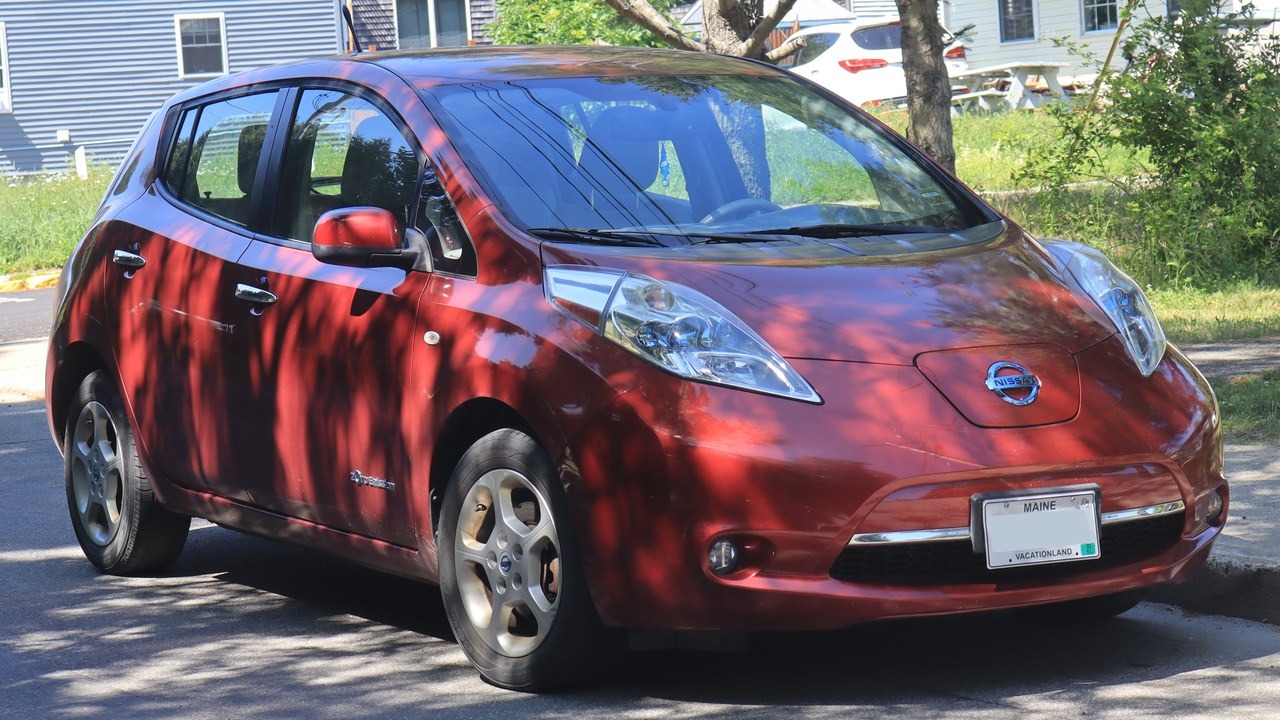
Few cars punish resale value like the Nissan Leaf, which surrenders a staggering 62.9% of its price over five years. That figure, drawn from recent depreciation research, ranks it dead last among electric vehicles for holding money.
Aging battery technology and limited driving range explain much of the collapse. Early Leaf models relied on air-cooled packs that degrade far faster than liquid-cooled rivals, spooking used buyers who fear a costly replacement down the road. Newer, longer-range electrics have also made the compact hatchback look dated. Bargain hunters chasing a cheap commuter benefit, yet original owners absorb one of the harshest financial hits in the entire EV market.
2. Tesla Model X: Falcon doors, plunging value
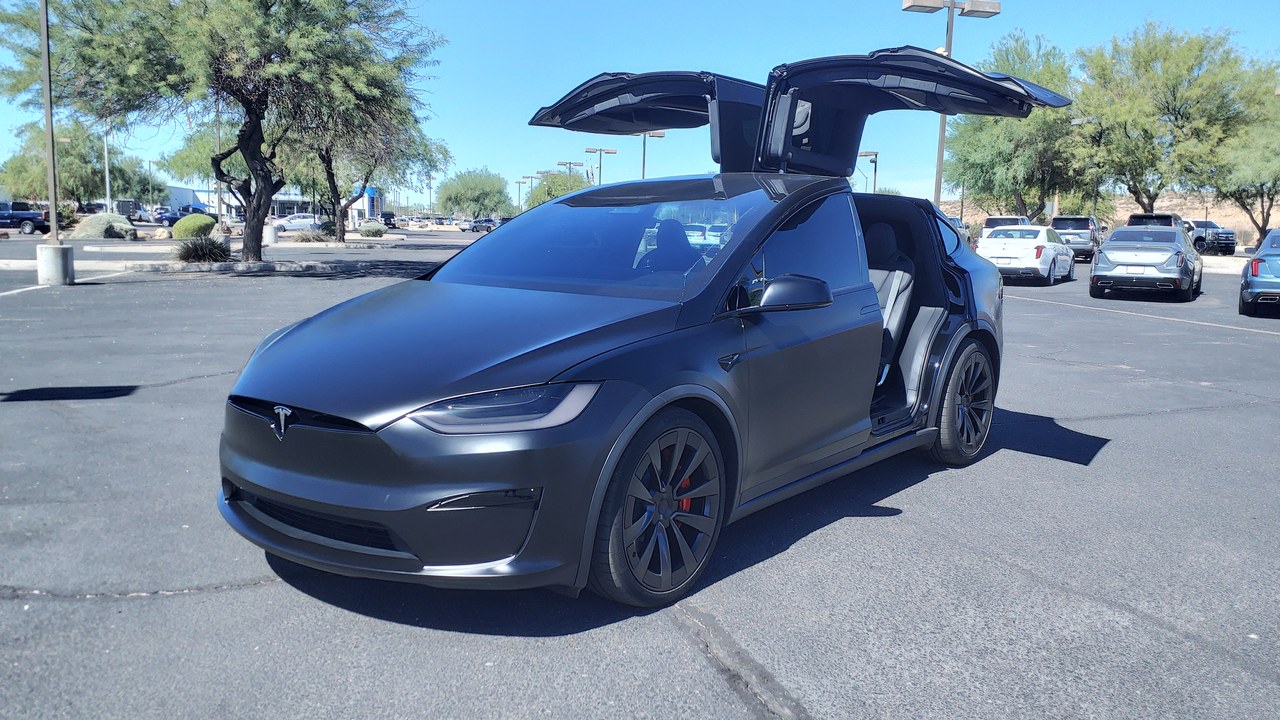
Tesla’s flagship SUV commands attention with its dramatic falcon-wing doors, yet the Model X falls well past 60% over five years according to the same value study.
Frequent price cuts on brand-new Teslas quietly gut used values, since a fresh Model X often costs far less than one purchased only a few years earlier. Complex mechanicals and pricey out-of-warranty repairs add further caution for secondhand shoppers weighing the risk. Depreciation this steep turns an aspirational purchase into a fast-shrinking asset, leaving a luxury EV that bleeds money despite its famously loyal following and cutting-edge reputation.
3. Porsche Taycan: A premium badge cannot save it
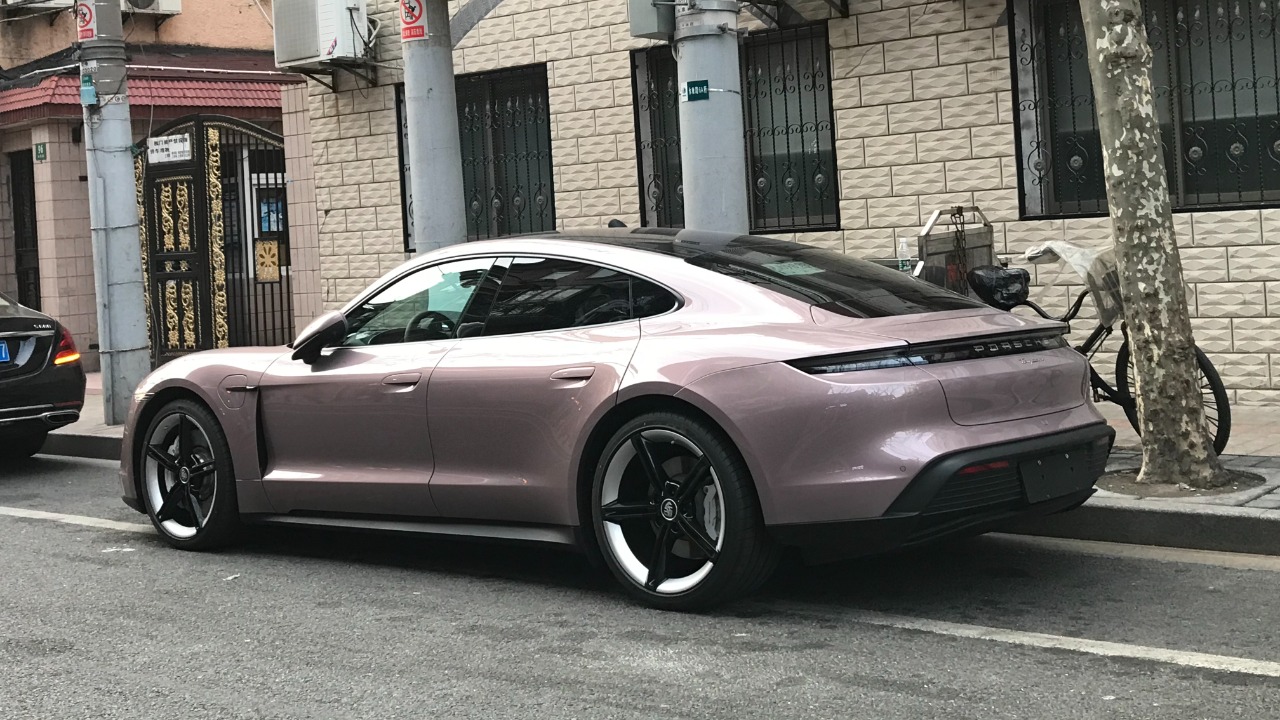
The Porsche Taycan pairs a towering original sticker with a brutal five-year drop, a pattern documented in a retention analysis of luxury electrics.
High-performance EVs age awkwardly as newer models pile on range and features, leaving early Taycans looking dated within a couple of seasons. Wealthy buyers who lease often sidestep the pain, but anyone who purchased outright watches tens of thousands of dollars simply evaporate. Concerns about battery longevity and expensive specialist servicing further cool used demand. The badge signals genuine prestige, yet it does remarkably little to shield the owner’s balance sheet.
4. Audi e-tron: An early bet that aged poorly
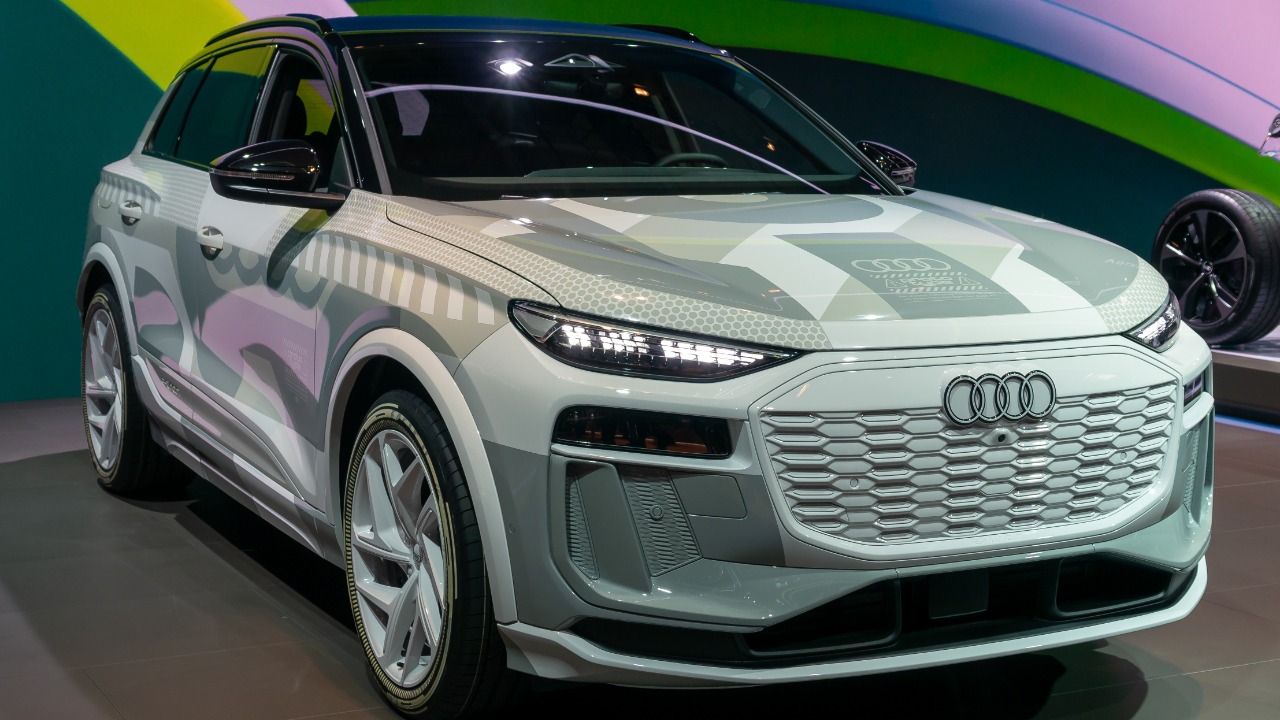
As one of the first luxury electric SUVs, the Audi e-tron took an especially hard resale beating, a trend confirmed by industry retention data.
Modest range figures from its debut generation look thin against newer competitors, dragging used demand sharply downward. Rapid technological progress means early adopters paid a steep premium for hardware that quickly felt outdated, and a mid-cycle rename only muddied its identity further. Secondhand buyers now find genuine bargains on well-equipped examples, while first owners shoulder a painful lesson in early-EV economics and the risk of buying into unproven technology too soon.
5. Jaguar I-Pace: Sluggish sales, sinking prices

Jaguar’s ambitious I-Pace won early critical praise, yet weak showroom demand fed steep depreciation, as chronicled in its production history.
Reliability worries and a sparse dealer service network scared away cautious used shoppers, softening resale prices even further. With Jaguar now pivoting its entire lineup toward a bold new electric future, the I-Pace risks feeling like an orphaned experiment that few will want to maintain. Slow production and limited overall sales left the model without the broad support base that props up resale value. That uncertainty compounds the losses, pushing five-year value declines well beyond the 60% threshold.
6. Chevrolet Bolt EV: Cheap to buy, quick to fade
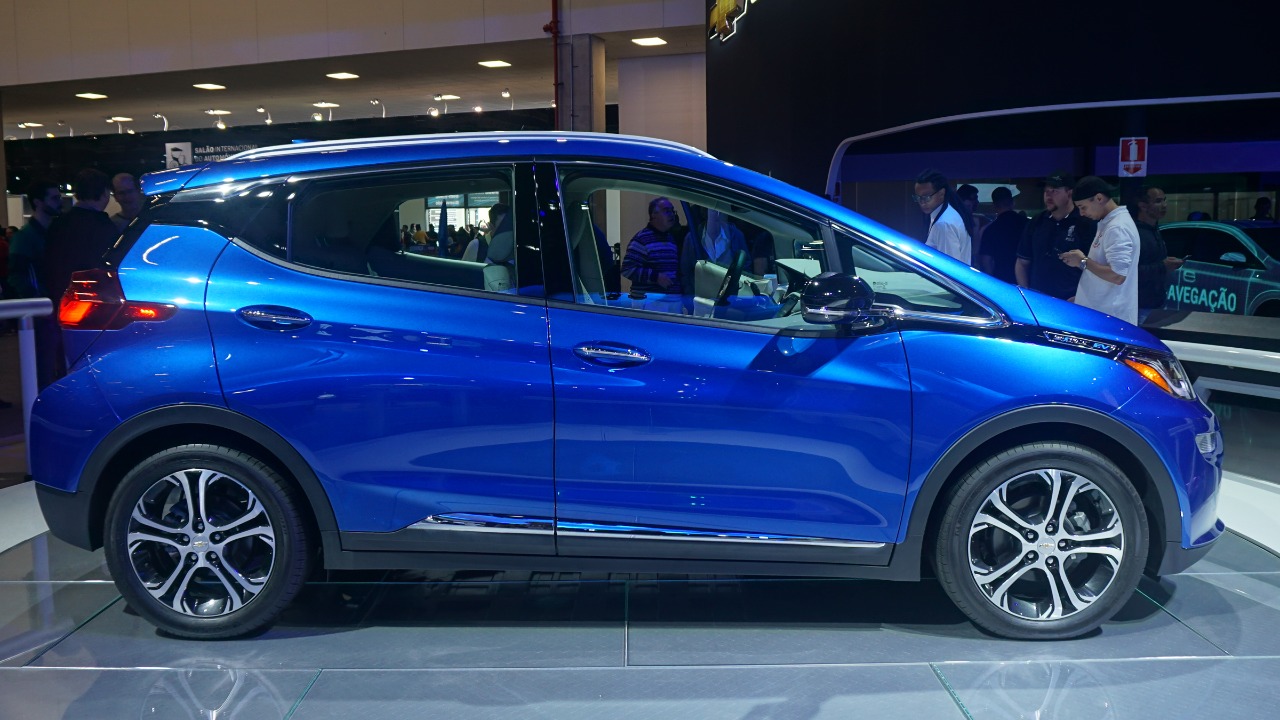
The Chevrolet Bolt EV launched as an affordable everyday electric, but its value fades quickly, a story tracked through the model’s timeline.
A high-profile battery recall dented buyer confidence and lingered in the used market for years afterward, coloring perceptions long after the fix. A modest starting price also leaves little cushion, so even a moderate dollar drop translates into a punishing percentage loss on paper. General Motors briefly halting the nameplate added further doubt about long-term parts and support. Practical and efficient the Bolt may be, yet it rarely rewards its owners when trade-in time finally arrives.
7. Hyundai Kona Electric: Small size, large losses

Hyundai’s compact Kona Electric offers tidy dimensions and solid real-world range, yet it sheds a large share of its value, a pattern reflected in its model overview.
A crowded and fast-expanding field of newer subcompact electrics keeps pulling demand away from earlier examples on the used lot. Battery recalls on certain model years further eroded trust among the cautious secondhand buyers who might otherwise bargain-hunt. Affordable pricing when new also means a smaller cushion against percentage losses. The Kona remains a genuinely capable little runabout, but its owners quickly discover that small cars can carry surprisingly heavy depreciation.
8. Mercedes-Benz EQS: Flagship luxury, faster losses
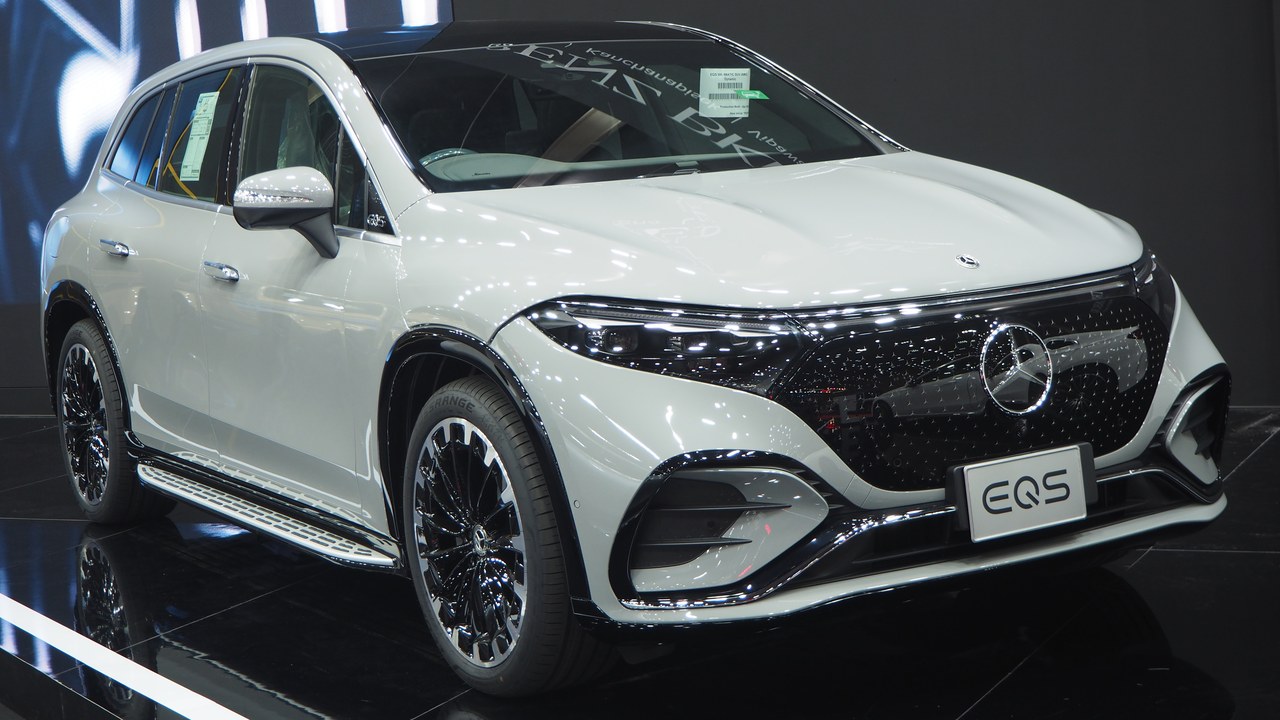
The Mercedes-Benz EQS aims to be the electric S-Class, yet the flagship depreciates faster than its gas-powered rivals, a reality visible in the sedan overview.
Sky-high original pricing gives the EQS a very long way to fall, and luxury EV buyers tend to chase the newest available technology rather than settle for last year’s design. Rapid feature turnover leaves earlier examples looking behind the curve within just a couple of years on the road. Soft demand for large electric sedans compounds the slide as buyers gravitate toward SUVs. For all its opulence and refinement, the EQS ranks among the fastest-shrinking assets on four wheels.
More from Morning Overview
- A Colorado wildfire forced level-three ‘leave now’ orders across Ouray County
- A skeleton beneath Petra’s Treasury was found clutching a chalice that resembles the Holy Grail
- 8 SUVs mechanics are quietly steering buyers away from in 2026
- Researchers pulled 8,080 pounds of invasive python from one Florida county
