
Charging speed has become one of the biggest selling points for electric SUVs, separating models that top up in minutes from those that linger nearly an hour. Many of the fastest chargers rely on 800-volt electrical architecture, a design borrowed from motorsport that pushes far more power through the battery at once. These 8 electric SUVs post some of the quickest charging times on sale in 2026.
1. Hyundai Ioniq 5: An 800-volt system adds big range in about 18 minutes
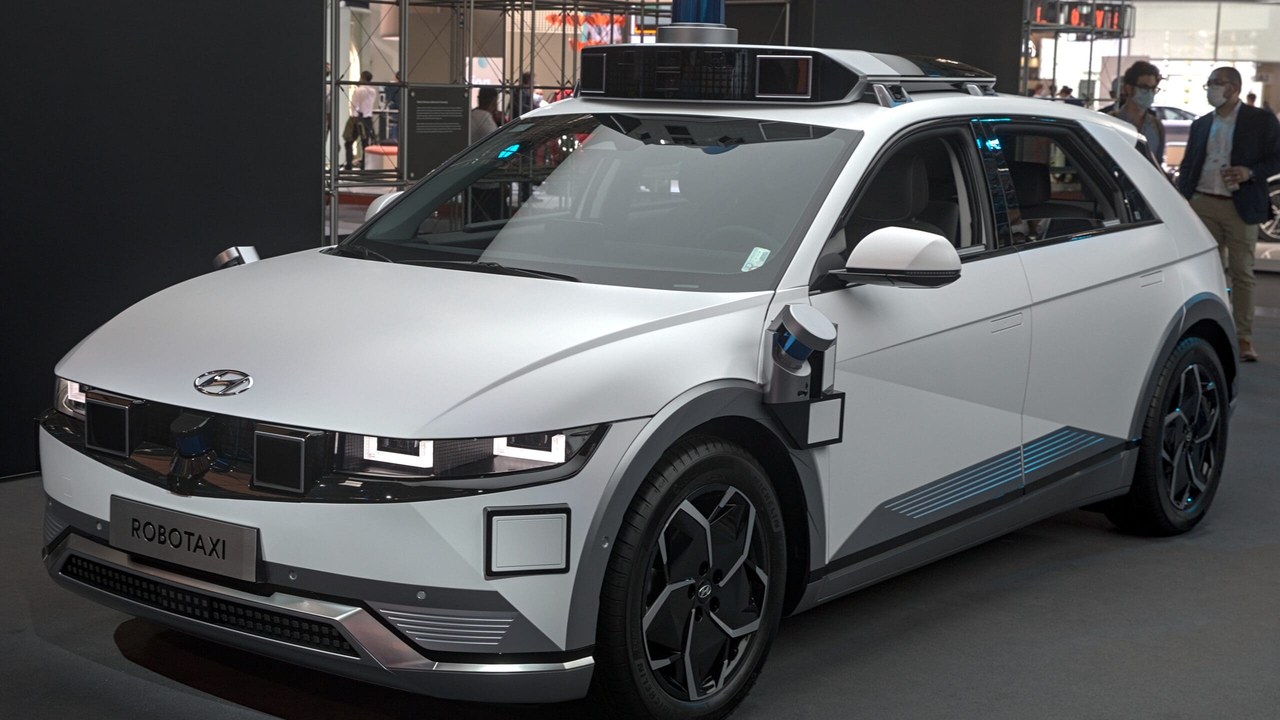
The Hyundai Ioniq 5 was among the first mainstream electric SUVs built on 800-volt architecture, letting it accept far more charging current than most rivals. On a capable 350-kW DC fast charger, the battery can climb from a low charge to 80 percent in roughly 18 minutes, turning a highway stop into little more than a coffee break, as Car and Driver has noted.
That speed comes alongside strong efficiency and bidirectional charging, which lets owners run appliances or top off another vehicle. The combination of quick refills and flexible power has kept the Ioniq 5 near the top of charging comparisons since it launched.
2. Kia EV9: A three-row EV with rapid 800-volt charging
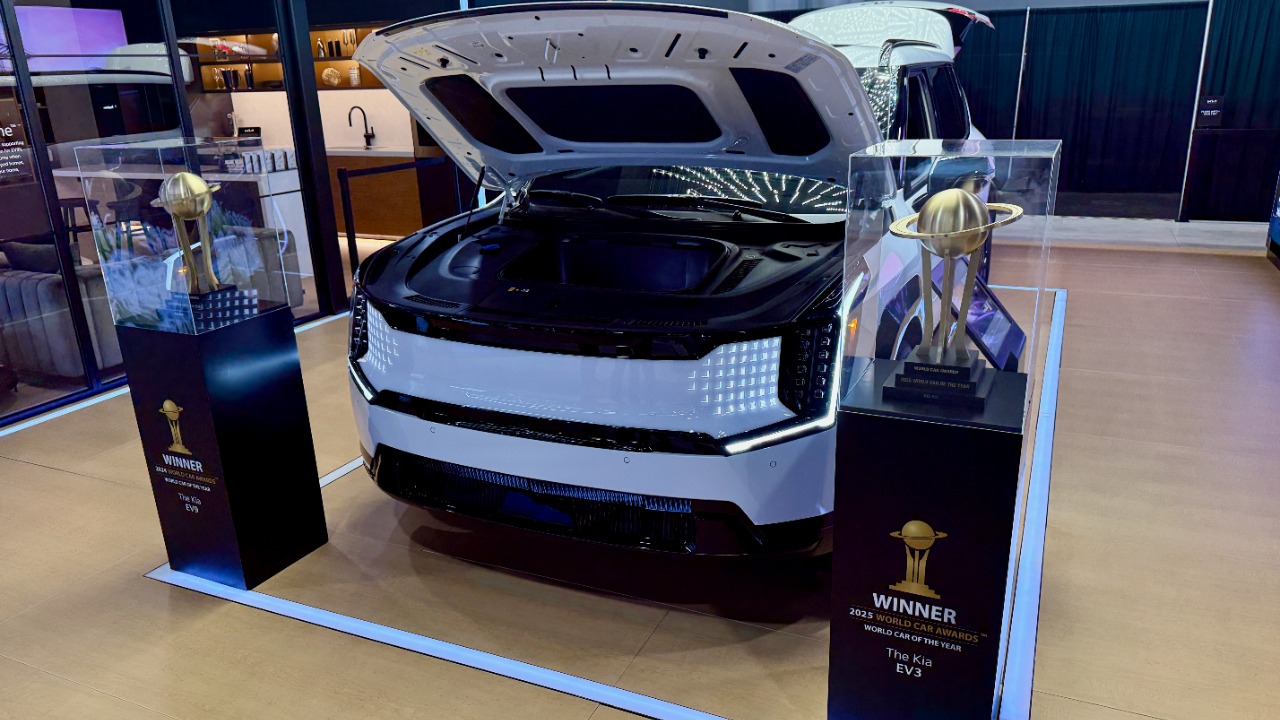
The Kia EV9 proves that a three-row electric SUV does not have to be slow to refuel. Built on Hyundai Motor Group’s shared 800-volt platform, it can add roughly 100 miles of range in about six minutes on a powerful enough DC fast charger, a pace that rivals the group’s smaller EVs despite the EV9’s larger battery and extra seating. Car and Driver has praised how that speed offsets the compromises that usually come with three rows of seats.
For families who need space but hate long charging stops, that combination is a rare win. Sharing hardware with cheaper Hyundai and Kia models also keeps repair and charging infrastructure widely compatible, a practical bonus for a vehicle built around road trips.
3. Genesis GV60: A luxury EV sharing Hyundai's fast-charge platform
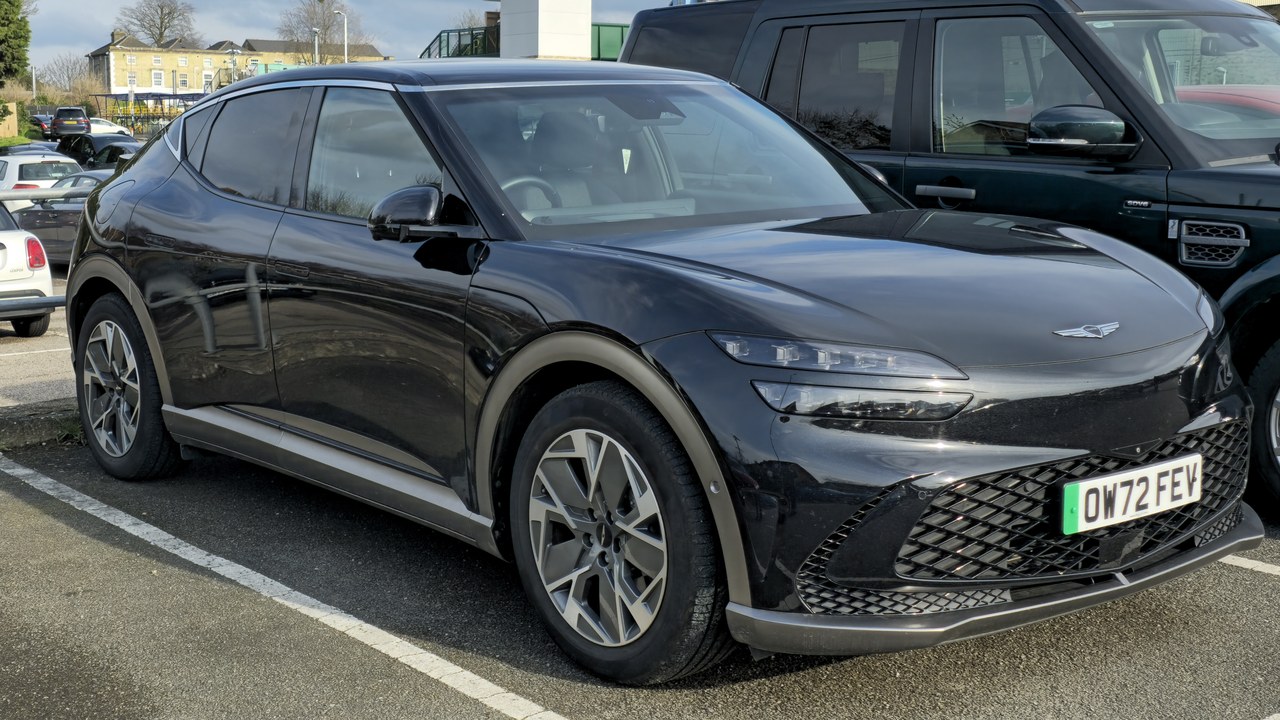
The Genesis GV60 shares its underpinnings with the Hyundai Ioniq 5 and Kia EV6, which means it inherits the same 800-volt charging architecture wrapped in a more upscale package. On a high-power DC charger, the compact luxury SUV can move from a low state of charge to 80 percent in around 18 minutes, a pace few premium electric SUVs from European brands can match. Car and Driver has noted that the GV60 pairs that speed with a genuinely upscale cabin.
That platform sharing gives buyers a rare combination of fast-charging convenience and distinctive design language. Reviewers have consistently pointed to the GV60 as evidence that luxury and quick charging are no longer mutually exclusive in the segment.
4. Porsche Macan Electric: An 800-volt SUV that gulps electrons quickly
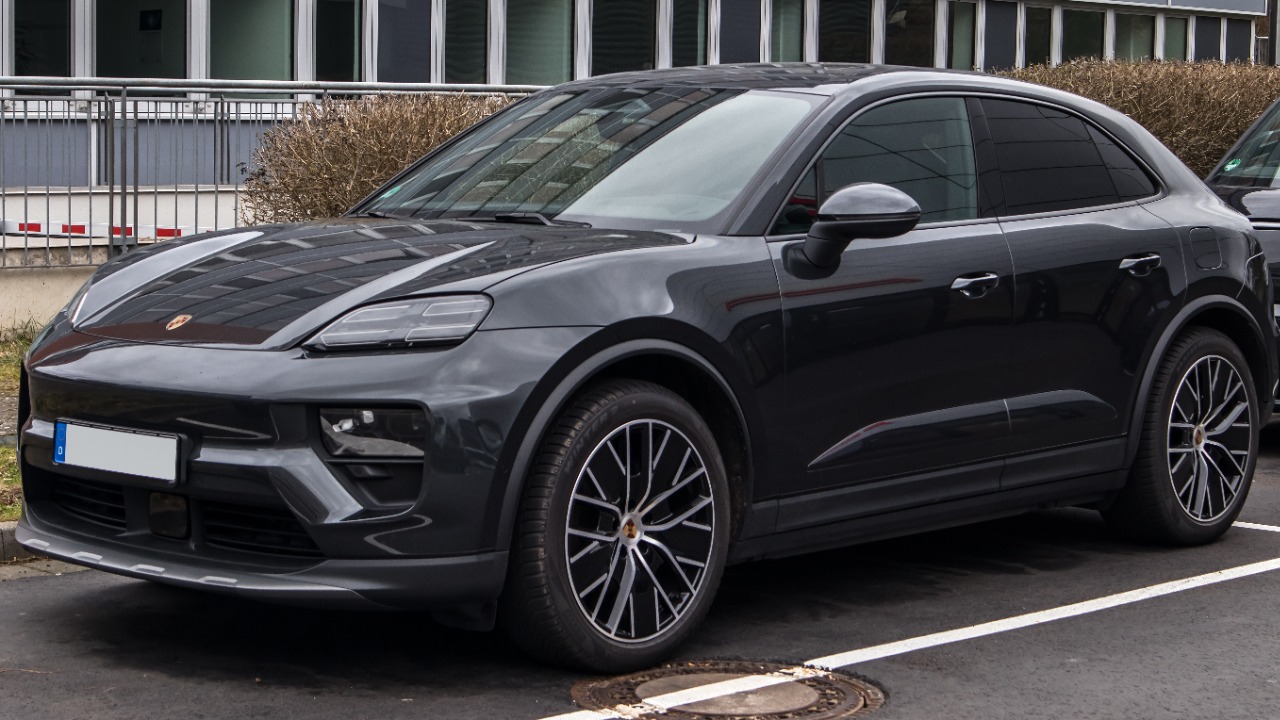
Porsche built the second-generation Macan around an 800-volt electrical system from the outset, giving the compact luxury SUV some of the highest peak charging rates in its class. On a suitable DC fast charger, the battery can recover a meaningful chunk of range in well under 20 minutes, a figure Car and Driver has highlighted as class-leading for a mainstream luxury EV. That speed matters for a brand whose buyers are used to quick fill-ups at the pump.
The Macan Electric also carries Porsche’s performance reputation into the charging stall, with software that manages battery temperature to sustain high charge rates longer than many rivals. For owners planning road trips, that consistency can matter more than a single headline peak number.
5. Kia EV6: A sporty crossover that charges in a coffee break

The Kia EV6 was one of the earliest affordable EVs to bring 800-volt fast charging to a mainstream price point, and it remains one of the quickest-charging crossovers available in 2026. On a powerful enough DC fast charger, the battery can add substantial range in about 18 minutes, a figure documented on the government’s fueleconomy.gov listing for the model. That speed turns a routine highway stop into barely more than a bathroom break.
Kia has kept the EV6 competitive against newer rivals by pairing that charge speed with strong efficiency and a spacious cabin for its size. The result is a crossover that costs less than many 800-volt competitors while matching much of their charging convenience.
6. Audi Q6 e-tron: A premium EV built for rapid DC charging
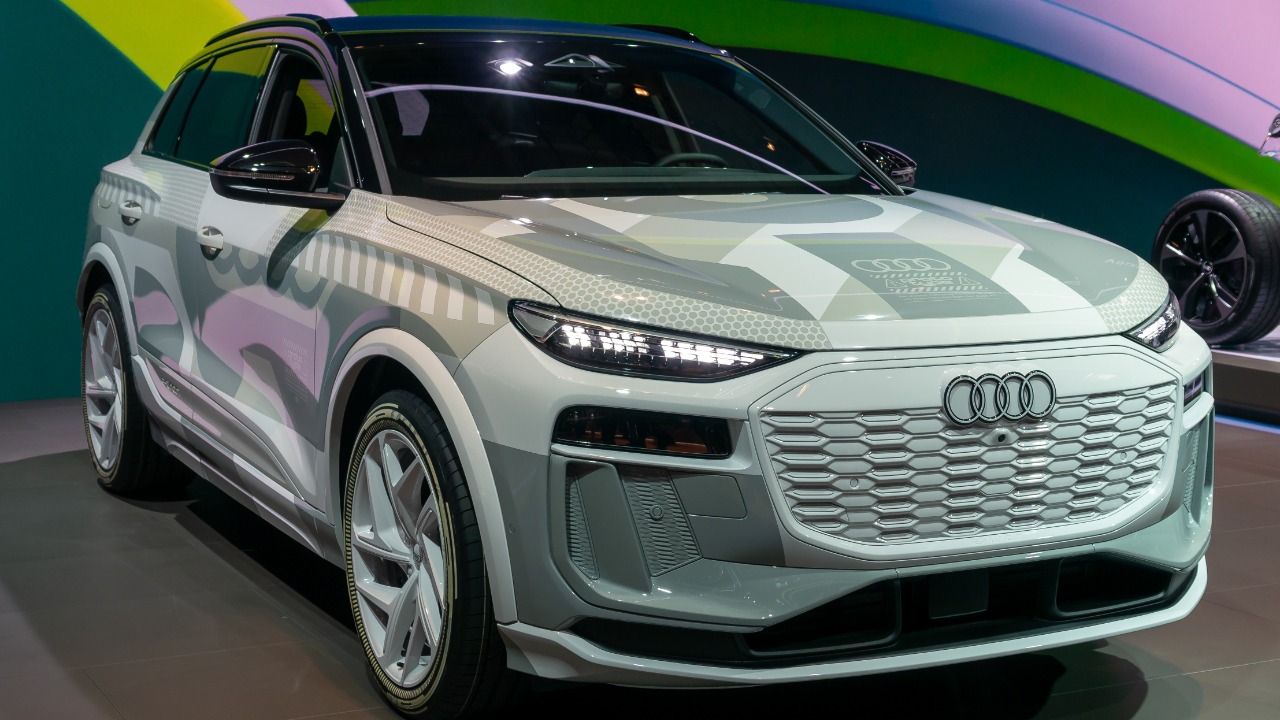
Audi engineered the Q6 e-tron around the same Premium Platform Electric architecture it shares with Porsche, giving the SUV genuine 800-volt charging speed rather than a marketing label. On a compatible high-power charger, the battery can climb from a low charge to 80 percent in around 21 minutes, a pace Car and Driver has called competitive with the fastest EVs on sale. That capability lets the Q6 e-tron keep pace on long trips despite its size.
That charging performance comes alongside Audi’s typical fit and finish, giving buyers a premium alternative to Tesla and Porsche without sacrificing road-trip practicality. Owners can plan longer routes with fewer stops, a meaningful shift for a segment once defined by range anxiety.
7. Chevrolet Blazer EV: GM's Ultium SUV with strong peak charge rates
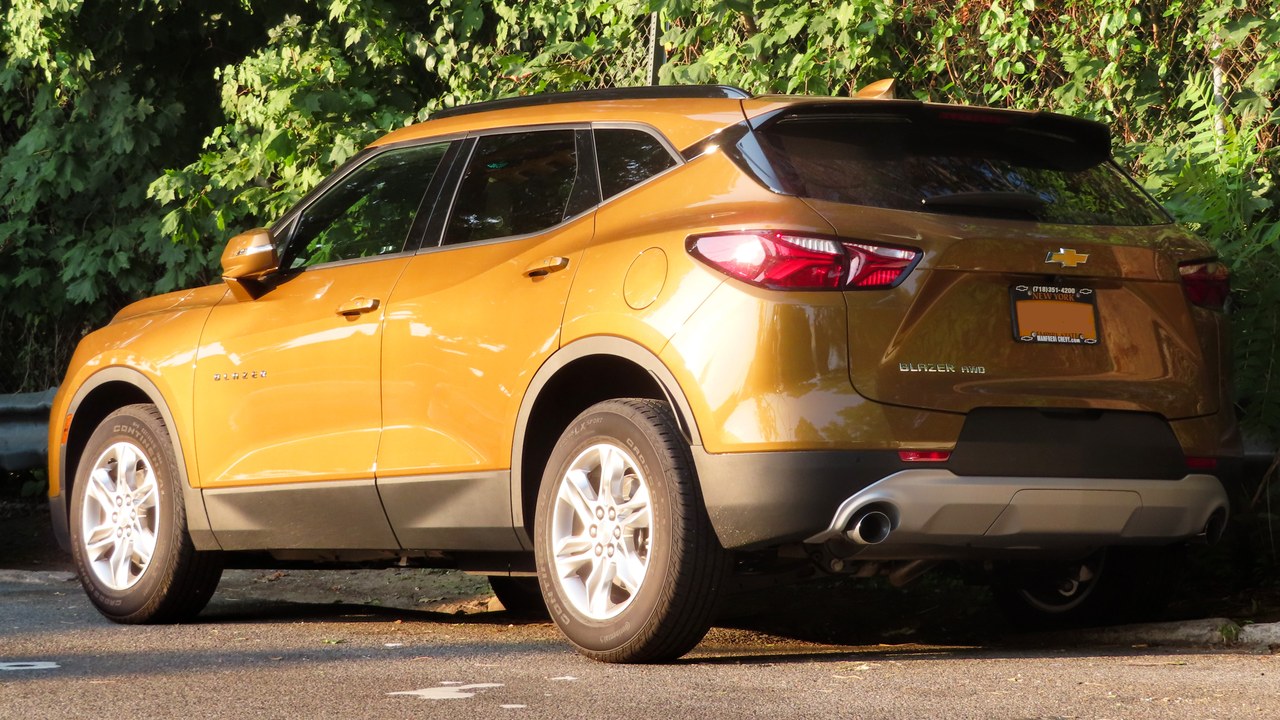
The Chevrolet Blazer EV rides on General Motors’ Ultium platform, which was designed to support strong peak charging rates even though it runs a more conventional 400-volt-class system than some import rivals. On the right DC fast charger, the SUV can add a meaningful stretch of range in a short stop, a figure Car and Driver has measured favorably against other mainstream American EVs. That performance helps the Blazer EV compete on road-trip usability, not just sticker price.
GM has leaned on that Ultium flexibility across several models, and the Blazer EV benefits from ongoing software updates that have improved charging curves since launch. For shoppers comparing domestic and import EVs, that steady improvement has narrowed the gap in real-world charging speed.
8. Hyundai Ioniq 9: A big electric SUV riding the 800-volt platform
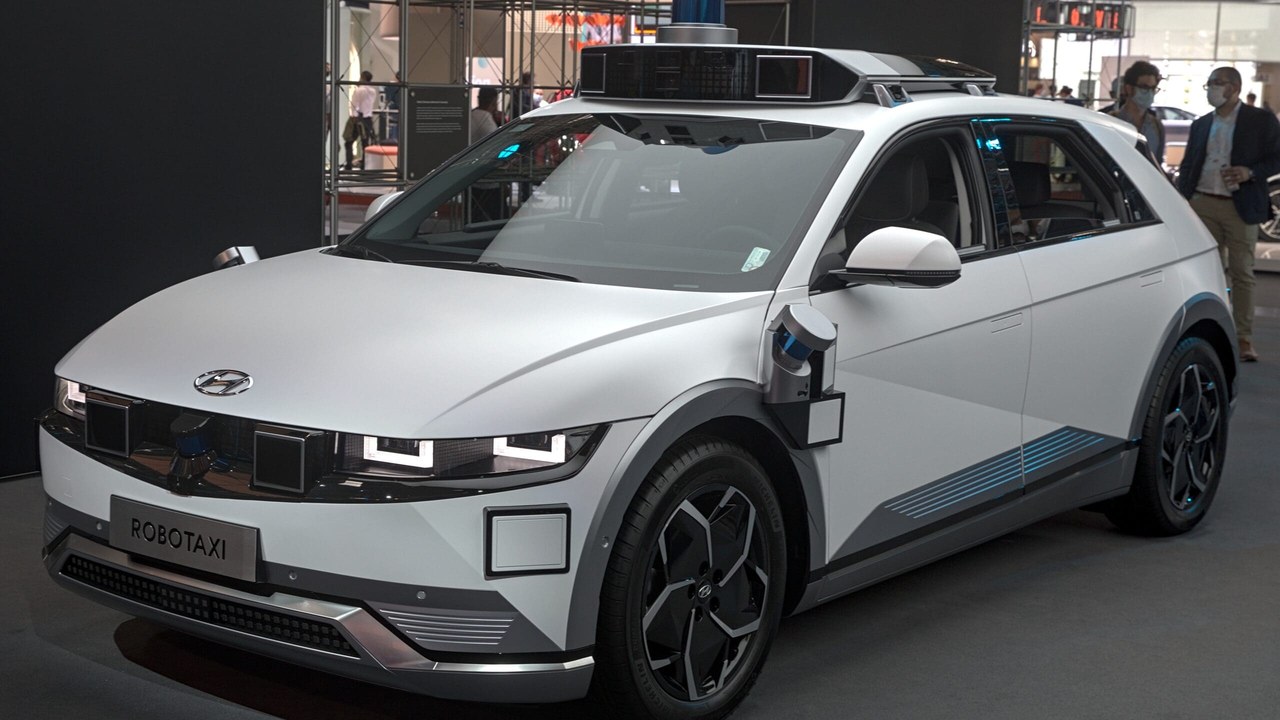
The Hyundai Ioniq 9 extends the automaker’s 800-volt fast-charging architecture to a full-size, three-row electric SUV, a rare combination of interior space and quick refueling. According to the model’s Wikipedia entry, the platform allows the large SUV to recharge a substantial share of its battery in a similarly short window to its smaller Ioniq siblings, despite carrying a much bigger pack. That capability addresses one of the biggest objections to large electric SUVs.
For families cross-shopping three-row SUVs, that speed removes much of the hesitation around long trips with a fully loaded cabin. Sharing hardware with smaller, already-proven Hyundai EVs also gives buyers confidence that the charging technology is mature rather than unproven.
More from Morning Overview
