
Sticker prices for electric SUVs have spread out enough that shoppers can now choose between a budget crossover and a three-row family hauler without leaving the EV aisle. Starting prices swing from the low thirties to the mid seventies depending on range, badge and cargo space, and a name-brand no longer guarantees the cheapest sticker. Here are eight electric SUVs that show how wide that price ladder has become.
1. Chevrolet Equinox EV: The Low-Cost Entry Point
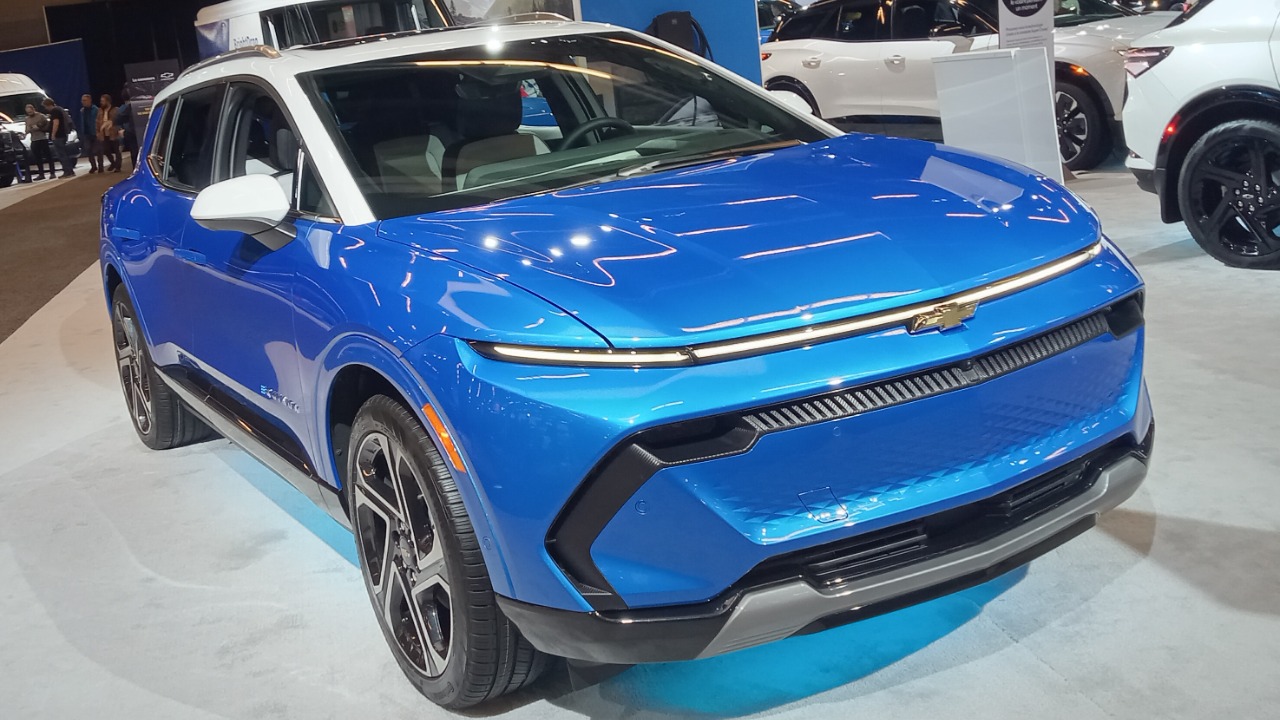
Chevrolet positions the Equinox EV as the value play in this segment, with a base sticker in the low $30,000s before any federal or state incentive is applied, undercutting most competing electric SUVs by a wide margin on paper and putting it within striking distance of a comparable gas-powered compact crossover.
That price puts a full electric crossover within reach of shoppers who might otherwise settle for a gas-powered model instead, though buyers moving up from the base trim toward extra range, all-wheel drive or nicer trim packages will watch the total climb quickly toward the next tier on this list, narrowing the gap that made the base price attractive in the first place.
2. Hyundai Ioniq 5: Charging Speed As The Selling Point

Hyundai built the Ioniq 5 around an 800-volt electrical architecture that lets it accept a high-speed public charge far quicker than most rivals on this list, and the SUV starts in the low $40,000s before options or destination fees are added to the total.
For a driver who road-trips often or lacks reliable charging at home, that architecture advantage can matter more than a slightly lower base price found elsewhere on this list, since less time tethered to a public plug generally translates into more time actually spent moving toward wherever the trip is headed next.
3. Kia EV6: The Sportier Sibling
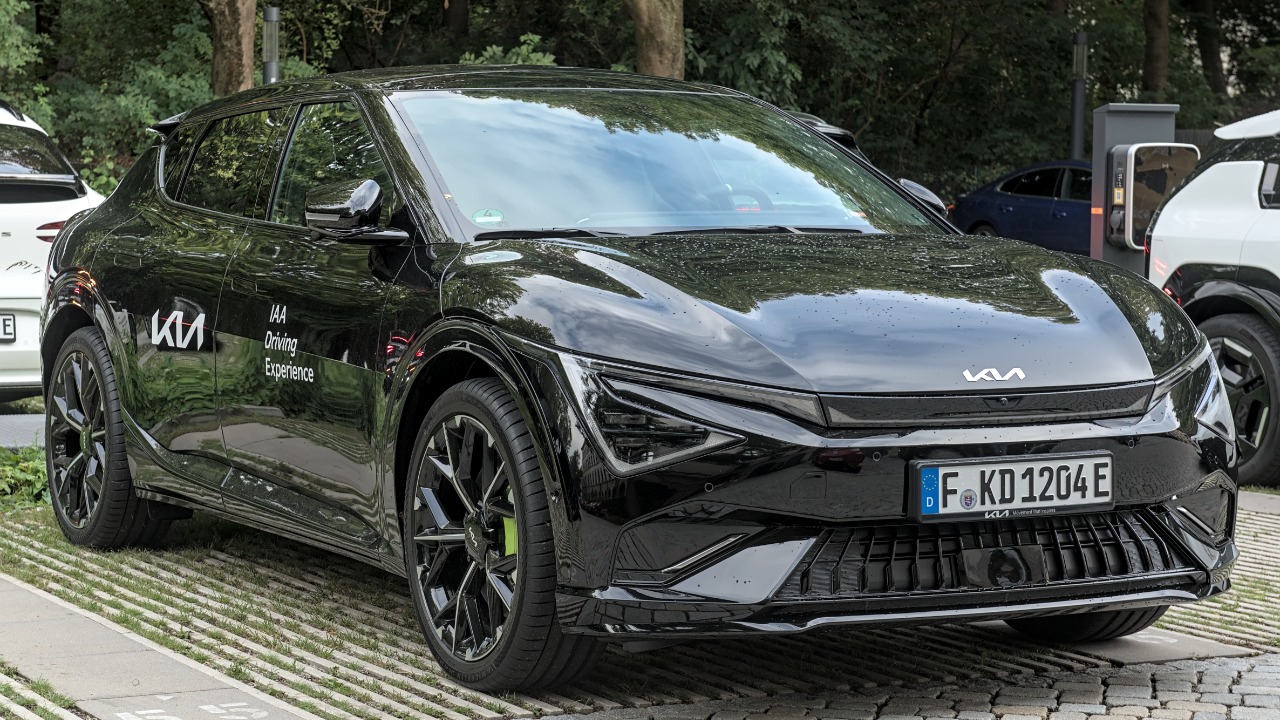
Built on the same underpinnings as the Ioniq 5, the Kia EV6 shares its cousin’s fast-charging hardware while wrapping it in a lower, more coupe-like body, and it starts in a similar low-$40,000s range before any incentives are applied at the dealership.
Shoppers cross-shopping the two Korean SUVs are really choosing between styling and interior priorities rather than fundamentally different underlying technology, since the mechanical case for either one is nearly identical once the trims, options sheets and available range figures are compared side by side at a dealer lot, leaving badge preference and cabin layout to settle most buying decisions.
4. Ford Mustang Mach-E: Ford’s Performance-Flavored Crossover
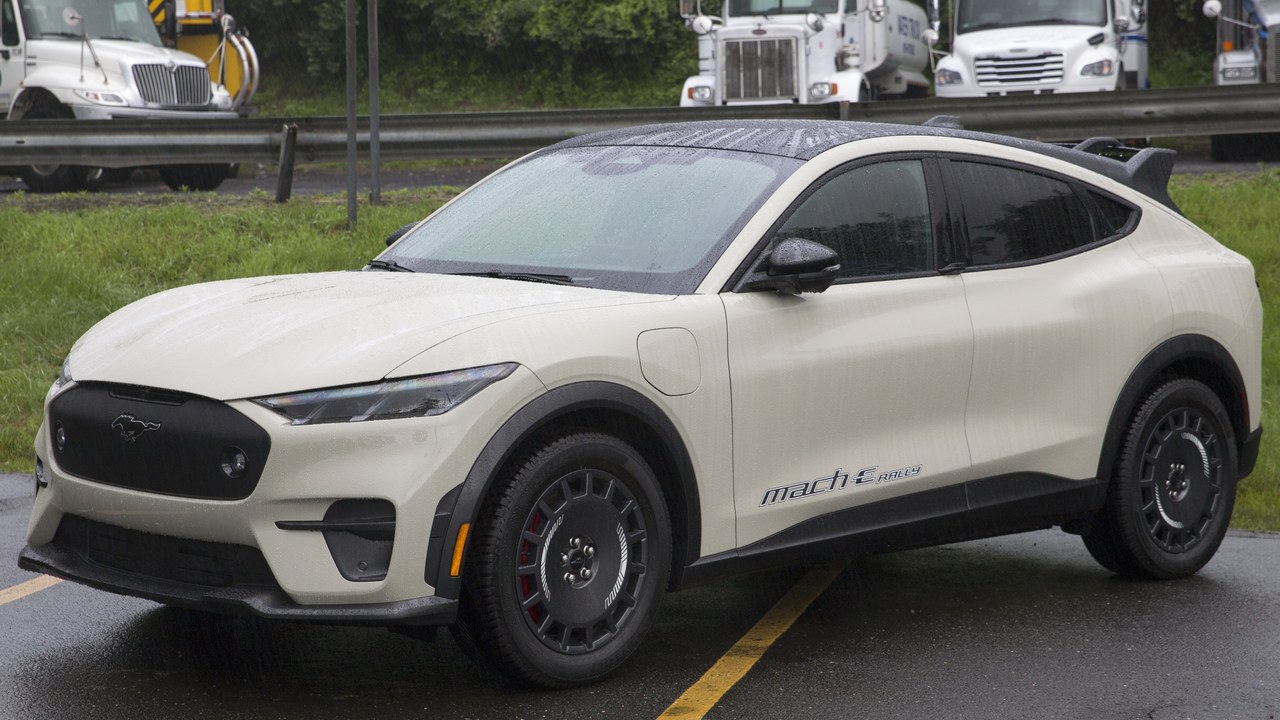
Ford borrowed a storied performance badge for the Mustang Mach-E, a crossover that starts in the high $30,000s and lands roughly in the middle of the price spread covered across this whole list of eight electric SUVs.
The name signals sportier intent than most family SUVs project, and Ford has leaned on that positioning to separate the Mach-E from the more utilitarian electric crossovers that traditional automakers build for essentially the same buyers, betting that heritage and driving character can justify a price that sits above the cheapest entries here without reaching the luxury tier further up this list.
5. Tesla Model Y: The Volume Leader
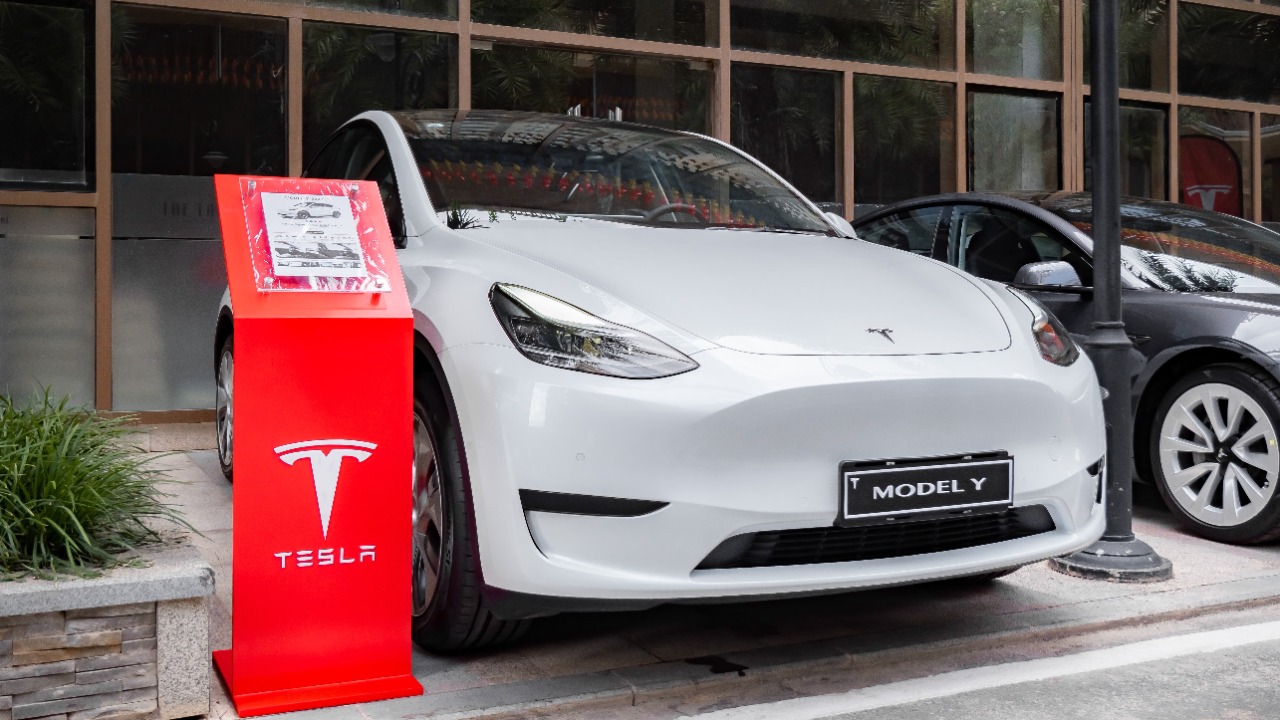
No electric SUV sells in higher volume worldwide than the Model Y, which starts in the mid $40,000s and benefits from Tesla’s own dedicated fast-charging network spread across the country.
That sales scale gives owners an unusually dense public charging map and a deep resale market to lean on when the time comes to trade in, two practical advantages that a newer or lower-volume competitor further down this list has not yet had the years or unit sales on the road to build up, regardless of how its sticker price compares.
6. Cadillac Lyriq: Cadillac’s Move Upmarket
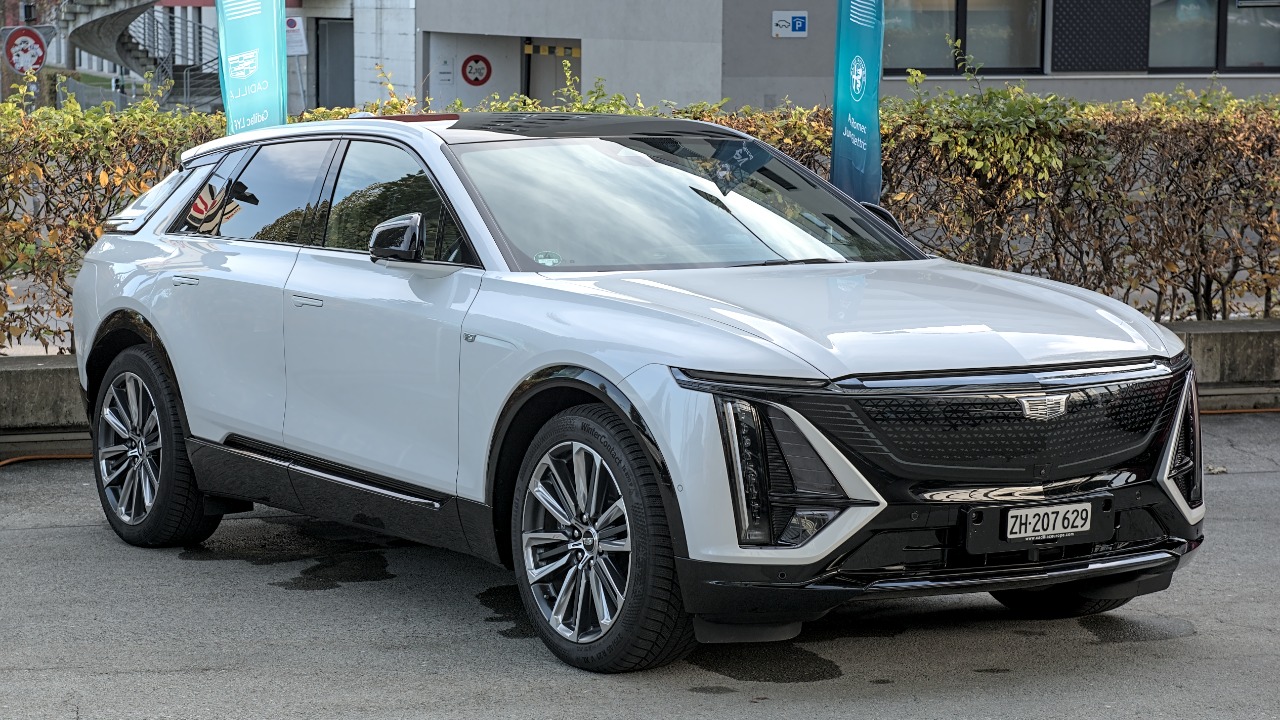
Cadillac priced the Cadillac Lyriq to compete with luxury gas SUVs rather than mainstream electric crossovers, starting near $60,000 before any options, packages or destination charges are added to the final build sheet.
That positioning trades away the lowest possible entry price for a more upscale cabin, quieter ride and prestige badge, a tradeoff aimed squarely at buyers who are already cross-shopping German and Japanese luxury nameplates rather than the budget-minded electric-SUV shoppers considering the cheaper entries earlier on this list, where badge prestige matters far less than the bottom-line sticker.
7. Kia EV9: Room For A Third Row
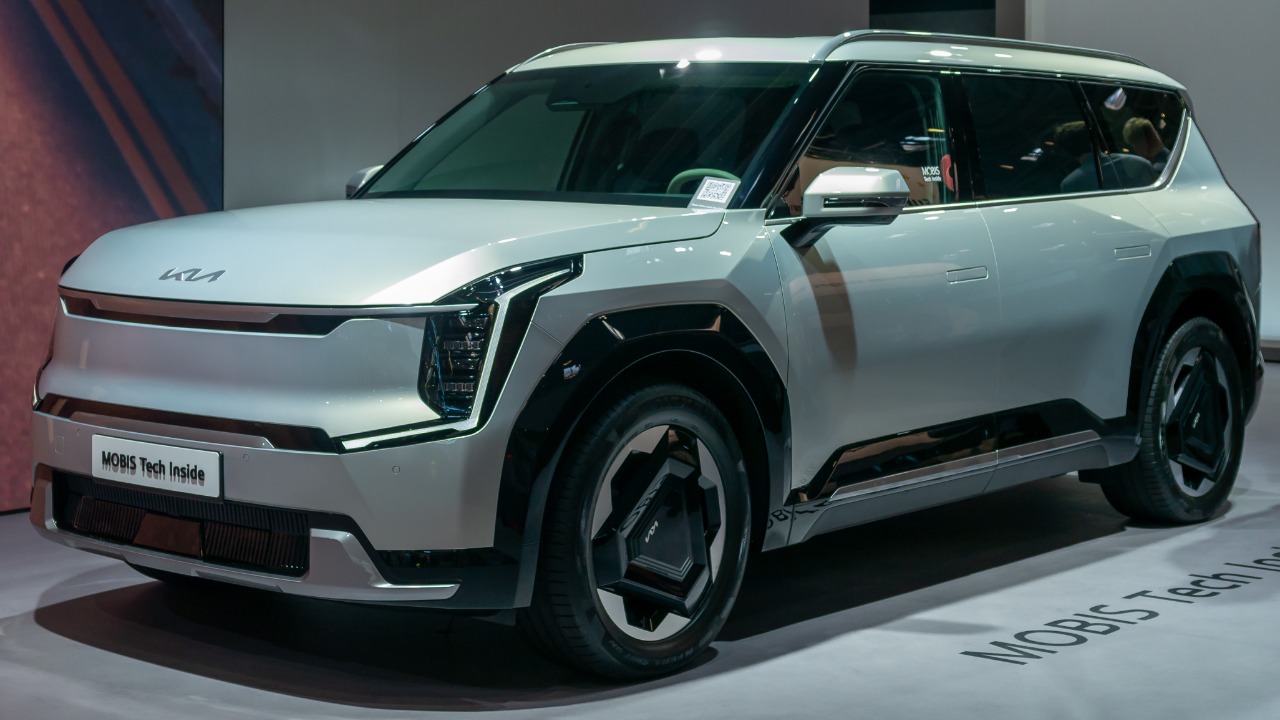
Kia built the Kia EV9 to answer families who need genuine three-row seating in an electric vehicle, and it starts in the mid $50,000s before any packages, tow hardware or upgraded trims are added.
Few electric SUVs on the market currently offer usable third-row space for adults, so the EV9 fills a real gap for larger households that would otherwise have to default to a gas-powered three-row model simply because no electric alternative fit everyone comfortably, making it a rare option for buyers who cannot compromise on seating count. That scarcity alone can outweigh a higher starting price for a family that has been searching without luck.
8. Rivian R1S: Built For Off-Pavement Use
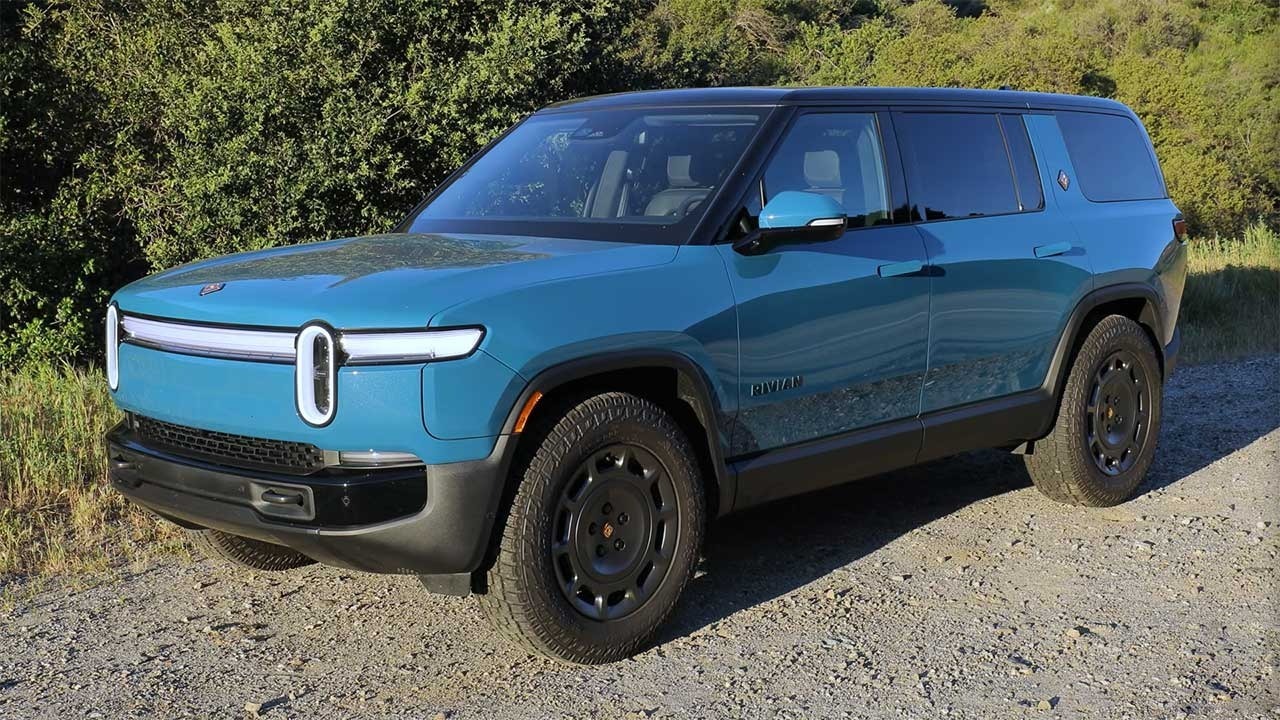
Rivian positioned the Rivian R1S as an adventure-ready SUV rather than a commuter crossover, and that off-road capability pushes its starting price into the mid $70,000s, the highest of any vehicle on this list.
It sits at the top of this price ladder because Rivian charges for off-road hardware, towing capability and adjustable ride height that the cheaper entries earlier on this list were never engineered or intended to offer buyers who mostly stick to paved roads, a specialization that narrows its audience even as it widens the vehicle’s capability. Buyers drawn to that capability tend to accept the higher cost as the price of true trail readiness.
More from Morning Overview
- Consumer Reports names the 2026 models it expects to break down the most
- Supplements now rank as the fifth-leading cause of death from liver disease.
- The NSA is again telling phone owners to switch off one location setting
- Four U.S. startups fired up their first small nuclear reactors, aiming to power AI data centers on-site
