
Steel made mass-produced cars practical, but it also gave water and road salt a patient way to eat through bodywork. Fiberglass offered designers corrosion-resistant outer panels and much greater freedom to form low-volume shapes. These cars show how differently manufacturers used that material, from American icons to featherweight British specialists.
1. Chevrolet Corvette: An American Composite Constant
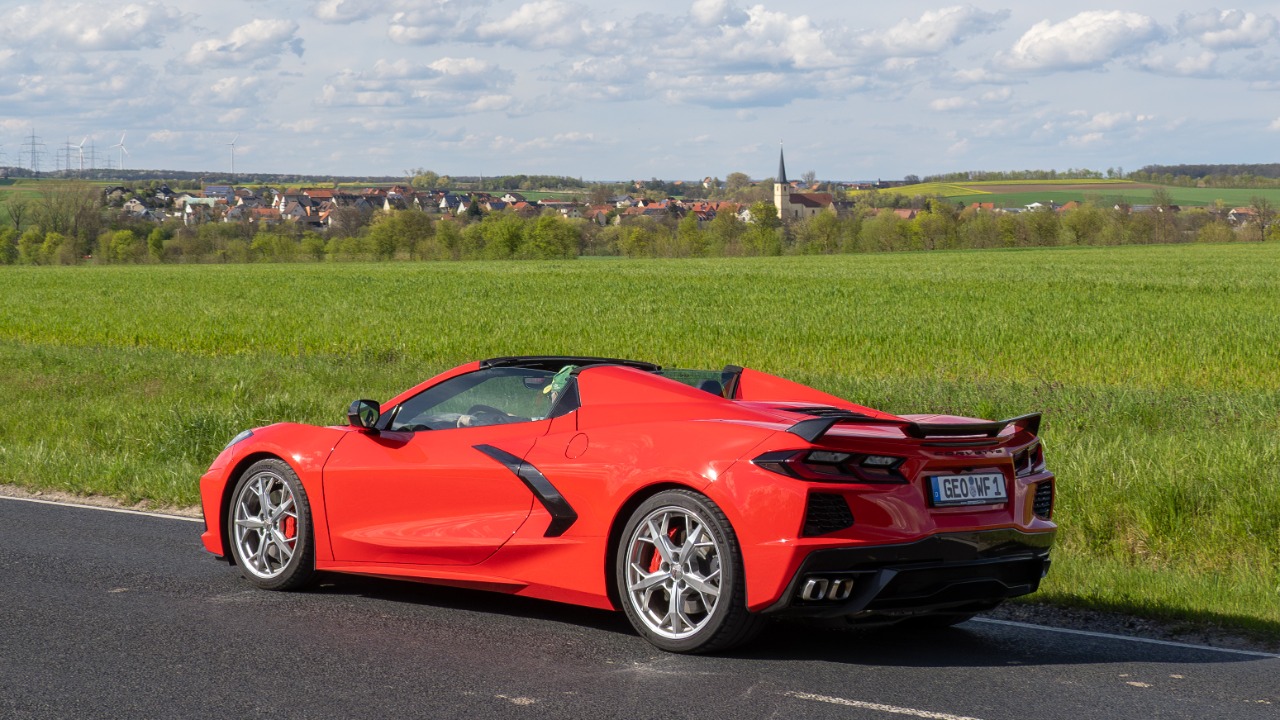
The Chevrolet Corvette is a natural place to begin. Fiberglass bodywork has defined every Corvette generation. This is the documented feature that connects the example to the gallery’s central idea.
Composite skin does not rust like steel and can be molded economically for distinctive low-volume shapes, although the supporting structure may still corrode and collision repair calls for different skills. That makes the feature easy to notice, but its lasting importance comes from how consistently it addresses the underlying problem. In short, the composite body strategy does real work even when the machinery or biology behind it stays out of sight.
2. Lotus Esprit: The Corrosion Resistant Wedge
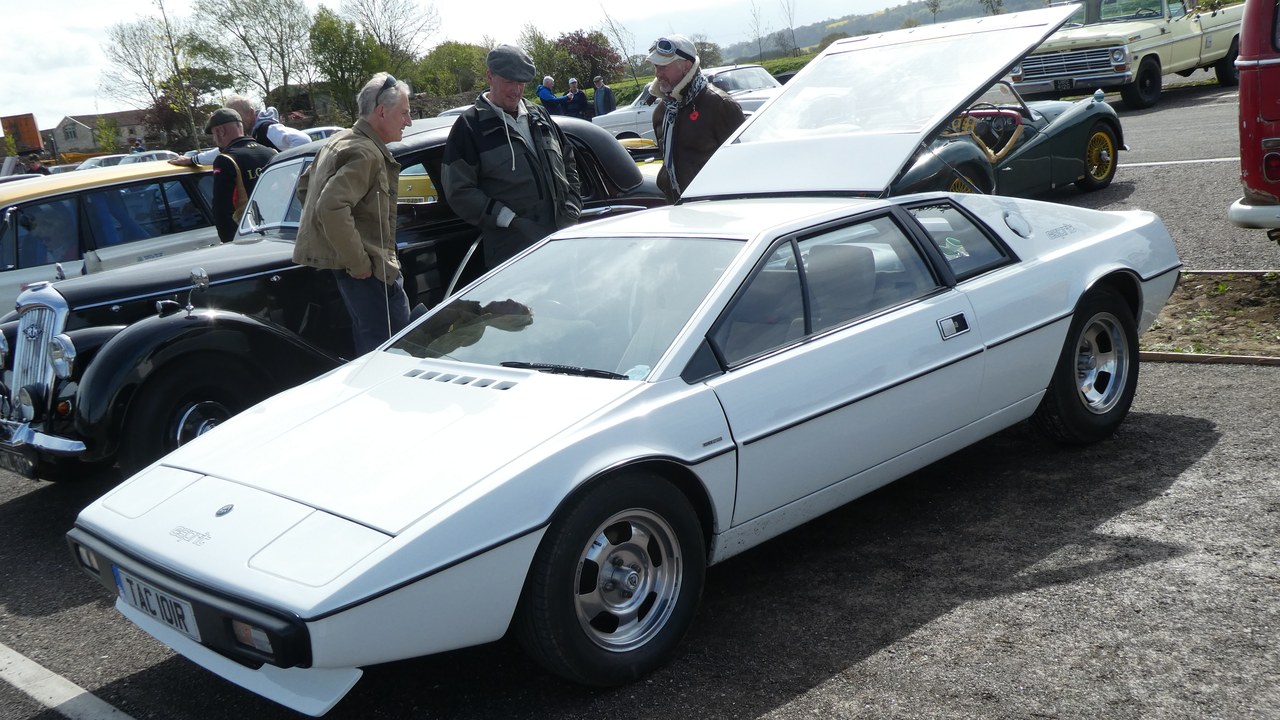
In the Lotus Esprit, the unusual idea is central rather than incidental. A glass-fiber body kept the wedge light and corrosion resistant. This is the documented feature that connects the example to the gallery’s central idea.
Composite skin does not rust like steel and can be molded economically for distinctive low-volume shapes, although the supporting structure may still corrode and collision repair calls for different skills. The benefit is inseparable from the compromise, which is why the layout deserves more attention than a novelty or styling flourish. In short, the composite body strategy does real work even when the machinery or biology behind it stays out of sight.
3. Pontiac Fiero: Panels Over A Space Frame
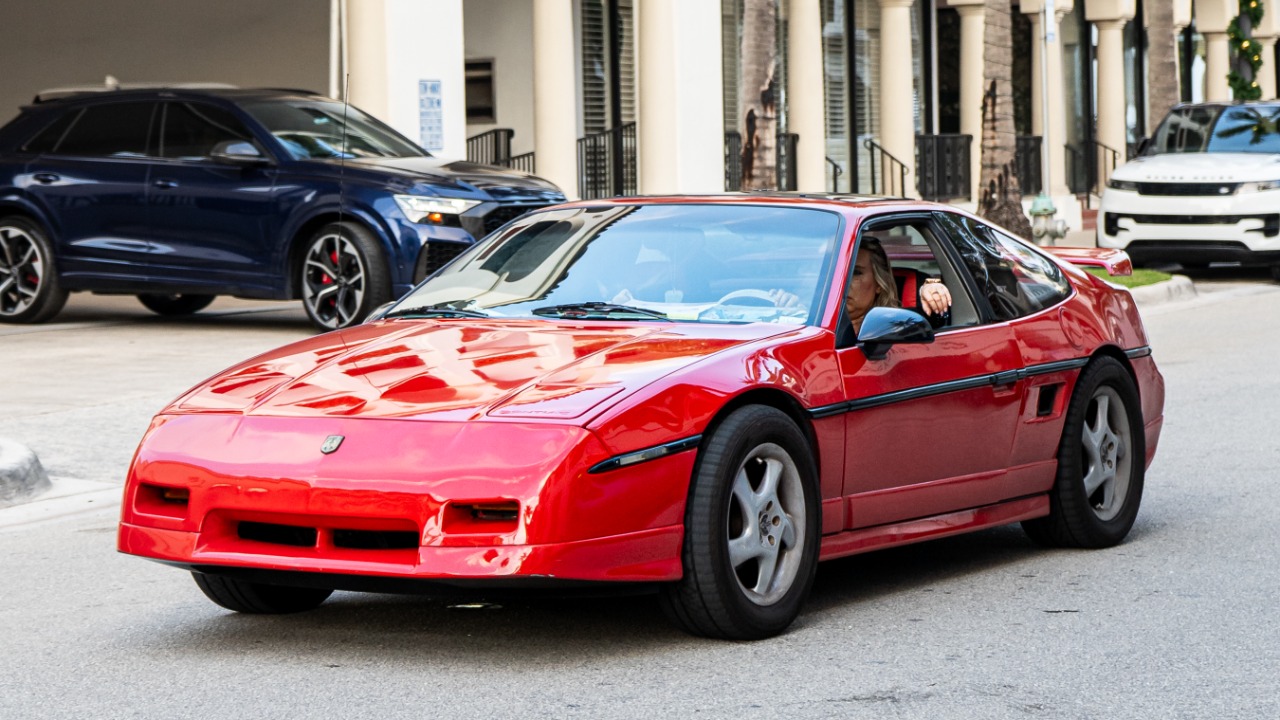
The case for including the Pontiac Fiero starts with one defining detail. Composite outer panels hung over a steel space frame. This is the documented feature that connects the example to the gallery’s central idea.
Composite skin does not rust like steel and can be molded economically for distinctive low-volume shapes, although the supporting structure may still corrode and collision repair calls for different skills. Seen in context, the choice is a practical response to packaging and use, not an isolated fact from a specification sheet. In short, the composite body strategy does real work even when the machinery or biology behind it stays out of sight.
4. Studebaker Avanti: Fast Tracked In Fiberglass
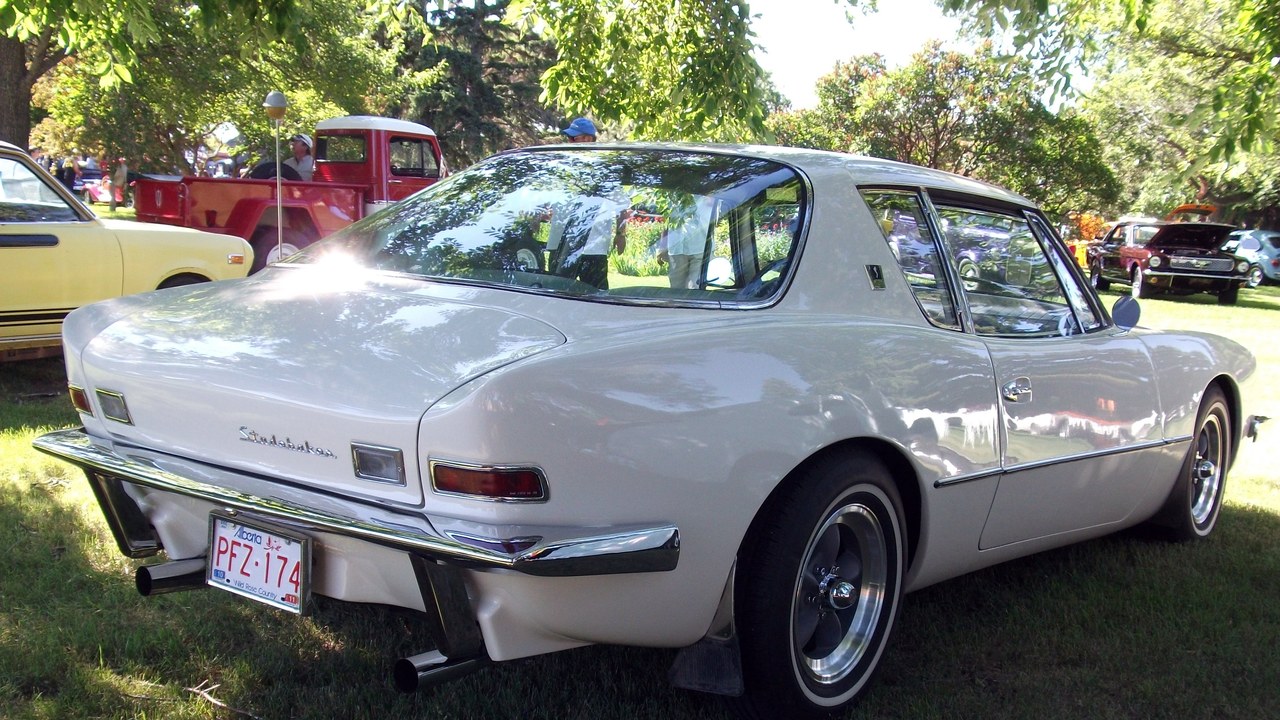
Look past the familiar outline of the Studebaker Avanti and the engineering choice becomes clear. Its fiberglass shell enabled a dramatic shape on a tight schedule. This is the documented feature that connects the example to the gallery’s central idea.
Composite skin does not rust like steel and can be molded economically for distinctive low-volume shapes, although the supporting structure may still corrode and collision repair calls for different skills. Its value appears in ordinary operation, where the design changes what the user, operator or observer can do and perceive. In short, the composite body strategy does real work even when the machinery or biology behind it stays out of sight.
5. Reliant Scimitar GTE: A Composite Shooting Brake

The Reliant Scimitar GTE approaches the same challenge from a distinctive direction. The British shooting brake wrapped a fiberglass body around its chassis. This is the documented feature that connects the example to the gallery’s central idea.
Composite skin does not rust like steel and can be molded economically for distinctive low-volume shapes, although the supporting structure may still corrode and collision repair calls for different skills. The result is memorable because the visible feature and the less obvious functional consequence are tightly connected. In short, the composite body strategy does real work even when the machinery or biology behind it stays out of sight.
6. TVR Griffith: Light Shell, Tubular Bones

With the TVR Griffith, the feature is part of the underlying package. A lightweight glass-fiber shell covered a tubular frame. This is the documented feature that connects the example to the gallery’s central idea.
Composite skin does not rust like steel and can be molded economically for distinctive low-volume shapes, although the supporting structure may still corrode and collision repair calls for different skills. It also shows why similar goals can produce different hardware: the surrounding vehicle, habitat or mission sets the constraints. In short, the composite body strategy does real work even when the machinery or biology behind it stays out of sight.
7. Alpine A110: Rally Weight Kept Low
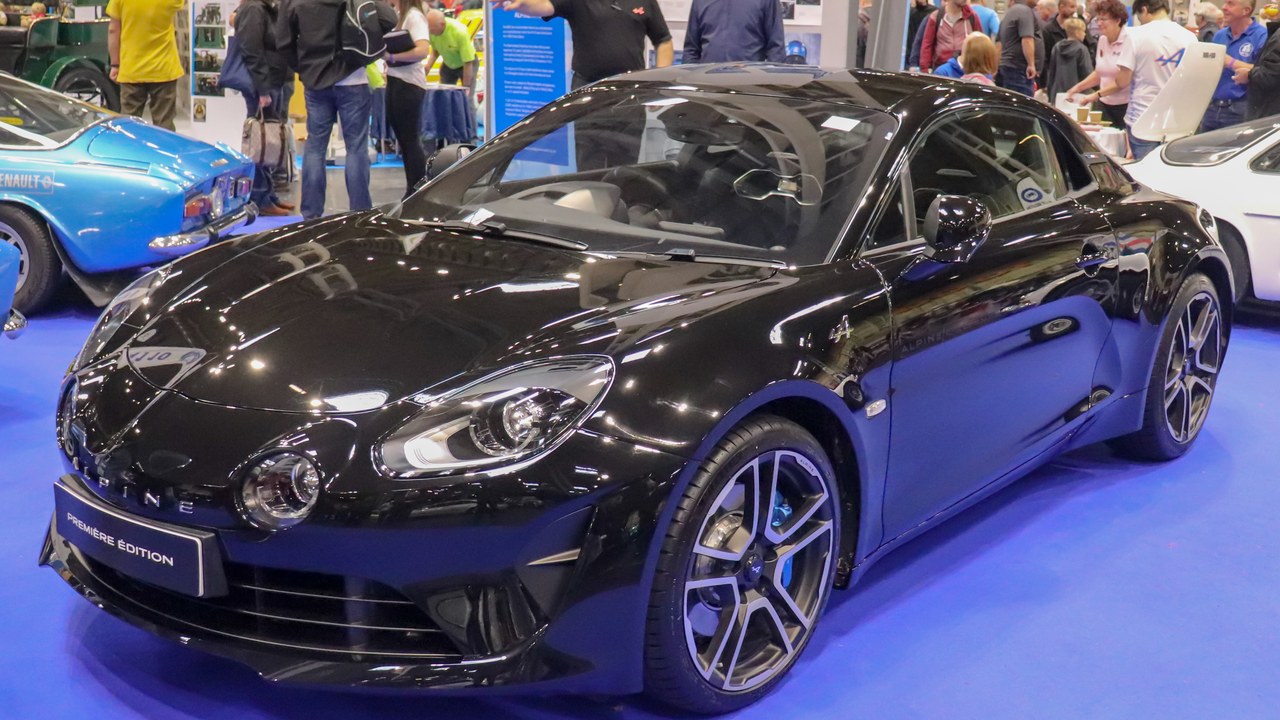
The Alpine A110 earns its spot through a particularly direct version of the idea. The rally legend used fiberglass bodywork to stay exceptionally light. This is the documented feature that connects the example to the gallery’s central idea.
Composite skin does not rust like steel and can be molded economically for distinctive low-volume shapes, although the supporting structure may still corrode and collision repair calls for different skills. That distinction keeps the example precise; it belongs here for a working capability, not merely a resemblance to the others. In short, the composite body strategy does real work even when the machinery or biology behind it stays out of sight.
8. Saab Sonett: Fiberglass Over Steel
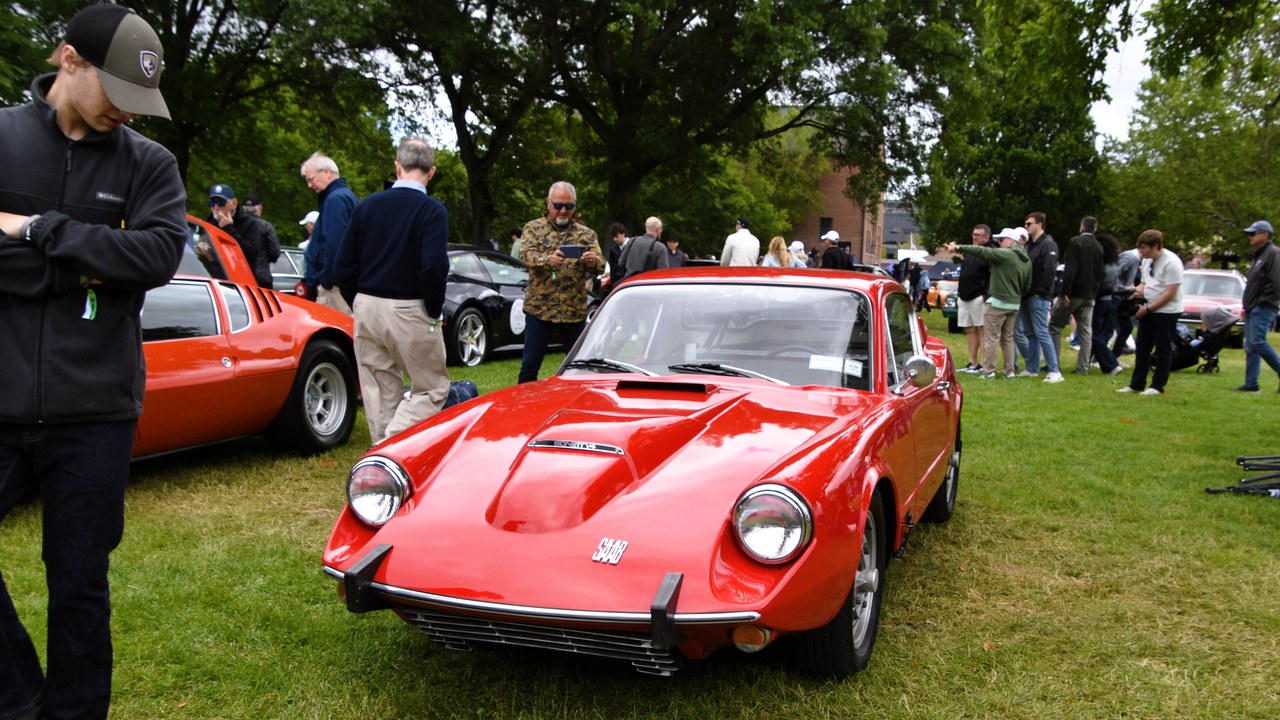
The final example, the Saab Sonett, broadens the pattern. Saab’s tiny sports car wore fiberglass over a steel frame. This is the documented feature that connects the example to the gallery’s central idea.
Composite skin does not rust like steel and can be molded economically for distinctive low-volume shapes, although the supporting structure may still corrode and collision repair calls for different skills. Together with the earlier examples, it shows a coherent principle expressed through very different forms and operating conditions. In short, the composite body strategy does real work even when the machinery or biology behind it stays out of sight.
More from Morning Overview
- The NSA is again telling phone owners to switch off one location setting
- Four U.S. startups fired up their first small nuclear reactors, aiming to power AI data centers on-site
- 11 engines built to run well past 200,000 miles
- A handful of car transmissions are so tough that mechanics say they almost never die
