
Electric cars fail in the market just like gasoline ones, and automakers have quietly walked away from plenty of early EV projects once sales disappointed or newer technology arrived. Some were retired to make room for better-range successors, while others were cancelled outright after only a short production run. Here are eight electric cars that automakers have already killed off.
1. Chevrolet Bolt EV: Cancelled, Then Promised A Comeback
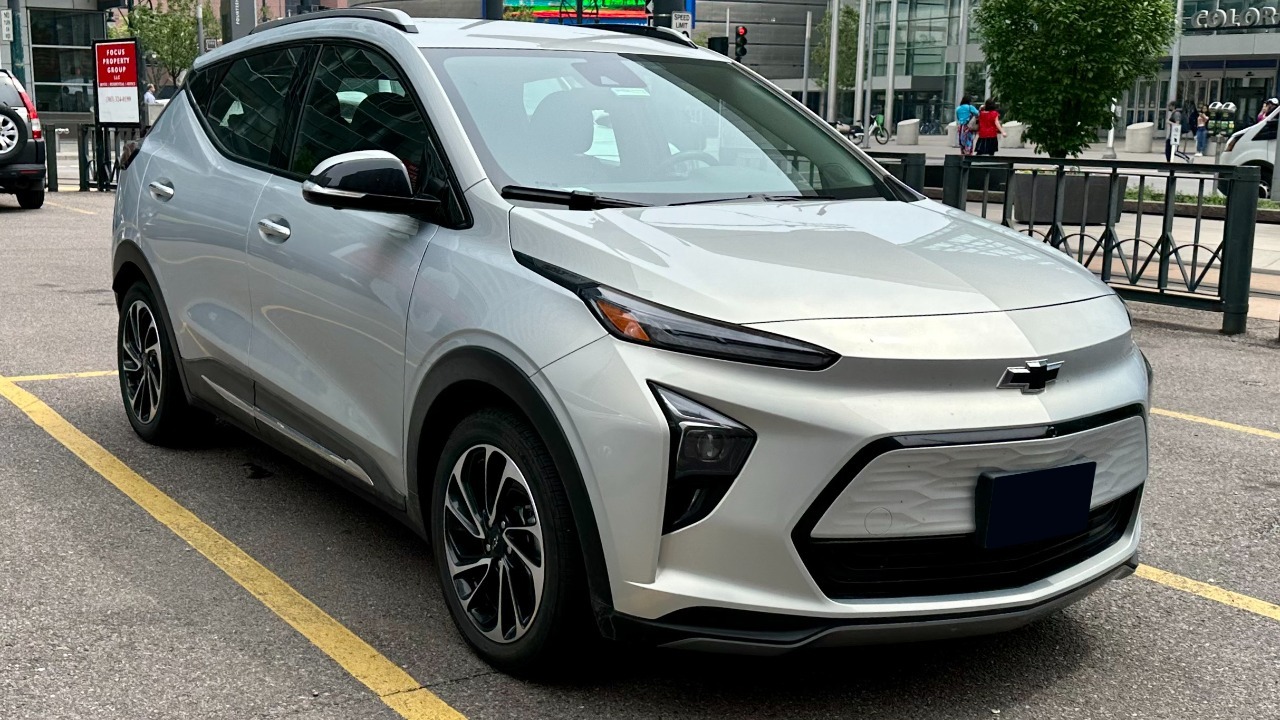
General Motors ended production of the Bolt EV at the close of 2023, retiring the compact hatchback that had served for years as Chevrolet’s main affordable electric model. The Bolt EV listing describes a car that undercut most rivals on price while still offering a genuinely usable driving range, which is part of why the shutdown surprised many longtime owners and shoppers who had been waiting for a lower-cost replacement.
GM later said a next-generation Bolt would return on a newer battery platform, but the original model’s production line and its familiar sheet metal were gone. Buyers searching for a cheap used EV suddenly had one fewer current-generation option, pushing more attention toward pricier competitors.
2. BMW i3: A Decade, Then Retired

BMW built the i3 for roughly a decade, wrapping the small hatchback in a distinctive carbon-fiber-reinforced passenger cell that made it one of the more unusual mass-produced electric cars ever sold. The i3 model history traces a car that launched with an optional gasoline range extender and later dropped it, reflecting how quickly battery technology and charging habits shifted underneath the model during its production run.
Production ended as BMW folded its electric ambitions into mainstream i4 and iX models built on shared platforms rather than the i3’s standalone architecture. That shift left the carbon-tub construction and boxy styling as a one-off experiment, one that owners and enthusiasts still single out as ahead of its time despite its short run.
3. Honda Clarity Electric: Lease-Only, Then Gone
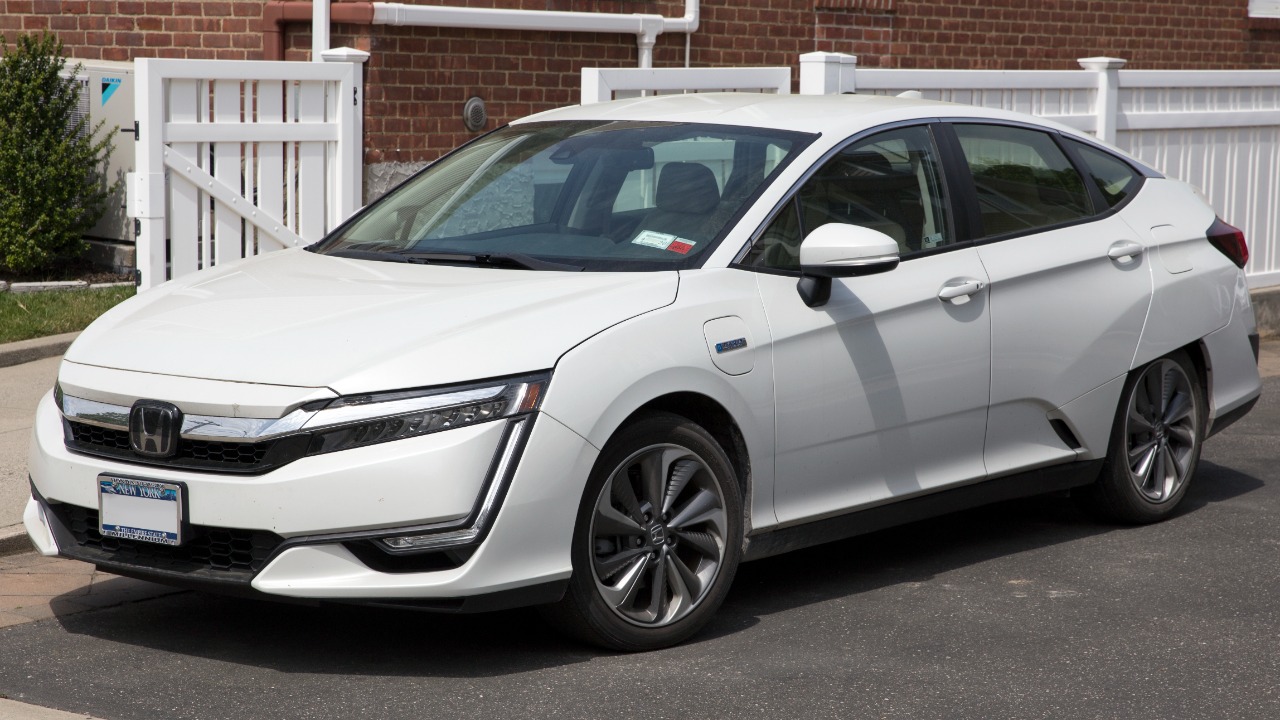
Honda offered the Clarity Electric only as a lease, never selling it outright, and pulled it from the market after a short run alongside its fuel-cell and plug-in-hybrid siblings. The Clarity model page describes a lineup built around limited availability in select states, which kept the electric version rare even when new and made it one of the least-seen EVs on American roads.
Its limited range and the small pool of dealers authorized to lease it meant most drivers never had a chance to consider one, and Honda did not replace it with a direct successor. The Clarity name disappeared entirely once the fuel-cell and hybrid variants also wound down production.
4. Volkswagen e-Golf: Replaced By The ID Family
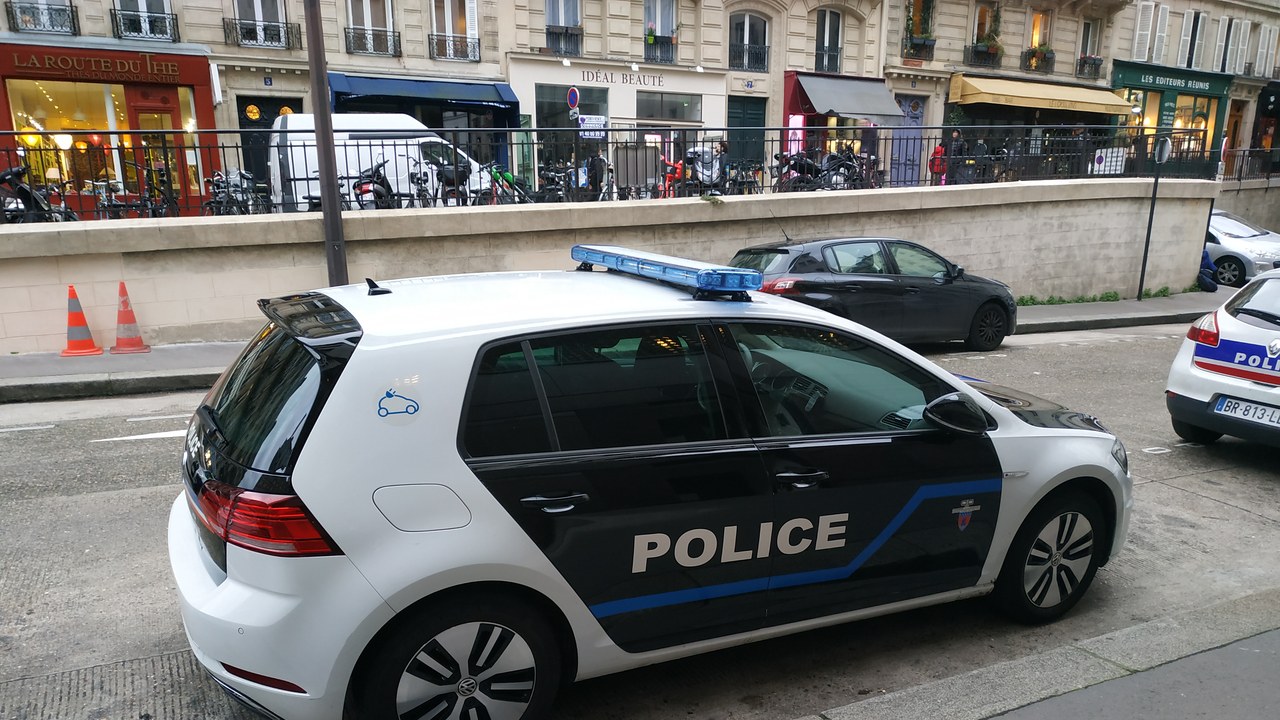
Volkswagen retired the e-Golf once its dedicated ID electric lineup reached showrooms, ending the run of a car that had essentially been a gasoline Golf converted to run on batteries. The e-Golf entry notes a modest range compared with purpose-built rivals, a limitation that became harder to justify once newer electric platforms offered longer trips between charges.
Because it shared its body and interior with the standard combustion Golf, the e-Golf never got a dedicated design or the extra cabin space many EV buyers came to expect from newer models. Volkswagen shifted its marketing and engineering budget entirely to the ID family, leaving the e-Golf as a transitional model rather than a lasting nameplate.
5. Jaguar I-Pace: Paused For A Full Reset

Jaguar ended I-Pace production as part of a wholesale reset of its lineup, pausing sales of the electric SUV that had once been the brand’s flagship EV. The I-Pace coverage describes a model that won early industry awards but never sold in the volumes Jaguar needed to justify keeping it alongside an entirely new generation of vehicles.
The brand is relaunching as an all-electric maker with new models built on different underpinnings, meaning the I-Pace will not get a direct replacement under its old name. Owners of the outgoing SUV are left with a distinctive design that briefly defined Jaguar’s electric ambitions before the whole lineup was rebuilt.
6. Ford Focus Electric: Quietly Dropped From The Lineup
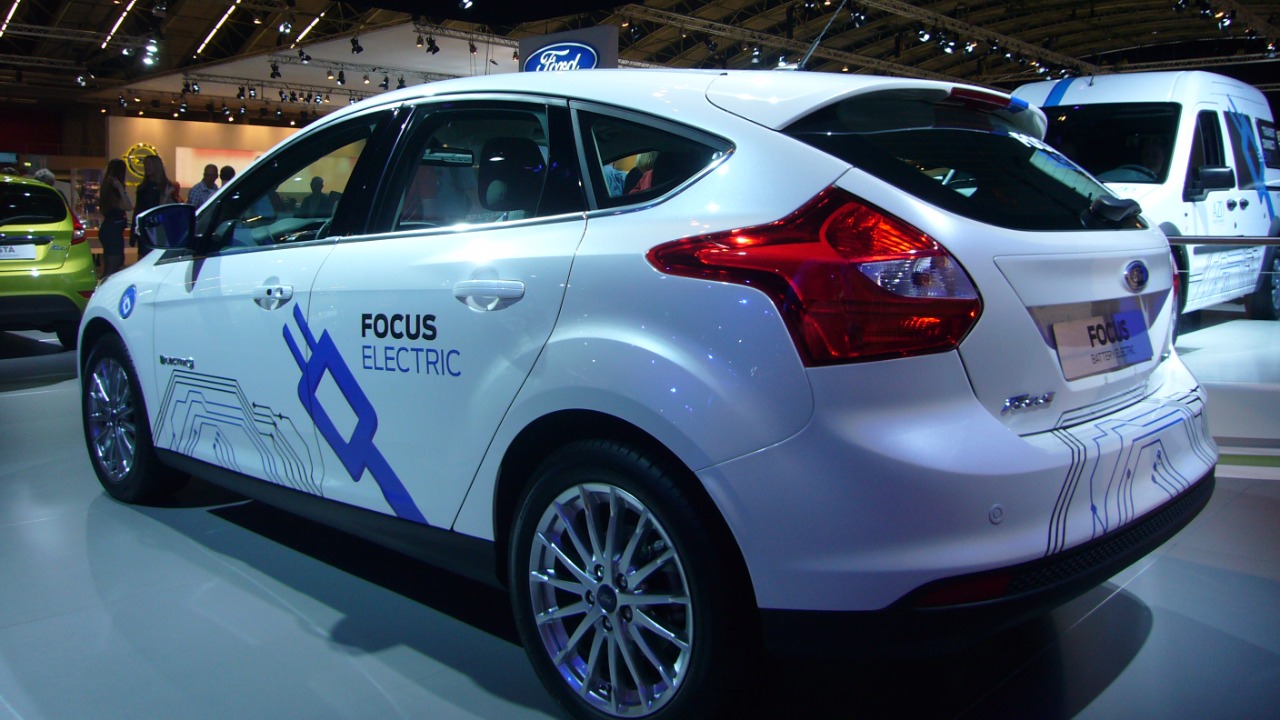
Ford’s Focus Electric quietly disappeared from the price list after serving as the company’s first modern battery-electric passenger car, sold in modest numbers to compliance-minded buyers in select states. The Focus Electric profile outlines a car that shared its body with the gasoline Focus, which limited cargo space and kept the driving range well behind newer purpose-built EVs.
Ford discontinued the model as it pulled back from passenger cars generally, shifting its electrification push toward trucks and SUVs like the Mustang Mach-E and F-150 Lightning instead. The Focus Electric is now mostly remembered as an early, low-volume attempt rather than a lasting part of Ford’s electric lineup.
7. Mitsubishi i-MiEV: An Early Pioneer, Pulled Early
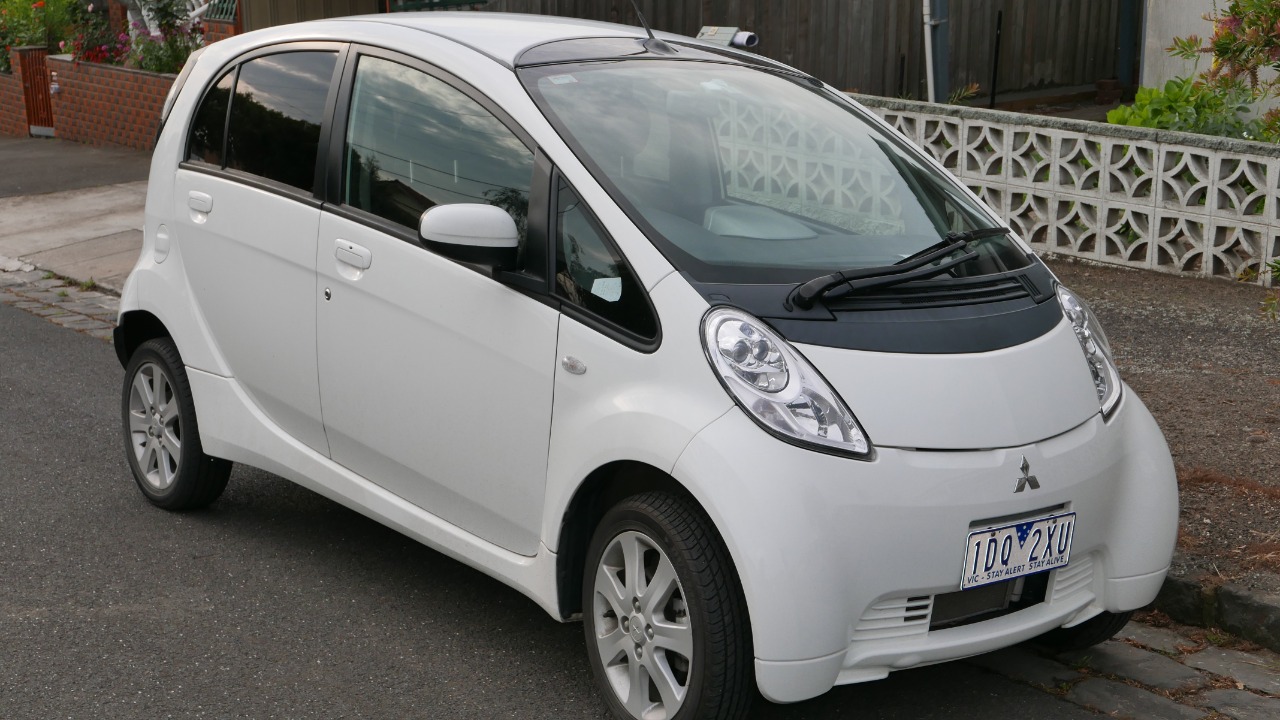
Mitsubishi’s i-MiEV was one of the first mass-market electric cars sold worldwide, arriving years before most rivals attempted a highway-capable battery-electric hatchback. The i-MiEV entry describes a tiny kei-car-based design with a short driving range that made it practical mainly for city commuting rather than longer trips.
Mitsubishi dropped the model from most markets as larger automakers introduced longer-range EVs at competitive prices, leaving the pioneering hatchback unable to keep pace on range or features. It remains notable mainly as proof that a mass-produced electric car could reach ordinary buyers well before the current EV boom, even if the car itself aged quickly.
8. Audi R8 e-tron: Built In A Handful, Then Cancelled
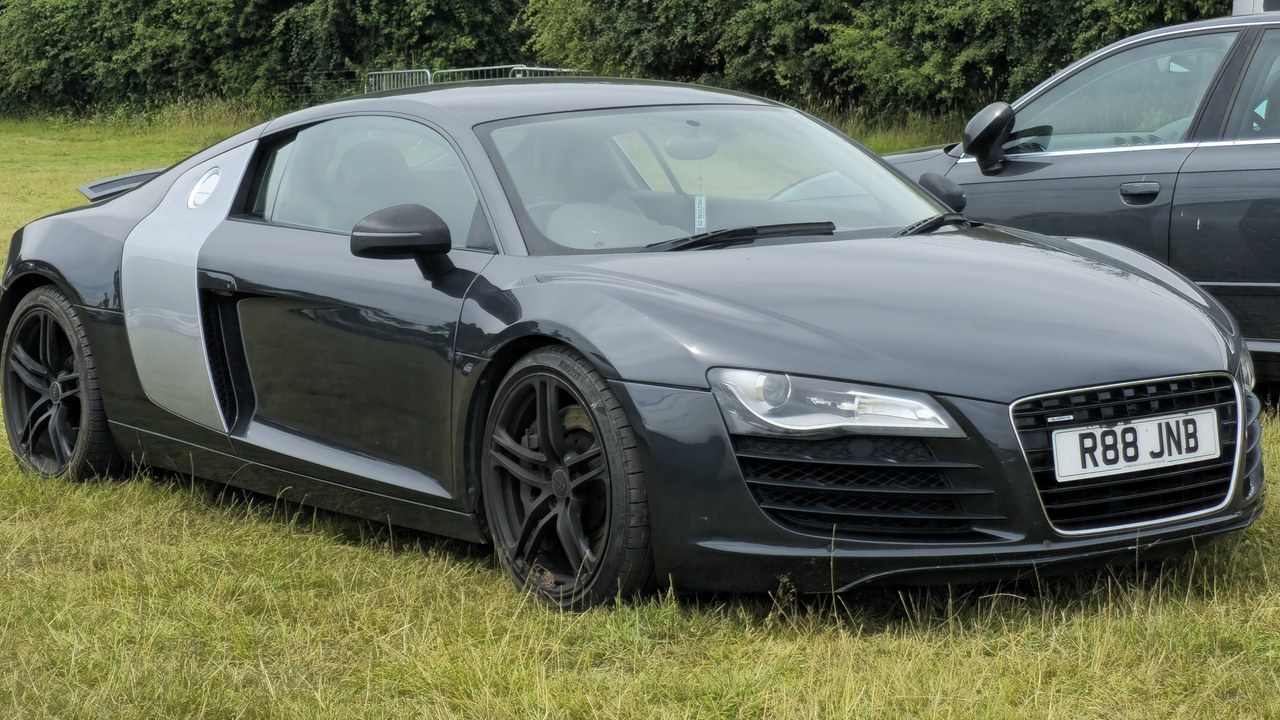
Audi built only a small handful of R8 e-tron supercars before cancelling the electric version of its halo sports car, ending an ambitious project almost as soon as it began. The R8 e-tron overview describes battery technology and cost concerns that made the electric supercar far more expensive to build than the standard gasoline R8 it was based on.
Most of the units built went to Audi insiders and select customers rather than general sale, making the electric R8 one of the rarest cars the brand ever produced. Audi later returned to electric performance with other models, but the e-tron version of its flagship supercar never reached full production or a public price list.
More from Morning Overview
