
Headlights usually point where the car is facing, which can leave the next section of a dark bend hidden until the body catches up. Steering-linked lamps attack that delay by sending light toward the driver’s intended path. The idea spans mechanical linkages, swiveling projectors and modern adaptive LED control.
1. Tucker 48: The Famous Cyclops Lamp
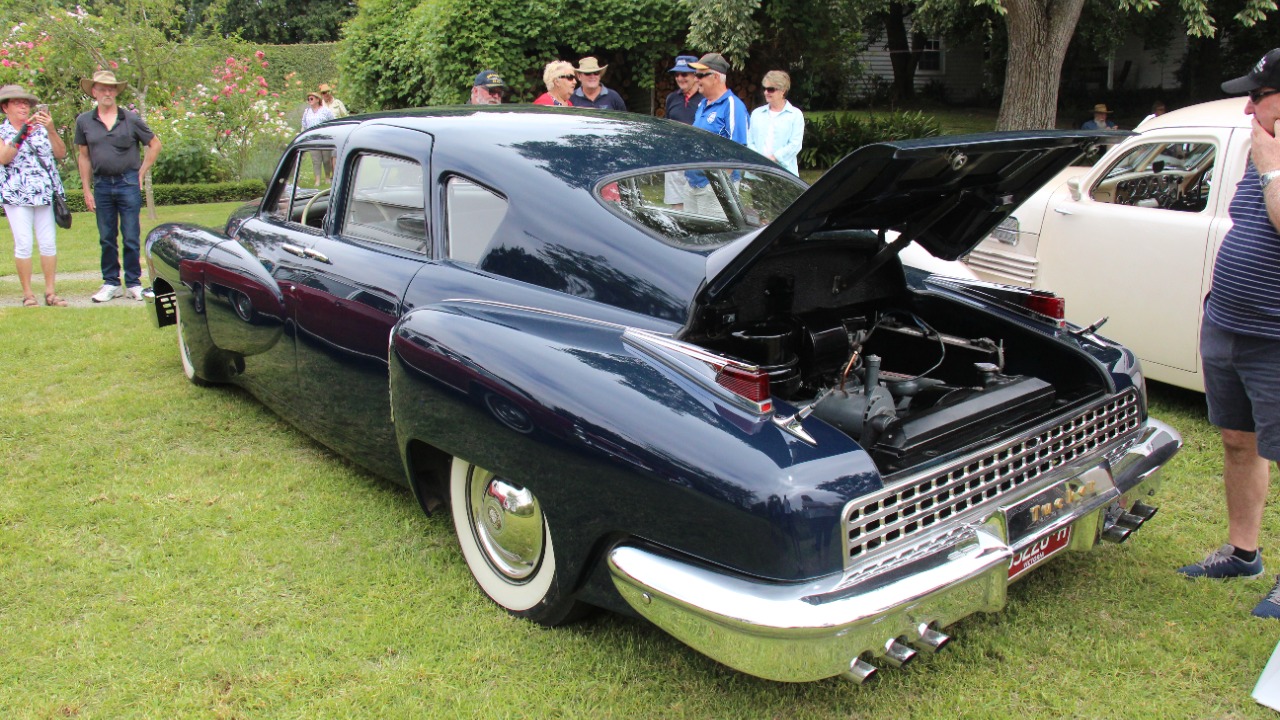
The Tucker 48 is a natural place to begin. Its famous center Cyclops lamp turned with the steering. This is the documented feature that connects the example to the gallery’s central idea.
A steering-responsive beam reveals more of the road before the vehicle finishes turning, trading a simpler fixed lamp for mechanisms and controls that must remain accurately aimed. That makes the feature easy to notice, but its lasting importance comes from how consistently it addresses the underlying problem. In short, the corner-lighting system does real work even when the machinery or biology behind it stays out of sight.
2. Citroën DS: Mechanical Corner Vision
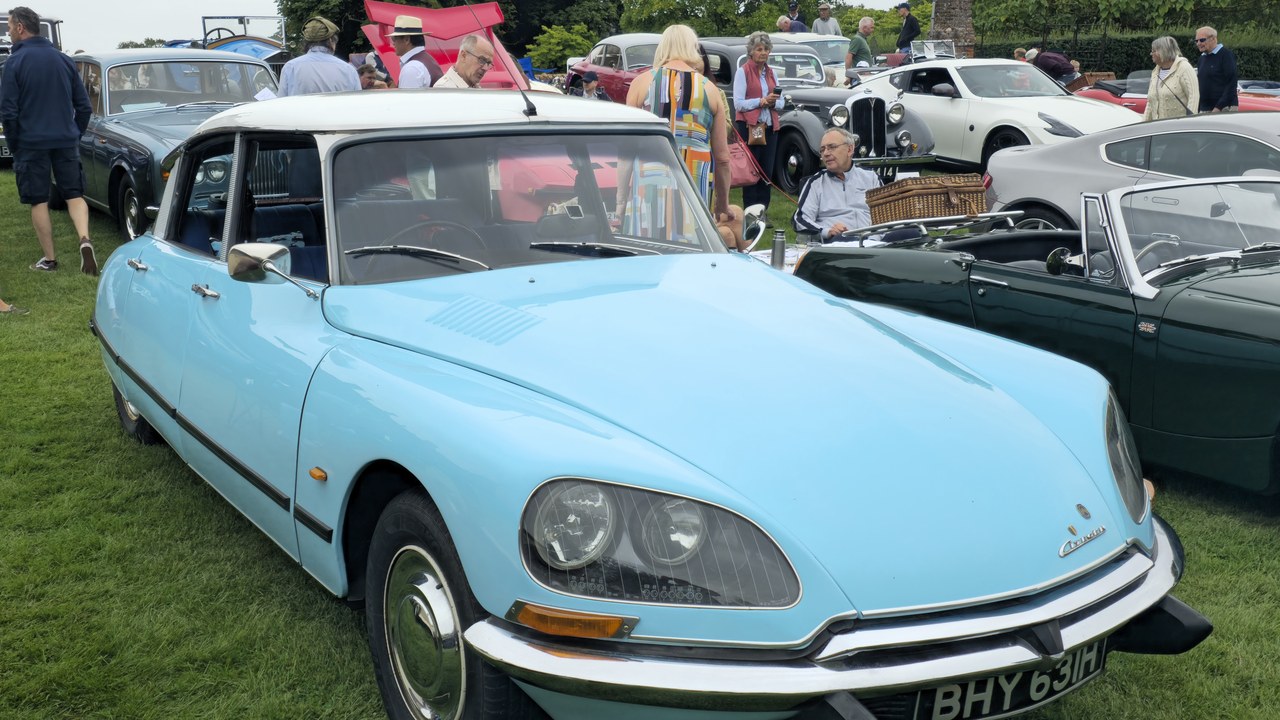
In the Citroën DS, the unusual idea is central rather than incidental. Later DS models mechanically swiveled inner lamps into bends. This is the documented feature that connects the example to the gallery’s central idea.
A steering-responsive beam reveals more of the road before the vehicle finishes turning, trading a simpler fixed lamp for mechanisms and controls that must remain accurately aimed. The benefit is inseparable from the compromise, which is why the layout deserves more attention than a novelty or styling flourish. In short, the corner-lighting system does real work even when the machinery or biology behind it stays out of sight.
3. Citroën SM: Six Lamps, Two Turning
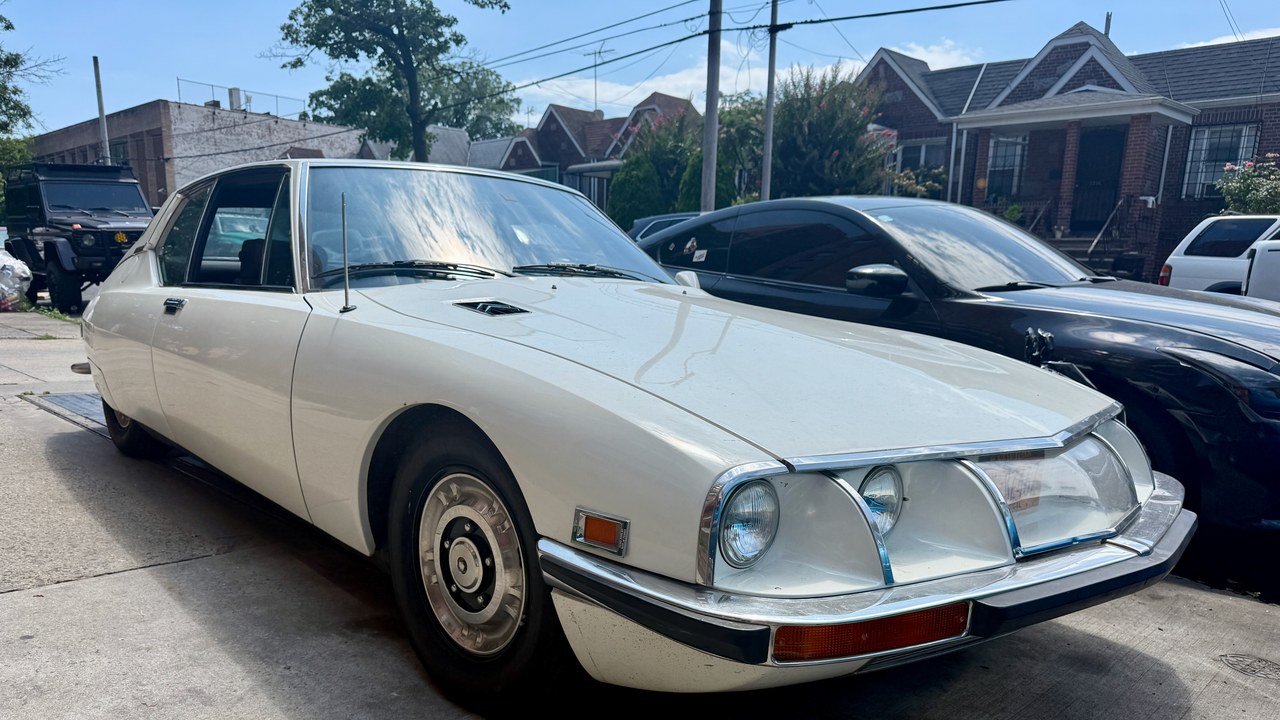
The case for including the Citroën SM starts with one defining detail. Six covered lamps included a pair that followed the wheel. This is the documented feature that connects the example to the gallery’s central idea.
A steering-responsive beam reveals more of the road before the vehicle finishes turning, trading a simpler fixed lamp for mechanisms and controls that must remain accurately aimed. Seen in context, the choice is a practical response to packaging and use, not an isolated fact from a specification sheet. In short, the corner-lighting system does real work even when the machinery or biology behind it stays out of sight.
4. BMW 7 Series: Adaptive Light Through Bends
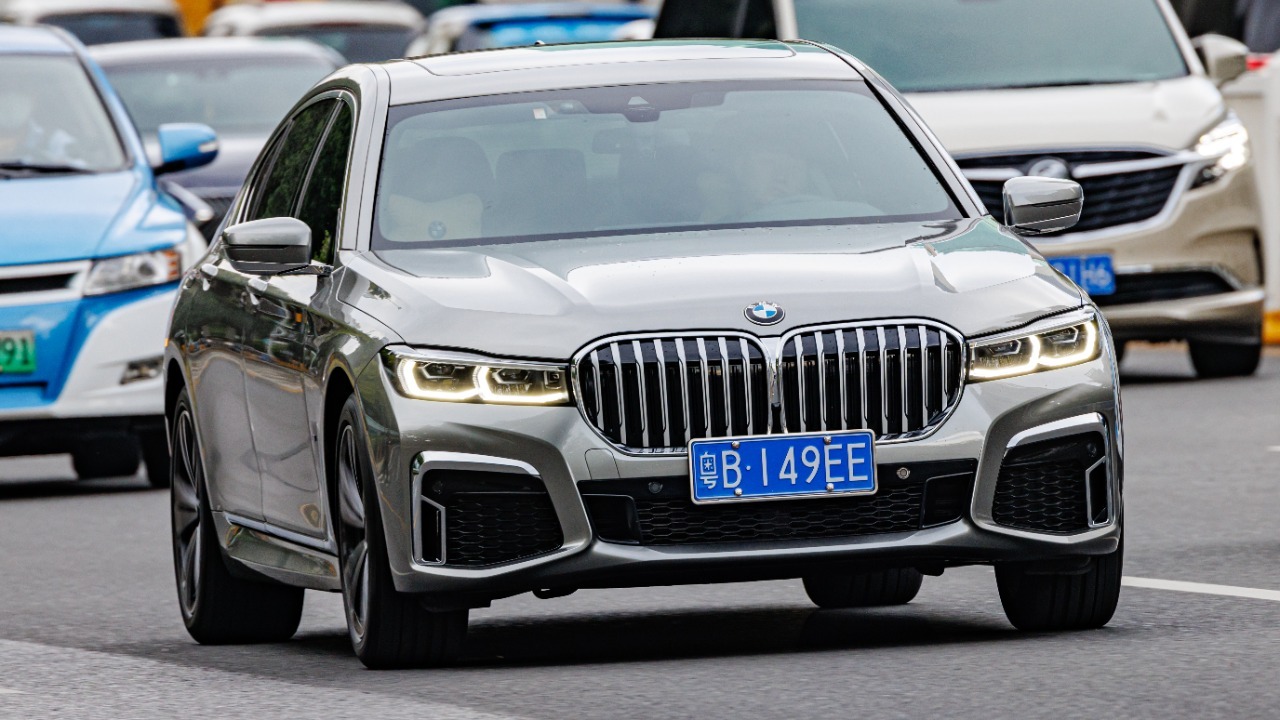
Look past the familiar outline of the BMW 7 Series and the engineering choice becomes clear. Adaptive headlights aim into a curve as steering angle changes. This is the documented feature that connects the example to the gallery’s central idea.
A steering-responsive beam reveals more of the road before the vehicle finishes turning, trading a simpler fixed lamp for mechanisms and controls that must remain accurately aimed. Its value appears in ordinary operation, where the design changes what the user, operator or observer can do and perceive. In short, the corner-lighting system does real work even when the machinery or biology behind it stays out of sight.
5. Mercedes-Benz E-Class: Active Curve Illumination
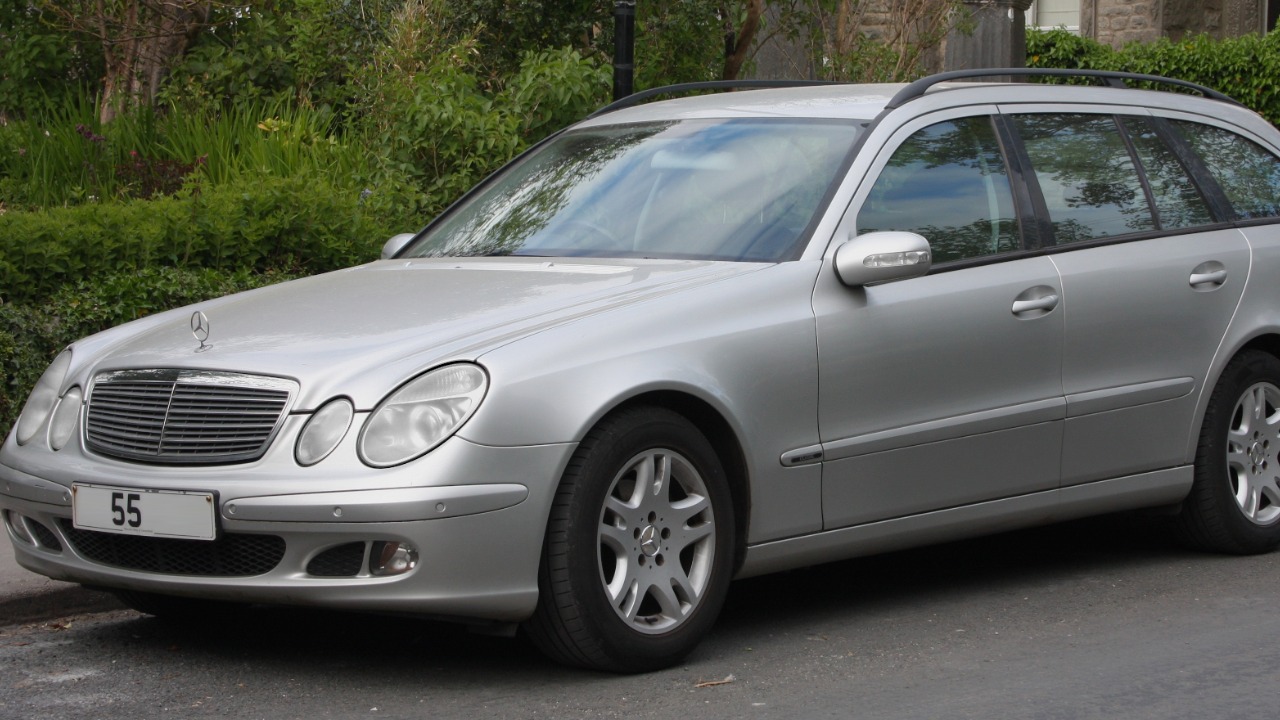
The Mercedes-Benz E-Class approaches the same challenge from a distinctive direction. Active curve illumination shifts the beam toward the turn. This is the documented feature that connects the example to the gallery’s central idea.
A steering-responsive beam reveals more of the road before the vehicle finishes turning, trading a simpler fixed lamp for mechanisms and controls that must remain accurately aimed. The result is memorable because the visible feature and the less obvious functional consequence are tightly connected. In short, the corner-lighting system does real work even when the machinery or biology behind it stays out of sight.
6. Lexus RX: Pivoting Low Beams
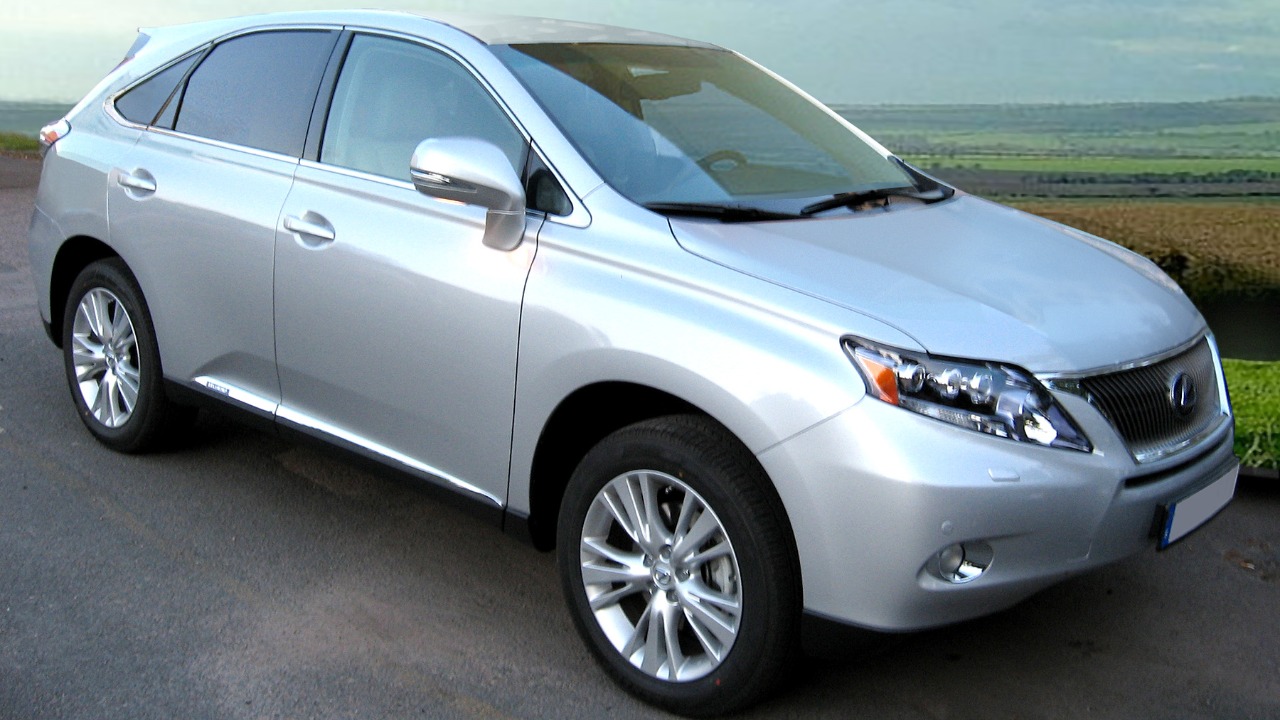
With the Lexus RX, the feature is part of the underlying package. Adaptive front lighting pivots the low beams through bends. This is the documented feature that connects the example to the gallery’s central idea.
A steering-responsive beam reveals more of the road before the vehicle finishes turning, trading a simpler fixed lamp for mechanisms and controls that must remain accurately aimed. It also shows why similar goals can produce different hardware: the surrounding vehicle, habitat or mission sets the constraints. In short, the corner-lighting system does real work even when the machinery or biology behind it stays out of sight.
7. Mazda3: LEDs Aim Into Turns
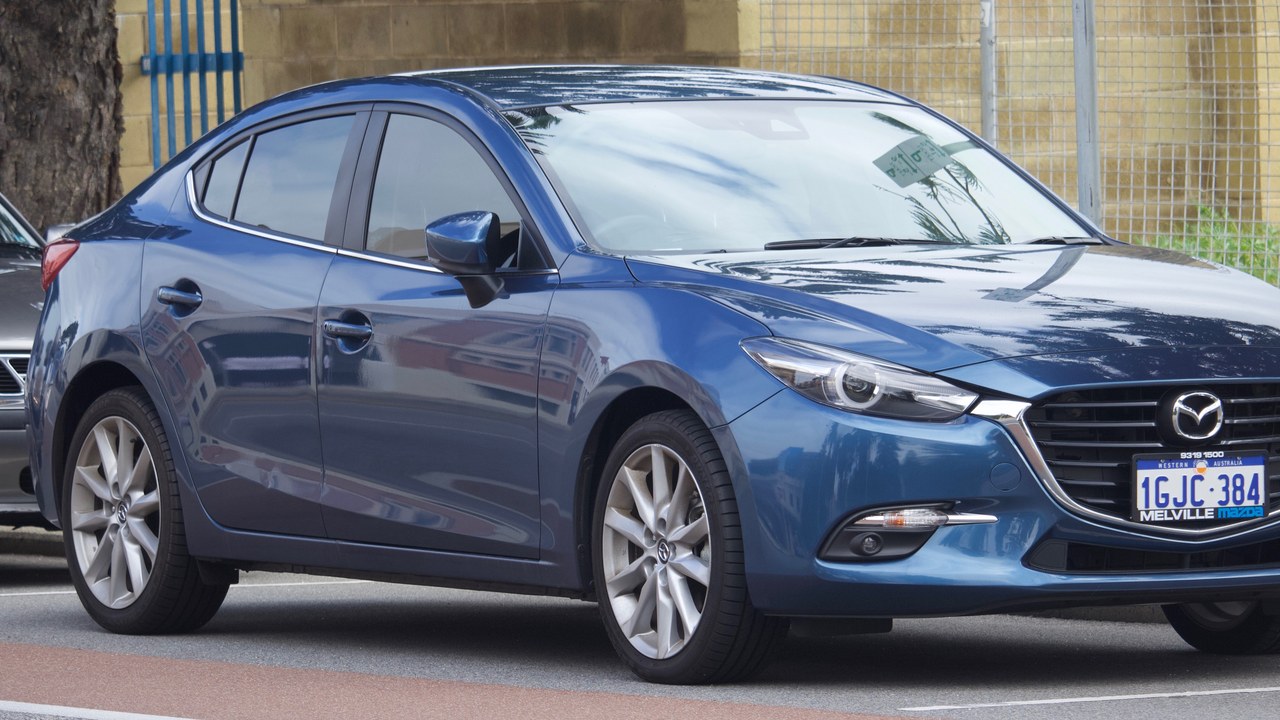
The Mazda3 earns its spot through a particularly direct version of the idea. Adaptive LEDs turn selected elements toward the corner. This is the documented feature that connects the example to the gallery’s central idea.
A steering-responsive beam reveals more of the road before the vehicle finishes turning, trading a simpler fixed lamp for mechanisms and controls that must remain accurately aimed. That distinction keeps the example precise; it belongs here for a working capability, not merely a resemblance to the others. In short, the corner-lighting system does real work even when the machinery or biology behind it stays out of sight.
8. Subaru Outback: Light Follows The Path
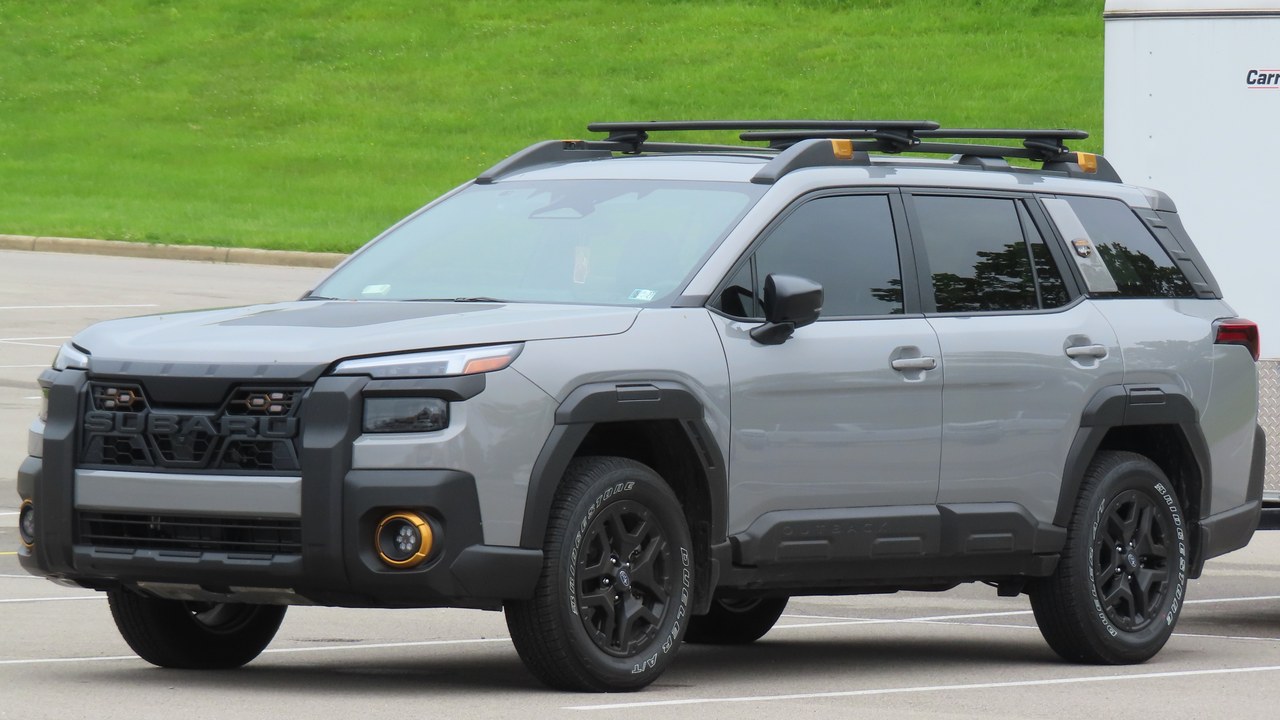
The final example, the Subaru Outback, broadens the pattern. Steering-responsive headlights track the driver’s path. This is the documented feature that connects the example to the gallery’s central idea.
A steering-responsive beam reveals more of the road before the vehicle finishes turning, trading a simpler fixed lamp for mechanisms and controls that must remain accurately aimed. Together with the earlier examples, it shows a coherent principle expressed through very different forms and operating conditions. In short, the corner-lighting system does real work even when the machinery or biology behind it stays out of sight.
More from Morning Overview
- Supplements now rank as the fifth-leading cause of death from liver disease.
- The NSA is again telling phone owners to switch off one location setting
- Four U.S. startups fired up their first small nuclear reactors, aiming to power AI data centers on-site
- 11 engines built to run well past 200,000 miles
