
Charging speed is one of the biggest differences between electric vehicles on the road today. Some models lean on high-voltage architecture or efficient battery chemistry to add well over a hundred miles in the time it takes to grab a coffee, while others crawl along much more slowly. These eight electric cars post some of the fastest real-world charging times available right now.
1. Hyundai Ioniq 5: 800-Volt Charging

The Hyundai Ioniq 5 rides on Hyundai’s E-GMP platform, built around an 800-volt architecture for rapid direct-current charging. That higher voltage lets the SUV pull more power from a compatible fast charger than rivals on 400-volt systems. Test drives covering the Ioniq 5’s charging performance have clocked it among the quickest in its class.
Hitting those peak speeds still depends on finding a charger powerful enough to match the car’s appetite, since a lower-output station caps the rate regardless. Battery temperature matters too, since a cold pack pulled off the highway charges slower than a preconditioned one. Even so, the Ioniq 5 remains a strong pick for frequent road-trippers wanting minimal downtime.
2. Kia EV6: Shared 800-Volt Platform
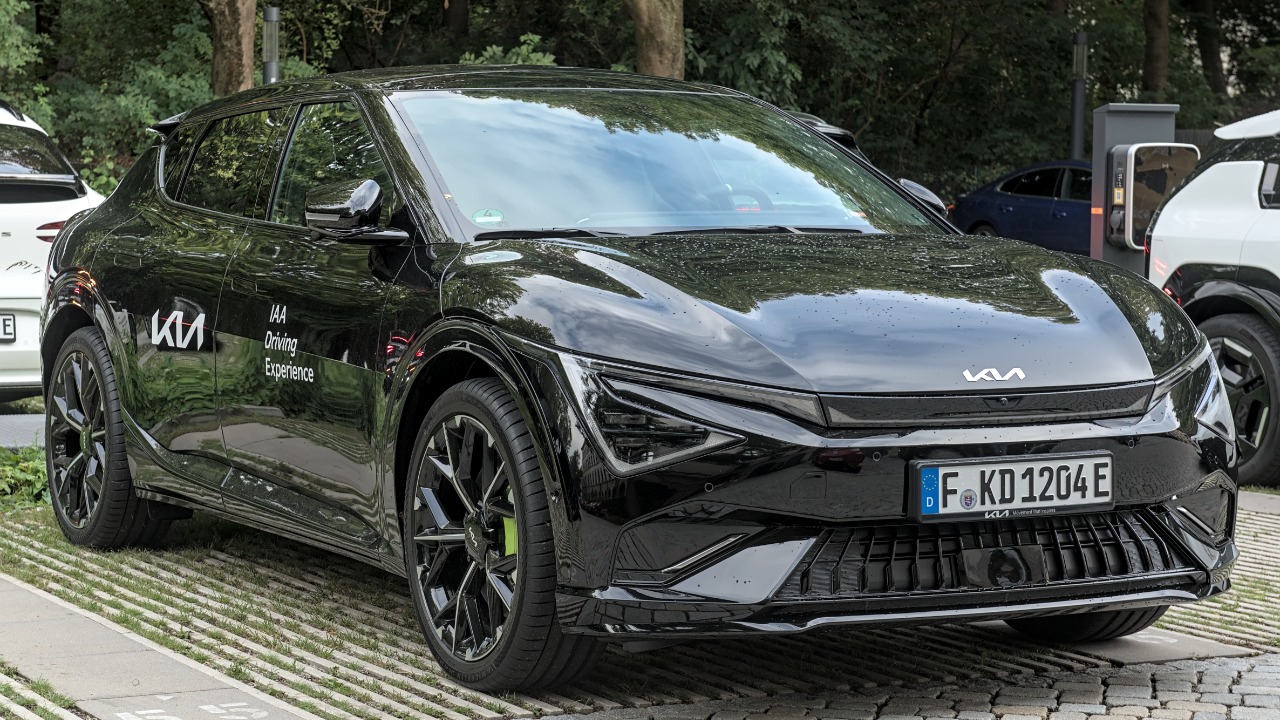
The Kia EV6 is built on the same E-GMP underpinnings as its Hyundai sibling, giving it identical 800-volt charging capability. That shared architecture lets the crossover draw high power from a suitable fast charger and add a meaningful chunk of range quickly. Coverage of the EV6’s charging results has placed it near the top of mainstream EV comparisons.
Because the EV6 and Ioniq 5 share so much hardware, owners see similar behavior, including the same sensitivity to charger output and preconditioning before a fast-charging stop. The EV6 tends to be priced a bit lower than 800-volt luxury rivals. That combination of speed and relative affordability has made it a frequent pick for shoppers cross-shopping electric crossovers.
3. Porsche Taycan: Performance-Grade Charging
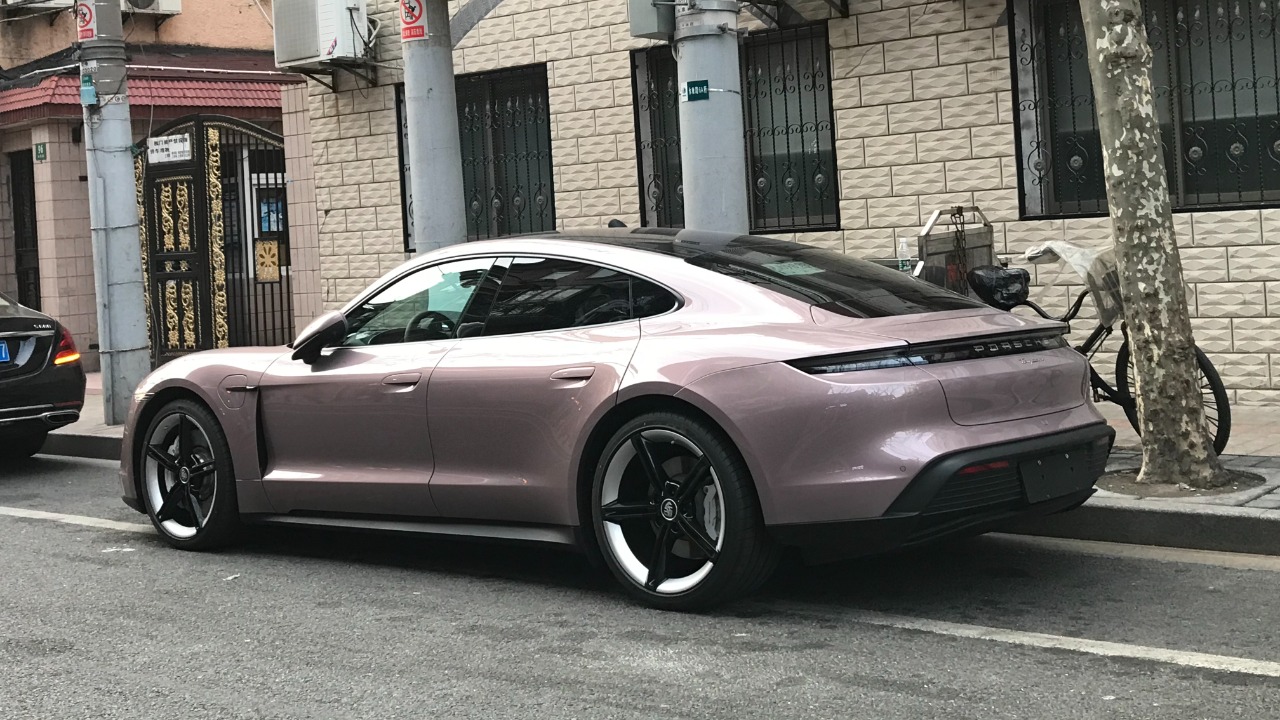
The Porsche Taycan was engineered from the outset as a performance EV, including an 800-volt system tuned to accept very high charging power at the right station. Porsche built its battery and cooling system to sustain a strong charge rate longer than many rivals before tapering off. Reviews of the Taycan’s charging behavior cite it as one of the quickest-replenishing EVs sold today.
That charging strength comes at a price point well above the mainstream EVs on this list, so the technology carries a real cost premium. Drivers also need access to a high-output network to unlock the Taycan’s full potential, since a slower station flattens the advantage. For buyers who value minimal charging downtime, the Taycan remains a benchmark in the segment.
4. Lucid Air: High-Voltage Architecture
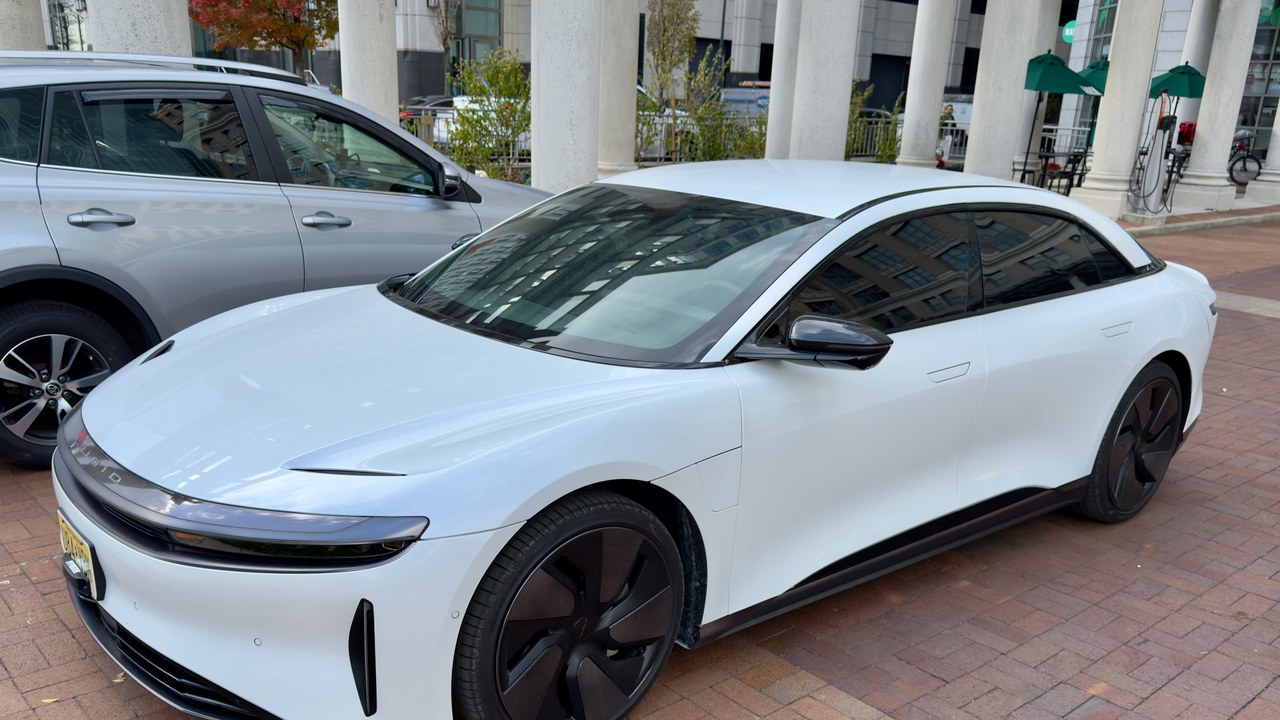
The Lucid Air uses a high-voltage battery and drivetrain architecture Lucid engineered in-house, and the sedan has posted some of the strongest peak charging figures of any production EV. Its efficient powertrain means the miles added per minute of charging translate into unusually long real-world range gains. Details on the Air’s charging specifications highlight its standing among the fastest-charging EVs available.
Reaching those top figures still requires a high-power public charger, and the Air’s efficiency advantage matters most on routes where such stations exist. Lucid’s smaller dealer and service footprint compared with legacy automakers is a separate ownership consideration. For long-distance driving specifically, the Air’s charging speed and range efficiency work together to shorten total trip time.
5. Genesis GV60: Luxury 800-Volt Crossover
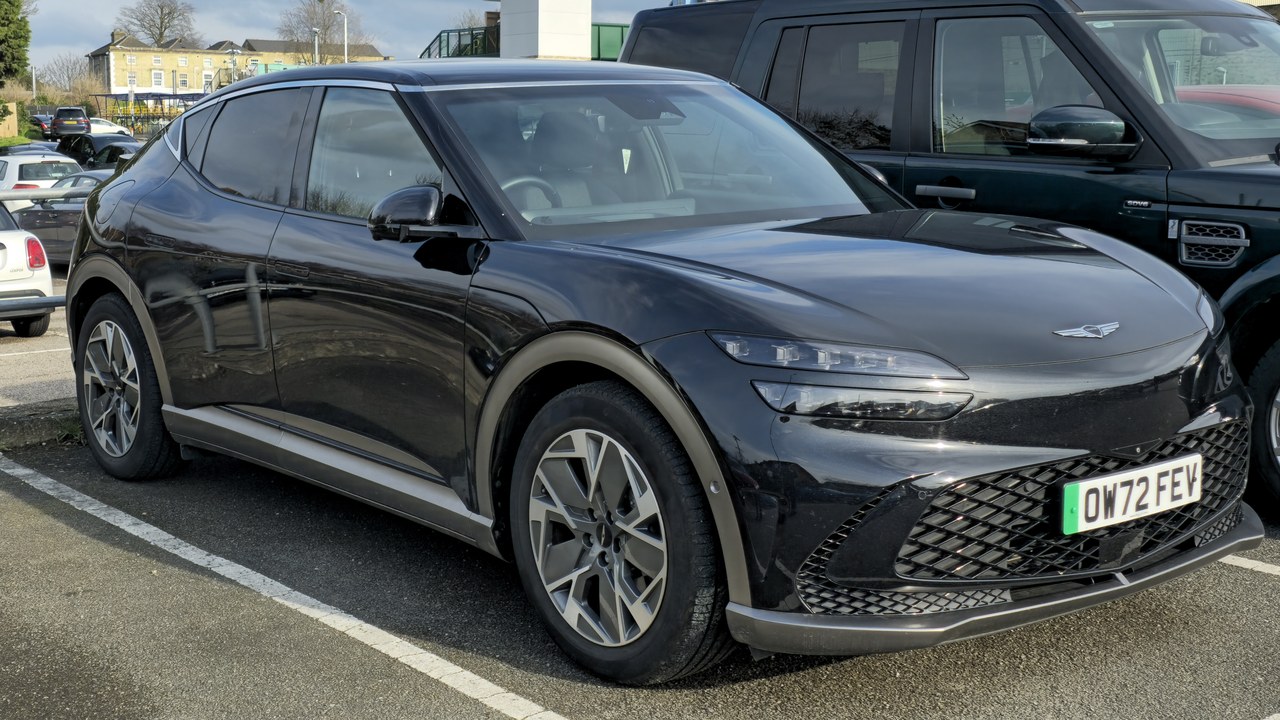
The Genesis GV60 shares its 800-volt E-GMP foundation with the Ioniq 5 and EV6, delivering the same rapid-charging capability wrapped in Genesis’s more upscale trim and interior. That means the luxury crossover can add substantial range in a short stop when connected to a powerful enough station. Notes on the GV60’s charging platform place it alongside its corporate siblings.
The GV60 costs more than the Ioniq 5 or EV6 it shares hardware with, so buyers pay for Genesis styling on top of largely the same charging performance. Like its siblings, its fastest speeds only appear at high-output stations, with home charging remaining comparatively slow overnight. For shoppers wanting E-GMP speed with a more premium cabin, the GV60 fills that niche.
6. Tesla Model 3: Supercharger Network Edge
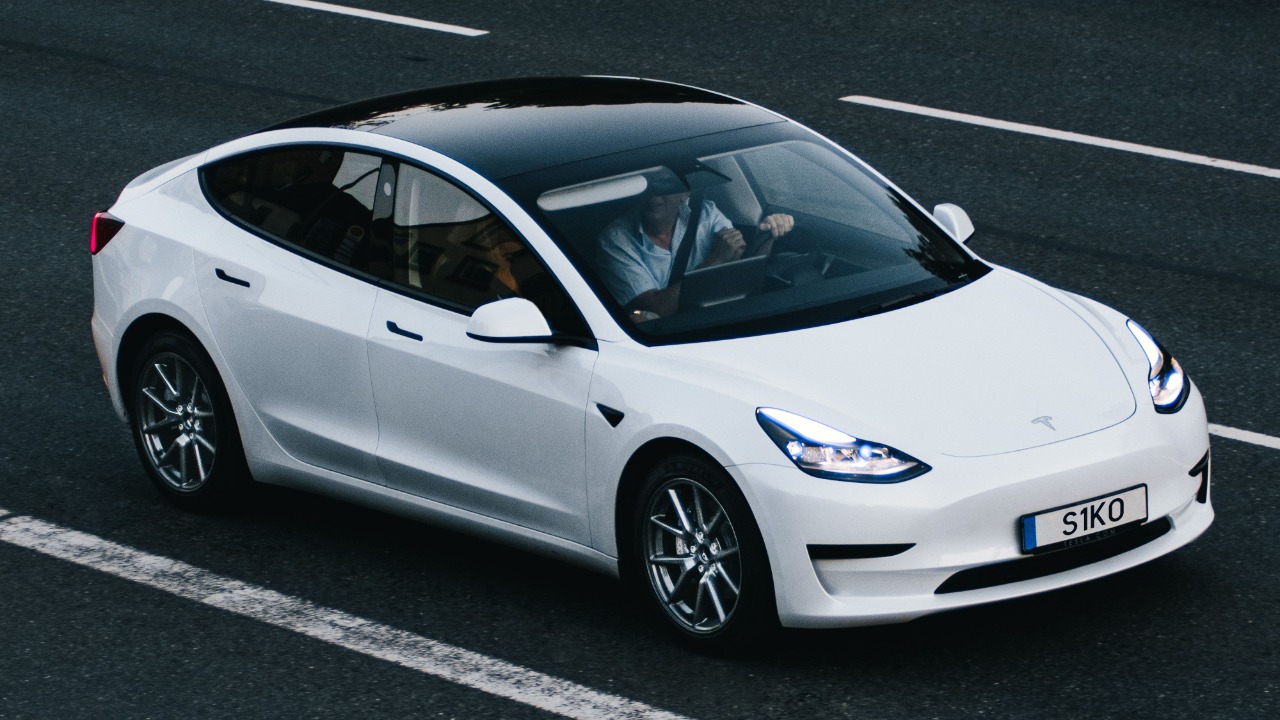
The Tesla Model 3 does not top the industry’s peak-charging-rate charts, but its access to Tesla’s extensive Supercharger network keeps real-world stops consistently short and predictable. Tesla tuned the Model 3’s charging curve and the Supercharger stations to work together efficiently across a trip. Background on the Model 3’s charging network explains why it remains a common road-trip pick.
Because the Supercharger network is so dense across much of the country, drivers spend less time hunting for an available charger than with some rivals relying on third-party networks. The charging rate does taper more noticeably once the battery passes roughly the halfway point. Overall trip time still tends to favor the Model 3 thanks to that network reliability.
7. Hyundai Ioniq 6: Streamlined Charge Curve
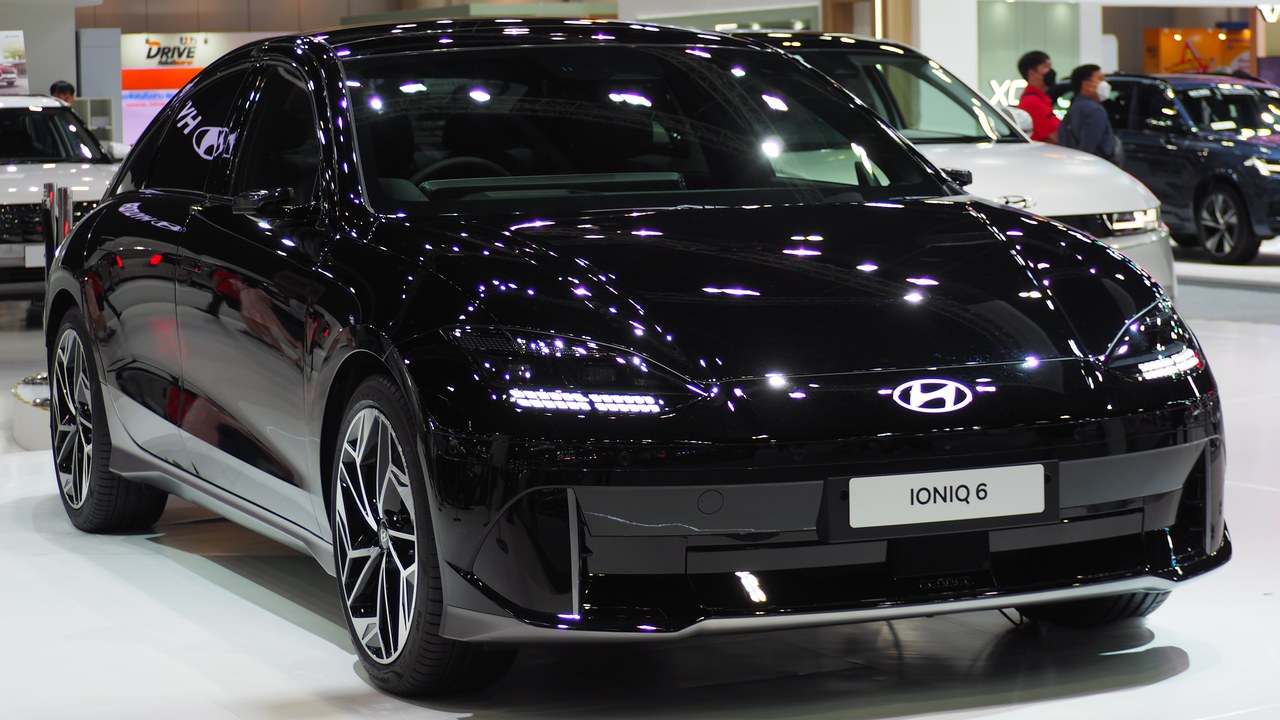
The Hyundai Ioniq 6 uses the same 800-volt E-GMP architecture as the Ioniq 5, paired with a slippery aerodynamic shape that stretches every charging stop’s added range further down the road. Hyundai tuned the sedan’s charge curve to hold a high rate across more of the battery’s capacity rather than tapering early. Coverage of the Ioniq 6’s charging performance has praised its consistency.
The sedan’s aerodynamic efficiency means the range added during a fast charge goes farther per mile than in a boxier SUV with a similar battery. As with its E-GMP siblings, the Ioniq 6 needs a high-output charger to reach its fastest rates. That combination has made it a favorite among efficiency-focused EV shoppers.
8. Kia EV9: Fast-Charging Three-Row
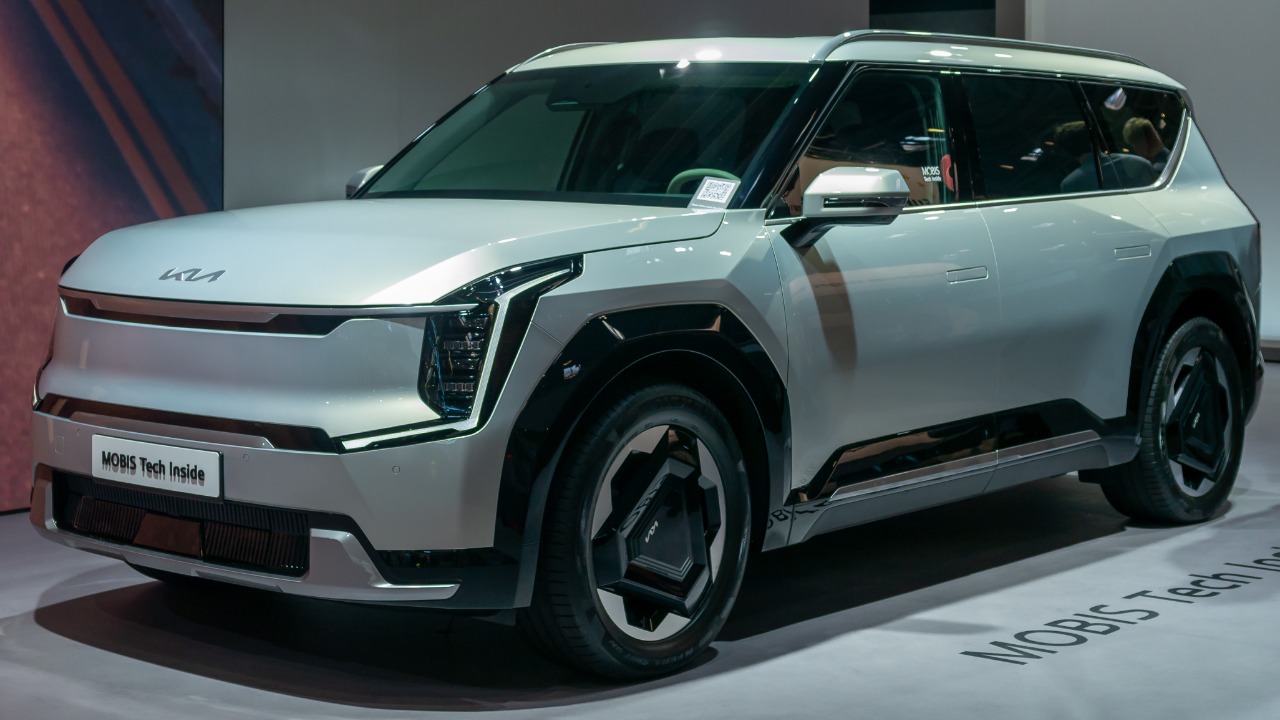
The Kia EV9 brings the E-GMP platform’s 800-volt fast-charging capability to a large three-row SUV, a segment where charging speed has historically lagged behind smaller EVs. Despite its bigger battery pack, the EV9 can still add a substantial amount of range in a short stop at a powerful charger. Details on the EV9’s charging specifications show it holding its own against smaller, lighter EVs.
Because the EV9 carries a larger battery for three rows of seating and cargo space, a full charge takes longer in absolute terms than in a smaller EV. Families cross-shopping three-row SUVs get a rare combination of interior space and genuinely quick highway charging stops. That balance is why the EV9 stands out among larger electric SUVs.
More from Morning Overview
