
Depreciation hits electric cars harder than almost anything else on the road, and the gap is not subtle. Rapid battery improvements, shifting incentives and steady price cuts on new models keep dragging used values down long before the cars wear out. Here are eight electric cars that give up value faster than the rest.
1. Nissan Leaf: Bottom Of The Rankings
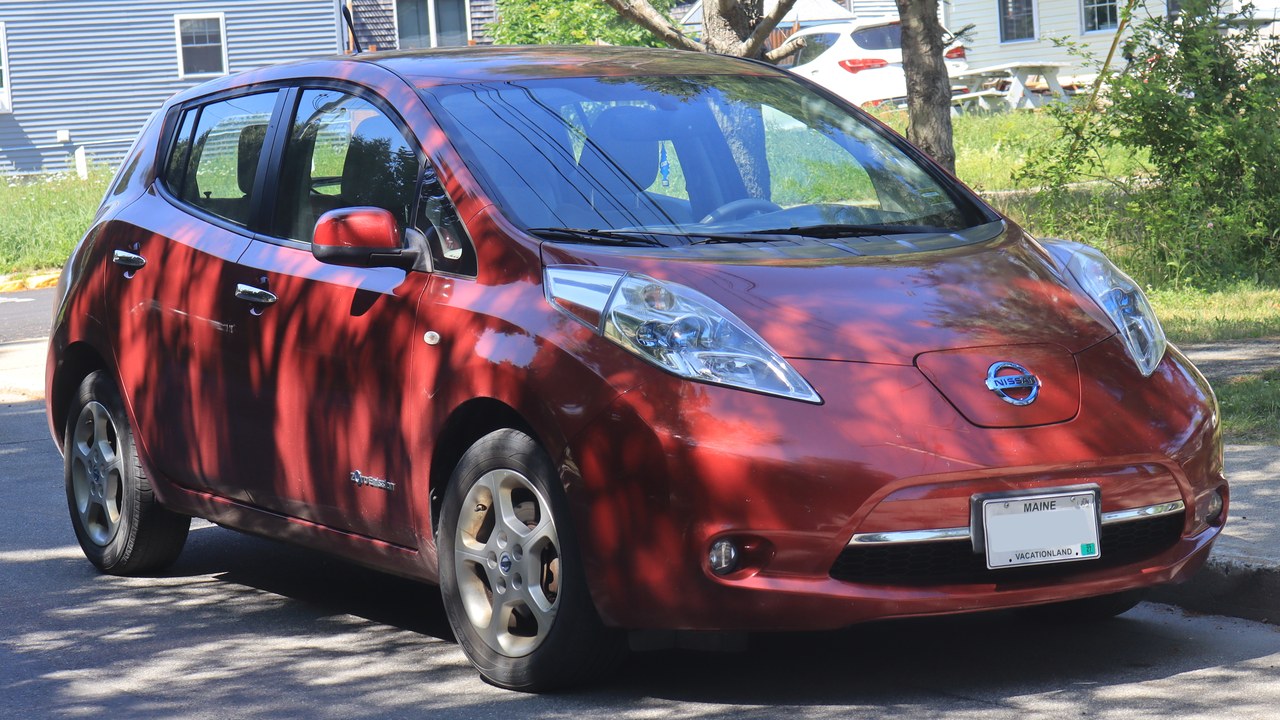
No model fell further than the Leaf, which shed 63.1 percent of its value and finished dead last in the resale-value study. That slide runs well past the 57.2 percent average logged across electric vehicles, and it lands on a hatchback that was inexpensive to begin with.
Early Leafs relied on a passively cooled battery pack that loses range unevenly in hot climates, and the used market has priced that reputation in. The benefit flows entirely to the second owner, who gets a cheap commuter with low running costs. Remaining battery capacity, not mileage, is the number that separates a bargain from a mistake.
2. BMW i7: Flagship Money Evaporates
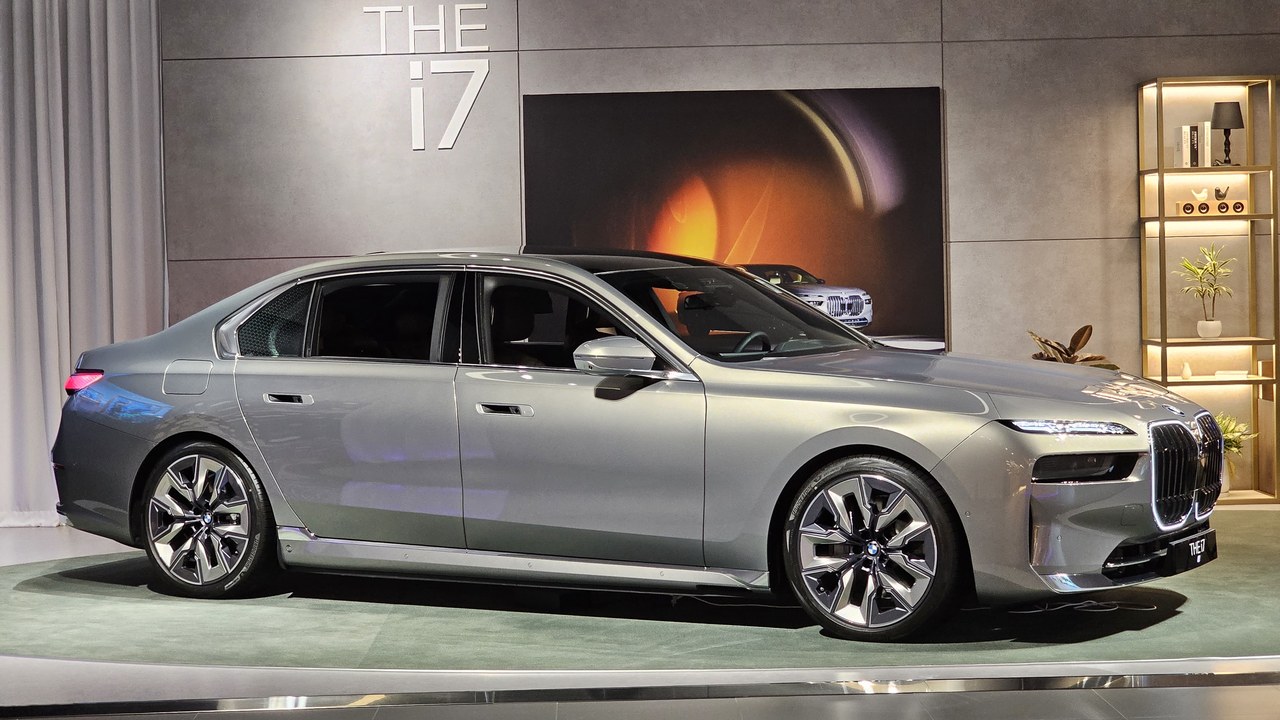
Two-thirds of the original price disappears on BMW’s electric flagship, a rate of loss that drops a full-size luxury sedan into ordinary used-car territory. The i7 ranks among the steepest decliners in the resale-value data, falling faster than the electric average despite the badge on the hood.
Segment gravity explains much of it, since large luxury sedans have always depreciated hard and an electric drivetrain adds fresh questions about battery life and software support. The discount is real for anyone shopping used. Tires, brakes and repairs on a car this heavy remain priced like the flagship it was sold as.
3. Jaguar I-Pace: An Early Bet Gone Cold

Among the first premium electric SUVs from a legacy automaker, the Jaguar I-Pace collected strong early reviews and then watched its resale value crater as newer rivals pulled ahead on range and charging speed.
Prices have fallen far enough that a used example can undercut comparable gasoline luxury SUVs of the same age and mileage. A thin service network sharpens the risk, because high-voltage repairs route through a shrinking dealer footprint rather than an ordinary garage. Drivers willing to live with slower charging get a striking, well-finished SUV for a fraction of what the first owner paid.
4. Porsche Taycan: Badge Could Not Save It
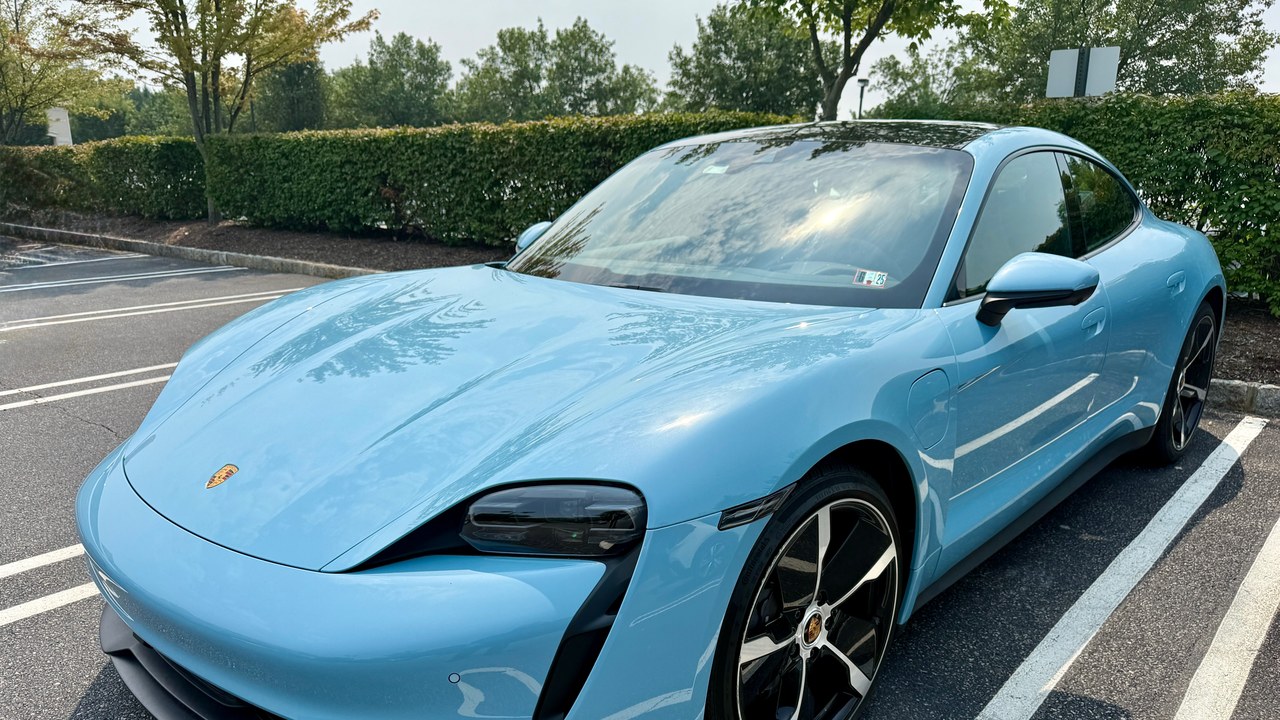
Porsche’s long reputation for holding value did not survive the switch to electricity. The Porsche Taycan gives up value steeply, following the pattern of every fast-improving EV: newer versions arrive with more range and quicker charging, pushing older cars down the price ladder.
Sports-sedan performance at a used-crossover price is the reward waiting for a second buyer. The catch sits in the running costs, where tires, brakes and out-of-warranty work are still billed at Porsche rates. Battery service on a car of this output is never a cheap proposition, so a warranty check matters more than color or trim.
5. Audi e-tron: Luxury Weight, Heavy Losses
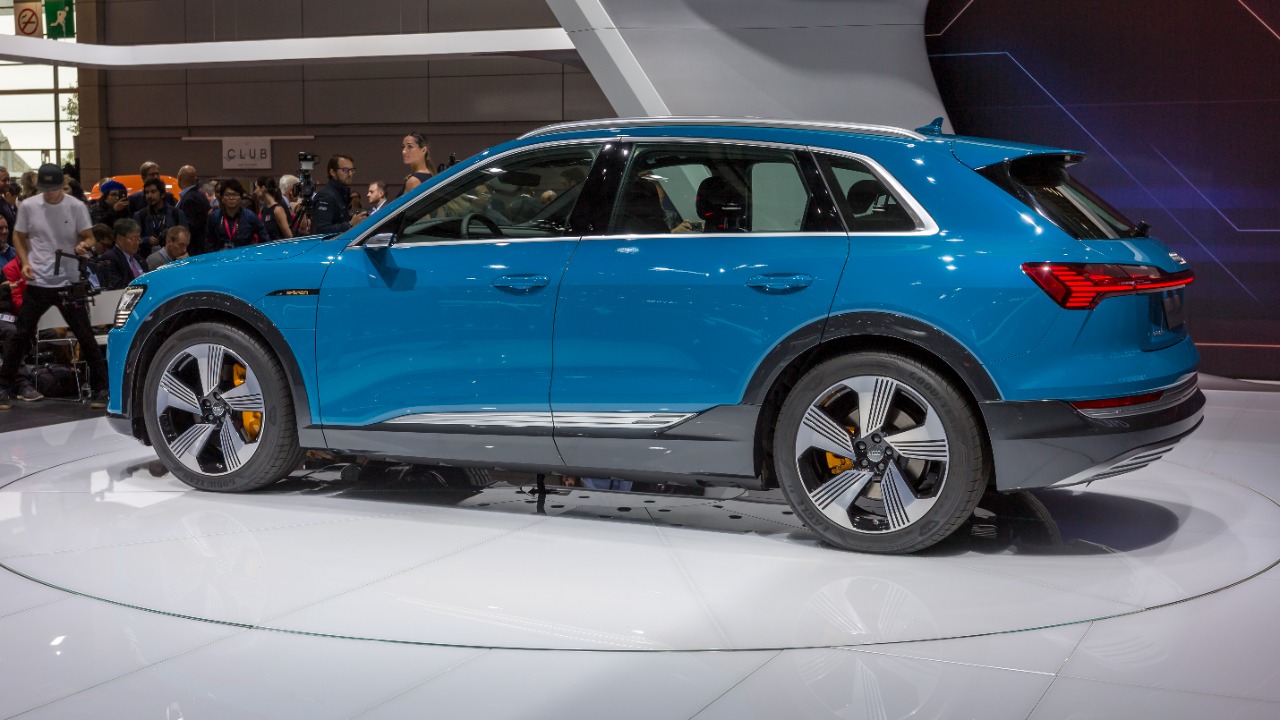
Audi’s first mainstream electric SUV depreciates steeply, and the reason is visible in the spec sheet. The Audi e-tron trailed rival electric SUVs on efficiency and range almost from launch, which left it exposed once better-equipped competitors reached showrooms.
What remains is one of the cheapest routes into a large, quiet, solidly built electric SUV with a luxury cabin. Range is the tradeoff, and the asking price reflects it honestly. Budgeting for one means budgeting for high-voltage repairs and for tires that wear quickly under a heavy vehicle delivering instant torque at every stoplight.
6. Chevrolet Bolt EV: Cheap New, Cheaper Used
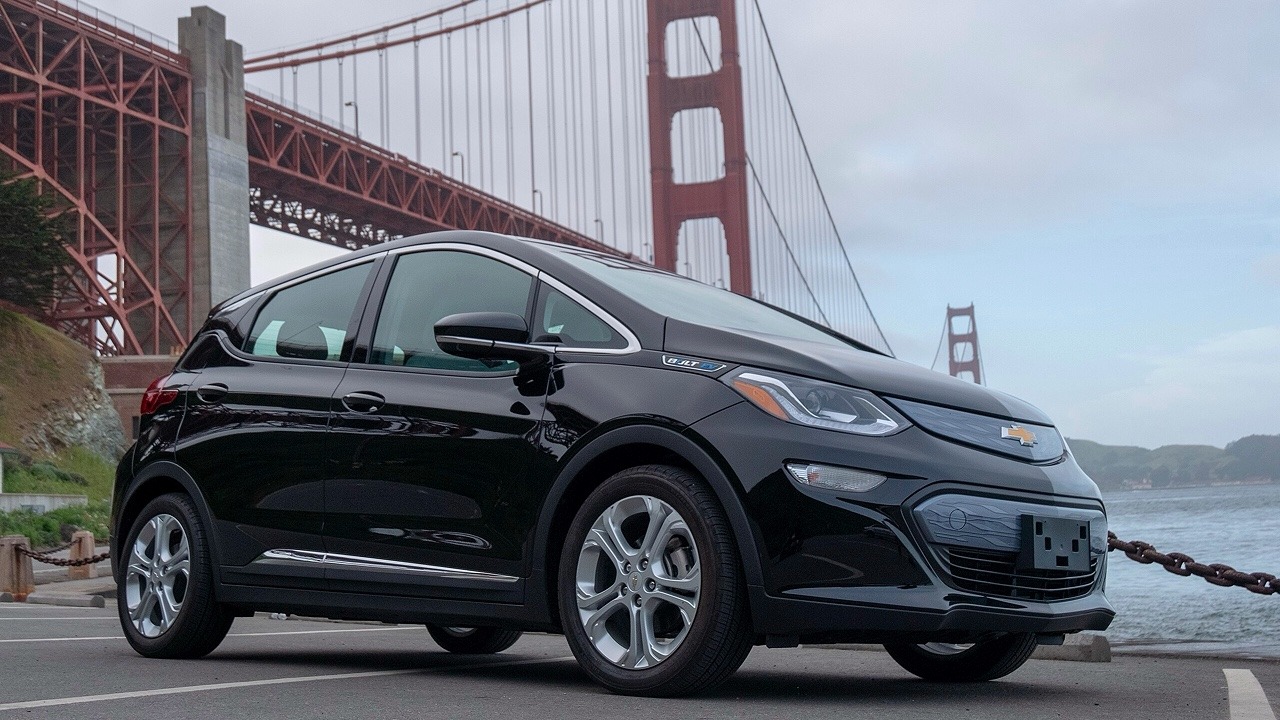
Depreciation does not spare the affordable end of the market either. the Chevrolet Bolt launched as one of the least expensive electric cars sold in the United States and still sheds value fast, leaving used examples priced below plenty of gasoline subcompacts.
Cheapness is the entire argument for this one, helped by modest running costs and a hatchback body that is genuinely practical for its footprint. Percentage losses look uglier than the dollar figures behind them. Battery health and whatever warranty coverage remains matter far more than odometer readings when two cars sit side by side.
7. Hyundai Ioniq 5: Popular, But Prices Slid

Popularity offered no protection here. the Hyundai Ioniq 5 collected awards and waiting lists when it was new, then watched used prices fall quickly once supply caught up and discounts started appearing on unsold new inventory.
Quick charging and a design nobody confuses with anything else still make it one of the more appealing used electric crossovers on the market today. The early loss simply transfers to whoever buys second. Worth confirming on any given example: which of the two battery packs it carries, and whether the factory warranty transfers to a new owner.
8. Kia EV6: Good Reviews, Bad Residuals
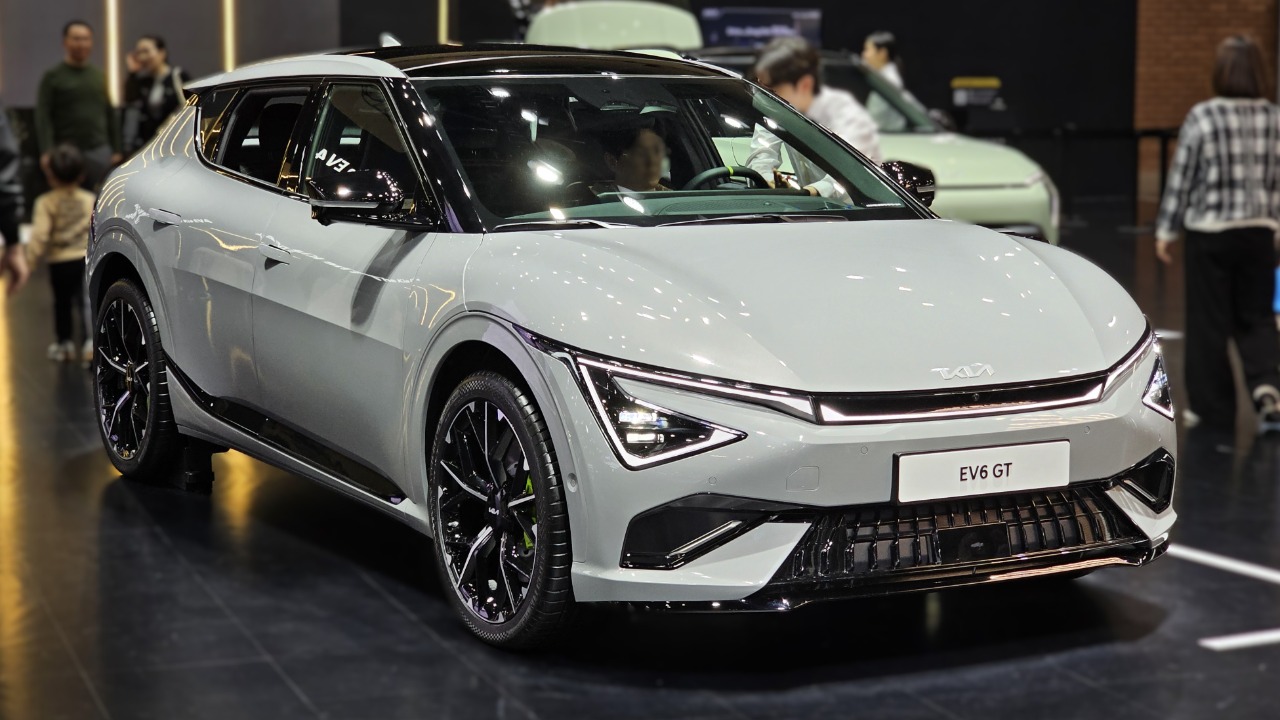
Critical praise and rapid depreciation coexist comfortably in the electric market. the Kia EV6 shares its engineering with the Ioniq 5 and shares its resale trajectory too, sliding hard while reviewers kept naming it among the best electric crossovers sold.
That gap between how good a car is and what it is worth defines the used electric market, where price cuts on new models set the ceiling for everything older. A second buyer collects fast charging and long warranty coverage at a discount that has almost nothing to do with the condition of the car.
More from Morning Overview
