
Electric vehicles are only as convenient as their charging speed, and a handful of models now recover serious range during a short roadside stop. Battery architecture, voltage and charger availability all shape how much range comes back in a few minutes, and the gap between the fastest and slowest EVs remains wide. Here are eight electric cars that add meaningful range during a brief fast-charging stop.
1. Hyundai Ioniq 6: The 350-Kilowatt Charging Sedan
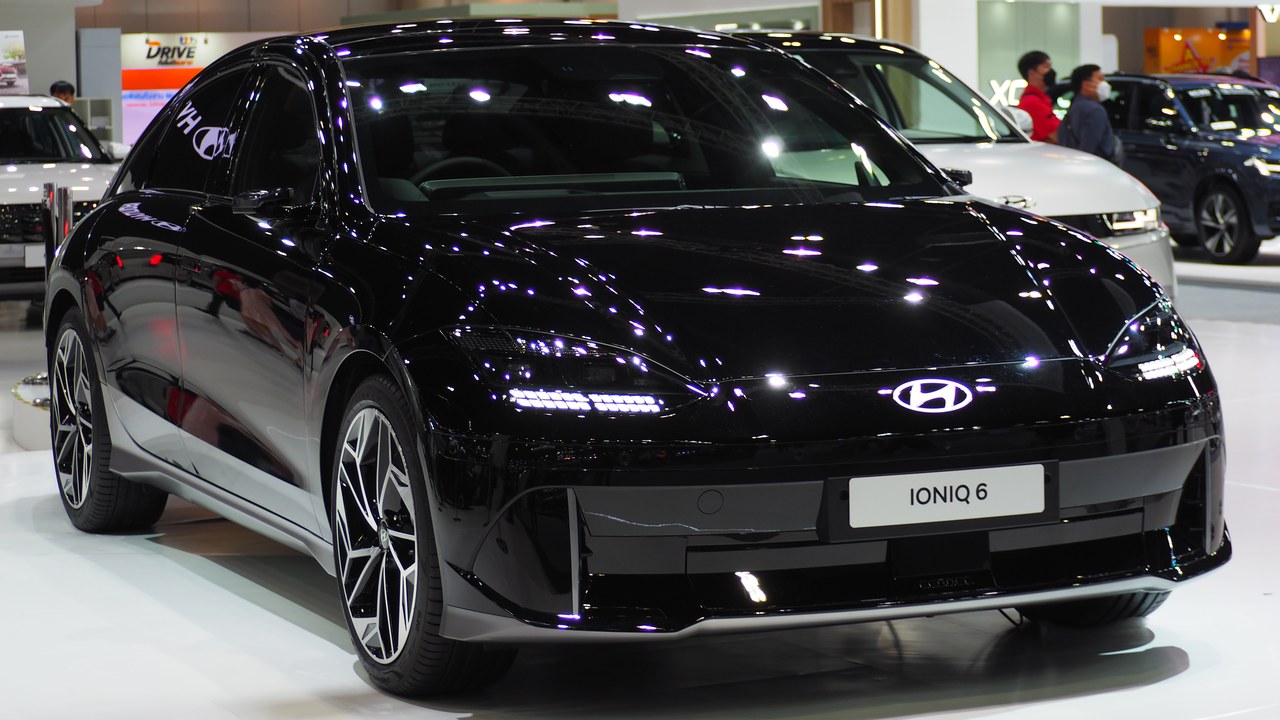
Hyundai’s Ioniq 6 rides on an 800-volt E-GMP platform engineered for rapid DC fast charging, with a peak rate near 350 kilowatts that can lift the battery from 10 to 80 percent in about 18 minutes on a matching charger. The sedan has also placed among the EPA’s most efficient models, a separate measure of energy use per mile.
For a driver on a highway trip, that window is short enough to fit inside a coffee stop, though hitting the peak number requires a 350-kilowatt station, still rarer than the 150-kilowatt chargers at most highway plazas. Cold weather and an already-warm battery also slow the real-world number below the rated peak.
2. Kia EV6: A Crossover Built For Speed
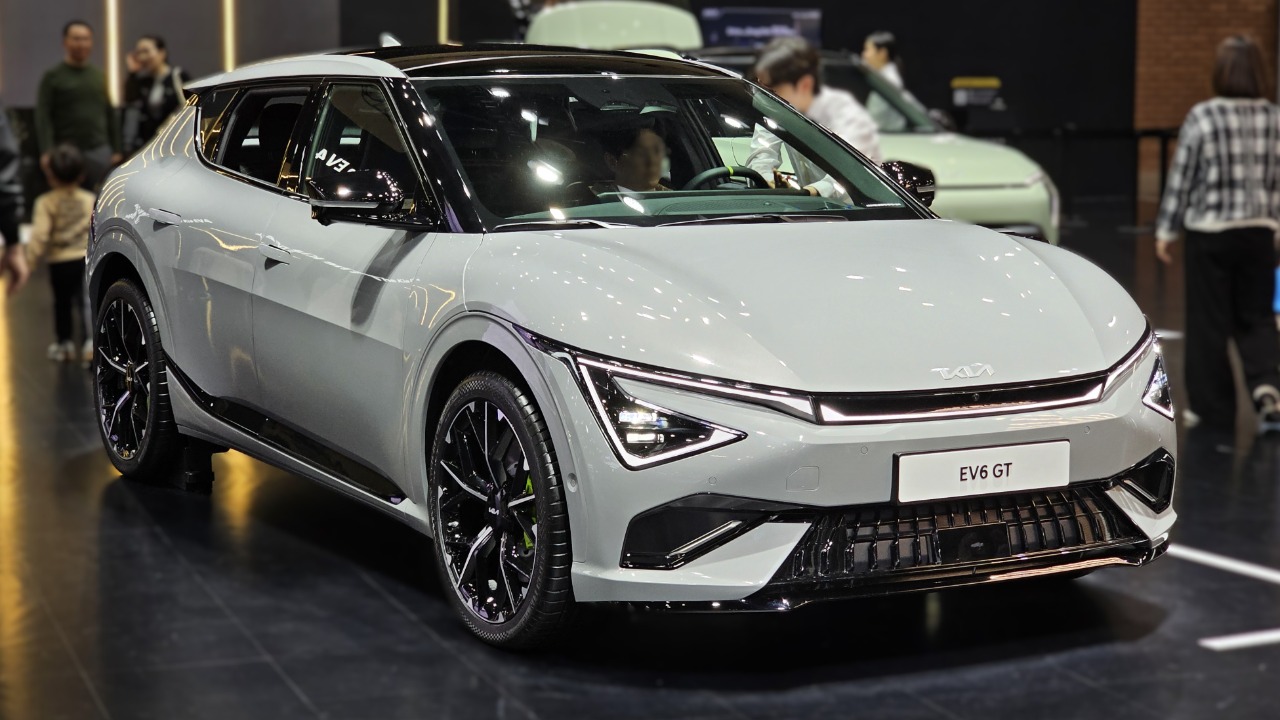
The Kia EV6 shares its 800-volt E-GMP underpinnings with the Ioniq 6, and Kia rates its peak DC charging power at roughly 239 kilowatts, enough to take the battery from 10 to 80 percent in about 18 minutes on a suitably powerful charger. The EV6’s specification history shows that rate holding steady across recent model years.
That speed means a family driving cross-country can add several hours of range during a single fast-food stop, but only if the charging network they rely on actually delivers the higher-power connectors the EV6 is built to use rather than an older, slower unit.
3. Hyundai Ioniq 5: The Original 800-Volt Crossover

The Hyundai Ioniq 5 pioneered the 800-volt E-GMP charging architecture that now underpins several Hyundai and Kia electric models, with a peak rate around 235 kilowatts letting the crossover recover 10 to 80 percent of its battery in roughly 18 minutes. Its engineering background explains why later Hyundai and Genesis models borrowed the same hardware.
Owners who plan stops around 350-kilowatt stations see numbers close to that peak, but on a common 50-kilowatt charger the same crossover takes well over an hour, so the charging network matters as much as the car underneath the badge.
4. Porsche Taycan: A Track-Bred Charging Benchmark
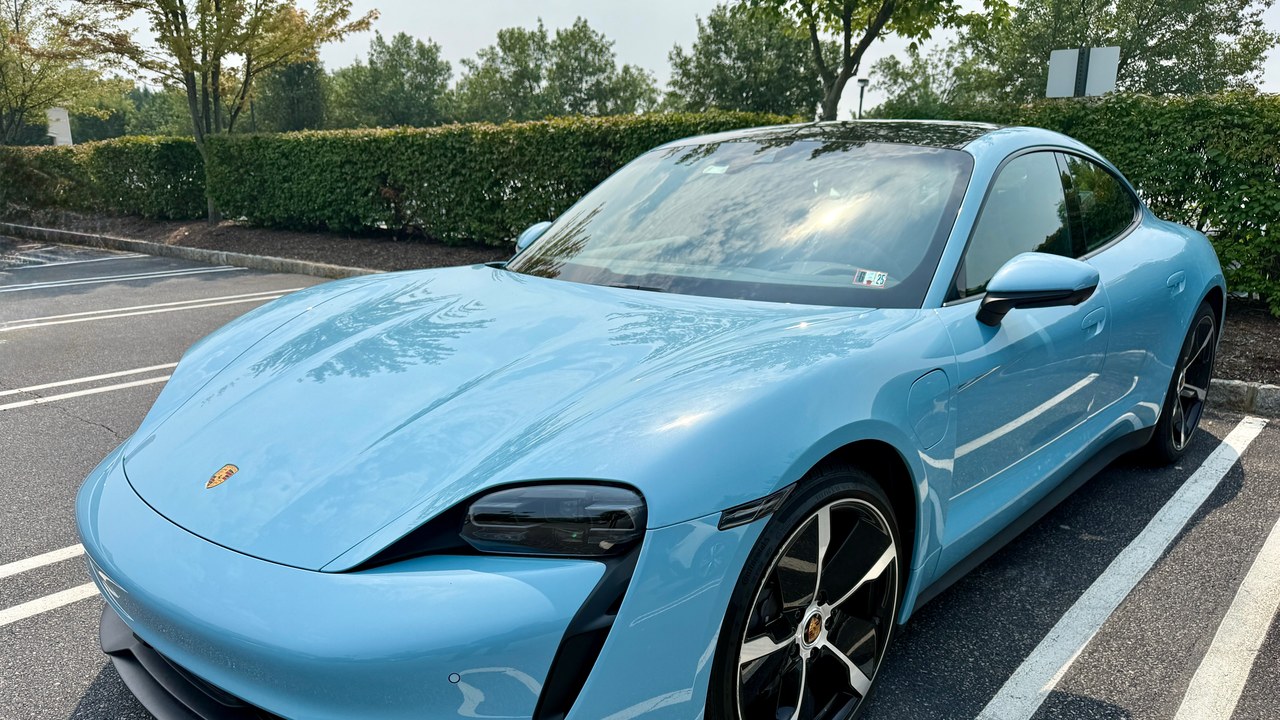
Porsche built the Taycan around an 800-volt system it later upgraded to accept up to 320 kilowatts, a change that cut the sports sedan’s 10-to-80-percent charging window to about 18 minutes. The model’s technical development traces that upgrade to a battery revision that widened the charging window.
For a driver pushing the Taycan on a long drive, that pace can mean returning to nearly a full battery in the time it takes to grab lunch, though the improvement applies only to the updated version, not the earlier, slower-charging cars that came before it.
5. Genesis GV60: Luxury On A Shared Fast-Charge Platform
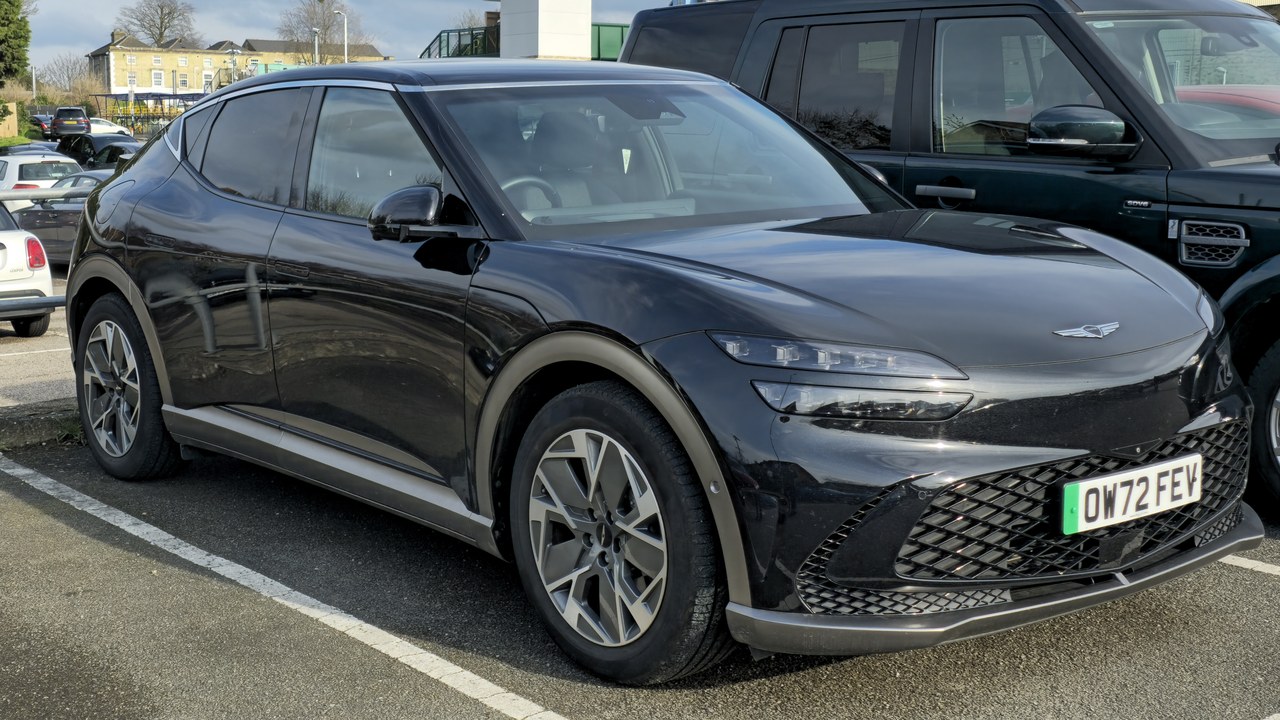
The Genesis GV60 borrows the same 800-volt E-GMP platform as the Ioniq 5 and EV6, giving the luxury crossover a peak DC charging rate near 235 kilowatts and a similar 10-to-80-percent window of about 18 minutes. The GV60’s shared platform origins explain why its charging numbers track its cheaper siblings closely.
That parity means a GV60 driver gets Ioniq-5-level charging speed with a nicer interior and a longer warranty, though the number still depends on finding one of the higher-power stations the shared platform was designed around rather than an older, slower charging unit nearby.
6. Lucid Air: America’s Fastest-Charging Sedan
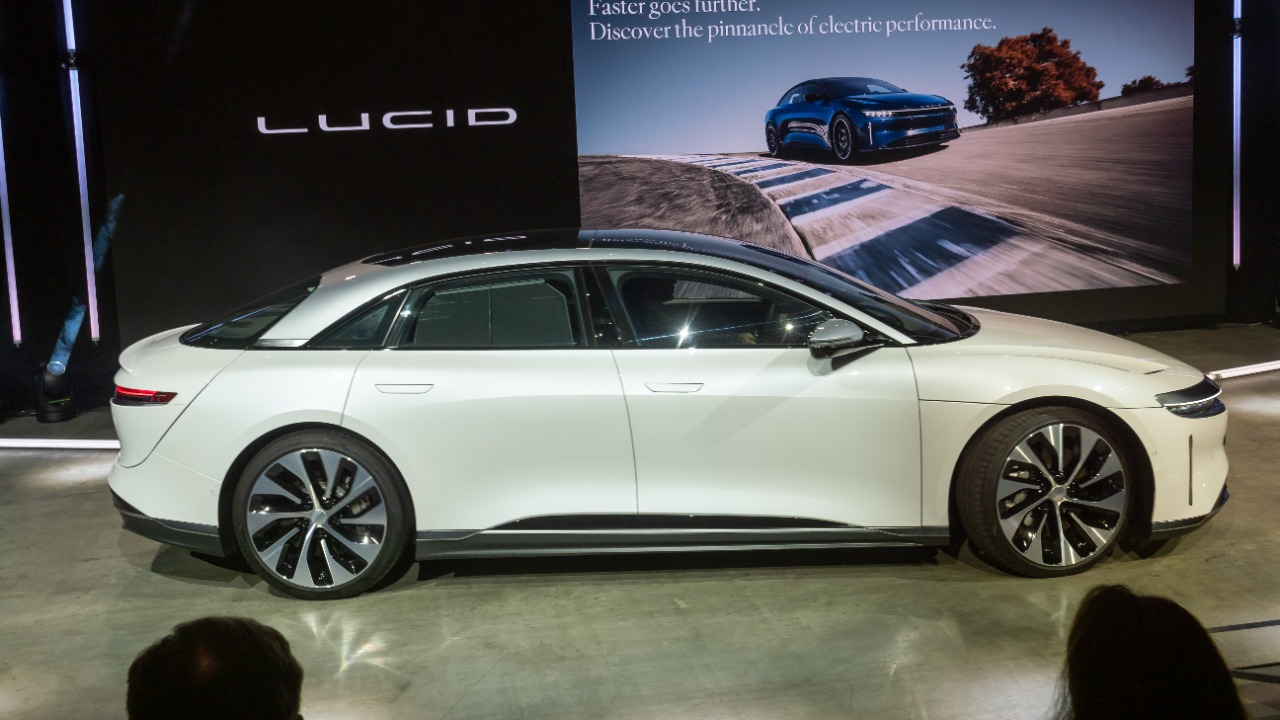
Lucid built the Air around a 900-volt architecture that draws a peak DC charging rate above 300 kilowatts, among the highest of any production electric car and enough to bank meaningful range during a short roadside stop. The Air’s battery engineering is the reason it outpaces most rivals on paper.
Reaching that peak still requires a 300-kilowatt-capable station, which remain uncommon outside dedicated fast-charging corridors, so most Air owners see a real-world rate well short of the sedan’s rated ceiling, especially once cold weather and battery preconditioning enter the equation.
7. Kia EV9: A Three-Row SUV That Keeps Moving
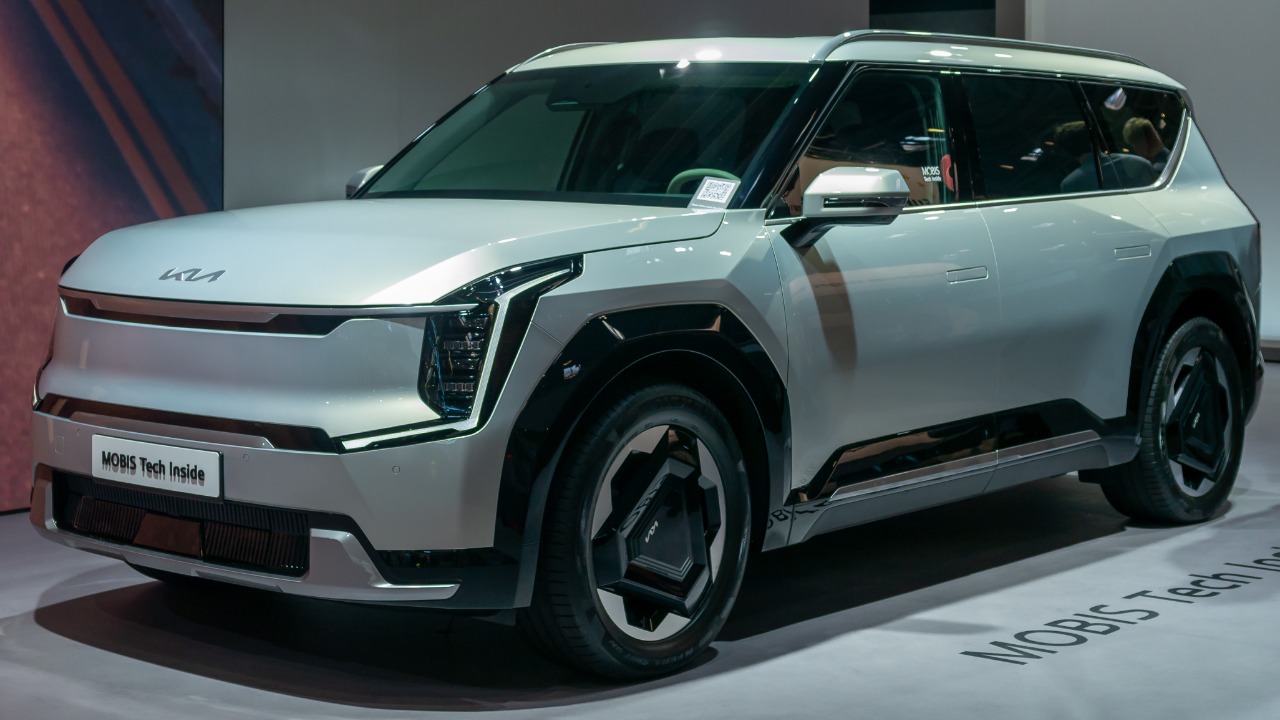
The three-row Kia EV9 rides on the same 800-volt platform as the smaller EV6 but carries a much larger battery, so its peak DC charging rate of roughly 230 kilowatts stretches the 10-to-80-percent window to about 24 minutes rather than 18. The EV9’s drivetrain specifications show that trade-off between size and charging speed clearly.
For a family hauling three rows of passengers on a road trip, that extra six minutes is a small price for the added space, and the EV9 still charges faster than most three-row electric rivals on the market today.
8. Tesla Model 3: The Supercharger Network’s Home Team
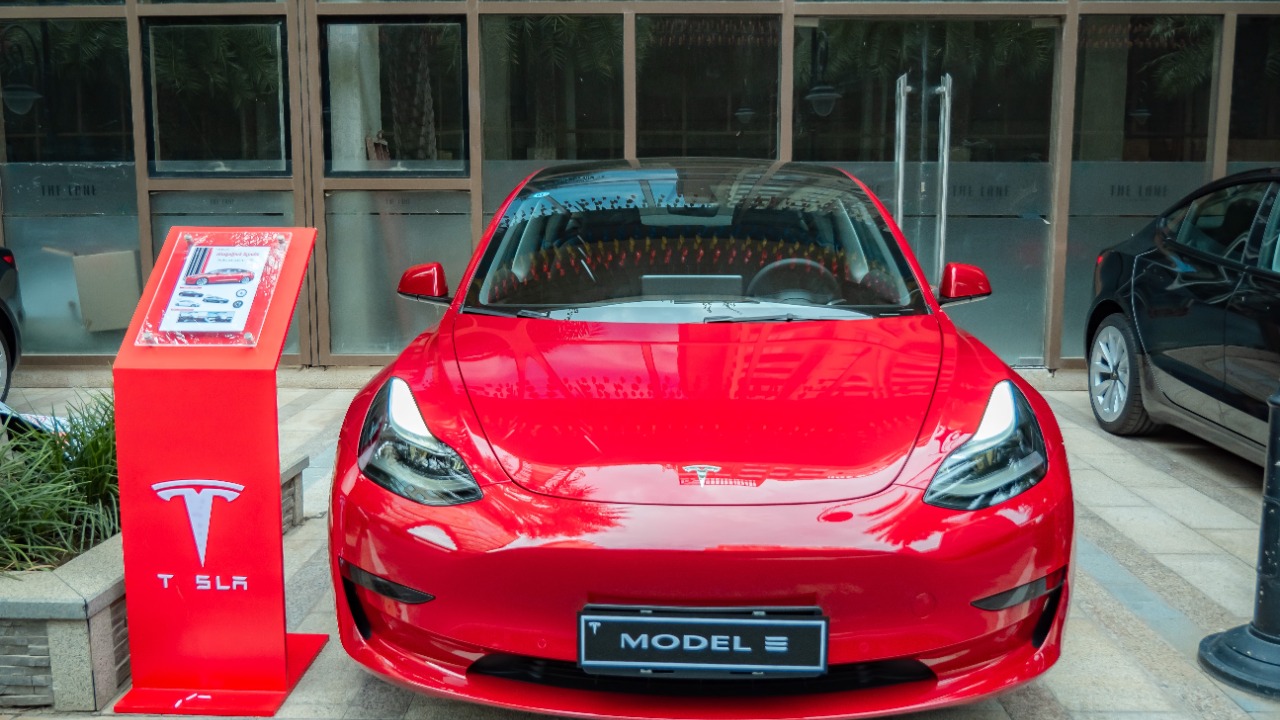
Tesla’s own figures for the Model 3 put its Supercharger peak at up to 250 kilowatts on the long-range and performance trims, a rate the company says can add up to 175 miles of range in about 15 minutes under favorable conditions. The Model 3’s charging specifications put it near the top of the mainstream EV segment for that pace.
The entry-level standard-range Model 3 uses a different battery chemistry that charges more slowly, so the fastest number applies mainly to the pricier trims, not every Model 3 sitting on a dealer lot today.
More from Morning Overview
- Automakers are quietly dropping the stop-start feature many drivers love to hate
- A granite sarcophagus surfaced in Egypt with its original lid still sealed
- The FBI tells phone owners to delete these toll-payment texts draining accounts nationwide
- Herbal supplements are landing Americans in the hospital with liver damage, doctors warn
