
Electric vehicles are often marketed as low-maintenance compared with gasoline cars, but owner reports and recall records tell a more complicated story. Battery packs, software systems, and complex components like power doors and charging hardware have each produced their own patterns of early trouble across different models. The following list profiles eight electric cars whose owners have reported problems sooner than expected.
1. Tesla Model X: Falcon-Wing Doors Draw Repeated Complaints
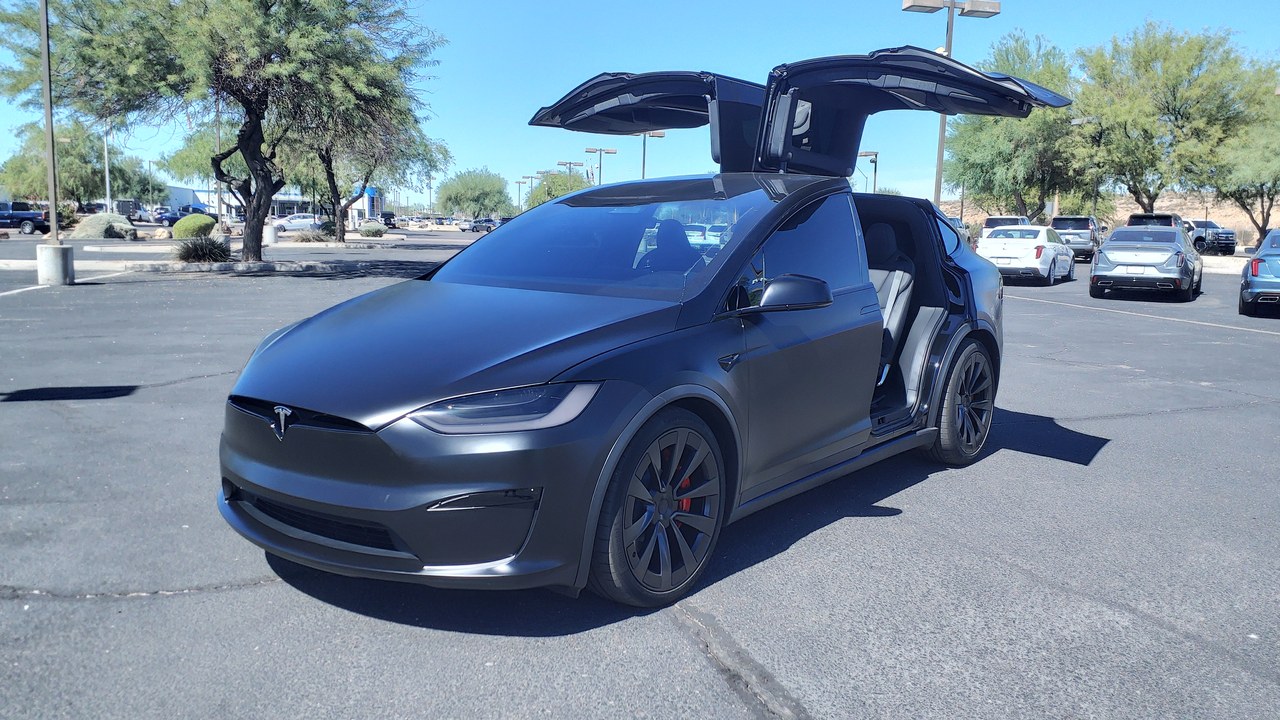
The falcon-wing doors on this electric SUV depend on ultrasonic sensors and hydraulic actuators to sense obstacles and swing open in tight spaces, and owners report those systems drifting out of calibration well before the rest of the vehicle shows wear. Doors that stick, hesitate, or refuse to close have turned up often enough in owner surveys and independent reliability rankings that the mechanism ranks among the most frequently cited complaints for the model.
The rest of the drivetrain has generally held up, which suggests a specific mechanical weak point rather than a broad breakdown risk, though a misbehaving door can still mean an unplanned service visit and a repair bill few buyers expect.
2. Nissan Leaf (first generation): Early Battery Packs Lose Range Fast
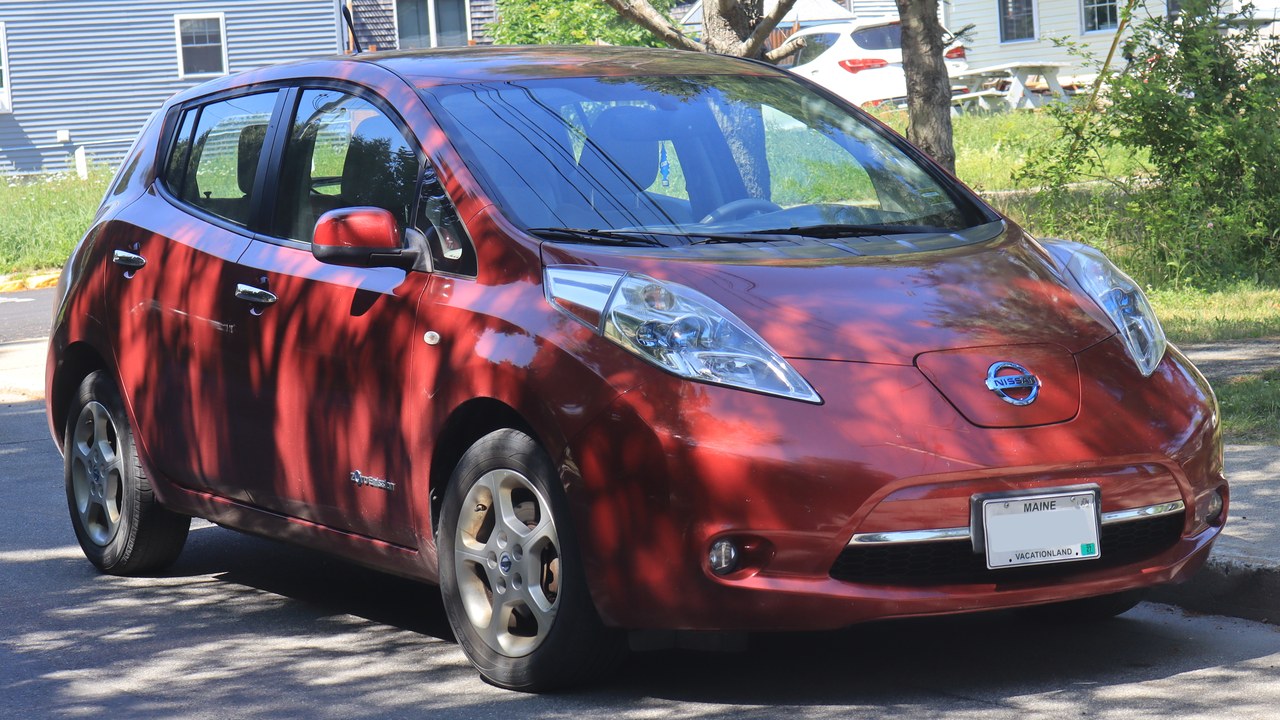
Unlike most electric cars sold since, the first-generation version of this hatchback shipped without active thermal management for its battery pack, leaving cells exposed to whatever temperature the outside air happened to be. Owners in hot climates such as Arizona and Texas documented capacity loss well ahead of the mileage or years that would normally justify it, with some packs losing a third or more of their original range within a few years of daily use.
Nissan later added a battery-warranty program and improved chemistry in later model years, but early adopters in warm regions still describe range that shrank noticeably faster than the car’s original window sticker implied.
3. Chevrolet Bolt: Battery Fire Recall Shook Confidence
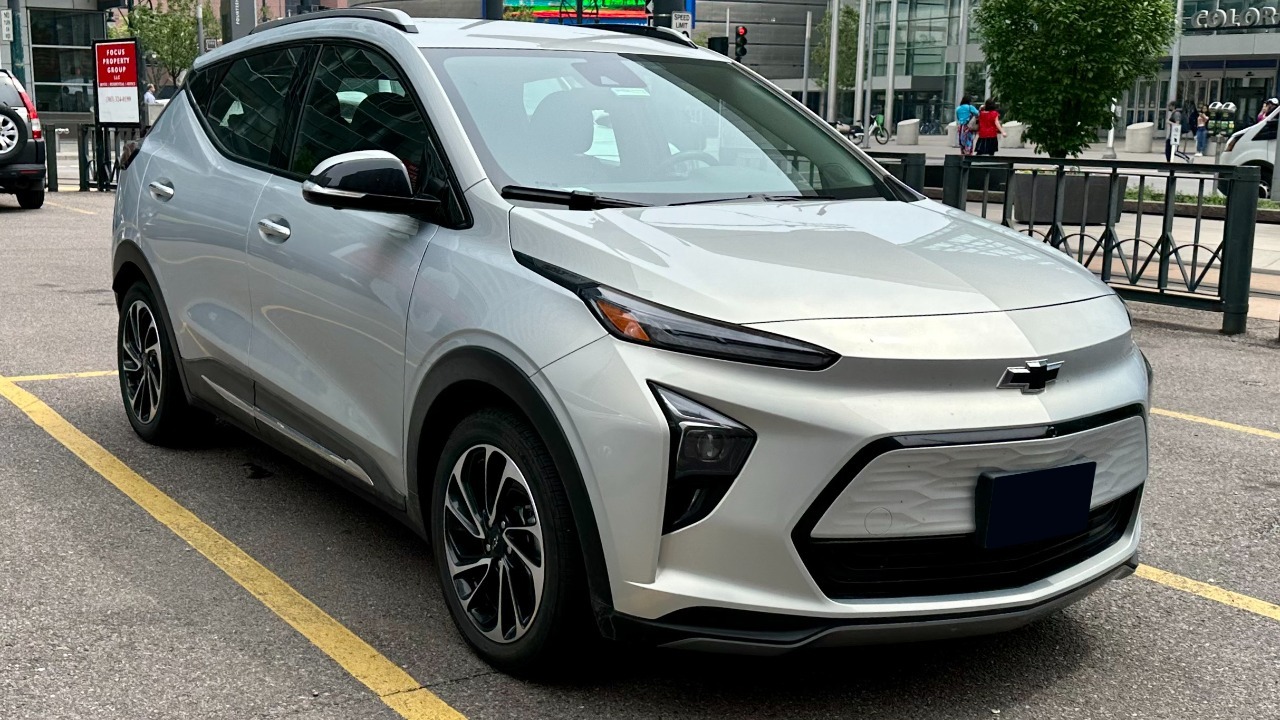
This compact hatchback was the subject of a sweeping recall after manufacturing defects in its battery cells were linked to a battery fire risk severe enough that General Motors told owners to park the car outdoors and away from structures while a fix was worked out. The company ultimately replaced battery packs across nearly the entire production run, an unusually large undertaking that left many owners waiting months for parts and a resolution.
GM’s response was thorough and the replaced packs carry a fresh warranty, but the episode remains one of the most visible EV reliability failures on record and still shapes how shoppers view the model on the used market.
4. Jaguar I-Pace: Software and Charging Faults Persist

Reviewers praised this British-built SUV’s driving dynamics at launch, but owners have logged a steady stream of software and charging problems in the years since, ranging from infotainment screens that freeze mid-drive to onboard chargers that fail to communicate properly with public charging stations. Independent owner-satisfaction surveys in the United Kingdom have repeatedly placed the automaker’s electric flagship near the bottom of the reliability rankings, well behind mainstream rivals.
Warranty coverage has generally absorbed the repair costs for early buyers, but the frequency of dealership visits has been enough to give some shoppers pause when cross-shopping against newer luxury electric SUVs.
5. Audi e-tron: Early Recalls Targeted Battery Coolant
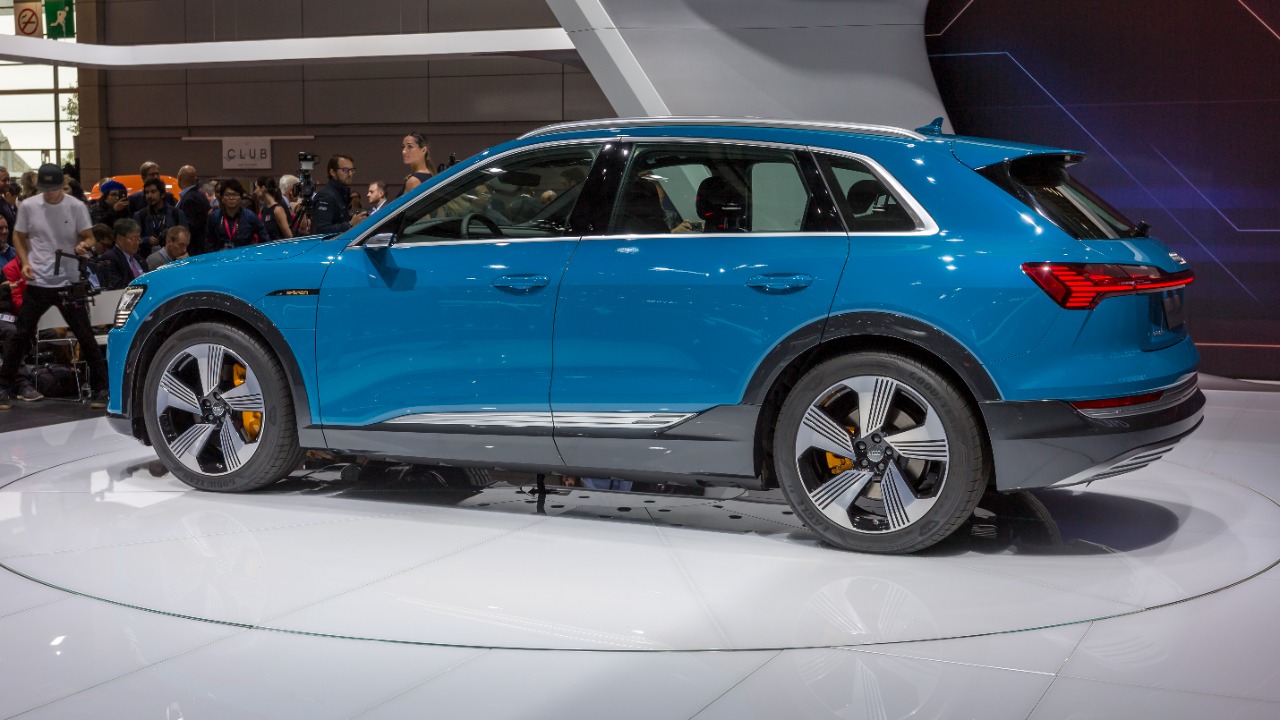
Early production versions of this German luxury SUV were recalled over a coolant leak that could seep into the battery pack and raise the risk of a fire, prompting the automaker to inspect and repair thousands of vehicles before owners were cleared to keep charging normally. A separate recall addressed a software fault that could cause the battery to lose charge unexpectedly while parked.
The issues were concentrated in the first model years and were addressed under warranty, but owners of those early cars still describe more dealership visits than they expected from a vehicle in this price class.
6. Tesla Model S (early): Touchscreens and Door Handles Wear Out
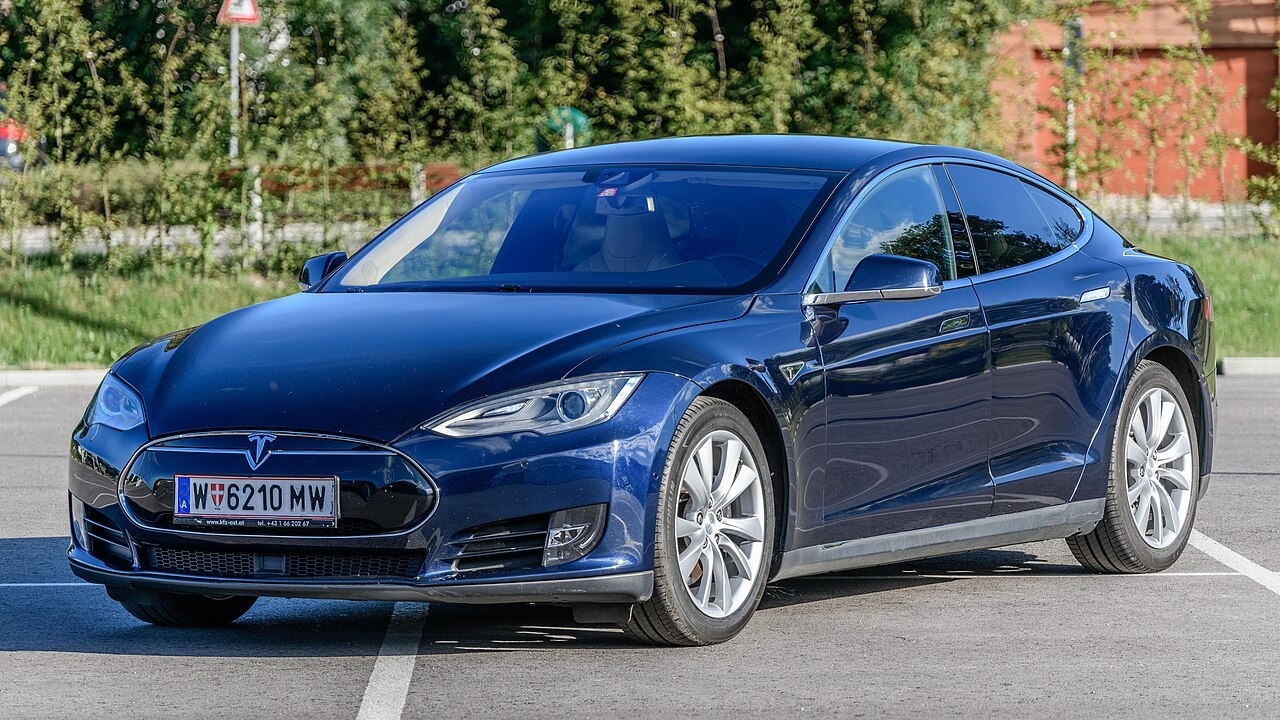
The oldest examples of this sedan, built in the first few years of production, are now old enough that owners commonly report touchscreen failures caused by a memory chip that wears out with age, along with retractable door handles that stop presenting or retracting on command. Both problems tend to appear well past the original warranty window, leaving owners to pay out of pocket for repairs that can run into the thousands.
The car’s core drivetrain has generally proven durable over hundreds of thousands of miles, so the complaints skew toward electronics and trim components rather than the battery or motor themselves.
7. Porsche Taycan: Early Builds Faced Battery Drain Issues
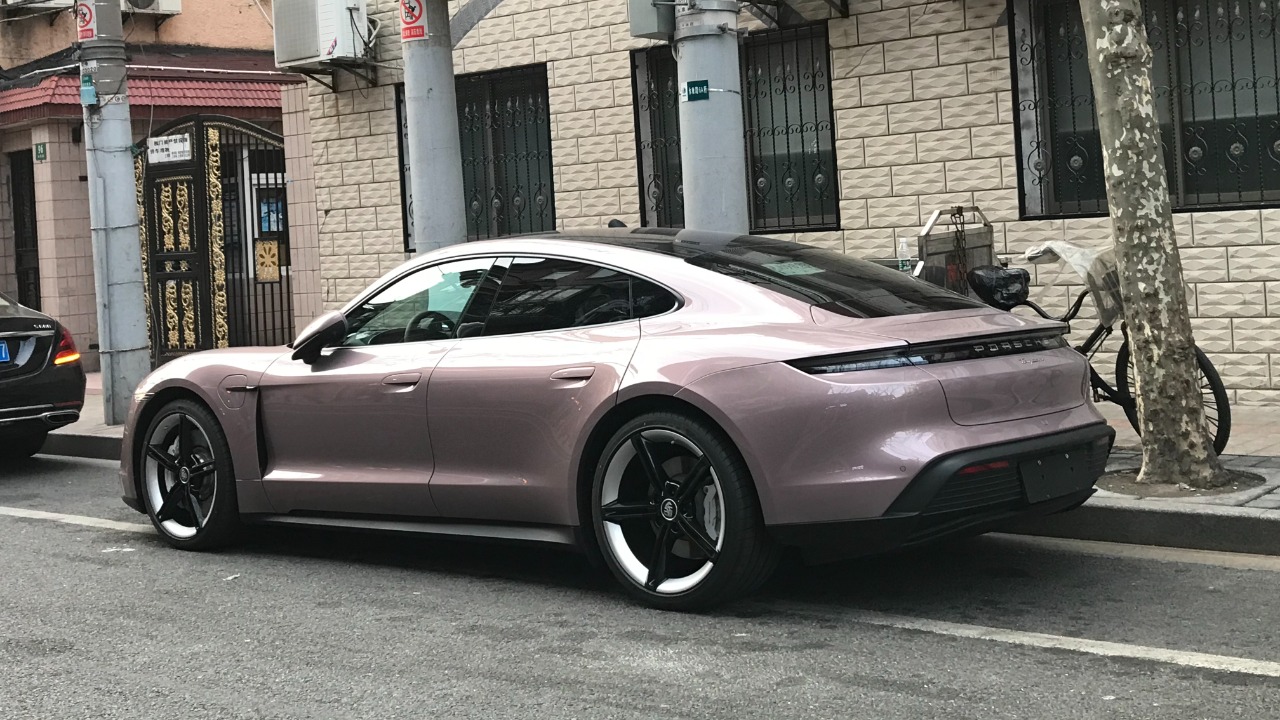
Some early examples of this performance sedan left owners stranded when the car’s separate 12-volt battery, which powers the systems that wake up the main battery pack, drained unexpectedly and left the vehicle unable to start. The automaker issued multiple recalls covering wiring harnesses and software updates meant to prevent the drain, alongside a separate recall addressing a curtain airbag fault.
The fixes have largely resolved the pattern in cars that received them, but owners of unrepaired early units still describe the occasional dead battery as a lingering, if now well-documented, quirk of the model’s first production years.
8. Ford Mustang Mach-E: Battery Contactor Recall Cut Power Suddenly
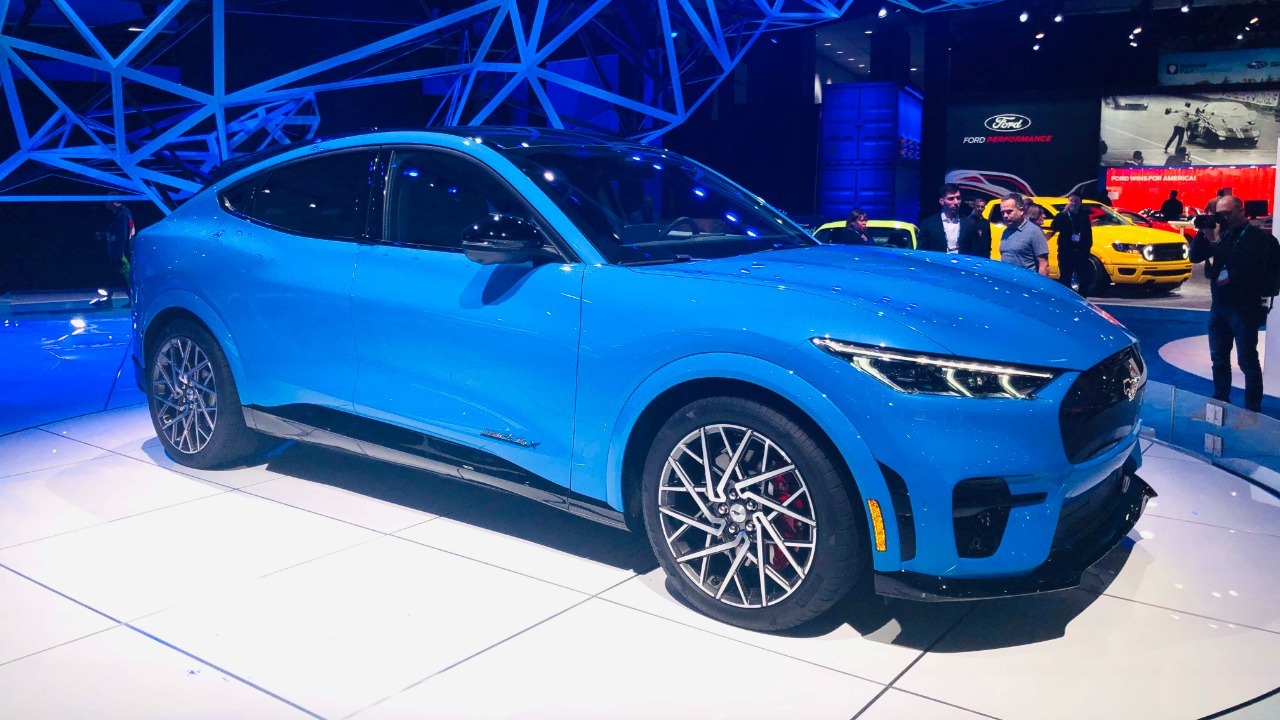
This electric crossover was recalled after Ford found that a high-voltage battery contactor could overheat and cause the vehicle to lose power while driving, a problem serious enough that the automaker urged owners to schedule repairs quickly rather than wait. A separate string of complaints centered on software glitches that left the car unresponsive to its key fob or unable to complete a charging session.
Ford issued free software and hardware fixes for the recalled units, and later production years appear to have avoided the worst of the pattern, but the early complaints were widespread enough to draw attention from federal safety regulators.
More from Morning Overview
- A California supervolcano has bulged upward about two and a half feet since 1978
- The FTC is warning about a scam quietly draining thousands from victims
- The NSA is again telling phone owners to switch off one location setting
- A handful of car transmissions are so tough mechanics say they almost never fail
