
Battery replacement horror stories dominate the conversation around secondhand EVs, yet the odometers tell a quieter story. Federal rules require every EV sold in the United States to carry at least an eight-year, 100,000-mile battery warranty, and plenty of packs keep working well beyond it. Here are eight battery-powered models that routinely reach six-figure mileage.
1. Tesla Model 3: Sheer Numbers on the Road
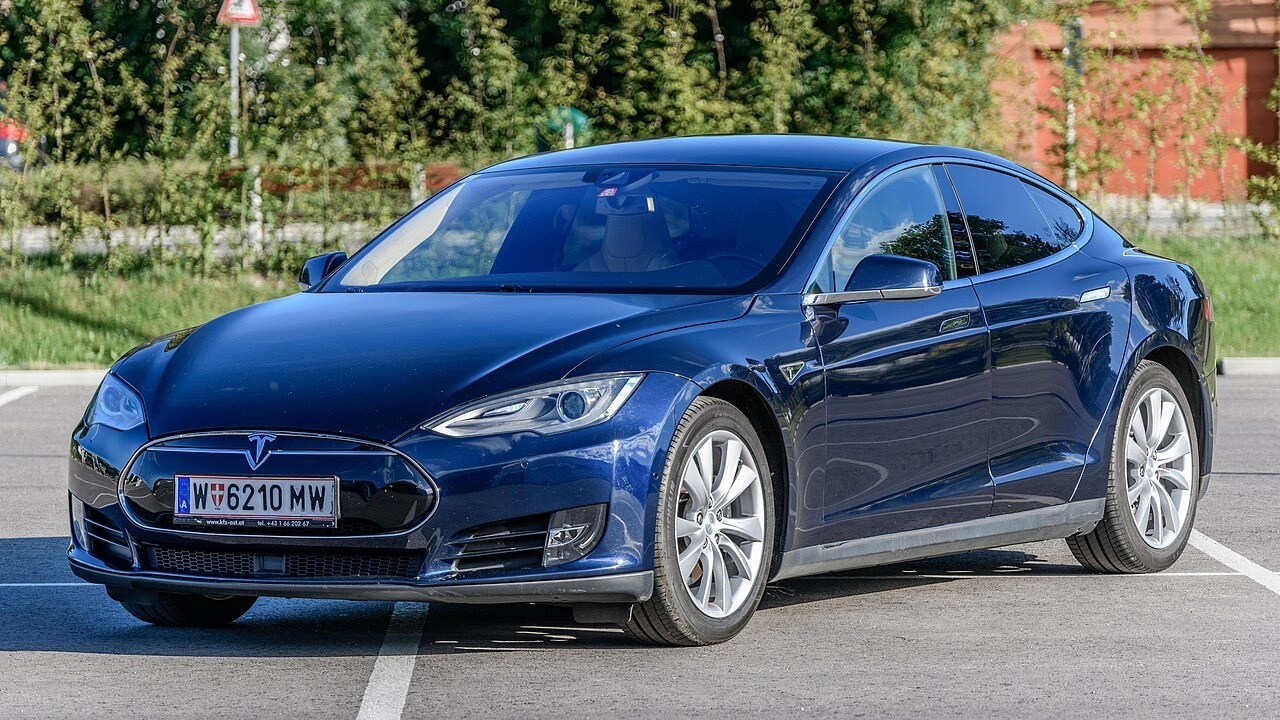
Tesla has built the Model 3 since 2017, and the sheer volume of them on the road is why so many high-odometer examples exist. Depending on trim, the sedan carries either a lithium iron phosphate pack or nickel-based 2170 cells, both managed by a liquid cooling loop that holds cell temperature in a narrow band. Tesla warrants the battery for eight years and at least 100,000 miles, with a minimum capacity retention threshold attached.
That warranty floor matters more than any anecdote, because it is contractual. It also transfers with the car, so a used example still carries whatever years and miles remain on the original term, which is worth checking before treating a big odometer as a liability.
2. Tesla Model S: The Unlimited-Mile Promise
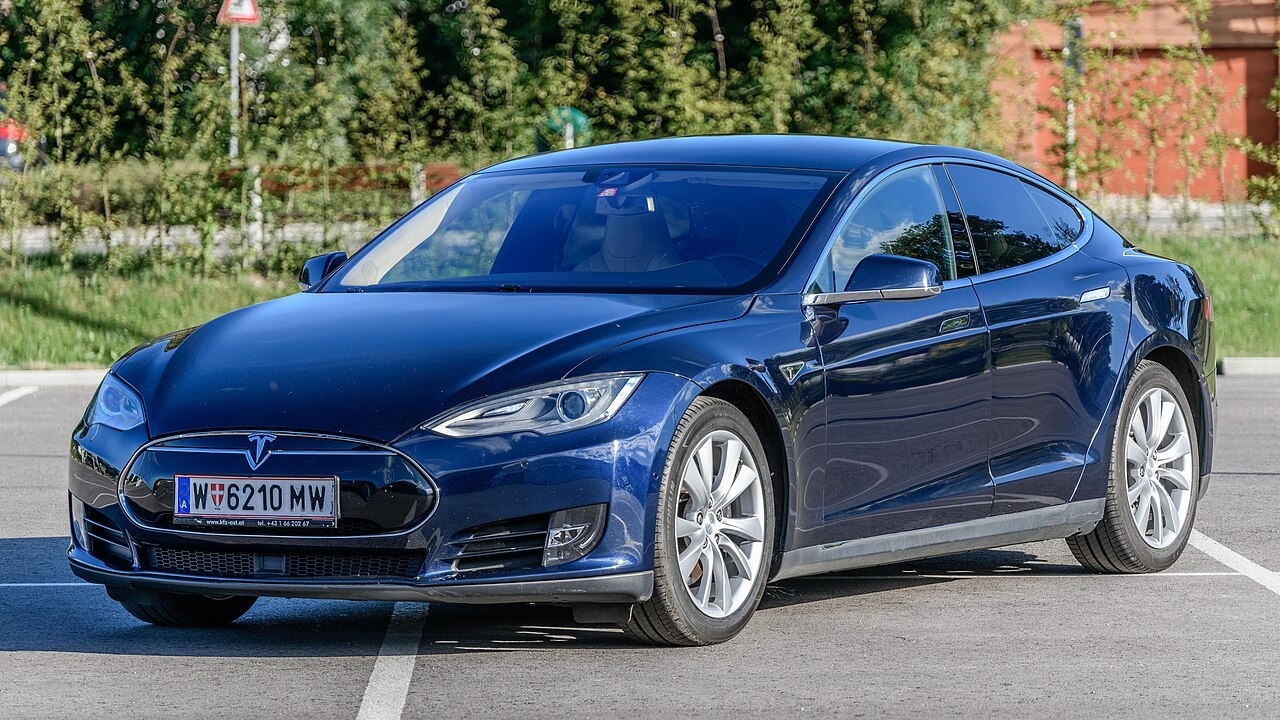
The Model S is why this conversation exists at all. Tesla began deliveries in 2012, so the earliest cars have had well over a decade to pile up distance, and their liquid-cooled battery packs ranged from roughly 40 to 100 kWh across the production run. On the larger packs, Tesla originally backed the eight-year battery warranty with no mileage limit whatsoever.
That unlimited-mileage clause is the tell: a manufacturer does not write one unless it expects the pack to outlast the odometer. Later cars moved to a fixed eight-year, 150,000-mile term. The real caveat on an aging Model S is not whether the battery survives but what a replacement costs once coverage lapses.
3. Tesla Model Y: Best Seller, Biggest Sample
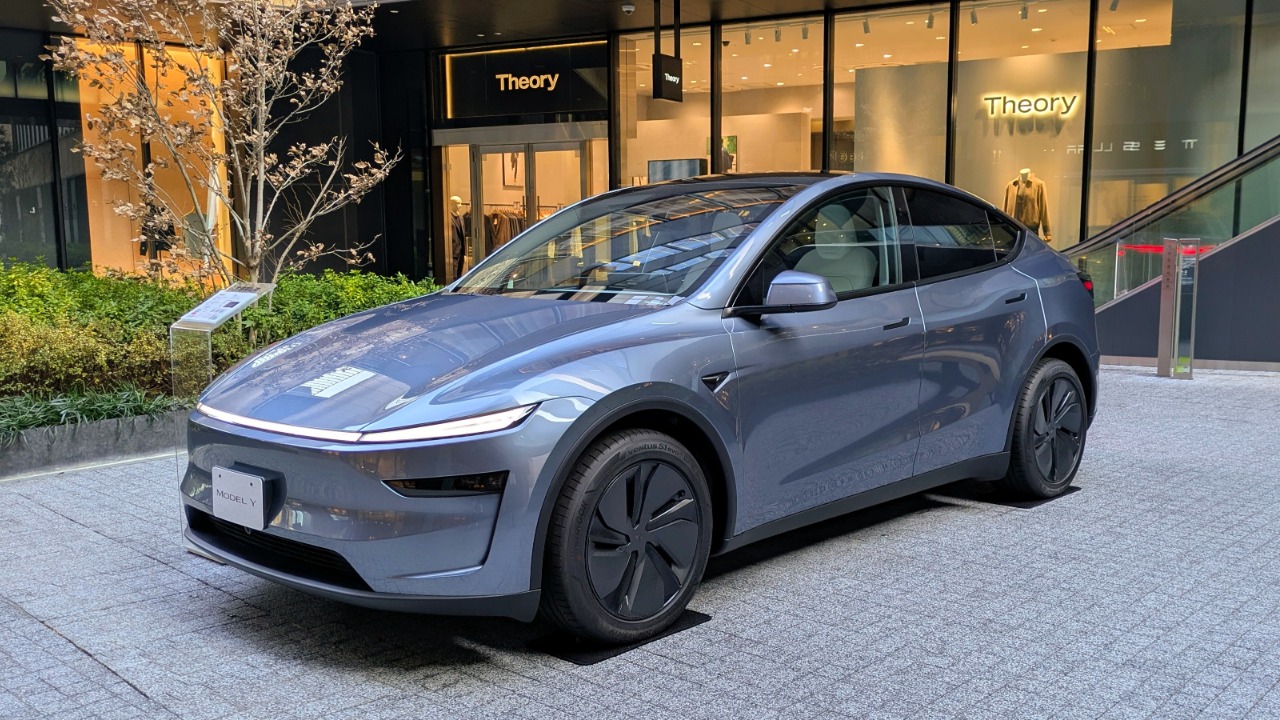
Volume is the Model Y’s whole argument. Tesla’s crossover became the best-selling vehicle worldwide in 2023, which means a vast population entered service between 2020 and 2022 and is now crossing into six-figure territory. Mechanically it shares its 2170 and lithium iron phosphate cells, its liquid thermal management, and its eight-year battery warranty with the Model 3.
The wrinkle is the structural pack used on newer builds, where cells are bonded into the floor of the car. That design is stiffer and cheaper to assemble, but it makes module-level repair harder than on a conventional pack, which changes the arithmetic on a very high-mileage example out of warranty.
4. Chevrolet Bolt EV: The Battery That Got Replaced
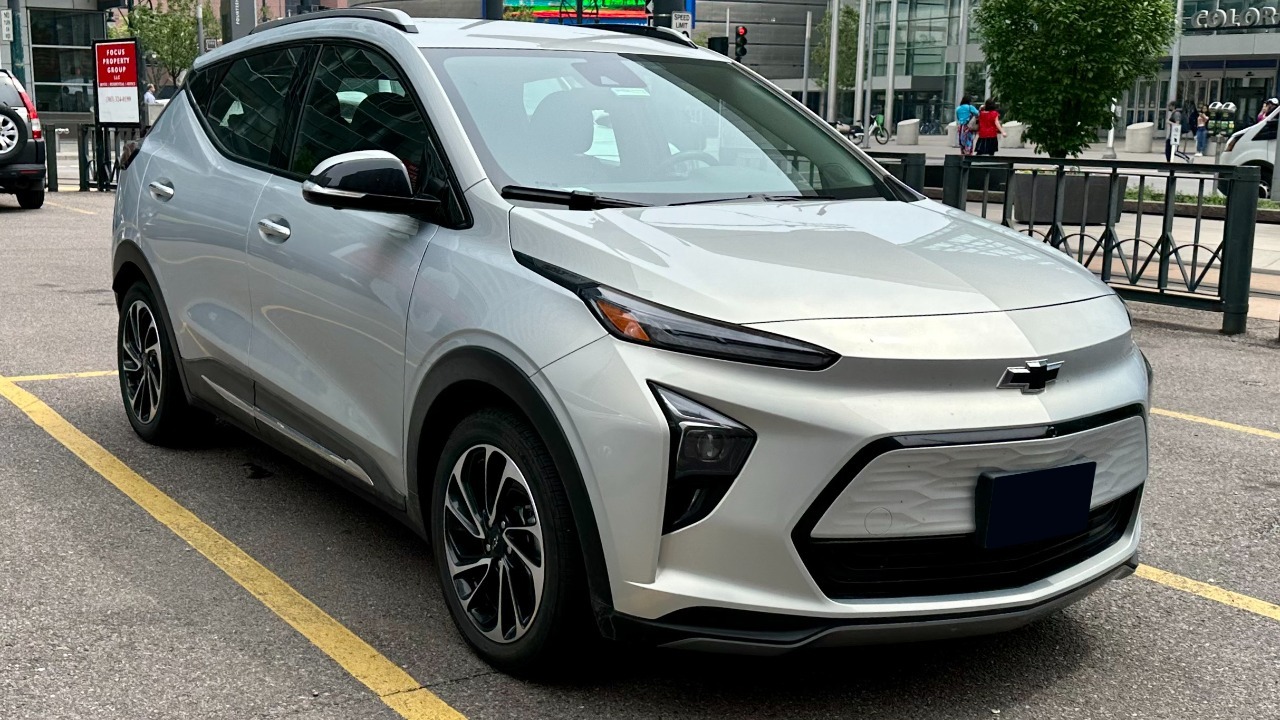
Chevrolet’s Bolt landed in 2016 with 238 miles of EPA range for well under $40,000, and cheap running costs turned it into a commuter’s car, which is exactly the use pattern that piles on miles. Its 60 kWh LG-supplied battery pack is liquid-cooled, and, unusually, a great many of these packs are effectively newer than the cars around them.
That is down to the recall that eventually swept up every Bolt built through 2022 after fires were traced to cell manufacturing defects. GM replaced modules or entire packs and attached fresh warranty coverage to the new hardware. An owner who took the fix is running a young battery under an old body, which is a strange but genuine advantage.
5. Nissan Leaf: The Long-Running Experiment
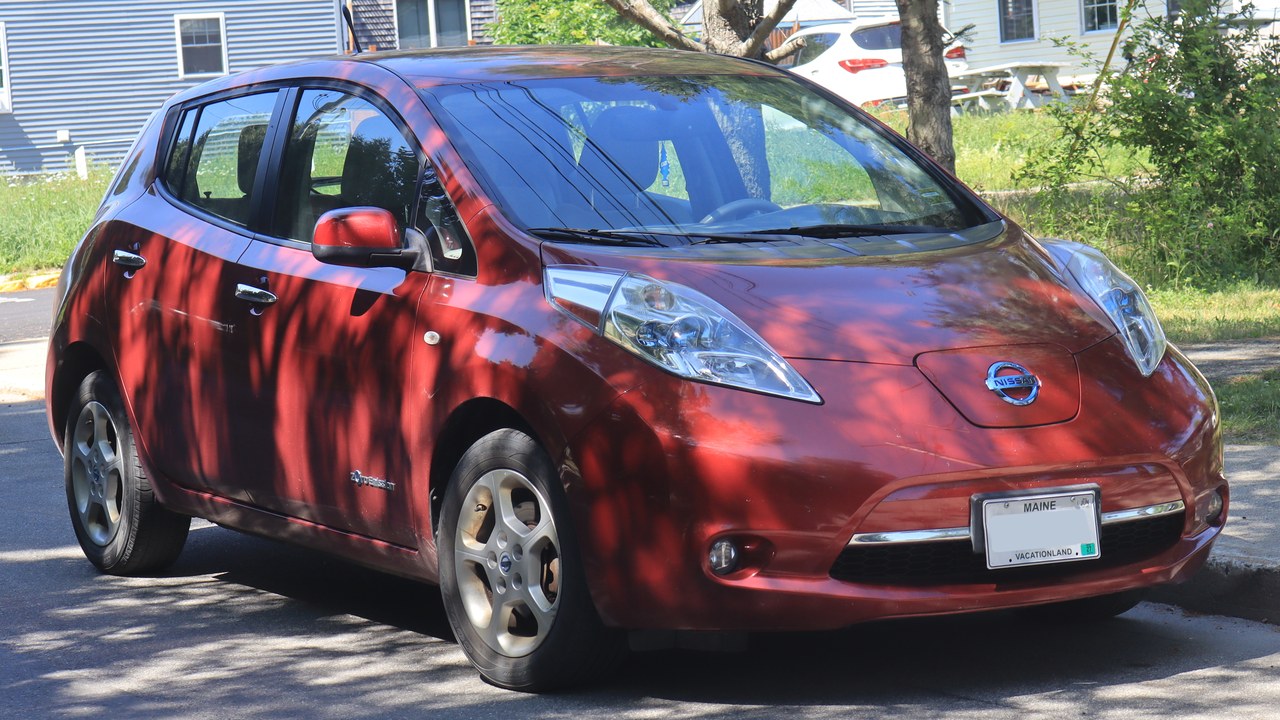
No EV has been tested by time like the Leaf, which went on sale in 2010 and has been commuting ever since. It is also the cautionary tale, because the air-cooled battery pack has no liquid thermal management, and cars used in consistently hot climates shed capacity faster than owners expected. Nissan added a capacity warranty covering the gauge falling below nine of its twelve displayed bars.
Cooling design, not mileage, is the variable that matters here. A Leaf that spent its life in a temperate climate on home charging can still handle a daily commute deep into six figures, while a desert car may not. Buyers judge these by the remaining capacity bars rather than the odometer reading.
6. Tesla Model X: Proven Pack, Fussy Doors
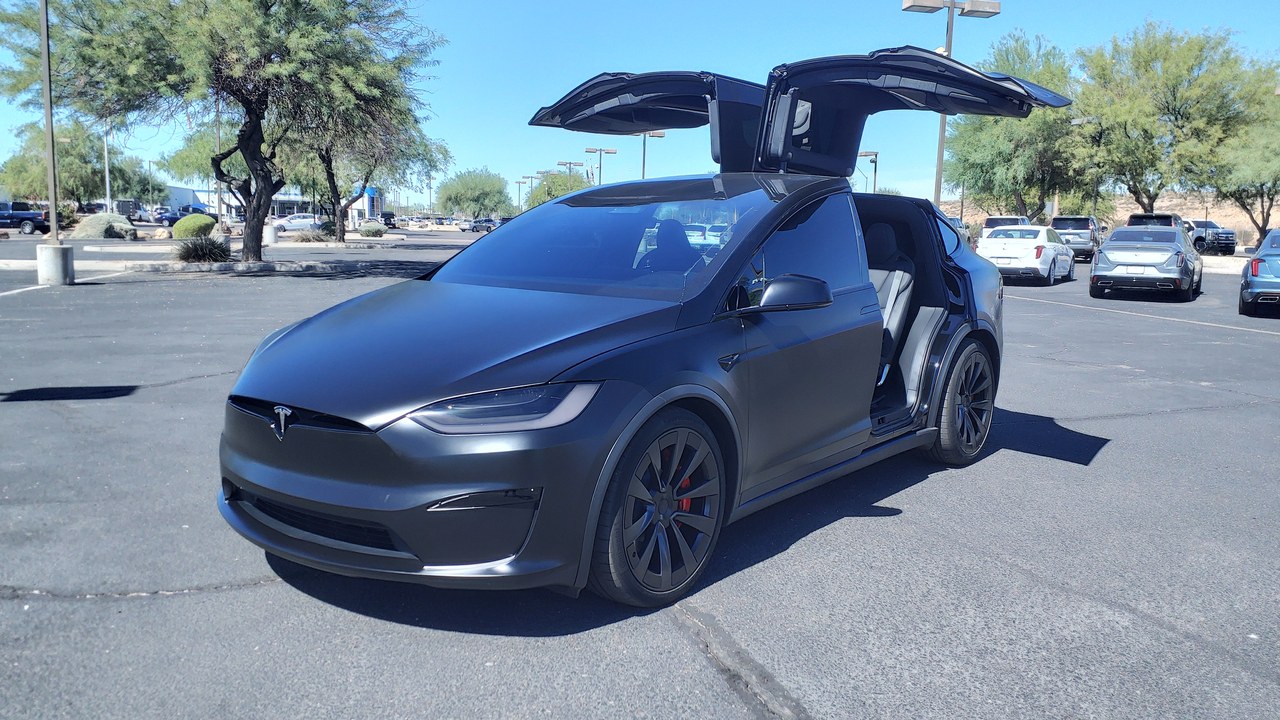
Complexity usually predicts trouble, and the Model X has plenty of it, starting with falcon-wing rear doors and continuing through a panoramic windshield and air suspension. The battery underneath is the reassuring part. When the SUV launched in 2015 it inherited the liquid-cooled pack architecture, drive units and eight-year battery warranty Tesla had already been running in the Model S for three years.
So the durability question splits cleanly in two. The pack and motors come from a design with years of road data behind it, while the doors, seals and body hardware are where high-mileage owners tend to spend money. The battery risk is the well-understood half of the purchase.
7. Ford Mustang Mach-E: Chemistry Built for Cycles
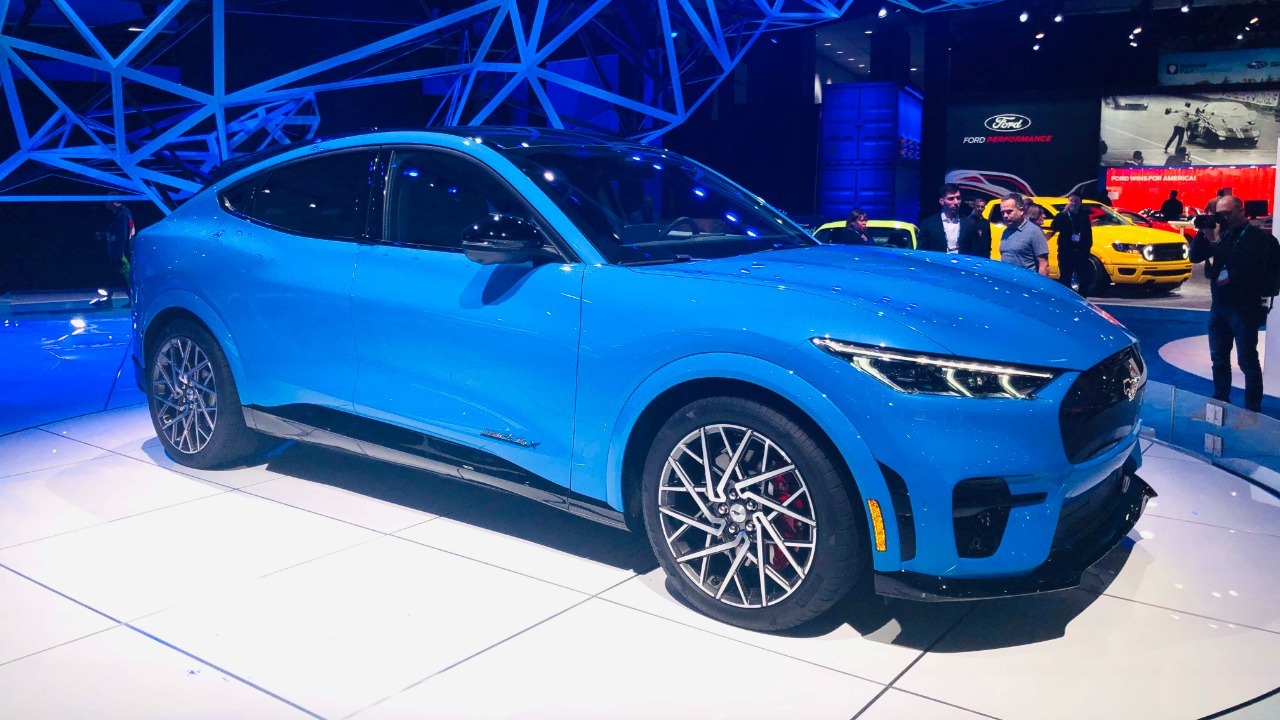
Ford’s first serious electric effort reached customers in 2021, and commuter and fleet duty has moved early examples up the odometer quickly. The Mustang Mach-E runs a liquid-cooled pack, with lithium iron phosphate cells on standard-range builds from 2023 and nickel-based chemistry on extended-range cars, and it carries the federal floor of eight years or 100,000 miles of battery coverage.
The chemistry split is the interesting part. Lithium iron phosphate gives up energy density but tolerates repeated full charges and delivers longer cycle life, which is why automakers using it tell owners to charge to 100 percent routinely. It is a durability-first choice, and the oldest cars carrying it are only now accumulating enough miles to prove the point.
8. Hyundai Kona Electric: Small Car, Big Range

Hyundai’s Kona Electric punched well above its size when it arrived in 2019, pairing a 64 kWh liquid-cooled pack with an EPA range of 258 miles, a figure that embarrassed several larger and far pricier EVs of the period. Efficiency is what makes distance accumulate cheaply, and small, efficient cars tend to be the ones people genuinely drive every day.
The asterisk is the recall of roughly 82,000 vehicles over fire risk traced to the supplied cells, which Hyundai settled by replacing battery systems outright at a cost running into the hundreds of millions. As with the Bolt, a replaced pack resets the clock, so a documented recall repair can matter more than the number on the dash.
More from Morning Overview
- A skeleton beneath Petra’s Treasury was found clutching a chalice that resembles the Holy Grail
- 8 SUVs mechanics are quietly steering buyers away from in 2026
- Researchers pulled 8,080 pounds of invasive python from one Florida county
- A G3 solar storm could push the northern lights into 26 states tonight
