
Not every groundbreaking observatory sits in orbit hundreds of miles overhead. Some of the most powerful eyes on the universe are anchored to mountaintops and desert plateaus here on Earth, each built around a different solution to the same challenge of gathering enough starlight to see clearly. Here are eight telescopes currently doing that work every clear night.
1. Very Large Telescope: Four Mirrors, One Eye
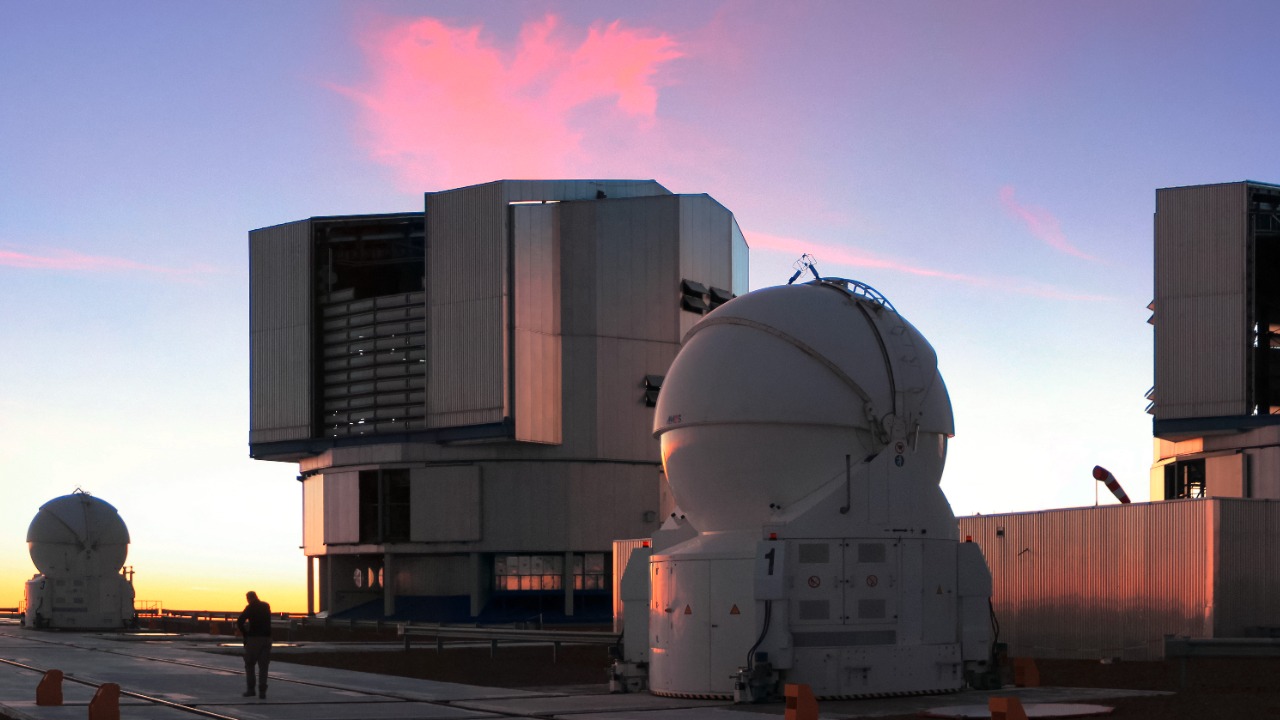
Four separate 8.2-meter mirrors sit at ESO’s Paranal Observatory in Chile’s Atacama Desert, and each one already ranks among the largest single mirrors ever built. Under the right conditions, the four can be linked through interferometry, merging their light so the array functions as one much larger eye on the sky.
That combined mode lets astronomers resolve details invisible to any single mirror, useful for spotting faint, distant galaxies and mapping planets around other stars. Even without linking up, the four units run most nights as independent giants, since coordinating all four demands atmospheric conditions steady enough to hold the combination together.
2. Gran Telescopio Canarias: The Biggest Single Mirror
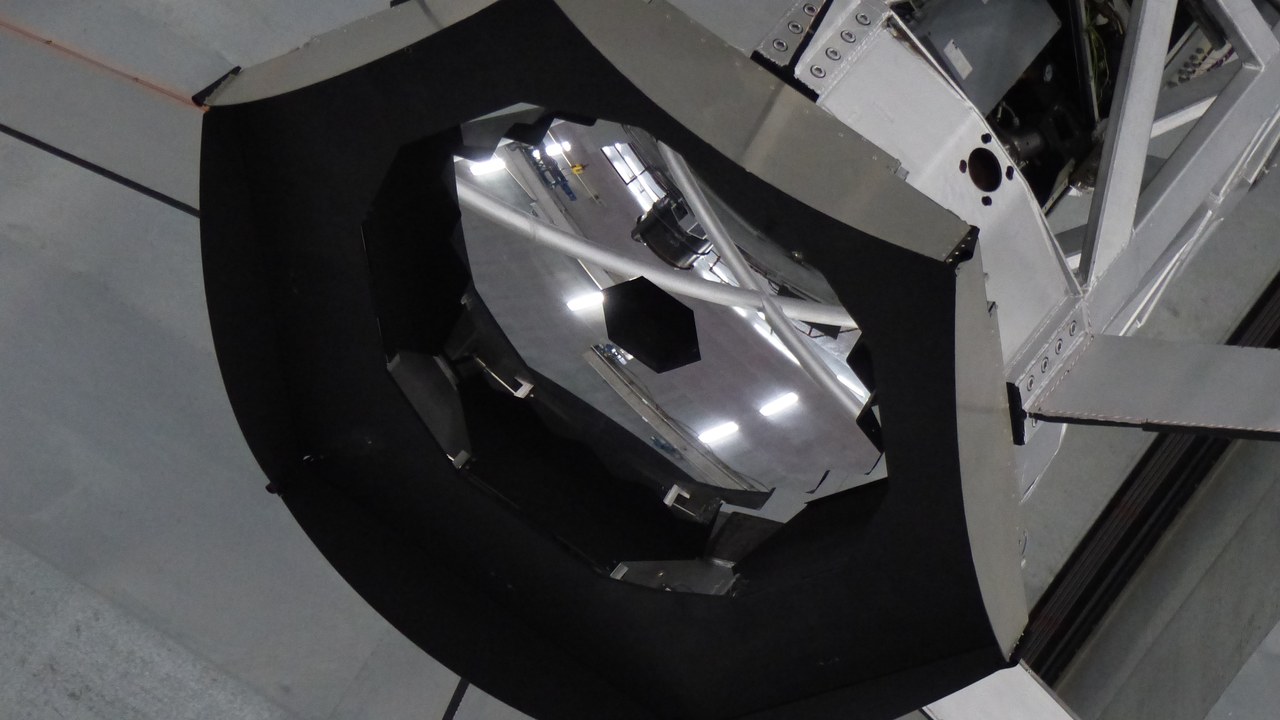
On a volcanic peak in Spain’s Canary Islands, a segmented primary mirror makes this the largest single-aperture optical telescope on Earth, edging out every rival built around one continuous reflecting surface. Its hexagonal segments work in concert as a single mirror rather than as several smaller instruments simply pointed the same direction.
Gathering more light per exposure than any comparable single-mirror instrument helps it register objects too faint for smaller telescopes to detect at all. Ground-based limits still apply, so its best nights depend on clear, steady air above La Palma rather than conditions engineers can dial in from inside the dome.
3. W. M. Keck Observatory: Twin Giants On Mauna Kea
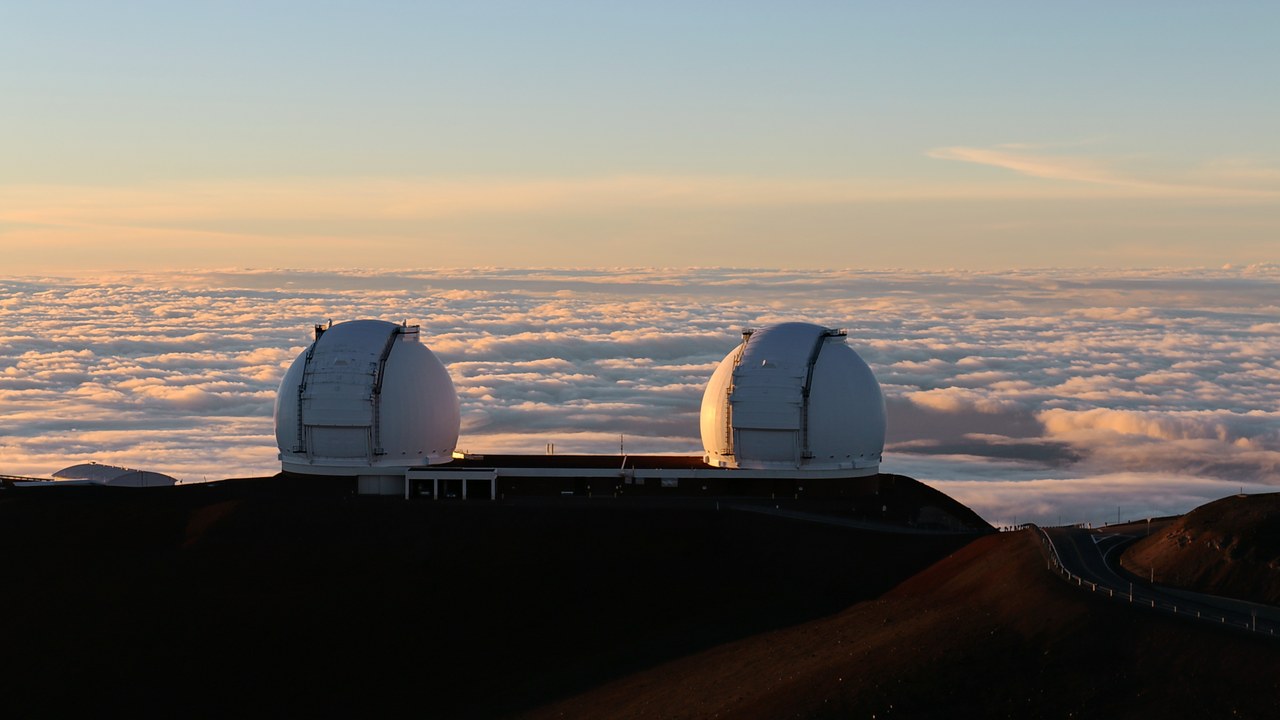
Mauna Kea’s summit hosts a pair of 10-meter telescopes inside Keck’s twin domes, each mirror built from dozens of individually adjustable hexagonal segments rather than one solid piece of glass. Positioning both instruments on the same mountain lets operators occasionally combine their light for extra resolving power on faint targets.
Astronomers have used that combined power to track individual stars orbiting the supermassive black hole at the Milky Way’s center over many years of observation. Like every large ground telescope, Keck depends on adaptive optics to cancel out atmospheric blur in real time, without which its sharpest images would simply dissolve into a blur.
4. Subaru Telescope: Japan’s Eye On The Sky
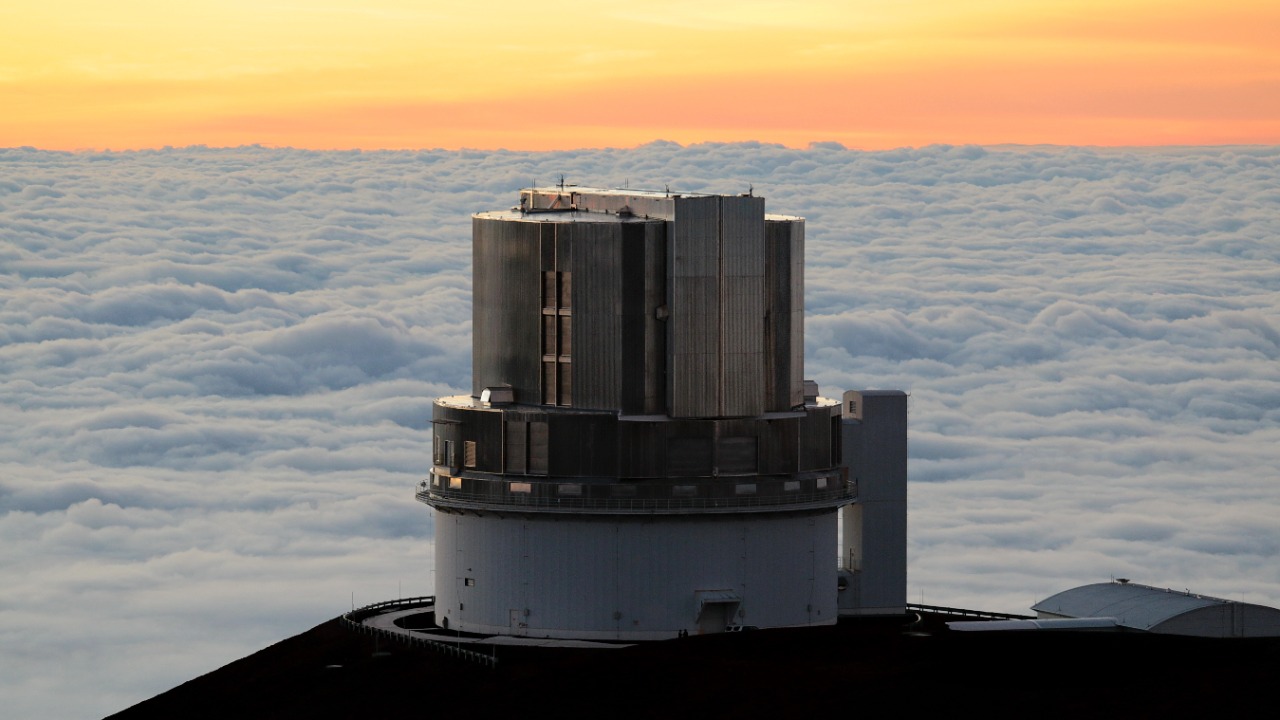
Japan’s national observatory built an 8.2-meter instrument known for its wide-field imaging camera, sharing the Mauna Kea summit with Keck and several other major observatories. The telescope’s name honors the Pleiades star cluster, called Subaru in Japanese, rather than the carmaker that borrowed the same word decades later.
Researchers rely on that wide view to survey broad patches of sky in single exposures, a strength suited to cataloging distant galaxies rather than zooming tightly on one target. Because so many instruments crowd the same mountaintop, observing time is scheduled through a queue system that balances requests from teams working around the world.
5. Large Binocular Telescope: Binocular Vision, Observatory Scale
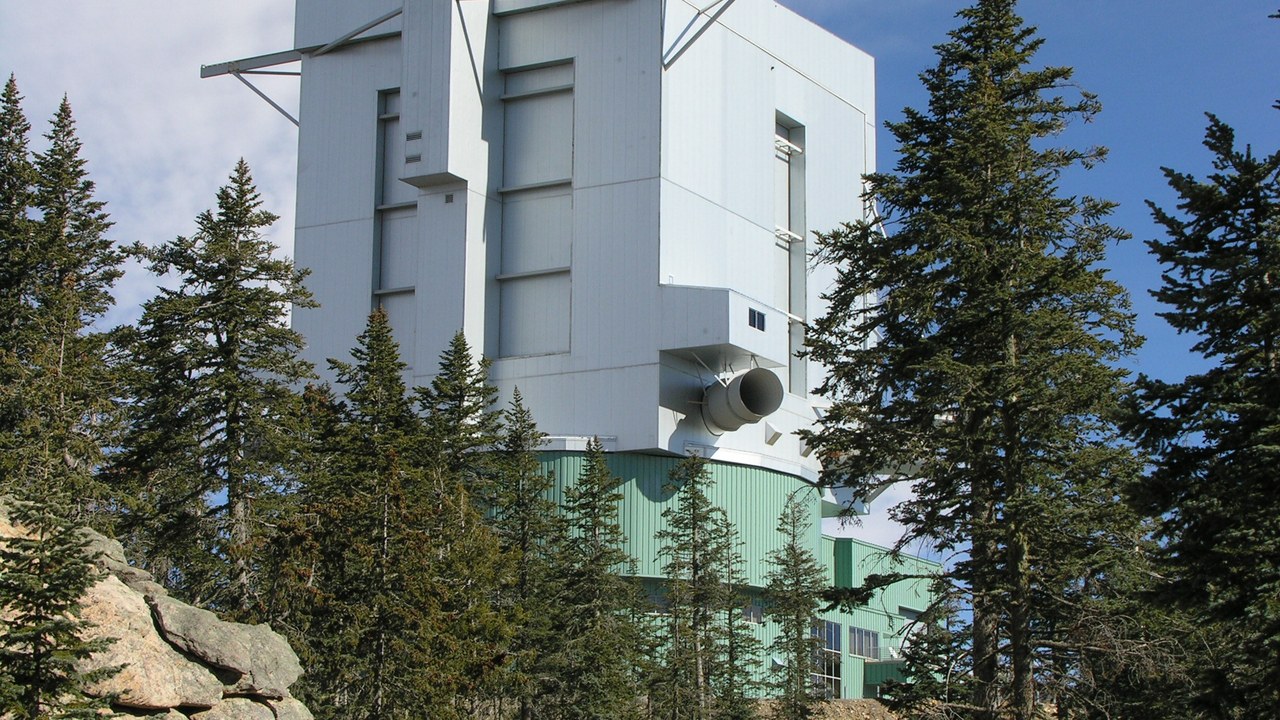
Rather than building separate domes, engineers mounted two 8.4-meter mirrors side by side on a single structure atop Mount Graham in Arizona. The pairing lets the instrument combine light from both mirrors much like a pair of binoculars scaled up to observatory size.
When both mirrors work in tandem, the combined optics sharpen images beyond what a single 8.4-meter mirror could deliver alone. Thick forest surrounds the site, setting it apart from the bare desert summits hosting most of the telescopes on this list, since Mount Graham is wooded rather than an exposed volcanic ridge.
6. Hobby-Eberly Telescope: A Mirror That Doesn’t Tilt
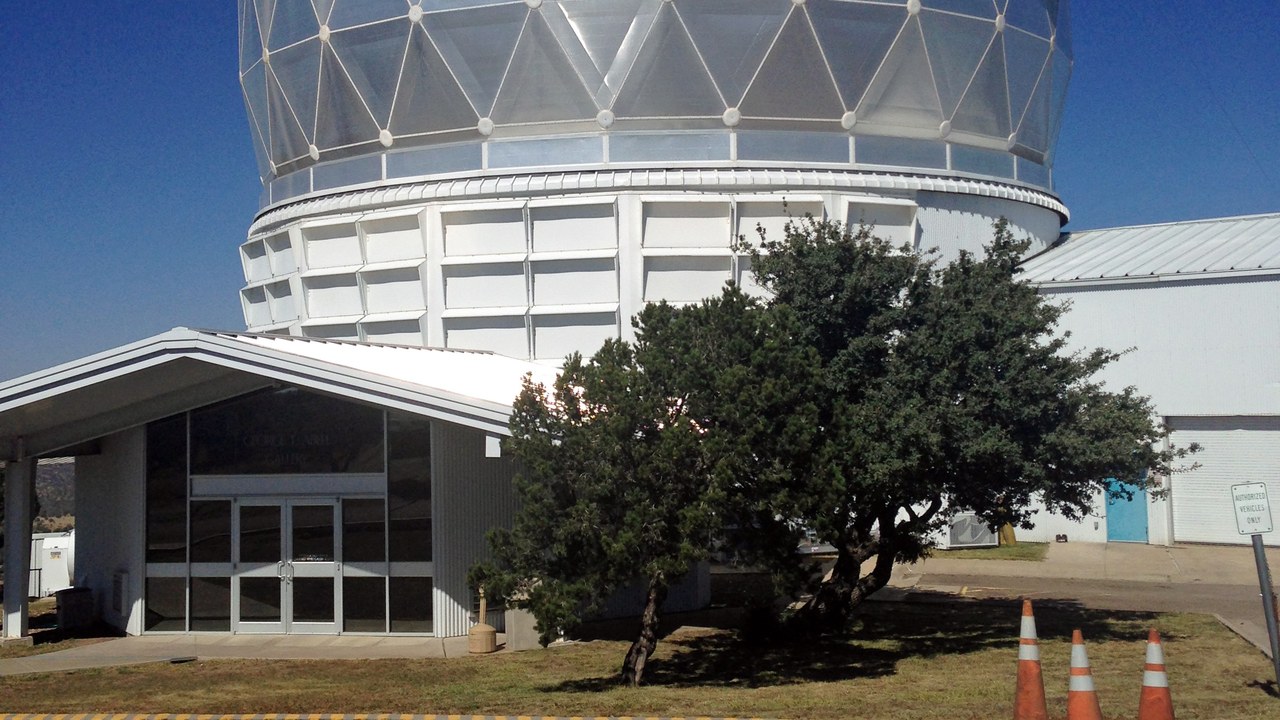
A large segmented mirror stays fixed at one angle rather than tilting to track targets the way a conventional telescope does, an approach used by this instrument at McDonald Observatory in West Texas. It instead rotates horizontally on its mount, catching objects as they drift through its accessible strip of sky.
The fixed-angle design also made the mirror far cheaper to build than a fully steerable giant of the same size, a tradeoff suited to large spectroscopic surveys covering thousands of stars and galaxies. The limitation is real: the telescope can’t swing anywhere on demand, so any target outside its reachable band on a given night simply waits.
7. Vera C. Rubin Observatory: The Biggest Digital Camera
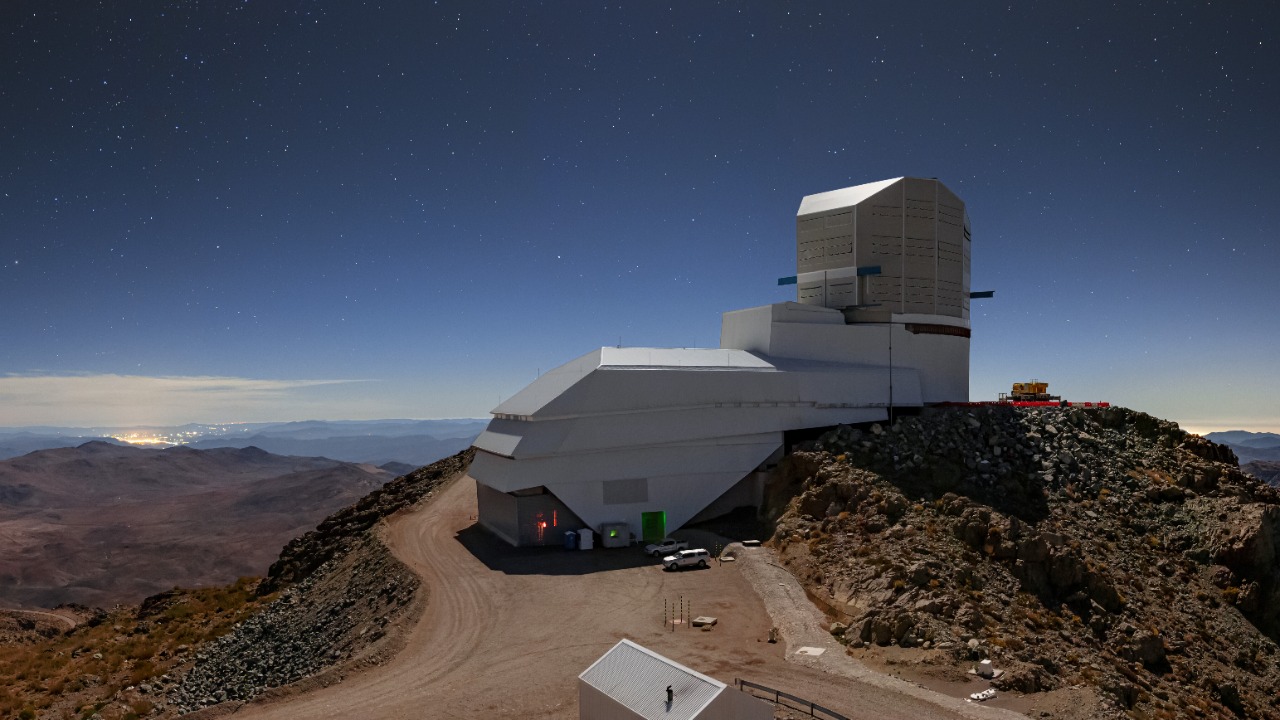
Perched atop Cerro Pachón in Chile, this facility houses the largest digital camera ever built, designed to photograph enormous swaths of sky rather than zoom tightly on single targets. Instead of chasing raw magnification, its mission depends on breadth, repeatedly imaging the same regions of sky night after night.
Catching anything that moves or changes brightness between visits is the real payoff of that repeat-imaging approach, valuable for asteroids drifting through the solar system and for stars flaring or fading over time. Unlike the segmented giants elsewhere on this list, Rubin’s edge comes from its camera and survey cadence rather than from sheer mirror diameter alone.
8. Southern African Large Telescope: The Southern Hemisphere’s Giant
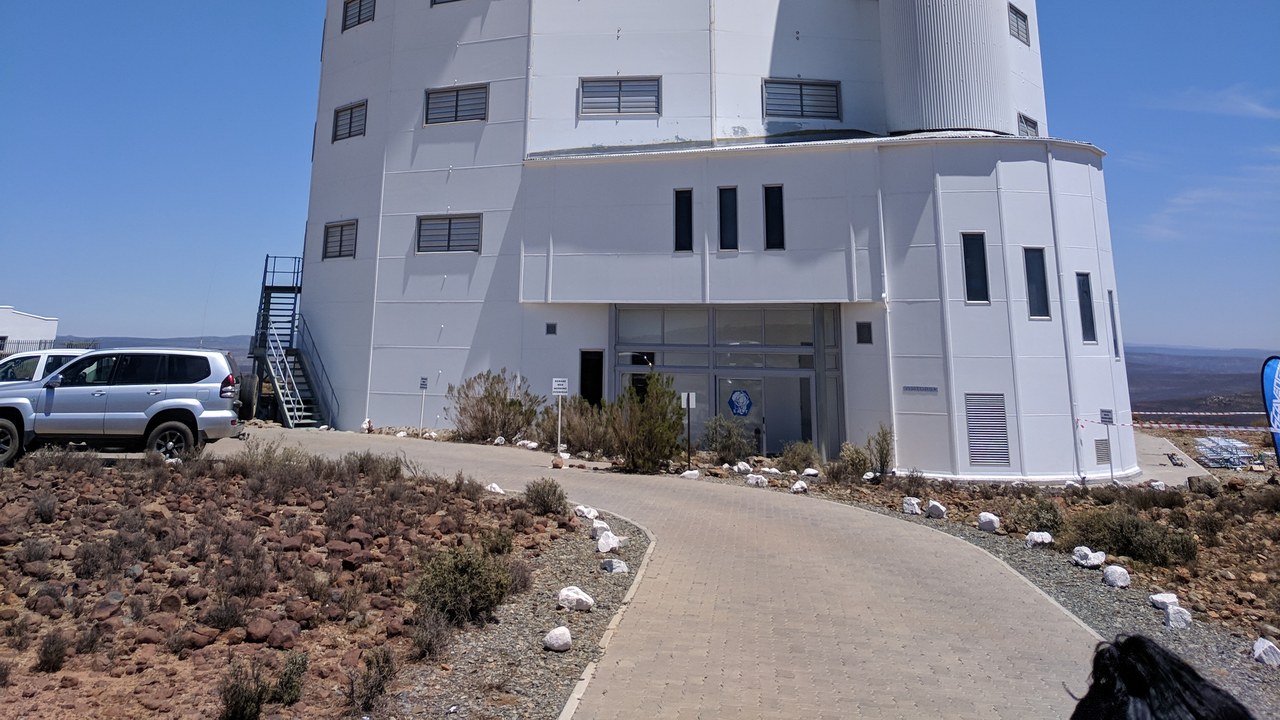
The largest optical telescope in the Southern Hemisphere operates from a dry stretch of South Africa’s Northern Cape region, near the small town of Sutherland. Its fixed-elevation mirror design borrows directly from the Hobby-Eberly Telescope’s approach rather than starting from a fresh blueprint.
That southern vantage point gives astronomers a clear look at the galactic center and the Magellanic Clouds, targets that never rise high enough for many Northern Hemisphere giants to study well. As with its Texas counterpart, the tradeoff for the lower construction cost is a mirror that can’t be aimed anywhere in the sky at will.
More from Morning Overview
- The FTC is warning about a scam quietly draining thousands from victims
- The NSA is again telling phone owners to switch off one location setting
- A handful of car transmissions are so tough mechanics say they almost never fail
- A handful of SUVs keep hitting 300,000 miles, and they share one engine trait
