
Human bodies fail fast outside a narrow band of temperature, pressure, oxygen and water. Other animals live routinely in conditions that would end a person within minutes, and biologists have spent decades working out how. From frozen ponds to scalding deep-sea vents, these are eight animals that survive what would kill a human.
1. Tardigrade: Life After Open Space
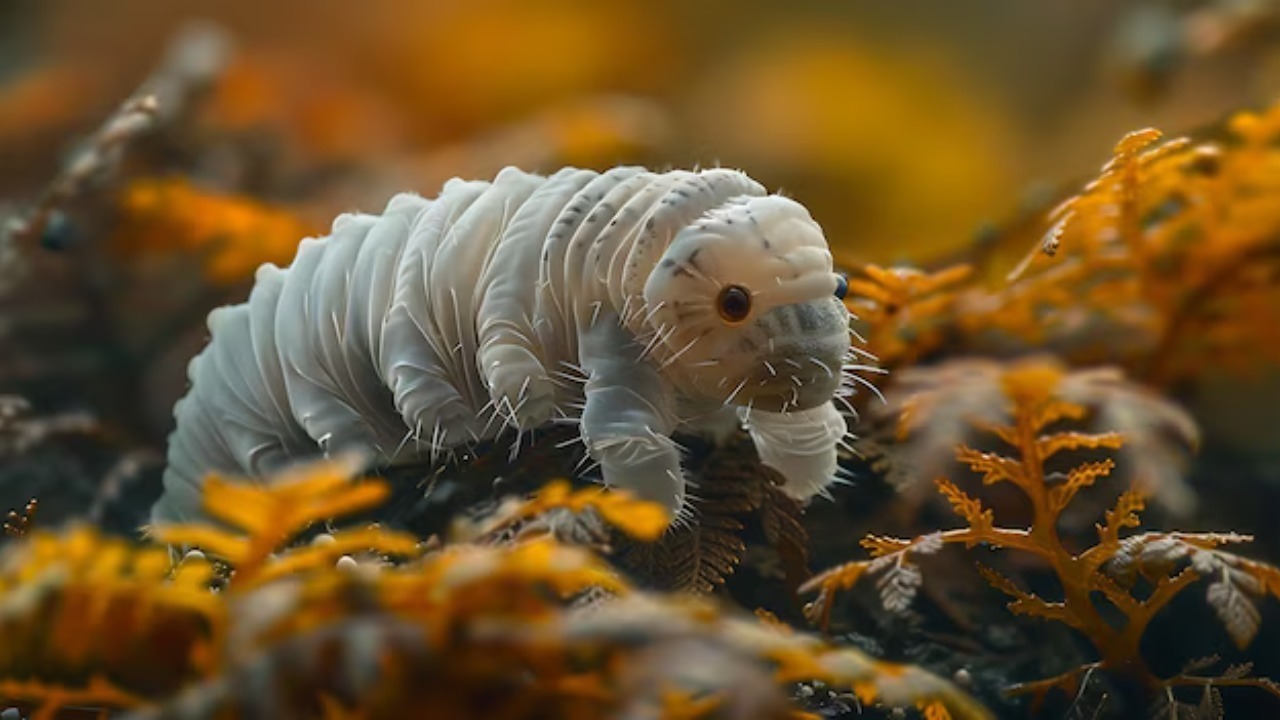
Water bears rarely exceed a millimetre in length, yet no animal has a better claim to being indestructible. Dried into a dormant barrel shape known as a tun, these microscopic invertebrates have revived after exposure to the vacuum and solar radiation of open space, after temperatures near absolute zero, and after years without a drop of water.
The trick is not toughness but shutdown. Water leaves the body almost entirely, sugars and protective proteins take its place, and metabolism falls to a level too low to measure until moisture returns. An active, hydrated tardigrade is fragile and easily crushed; the endurance belongs to the dried state, which is why laboratories test them dry rather than alive and moving.
2. Wood frog: A Winter Spent Frozen
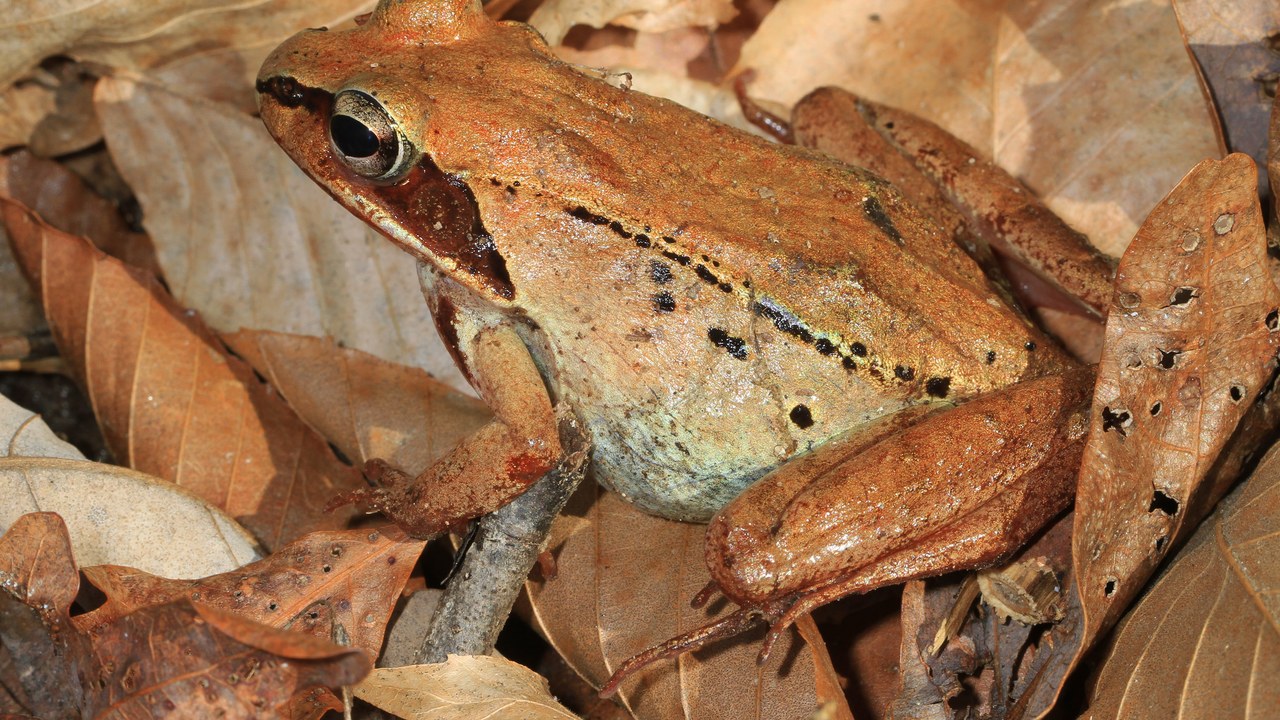
Autumn ends with an act that should be fatal. As the ground cools, the North American wood frog settles under leaf litter and lets ice spread through its body until roughly two-thirds of its water is solid, its heart stops beating and its lungs stop moving. Populations north of the Arctic Circle hold that state for weeks, then thaw in spring and resume breeding within days.
Survival depends on where the ice forms. The liver floods the bloodstream with glucose, which acts as an antifreeze inside cells and keeps them from collapsing, while ice is confined to the spaces between them. Damage is therefore limited to tissue that can be repaired, and the frog wakes early enough to claim the first thawed pools.
3. Bar-headed goose: Oxygen-Starved Mountain Crossings
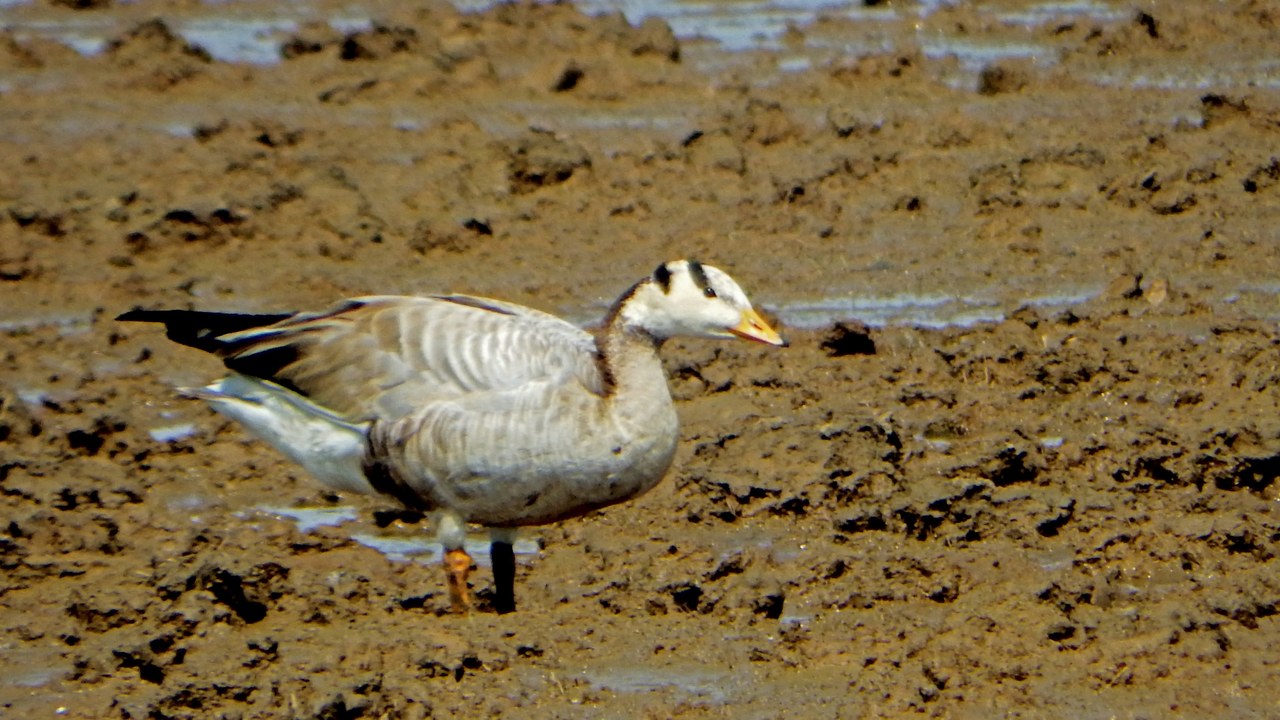
Twice a year a migration route crosses the highest mountain range on the planet. The bar-headed goose flies between Central Asia and the Indian subcontinent above 5,000 metres, where the air holds roughly half the oxygen available at sea level and unacclimatised climbers lose consciousness. Much of the climb is done in a single day of continuous flapping.
Several adaptations stack to make that possible. Haemoglobin in the blood binds oxygen more tightly than in related geese, the flight muscles carry a denser network of capillaries and more mitochondria, and the birds breathe deeper and faster instead of shallower as the air thins. Cold, dense night air appears to help as well, which is why many of the crossings happen in darkness.
4. Naked mole-rat: Airless Burrows, Almost No Cancer
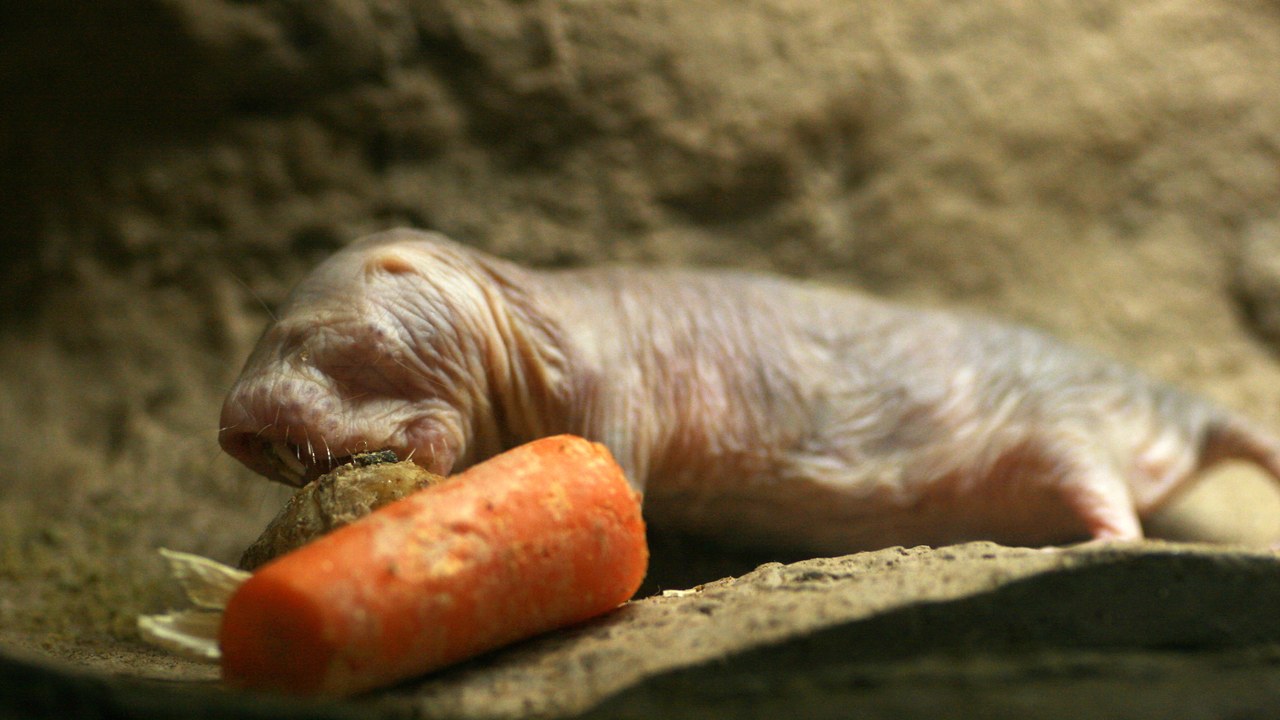
Colonies of up to three hundred animals share sealed tunnels in East Africa where oxygen runs low and carbon dioxide builds to levels that would leave a person unconscious. The naked mole-rat tolerates that air for hours, feels no pain from acid on its skin, and lives past thirty years, an extraordinary span for a rodent this small. Tumours are almost unknown in the species.
Each of those traits has a mechanism behind it. Brain cells switch to fructose when oxygen fails, a strategy borrowed from plants; a sugar-rich molecule packed between cells appears to stop tumours from spreading; and the missing pain response comes from an altered nerve protein. Ageing research treats the animal as a working model rather than a curiosity.
5. Emperor penguin: Months on the Coldest Ice
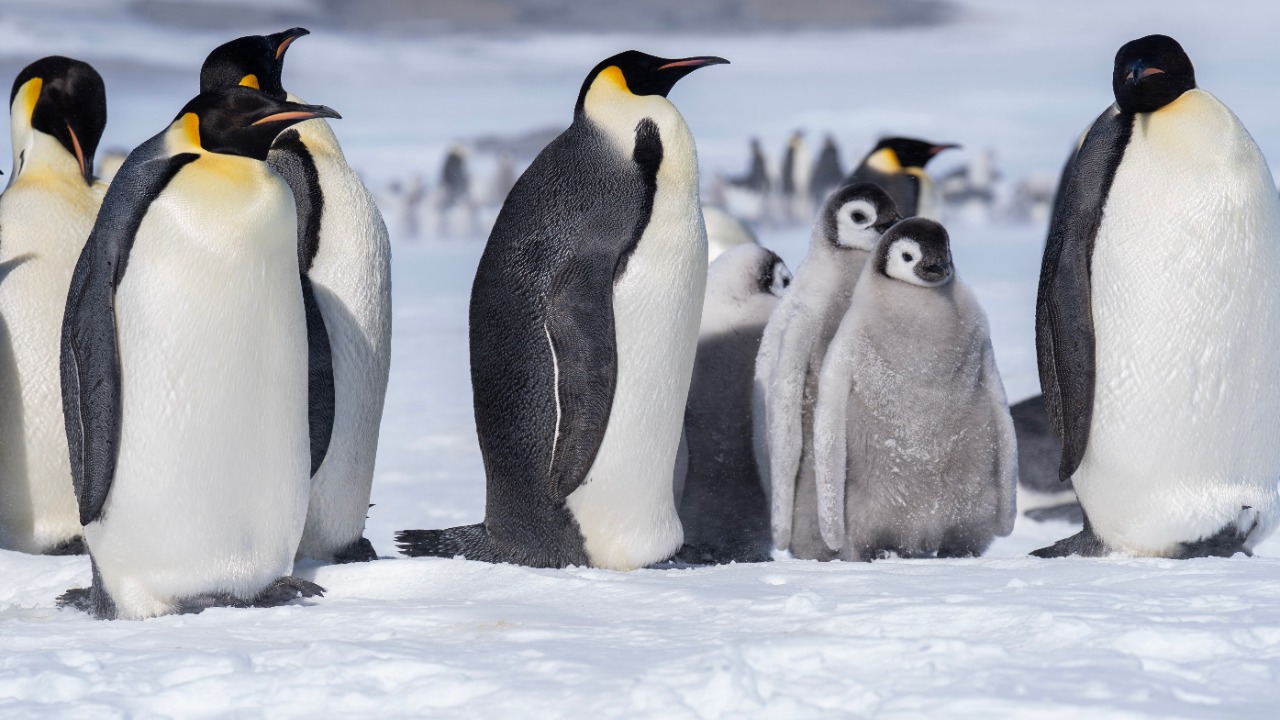
Emperor penguins breed through the Antarctic winter, when darkness, wind, and extreme cold would overwhelm an unprotected human. The largest penguin species forms dense rotating huddles that reduce exposed surface area while allowing birds to share the warmer interior. Males balance a single egg on their feet beneath a brood pouch and fast while females return to the sea.
Survival depends on insulation and cooperation rather than an immunity to cold. Dense feathers trap air, a thick fat layer slows heat loss, and countercurrent circulation limits warmth reaching exposed feet and flippers. The colony constantly shifts so no individual remains on the freezing edge. A lone human lacks that insulation, energy reserve, and coordinated living wall against Antarctic wind.
6. Arctic fox: A Furnace Under Winter Fur
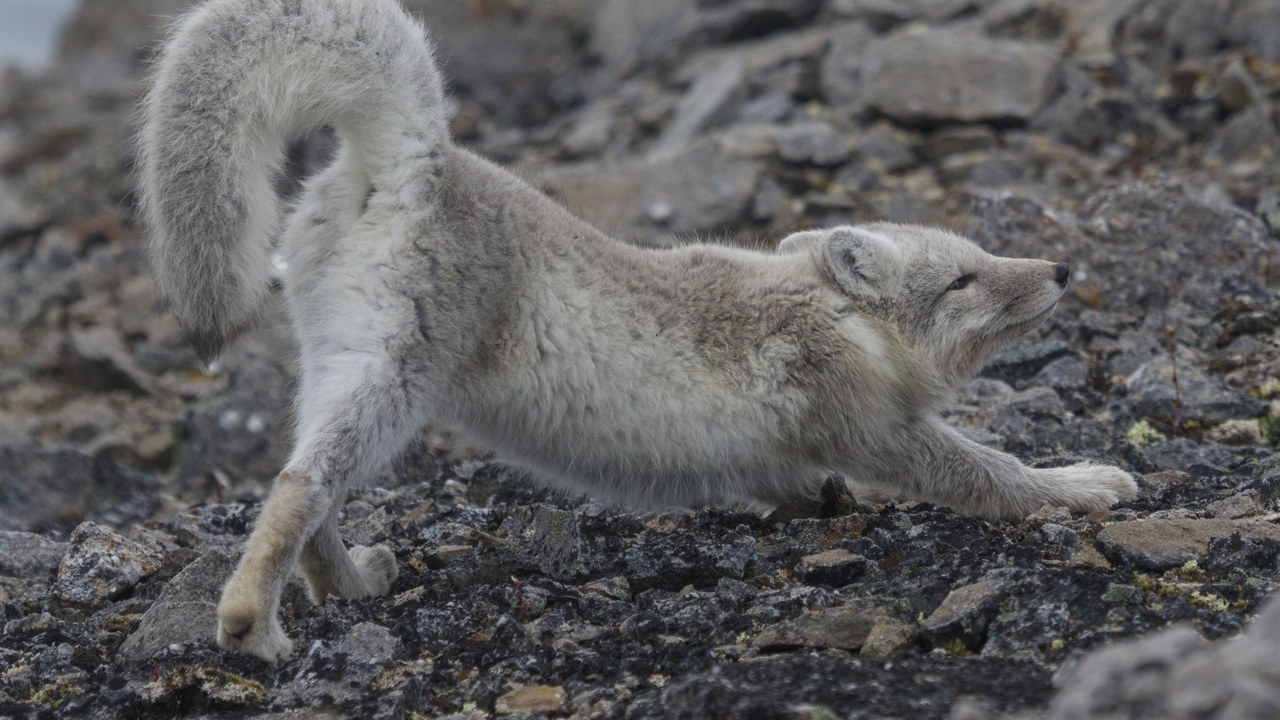
Arctic foxes remain active through polar winters instead of retreating into hibernation. The tundra-dwelling canid carries dense fur across its body, including the soles of its feet, and its compact ears, short muzzle, and rounded shape reduce exposed surface area. Seasonal coat changes add insulation in winter and camouflage that follows snow cover and summer ground.
Countercurrent heat exchange helps keep warmth in the body core while allowing the paws to remain cool enough to limit heat loss. Fat reserves, cached food, sensitive hearing, and snow dens support survival when prey becomes scarce and storms erase the landscape. A human exposed to the same wind and cold would lose core temperature rapidly without engineered shelter and clothing.
7. Kangaroo rat: A Lifetime Without Drinking
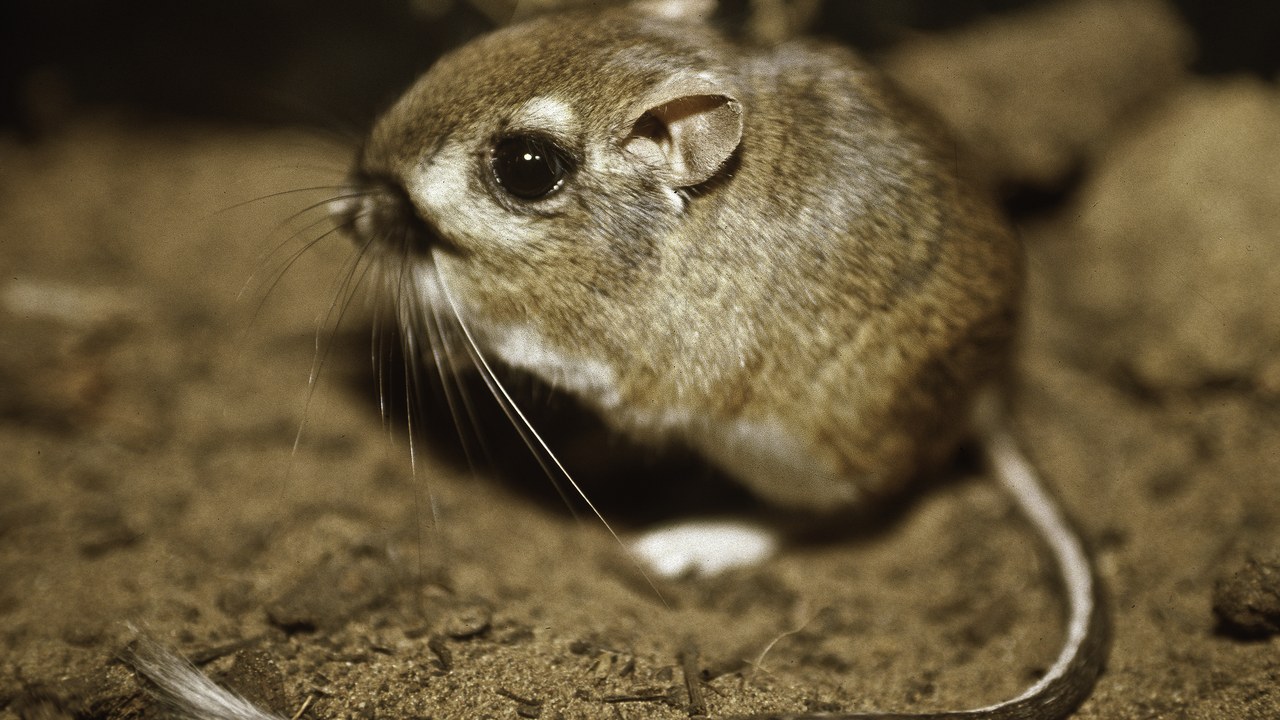
Kangaroo rats can survive in North American deserts without taking a drink, drawing their water from dry seeds and metabolism instead. The small desert rodents remain underground during the hottest hours, store food in relatively humid burrows, and emerge mainly at night. Their kidneys produce extremely concentrated urine, allowing remarkably little water to leave the body as waste.
Moisture is also saved before each breath escapes. Long nasal passages cool exhaled air so water condenses on internal surfaces and can be recovered. Dry feces and limited sweating close other routes of loss. The strategy would not help a human stranded without water because the animal’s small body, diet, kidneys, behavior, and burrow climate function as one integrated desert system.
8. Camel: Built for Heat and Dehydration
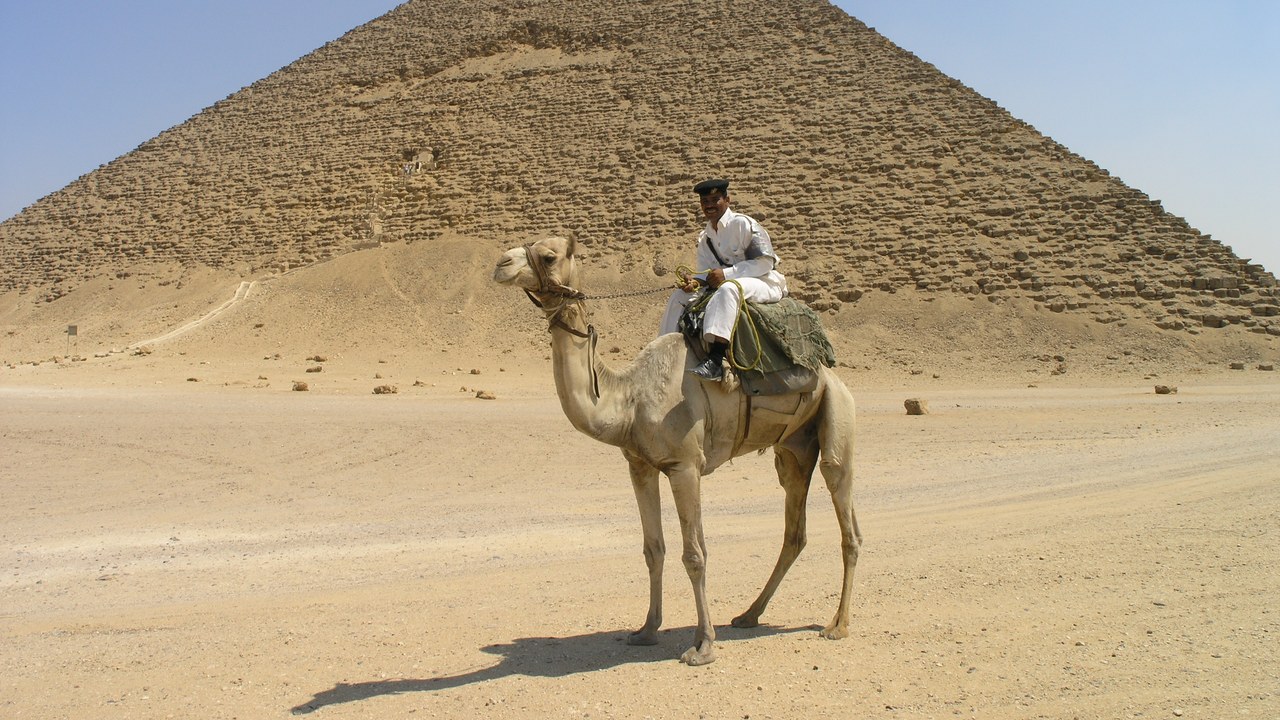
Camels endure desert heat by allowing body temperature to swing rather than spending scarce water on constant cooling. The desert-adapted mammals tolerate substantial dehydration, produce concentrated urine and dry dung, and can rapidly replace lost fluid when water returns. Their oval red blood cells continue circulating as blood volume falls and resist damage during fast rehydration.
The hump stores fat, not water, keeping an energy reserve concentrated away from the rest of the body. Thick fur shields the skin from solar heat, while long legs lift the torso above the hottest ground. Wide feet, closable nostrils, and protective eyelashes address sand and terrain. Together these traits let a camel remain functional under conditions that would quickly cause heat illness and circulatory collapse in humans.
More from Morning Overview
- Two Ford recalls now carry a rare “do not drive” warning, so owners should check their VIN.
- A Colorado wildfire has exploded past 87,000 acres with no containment
- A wildfire near Ouray swelled past 18,000 acres, putting Colorado towns on alert
- The Pentagon’s newest UFO files describe a fish-scaled, potato-shaped object on camera
