
Freezing solid usually means death, yet a handful of animals treat it as a seasonal strategy. Some flood their tissues with natural antifreeze, others let ice form in controlled spaces and simply wait for spring, and a few endure conditions that would destroy almost any other living thing. This gallery profiles eight cold-hardy survivors.
1. Wood frog: Frozen Solid, Then Alive
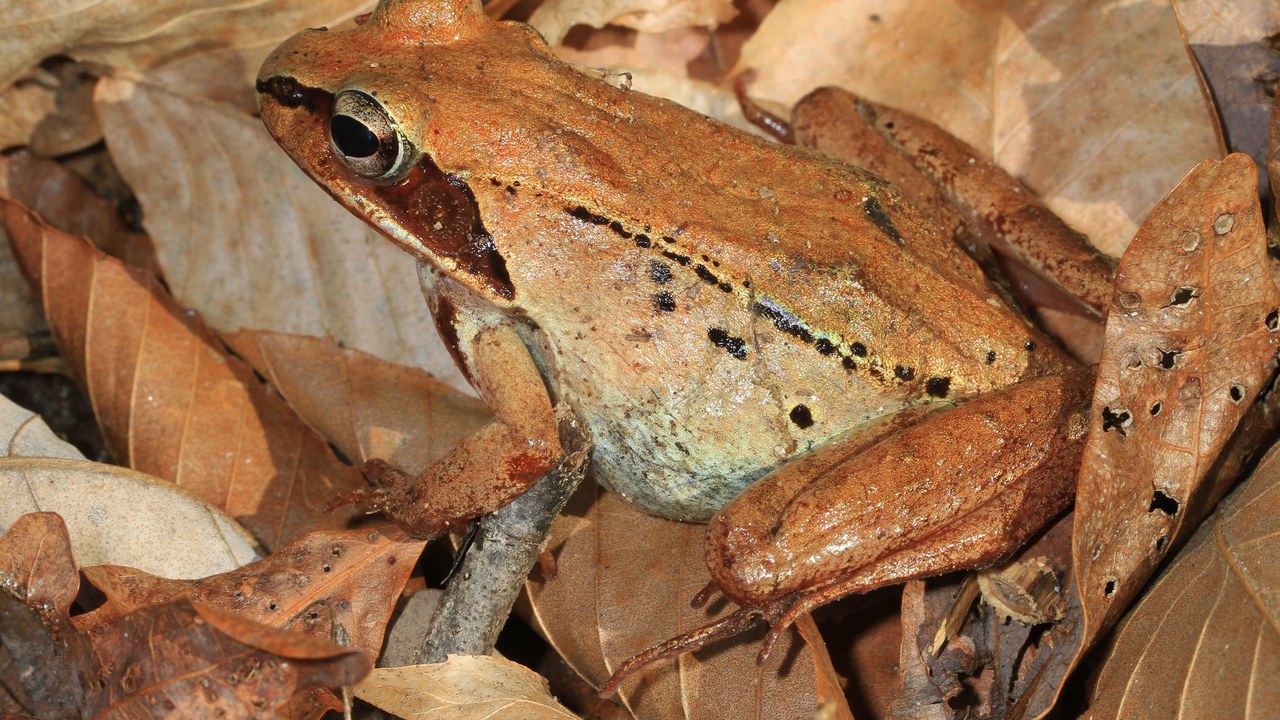
The North American wood frog endures winters that would kill most amphibians by allowing much of its body to freeze. As temperatures drop, ice spreads through the spaces between its cells while the animal’s heart stops, its breathing halts and no measurable brain activity remains. To keep its cells from rupturing, the frog floods them with glucose that works as a natural cryoprotectant, drawing water outward so ice forms only in safe locations.
When spring arrives, the frog thaws from the inside out, the heart restarts within hours and the animal hops away as though nothing happened. Populations range as far north as the Arctic Circle, where the trick is essential.
2. Tardigrade: Water Bears Endure Anything
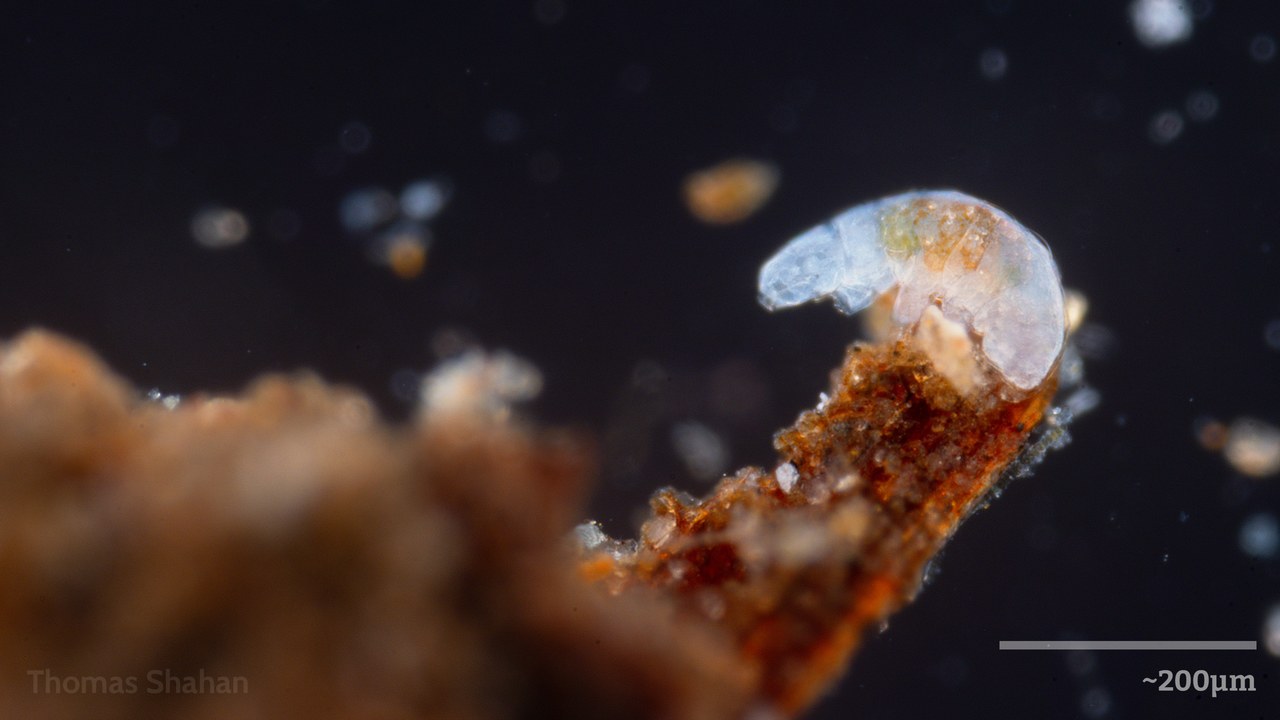
Tardigrades, the microscopic invertebrates often called water bears, rank among the toughest animals known to science. When their surroundings dry out or freeze, they pull in their legs and enter a shriveled, dormant state called a tun, expelling most of their water and nearly shutting down metabolism. In that condition they have been documented surviving temperatures near absolute zero, boiling heat, crushing pressure and even direct exposure to the vacuum of space.
Researchers have revived tardigrades frozen for decades, and specimens sent into orbit returned alive. Their resilience comes partly from special proteins that replace lost water and shield delicate cell structures from damage.
3. Arctic ground squirrel: Supercooled Below Freezing
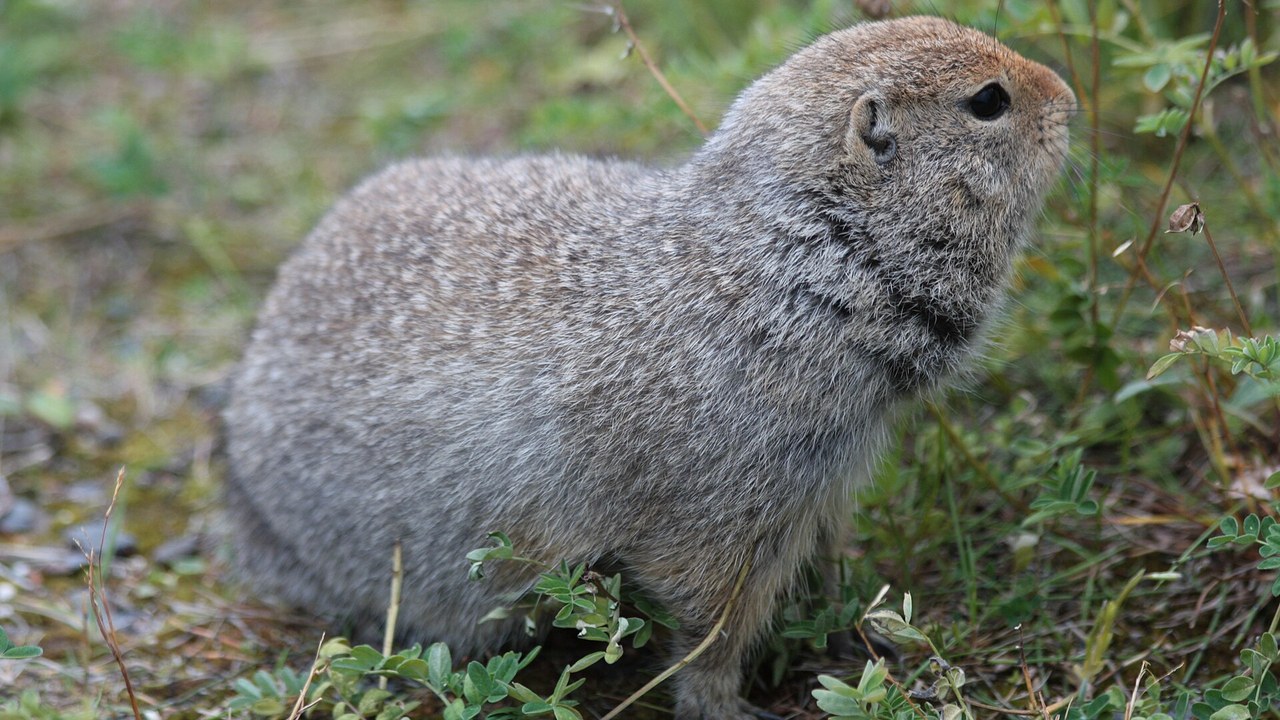
The Arctic ground squirrel performs a feat no other mammal is known to match during its long hibernation. For weeks at a time the animal lets the temperature of its body core fall below the freezing point of water, a state biologists call supercooling, without any ice actually forming in its blood or tissues.
Body temperatures have been recorded dropping to roughly minus three degrees Celsius, colder than anything previously documented in a mammal. The squirrel periodically shivers itself back to a warmer temperature for brief intervals before cooling again, repeating the cycle through the Arctic winter until spring conditions return above ground.
4. Painted turtle hatchling: Hatchlings Winter In Ice
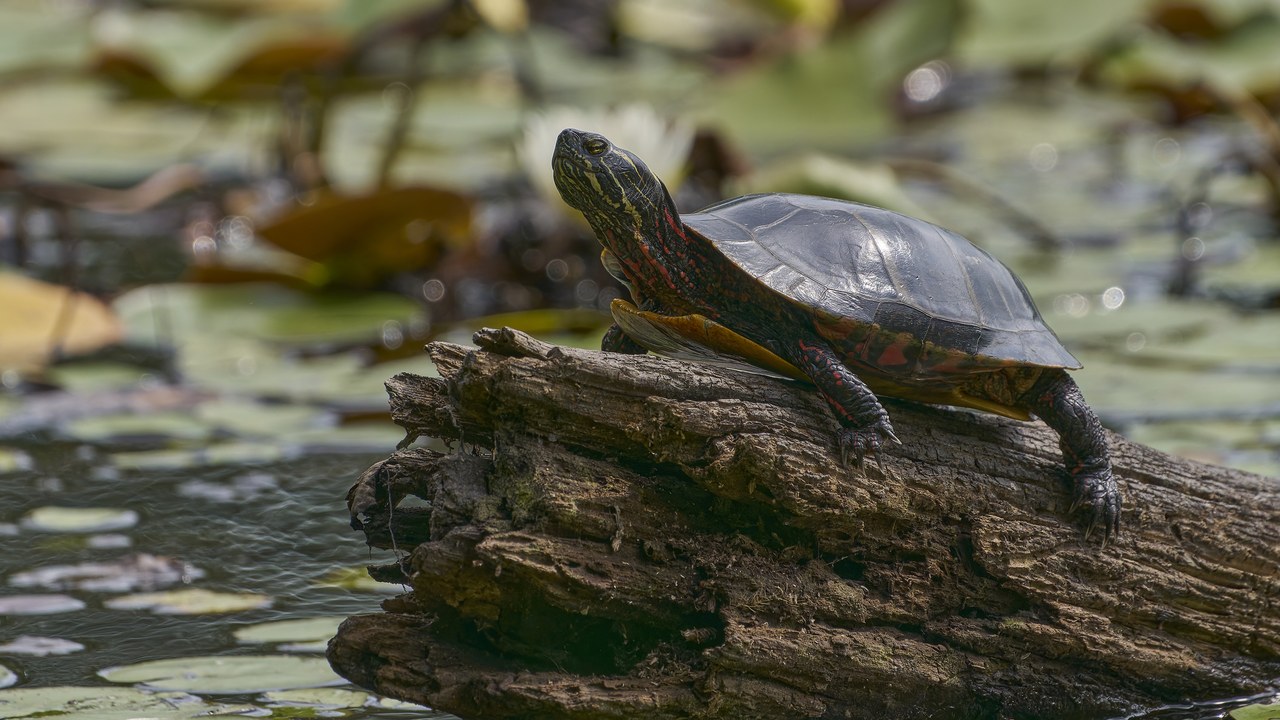
Painted turtles lay their eggs in summer, and the hatchlings often stay buried in the shallow nest through their first winter rather than digging out. There the tiny turtles can be exposed to freezing temperatures, and studies show newborns able to survive with much of their body water turned to ice while they overwinter in the nest.
Some hatchlings tolerate the freezing directly, while others supercool and avoid ice as long as they stay undisturbed. This early cold tolerance lets the species reproduce across a wide northern range, and the young emerge in spring to make their first trip to the water.
5. Red flat bark beetle: A Beetle That Turns To Glass
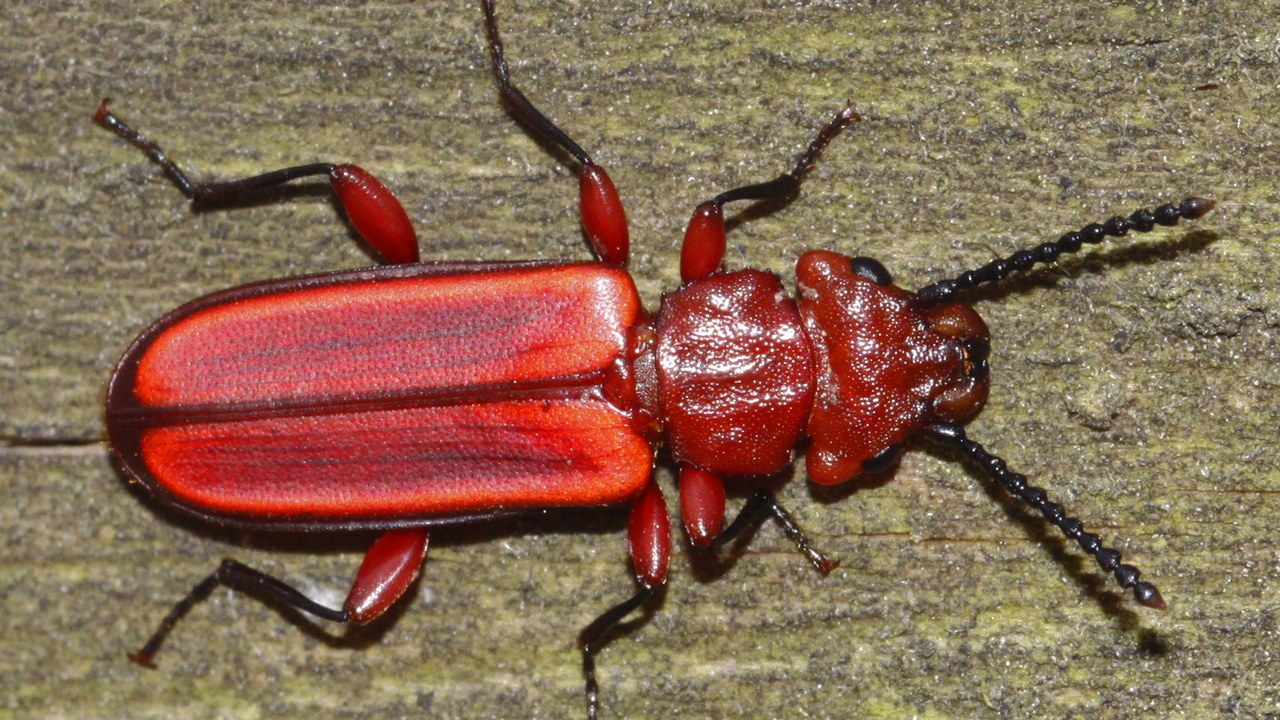
The red flat bark beetle, Cucujus clavipes, overwinters as a larva beneath the bark of fallen trees across Alaska and northern North America, enduring some of the harshest cold survived by any insect. Ahead of winter its larvae purge their guts, shed water, and flood their tissues with glycerol and antifreeze proteins. Researchers describing its extreme-cold survival strategy recorded Alaskan larvae supercooling past minus fifty-eight degrees Celsius without crystallizing.
Below that point the beetle’s chemistry shifts into a glass-like, vitrified state rather than forming the ice that ruptures cells, and individuals have avoided freezing down toward roughly minus one hundred fifty degrees Celsius. Once spring warms the wood, the larva revives and resumes development.
6. Gray tree frog: Antifreeze In Its Blood
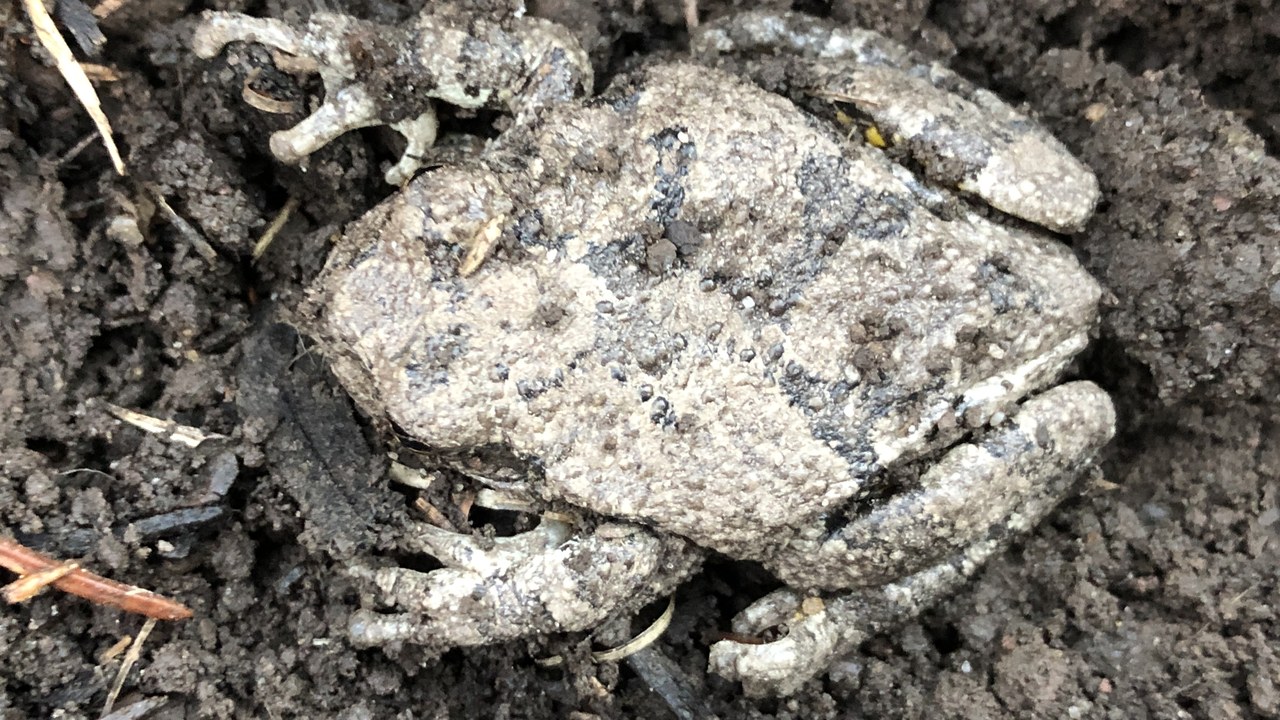
The gray tree frog, a small climbing amphibian of eastern North America, spends winter on the forest floor under leaves and loose bark where it is exposed to subfreezing air. Like the wood frog, it survives by letting part of its body freeze, and it protects its cells by flooding them with glycerol and glucose that act as a natural antifreeze.
As much as a large share of the water in its body can turn to ice while the frog stops breathing and its heart ceases to beat. When the weather warms, it thaws and resumes normal activity, returning to trees and ponds to breed as the spring chorus begins.
7. Antarctic midge: Frozen For Months
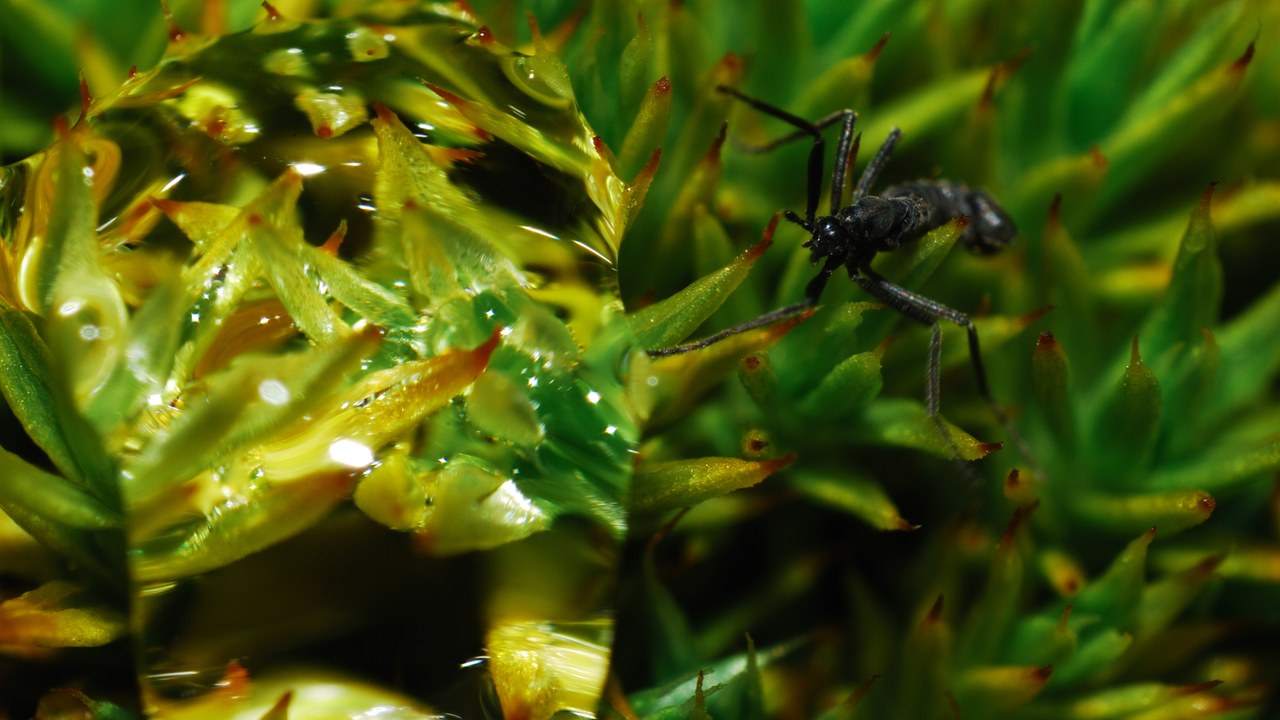
Belgica antarctica, the Antarctic midge, is the continent’s only insect and the largest land animal that lives there year round. Its wingless larvae spend most of a two-year life cycle encased in frozen ground, and they can remain frozen for months at a stretch while losing a large portion of their body water without dying.
The larvae tolerate dehydration, freezing and intense ultraviolet exposure, then thaw and continue developing when the brief Antarctic summer arrives. Adults live only a week or two, just long enough to mate and lay eggs before the next generation begins its own long frozen wait beneath the ice and moss.
8. Woolly bear caterpillar: It Freezes Every Winter
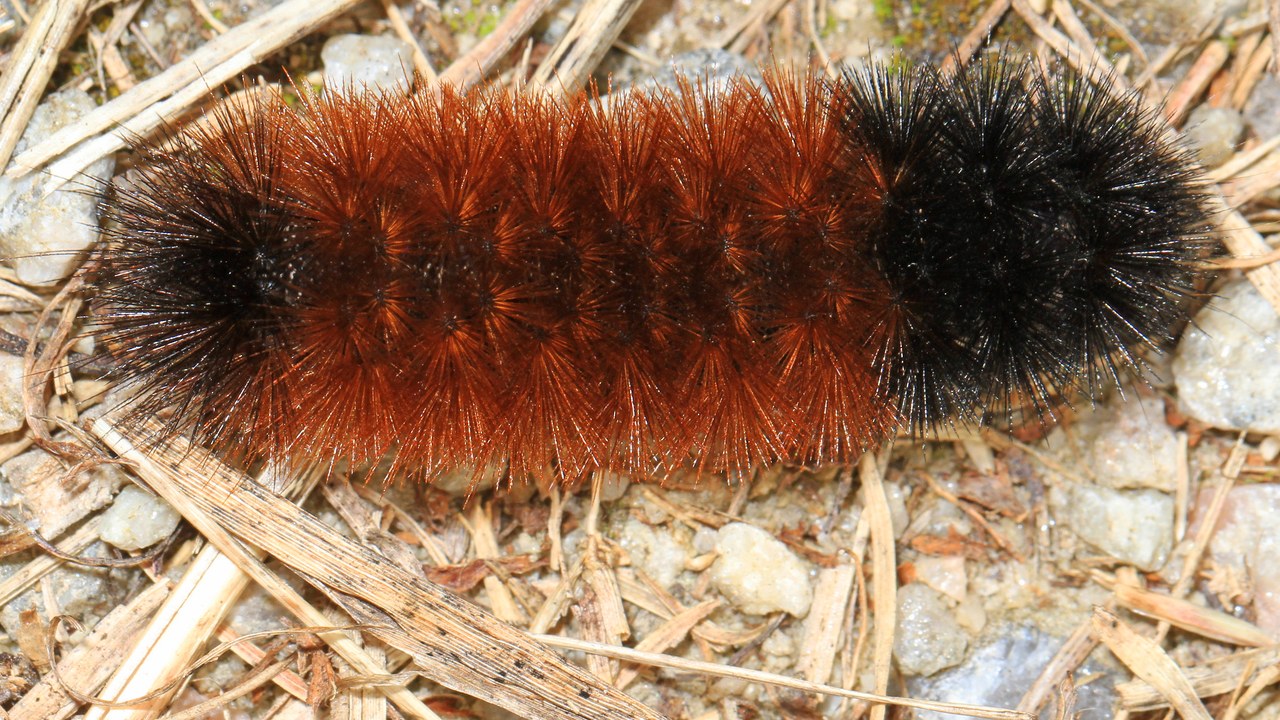
The woolly bear caterpillar, the fuzzy larva of the Isabella tiger moth, survives northern winters by freezing almost solid under leaf litter or a log. Its body produces a cryoprotectant that lets ice form safely, and the caterpillar can freeze and thaw repeatedly as temperatures swing through the cold months.
In the harshest climates the larva may need several years to gather enough energy to complete its growth, freezing each winter and feeding again each spring before it finally pupates. Folk tradition claims the width of its rust-colored band predicts the coming winter, though the marking actually reflects the caterpillar’s age and how much it has fed.
More from Morning Overview
- The FTC is warning about a scam quietly draining thousands from victims
- The NSA is again telling phone owners to switch off one location setting
- A handful of car transmissions are so tough mechanics say they almost never fail
- A handful of SUVs keep hitting 300,000 miles, and they share one engine trait
