
Presidential air travel began with propeller aircraft and now reaches to a Boeing 747-8 that entered service in July 2026. Along the way the fleet has included museum pieces, workhorse jets, a helicopter and a smaller airliner used at shorter runways. Here are eight aircraft that carried presidents, several of which visitors can still see up close.
1. VC-54C Sacred Cow: Roosevelt’s Original Flying Office
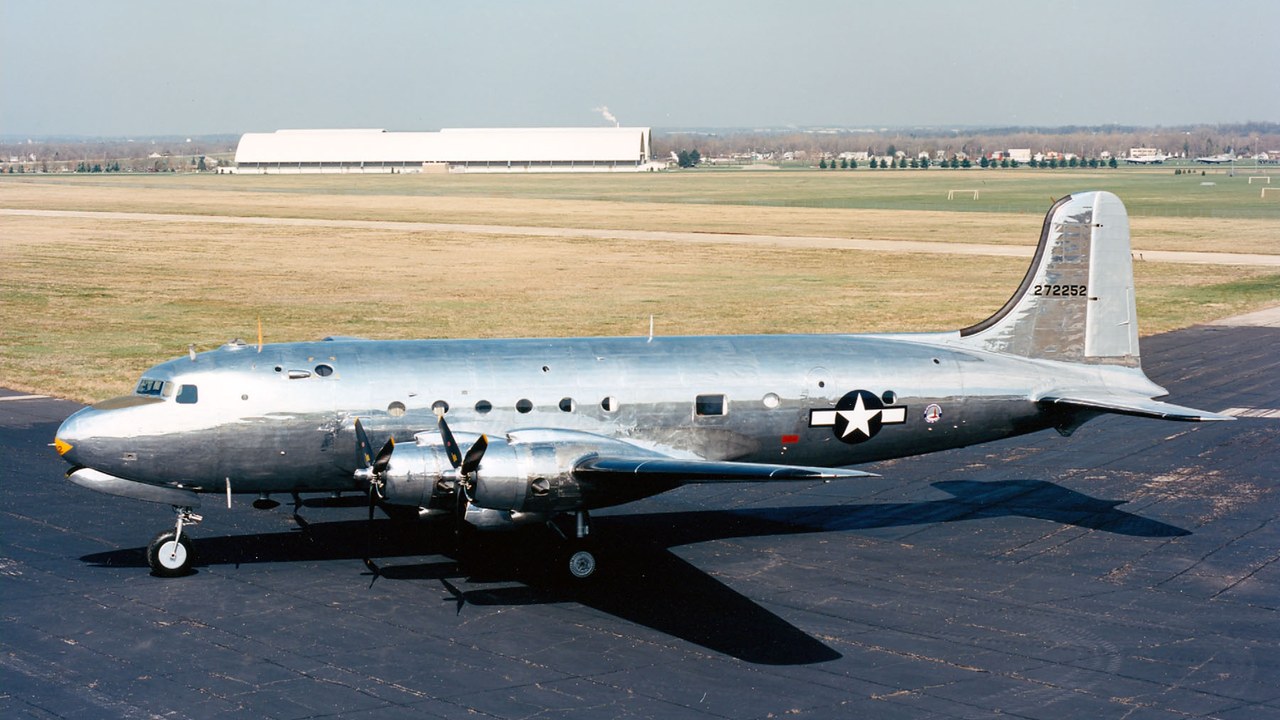
The VC-54C Sacred Cow, an aircraft first used by Franklin Roosevelt, opens the list as the earliest presidential airplane covered here. It is now displayed in the Presidential Gallery of the National Museum of the United States Air Force.
For a museum visitor, the airplane shows how modest the first presidential aircraft were beside later jetliners. The available record confirms its first passenger and its gallery home, so trip-by-trip detail is best left to the exhibit itself. The museum record used here does not list individual flights, mileage or dates of service, so the entry stays with what the source states. That restraint matters because the aircraft is often described in broader terms than the record supports.
2. VC-118 Independence: Truman’s Hometown Namesake
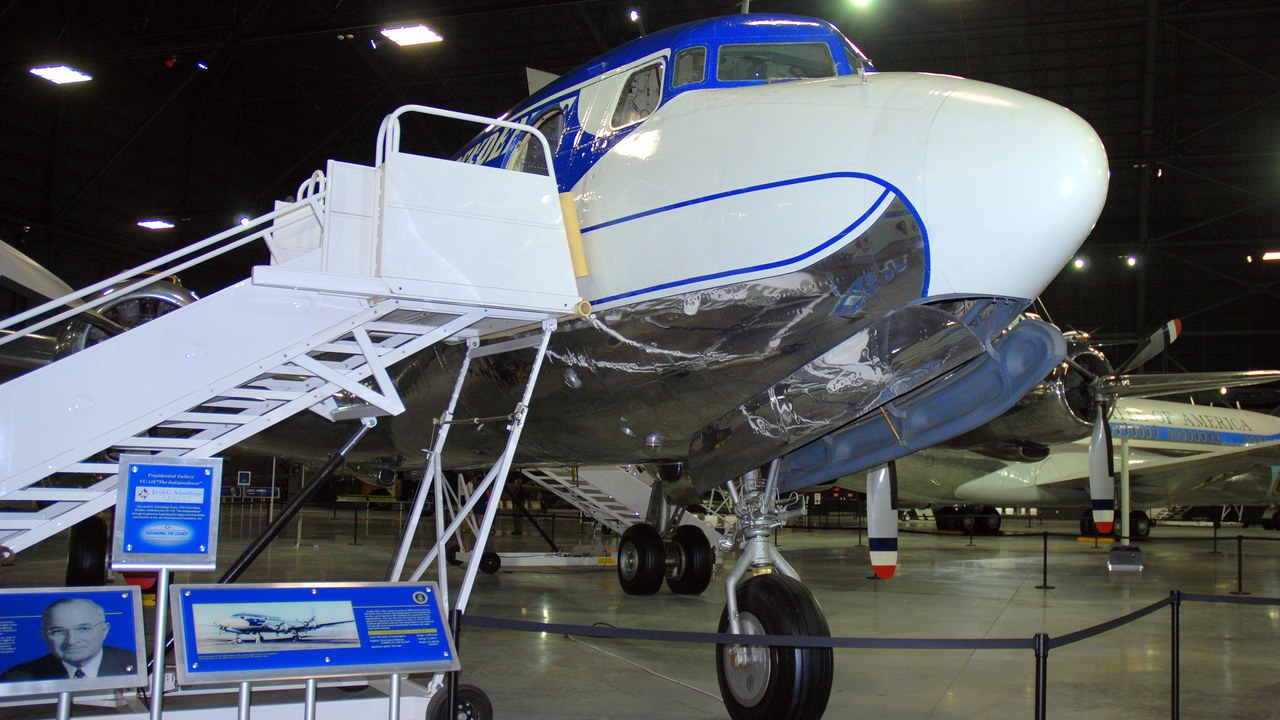
The VC-118 Independence took its name from Independence, Mo., because Truman named it for his hometown. He flew it to Wake Island in October 1950 to meet Gen. Douglas MacArthur. The Air Force commissioned it on July 4, 1947, and it made its first official flight on Aug. 31, 1947, to Rio.
The aircraft left presidential service in May 1953 and has been on display at the National Museum of the United States Air Force since 1965. Visitors can therefore see the plane behind a famous wartime-era summit meeting. Truman’s choice of name tied the airplane to a small Missouri town rather than to a government office, which is unusual among the aircraft covered here.
3. Boeing C-32: The Smaller Airport Alternate
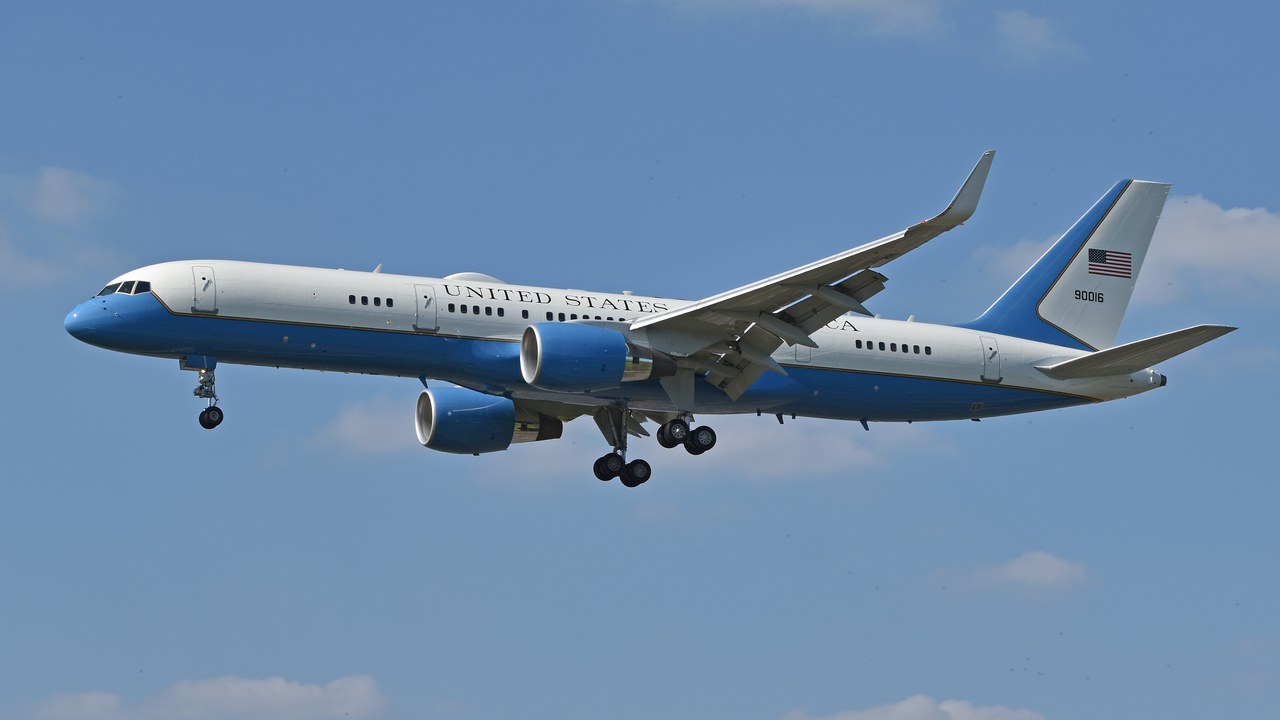
The Air Force’s Boeing 757-based C-32, delivered from June 1998, sometimes serves as Air Force One in place of the larger VC-25A. One stated reason is that the president is flying into smaller airports within the country.
The type shows that the call sign belongs to whichever aircraft carries the president, not to one famous jumbo jet. Readers following the program should note that the C-32 is an active, working airliner variant rather than a museum piece. The wording from the source is cautious, citing a variety of reasons, so the smaller-airport case is one example rather than a full account of every flight it has made.
4. SAM 26000: Kennedy Through Clinton
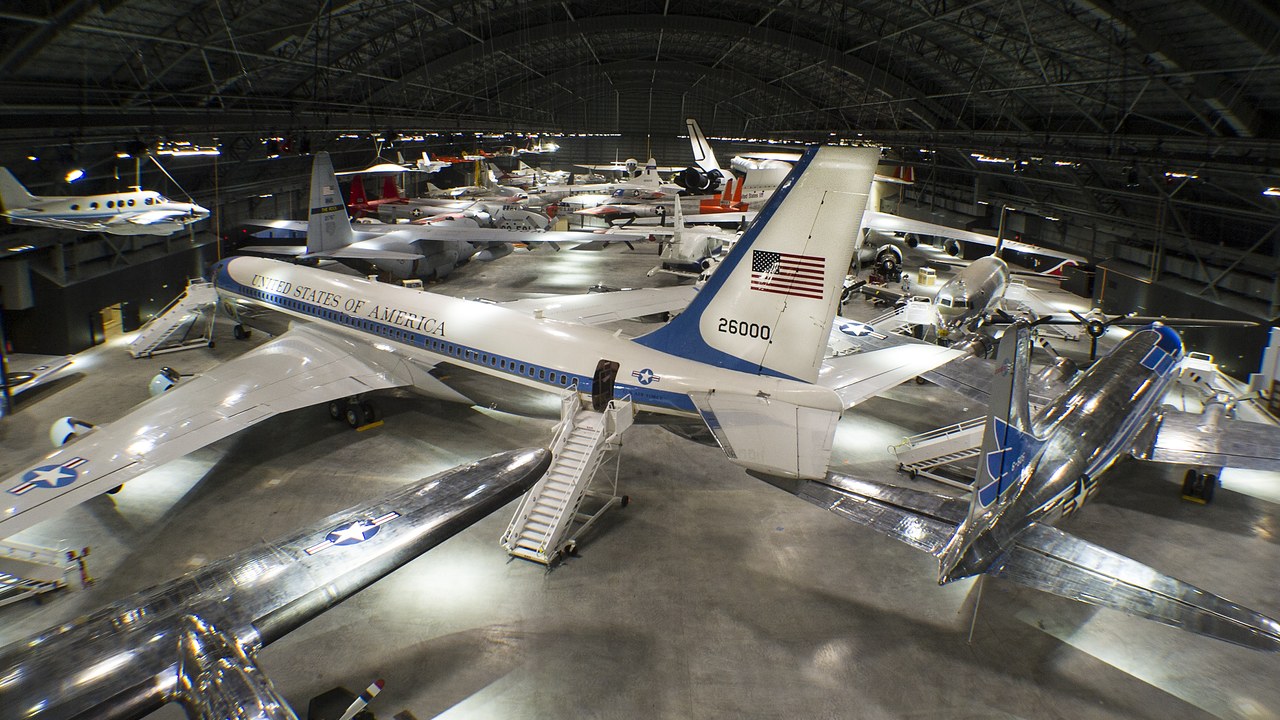
The VC-137C known as SAM 26000 served eight presidents: Kennedy, Johnson, Nixon, Ford, Carter, Reagan, George H.W. Bush and Clinton. The National Museum of the United States Air Force describes it in a museum press release about moving aircraft into its fourth building.
That span makes it one of the longest presidential careers of any aircraft on the list, covering decades of trips. SAM 27000 replaced it in December 1972. The eight names span from the early 1960s through the 1990s, which is why the jet often stands in for the entire jet-age era of presidential travel in museum displays.
5. SAM 27000: Reagan’s Miles in the Sky
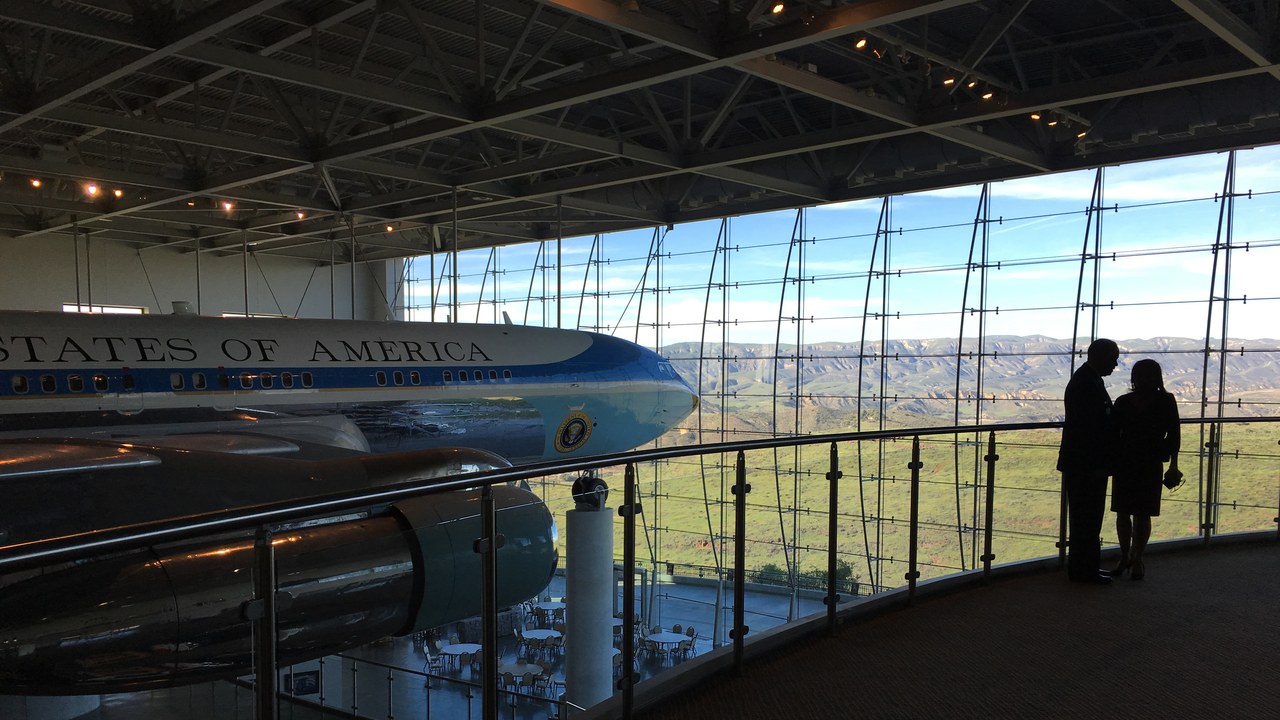
SAM 27000 flew seven presidents from 1973 to 2001. According to the Reagan Library pavilion, Reagan alone flew it more than 660,000 miles to 26 foreign countries and 46 states.
Visitors to the Air Force One Pavilion can walk through the plane itself. The library also shows a 120-foot mural representing all 22 aircraft that have served presidents, which places this jet within the wider fleet. The figures come from the library’s own description, so they reflect one president’s travel rather than the airplane’s total mileage across all seven presidents who used it.
6. Marine One: Johnson’s Rotor Wing Ride
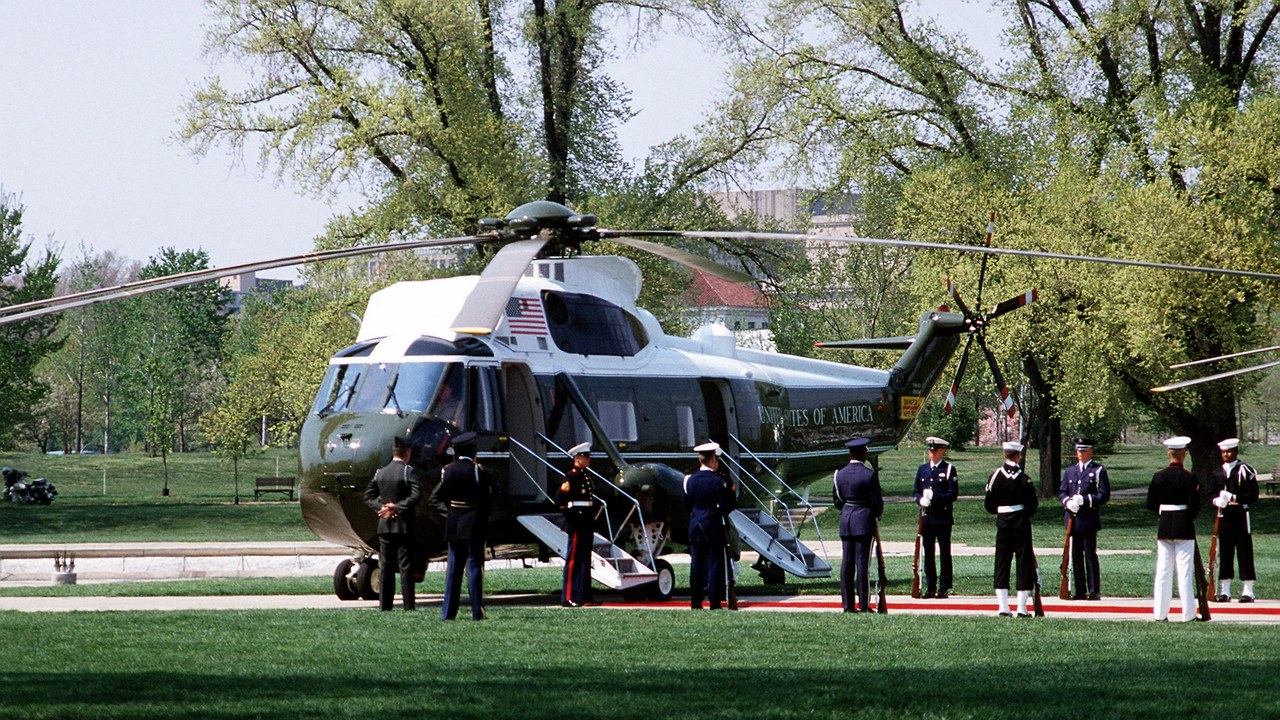
Marine One is the helicopter side of presidential travel, and the Reagan Library displays an actual Marine One helicopter that flew President Johnson.
The source names no helicopter model, so this entry rests on the display itself rather than a type history. For visitors, the exhibit offers a look at the short-hop aircraft that carry presidents between the White House lawn and waiting jets. Marine One is a call sign for helicopters carrying the president, and the display gives readers a rare close look at hardware that usually operates behind security lines.
7. Boeing VC-25A: The 747 Era Begins
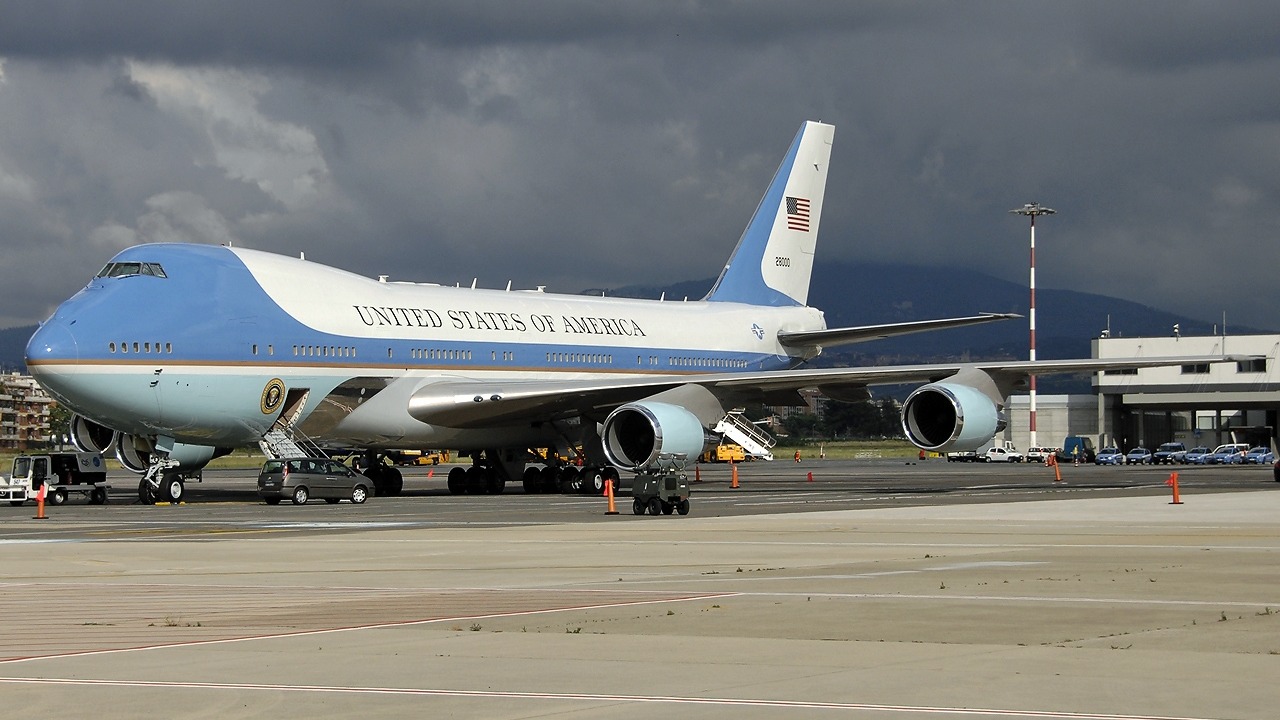
The Boeing VC-25A entered service in 1990 as two 747-200B aircraft, replacing older 707s. The type is based on the 747-200B and formed the backbone of presidential travel that followed.
Those two aircraft gave the call sign the size and range most Americans now picture. Their long tenure is also why a newer replacement program has been a subject of attention for readers following presidential aircraft. In this account they sit between the 707-era jets and the newest aircraft, with a service span that runs from 1990 onward, which is why the replacement program has drawn steady attention from aviation reporters and budget watchdogs alike.
8. Boeing VC-25B: Newest Air Force One Arrives
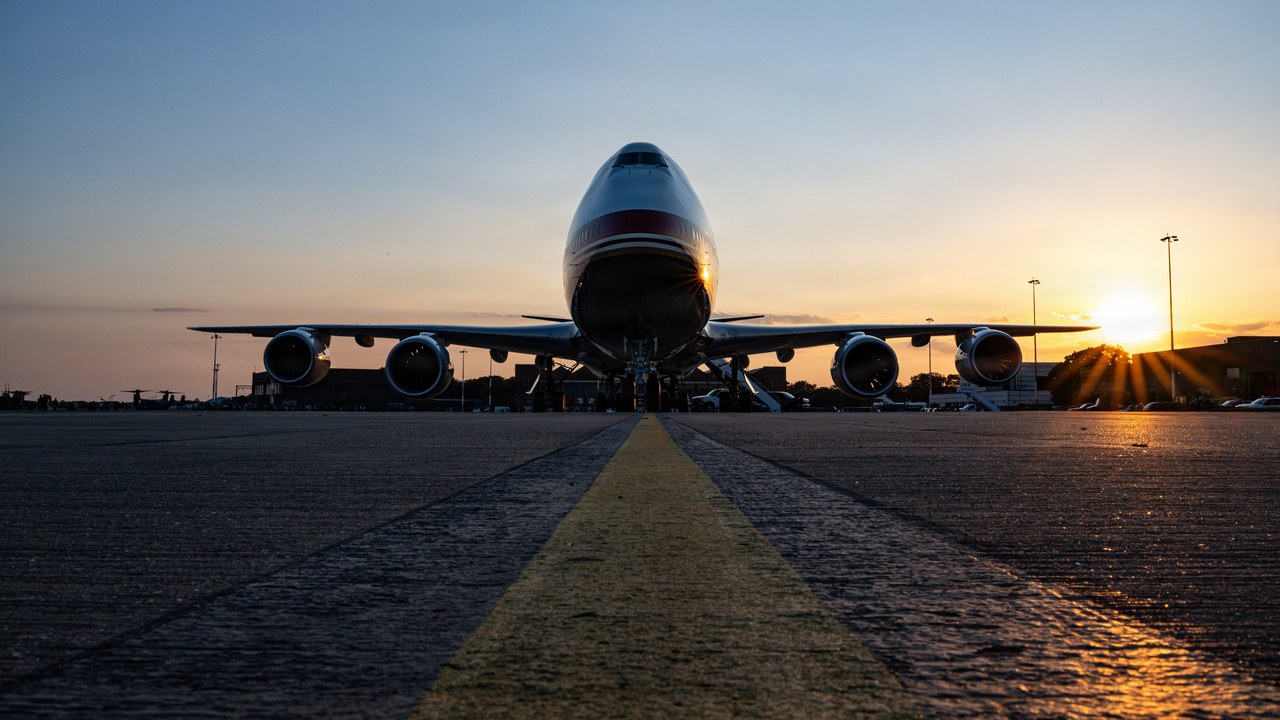
The Boeing VC-25B, a modified 747-8, entered service on July 1, 2026. Two more VC-25Bs are expected no earlier than 2027 or 2028.
The full replacement of the older VC-25A pair is therefore still in progress, not complete. Anyone tracking the program should read the schedule as an expectation, since the later aircraft have not yet been delivered. Nothing in the brief supports describing the full fleet as replaced, so any statement about future flights should be read cautiously until the later aircraft actually appear, and the official service history for them has yet to be written.
More from Morning Overview
- A geomagnetic storm is forecast to hit Earth today, pushing the northern lights unusually far south
- A recalled pill hid a stimulant dose linked to heart attacks and death
- Four U.S. startups fired up their first small nuclear reactors, aiming to power AI data centers on-site
- Card skimmers hidden on gas pumps and ATMs are draining accounts, and here’s the tell
