
NASA’s cameras and instruments keep turning familiar names into unfamiliar scenes. Some views show surfaces directly, while others reveal change through wavelengths and measurements unavailable to ordinary eyesight. Together, the new imagery connects landscapes, galaxies, spacecraft, and moons to active science; here are six NASA images that make familiar worlds look newly strange.
1. Mars: A Valley Turns Into a Honeycomb
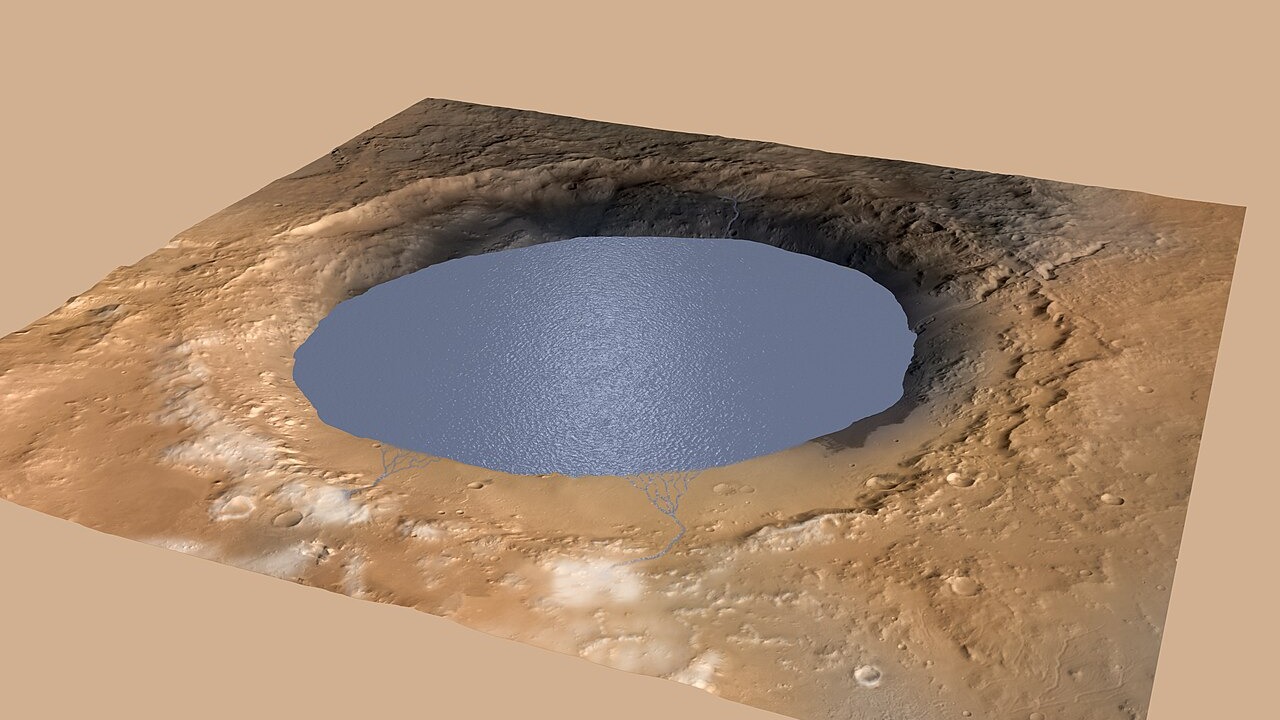
Curiosity found a Martian valley paved with honeycomb-like textures, according to NASA’s report on the patterned Martian terrain. The repeated shapes make an otherwise dusty landscape look unexpectedly constructed, even though the rover is documenting a natural surface rather than an engineered one.
That visual contrast is what makes the image scientifically useful as well as striking. A recurring pattern gives researchers something specific to map, compare, and explain instead of treating the valley as featureless ground. The observation establishes that the textures are present, but their appearance alone does not settle how they formed; the strange geometry is evidence that requires interpretation, not a conclusion by itself.
2. Andromeda Galaxy: A Grand Spiral Shows Its Slowdown
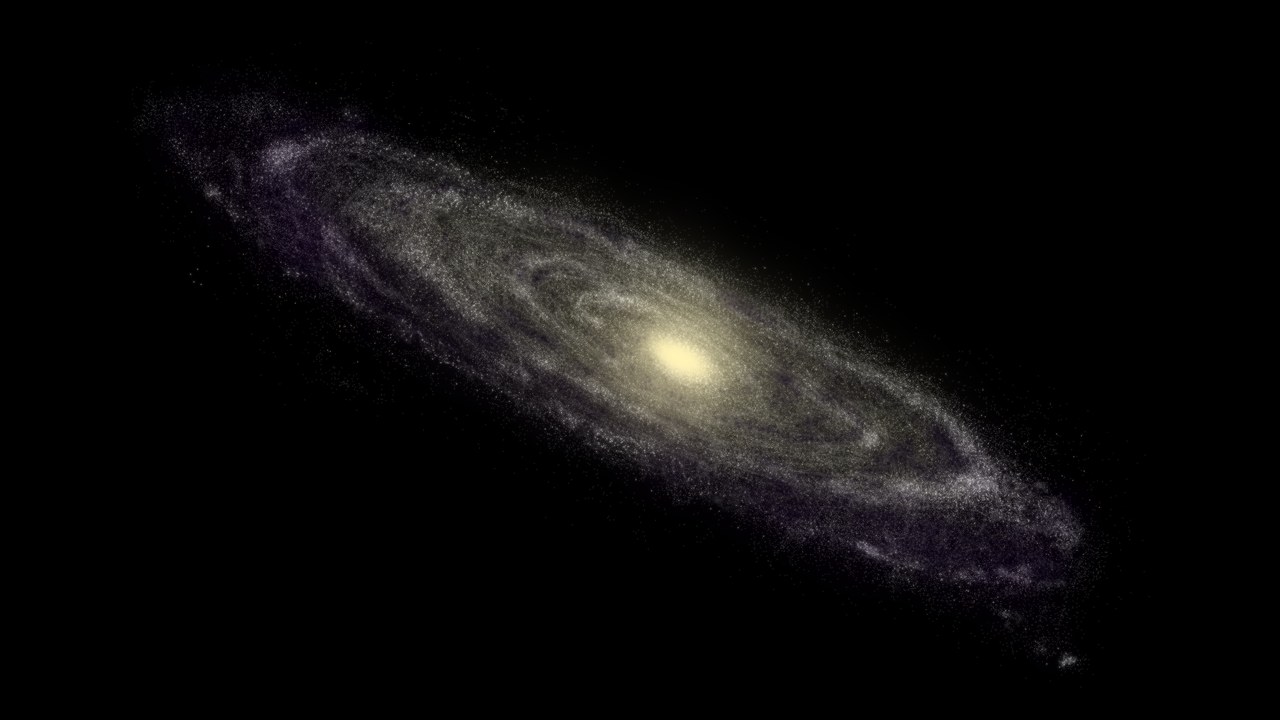
Hubble observations show star formation winding down in the Andromeda Galaxy, NASA reports in its Andromeda observation summary. The familiar neighboring spiral therefore becomes more than a bright shape in the sky: its image carries evidence of a galaxy whose stellar activity is changing over time.
The finding changes the way the picture reads. Bright structure can look timeless to a casual observer, while the scientific comparison points to a process unfolding on scales far beyond a human lifetime. “Winding down” describes a trend in star formation rather than an instantaneous shutdown, so the image is most valuable when paired with the measurements and interpretation behind NASA’s conclusion.
3. Ganymede: An Icy Moon Shows Its Scars
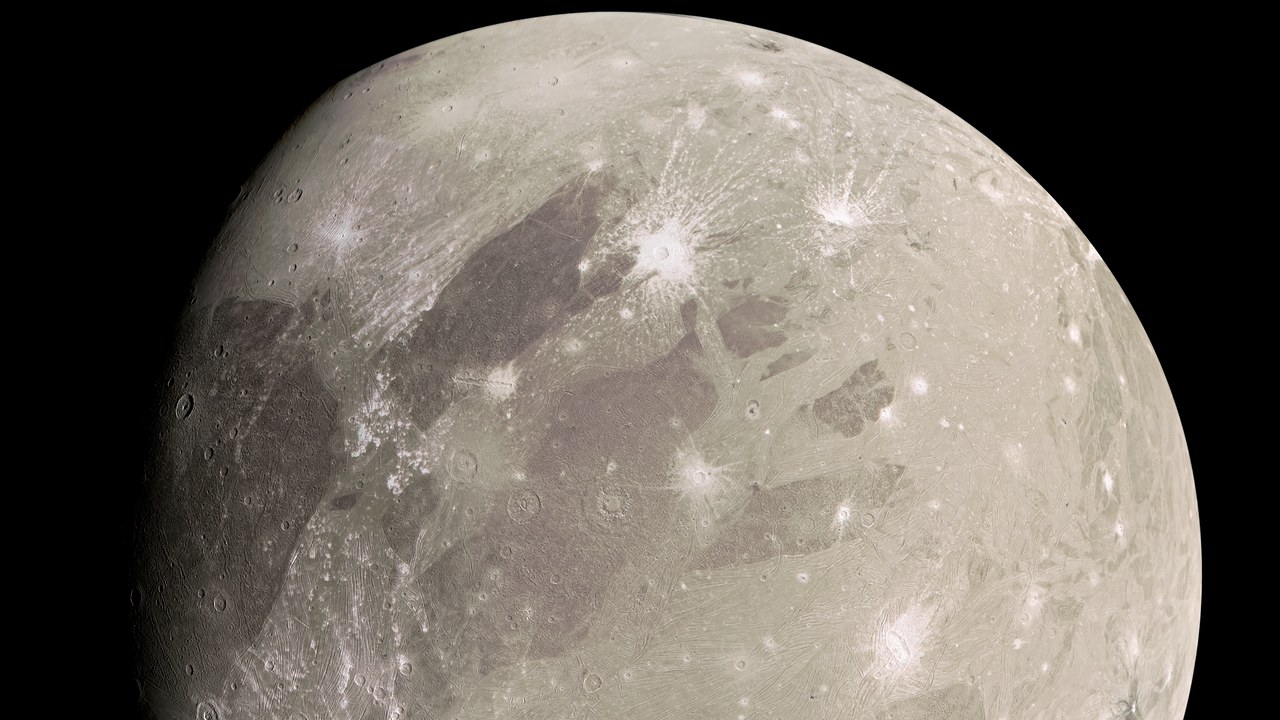
Juno captured a close view of Ganymede during a 2021 flyby, and NASA’s Ganymede close-up shows grooves, ridges, and bright impact scars across the moon’s icy terrain. The largest moon in the solar system stops looking like a smooth distant disk and instead resembles a battered landscape, with surface structure stretching across a frame gathered from hundreds of miles away.
The detail gives researchers a sharper basis for comparing younger, brighter terrain with older, darker regions and for examining how impacts and tectonic forces reshaped the crust. A processed spacecraft image is not identical to what an unaided observer would see, because contrast and color handling help expose features. Even so, the underlying measurements come from Juno’s camera during a documented encounter with the moon.
4. Io: A Volcanic Moon Becomes a Heat Map
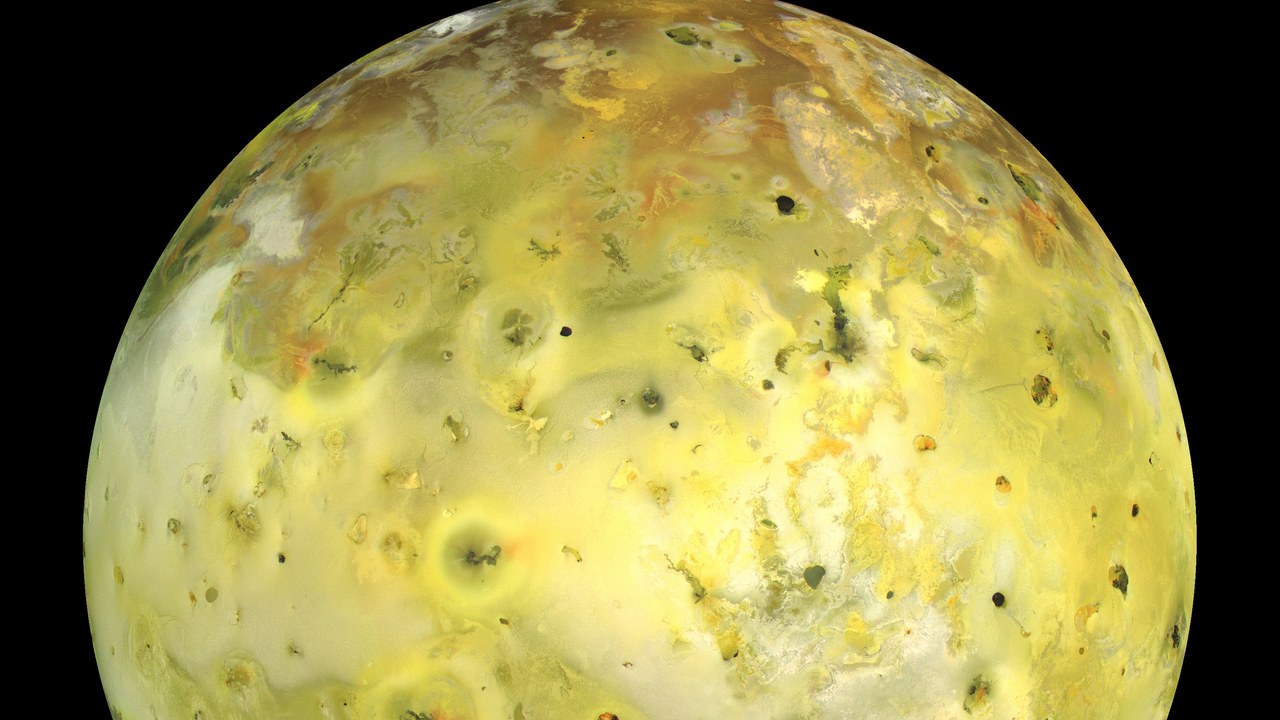
Juno measured temperatures across Io’s volcanic surface, according to NASA’s Io temperature report. The observation makes Jupiter’s mottled moon look stranger by translating volcanic activity into thermal information, adding a layer of measured heat to the colors and surface features visible in ordinary imagery.
Temperature changes what the picture can reveal. A bright or dark patch in a standard view may be visually dramatic, but thermal measurements help distinguish where the surface is releasing more energy. The map is not the same thing as standing beside a volcano with a camera; it is a data-driven view assembled from Juno’s instruments, designed to show physical differences that eyesight alone cannot measure.
5. James Webb Space Telescope: New Objects Form a Cosmic Family Tree
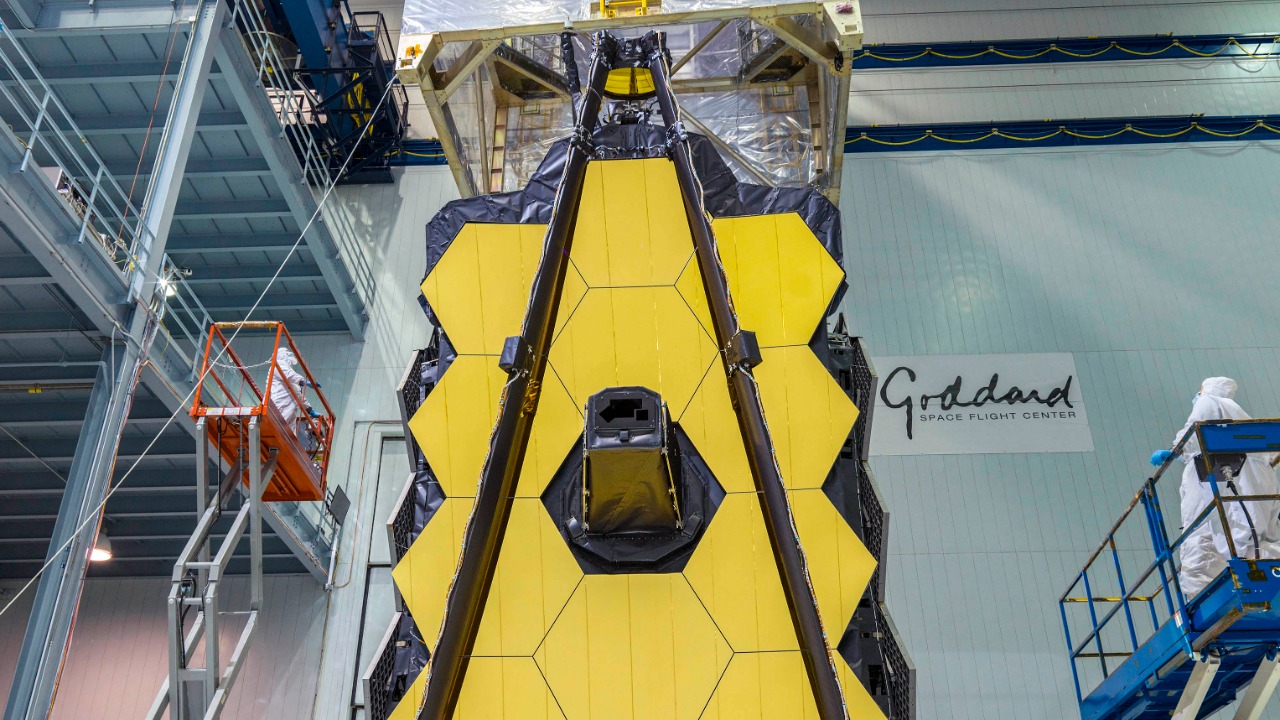
The James Webb Space Telescope is mapping relationships among a family of newly discovered distant objects, NASA explains in its Webb research update. The imagery turns remote points of light into a comparative set, allowing researchers to examine how the objects may be connected rather than treating each detection as an isolated curiosity.
A family-tree metaphor is useful because it emphasizes similarities, differences, and possible relationships, but it should not be mistaken for a literal biological lineage. Webb’s observations provide the evidence used to organize the objects and test ideas about them. The unfamiliar appearance reflects both extreme distance and the telescope’s way of gathering light, making the image a scientific map of relationships as much as a portrait.
6. Triton: A Frozen Surface Turns Mottled
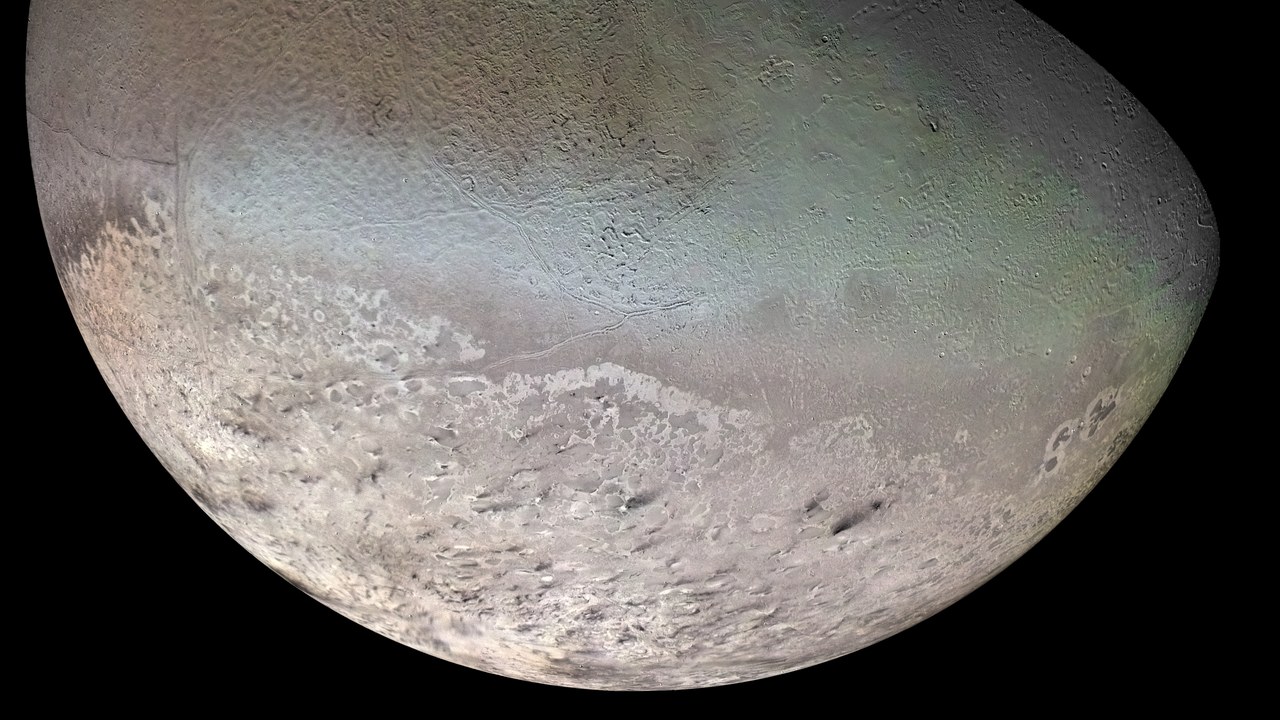
Voyager 2’s 1989 portrait of Triton, paired in NASA’s Triton image archive with a newer Webb view, turns Neptune’s largest moon into a world of mottled color and stark, frozen terrain. The spacecraft image reveals dark streaks and a textured surface that make the distant moon look geologically active rather than like a featureless point circling a blue planet.
The comparison matters because different instruments and wavelengths expose different physical clues. Voyager supplied the only close spacecraft views, while Webb measures infrared light from much farther away, so the two images answer different questions and should not be treated as interchangeable photographs. Together, they make a familiar moon newly strange by showing both its visible surface and the signals researchers use to study its composition and changing environment.
This article was produced with the assistance of AI and reviewed by Morning Overview editors prior to publication.
More from Morning Overview
- A Colorado wildfire has exploded past 87,000 acres with no containment
- A wildfire near Ouray swelled past 18,000 acres, putting Colorado towns on alert
- The Pentagon’s newest UFO files describe a fish-scaled, potato-shaped object on camera
- Scientists spotted a rare tusked whale alive at sea for the first time, then fired a crossbow at it.
