
Some of medicine’s most useful clues appear before a person notices a clear symptom or receives a conventional diagnosis. Researchers are testing language patterns, blood markers, cell maps, and risk scores for earlier signs of trouble. These six health signals show how scientists are trying to recognize danger sooner, while intervention or closer monitoring may still matter.
1. Depression: Language May Reveal Risk Years Early

NIH reported that a child’s language patterns may help forecast the later arrival of depression and anxiety disorders years before symptoms begin. The finding points to ordinary language as a potential early signal, not merely a description of distress after a disorder has already become visible.
That lead time could eventually help researchers identify which children warrant closer observation or preventive support before a crisis develops. The signal is not a stand-alone diagnosis, and language varies with age, environment, and many other influences. Its value lies in adding evidence to a broader assessment, giving clinicians another measurable clue while symptoms are still absent rather than replacing established mental-health evaluation.
2. Amyotrophic lateral sclerosis: Blood Proteins May Put Symptoms on a Timeline
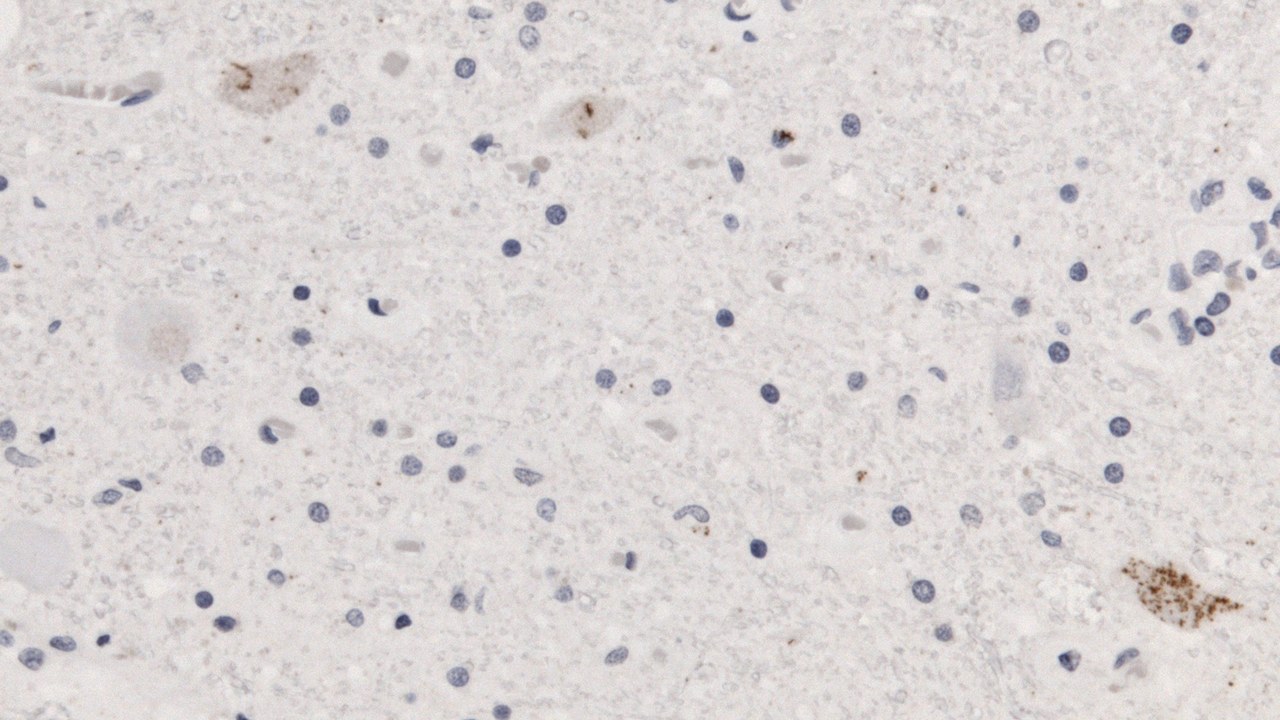
A new blood protein panel may help predict when symptoms of amyotrophic lateral sclerosis will emerge, according to NIH. That is a different goal from recognizing ALS after weakness is obvious: the biomarkers are being studied as a way to estimate the approach of clinical onset before the body’s functional losses make the disease apparent.
Earlier timing information could be especially important for people already considered at elevated risk and for researchers designing prevention or treatment trials. It may help define when monitoring should intensify and when an intervention window begins. A predictive panel still requires validation and clinical interpretation, however, because a probability about symptom timing is not the same as certainty for an individual patient.
3. Alzheimer’s disease: A Blood Marker May Signal Approaching Symptoms
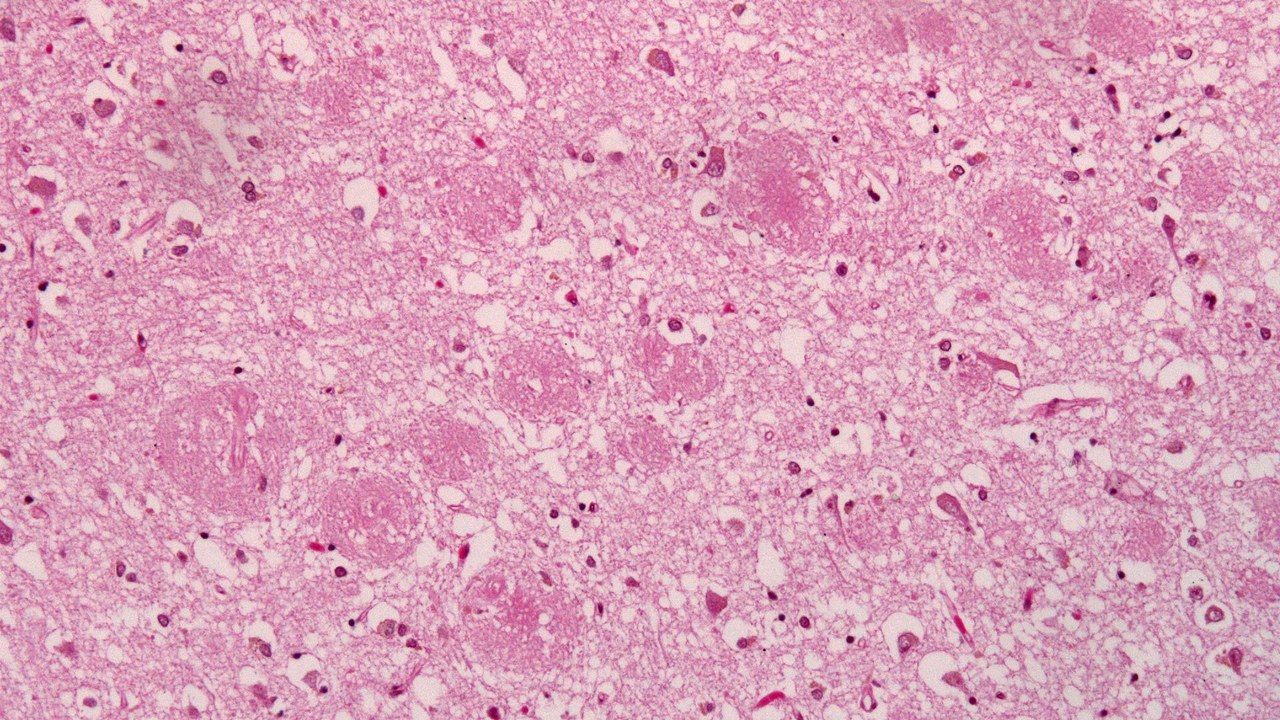
NIH highlighted a new blood marker that may indicate when Alzheimer’s symptoms are approaching. The work aims beyond showing that disease-related changes exist; it seeks a clue about proximity to noticeable decline, when memory and thinking problems have not yet become the unmistakable signal that prompts evaluation.
A marker with that timing ability could sharpen research enrollment and help clinicians decide when more detailed testing is warranted. It could also separate people with distant biological risk from those nearing a symptomatic stage. The result would still be one part of an assessment rather than a prediction that stands alone, since laboratory findings, cognitive testing, medical history, and clinical judgment answer different pieces of the same question.
4. Prediabetes: An Early Metabolic Warning Can Change the Future

Prediabetes is an early metabolic warning, and NIH reported that a long-term lifestyle intervention lowered the risk of developing multiple chronic conditions among adults with it. The result gives the signal practical weight: elevated risk detected before diabetes can mark a period when sustained behavior changes still influence later health outcomes.
The significance reaches beyond whether one laboratory value crosses a diagnostic threshold. Prediabetes can identify a group facing broader long-term vulnerability, making follow-up and risk reduction more consequential than simply waiting for symptoms. The study does not turn every case into the same forecast, but it supports treating the early warning as actionable information that can guide structured prevention rather than as a harmless borderline finding.
5. Cellular senescence: An Atlas Shows Where Aging Cells Accumulate
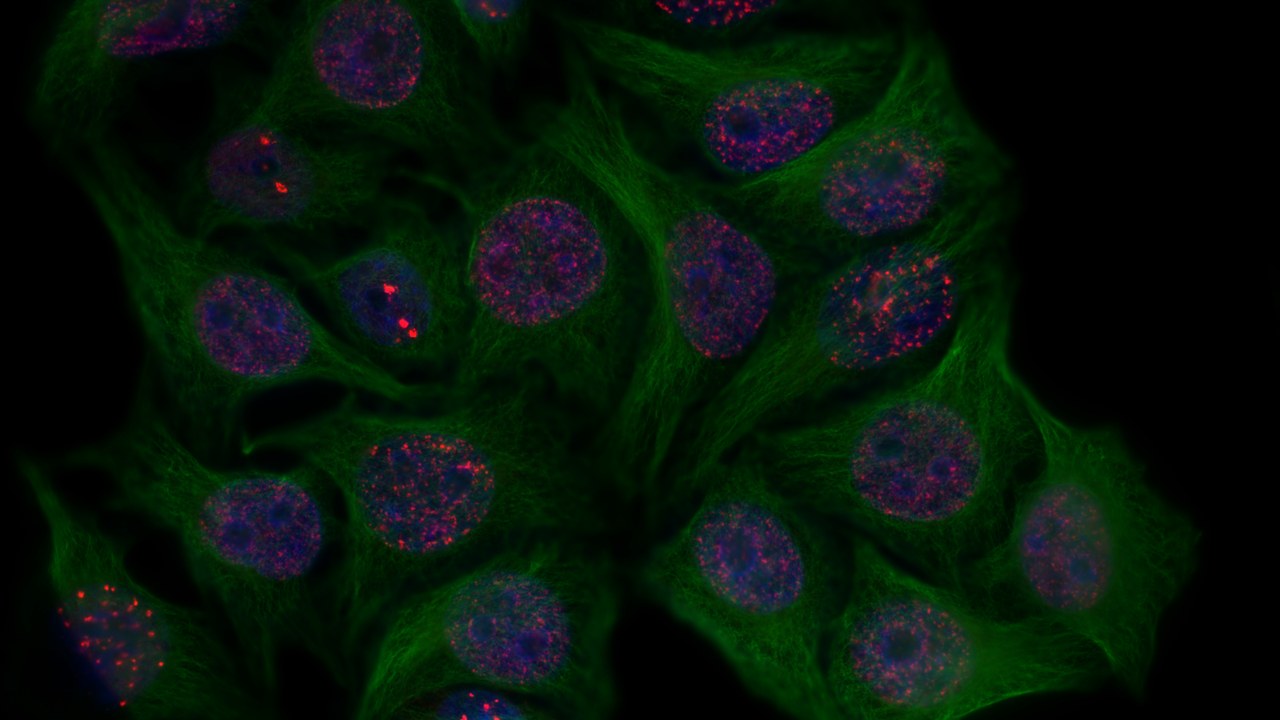
An NIH senescence framework maps where aging cells appear across the body, giving researchers a more organized way to examine a process that may precede visible age-related decline. Cellular senescence describes cells that have stopped dividing but remain biologically active, making their location and behavior potential signals rather than symptoms a person can directly feel.
The atlas matters because aging is not uniform across tissues, and the same cellular state may have different effects depending on where it appears. A body-wide map can help researchers compare those patterns and ask which ones accompany healthy adaptation or disease. It is a research framework, not a consumer test, but it moves a hidden biological process closer to being measured systematically before outward changes provide the alarm.
6. Venous thrombosis: A Spaceflight Score Flags Clot Risk Remotely
NASA developed a clot-risk score for astronauts who may be far from hospital care. The algorithm is designed to identify venous thromboembolism risk before an emergency forces a diagnosis, translating available risk information into a structured warning for crews operating where rapid specialist evaluation and treatment are unusually difficult.
That setting makes early recognition especially valuable: a delayed response in space carries logistical consequences that do not exist near an emergency department. A risk score cannot confirm that a clot is present, and it does not replace imaging or clinical assessment. Its role is to organize concern earlier, helping mission medical teams decide when closer monitoring or escalation is justified before unmistakable symptoms become the only remaining signal.
This article was produced with the assistance of AI and reviewed by Morning Overview editors prior to publication.
More from Morning Overview
- A Colorado wildfire has exploded past 87,000 acres with no containment
- A wildfire near Ouray swelled past 18,000 acres, putting Colorado towns on alert
- The Pentagon’s newest UFO files describe a fish-scaled, potato-shaped object on camera
- Scientists spotted a rare tusked whale alive at sea for the first time, then fired a crossbow at it.
