
Vehicle recalls become especially serious when the official safety instruction changes from arranging service to immediately changing where or whether a vehicle is used. Do-not-drive and park-outside warnings signal hazards that regulators consider too consequential for routine handling. These five vehicle recalls prompted unusually urgent directions while affected owners waited for repairs.
1. Ford Mustang: A Takata Warning Meant Stop Driving
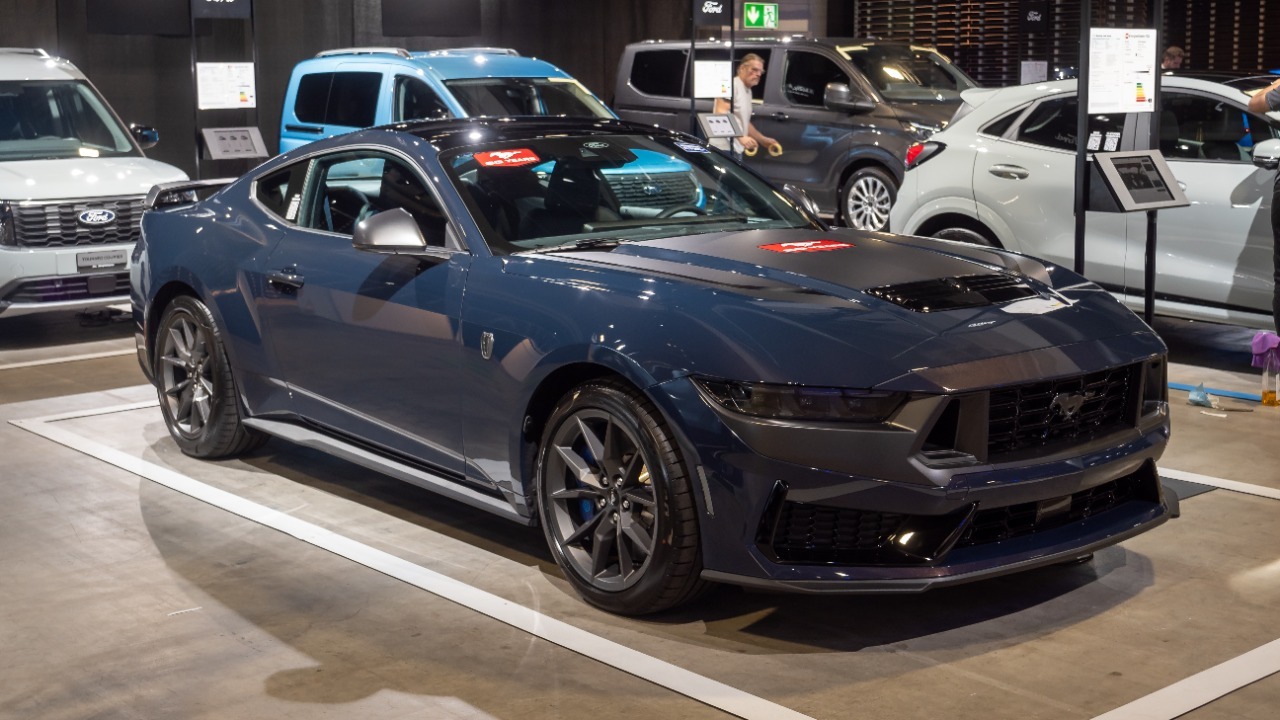
NHTSA’s consumer alert said Ford and Mazda issued do-not-drive warnings covering more than 457,000 vehicles with unrepaired Takata airbags. The Ford Mustang was among the affected nameplates, making the instruction much more severe than an ordinary appointment reminder: owners were told not to operate the vehicle until the defective inflator was repaired.
That distinction put recall status ahead of mileage, appearance, or how normally the car seemed to operate. An affected Mustang could not be treated as safe simply because the airbag had never deployed or no warning light appeared. The practical issue was whether the specific vehicle still carried the unrepaired recall, with the repair serving as the condition for returning it to the road.
2. Ram pickup: An Open Recall Took the Truck Off the Road
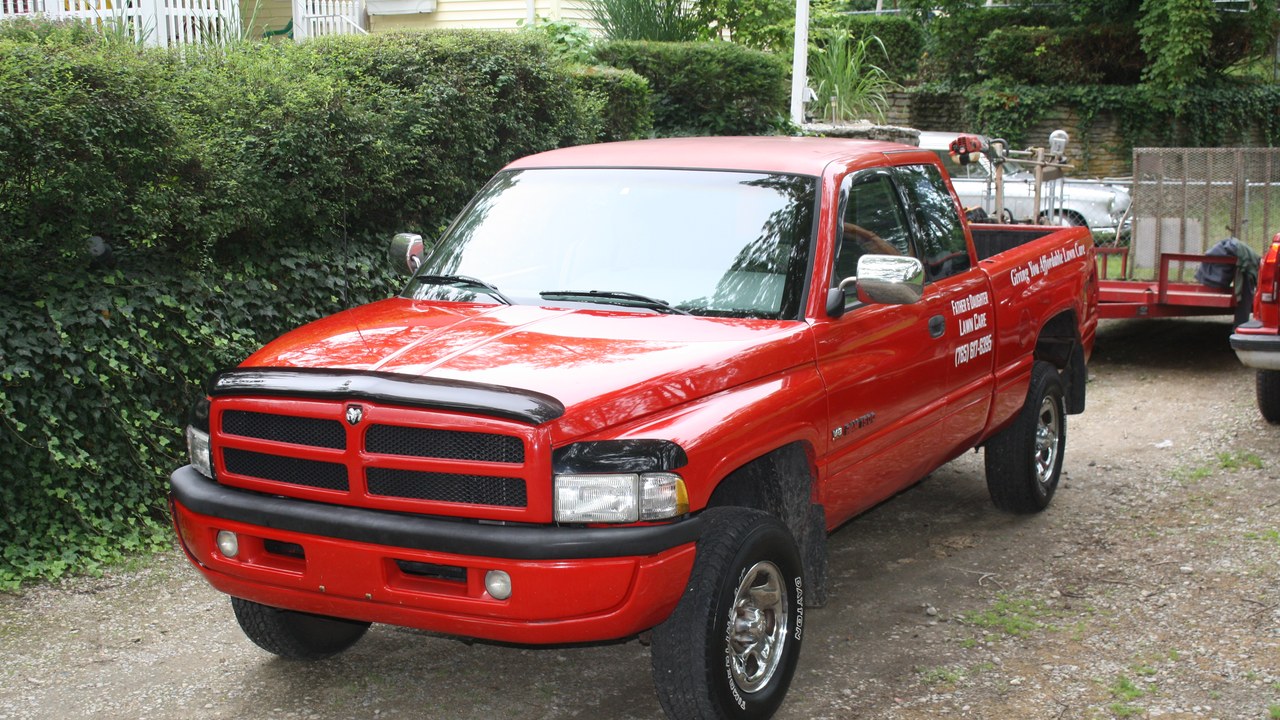
A separate federal warning addressed unrepaired Takata inflators in FCA vehicles, including Ram pickups, and explicitly raised the response from scheduling service to not driving the vehicle. The urgency centered on recalls that remained open on individual trucks, so a pickup that appeared normal could still be covered until the required repair was completed.
For an owner, the badge and general model alone were not enough to determine the next step; the vehicle identification number and repair history controlled whether the warning applied. That made checking the recall record the essential first move. If the inflator remained unrepaired, ordinary errands and even a drive to a dealership conflicted with the do-not-drive instruction, requiring repair arrangements that did not put the truck back in traffic.
3. Jeep Wrangler: Fire Risk Moved Parking Outdoors
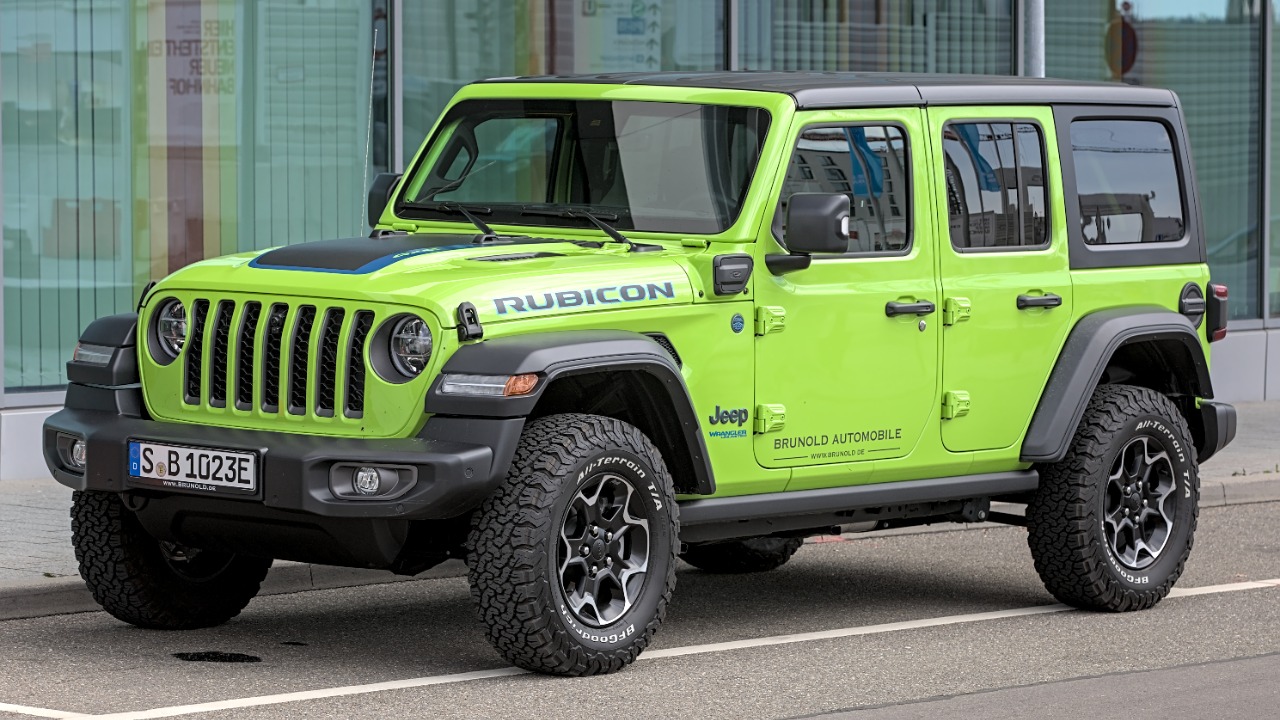
NHTSA issued an urgent park-outside warning tied to a recall of one million Jeep vehicles, with the Wrangler among the named models. The direction reflected a fire risk serious enough that affected vehicles were not supposed to remain inside garages or near structures while owners waited for the recall remedy.
Unlike a do-not-drive order, a park-outside instruction does not necessarily remove every affected vehicle from service, but it changes the risk around where the vehicle is stored. The concern extends beyond the Jeep itself because an indoor vehicle fire can spread to a garage or home. Recall status therefore mattered even for a Wrangler showing no obvious problem, and the outside-parking precaution remained relevant until the specified repair was completed.
4. Kia Telluride: The Garage Became Part of the Hazard
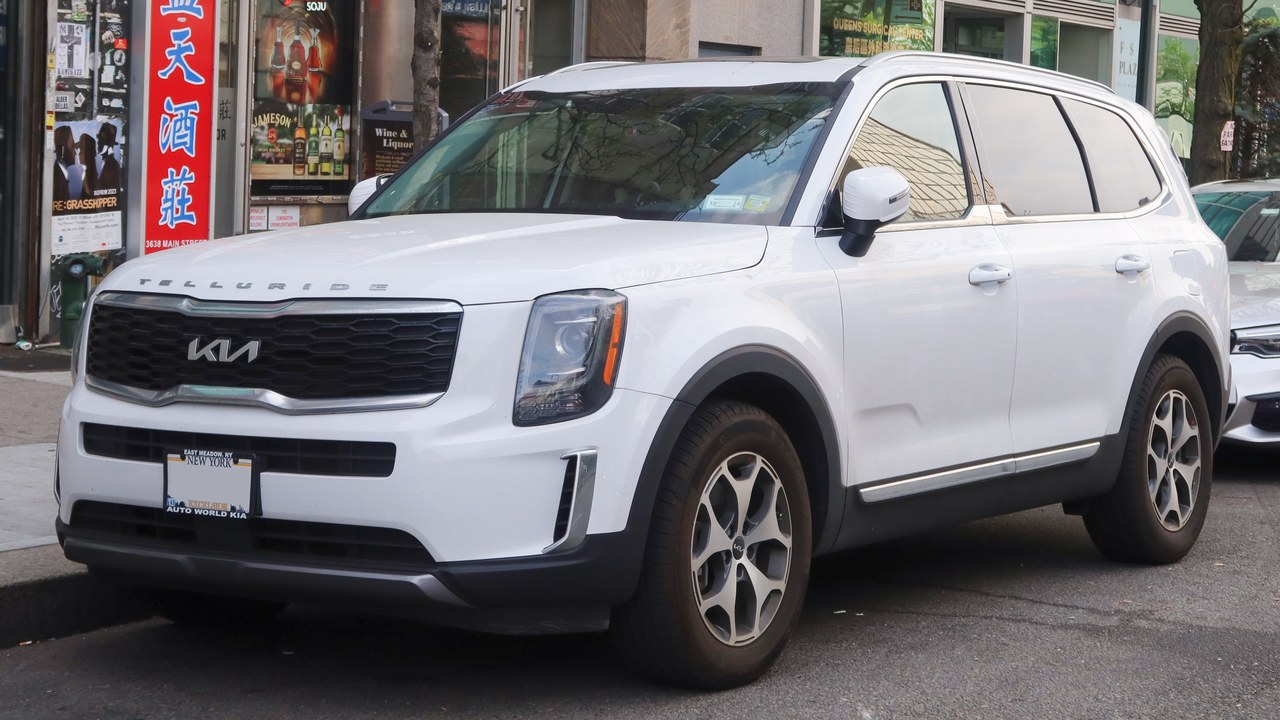
The Kia Telluride recall carried a blunt park-outside direction because of a fire risk. Owners of affected SUVs were told to keep them outside and away from structures until the recall repair was finished, turning a familiar garage parking routine into the specific behavior regulators wanted changed during the unresolved period.
That instruction made the remedy more than a maintenance item to handle whenever convenient. Parking outdoors created distance between the vehicle and a house, apartment garage, or other structure while the defect remained unresolved. The warning applied through recall eligibility rather than assumptions based on appearance, trim, or recent driving behavior. Confirming the vehicle’s status and completing the repair were therefore central to ending the temporary parking restriction.
5. BMW X3: Engine-Fire Risk Required Open-Air Parking
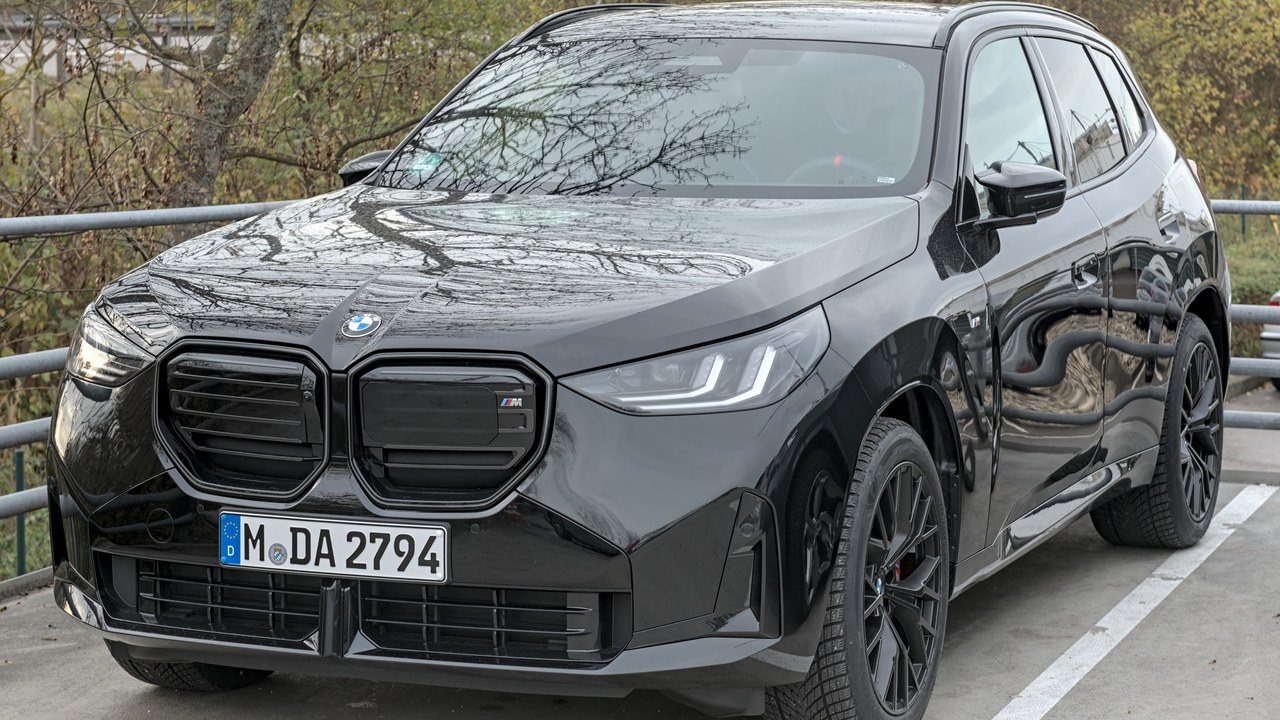
BMW X3 owners covered by this fire-risk recall were told to park outside because the identified hazard involved an engine fire. The warning elevated the issue beyond a normal service campaign by treating the vehicle’s parking location as a safety measure while the defect remained open and before the recall work was completed.
The practical concern reached beyond possible damage to the SUV. Keeping an affected X3 away from a garage or building reduced the chance that a vehicle fire could threaten the surrounding structure. A normal start, a clean dashboard, or a recent trip did not by itself close the recall; only the vehicle’s recorded status could do that. Owners therefore needed both the outside-parking precaution and the prescribed repair process.
This article was produced with the assistance of AI and reviewed by Morning Overview editors prior to publication.
More from Morning Overview
- A Colorado wildfire has exploded past 87,000 acres with no containment
- A wildfire near Ouray swelled past 18,000 acres, putting Colorado towns on alert
- The Pentagon’s newest UFO files describe a fish-scaled, potato-shaped object on camera
- Scientists spotted a rare tusked whale alive at sea for the first time, then fired a crossbow at it.
More from Morning Overview
