
Large power projects begin with a resource, but the same geography that provides it often resists construction. Canyons constrain concrete, deserts punish machinery, and offshore water complicates every foundation and cable. These five energy giants show how engineers adapted equipment, logistics, and infrastructure to landscapes that made ordinary building methods impossible or dangerously expensive.
1. Hoover Dam: Concrete Locked the Colorado Inside a Canyon
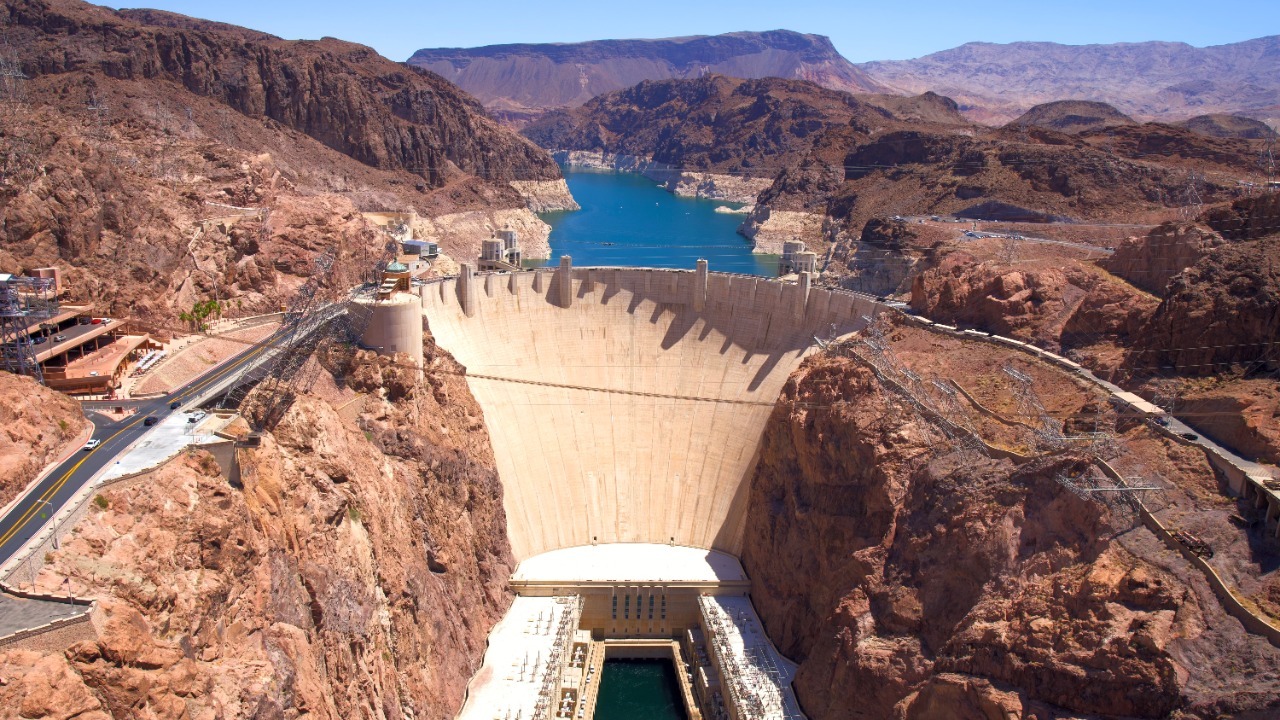
Hoover Dam converted the narrow walls of Black Canyon into the abutments for a massive concrete structure across the Colorado River. The Bureau of Reclamation’s Hoover Dam overview describes its linked water-storage and hydroelectric roles. Before that system could operate, workers had to divert the river through tunnels so excavation and concrete placement could proceed on a dry foundation.
The canyon solved one engineering problem while creating several others. Steep rock restricted access, desert heat affected workers and concrete curing, and enormous volumes of material had to arrive at a remote site. The dam’s curved face transfers water pressure into the canyon walls, making geology part of the structure rather than merely the place beneath it. Lake Mead then transformed the upstream landscape, showing how the finished energy and water project reshaped the terrain that constrained its construction.
2. Ivanpah Solar Power Facility: Desert Mirrors Feed Three Power Towers
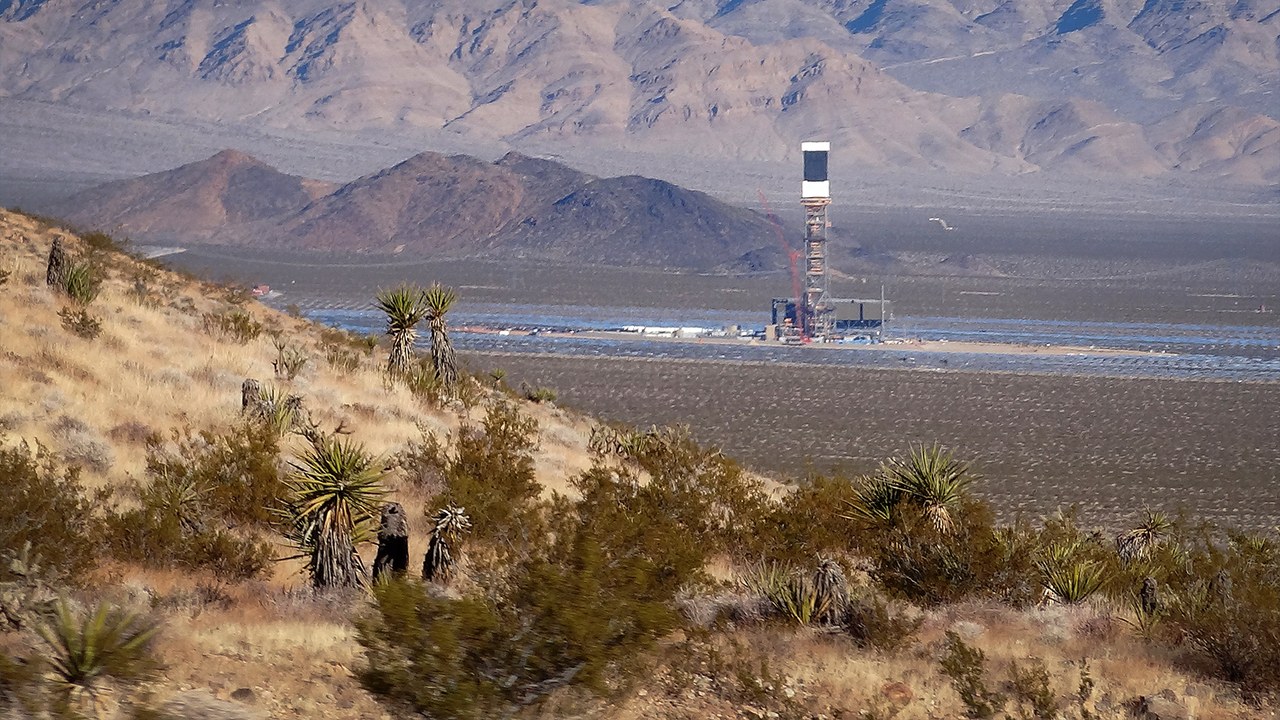
Ivanpah Solar Power Facility occupies a broad stretch of Mojave Desert where thousands of computer-controlled mirrors direct sunlight toward three central towers. The Department of Energy’s Ivanpah project profile explains the concentrating solar design. Instead of producing electricity directly in each panel, the heliostats focus heat onto receivers that generate steam for conventional turbines, turning intense desert sun into dispatchable machinery.
The open landscape makes that optical field possible, but desert conditions complicate nearly every operating detail. Dust reduces mirror performance, heat stresses equipment, scarce water constrains cleaning and cooling choices, and roads must cross habitat without disrupting more ground than necessary. Every heliostat also needs an unobstructed path to a tower as the sun moves. Ivanpah therefore fights the landscape with precision rather than brute force, coordinating a huge field of small reflections across terrain that punishes mechanical systems.
3. London Array: An Offshore Grid Spread Across the Estuary
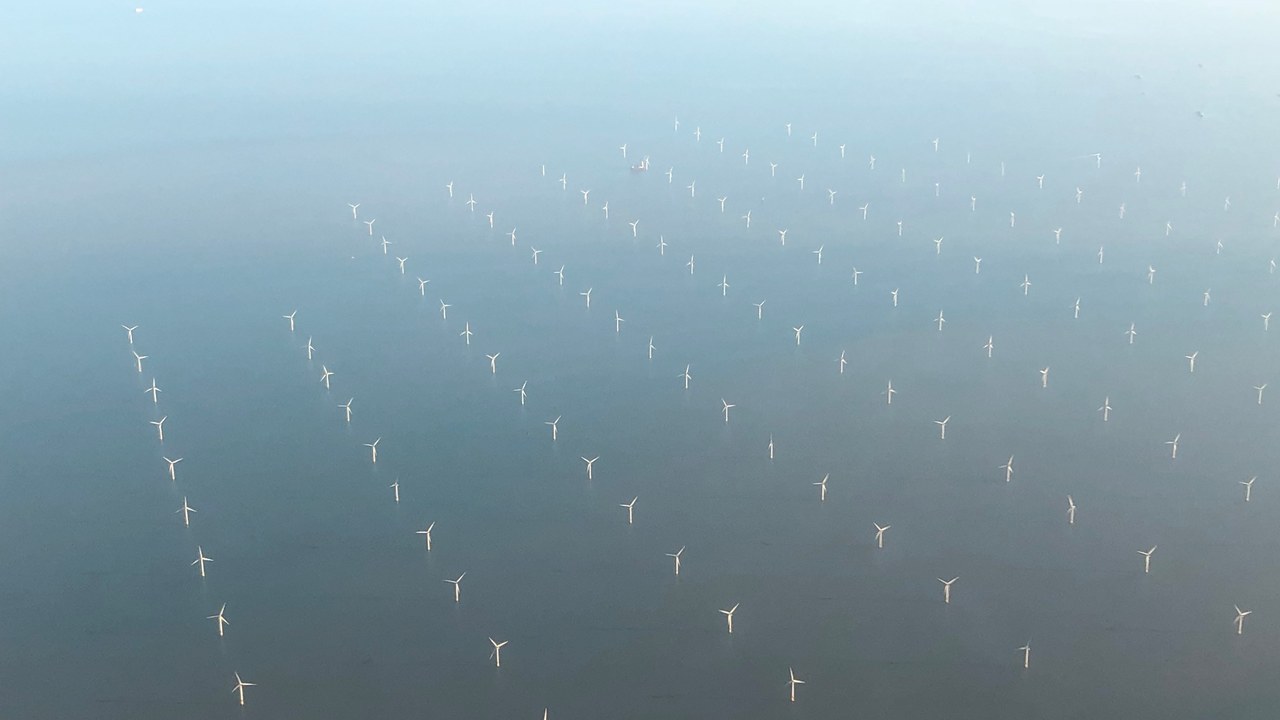
London Array moved utility-scale construction into the outer Thames Estuary, placing turbines where strong marine winds can generate electricity across a broad area. NASA’s Earth Observatory profile describes 175 turbines spread across roughly 100 square kilometers. Each machine depends on foundations, array wiring, offshore substations, and export connections that must work together in exposed water far from a conventional building site.
Distance turns ordinary maintenance into a marine operation. Crews, replacement parts, and lifting equipment travel by vessel or helicopter, while waves and wind narrow the safe working window. Salt water accelerates corrosion, seabed conditions affect foundations and cable burial, and faults cannot be reached by a service truck. London Array’s scale is therefore inseparable from its logistical challenge: the same open water that offers powerful wind also places every component beyond the easy reach of roads, cranes, and sheltered construction yards.
4. Walney Wind Farm: An Irish Sea Build Measured in Weather Windows
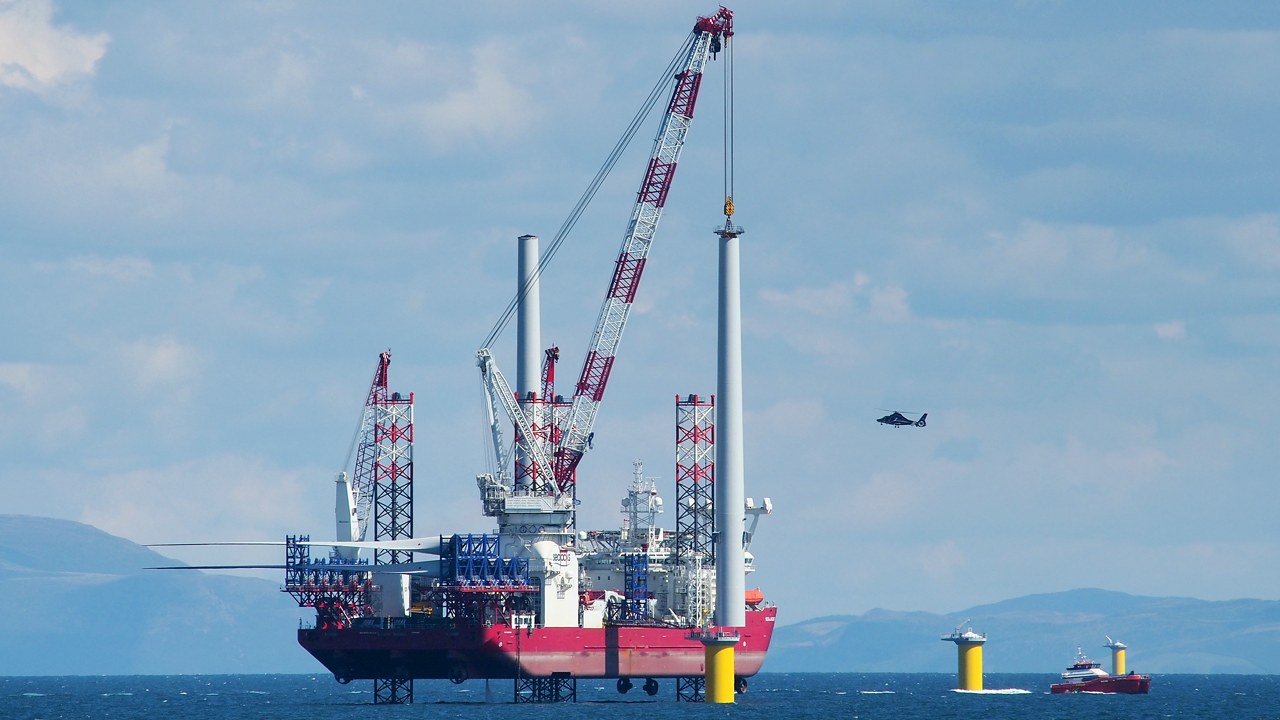
Walney Wind Farm extends across the Irish Sea off the coast of Cumbria, turning an exposed marine area into a large electricity-generating site. The offshore wind complex relies on turbines linked by subsea cables and connected to shore. Construction vessels and jack-up platforms provide temporary stable working surfaces where no permanent road, crane pad, or conventional foundation site exists.
Every stage depends on weather and water. Crews must install foundations, towers, blades, and cables while waves, wind, currents, and tides remain within operating limits. A delayed lift can idle specialized equipment, and buried cable routes must avoid damage while crossing a changing seabed. Once operating, salt exposure and distance continue raising maintenance demands. Walney demonstrates how offshore engineering replaces a fixed construction site with a moving fleet, carefully scheduled around conditions that can stop work without warning.
5. Topaz Solar Farm: A Photovoltaic Grid Spread Across Dry Country
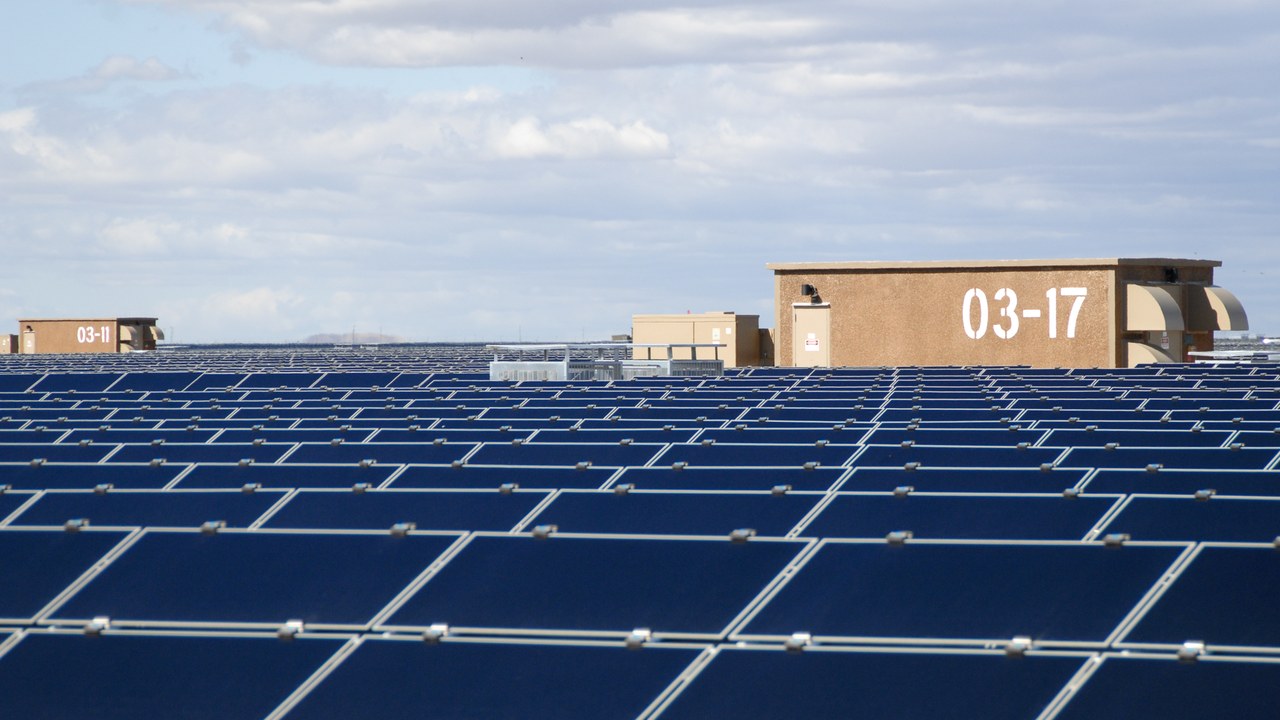
Topaz Solar Farm covers a large area of California’s Carrizo Plain with rows of photovoltaic modules, making it one of the largest plants of its type in the United States. The photovoltaic facility converts sunlight directly into electricity across many repeated units rather than concentrating heat at a tower. That distributed design spreads construction, wiring, access, and maintenance over miles of dry terrain.
The apparent openness of the site can hide its constraints. Dust settles on equipment, seasonal heat affects workers and electronics, and drainage must protect roads and foundations when rare storms arrive. Building at scale also requires balancing grading, habitat, transmission access, and the movement of maintenance vehicles between panel blocks. Topaz fights the landscape through repetition and layout: thousands of similar components must remain aligned, connected, and serviceable across ground whose remoteness helped make the enormous solar footprint possible.
This article was produced with the assistance of AI and reviewed by Morning Overview editors prior to publication.
More from Morning Overview
- A Colorado wildfire has exploded past 87,000 acres with no containment
- A wildfire near Ouray swelled past 18,000 acres, putting Colorado towns on alert
- The Pentagon’s newest UFO files describe a fish-scaled, potato-shaped object on camera
- Scientists spotted a rare tusked whale alive at sea for the first time, then fired a crossbow at it.
More from Morning Overview
