
Battery health is the biggest unknown when shopping for a used electric car, and large data sets are finally putting numbers on it. Aviloo’s testing of roughly 500,000 packs and Recurrent’s tracking of about 15,000 cars measure two different things: retained capacity and replacement rates. Here are thirteen used EVs that show how batteries hold up, from the best performers to the cautionary cases.
1. Hyundai Ioniq 5: Top of the Table

Aviloo’s used-EV testing put the median battery health of the Ioniq 5 at 93.8% after 150,000 km, roughly 93,000 miles, the best figure among the models measured. That result came from a data set of about 500,000 individual tests, so it reflects many real cars rather than a handful of showcase examples, as detailed in Aviloo battery-health study.
For a used-car shopper, that kind of retention suggests that a high-mileage Ioniq 5 can still hold close to its original usable capacity. A median is not a guarantee, though, so an individual car still warrants a battery report before purchase.
2. BMW i4: Quiet Runner-Up
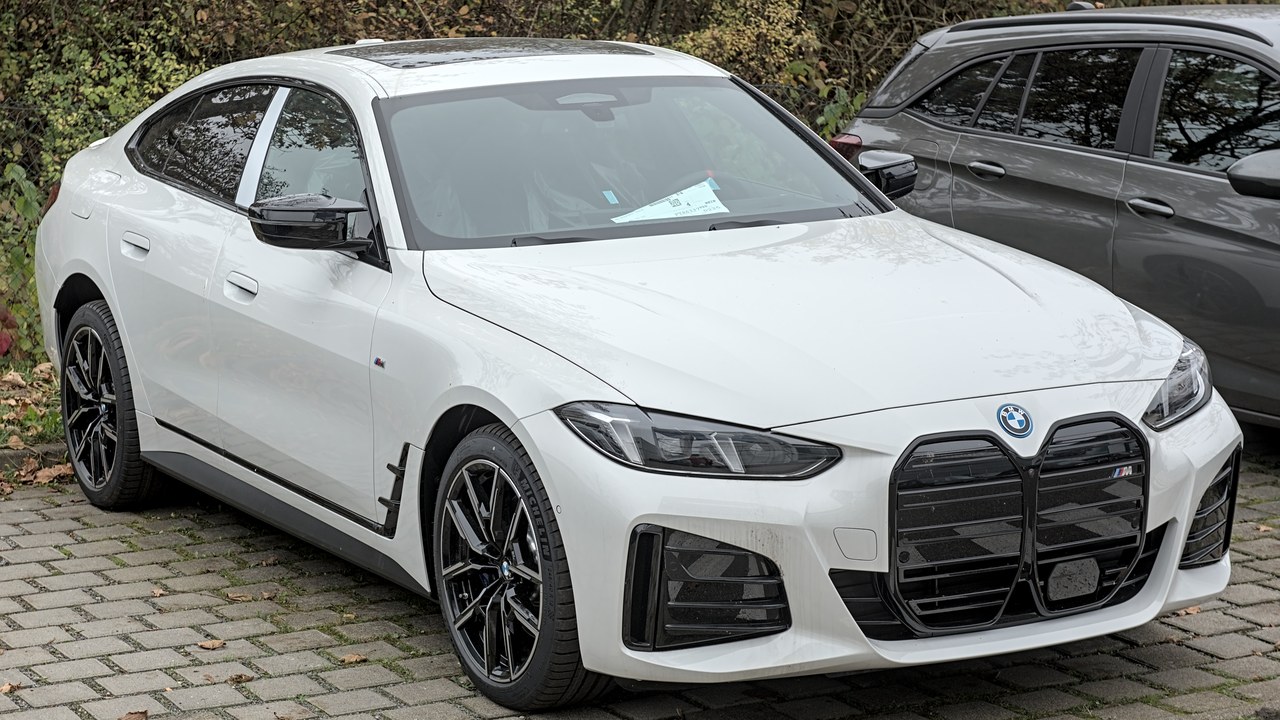
In the same 500,000-test study, the i4 held a median of 93.6% battery health at 93,000 miles (150,000 km), landing within a fraction of a point of the leader. Reporting on the Aviloo results placed it among the best performers for long-term capacity retention, as detailed in degradation study coverage.
The takeaway for a buyer is that a well-used i4 should not be written off over battery worries alone. Charging history, climate and software still shape any single car, so a health certificate remains the sensible check before money changes hands.
3. Hyundai Kona Electric: Steady After Years

Aviloo’s data shows the Kona Electric at 96.3% median battery health at 31,000 miles and 93.0% at 93,000 miles. That works out to a loss of 3.3 points across roughly 62,000 additional miles, a gentle slope for an early mass-market long-range EV, as detailed in Aviloo’s mileage comparison.
Used shoppers can read the pattern as reassurance: most of the early wear is modest, and the curve flattens rather than collapsing. Cars driven in extreme heat or fast-charged constantly may still land below the median.
4. Volvo XC40 Recharge: Small Drop Over Distance
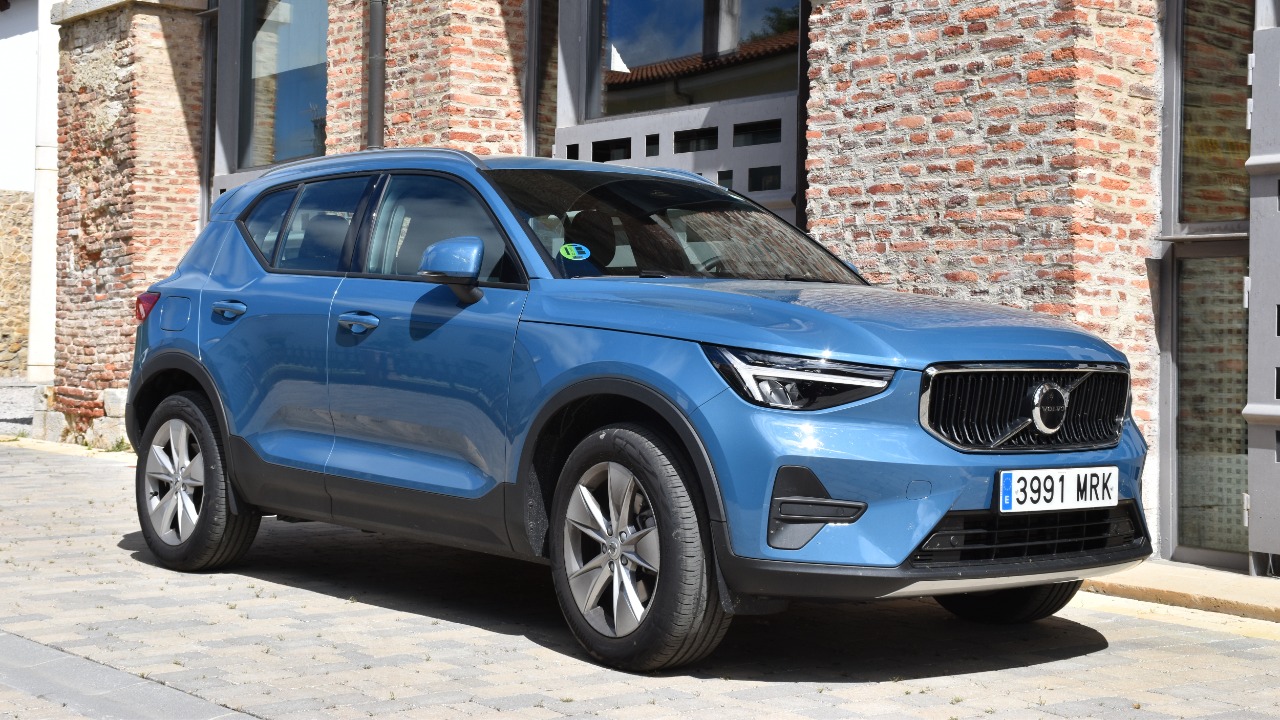
Between 31,000 and 93,000 miles, the XC40 Recharge lost just 2.4 points of median battery health in Aviloo’s data, finishing at 92.8%. Few models in the comparison showed such a flat decline across that stretch of mileage, as detailed in battery degradation figures.
A shallow slope matters to second and third owners, since it implies the battery will probably keep delivering most of its original range for years beyond the sampled mileage. Ordinary variation between cars still applies, so a pre-purchase test is worthwhile.
5. Ford Mustang Mach-E: Tied in the Middle
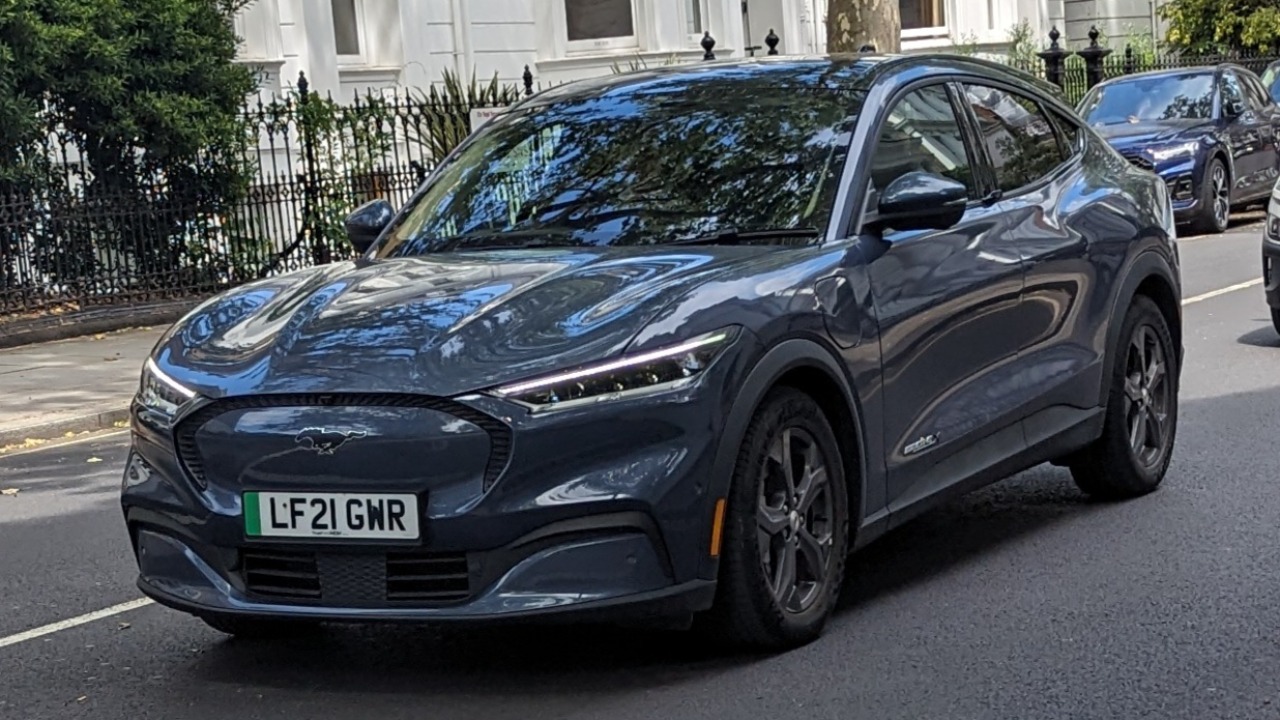
The Mustang Mach-E posted “around 92.5% median SoH after 150,000 km” in Aviloo’s used-battery tests, where SoH stands for state of health. That places it in the upper group of the models tested, ahead of both Tesla entries, as detailed in median state-of-health result.
Shoppers weighing a used Mach-E can treat that figure as evidence of durable packs under heavy use. Since the number is a median, some cars will test better and some worse, which is why a battery health report adds value.
6. Polestar 2: Dead Heat With Ford
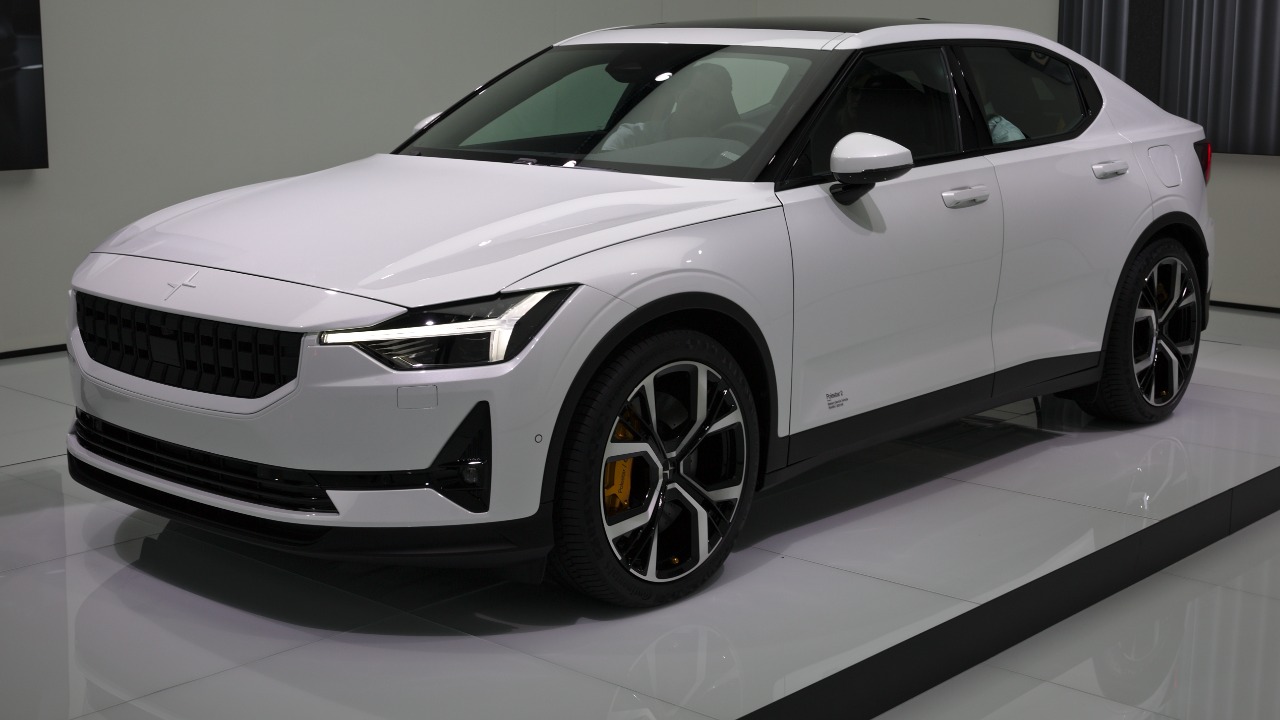
The Polestar 2 tied the Mach-E at “around 92.5% median SoH after 150,000 km” in Aviloo’s testing. Two quite different electric cars landing on the same figure suggests that careful battery management, rather than a single approach, drives good retention, as detailed in tied battery-health result.
For used-car buyers, a result like that makes the Polestar 2 a credible high-mileage candidate rather than a gamble. Individual history, particularly repeated fast charging and long stretches at full charge, can still pull a given car below the median.
7. Volkswagen ID.4: Mid-Pack Slide
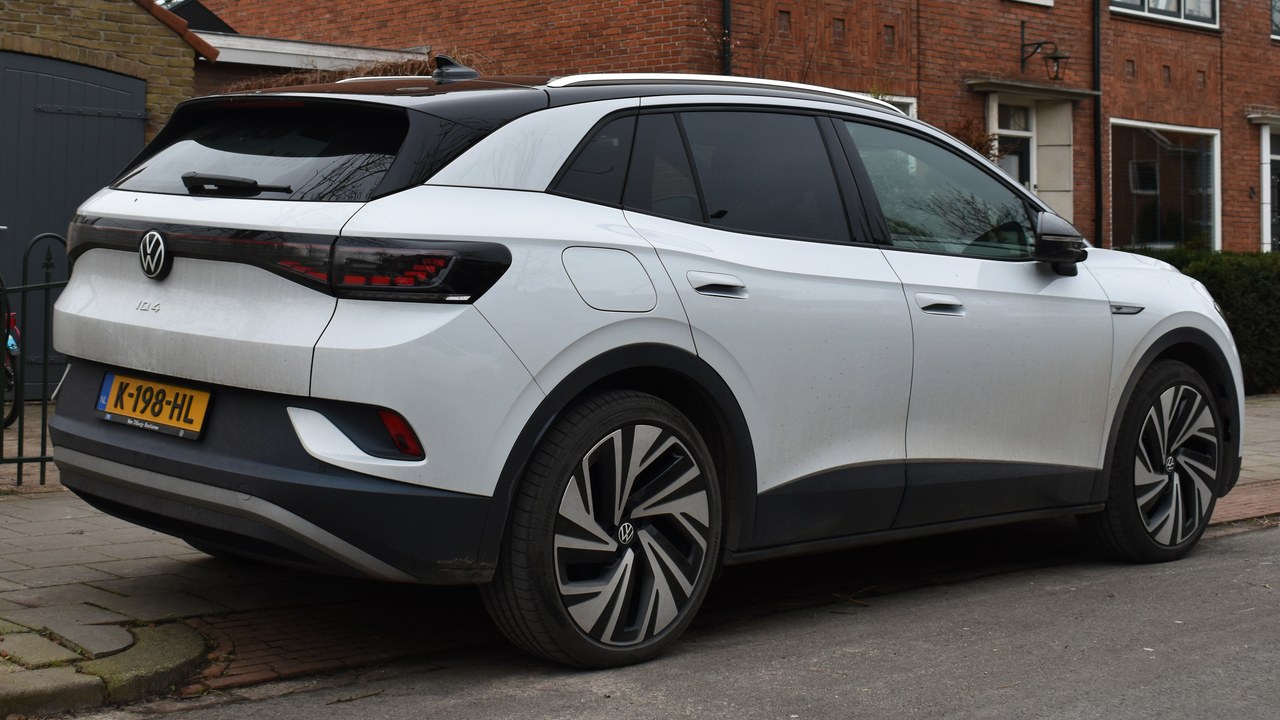
The ID.4 reached 90.8% median battery health at 93,000 miles, a 4.5-point drop from its 31,000-mile reading in Aviloo’s data. The decline is steeper than the Volvo’s across the same stretch, though the car still retains over nine-tenths of its capacity, as detailed in ID.4 mileage data.
A used ID.4 therefore looks like a reasonable purchase for typical commuting range, with the caveat that buyers who need every mile of original range should check the specific car’s battery report. The median hides a spread between individual vehicles.
8. Tesla Model Y: Beaten by Hyundai
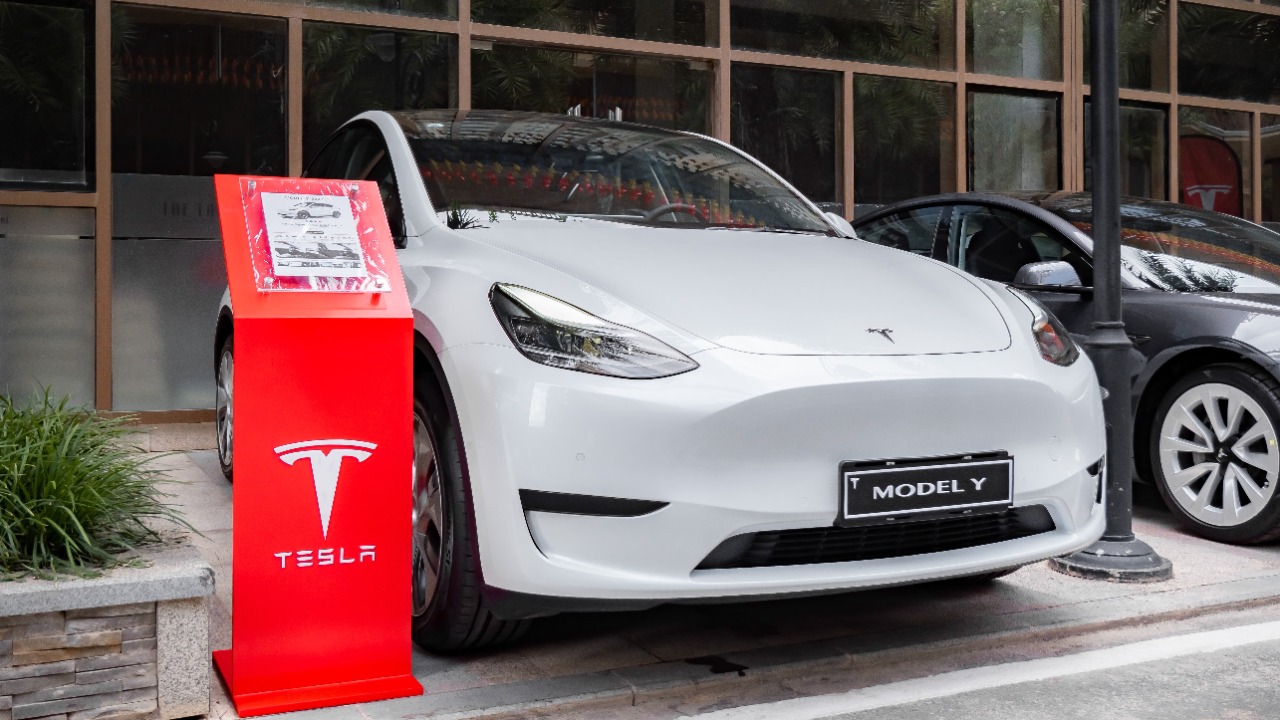
Aviloo reported “a median SoH of 90.3% at 150,000 km” for the Model Y, with individual cars ranging from 82.9% to 94.9%. The coverage framed the study as Hyundai beating Tesla for the long-term battery health title, as detailed in long-term battery health title.
The 12-point spread is the practical lesson: two used Model Ys of similar age can differ meaningfully in remaining capacity. A buyer benefits more from testing the specific car than from trusting the model’s median alone.
9. Tesla Model 3: Below Its Sibling
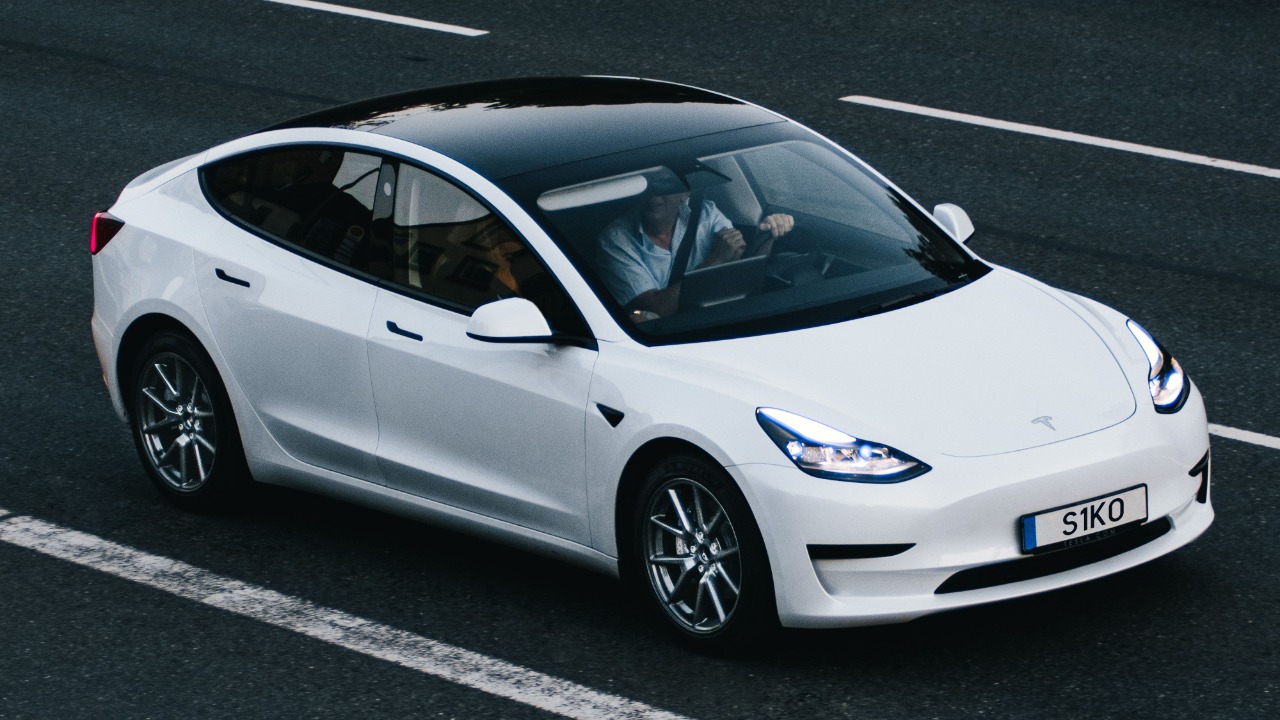
The Model 3 recorded “a median SoH of 88.9% at 150,000 km” in the Aviloo data, below the Model Y. It still keeps close to nine-tenths of its original capacity after a distance many owners would consider a lifetime of driving, as detailed in Model 3 battery median.
Used Model 3 shoppers can take comfort that even the lower-ranked Tesla retains most of its range, though the gap to the leaders shows that chemistry, pack design and usage all matter. A battery check before purchase is still the safest route.
10. Mini Cooper SE: Compact With Limits
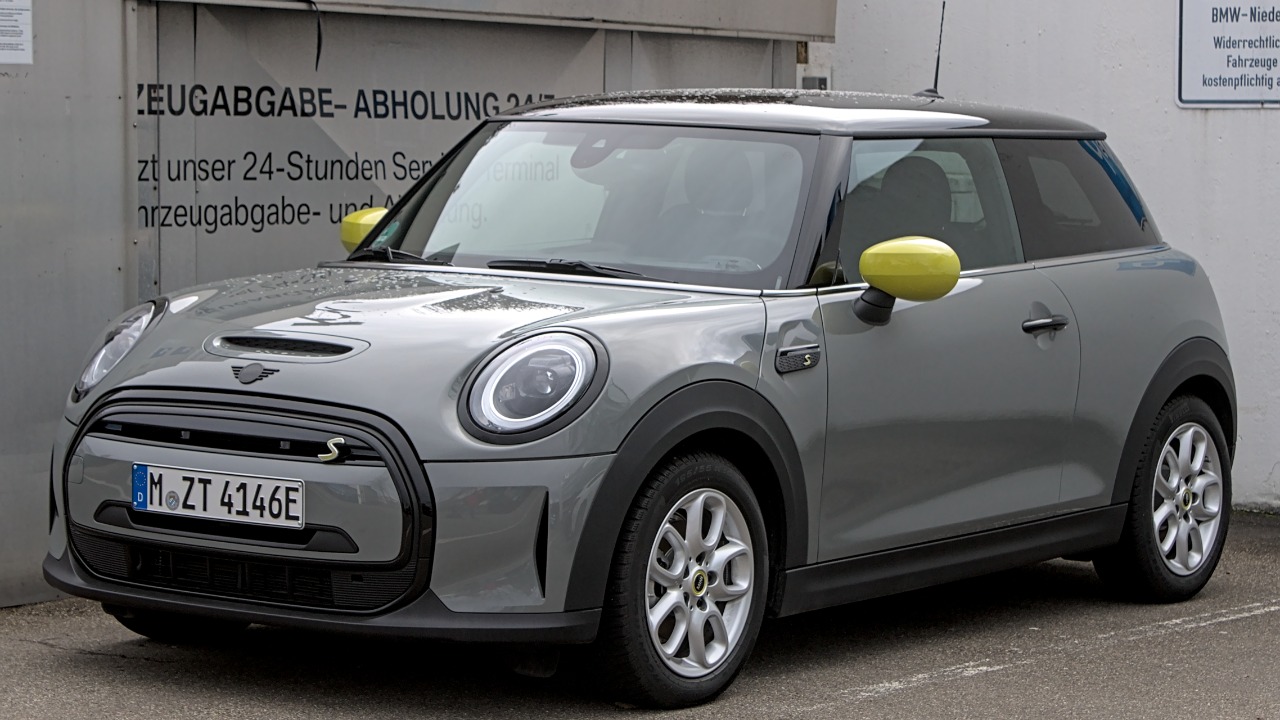
The first-generation electric Mini managed 87.11% battery health in the 150,000 km comparison, placing it near the bottom of the 20 models Aviloo tested. A smaller pack means each point of capacity loss cuts into already modest range, as detailed in first-generation Mini result.
For a used Cooper SE, the figure points to a city runabout rather than a long-distance tool. Buyers who rely on its original range at high mileage should confirm real-world capacity through a battery test before committing.
11. Nissan Leaf: Lowest of Twenty
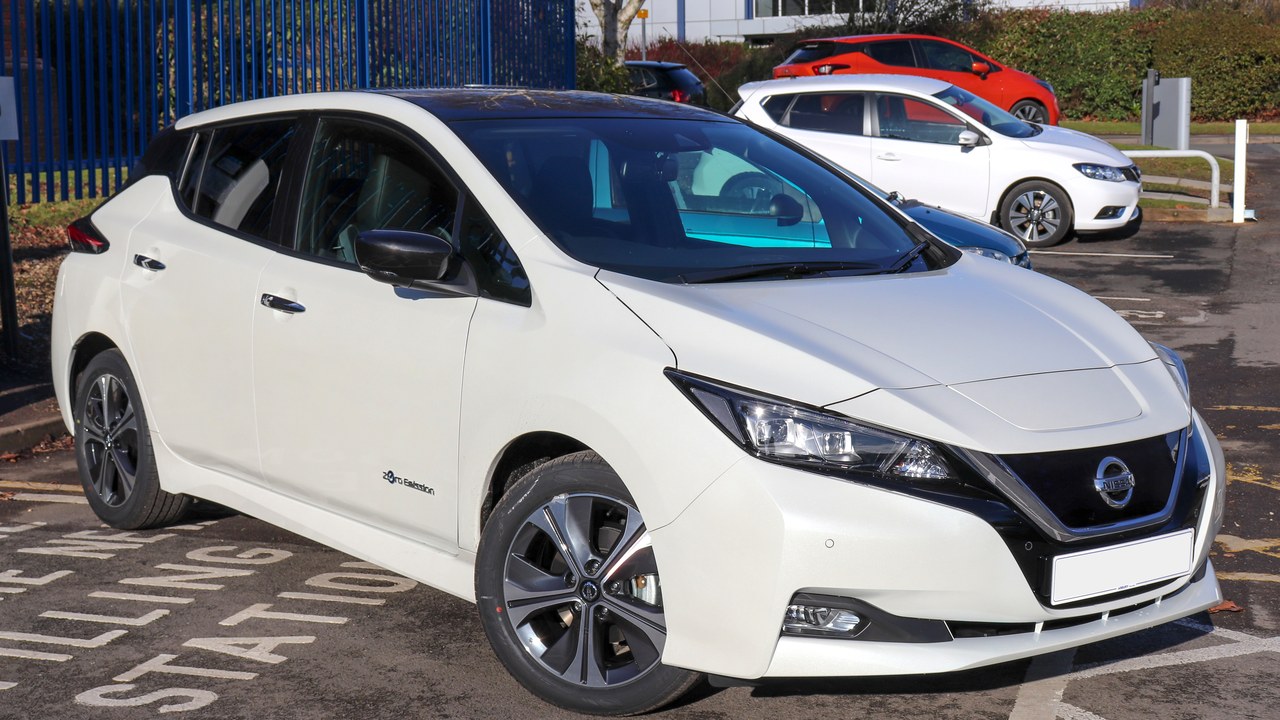
The 40 kWh Leaf ZE1 “recorded 86.67% at 150,000 km,” the lowest of the 20 models Aviloo tested. Even so, that figure leaves the Leaf with more than eight-tenths of its capacity, so the ranking is a matter of degree rather than failure, as detailed in lowest-ranked model result.
Shoppers should view a used Leaf’s lower price as a trade-off tied partly to battery condition, and verify the specific car’s health before buying. The study’s numbers show the gap to rivals, not a verdict on every individual car.
12. Tesla Model S (2013): Early Adopter Risk
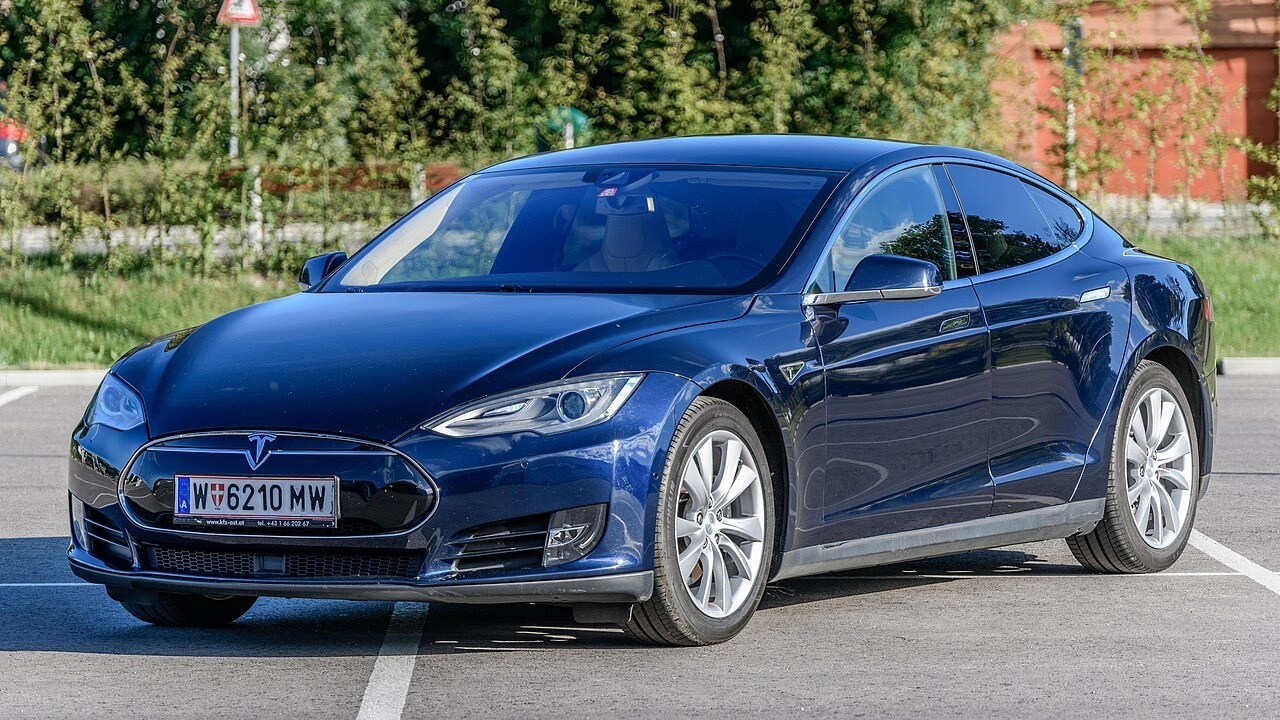
Recurrent’s data on about 15,000 EVs found that 8.5% of 2013 Model S cars had a non-recall battery replacement. That reflects an early production year that has had the longest time to accumulate repairs, as detailed in battery replacement rates.
A buyer eyeing an older Model S should budget for the possibility of a pack replacement, or look for evidence that one has already been done. The figure counts replacements outside any recall, so it signals genuine wear-related risk on that year.
13. Chevrolet Bolt EV: Recall-Driven Outlier
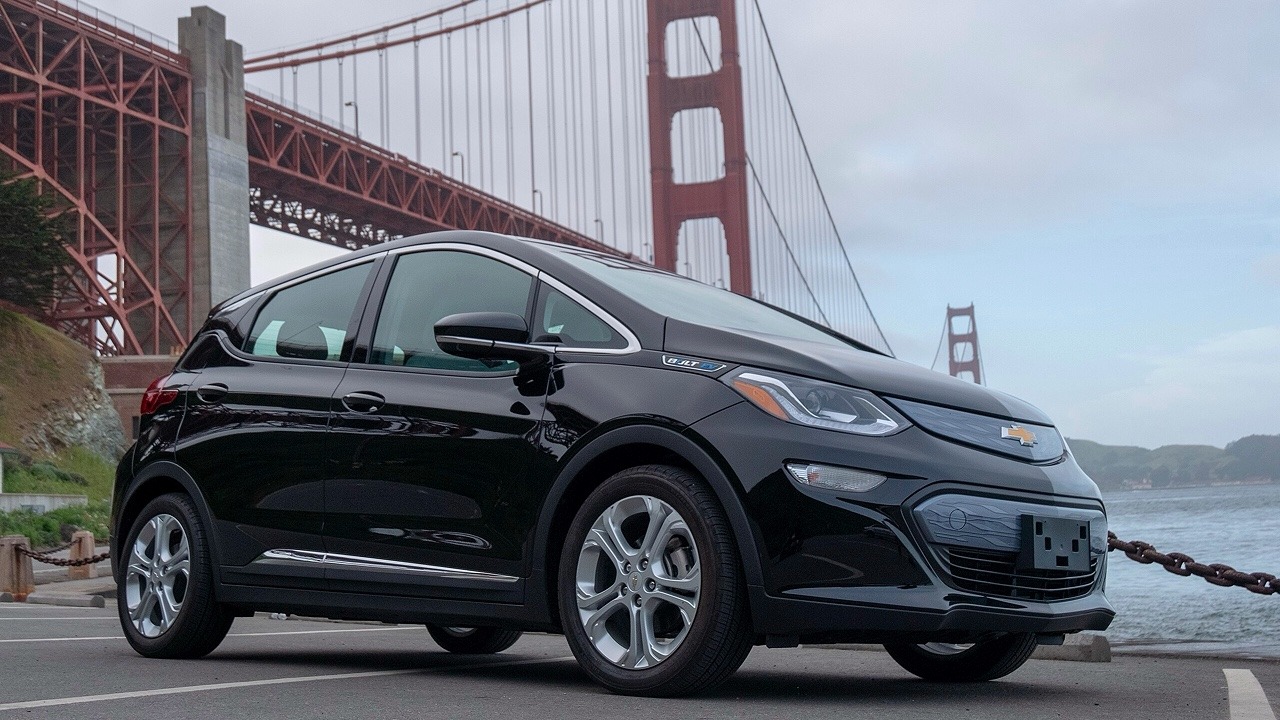
The Bolt EV ranked No. 1 for battery replacements in Recurrent’s 15,000-car community, an outlier tied to its battery recall. Many of those replacements stemmed from the recall program rather than from packs simply wearing out, as detailed in battery replacement ranking.
That context changes how the ranking reads: a used Bolt with a replaced pack may be a better bet than the headline rank implies, since the new battery resets the clock. Buyers should confirm that the recall work was completed on the exact car.
More from Morning Overview
