
Owls work the night shift across North America, and the continent’s species range from a heavyweight of the Arctic tundra to a hunter no bigger than a sparrow. Their habitats stretch from northern forests to desert canyons, and their calls run from soft trills to hissing shrieks. Here are thirteen of them, starting with the heaviest.
Tech news in one quick read: Get the most interesting stories in startups, tech and programming, each with a short TLDR, in one free daily email from TLDR.
We may earn a commission if you sign up.
1. Snowy owl: Heavyweight of the Tundra
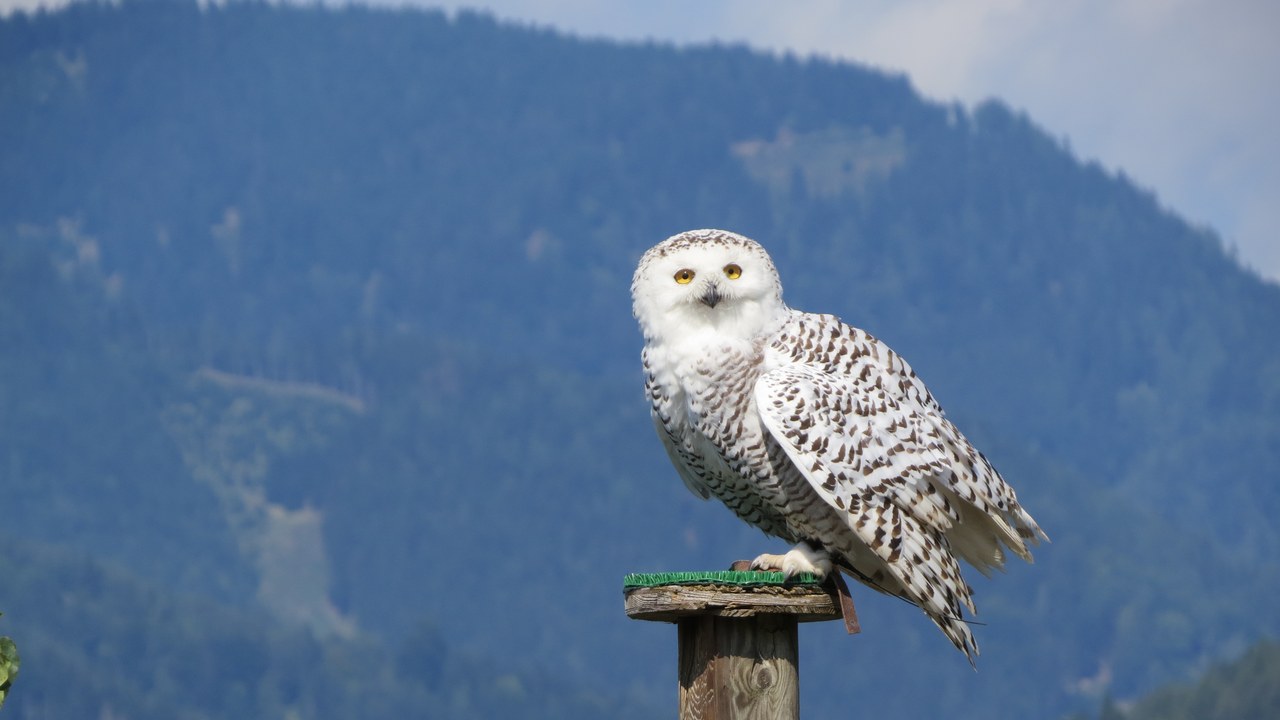
Nearly 2 feet tall and about 4 pounds, the Snowy Owl is North America’s heaviest owl, a pale bird built for open northern country.
The appetite matches the size. In a good year, a pair may feed its nestlings about 2,000 lemmings, which shows how closely the bird’s breeding success is tied to its prey. Taken together, the numbers explain why the species is treated as the benchmark for large owls on the continent, and why it draws so much attention whenever one appears.
2. Great horned owl: Owl of Every Habitat
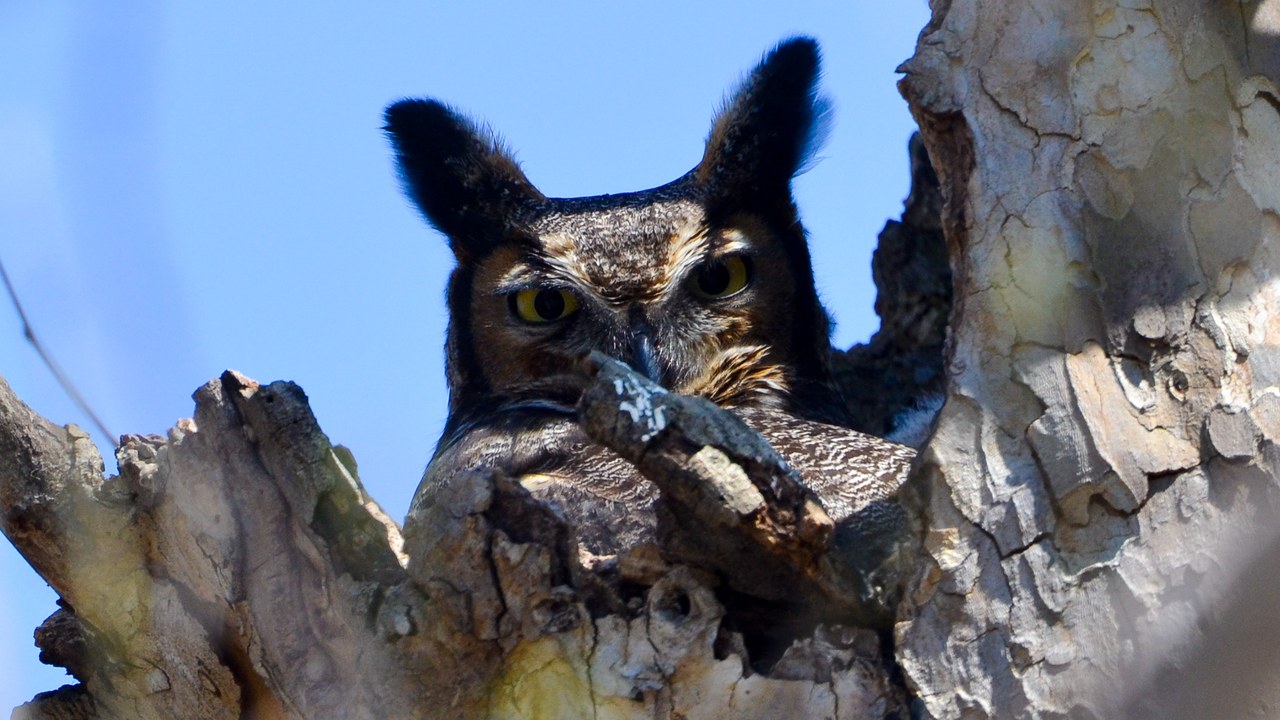
No other owl occupies as many settings as the Great Horned Owl, which ranges from Canada’s boreal forest to South America’s pampas and into forests up to about 11,000 feet.
That flexibility makes it one of the likeliest large owls to turn up almost anywhere on the continent, from remote woods to places closer to home. The range also helps explain why the species is so familiar, since few other owls can claim a home in such different landscapes across two continents.
3. Great gray owl: Light Enough for Snow
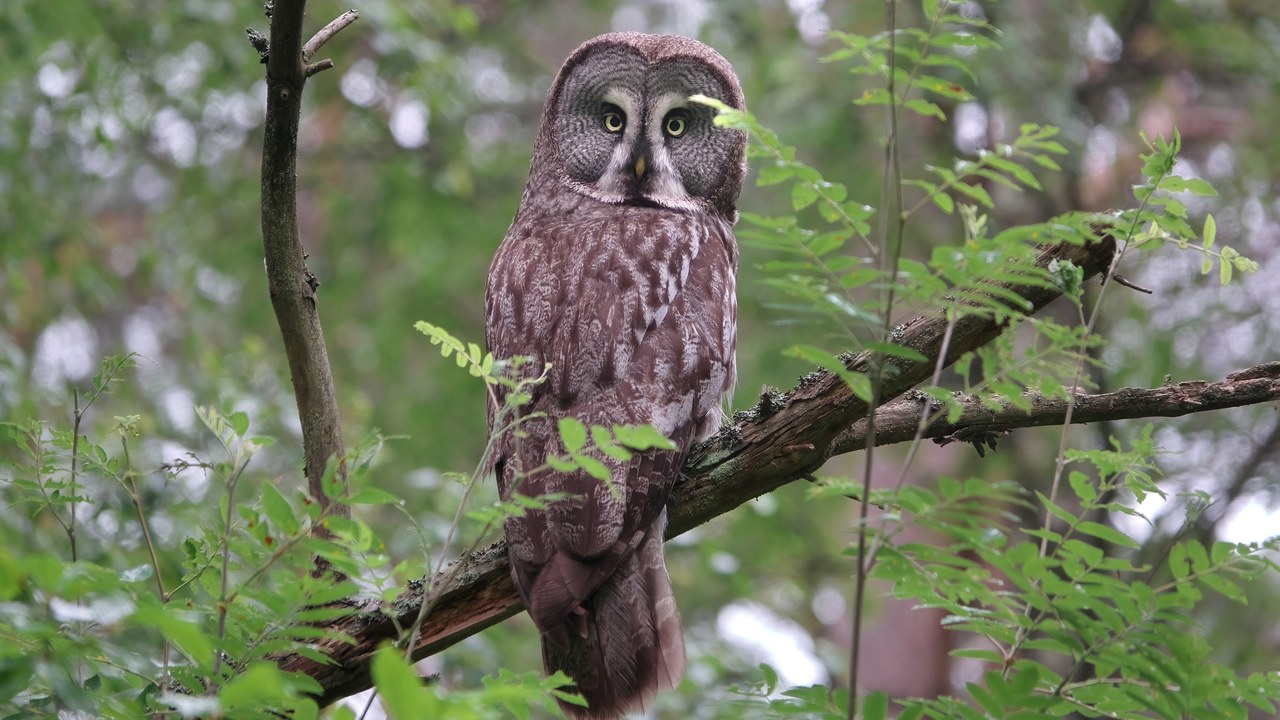
Weighing only about 2.5 pounds, one Great Gray Owl reportedly broke through snow firm enough to hold a 176-pound person while reaching for prey beneath it.
Winter hunting demands plenty of food, and the species is reported to eat up to 7 vole-sized mammals a day. A big-looking owl, then, carries far less weight than its feathers suggest. The contrast between its large appearance and modest weight is part of what makes the species so remarkable to those who study how owls hunt in deep winter.
4. Barn owl: Shriek Instead of a Hoot
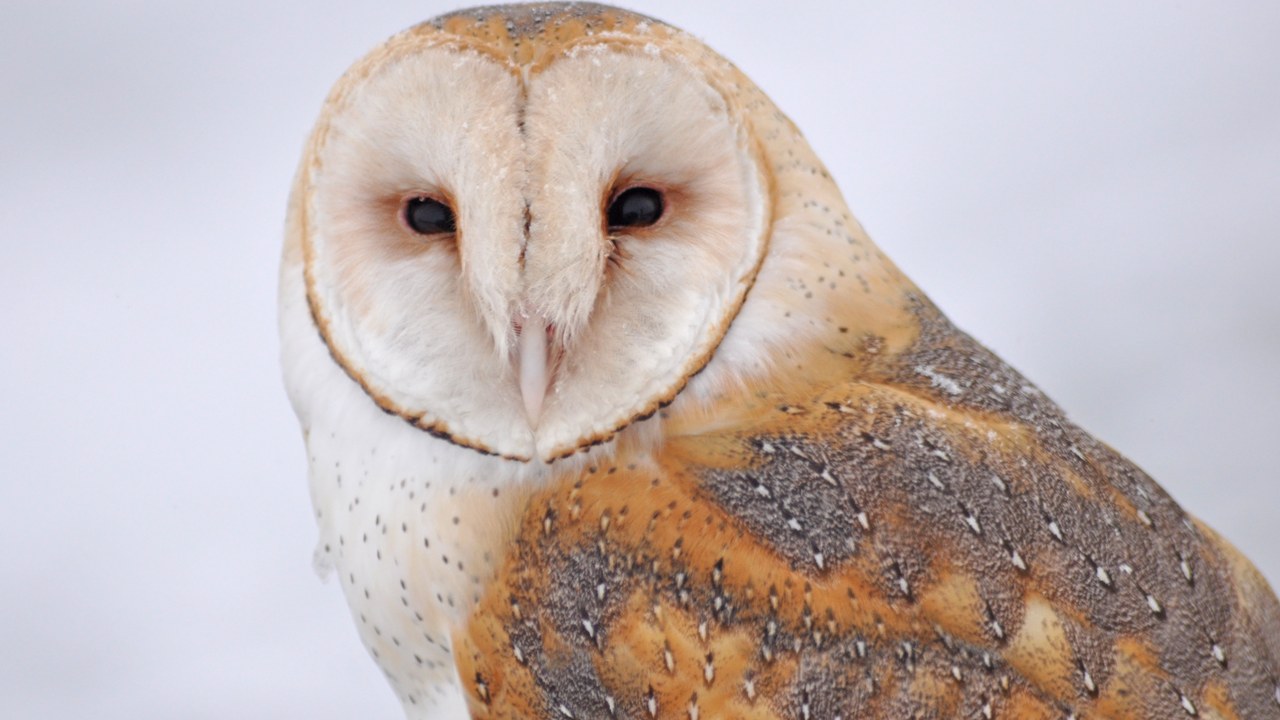
Few land birds have spread as widely as the Barn Owl, found on every continent except Antarctica, and it announces itself with a hissing shriek rather than a hoot.
Anyone expecting the classic owl voice at night may be surprised. That harsh, rasping call is the signature of a pale, heart-faced bird that is often glimpsed around farms and old buildings. The call is a useful reminder that owl identification often depends on sound as much as sight, and that the classic hoot is far from universal among the group.
5. Barred owl: A Question in the Dark
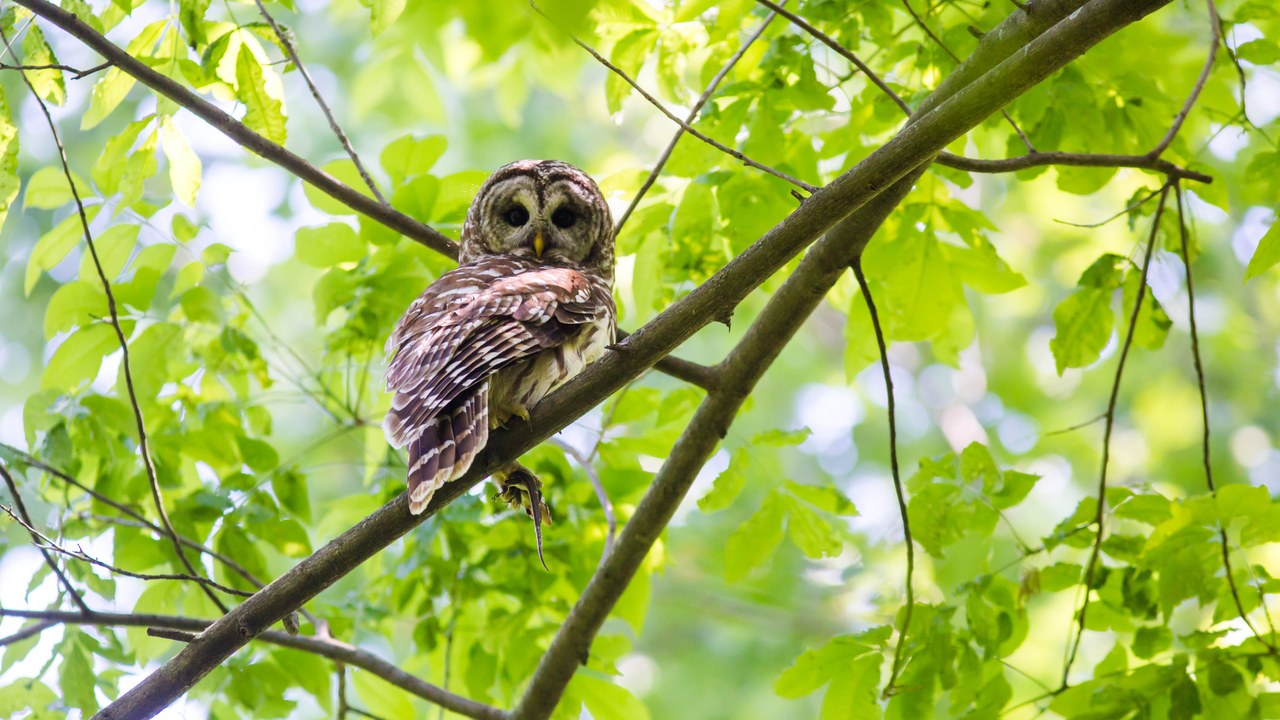
Barred Owls mate for life, and a calling pair is recognized by a rhythm birders translate into a question about who is cooking, repeated twice and finished with a drawn-out all.
The phrase makes the species one of the easiest owls to learn by ear. Heard after dusk, the duet is a sign that a long-term pair is holding its territory nearby. Birders often use the phrase as a memory aid, and it is a good example of how people turn bird sounds into words that are easy to remember.
6. Eastern screech-owl: Not Much of a Screecher
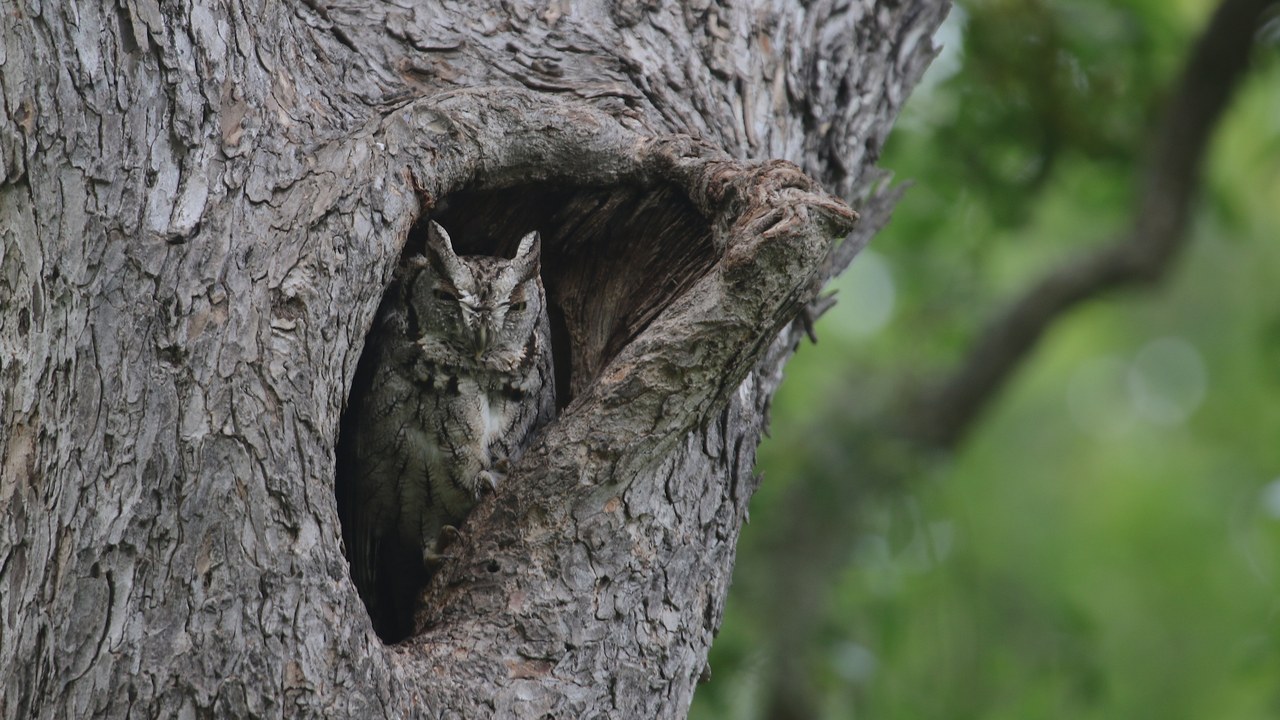
The name promises a scream, yet the Eastern Screech-Owl doesn’t really screech or hoot; Audubon says it calls with soft trills and horse-like whinnies.
Listeners hoping to find one are better off tuning for a gentle, quavering whistle than a piercing cry. The mismatch between label and voice is a long-running curiosity among birders. Naming conventions can mislead, and this small owl is a reminder that field identification works best when it relies on the actual voice rather than the label.
7. Western screech-owl: Snakes in the Nest
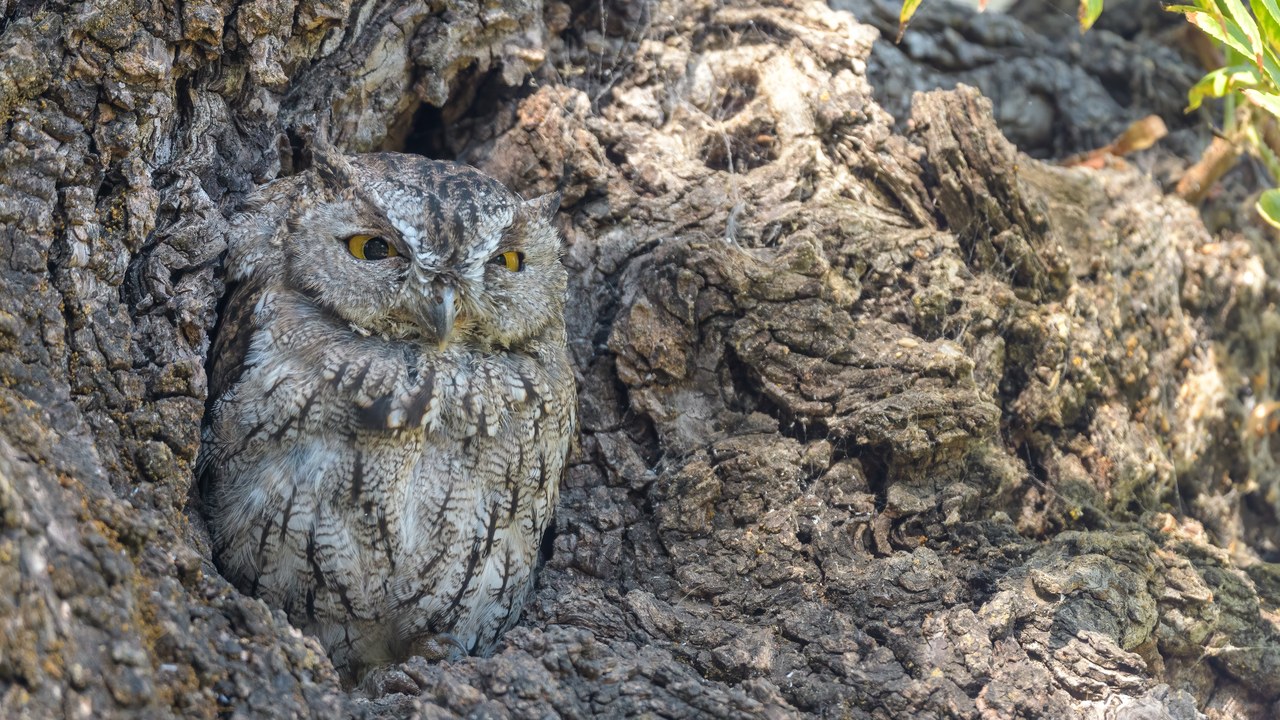
Western Screech-Owls are known to carry live blind snakes to their chicks, and snakes that escape can end up living in the nest, eating insect larvae and parasites.
The arrangement turns a meal that got away into a tenant that tidies up. It is an unusual bit of household management for a small owl of the western half of the continent. Whether by design or accident, the habit is one of the more surprising details in the natural history of North American owls and worth noting for anyone who studies them.
8. Burrowing owl: Hissing Like a Rattlesnake
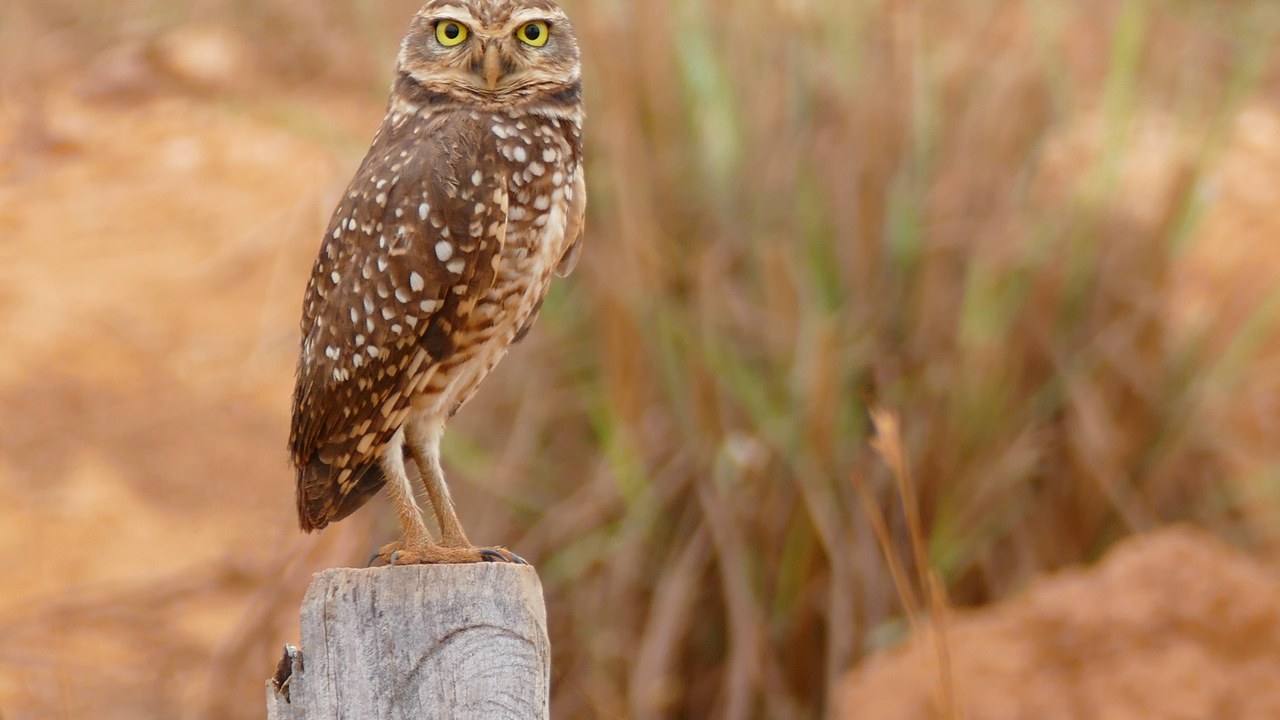
When threatened, Burrowing Owls make a hissing sound believed to imitate a rattlesnake, a bluff thought to scare predators away from their underground nests.
The trick suits a bird that nests below ground, where a potential intruder peering into a burrow might think twice. Its long legs and ground-level lifestyle set it apart from most owls. Nest sites like these are a reminder that behavior, not just size or color, is often what sets one owl apart from another in the field.
9. Elf owl: Sparrow-Sized Hunter
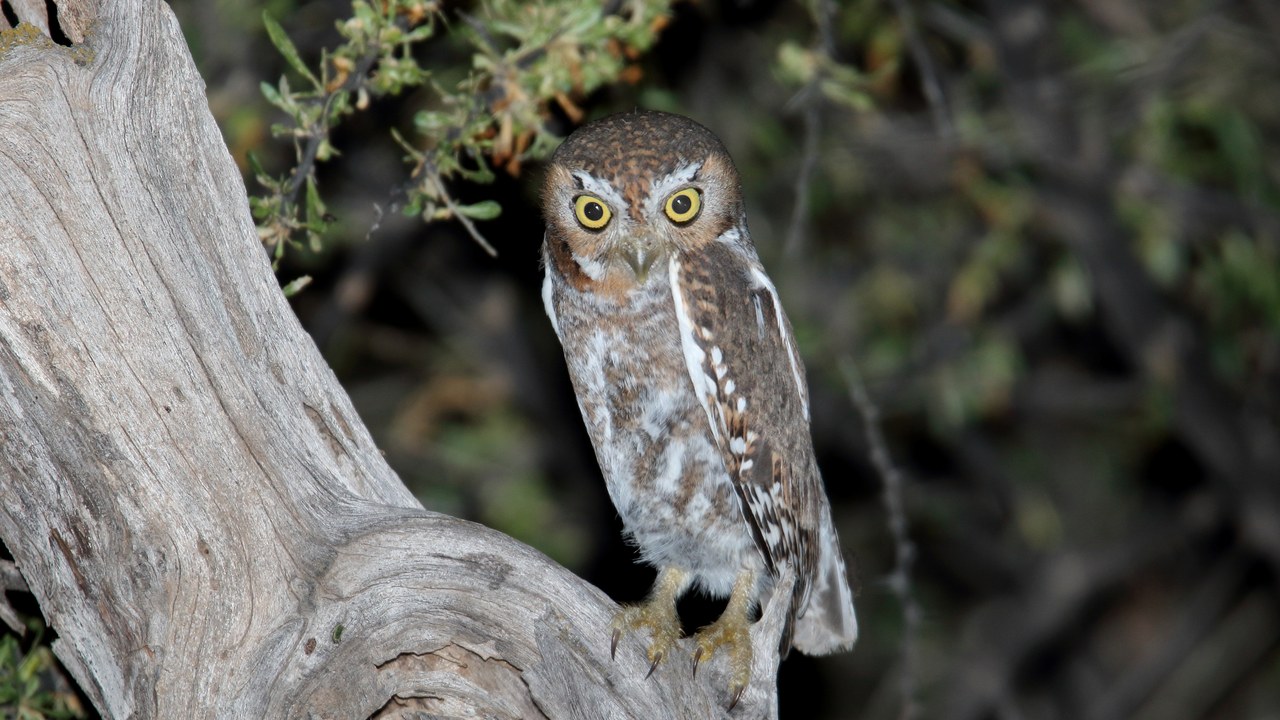
BirdWatching describes the Elf Owl as only the size of a sparrow, a nocturnal hunter found in the southwestern borderlands near the desert.
Such a tiny predator is easy to overlook, and its small stature makes it a standout among a group better known for large, imposing birds. Dry country at the edge of the border is the place to look. Descriptions like this one help explain why the bird is such a favorite with visitors to that region, even though it remains hard to spot.
10. Northern saw-whet owl: Lost at Sea
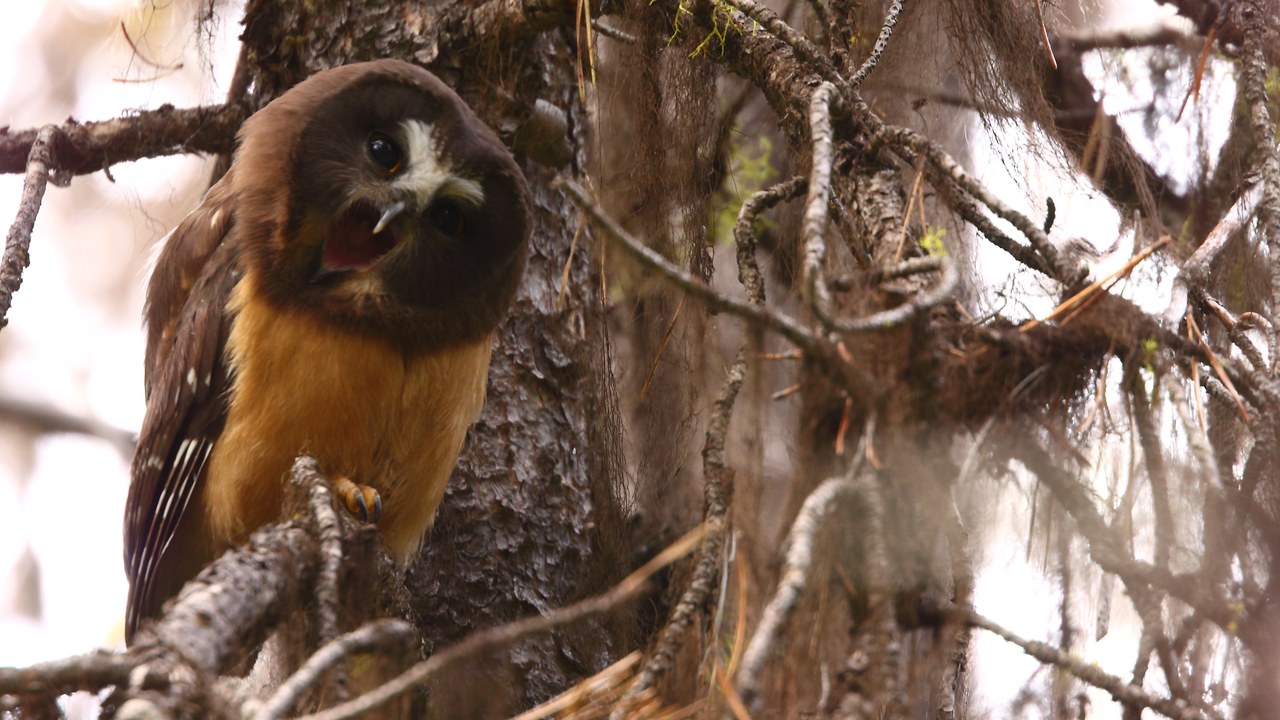
Migrating Northern Saw-whet Owls can cross big water, and in October 1999 one landed on a fishing vessel 70 miles from shore near Montauk, New York.
The episode shows that a small owl on the move will rest wherever it can find a perch. Autumn is the season when these travelers are most likely to be on the wing. Details like this one are a reminder that owls are not only residents of one place, and that seasonal movement is a real part of their lives.
11. Short-eared owl: Dawn and Dusk Hunter
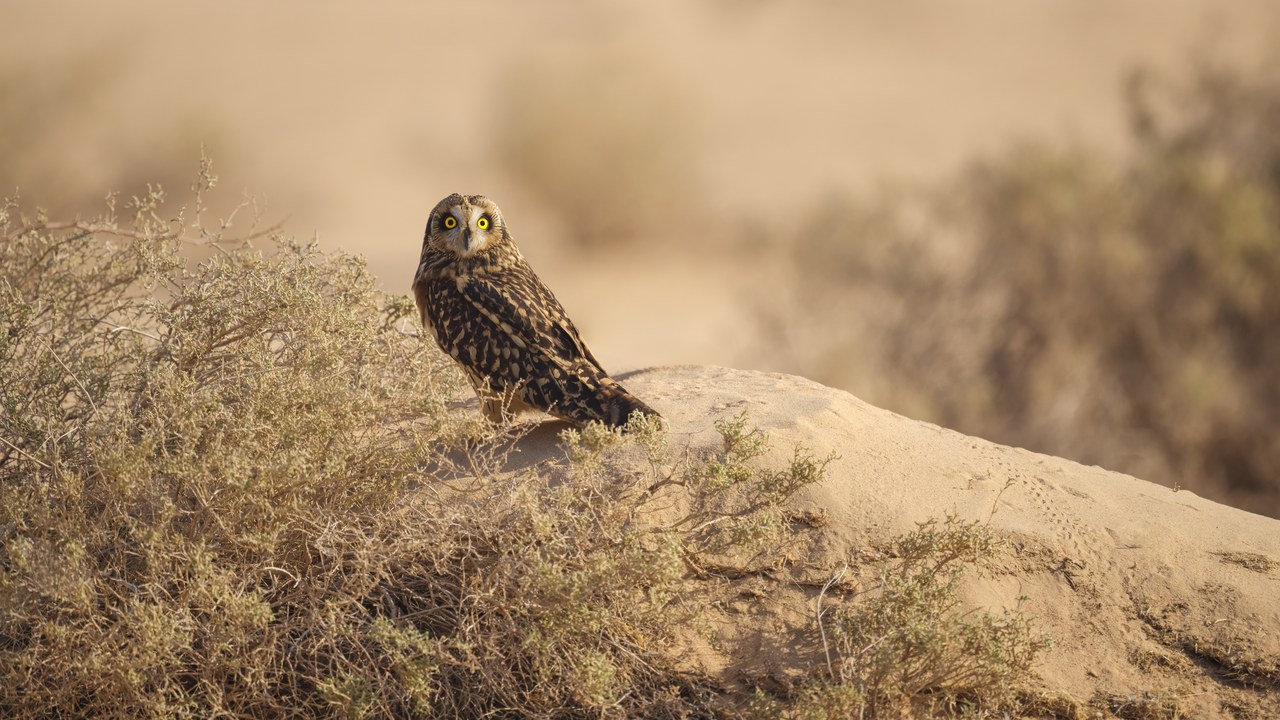
Often seen hunting at dawn and dusk, the Short-eared Owl has a reach well beyond the U.S., ranging through Russia, Asia and Europe, BirdWatching notes.
Because it keeps hours that overlap with human daylight, it is one of the easier owls to watch. Open ground at twilight gives the best chance of a sighting. For readers curious about owls beyond North America, this species is a good example of a bird whose reach is truly global in scale.
12. Spotted owl: Spots and Two Homelands
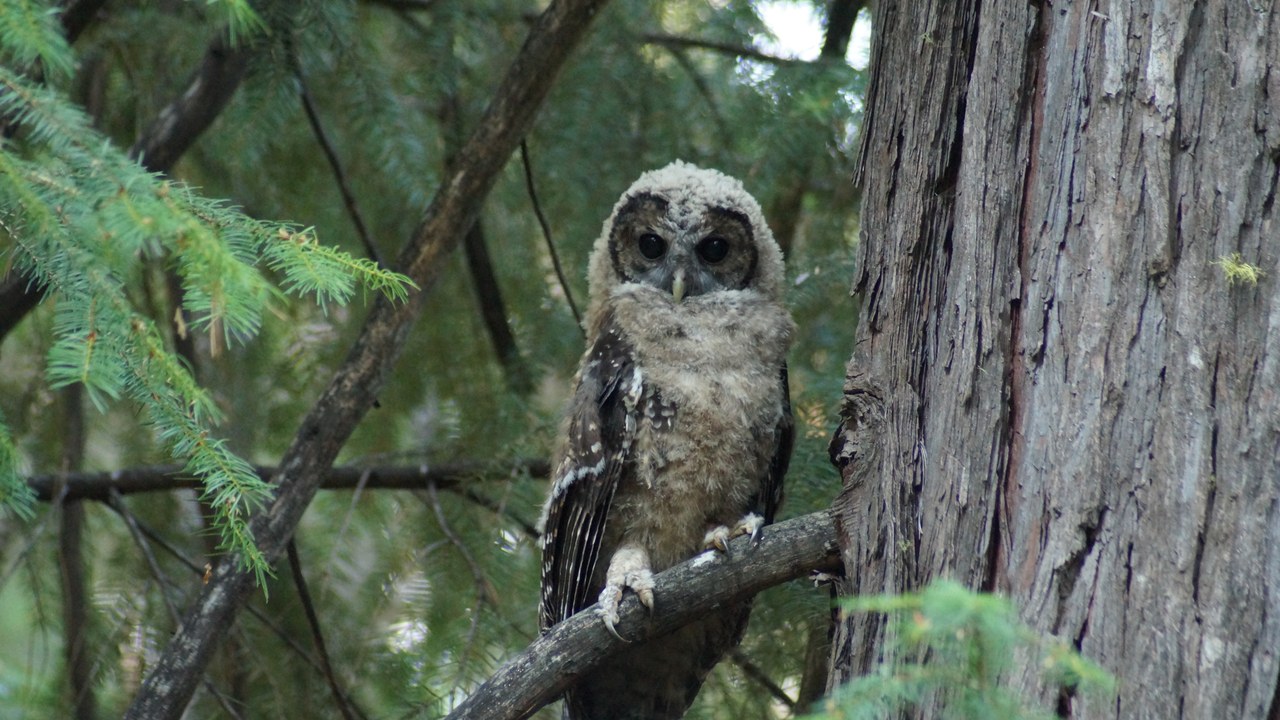
Dark brown with large pale spots, the Spotted Owl lives in two main U.S. populations: Southwest canyons of Arizona, New Mexico, Colorado and Utah, and a belt running from Los Angeles to Vancouver.
The split gives the species two very different settings, rocky canyon country in one and the Pacific side of the continent in the other. Conservation interest in the species is long-standing, and its two separate homelands are part of why it features so often in discussions of owl habitat.
13. Northern pygmy-owl: Small and Seldom Seen
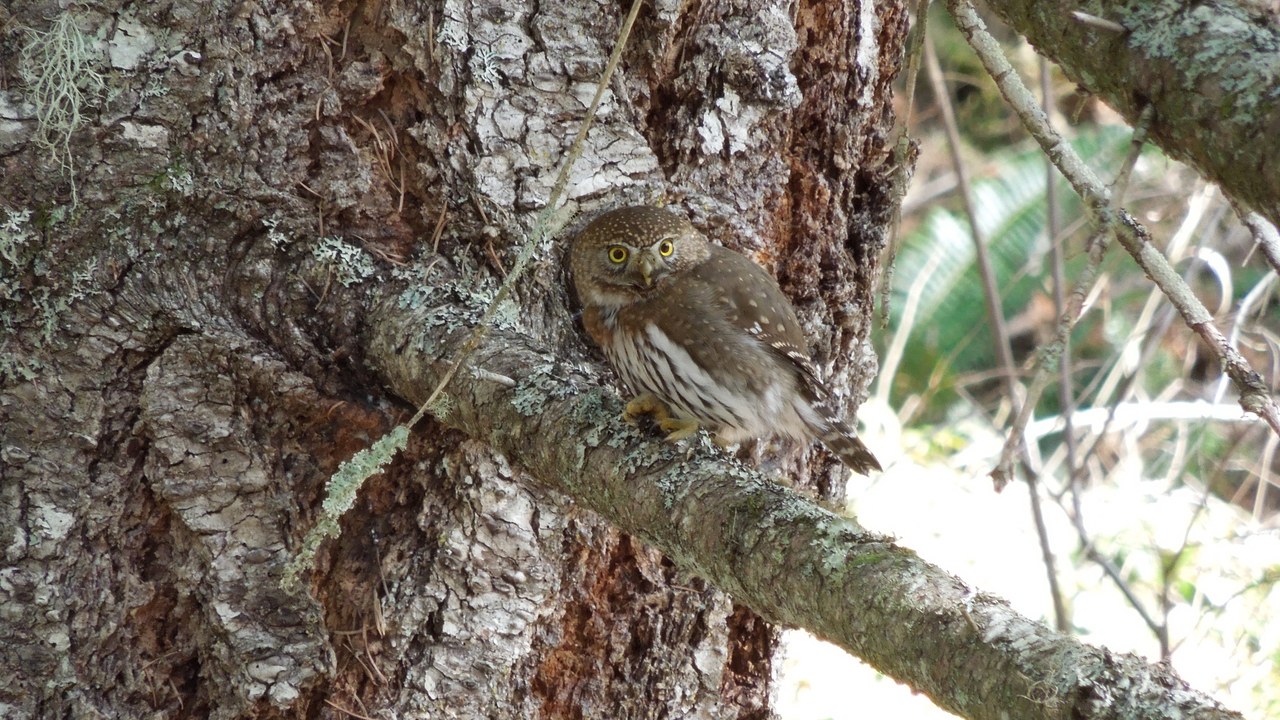
The Northern Pygmy-Owl is a rather rare western owl, found on the continent’s western side from Canada to Mexico and dark brown with a paler streaky front.
Rarity and small size together make it a prized find for those exploring western woods. Its streaked underparts offer a handy clue for a bird that rarely sits in the open. Even so, the species is a fine example of the variety of owls on the continent, ranging from large and conspicuous birds to small ones that go unnoticed.
More from Morning Overview
- NOAA now gives this winter a 75% chance of the strongest El Nino since 1950
- Doctors warn a silent liver disease now affects one in three American adults
- The FBI told the rest of ShinyHunters to surrender after a 24-year-old was arrested
- Two passengers died at an Ohio toll plaza, and the NTSB now wants the cash lanes shut
