
Venom is a chemical weapon refined over millions of years, and some species carry doses potent enough to kill a grown adult in hours. Snakes, jellyfish, spiders, an octopus and a scorpion all appear on this list, each armed with a different biological trick for shutting down a nervous system or a heart. Here are thirteen animals whose venom ranks among the deadliest in nature.
1. Inland Taipan: The World’s Most Toxic Land Snake
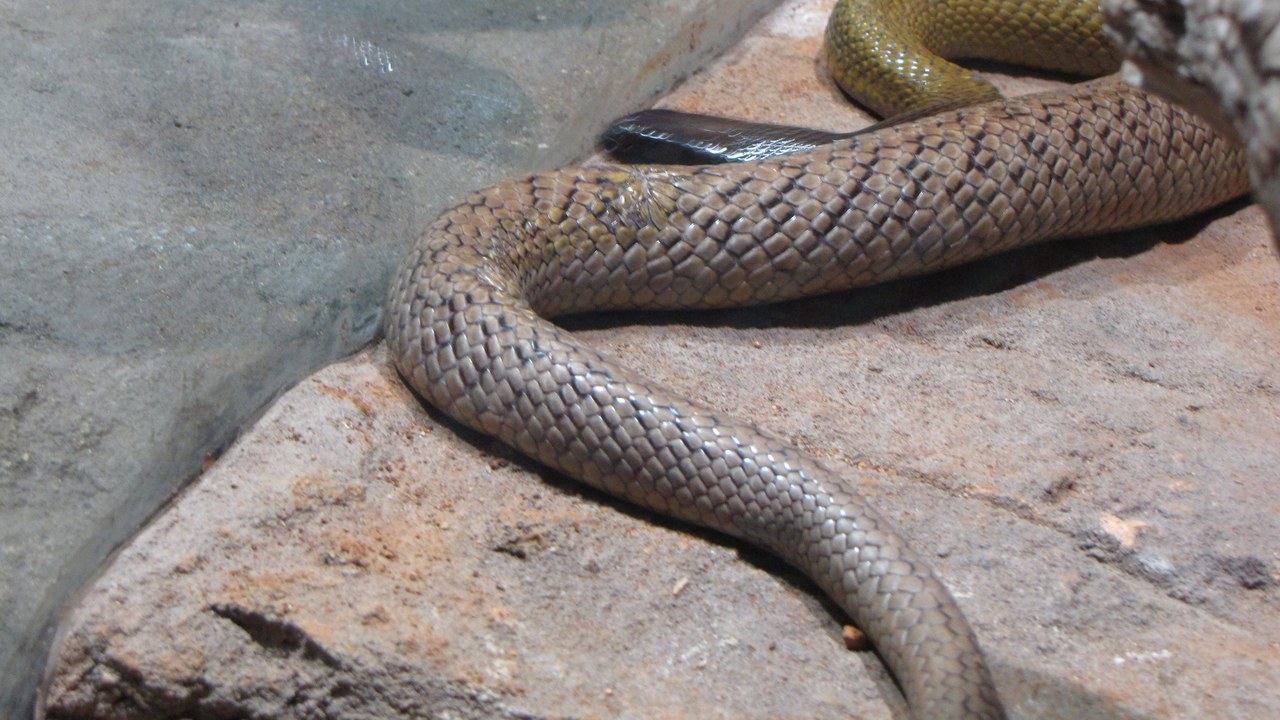
The inland taipan of the Australian outback carries what Britannica’s taipan profile calls the most toxic venom of any land snake alive, a neurotoxic cocktail so concentrated that a single bite holds far more than enough to kill an adult. Left untreated, that dose can prove fatal within hours.
Despite the reputation, the species is shy and lives in remote, sparsely populated habitat, so confirmed bites on people are rare. A taipan-specific antivenom exists and has turned most modern encounters into a survivable emergency rather than a death sentence.
2. King Cobra: Neurotoxins That Shut Down The Nerves
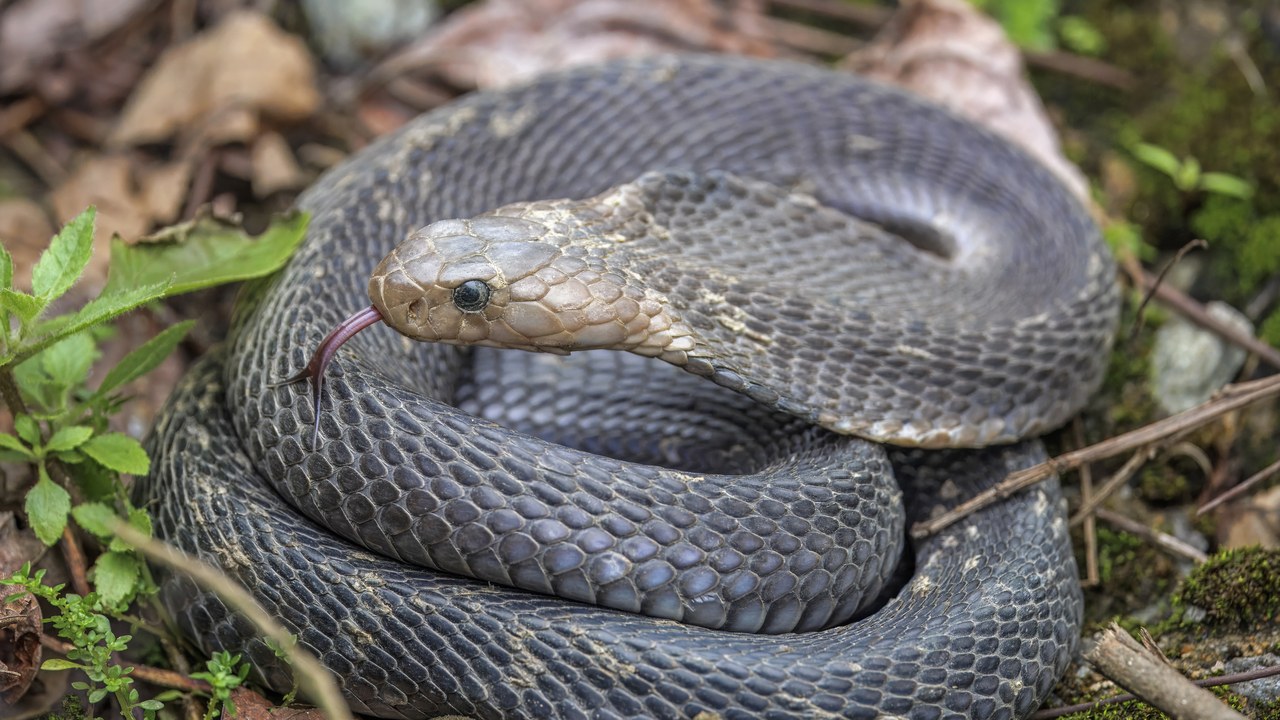
Stretching longer than any other venomous snake, the king cobra delivers a bite that floods the body with neurotoxins capable of shutting down the nervous system within a short window, and Britannica’s deadliest-snakes list puts untreated mortality at roughly fifty to sixty percent.
The species is found across South and Southeast Asia and can raise a third of its body off the ground when threatened. Modern antivenom and rapid hospital treatment have sharply reduced fatal outcomes where they are available.
3. Black Mamba: Fast, Defensive, Often Fatal
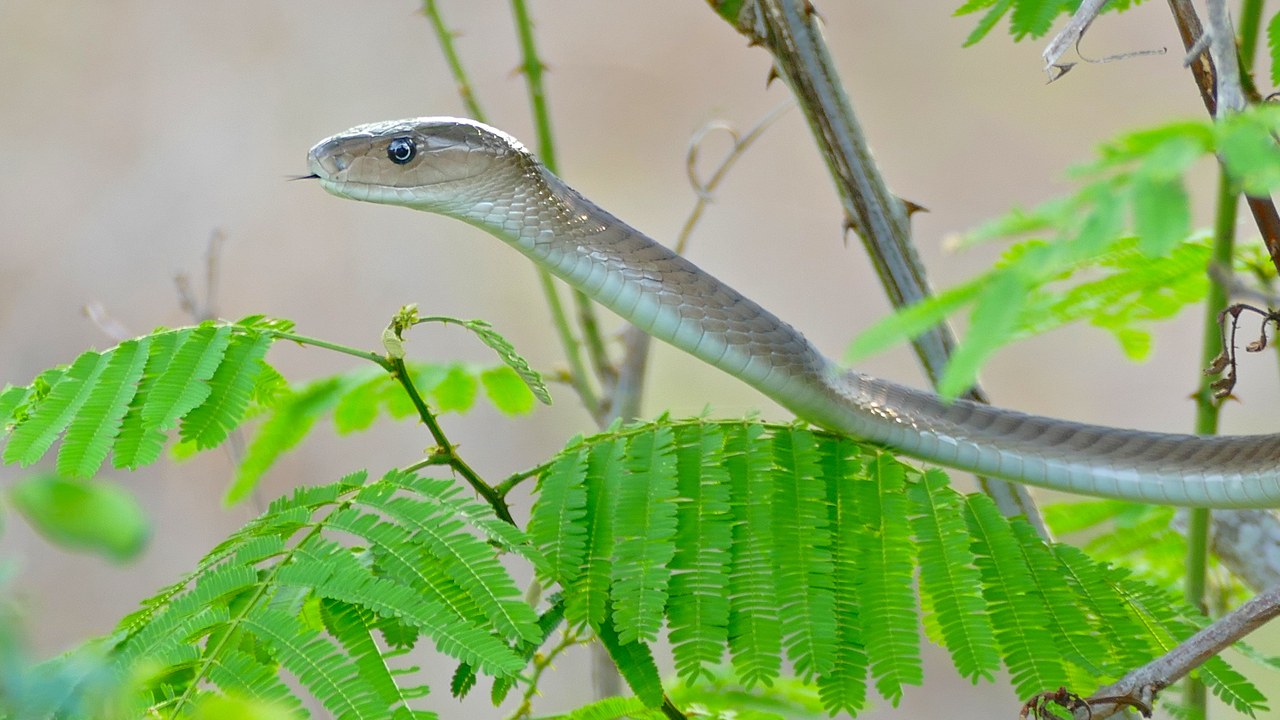
Among Africa’s most feared reptiles, the black mamba is fast, large and quick to defend itself, striking with long front fangs that deliver a powerful neurotoxic venom. Britannica’s mamba profile notes that most bites prove fatal without antivenom.
Its name comes from the ink-black interior of its mouth, which it displays as a threat posture rather than as camouflage. Hospitals across mamba territory keep antivenom stocked specifically because the treatment window is short.
4. Saw-Scaled Viper: Small Enough To Hide In A Shoe
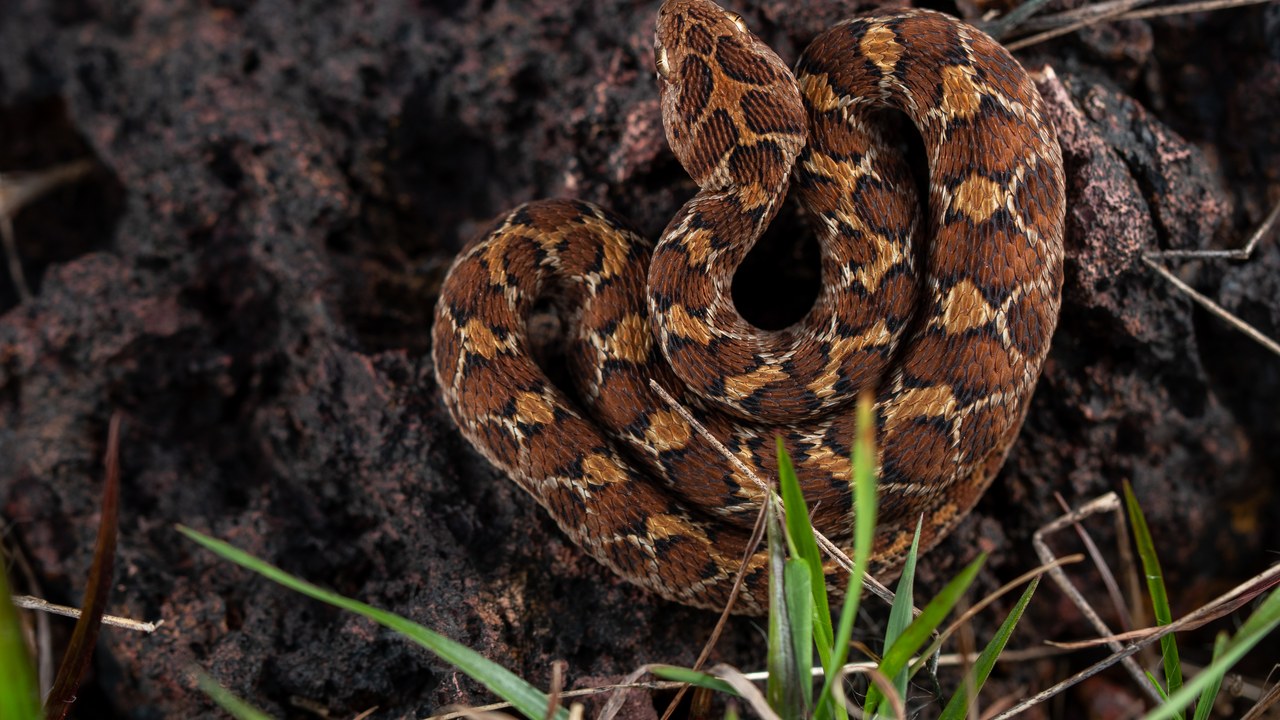
Rarely longer than a forearm, the saw-scaled viper is small enough to hide inside a shoe left outdoors overnight, and its bite is anything but minor. Britannica’s saw-scaled viper entry states it is believed to kill more people than every other snake species combined.
Its defensive habit of rubbing coiled scales together to produce a rasping warning sound gives the species its name. High mortality among untreated bites is tied to the venom’s effect on blood clotting.
5. Textile Cone Snail: A Harpoon Loaded With Venom
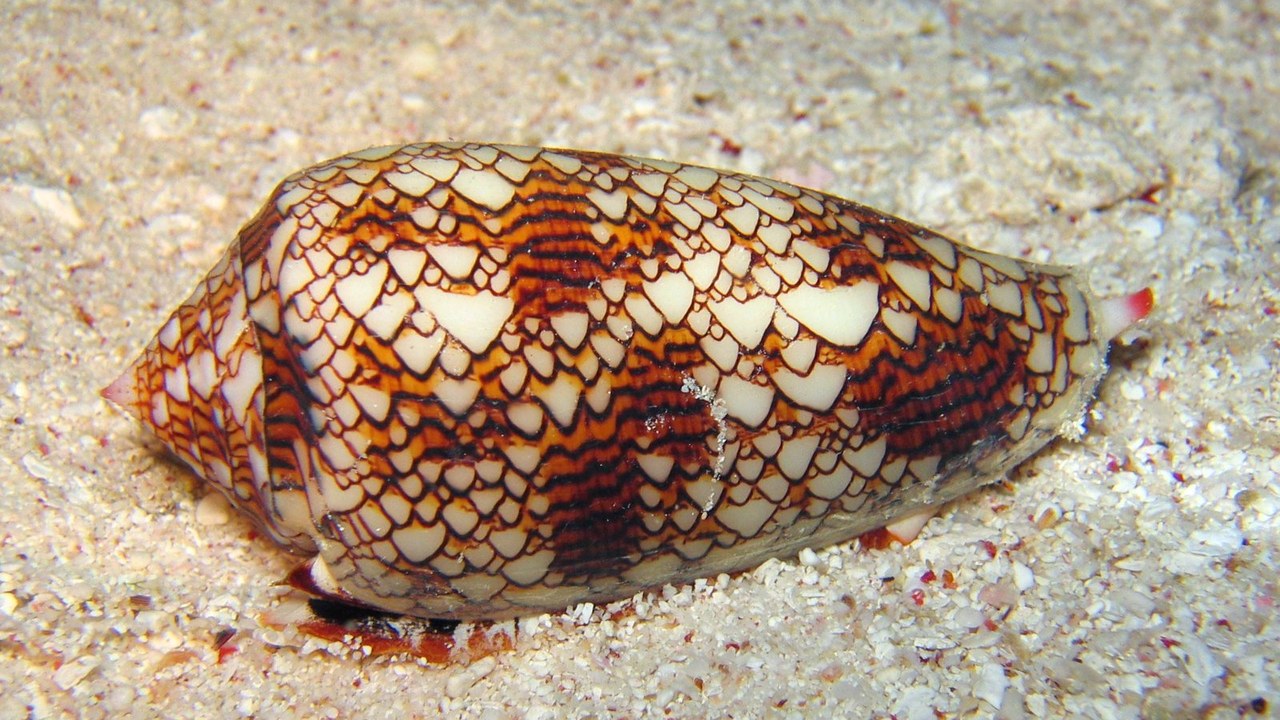
Instead of biting, the textile cone snail hunts with a disposable, barbed tooth that fires like a harpoon, launching a dart that first collects venom in an internal sac. The Australian Museum’s cone-shell profile says the dart moves up through the snout before striking snails, worms and small fish.
The venom is strong enough to immobilize prey almost instantly, and anyone stung is advised to seek immediate medical attention without delay. Its ornately patterned, cone-shaped shell makes it a favorite with collectors, which is exactly how most human stings happen.
6. Irukandji Jellyfish: Fingernail-Sized, Named For A Syndrome
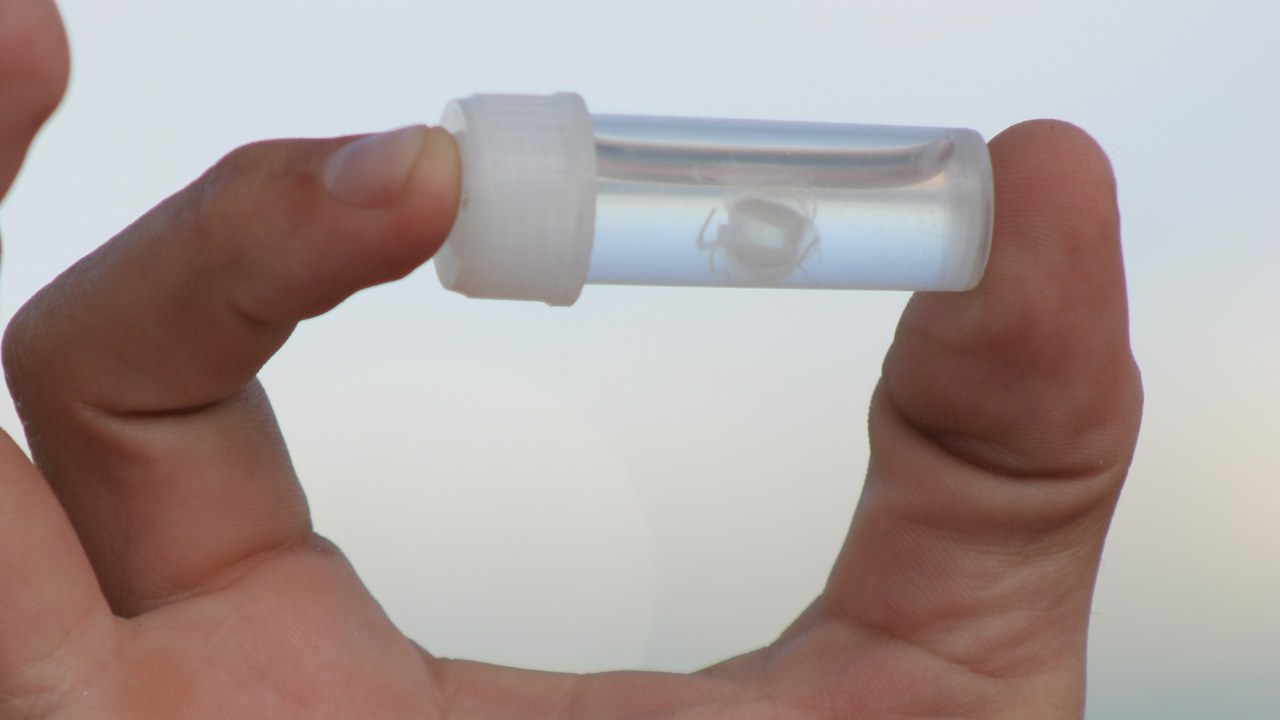
Barely larger than a fingernail, the Irukandji jellyfish is easy to miss until its sting triggers a delayed, agonizing reaction called Irukandji syndrome. The Australian Museum notes the species is unusual because its stinging capsules sit on the bell itself, not only on the tentacles.
That extra stinging surface means even brief contact with the bell can deliver venom. Symptoms often take twenty minutes or more to appear, a delay that historically slowed diagnosis in affected swimmers.
7. Blue-Lined Octopus: A Bite That Ends In Paralysis
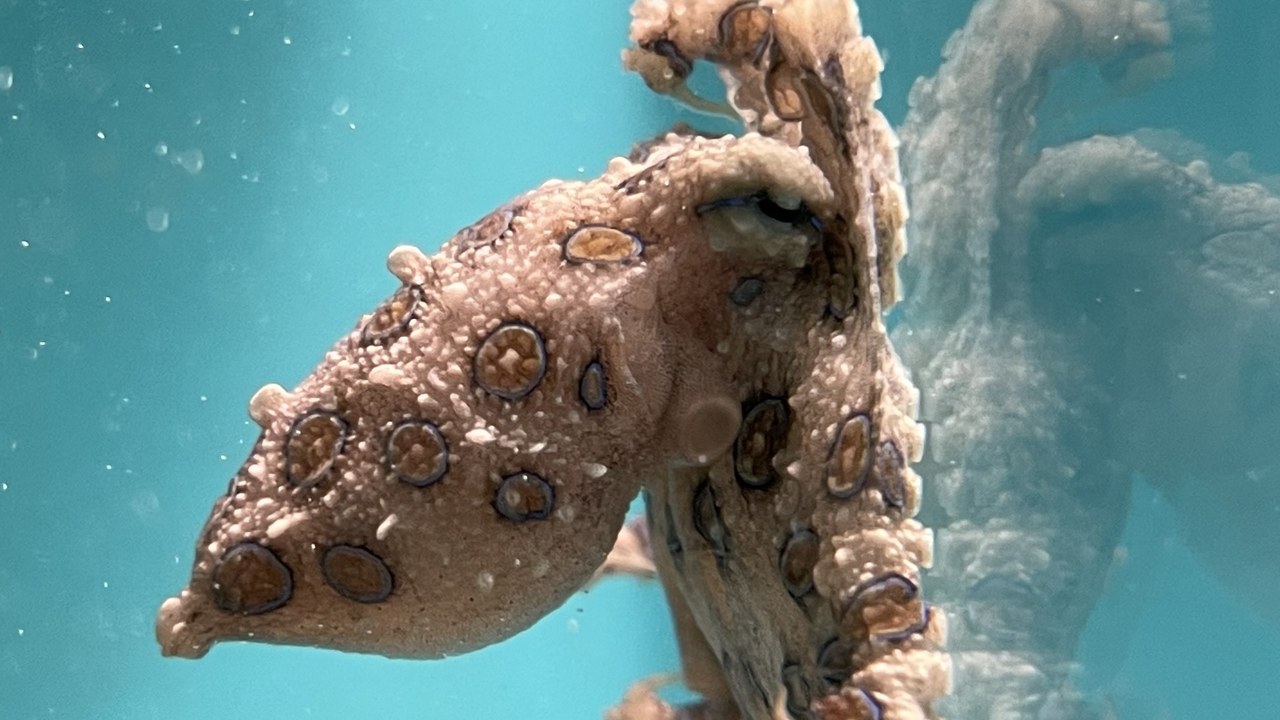
Small and strikingly patterned, the blue-lined octopus flares vivid blue rings across its skin as a warning before it bites, injecting paralysing tetrodotoxin venom that numbs the lips first, then disrupts breathing.
In the most severe recorded cases, the venom has progressed to complete respiratory paralysis, and human deaths have been documented. There is no antivenom for tetrodotoxin, so treatment relies on supporting breathing until the toxin clears. The species is nocturnal and shelters in rock crevices and discarded shells along the intertidal zone, biting only when handled or provoked.
8. Sydney Funnel-Web Spider: A Neurotoxin Aimed At The Nerves
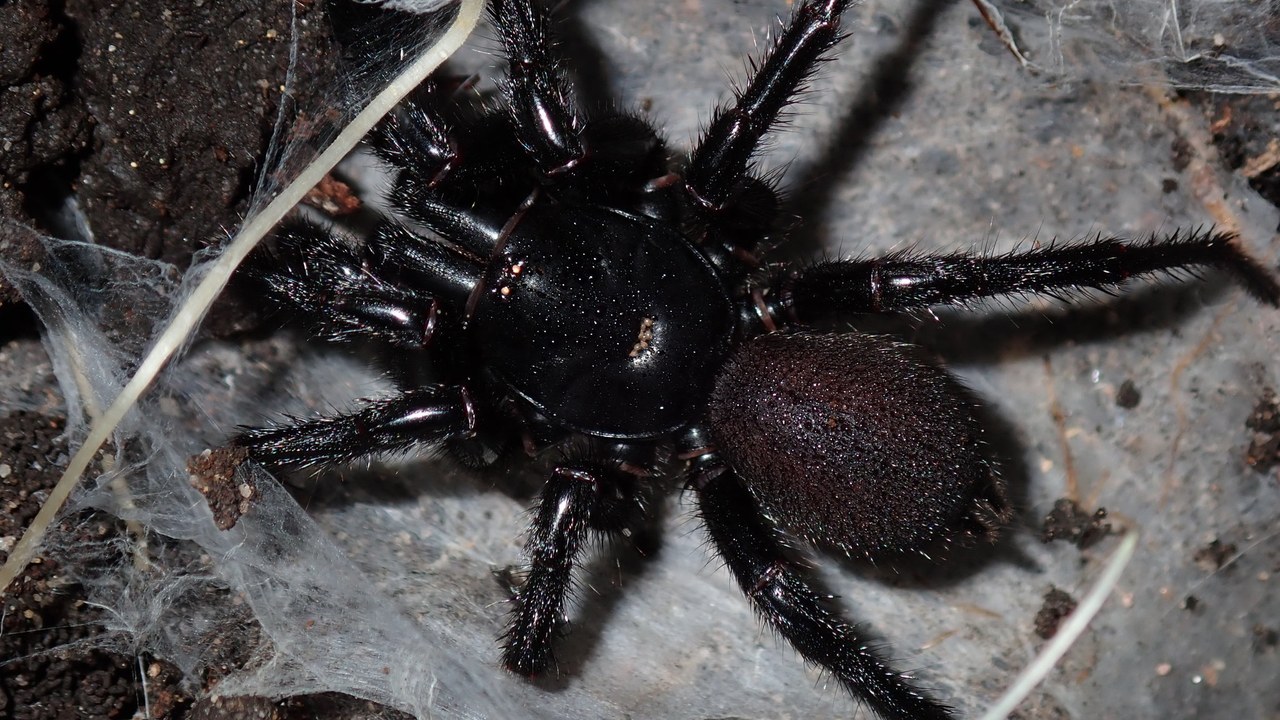
One of the most notorious spiders on Earth, the Sydney funnel-web rears up and bares its fangs when cornered rather than fleeing, wielding a nervous-system neurotoxin that in the worst cases proves fatal.
The species lives around Sydney in silk-lined burrows and wanders more actively during warm, humid nights. No fatality has been recorded since a dedicated antivenom was introduced decades ago. Males are considered more dangerous than females, since they roam further from the burrow searching for mates and are more likely to end up indoors.
9. Eastern Brown Snake: Australia’s Deadliest Snake By Death Toll
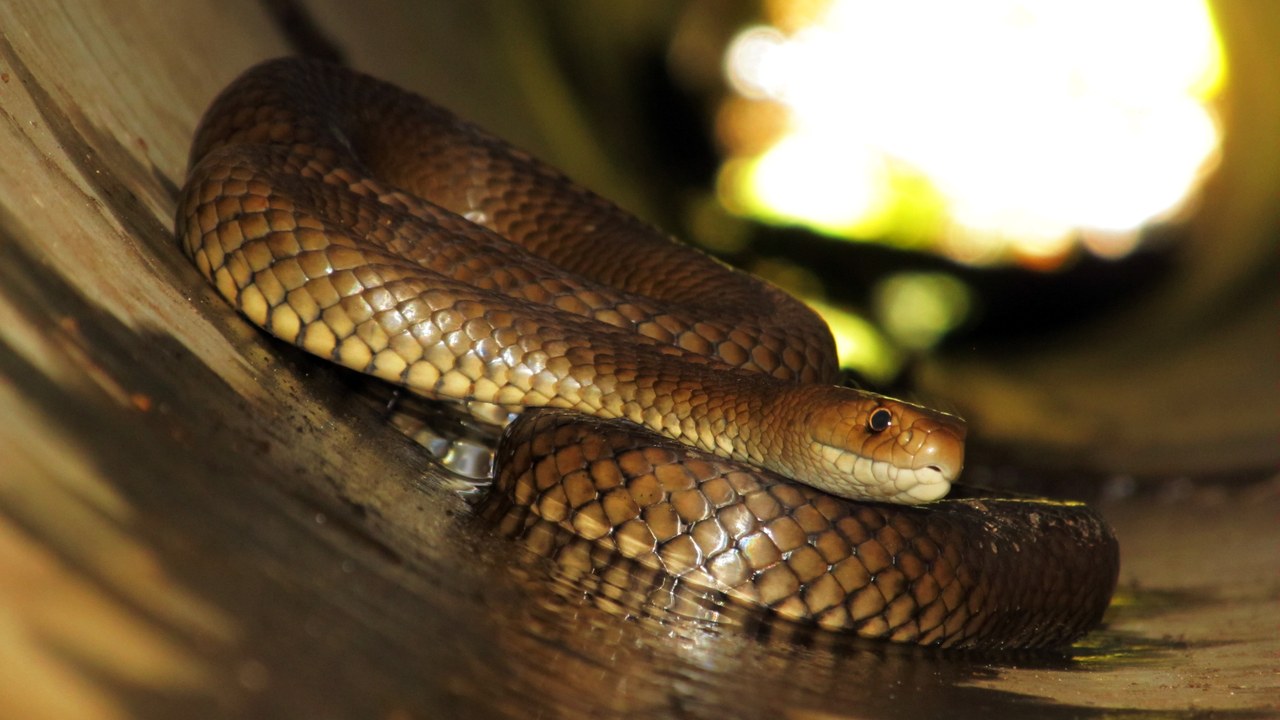
Common across farmland and suburban fringes in eastern Australia, the eastern brown snake carries venom built from presynaptic neurotoxins, procoagulants, cardiotoxins and nephrotoxins, and the Australian Museum’s snake profile credits it with more snakebite deaths than any other species in the country.
Its initial bite is often painless and easy to miss, so envenomation can progress to paralysis and uncontrollable bleeding before anyone realizes what happened. Occasional deaths have resulted from bleeding into the brain caused by the venom’s effect on blood clotting.
10. Redback Spider: A Bite That Drains The Nerves
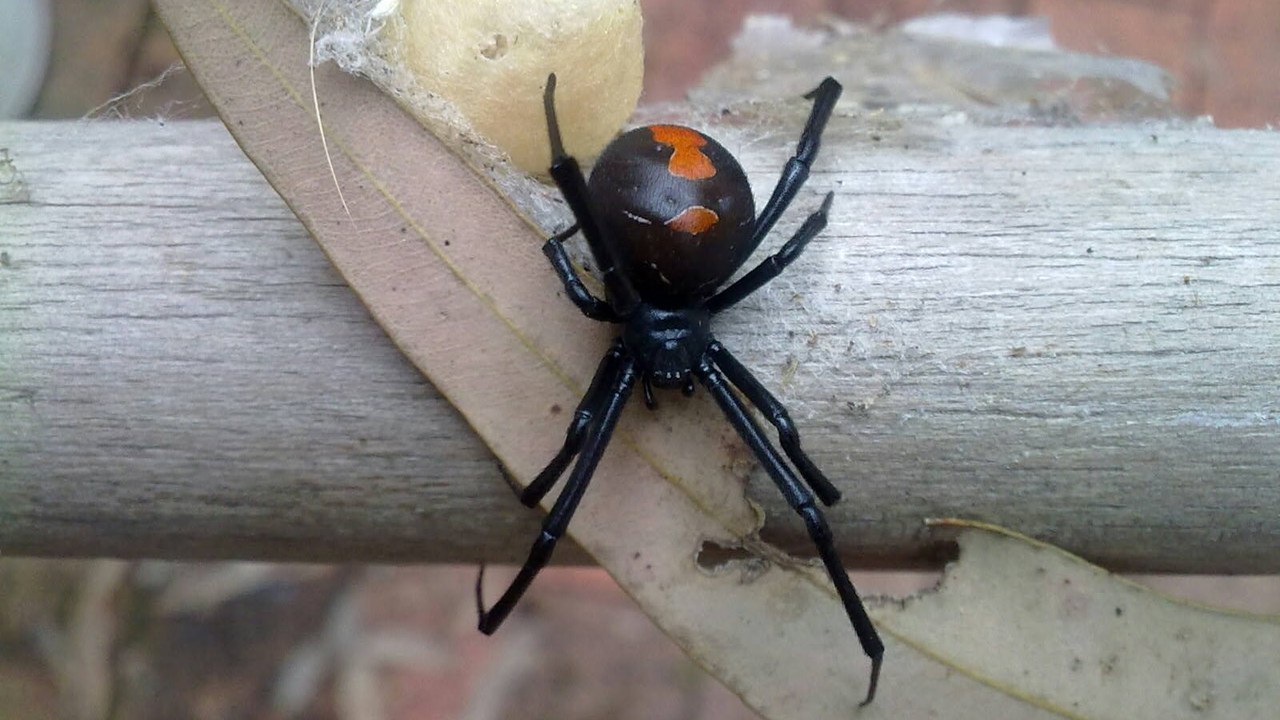
Common around sheds, letterboxes and woodpiles across Australia, the redback spider injects venom that acts directly on the nervous system, releasing and then depleting neurotransmitters at the bite site, and the Australian Museum’s redback profile lists severe pain, sweating, muscular weakness, nausea and vomiting among the symptoms.
Only the female’s bite is considered dangerous, and hundreds of confirmed bites receive antivenom in Australia every year. No death has been recorded since that antivenom was introduced.
11. Brazilian Wandering Spider: A Painful, Notorious Side Effect
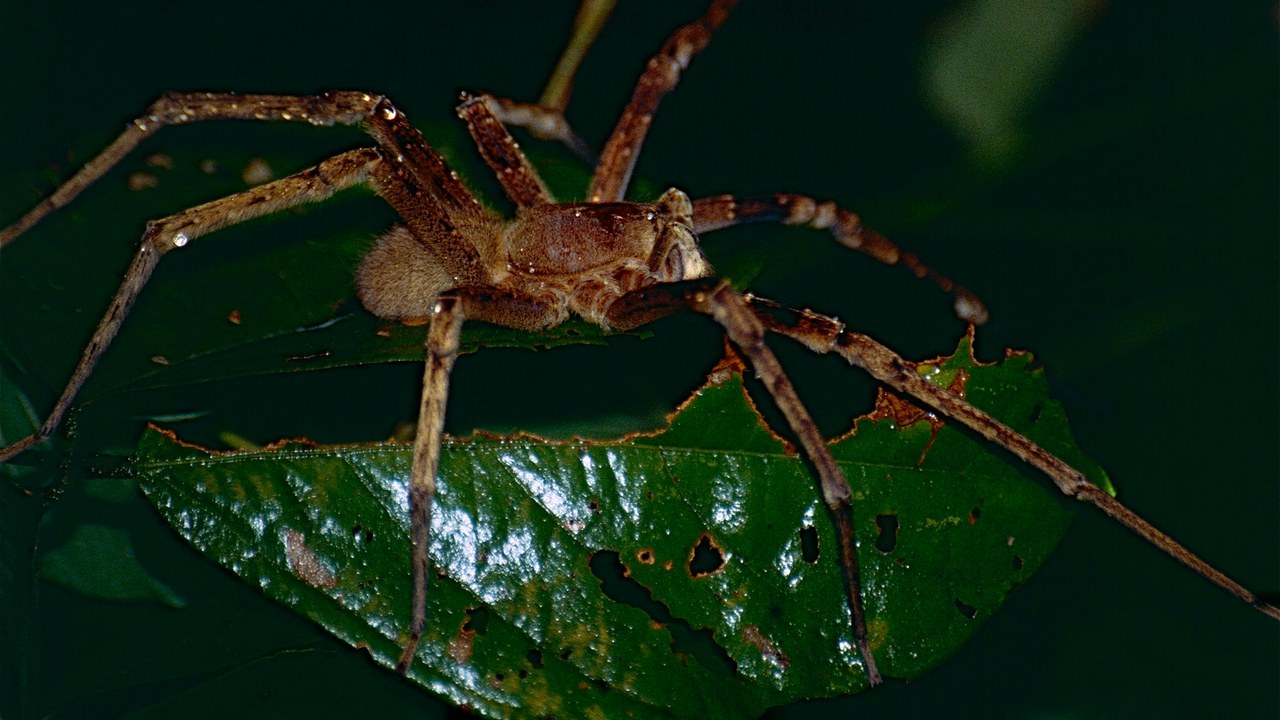
Named for its habit of roaming the forest floor at night rather than building a web, the Brazilian wandering spider injects venom that goes straight for the nervous system. Britannica’s wandering spider profile lists excess salivation and an irregular heartbeat among the effects.
In male victims, the venom has a notorious side effect: prolonged, painful erections caused by its disruption of nerve signaling. Severe envenomations require prompt antivenom, particularly in children and the elderly.
12. Deathstalker Scorpion: A Neurotoxin With A Medical Legacy
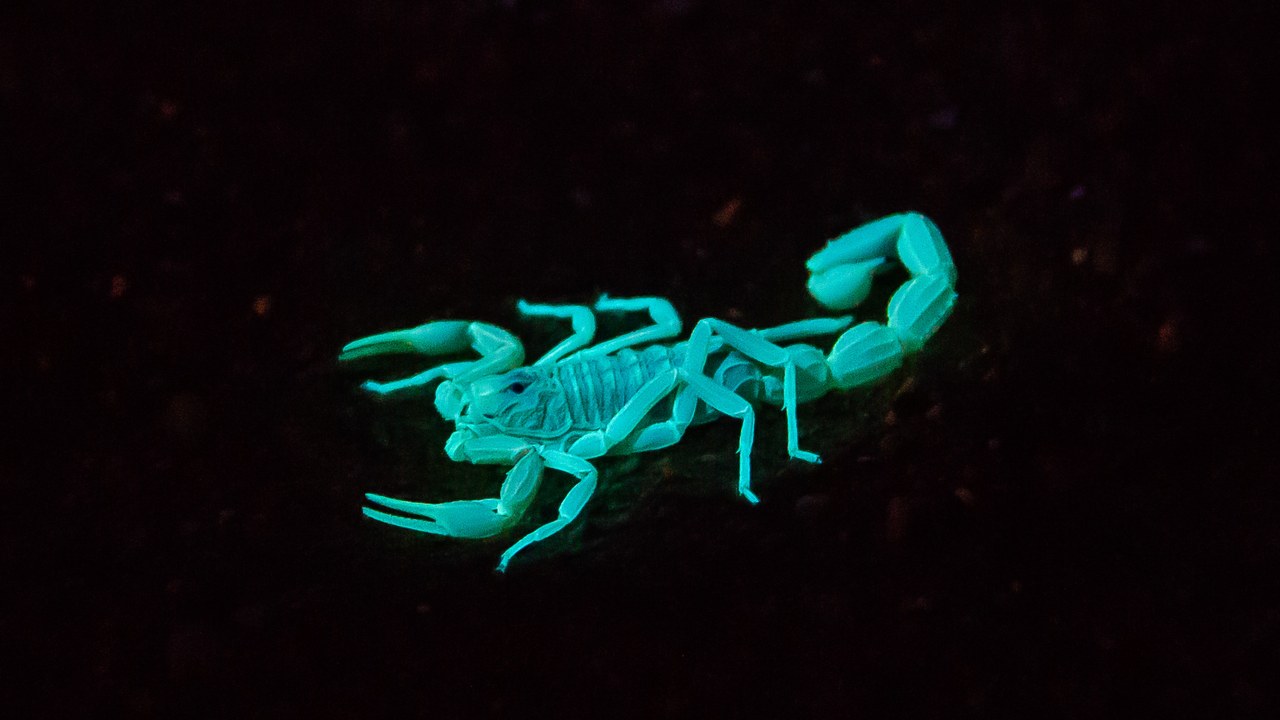
Pale yellow and unassuming, the deathstalker scorpion carries a potent neurotoxin cocktail that makes it one of the most dangerous scorpions on the planet. Animal Diversity Web’s deathstalker entry, maintained by the University of Michigan Museum of Zoology, lists chlorotoxin among the venom’s components.
That same compound has since been studied by scientists for its ability to bind selectively to tumor cells, giving the venom an unexpected medical afterlife. The scorpion itself lives across arid stretches of North Africa and the Middle East.
13. Reef Stonefish: Camouflaged Spines, An Excruciating Sting
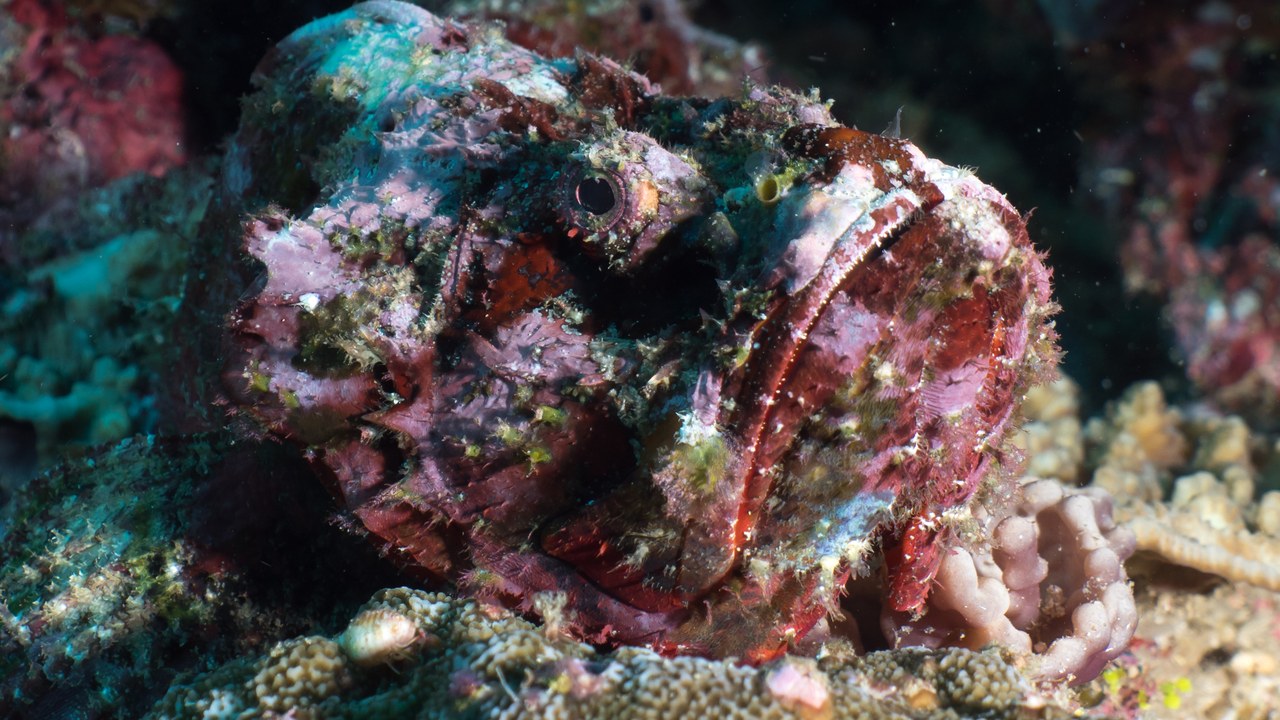
Camouflaged against coral rubble and nearly impossible to spot, the reef stonefish stays motionless until something presses directly onto its back. Britannica’s stonefish entry states that when stepped on, it injects venom through grooves running along its dorsal spines.
The resulting wound is described as intensely painful and, in some cases, fatal without treatment. Its stillness and coral-like coloring make it one of the easiest venomous animals to encounter by accident.
