
General Motors has spent the last decade and a half pruning its Chevrolet lineup, from tiny hatchbacks to a longtime sedan. Some exits followed restructuring plans, while others came as buyers drifted toward crossovers and trucks. Here are twelve discontinued Chevrolets, each with the reason it earned a place.
The tech news worth your time: 400,000+ professionals from Google, Apple and OpenAI read Techpresso, a daily email with the most interesting tech news and insights.
We may earn a commission if you sign up.
1. Chevrolet Volt: Plug-In Pioneer Retired
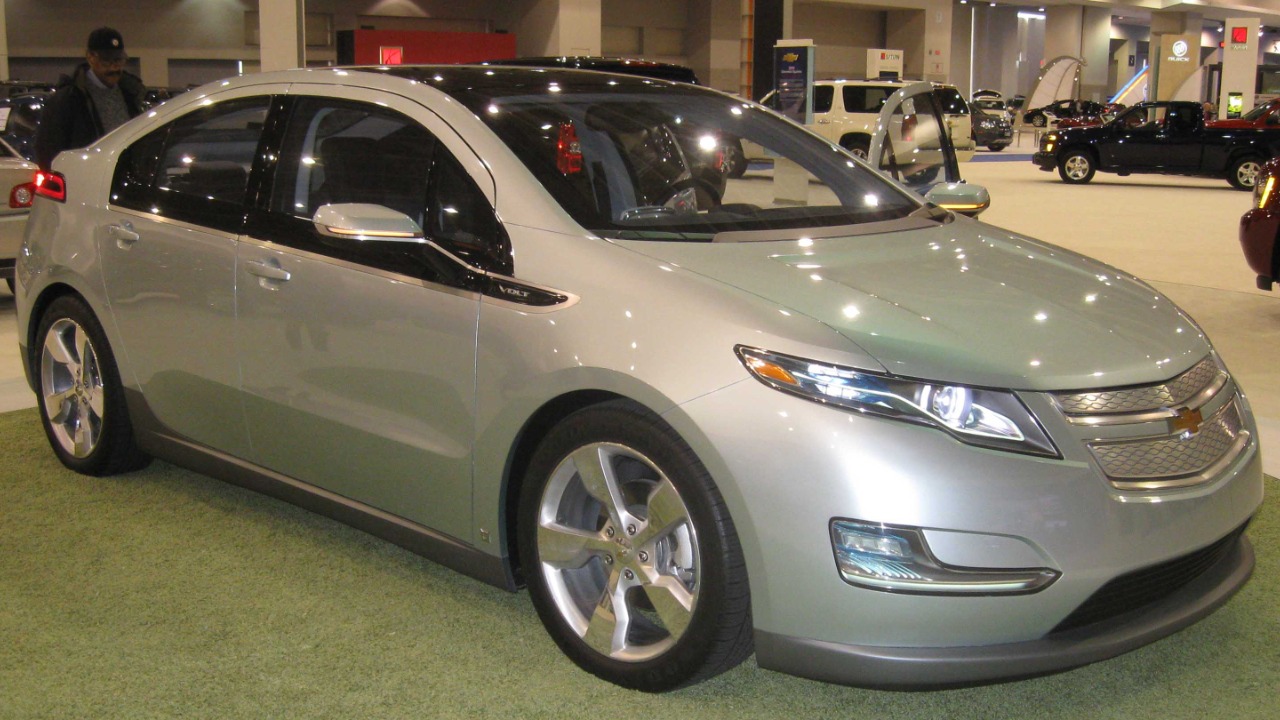
GM’s plug-in hybrid was one of six models the company said in November 2018 it would stop building during 2019, according to a lineup-cut report. The decision idled the Detroit-Hamtramck plant.
The announcement showed that even an innovative product could fall to a broad cost-cutting plan. Shoppers wanting a gasoline-backed electric car would soon find fewer choices from the brand, which shifted its electrified attention to the all-electric Bolt. Seen through that lens, the Volt belongs among the casualties of a strategic reset rather than a product that simply failed to find drivers.
2. Chevrolet Cruze: Compact Cut in Restructuring
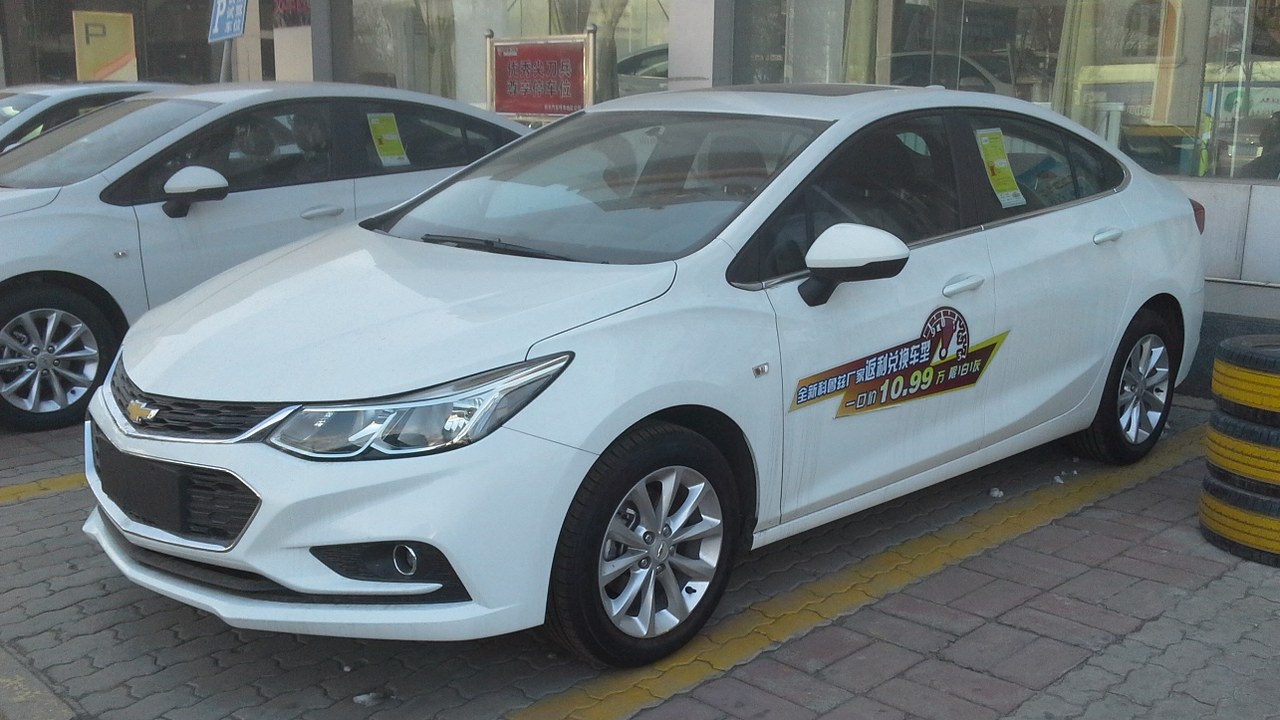
Included in GM’s 2018 restructuring, the compact sold 109,662 through the third quarter of that year, down from 149,234, as trade coverage of the cuts detailed.
A decline that steep helps explain why a mainstream compact became expendable. Small sedans across the industry faced the same pressure as shoppers moved toward taller vehicles, and the Cruze was one of the clearest casualties of that shift. Seen from today, the move looks like an early sign of the industry’s pivot toward trucks, crossovers and a very different mix of vehicles.
3. Chevrolet Malibu: Last Sedan Standing
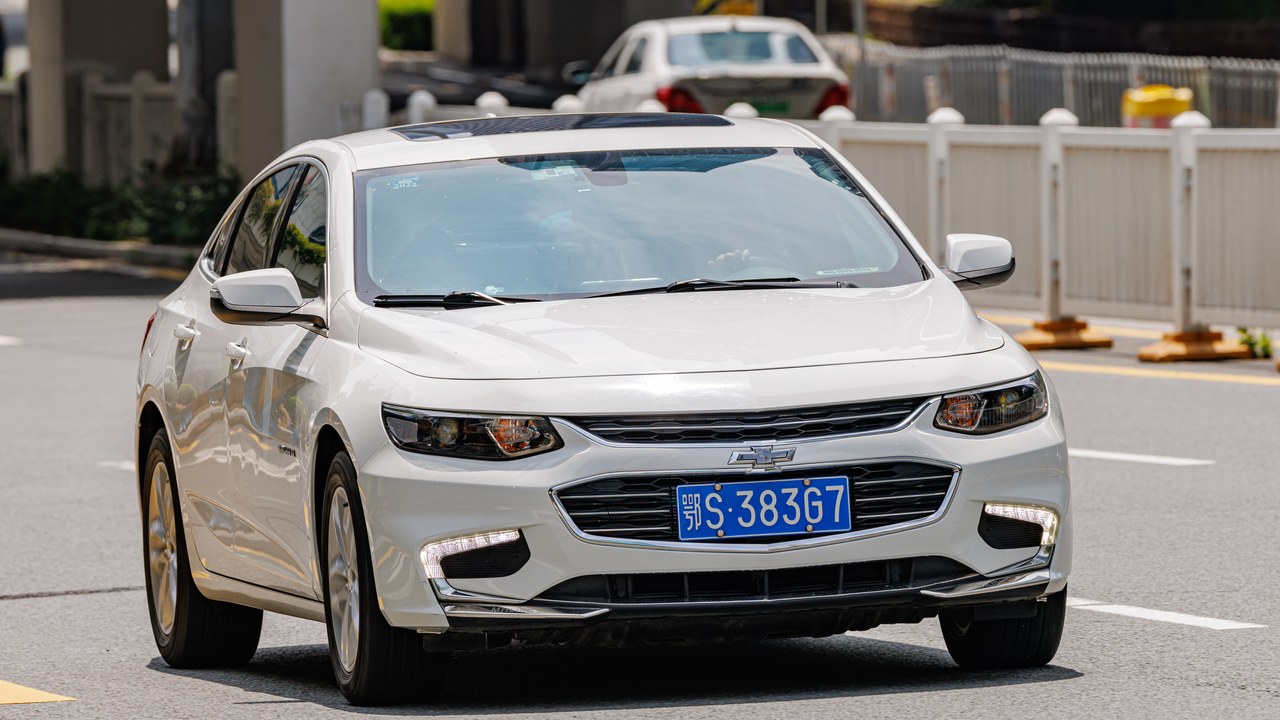
Chevy’s last sedan ended production in November 2024 at Fairfax Assembly in Kansas City, Kansas, even after GM sold more than 130,000 in 2023, a CNN Business report said.
Healthy sales did not save it, which suggests the decision turned on plant priorities and changing demand rather than weak volume alone. Its departure left the brand with no sedan anywhere in its lineup, a striking change for a name long tied to family cars. Few automakers have ever ended a sedan with such a large annual sales base, and the move says a lot about how priorities have changed.
4. Chevrolet Camaro: Pony Car Parked
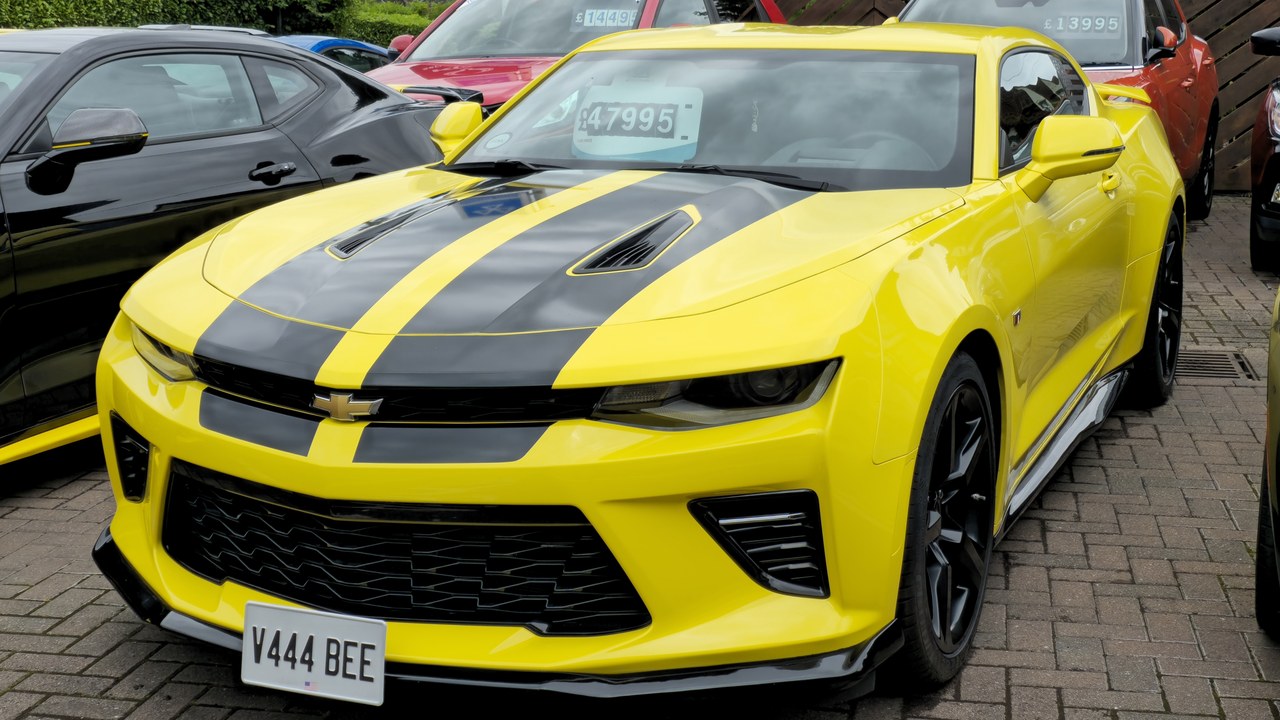
The Camaro, Chevrolet’s rival to the Ford Mustang, stopped production in 2023, according to the same CNN coverage.
GM has put Camaro SS sales since 2010 at more than 400,000, a reminder that the sports coupe built a real following before its exit. A loyal audience does not always guarantee a future when an automaker is reallocating factory space and development money. The nameplate remains one of the best-known in American performance, and its pause leaves a visible gap in the brand’s showroom.
5. Chevrolet Spark: Cheap Thrills Ended
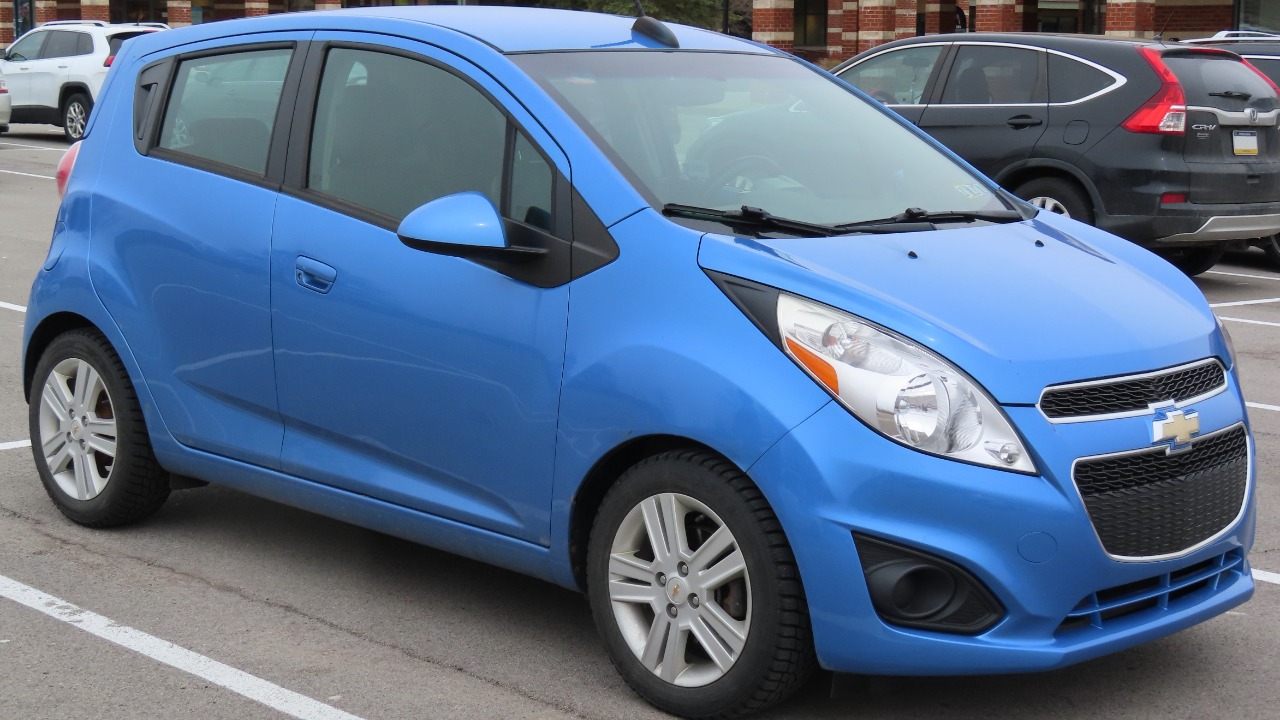
GM’s smallest American car started at $12,995 and was discontinued in August 2022, as SlashGear’s Spark explainer recounts.
A price in that range is the heart of the story. Entry-level cars leave thin profit margins, and automakers have steadily moved money toward larger, costlier vehicles. A new car at that sticker is now a rarity, which is why its departure still draws attention. Cars this inexpensive are increasingly the exception, which turns the Spark into a reference point for what budget motoring once looked like.
6. Chevrolet Sonic: Two Years Earlier

The Sonic hatchback and sedan ended in 2020, two years before the Spark, the same SlashGear piece notes.
Together the two exits cleared Chevrolet’s entry-level small cars from showrooms. The Sonic had arrived as the replacement for the Aveo, so the budget ladder lost both rungs within a short span and left little under the brand’s compact offerings. Shoppers who once counted on a new Chevrolet for modest money now face a lineup with fewer low-priced doors into the brand.
7. Chevrolet Bolt EV: Affordable EV Bows Out
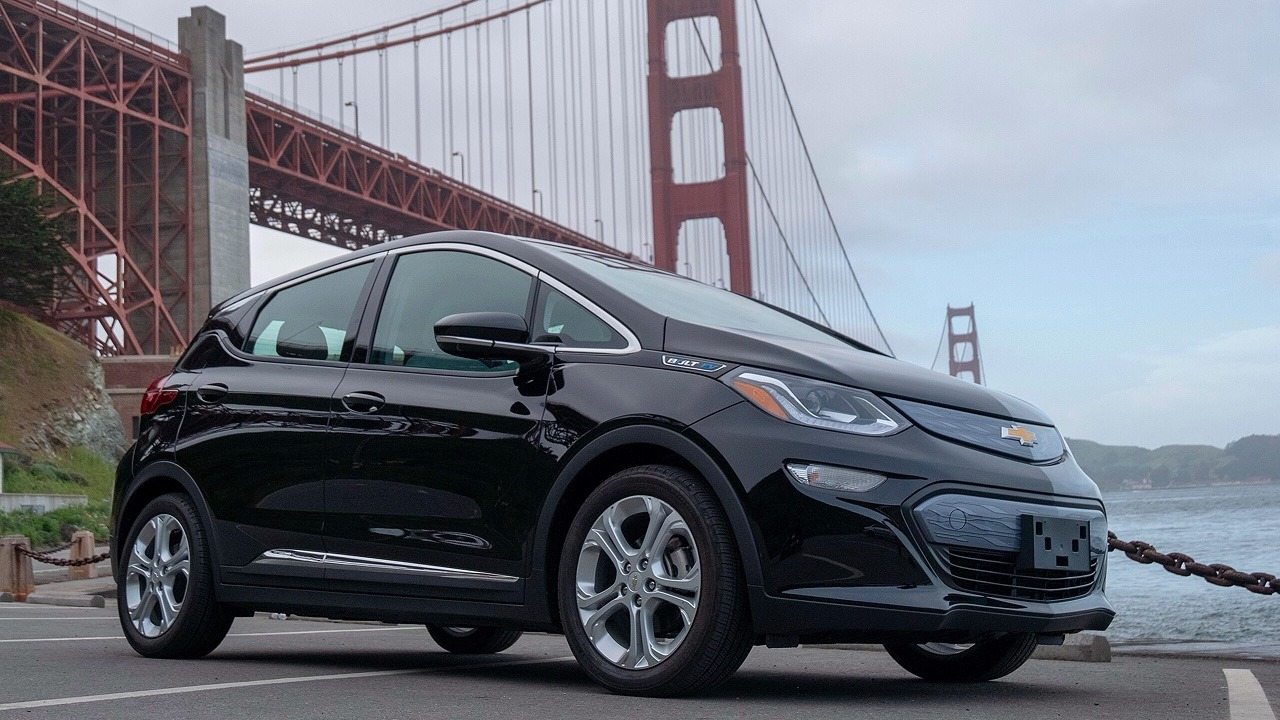
More than 161,000 Bolts had sold in the country since 2016 when GM set production at Orion Township to end in late 2023, Motor1 reported.
A hatchback that found that many buyers was not a failure by sales alone, so the decision likely reflected production plans and strategy more than a lack of demand. It remains a notable early example of an electric car aimed at ordinary budgets. The Bolt still serves as a talking point for how affordable electric cars can reach a wider audience.
8. Chevrolet HHR: Retro Wagon Run
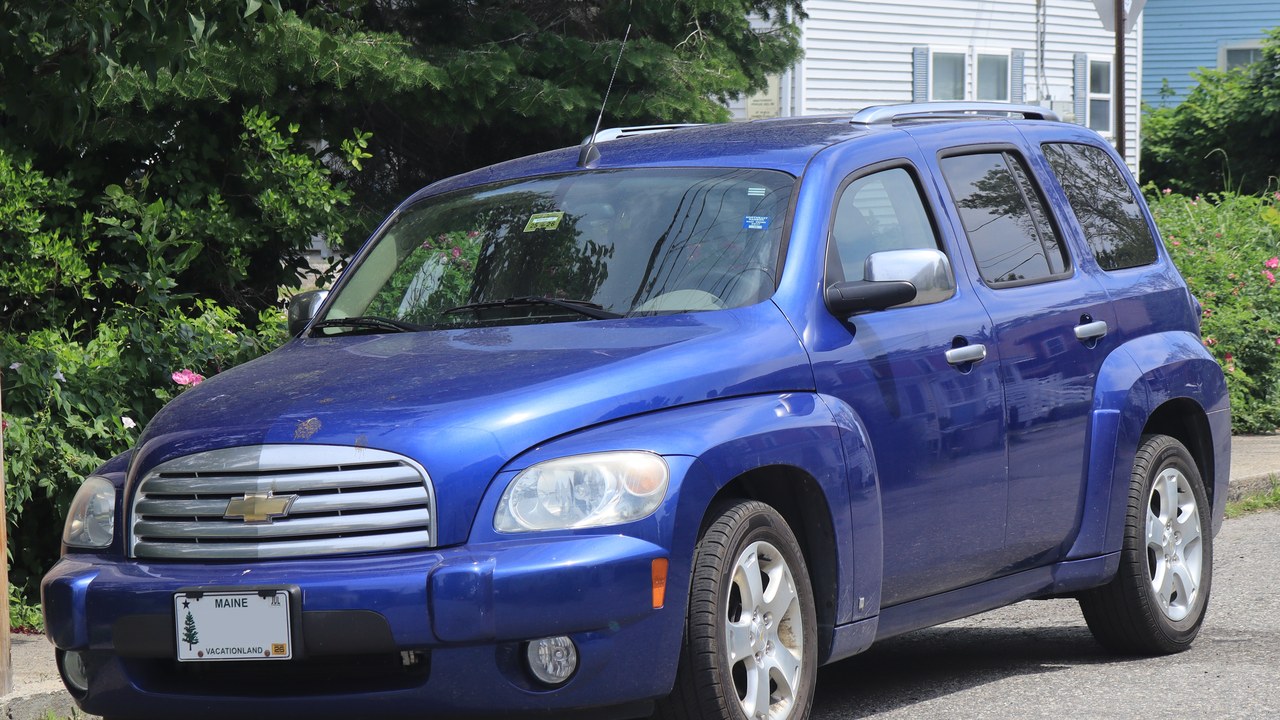
Chevy’s HHR ran from 2005 to 2011, according to Wikipedia’s Chevrolet roster.
Retro styling can generate early buzz and then fade as novelty wears off, and the HHR followed that familiar arc. Its life ended just after the 2010 starting point of this list, making it one of the earliest departures here and a useful bookend for the period. Its story is brief but instructive for anyone studying how quickly a new body style can rise and then disappear from dealer lots.
9. Chevrolet Cobalt: Compact Gone Quickly
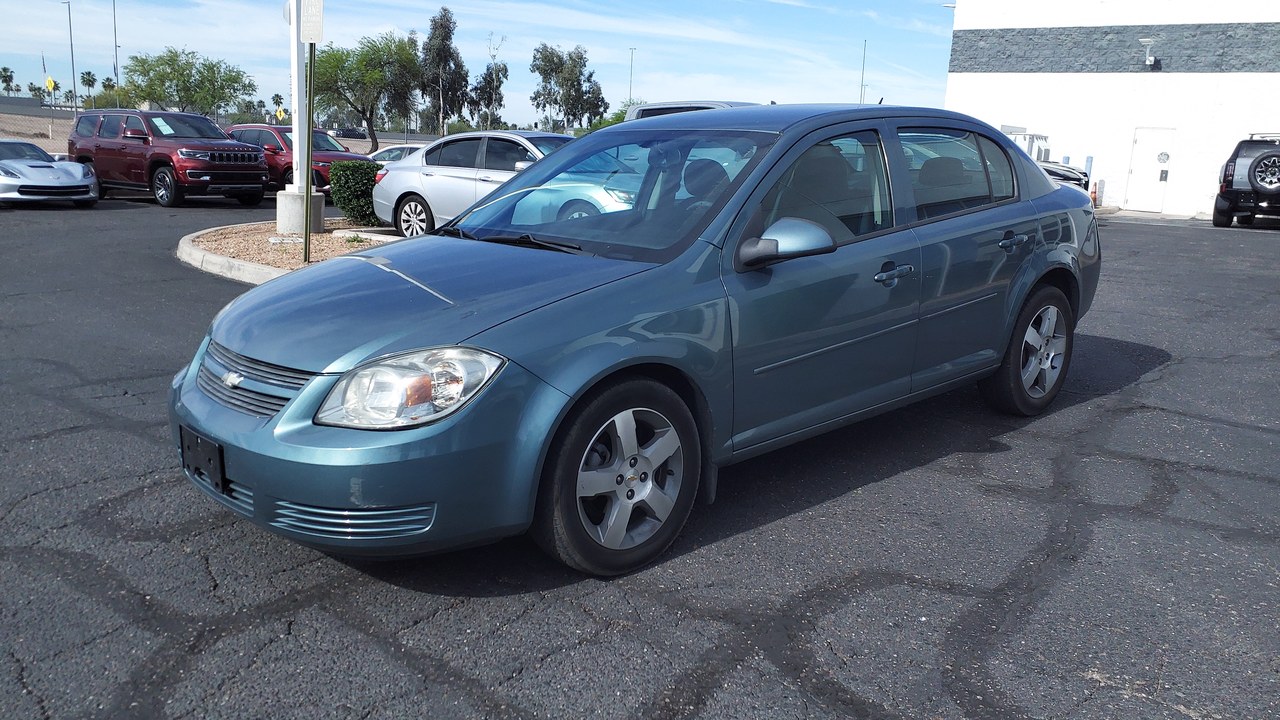
The compact Cobalt lasted only from 2005 to 2010, per the same Chevrolet vehicle list.
A nameplate with such a brief life shows how quickly small-car names turned over at Chevrolet, with the Cruze arriving in the same slot soon afterward. Short runs like this tend to signal a product that never found a firm identity with shoppers. Seen alongside the HHR, it also marks the end of a short-lived wave of lower-cost Chevrolet models from the mid-2000s.
10. Chevrolet Avalanche: Two-Generation Pickup
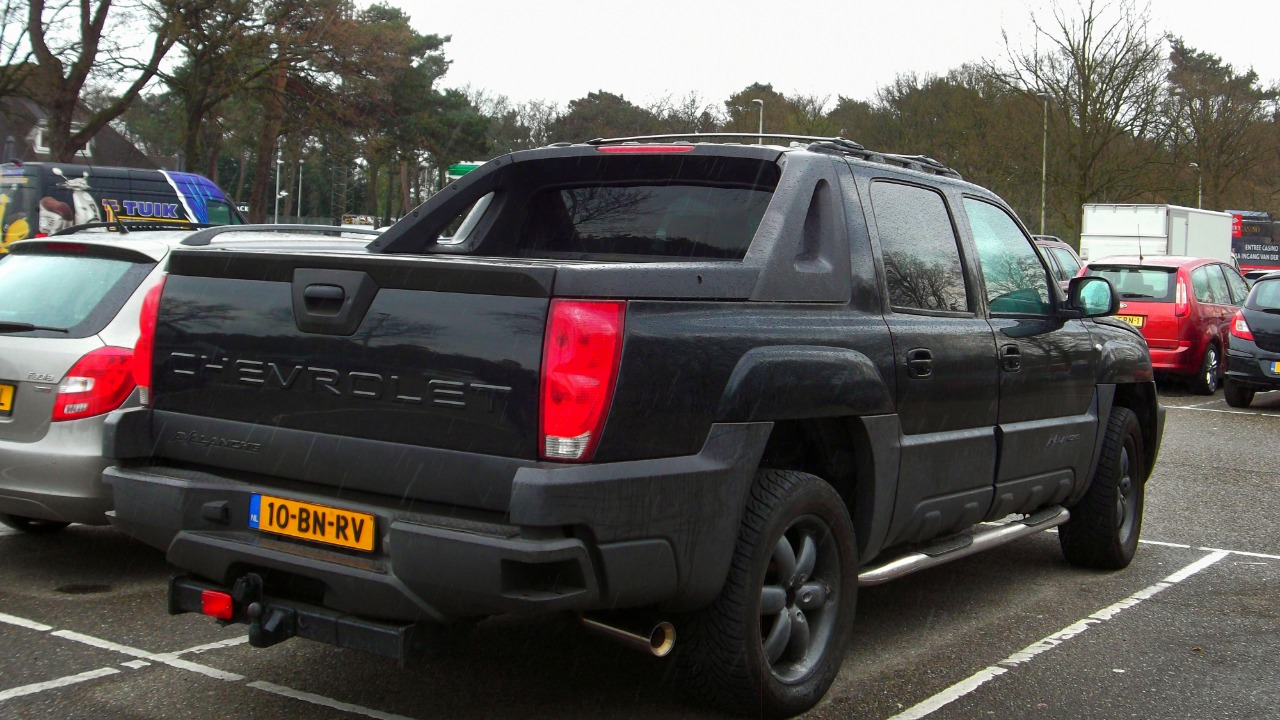
Chevy’s Avalanche pickup ran two generations, from 2001 to 2013, according to a Chevrolet model catalog.
The Avalanche stood out by blending crew-cab seating with a cargo bed, an unusual package that never inspired many rivals. Its end in 2013 came well before the recent wave of pickup discontinuations, proof that niche models can be dropped even in a thriving segment. For buyers who liked its unconventional design, the Avalanche now lives on mainly in the used market, where it remains a talking point.
11. Chevrolet SS: Australian Roots
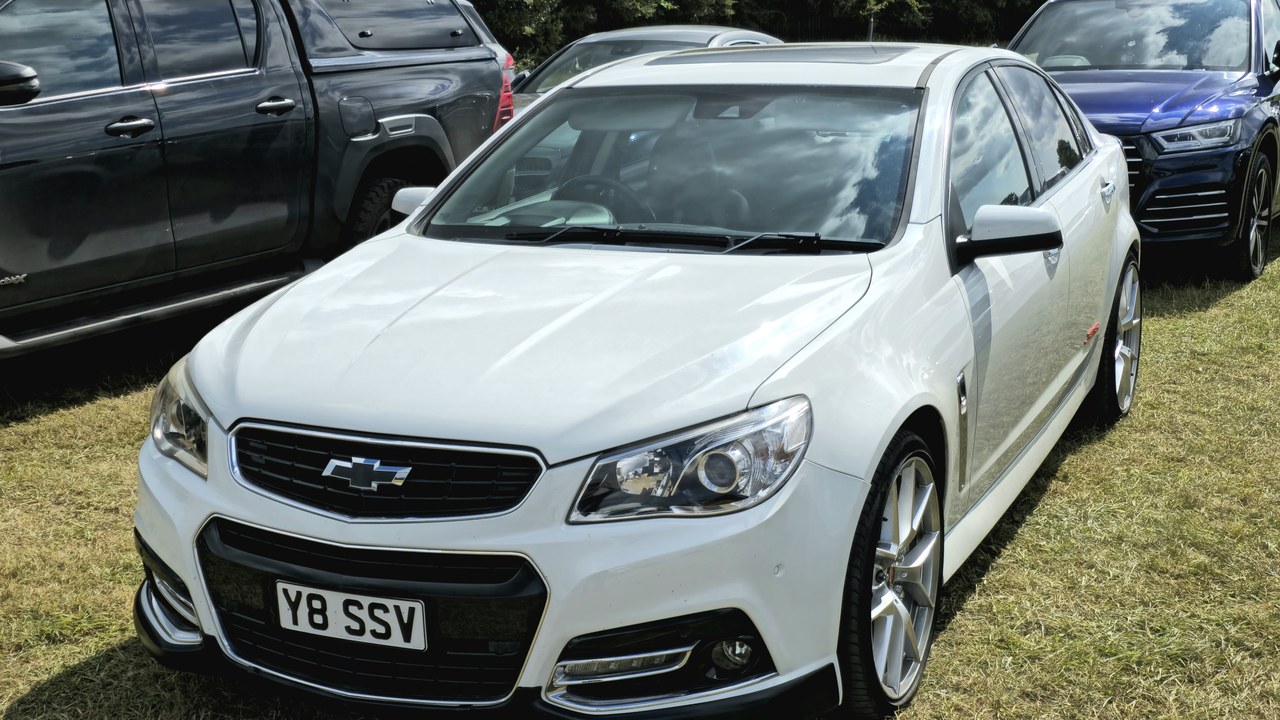
The Holden Commodore-based SS sedan was sold in the American market from 2013 to 2017, the Wikipedia vehicle list states.
Because it began life as a Holden, the car depended on a platform from Australia, and its brief run is one reason enthusiasts still talk about it as a rarity. Performance sedans with imported underpinnings tend to be tough to justify for long. The SS earned affection among enthusiasts precisely because only a few were built and sold in the country.
12. Chevrolet Aveo: America’s Cheapest Car

Marketed as the lowest-priced new car in America, the Aveo peaked at 68,085 American sales in 2005 before the Sonic replaced it, Wikipedia’s Aveo entry notes.
A bargain position drove its volume, yet it never earned the Aveo a lasting place. The Sonic took over the job, and both later gave way to the Spark and then to nothing at all, a pattern that mirrors the shrinking market for very cheap cars. Its arc, from bargain headline to quiet replacement, summarizes the fate of many ultra-low-cost cars in the American market.
The tech news worth your time: Subscribe to Techpresso →
We may earn a commission if you sign up.
More from Morning Overview
- Ford is recalling 223,472 F-150 pickups because the fuel tank can leak or detach
- Hybrids have 15% fewer problems than gas cars, while EVs and plug-in hybrids have about 80% more, Consumer Reports finds
- Regulators cleared the first U.S. small modular reactor, 4 months early
- Lake Powell sank to a record 3,517 feet, nearing the level that stops Glen Canyon Dam’s turbines
