
Ford once offered a sprawling lineup of sedans, crossovers, vans and specialty cars, but the company has steadily pruned it since 2010. Plants were retooled for trucks and electric vehicles, and long-running nameplates disappeared with little ceremony. Here are twelve discontinued Fords, covering everything from family sedans to a supercar and an electric pickup.
Stay ahead on AI: Join 600,000+ professionals who read The Deep View, the daily newsletter that keeps you up to date with artificial intelligence.
We may earn a commission if you sign up.
1. Ford Crown Victoria: Taxi and Police Staple
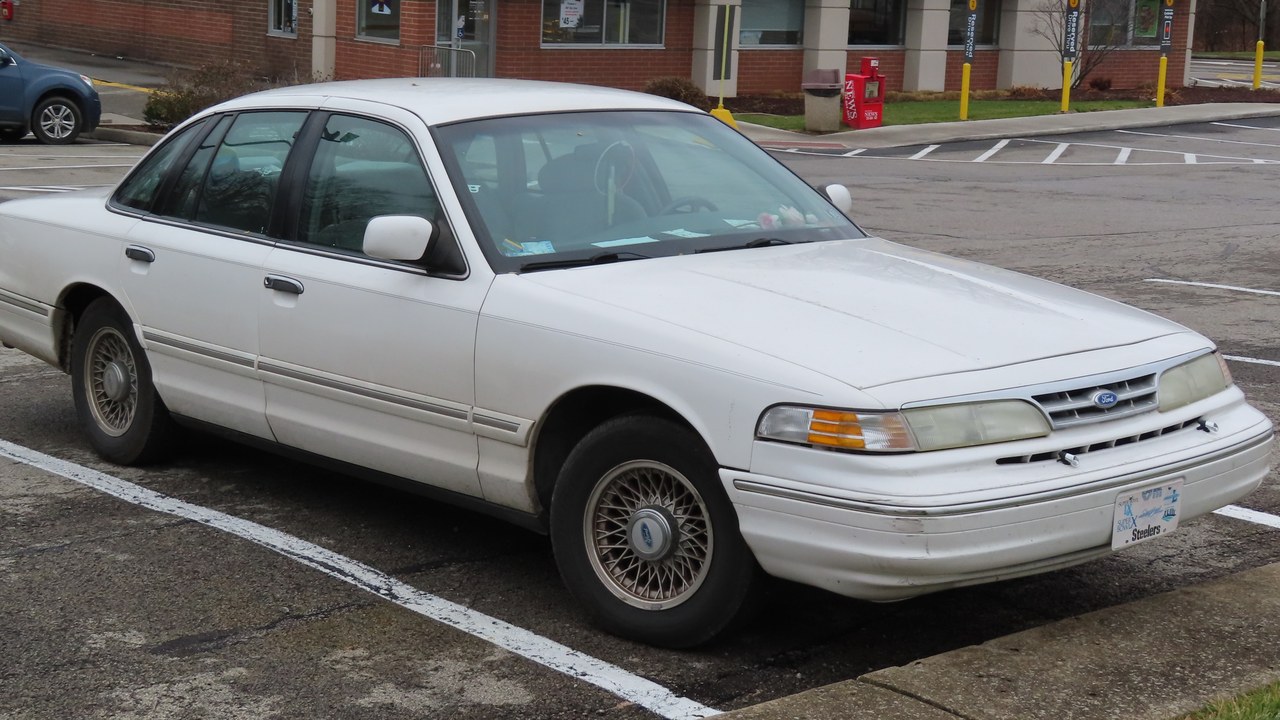
Ford’s full-size rear-drive sedan ran from 1992 to 2011 before it left the lineup, based on Wikipedia’s list of Fords.
Long associated with taxi and police fleets, the Crown Victoria represented a traditional body-on-frame approach that few buyers still wanted. Its exit closed a chapter of big American sedans, and many fleets kept running them long afterward. Police departments in particular valued the sedan for its durability, which helps explain why replacing it proved harder than simply ending production.
2. Ford Taurus: Chicago Plant Gets an Explorer
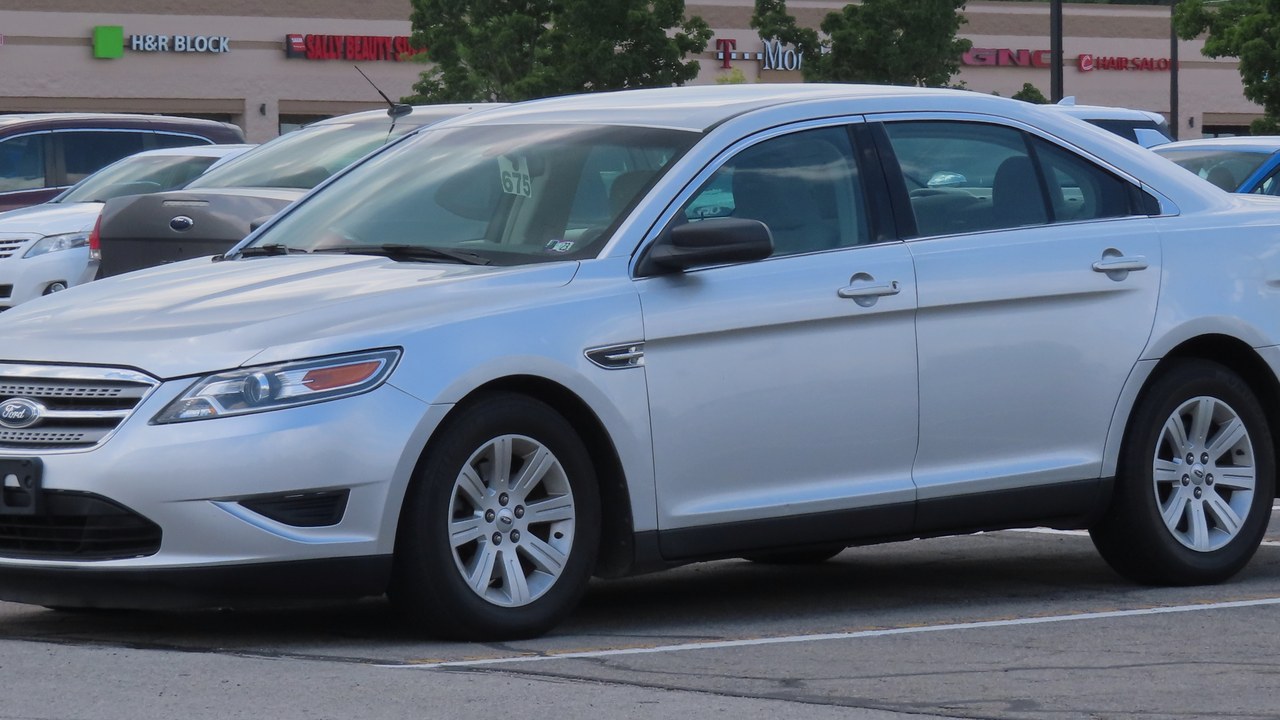
Ford set the Taurus to end at its Chicago factory in March 2019 so the plant could be revamped for an all-new Explorer, Fox News reported.
Once among the best-known family sedans in America, the Taurus gave way to SUVs that buyers preferred. The plant’s switch is a tidy example of how factory space follows demand, with the sedan sacrificed to make room for a more popular product. The name stands out as one of Ford’s biggest successes of the late twentieth century, which makes its quiet end somewhat poignant for longtime fans.
3. Ford Focus: Compact Makes Way for Trucks

Ford ended production of the American-market Focus in May 2018 and retooled Michigan Assembly for the Ranger pickup and Bronco, a Fox News production report confirmed.
Compact cars once anchored Ford’s global lineup, yet the company chose trucks and utility vehicles for this plant instead. The decision reflected a wider retreat from small sedans, ending a long run of compact cars from a company that once sold them by the million. For Ford, the new focus on the Ranger and Bronco also mirrors a broader return to rugged nameplates that give the brand a distinct identity.
4. Ford Fiesta: Mexican-Built Subcompact Ends
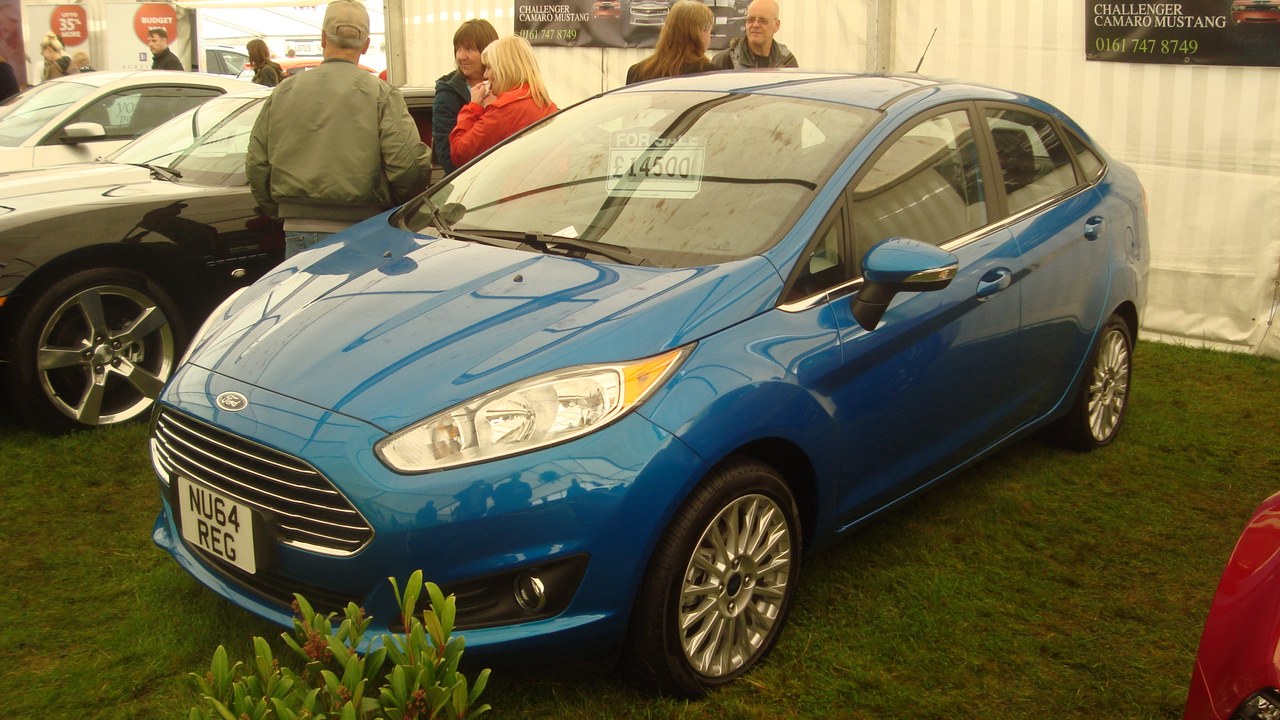
Fiesta production for North America ended in May 2019 at Ford’s Cuautitlan Assembly plant in Mexico, Fox News coverage says.
Sold as a cheap, fun runabout, the Fiesta went away alongside the Focus and Taurus, completing a trio of car exits announced together. Shoppers who liked small, inexpensive hatchbacks now find their choices mostly from other brands. A simple, light car, it remained popular with younger buyers and first-time shoppers to the end, even as the company moved on from small cars.
5. Ford Fusion: Last of the Sedans
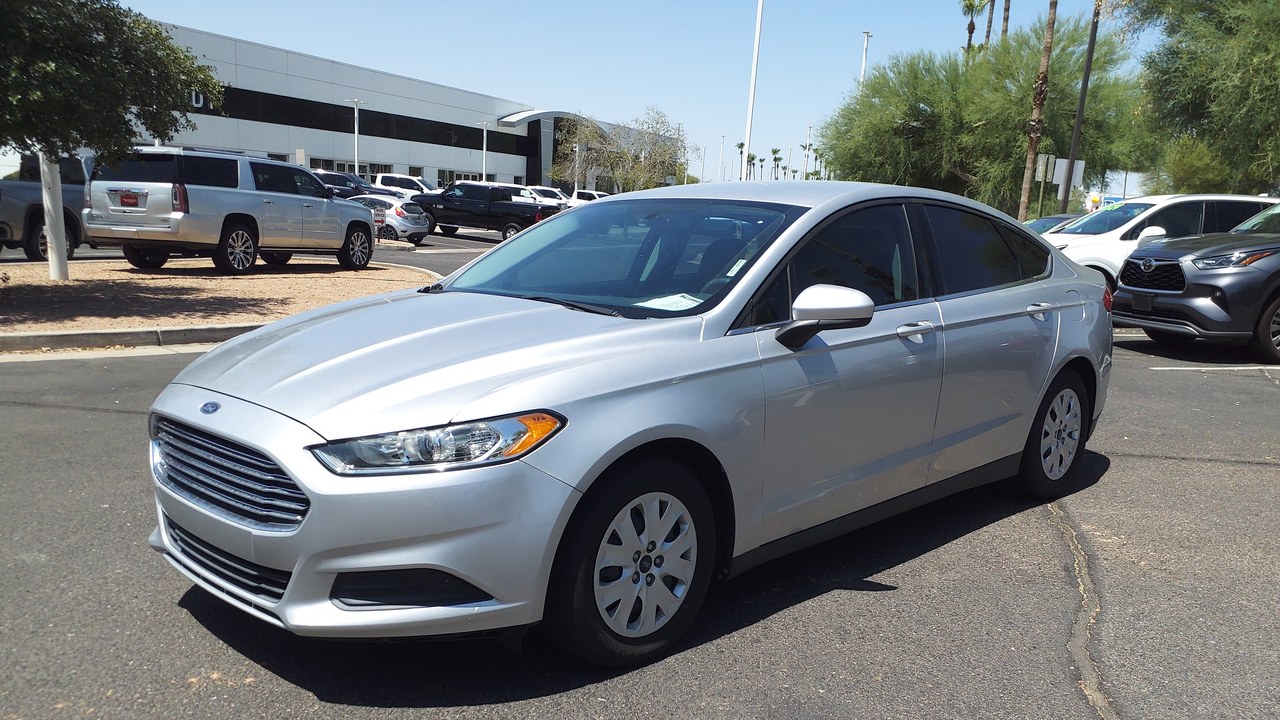
The midsize Fusion sedan lasted from 2006 to 2020, the last of the Ford sedans on this list to go, according to Wikipedia’s Ford vehicle list.
A competitor to the Camry and Accord, it sold in a segment that Ford ultimately decided to leave. Its end meant Ford no longer fielded a mainstream midsize sedan, a notable step for a company that had built its name on cars. Used Fusions remain common and affordable, giving shoppers an easy way to find a comfortable commuter without paying for the latest crossover design.
6. Ford Flex: Boxy and Beloved
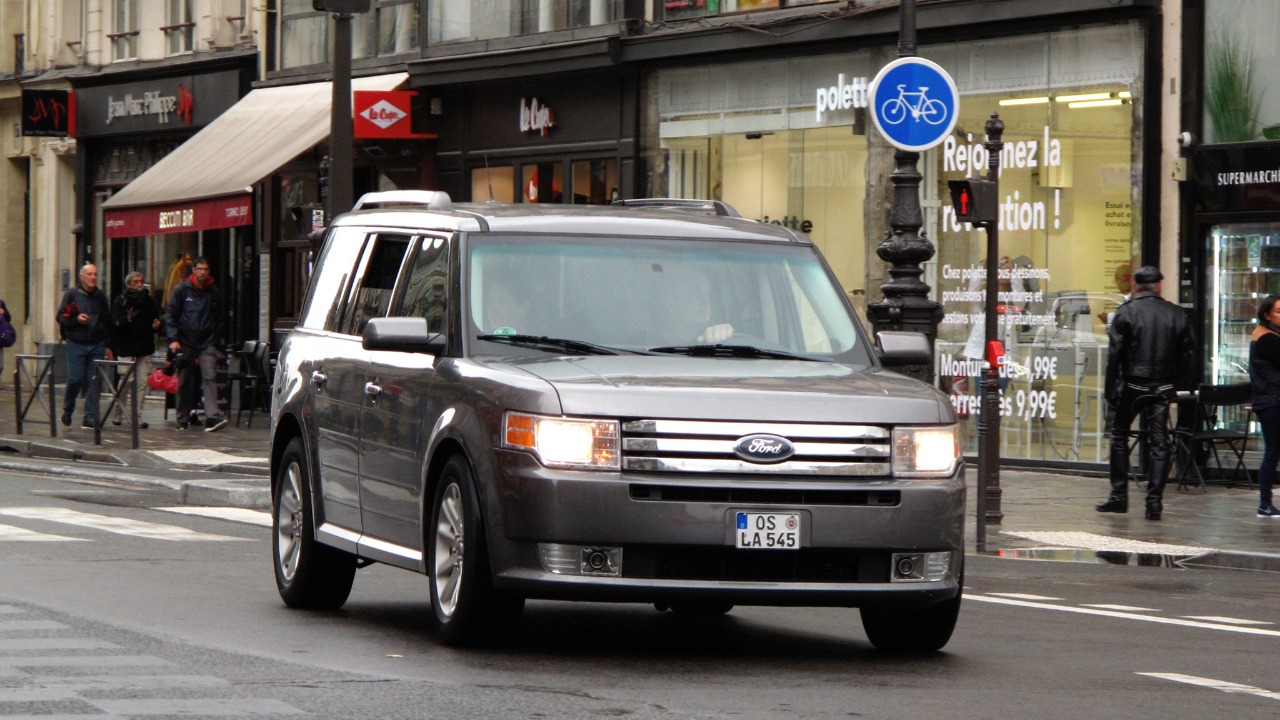
The Flex crossover ran from 2009 to 2019, per Wikipedia’s Ford roundup.
Boxy, wagon-like and distinctive, it earned a devoted following among owners who wanted three rows without the typical SUV look. That distinctiveness limited its audience, and the Flex left once Ford’s more conventional utility vehicles carried the family-hauling load. Owners who bought the Flex new often hold on to them, which has kept values firmer than the car’s discontinued status might suggest.
7. Ford Edge: Oakville Goes Electric
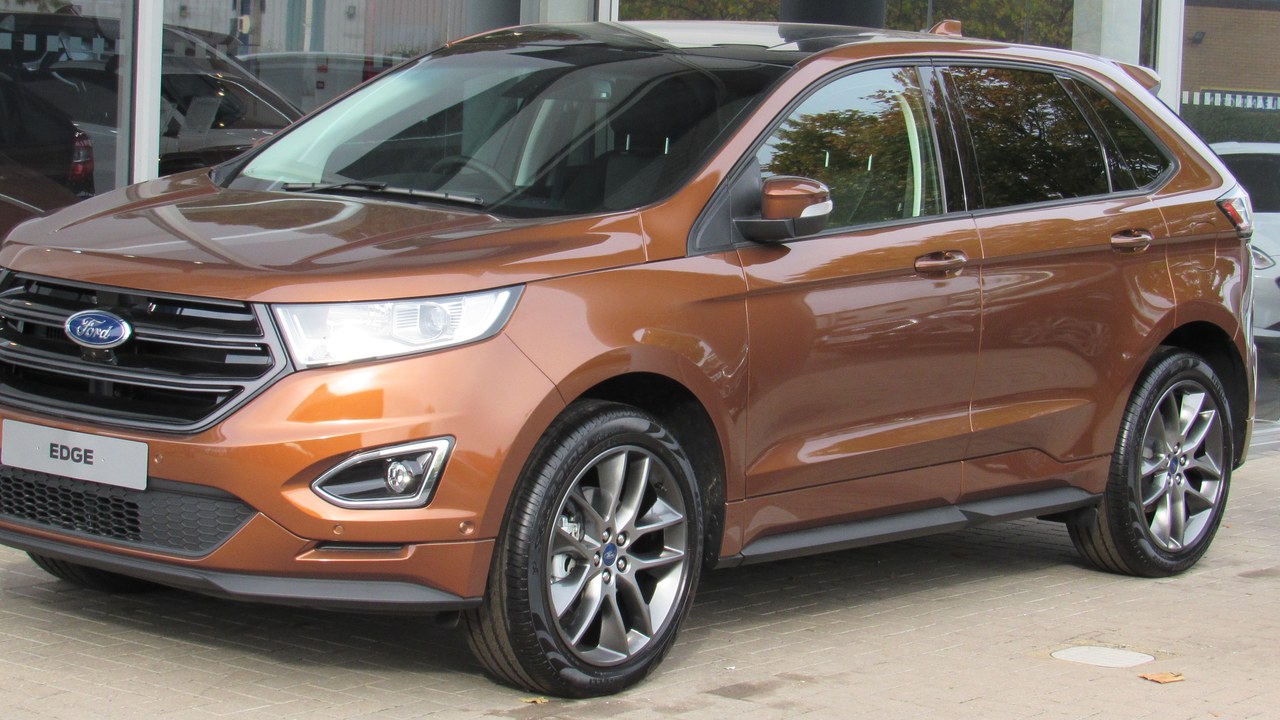
KBB reported in August 2023 that the Edge would end the following year as Ford converted Oakville Assembly in Ontario to EV production.
A two-row crossover that filled the space between the Escape and Explorer, the Edge disappeared as the plant’s priorities shifted. Factory retooling, rather than any single flaw, drove the decision, a pattern seen across several entries on this list. Ford has kept a presence in the segment with other models, but the Edge name now lives on only in the used market, where it is easy to find.
8. Ford Transit Connect: Small Van, No Successor
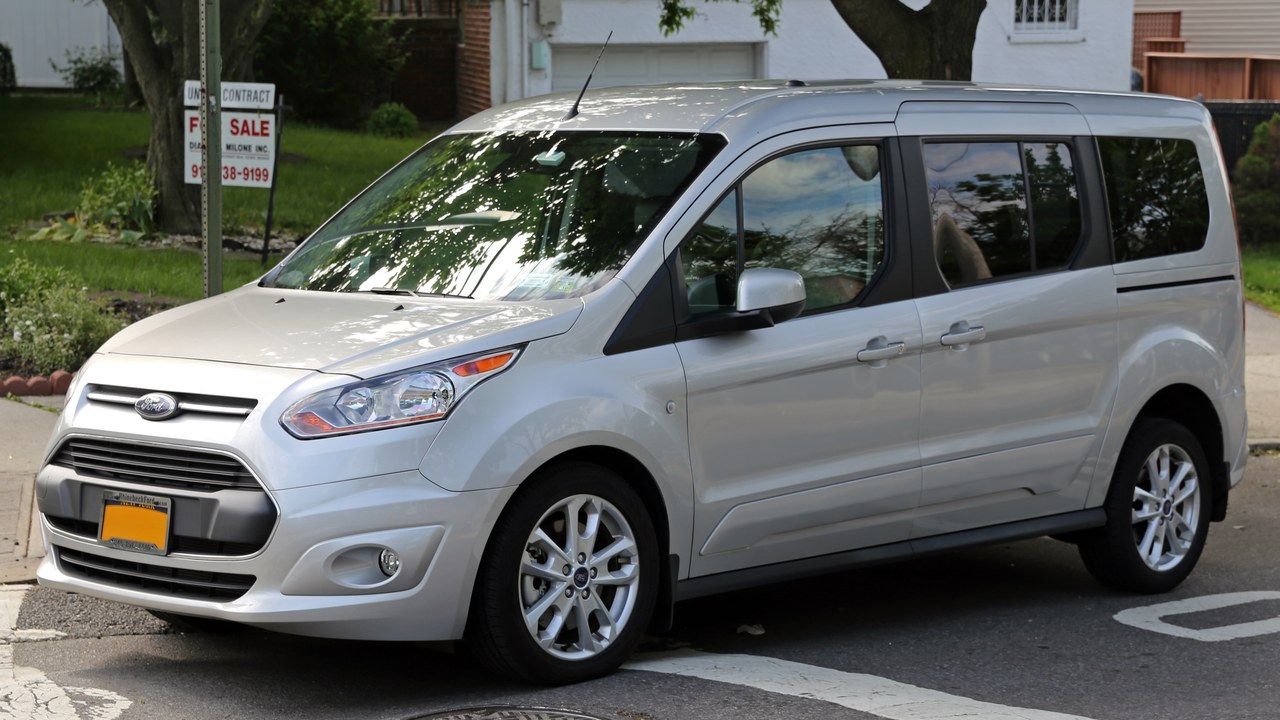
Ford ended its small Transit Connect van after 2023 with no overlapping product to replace it, KBB’s report on Ford said.
Small cargo vans suited tradespeople and delivery businesses who wanted a compact footprint. With no direct replacement, those buyers must step up to larger Transit models, which are bigger vehicles than many small operators were looking for. The retirement leaves a gap in the small commercial van category, one that other manufacturers have been quick to try to fill with their own models.
9. Ford GT: A Supercar’s Final Twenty
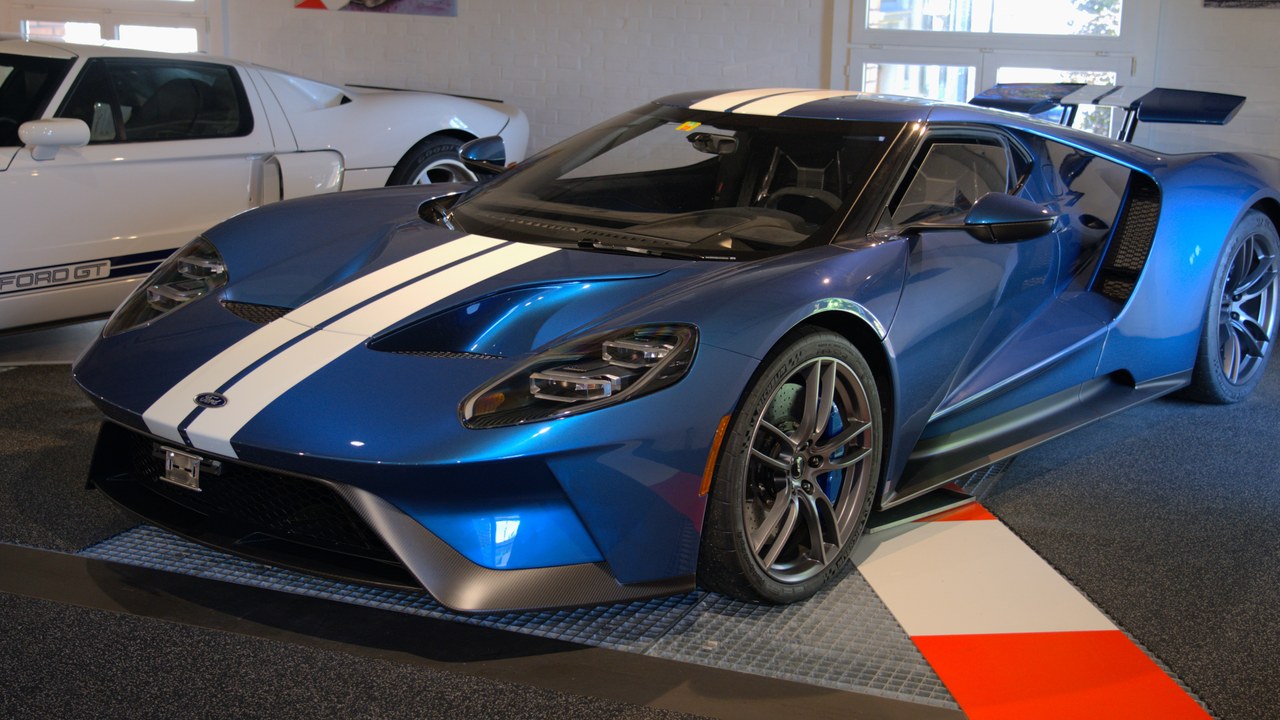
Ford’s twin-turbo, 660-horsepower supercar bowed out with 20 final LM Edition cars and production wrapping up in 2022, Ford’s media release said.
A halo car built in tiny numbers, the GT was never meant to be a volume model. Its goodbye with a special edition fit a limited-run philosophy, and it remains a symbol of what Ford could build when profit was not the only goal. Owners of the surviving cars tend to treat them as collector pieces, which has helped them keep their value long after the final unit left the factory.
10. Ford F-150 Lightning: Electric Pickup Pulled
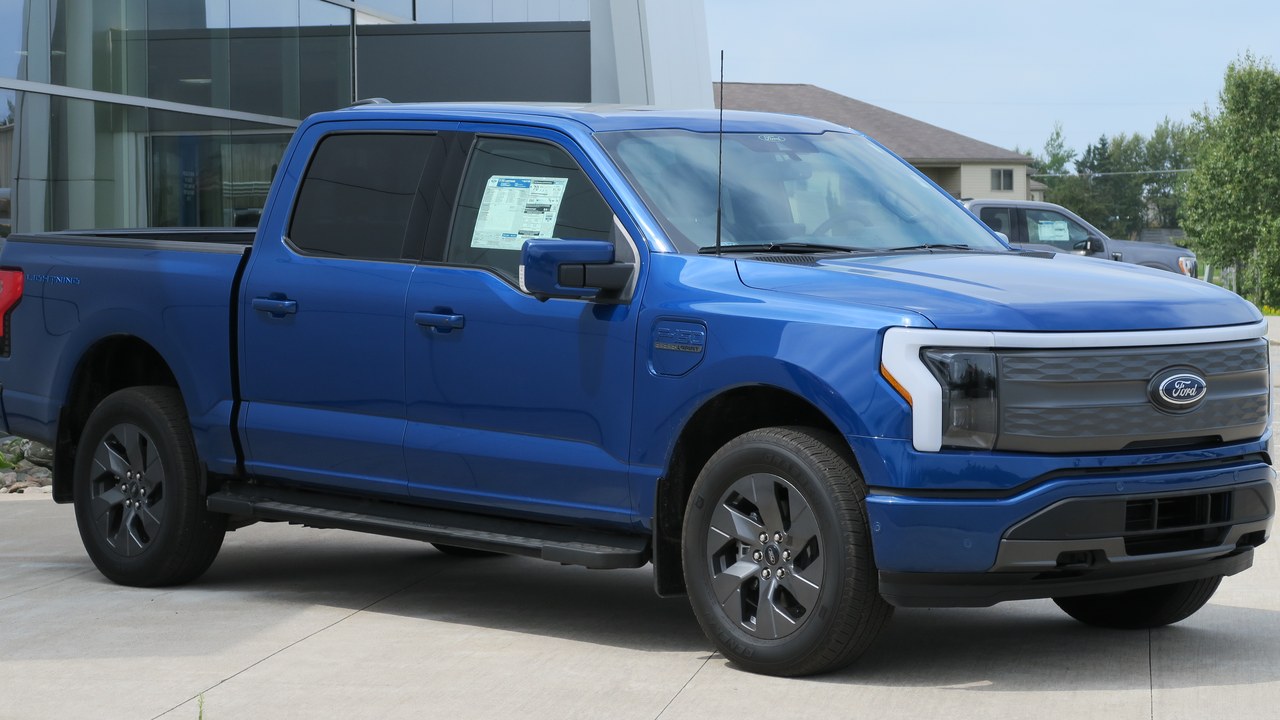
Ford announced in December 2025 it would stop building the electric F-150 Lightning, which sold 33,510 in America in 2024, Wikipedia’s Lightning article notes.
A truck with a full year of solid sales being shelved shows how difficult the economics of electric pickups remained. Strong demand alone did not settle the matter, since costs and profitability also shape decisions like this one for any automaker. Existing owners keep vehicles that still work, and the truck remains a visible reminder of how fast the electric market shifted after its launch.
11. Ford E-Series van: Millions of Workhorse Vans
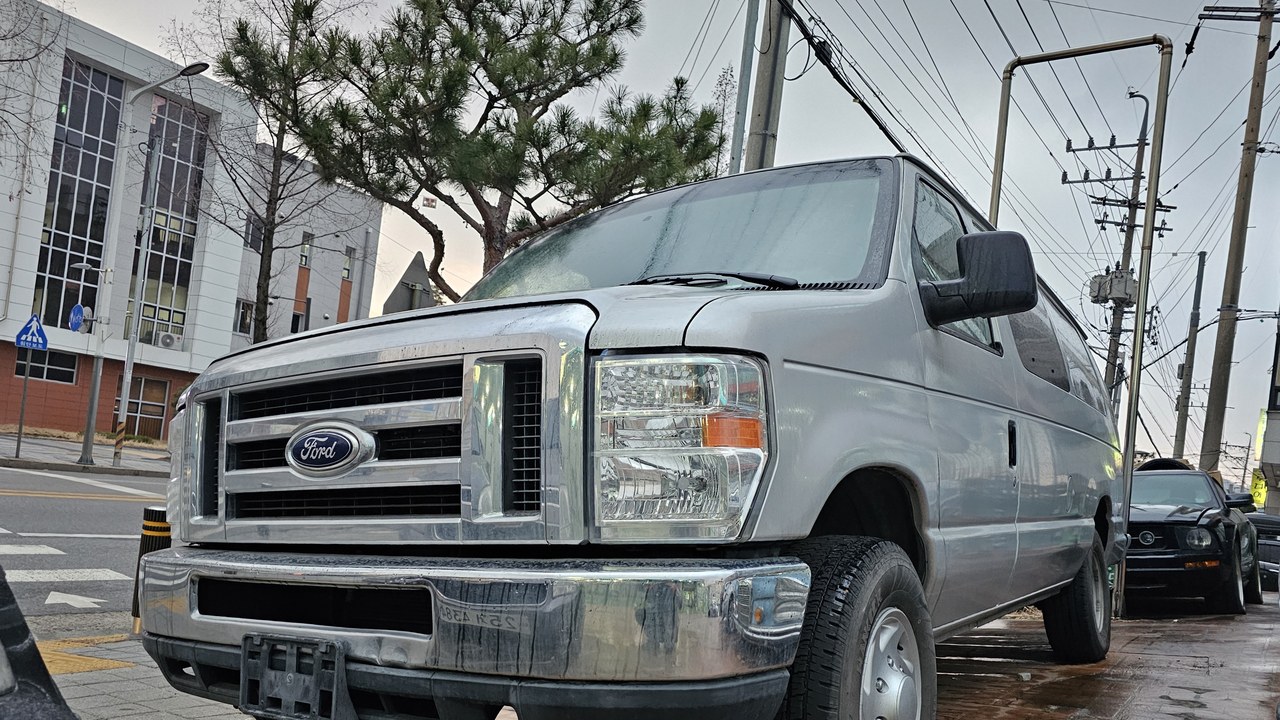
After more than 8.2 million sold since 1961, Ford retired the E-Series passenger and cargo vans after the 2014 model year, Wikipedia’s E-Series entry records.
The van served as a workhorse for contractors, churches and schools for generations. Its numbers show how a plain, durable product can quietly outsell flashier models, and its replacement by the Transit marked a shift toward more modern van designs. The E-Series name is still well known to anyone who rode a school bus or hired a plumber, which shows how deeply it was embedded in daily life.
12. Ford Explorer Sport Trac: SUV Meets Short Bed
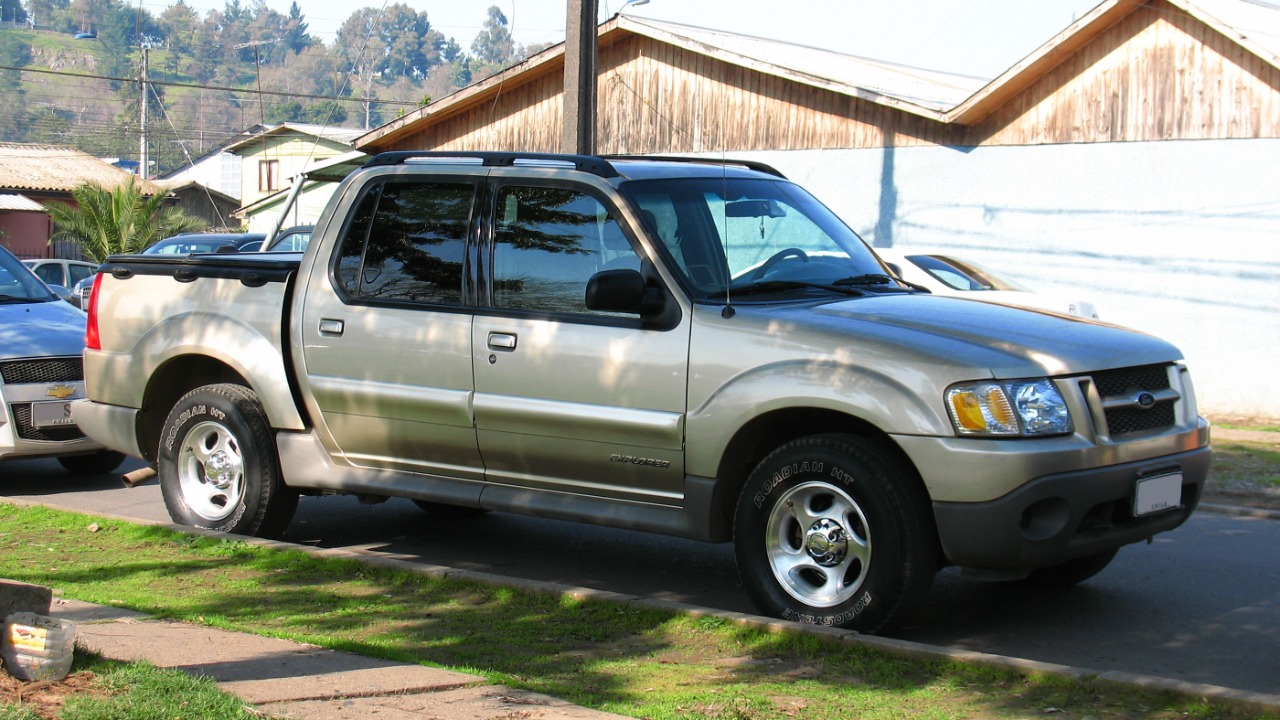
The Explorer Sport Trac pickup ran from 2001 to 2010, per Wikipedia’s Ford models page.
Built on the Explorer’s foundation, it blended SUV comfort with a short open bed. The crossover-pickup idea never took off for Ford, and trucks like the Ranger eventually covered buyers who wanted a smaller bed and a simpler layout. Fans of the odd and useful still hunt for clean examples today, and the Sport Trac is often cited as a forerunner of later mid-size truck designs.
Stay ahead on AI: Subscribe to The Deep View →
We may earn a commission if you sign up.
More from Morning Overview
- Long use of a common prostate pill is tied to a higher chance of glaucoma
- Ford is recalling 223,472 F-150 pickups because the fuel tank can leak or detach
- Hybrids have 15% fewer problems than gas cars, while EVs and plug-in hybrids have about 80% more, Consumer Reports finds
- Regulators cleared the first U.S. small modular reactor, 4 months early
