
Japanese brands built their American reputation on reliability and value, yet plenty of well-loved models still vanished from dealer lots. Some died of slow sales, some of changing tastes, and a few simply outlived the market that wanted them. Here are twelve Japanese cars that left America, from a beloved roadster to a quirky pickup.
Help yourself and the planet: The Cool Down makes it easy to help yourself while helping the planet, with smart, simple changes to save more and waste less in your everyday life.
We may earn a commission if you sign up.
1. Honda S2000: Roadster With a Cult Following

Honda made 2009 the final model year after selling more than 65,000 S2000 roadsters in America since 1999, as Honda’s own announcement stated.
A high-revving two-seater with a devoted following, the S2000 never became a volume seller, which is part of why it ended. Clean examples remain prized among enthusiasts, and its departure left a gap in Honda’s sporty lineup that fans still mention. Its manual-only gearbox and tight chassis became part of the legend, and used prices have reflected that affection for years since production ended.
2. Toyota Celica: Sporty Coupe Fades
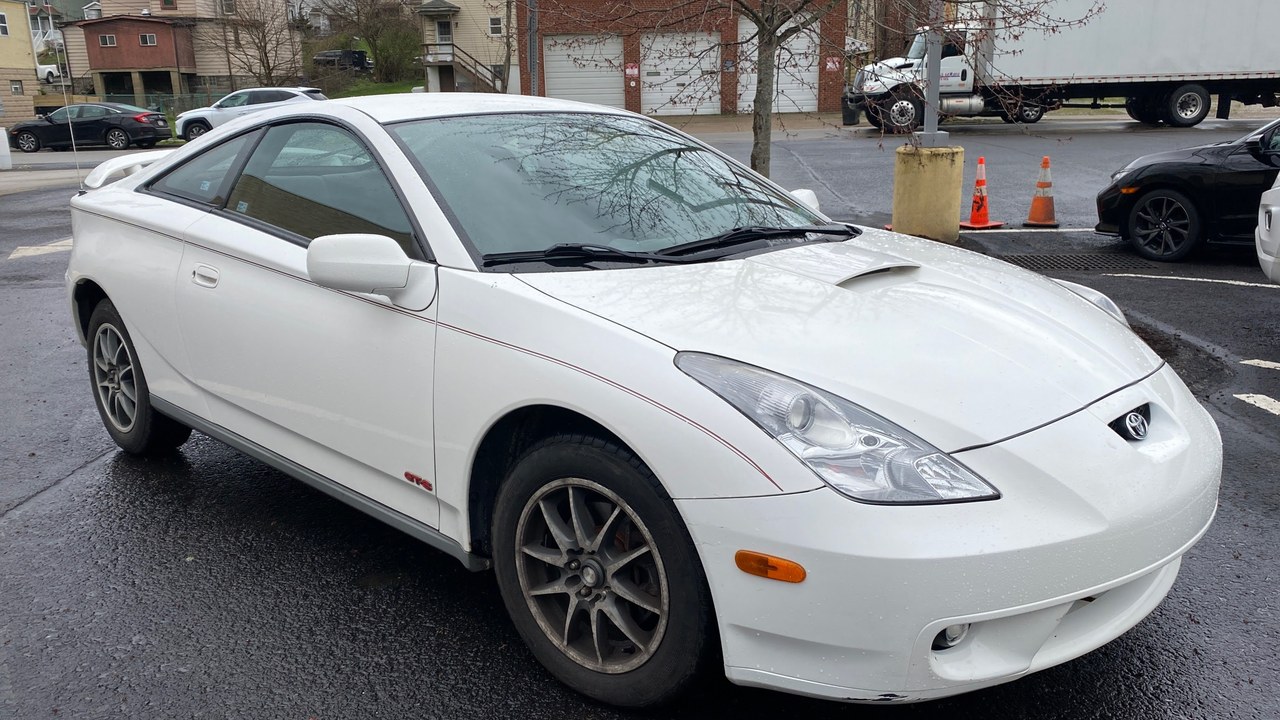
Marketed from 1971 until 2005, the Celica saw sales drop more than 30% by the early 2000s, according to HotCars’ discontinued Toyota list.
A sporty coupe that once defined affordable fun, it faded as tastes shifted away from small two-door cars. Its run of more than three decades is a reminder that even durable nameplates need steady demand to survive, and the Celica ran short. Collectors have started to pay more attention to the final generations, which suggests the car’s reputation has improved since the last one rolled out.
3. Toyota FJ Cruiser: Retro Truck, Bad Timing
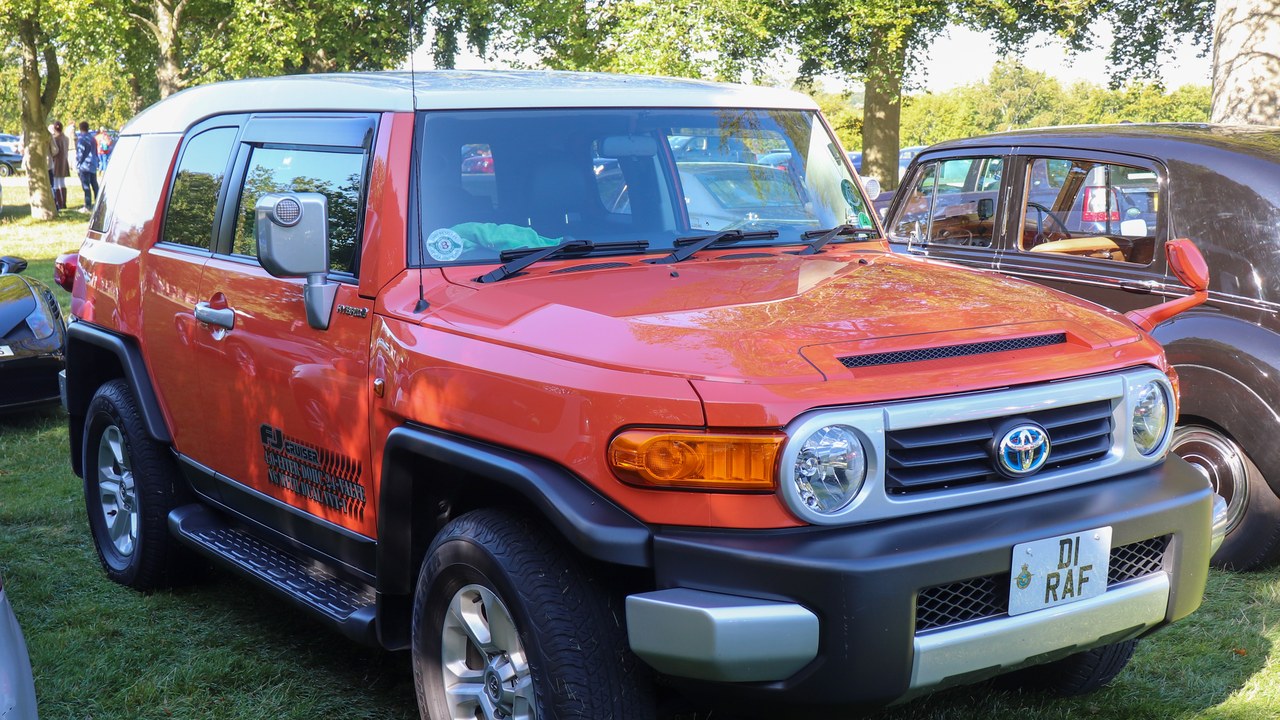
Arriving just before the late-2000s recession, the retro FJ Cruiser suffered poor sales in the crash and is no longer sold in America, HotCars’ model rundown notes.
Bad timing gets much of the blame, but a niche, nostalgia-driven design always faced a narrow audience. Used examples have since built a following among off-road fans, which suggests the idea was sound even if the launch window was not. Rugged styling, a lift in ground clearance and a loyal community keep the truck-like wagon on enthusiast wish lists, even though it is gone from showrooms.
4. Toyota Venza (first generation): The Crossover Ahead of Its Time
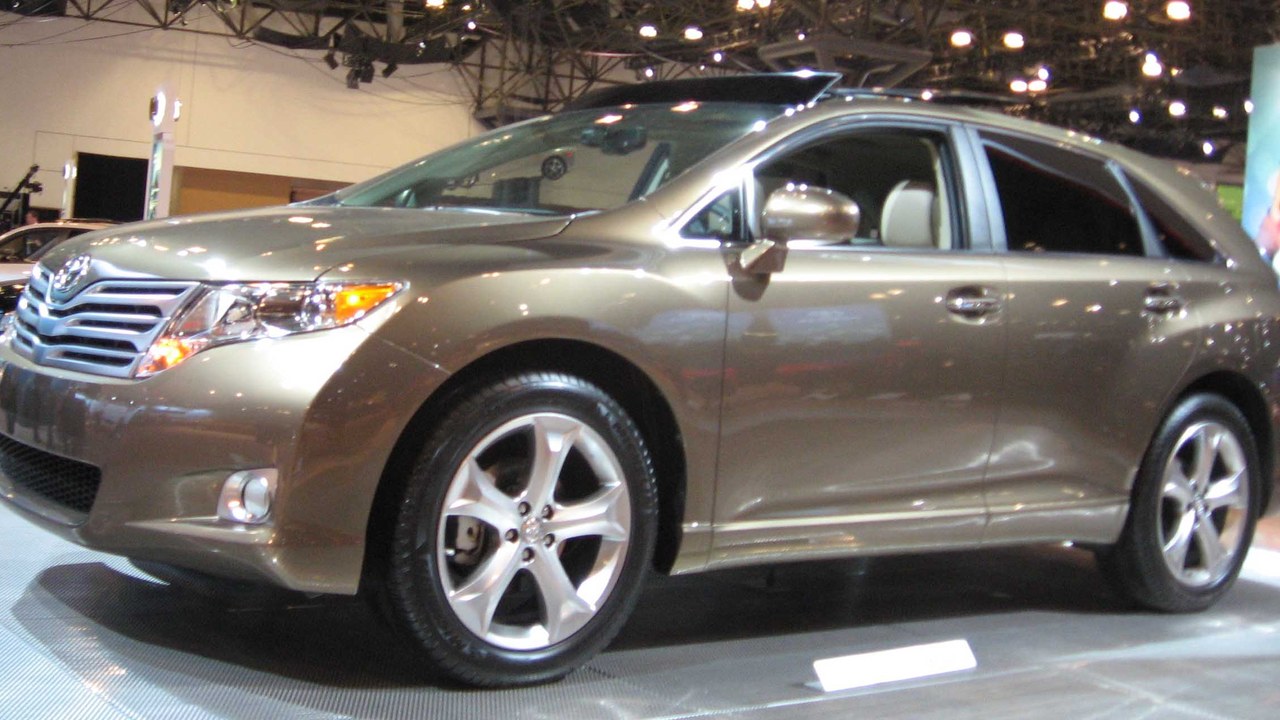
Toyota announced the end of the original Venza crossover in 2015 after poor sales, per HotCars’ Toyota list.
Sitting between sedans and larger crossovers, it struggled to explain itself to shoppers. The first generation stays a modest footnote in Toyota history, yet used examples are often seen as a comfortable, easygoing choice for drivers who want a quiet ride. It never quite reached the status of its sportier siblings, but it filled a useful role for families who wanted a lower, more car-like ride.
5. Toyota Camry Solara: Camry in Coupe Clothing
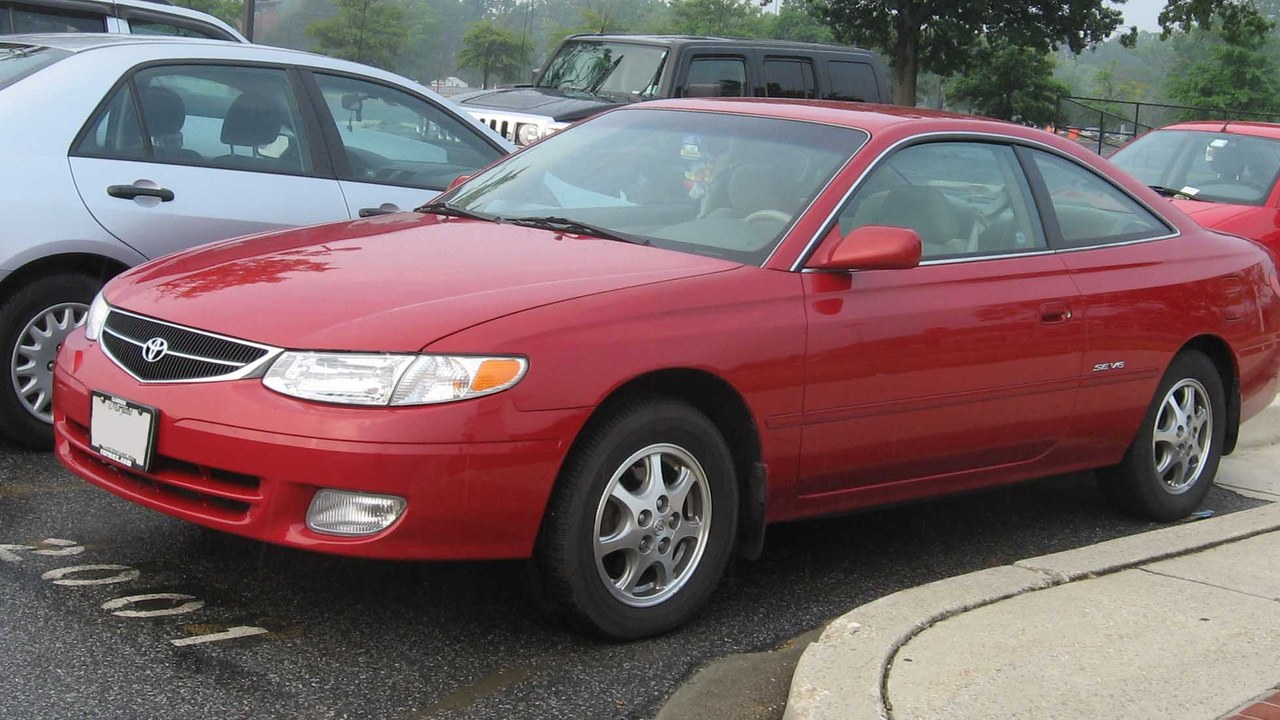
The Camry-based coupe and convertible lasted from the 1999 to 2008 model years as sales slid to just over 20,000, Wikipedia’s Solara entry reports.
Sharing its underpinnings with one of America’s best-known sedans gave the Solara a safe foundation, but it also made the car feel like an accessory to the Camry. As interest in two-door family cars faded, the niche was too small to sustain. The model is remembered mostly by owners who liked its smooth ride, quiet cabin and convertible option rather than any headline-grabbing performance figures.
6. Honda Element: Quirky Box Runs Out of Steam
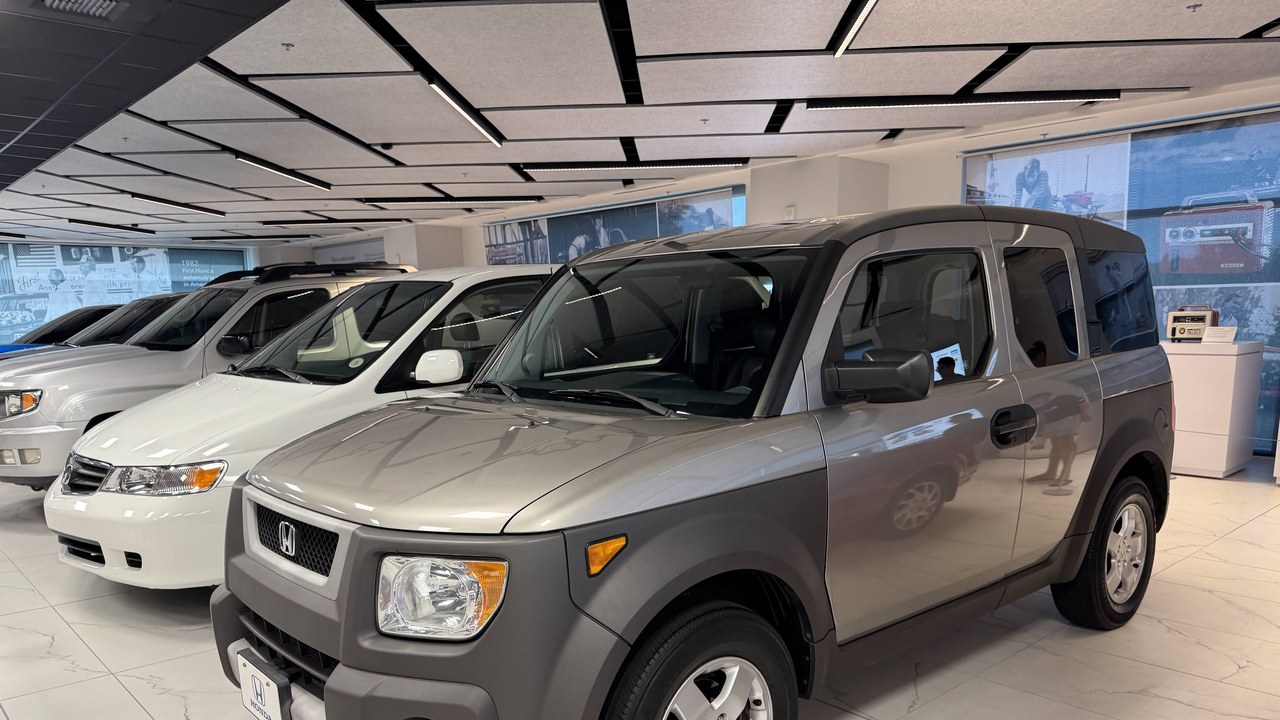
The boxy Element sold more than 67,000 in its first year but fell below 15,000 by 2009 and was dropped in 2010, according to SlashGear’s Honda retrospective.
Few cars started so strong and faded so quickly. Its quirky shape and youthful pitch drew early buyers, yet the novelty wore off, and the Element now enjoys cult status among used shoppers who remember how practical it was. Owners remain unusually devoted, and the car turns up regularly at meets, where its practicality and offbeat looks keep conversations going.
7. Honda Fit: Small Car, Big Run
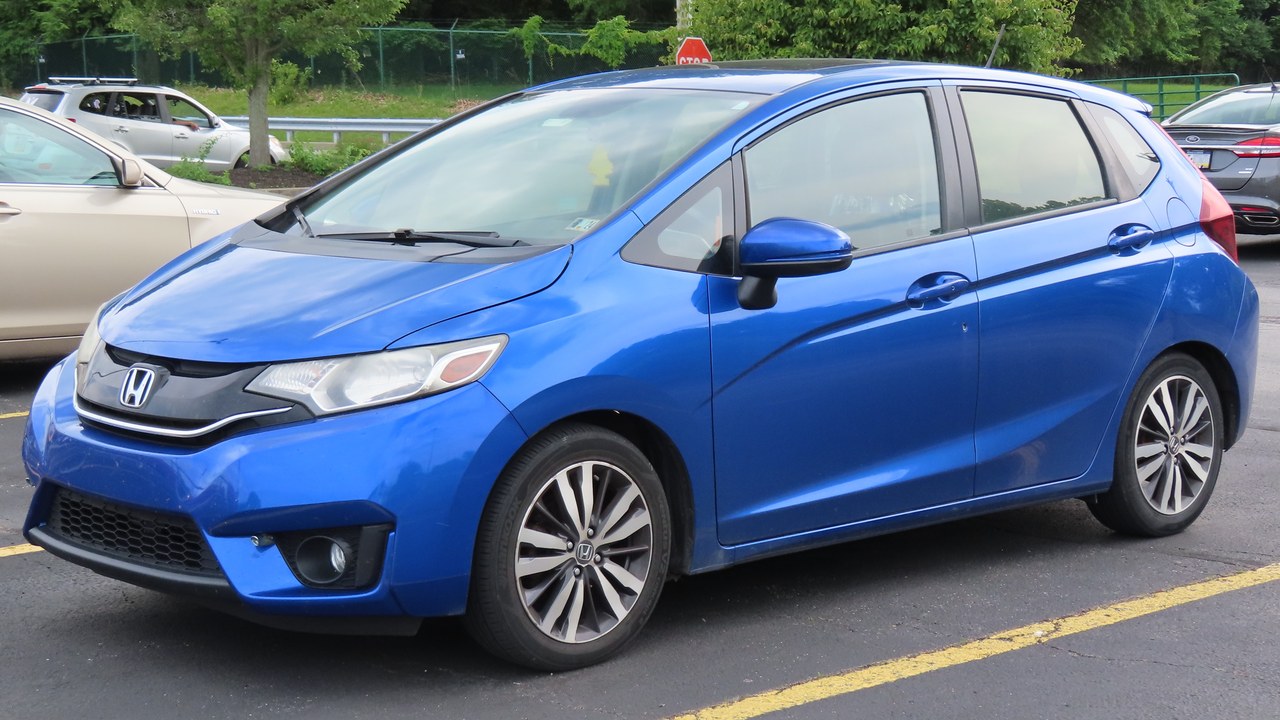
Sold from 2007 through the 2020 model year, the Fit peaked near 80,000 sales in 2008, SlashGear’s list of Honda exits says.
A subcompact with unusually flexible cargo space, it was an early favorite of budget-minded drivers. As small cars lost ground to larger vehicles, the market that once welcomed it shrank, and a long run came to a quiet end. Its Magic Seat layout and thrifty running costs made it a smart city runabout, which is why many owners were sorry to see it go.
8. Honda Prelude: A Coupe in Free Fall
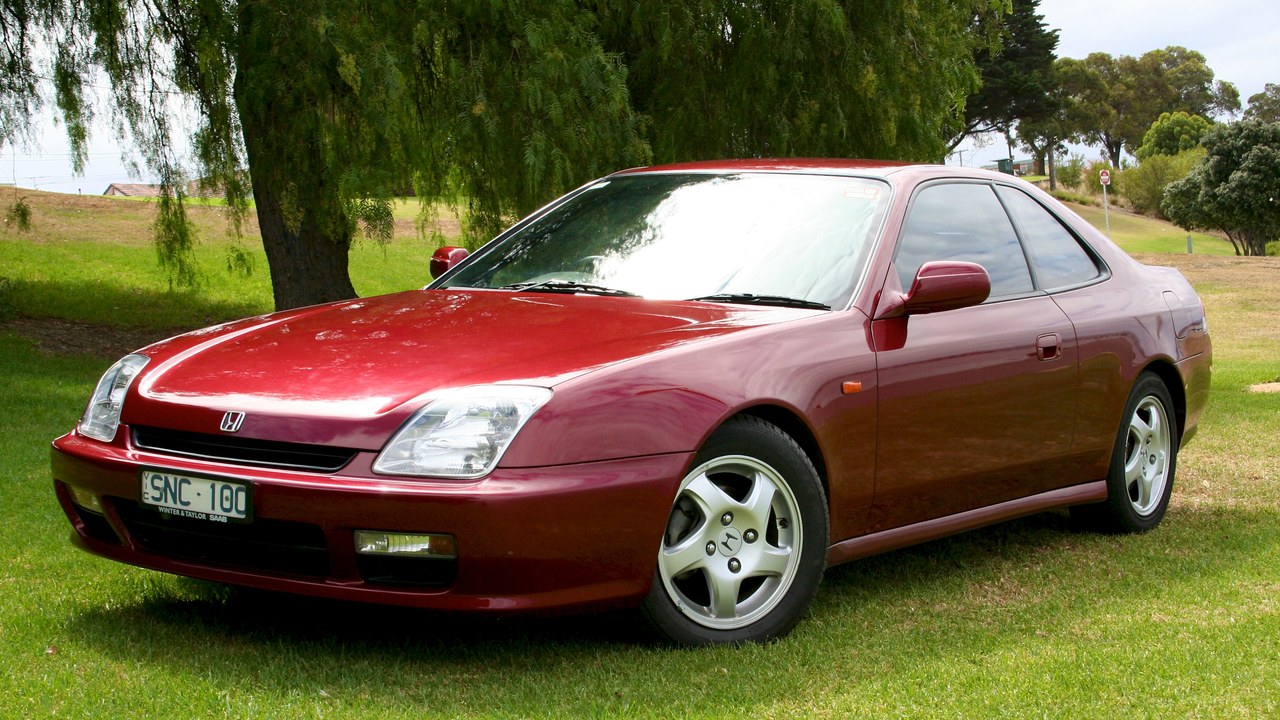
Prelude sales fell from 36,000 in 1992 to barely 12,000 in 1996, and Honda dropped the coupe in 2001, as SlashGear’s Honda analysis recounts.
A drop of about two-thirds in four years shows how quickly a sporty coupe could lose its audience. The Prelude is often seen as a technology showcase for Honda, which makes its fade a good example of how shifting taste can undercut engineering. Honda later returned to the idea of a sporty coupe in other forms, but the Prelude name itself has not been a showroom fixture for years.
9. Acura NSX: Supercar That Sold Under a Thousand
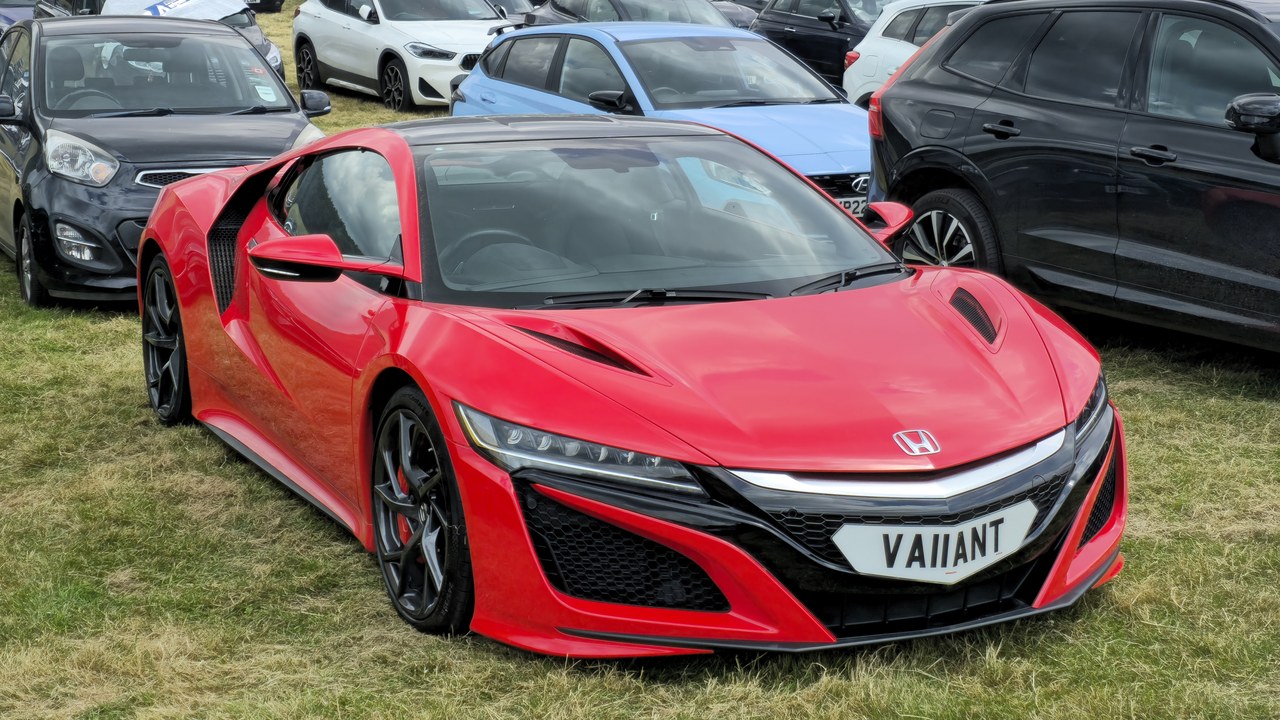
The last 573-horsepower NSX cost nearly $170,000 and sold fewer than 1,000 copies before ending in 2022, SlashGear’s Acura piece notes.
A supercar from a mainstream brand was always a hard sell at that price. Exotic buyers tended to choose established names, so the NSX ended as a prestige project more than a profit center, though collectors may remember it fondly. Even with low sales, the car earned respect for engineering and driving feel, and it stands as a notable chapter in Japanese performance history.
10. Honda Insight (first generation): Mileage Record That Lasted
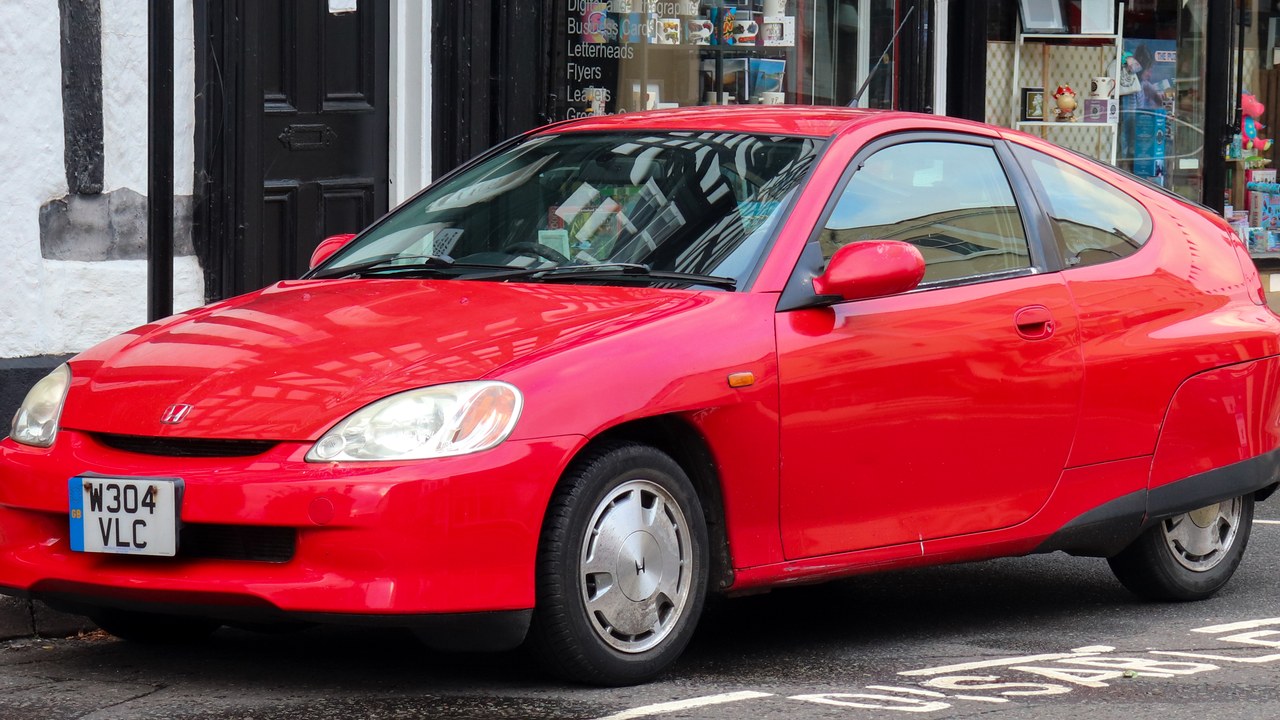
The 1999 Insight’s 53-mpg combined EPA rating still topped the agency’s all-time list in 2010, AutoGuide reported.
Efficiency that good was remarkable for its era, and the two-seat hatchback was among the first hybrids sold in America. Mass-market hybrids later made its approach familiar, but its record remained a point of pride for fuel-economy fans. Few later models have matched the Insight on pure efficiency, which gives the little hatchback a lasting place in discussions about fuel economy.
11. Mazda RX-8: Rotary Swan Song
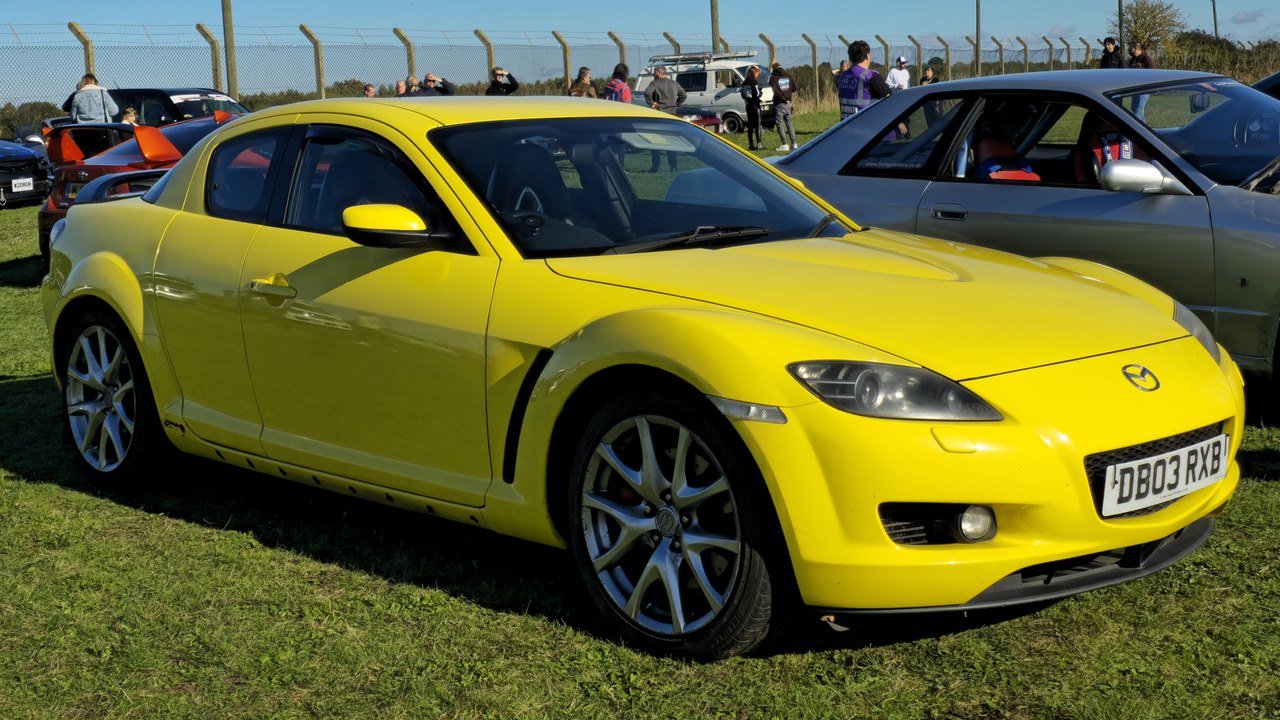
Mazda built 192,094 rotary-engined RX-8s before assembly ended June 22, 2012, in Hiroshima, Wikipedia’s RX-8 article records.
The rotary engine gave the car a distinctive character and a loyal fan base, but it also carried a reputation for thirst and upkeep that limited broader appeal. Rotary fans still look back on it fondly, and clean examples draw attention at enthusiast gatherings. The final production number gives the car a clear place in history, and it leaves Mazda enthusiasts debating what a future rotary sports car might look like.
12. Subaru Baja: The Pickup From a Wagon
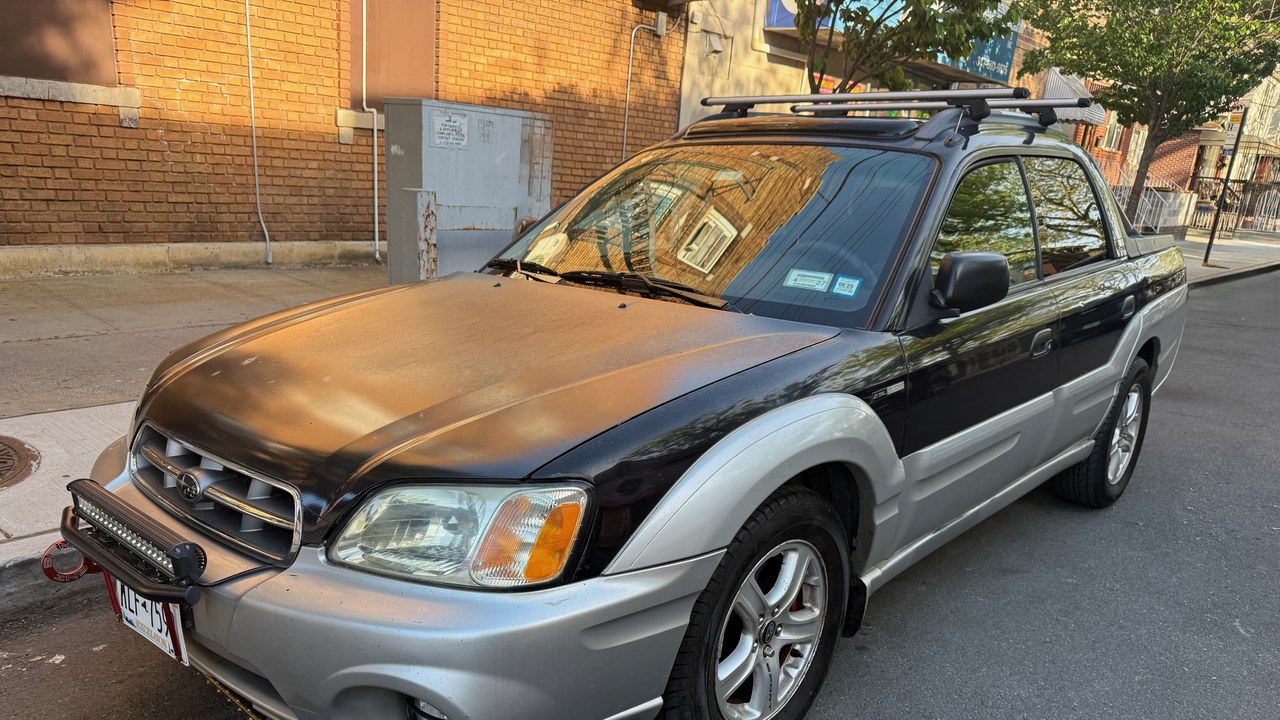
Subaru’s car-based pickup ran from July 2002 to April 2006, and its plant was repurposed in 2007 to build the Toyota Camry, Wikipedia’s Baja entry states.
The Baja blended wagon comfort with a small bed, a mix that never found enough buyers. Its short run makes it one of the more unusual casualties on this list, and the plant’s later Camry duty shows how quickly a factory can pivot. Fans of offbeat vehicles still seek out clean examples, since the combination of all-wheel drive and a small bed remains rare among American-market vehicles.
Help yourself and the planet: Get The Cool Down →
We may earn a commission if you sign up.
More from Morning Overview
- Two passengers died at an Ohio toll plaza, and the NTSB now wants the cash lanes shut
- Long use of a common prostate pill is tied to a higher chance of glaucoma
- Ford is recalling 223,472 F-150 pickups because the fuel tank can leak or detach
- Hybrids have 15% fewer problems than gas cars, while EVs and plug-in hybrids have about 80% more, Consumer Reports finds
