
Battery warranties vary far more than the badges on the hood suggest, from eight years at the baseline to ten years or well over 100,000 miles at the top. Each term below pairs a time limit with a mileage cap and a minimum capacity trigger. Here are thirteen electric models, sorted by how much battery coverage each one carries.
1. Rivian R1T: Mileage Leader
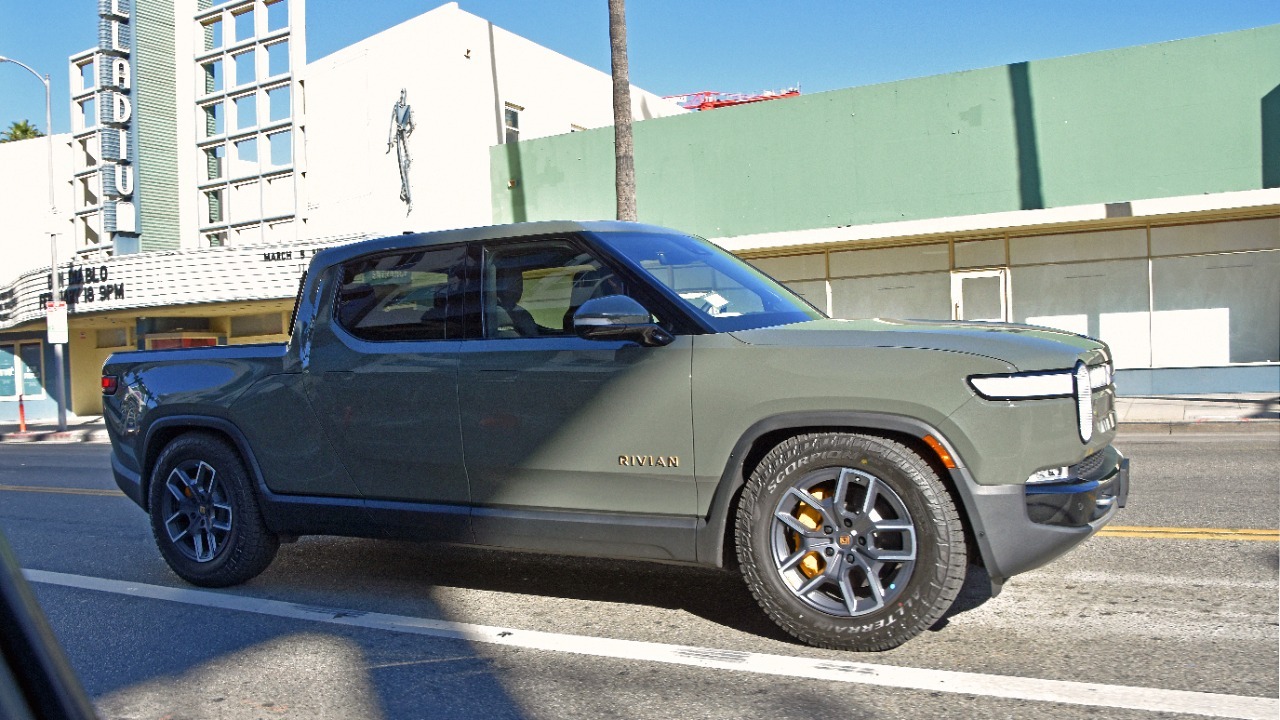
Rivian puts its R1T battery under an 8-year, 175,000-mile warranty, with coverage tied to at least 70 percent of capacity remaining. That is the longest mileage on CarEdge’s battery warranty list. Recurrent’s separate roundup describes the R1S range reaching the same 175,000 at the top.
Buyers weighing long-term ownership can read the 175,000-mile ceiling as the strongest battery guarantee in this group. The 70 percent floor still defines what counts as a covered failure.
2. Rivian R1S: Pack-Dependent Coverage
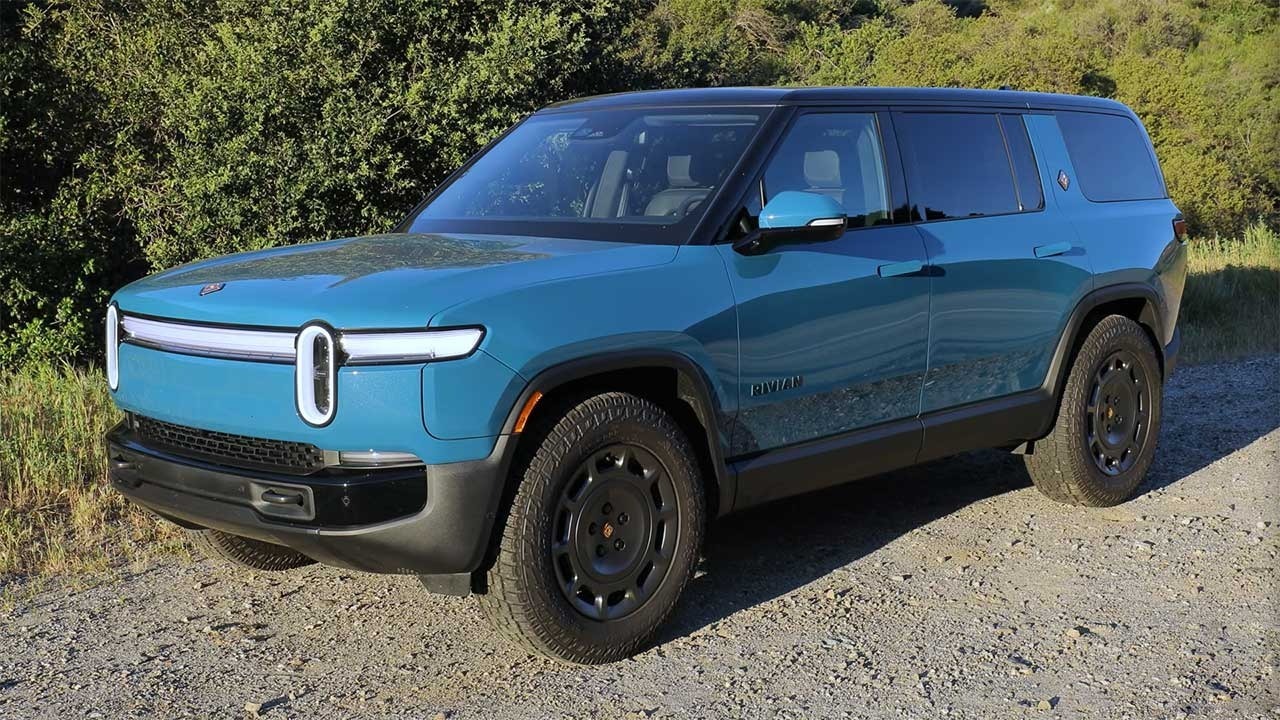
Rivian’s SUV carries the same eight-year term as the truck, but Recurrent’s warranty roundup lists mileage anywhere from 120,000 to 175,000 depending on which pack is fitted. Payment is triggered when capacity loss exceeds 30 percent.
Shoppers therefore need to confirm the pack in a specific R1S before assuming the top figure applies. The low end of that range is still comfortably above the 100,000-mile minimum, and the top end matches the R1T.
3. Mercedes-Benz EQS: Ten Years, 155,000 Miles
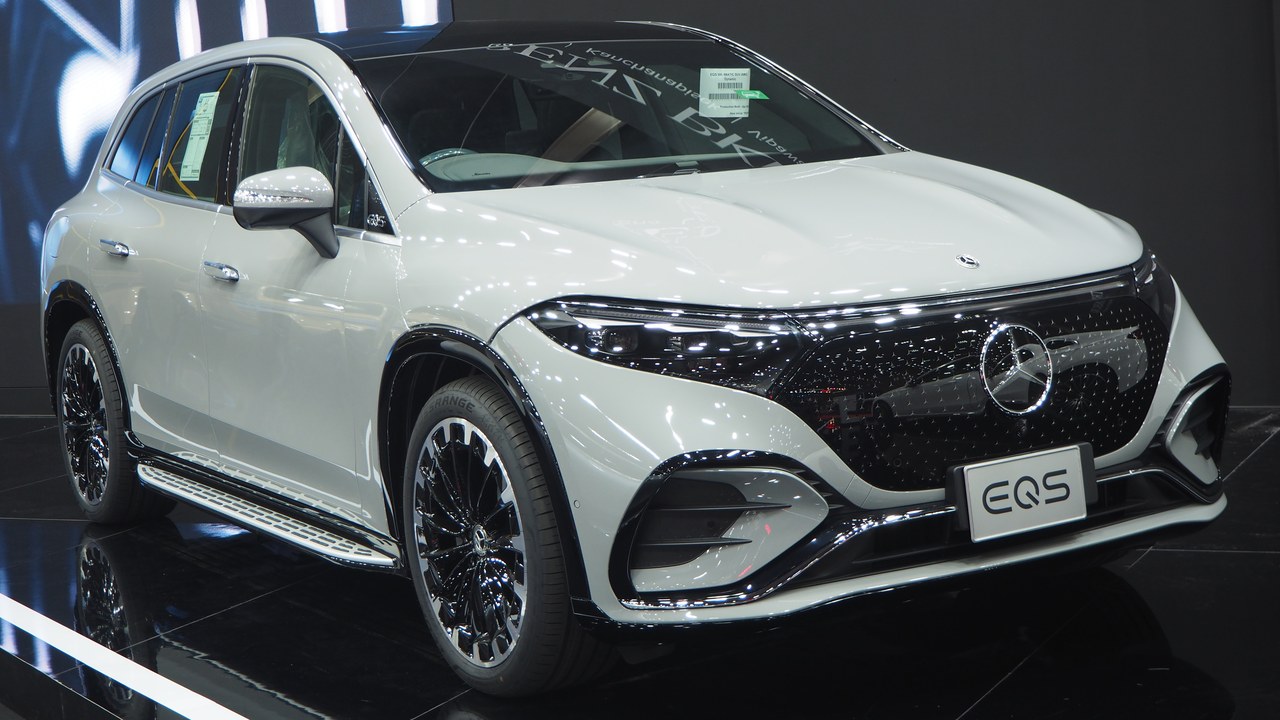
Mercedes-Benz backs the EQS battery for ten years or 155,000 miles, according to Recurrent’s comparison table. A claim becomes payable once the pack loses more than 30 percent of its capacity.
The ten-year length ties for the longest time span in this group, paired with a mileage allowance just above Tesla’s 150,000. An owner who drives modestly could keep that protection for a full decade. Recurrent also lists the same ten-year, 155,000-mile term for the EQE, so the two Mercedes models move together.
4. Mercedes-Benz EQE: Same Term As Its Big Sibling
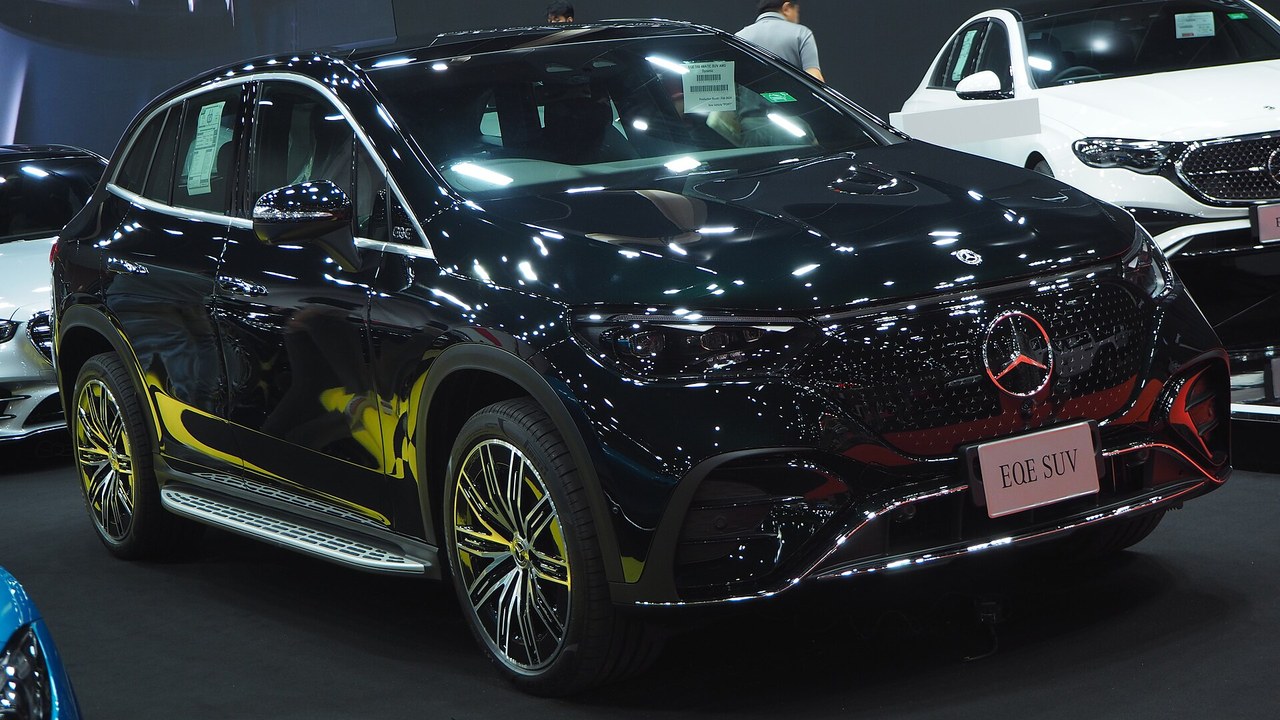
The EQE inherits the EQS battery term of ten years and 155,000 miles in Recurrent’s published table. The smaller Mercedes EQB does not share it and gets only eight years or 100,000 miles.
Within the brand, then, the warranty follows the model rather than the badge, and the EQE sits on the generous end. Shoppers cross-shopping the lineup should compare each Mercedes EV on its own line. The gap between 155,000 and 100,000 miles is 55,000 miles of extra protection.
5. Tesla Model S: Tesla’s Flagship Terms
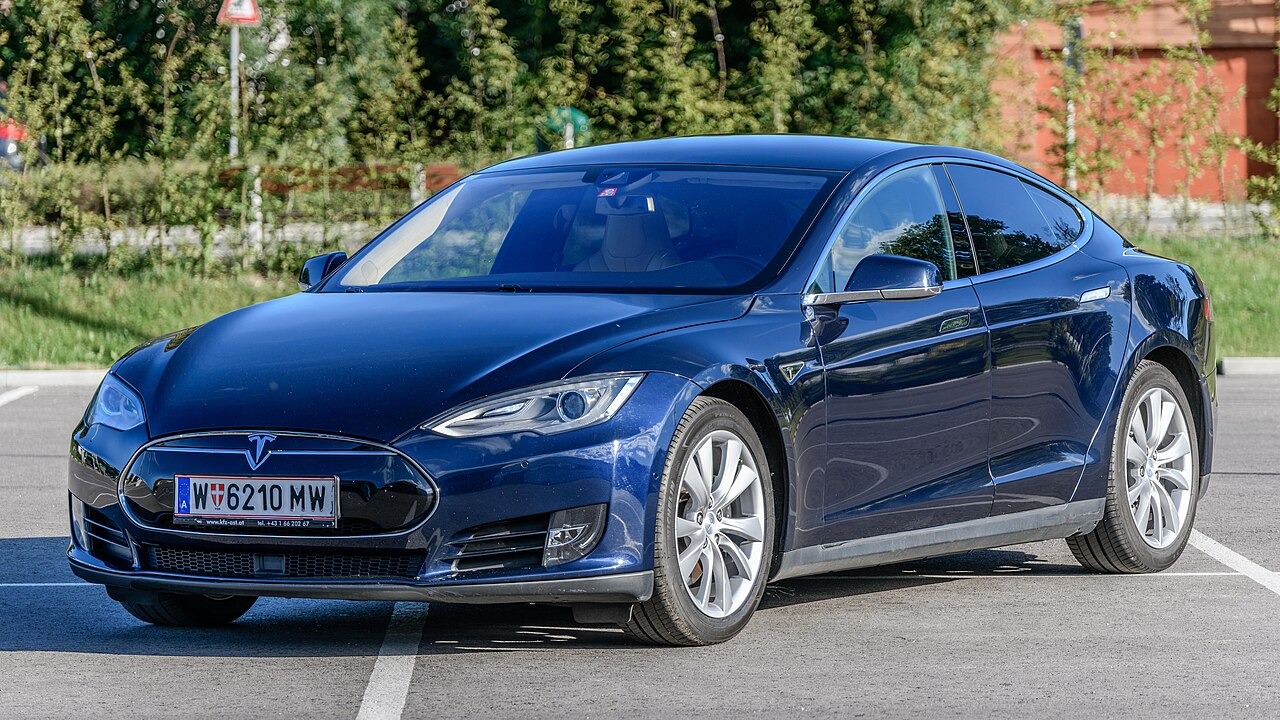
Tesla’s own terms give the Model S battery eight years or 150,000 miles, whichever arrives first, with a minimum of 70 percent capacity retention. Those conditions appear on Tesla’s vehicle warranty page.
The mileage is 25,000 short of Rivian’s best, yet it tops every Hyundai, Kia, Genesis, Ford and Chevrolet entry in this group. Owners should note the clause: coverage ends at whichever limit is reached earlier. Rivian’s 175,000 and Mercedes’ 155,000 both beat this number, which leaves the Model S in the upper tier rather than at the top.
6. Tesla Model X: Gullwing Doors, Same Battery Terms
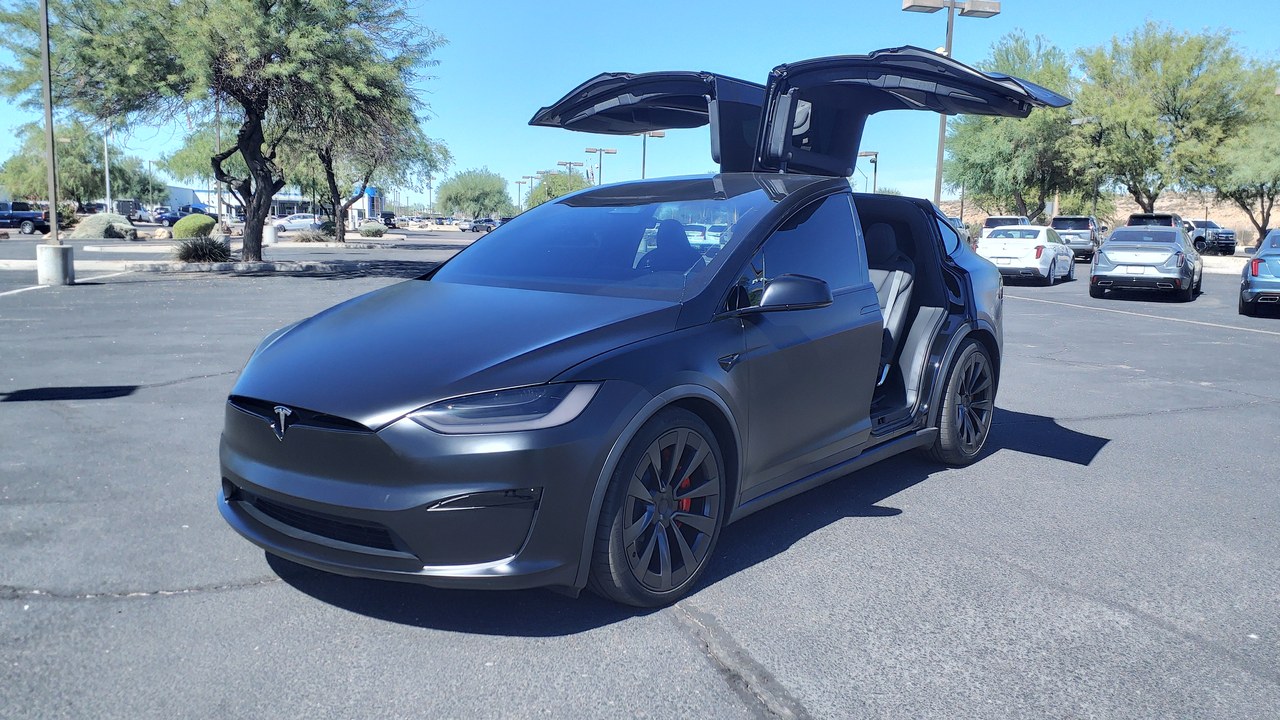
The Model X matches the Model S point for point on Tesla’s warranty terms: eight years or 150,000 miles with a minimum of 70 percent battery capacity retention.
That makes the SUV’s coverage identical to its sedan sibling, so the choice between them does not change battery protection. As with the Model S, the earlier of the two limits ends the warranty, which matters for high-mileage drivers. The 70 percent retention minimum applies equally to both vehicles.
7. Tesla Cybertruck: Truck Gets The Model S/X Term
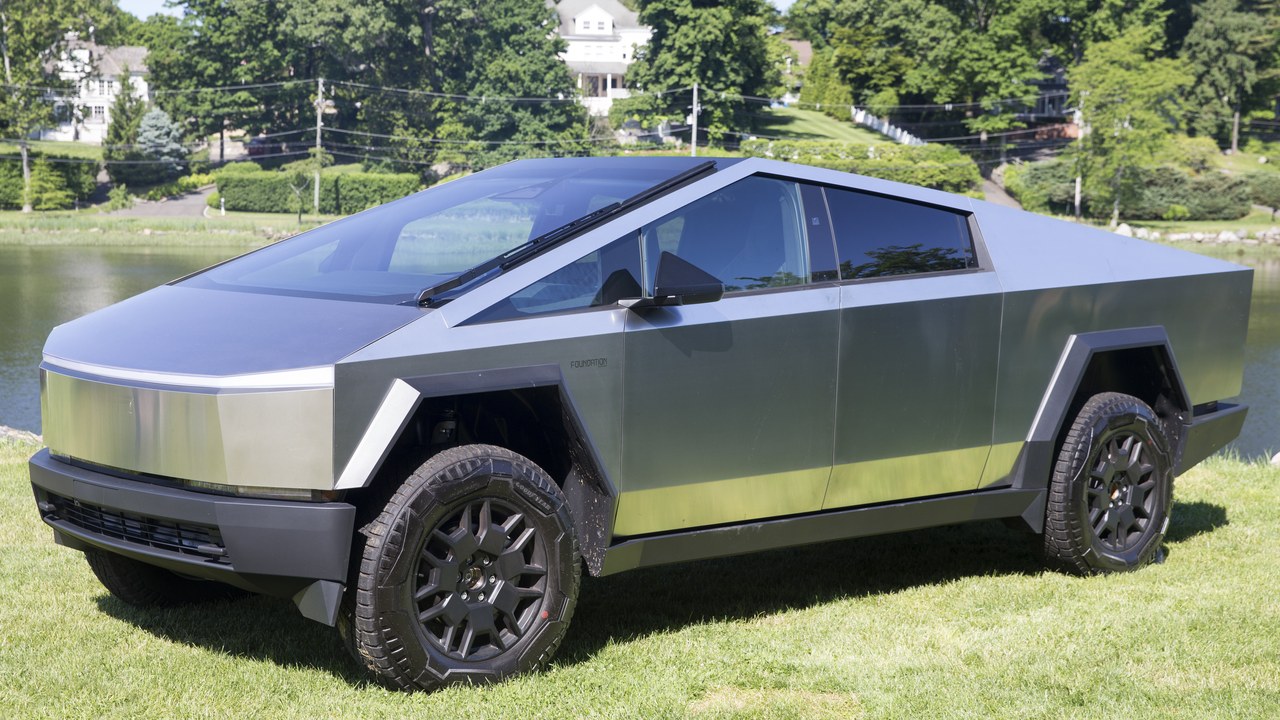
Tesla extends the Model S and X battery term to the Cybertruck: eight years or 150,000 miles, backed by a 70 percent capacity floor. The company sets that out on its warranty support page.
A pickup buyer gets the same protection as a flagship sedan owner, which puts the Cybertruck ahead of the Ford F-150 Lightning on mileage by 50,000. Eight years remains the time limit, shorter than the ten years from Mercedes, Hyundai or Kia.
8. Tesla Model 3: Trim Decides The Mileage
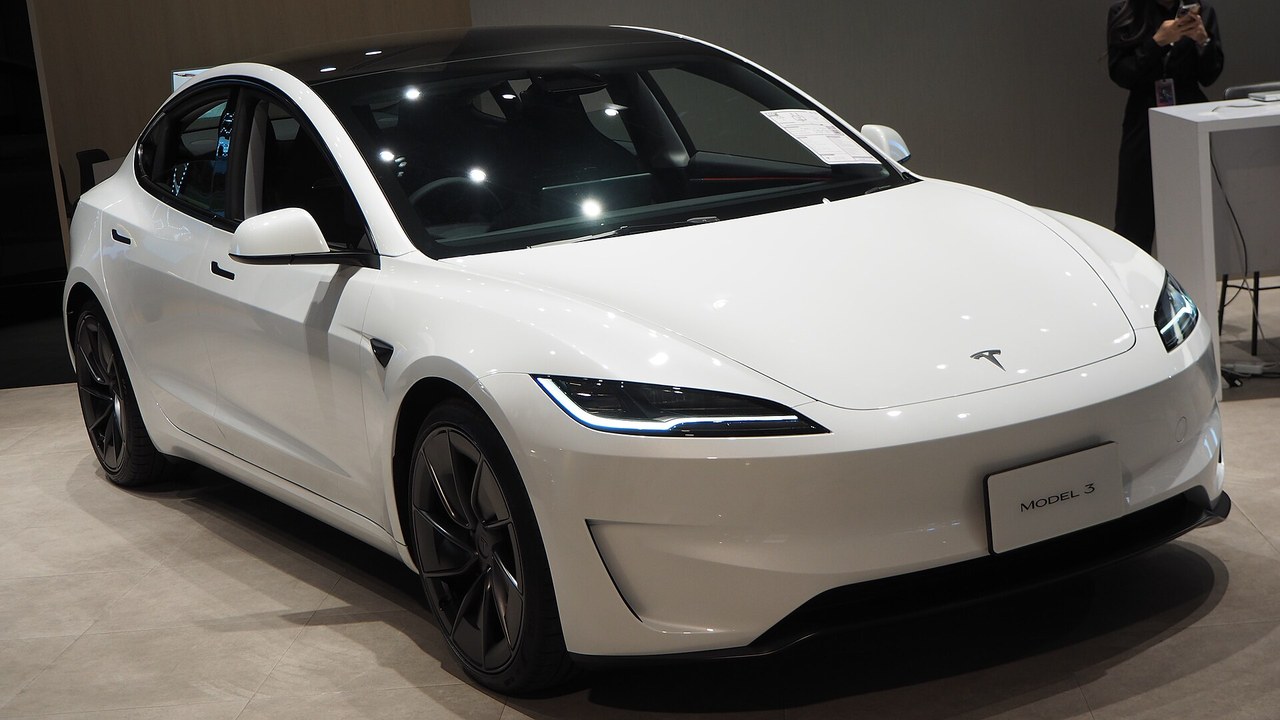
Coverage on the Model 3 splits by version, according to Tesla’s warranty details. The rear-wheel-drive car gets eight years or 100,000 miles, while the Premium and Performance versions get eight years or 120,000 miles. All three carry a 70 percent capacity minimum.
Buyers choosing the base trim therefore land at the 100,000-mile floor, whereas a step up buys 20,000 extra miles. The Model 3 is the only Tesla in this group whose mileage varies by trim.
9. Genesis GV60: Hyundai Group Coverage
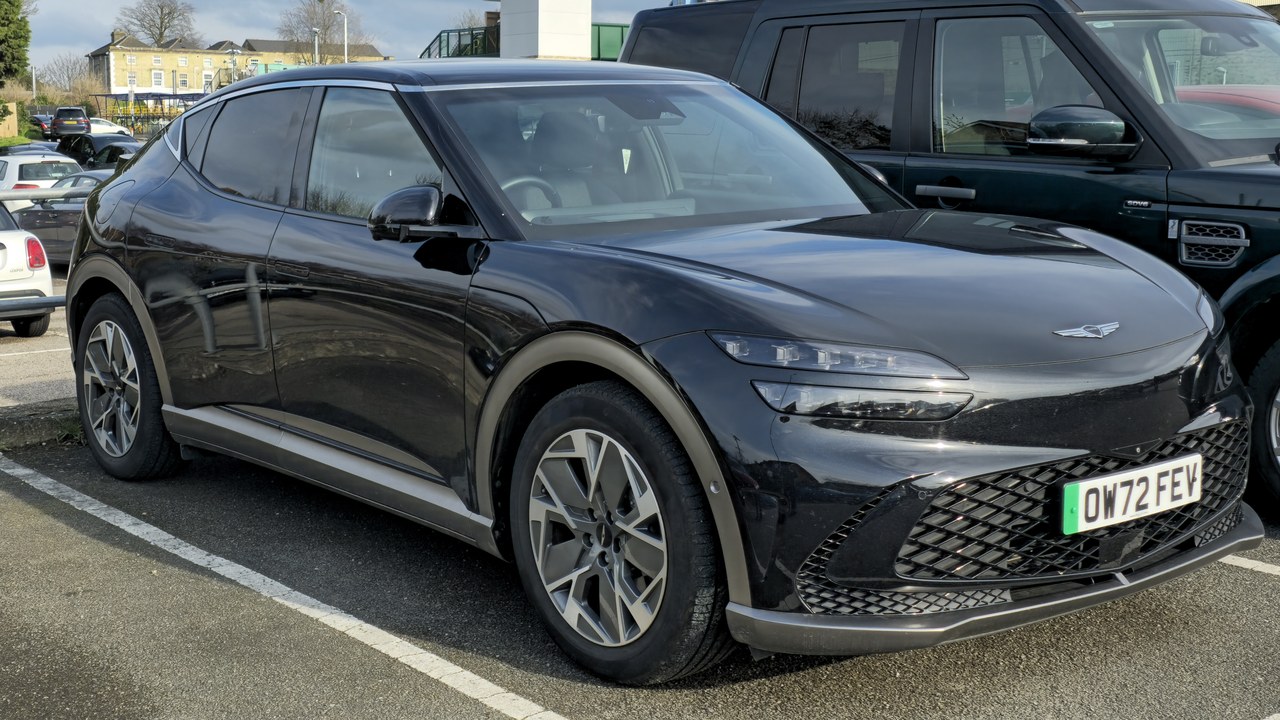
Genesis shares a battery warranty with its Hyundai and Kia relatives: ten years or 100,000 miles, with a claim paid for losses greater than 30 percent. Recurrent’s research piece groups the three brands together on that term.
The GV60 owner gets a decade of coverage, though the mileage cap sits at the lowest rung of this list. Drivers who log high annual mileage may reach the limit well before the ten years run out.
10. Hyundai Ioniq 6: Ten Years For Every Hyundai
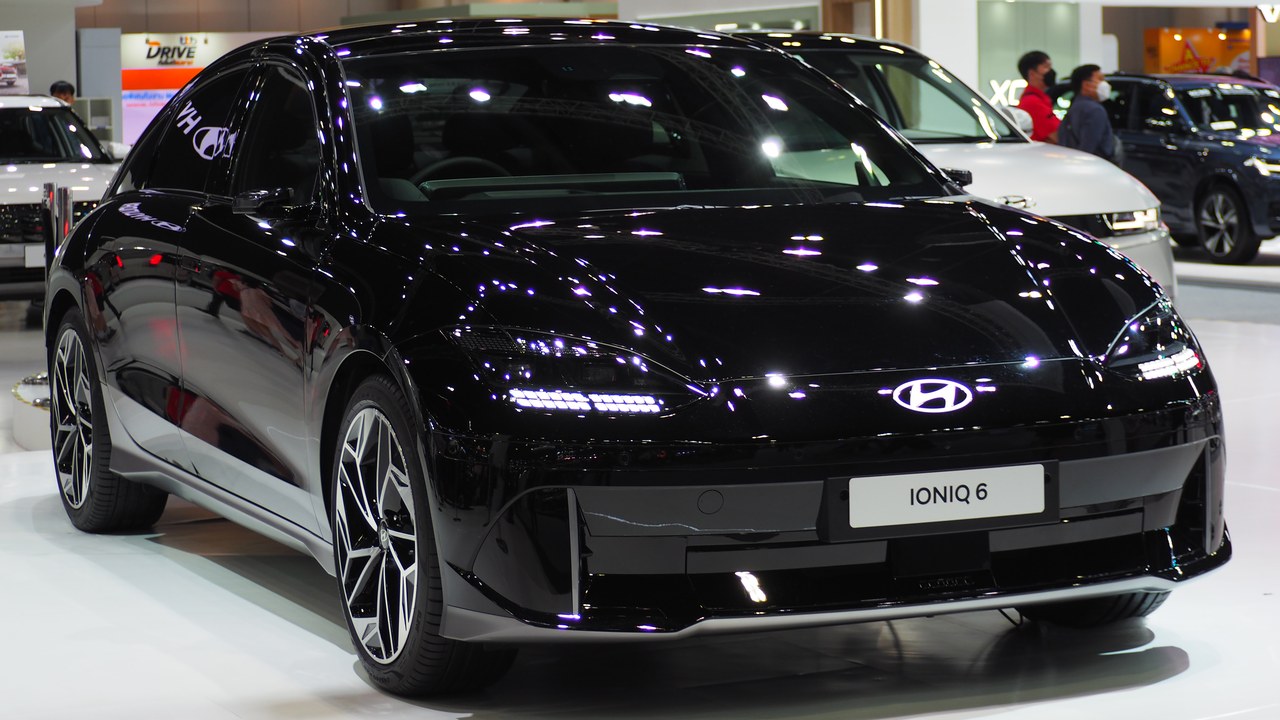
Hyundai covers its EV batteries for ten years or 100,000 miles, with a 70 percent minimum capacity, and CarEdge’s tracker applies that term to every Hyundai electric model, the Ioniq 6 included.
The length is among the longest here, matching Kia and Mercedes in years while trailing Mercedes by 55,000 miles. Mileage, not the calendar, is where the Hyundai term is tightest. The 70 percent capacity minimum is the benchmark that decides whether a claim qualifies, and CarEdge applies it across the brand’s whole lineup.
11. Kia EV9: Kia’s Decade Of Cover
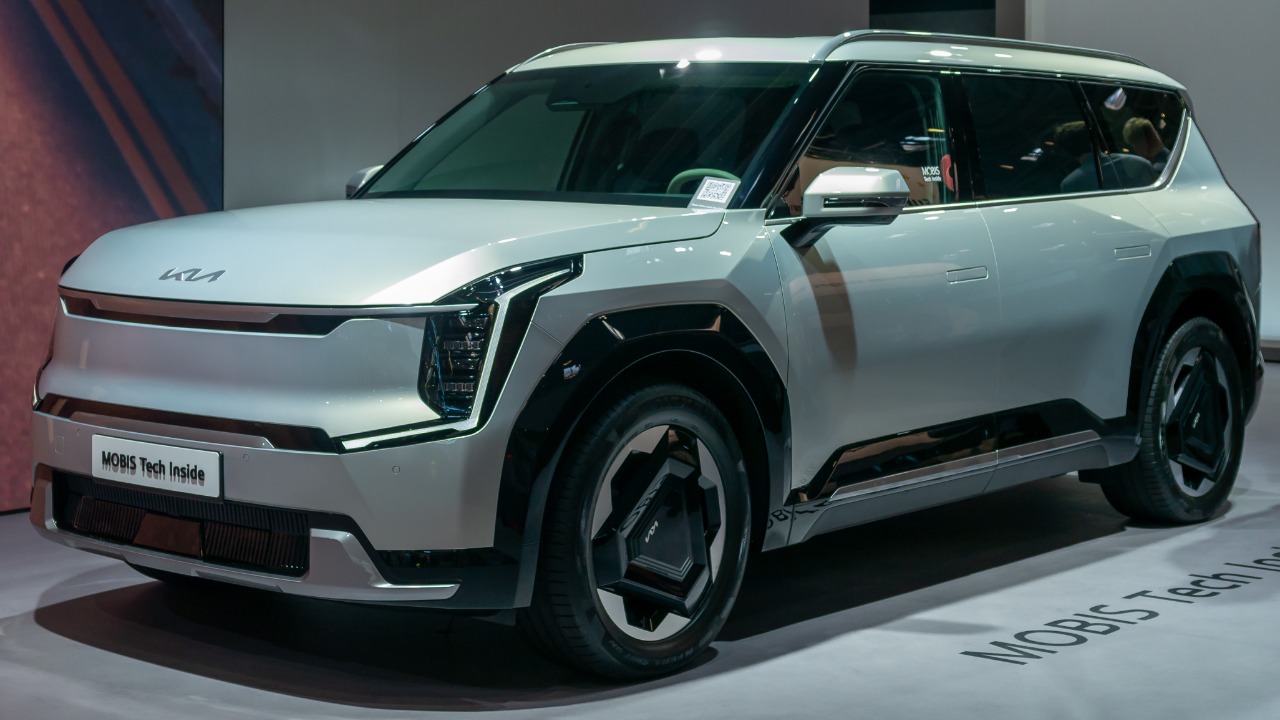
Kia’s electric lineup, EV9 included, is listed at ten years and 100,000 miles of battery coverage on CarEdge’s warranty guide. The term mirrors Hyundai’s.
Large-SUV shoppers should read it as long on time and ordinary on distance. Families that rack up miles quickly may find the 100,000 limit arrives sooner than the ten-year mark, ending protection years early. Kia’s mileage figure also sits well below the 150,000 that Tesla offers on its largest models.
12. Ford F-150 Lightning: Matching The Mach-E
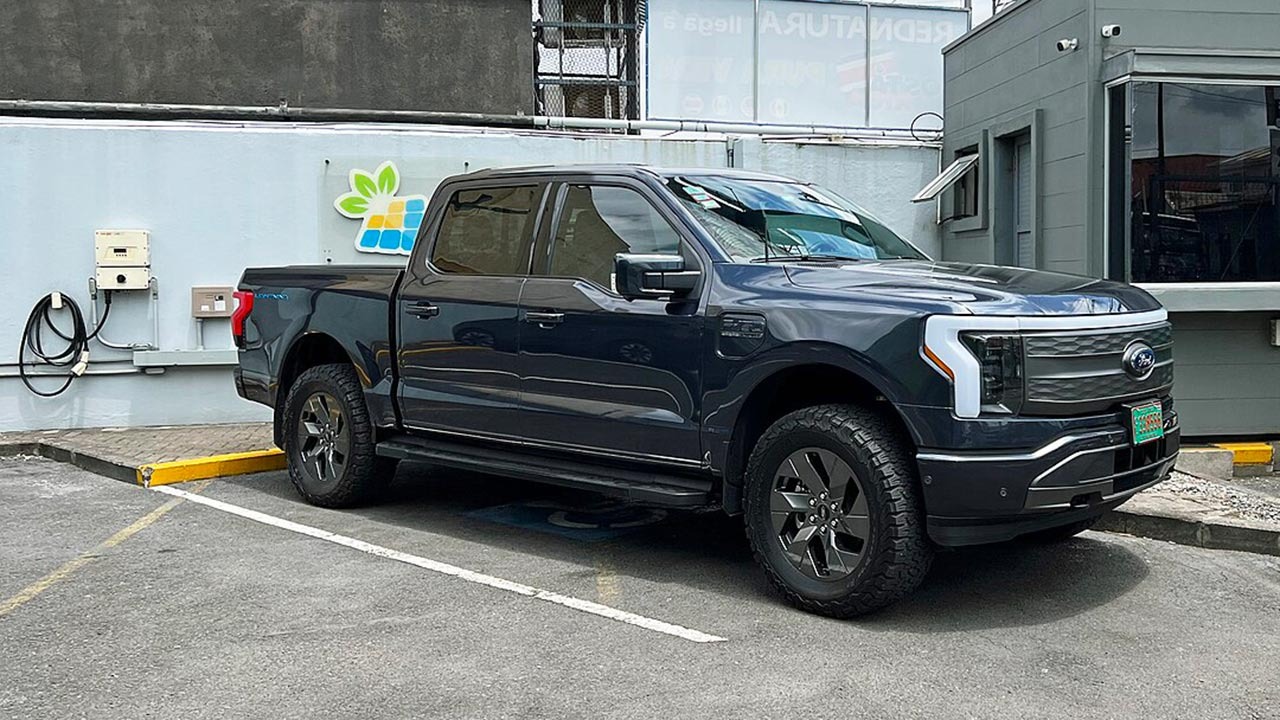
The F-150 Lightning battery is covered for eight years or 100,000 miles with 70 percent capacity retention, the same terms as the Mustang Mach-E, according to CarEdge’s battery listing.
Truck buyers who tow or haul heavily may cross that 100,000-mile line sooner than most. Compared with Rivian’s R1T, the Lightning offers 75,000 fewer miles of battery protection on the same eight-year clock. Ford’s term also equals the baseline figure that the Chevrolet Bolt carries, with no premium for the larger vehicle.
13. Chevrolet Bolt: The Baseline Term
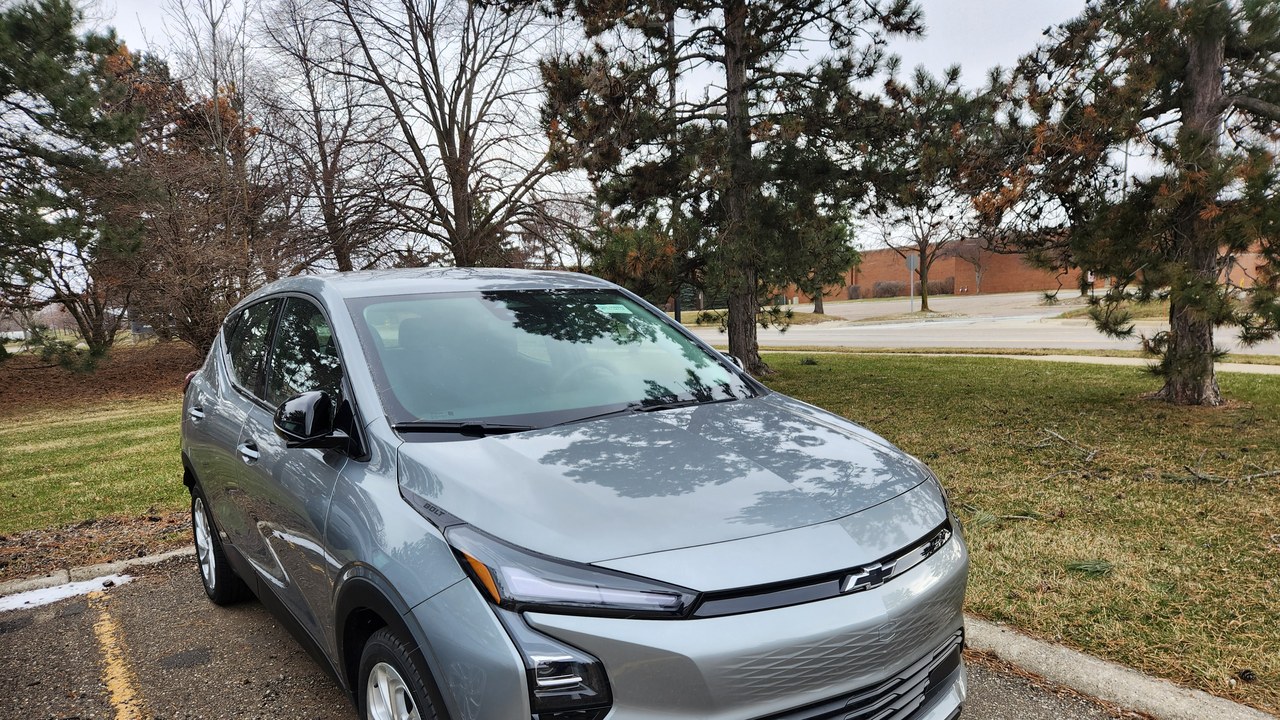
Chevrolet’s Bolt sits at eight years or 100,000 miles on CarEdge’s EV list, which the site treats as the baseline that most of its 21 models share.
Choosing the Bolt means accepting the standard floor rather than a standout guarantee. Everything above it in this gallery offers either more miles, more years or both, so the Bolt’s coverage is the benchmark the others are measured against. The 21-model count shows how common that eight-year, 100,000-mile term has become across the market.
More from Morning Overview
- Comcast is shutting down its email service, and Xfinity customers must act to keep it
- Invisible volcanic gas at a California ski resort has killed three ski patrollers
- Verizon just moved to cut landline phone service in 9 states within weeks
- Tropical Storm Rachel is dumping up to 12 inches on four Mexican states on its way to major hurricane strength
