
The Insurance Institute for Highway Safety toughened its moderate overlap front crash test in 2022, adding a smaller rear-seat dummy to check for a hazard the original protocol never measured. Vehicles that used to earn top marks are now landing on Marginal or Poor, often because of intrusion or a belt no longer positioned correctly for a smaller passenger. Here are twelve vehicles that fell short on the updated protocol.
1. Buick Envista (2026): A Poor Score On The New Protocol
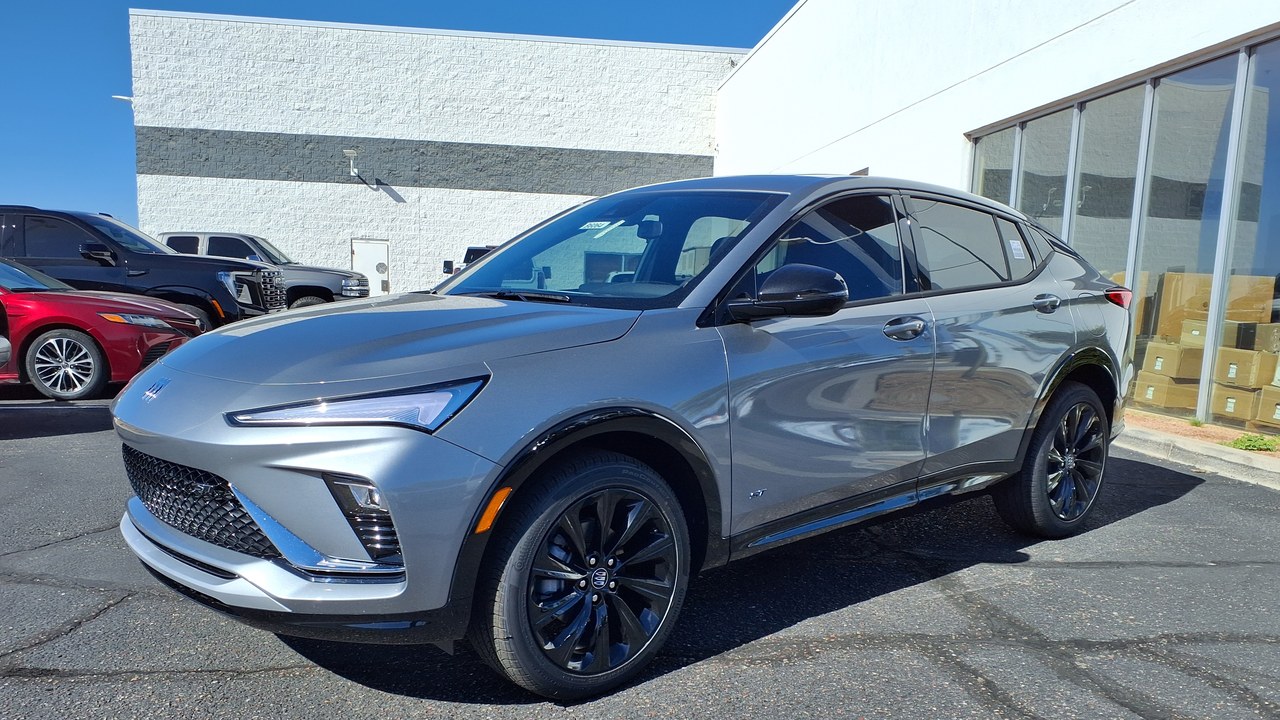
IIHS testing rated the Envista Poor on the moderate overlap front test, citing excessive structural intrusion into the cabin during a frontal impact, according to a roundup of style-forward vehicles with safety shortfalls.
The result stands out because the Envista markets itself mainly on sharp styling rather than outright ruggedness, and IIHS notes that intrusion of this kind raises injury risk for both front and rear occupants in a head-on collision.
2. Kia K5 (2025): Marginal Marks And Weak Headlights
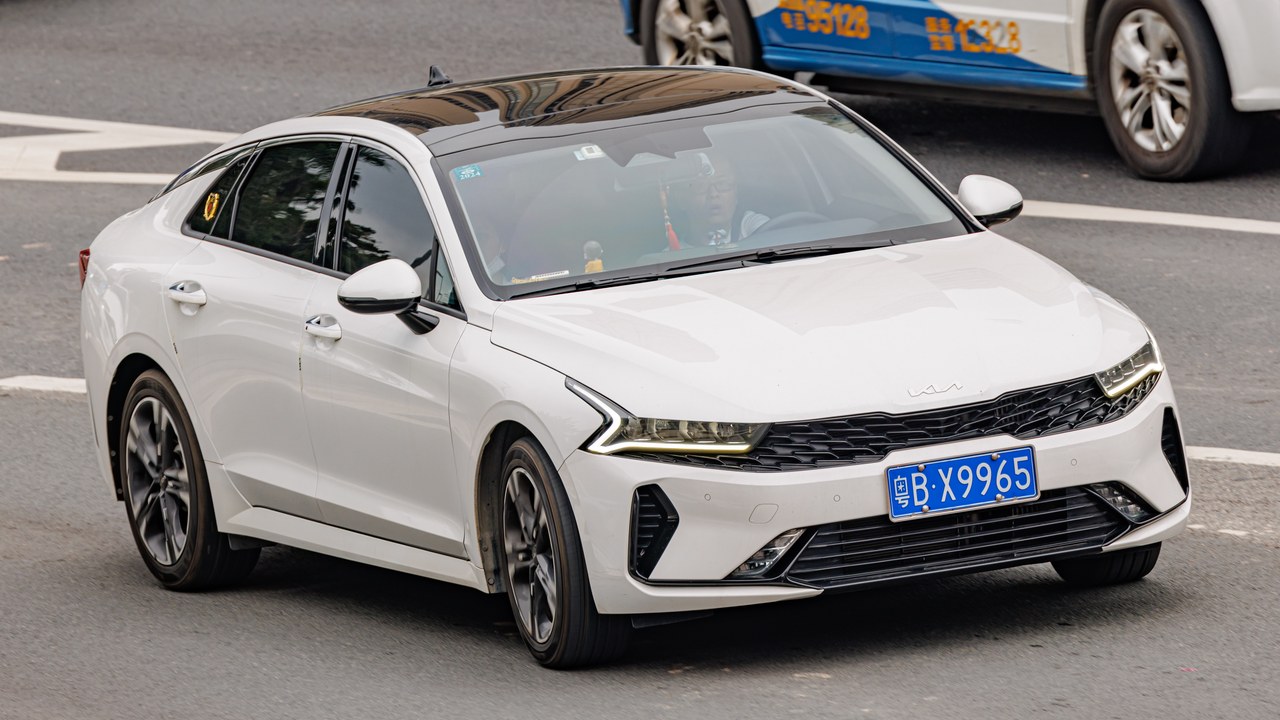
The K5 earned only a Marginal rating in the moderate overlap front test, and IIHS also flagged Poor headlight performance on lower trims, according to a breakdown of dinged sedans that named the sedan alongside several other recent releases.
Kia has kept the K5’s sheet-metal largely unchanged since its 2021 redesign, so the marginal structural score has carried over through multiple model years without a fix, even as rival midsize sedans have closed the gap on the same test.
3. Honda CR-V (2026): Poor Despite Good Marks Elsewhere
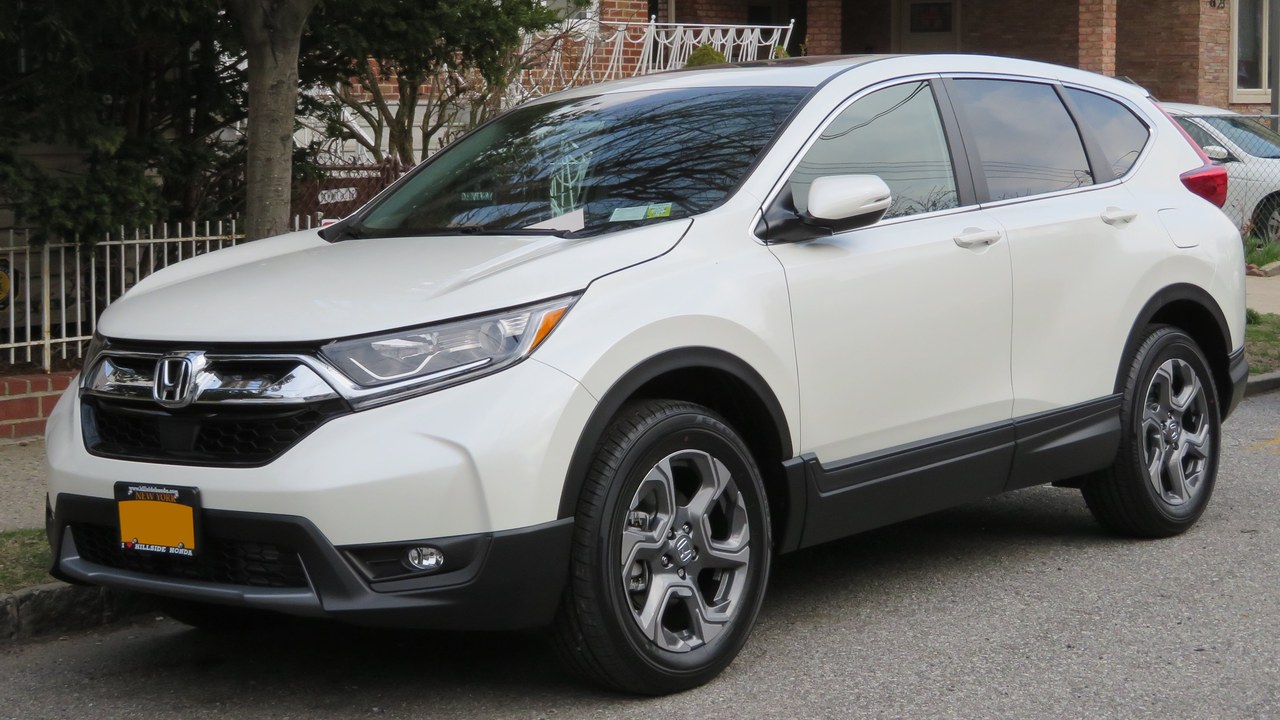
Honda’s CR-V posted a Poor score on the updated moderate overlap front test even though it earned Good ratings in small overlap and side-impact testing, a split flagged in a look at popular safety laggards.
The gap shows how narrowly the updated rear-dummy measurement can flip a result, since the CR-V’s overall structure otherwise performs well across IIHS’s other frontal and side protocols, leaving the moderate overlap score as the one clear weak point in an otherwise strong file.
4. Chevrolet Tahoe (2025): A Poor Score For A Full-Size SUV
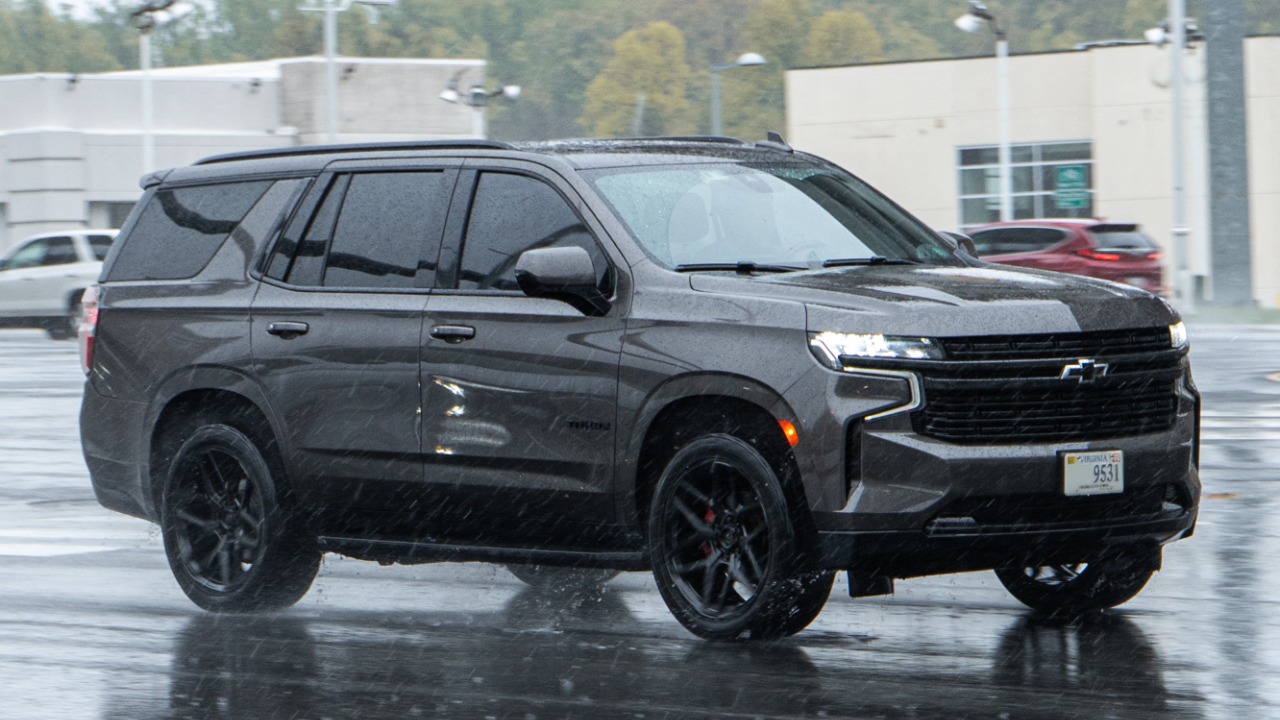
The Tahoe drew a Poor rating in the moderate overlap front test, with IIHS’s own rating page noting that the vehicle’s structure does not absorb crash forces well enough to keep the cabin from intruding on impact.
That result is notable given the Tahoe’s size and weight, since a heavier full-size SUV is generally expected to manage frontal crash energy more easily than a smaller passenger car, yet the moderate overlap test found otherwise.
5. Lexus RX (2025): Structural Intrusion Despite Other Good Scores
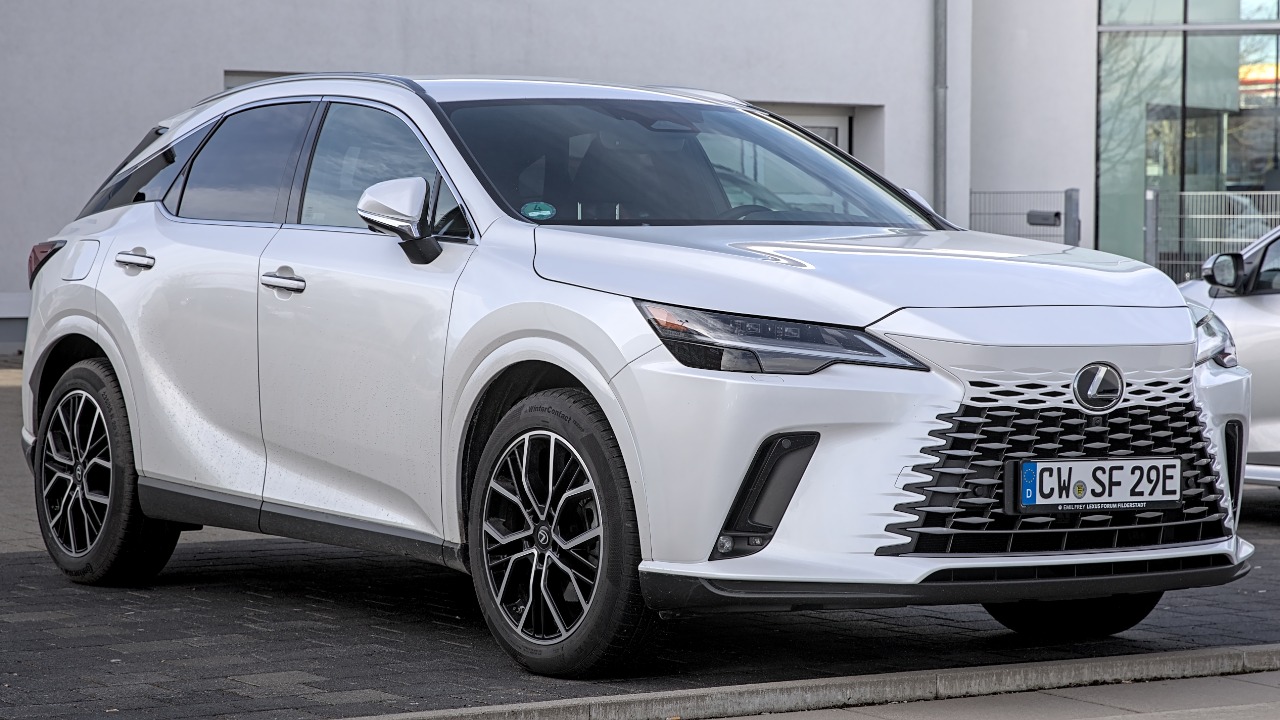
The RX posted a Poor result in the moderate overlap front test, with significant structural intrusion recorded despite Good marks in small-overlap and side testing, according to a rundown of underperforming models with otherwise strong reputations.
Lexus has marketed the RX heavily on refinement, comfort and a spacious cabin, which makes the frontal structural gap a notable outlier next to the rest of its otherwise solid safety-test record across other IIHS categories.
6. Kia Sorento (2025): A Fix That Fell Short
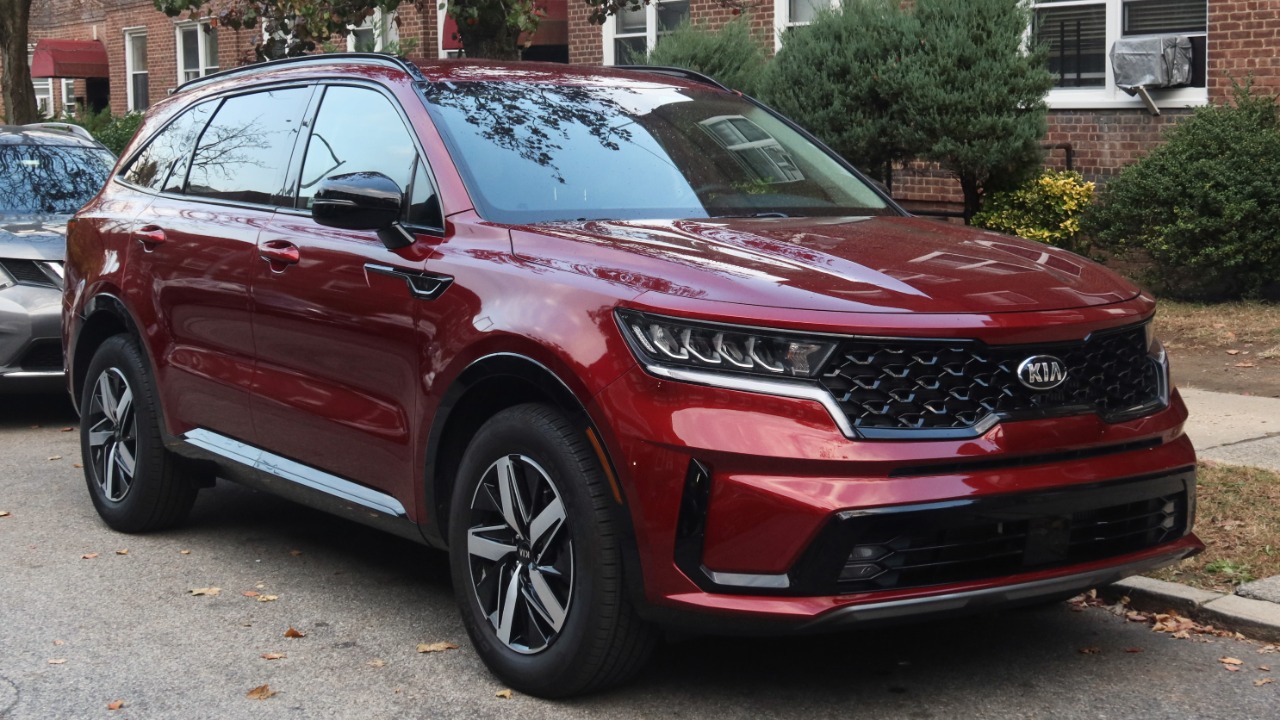
The Sorento still rated Marginal on the updated moderate overlap front test even after Kia modified the rear seat belts in July 2024 specifically to address the shortfall, according to an IIHS report on vehicles that continued to fall short.
The attempted fix shows that automakers can respond to a lower score without necessarily moving it into a passing range, since the belt change alone was not enough to clear the bar on the updated protocol.
7. Nissan Altima (2025): Two Failing Grades Not One
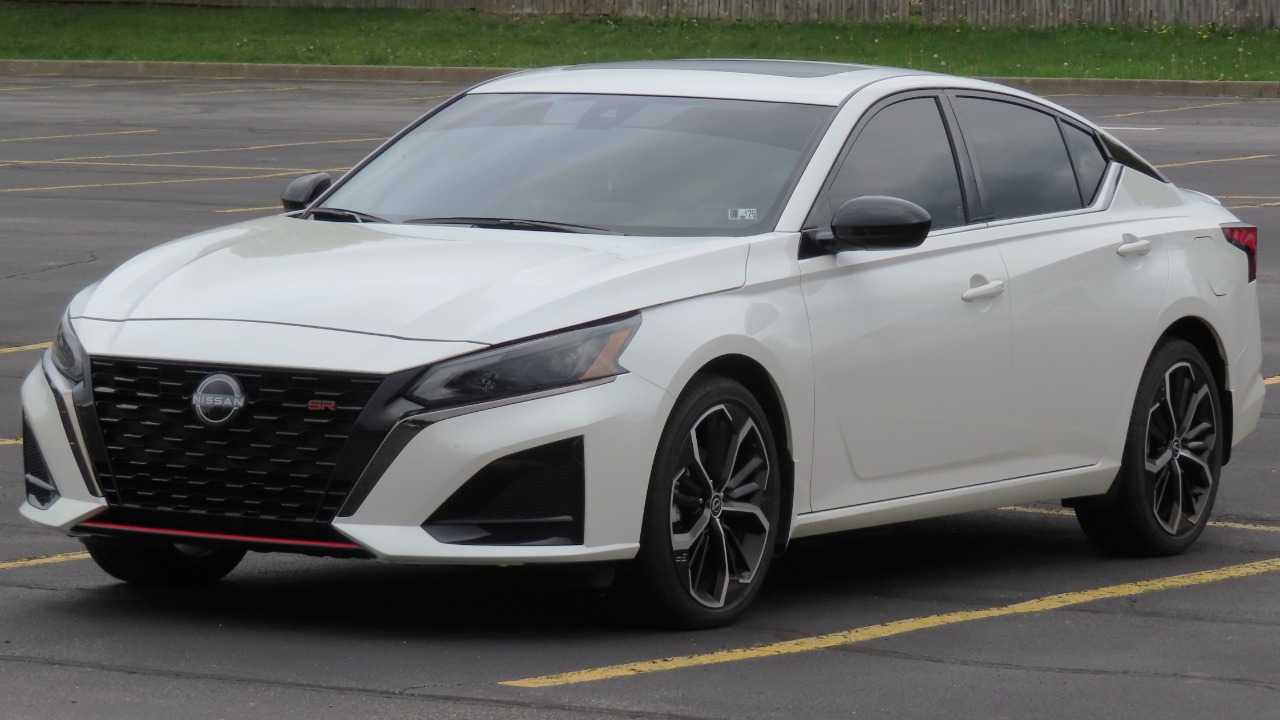
The Altima earned a Marginal score in the moderate overlap front test and a Poor rating in the updated side test, where its own IIHS results page shows the rear dummy’s lap belt rode up onto the abdomen.
A lap belt positioned over the abdomen instead of the pelvis can concentrate crash force on soft tissue and internal organs rather than the skeleton, raising the risk of serious internal injury in even a moderate-speed collision.
8. Mercedes-Benz E-Class (2026): Marginal Score Missing Award
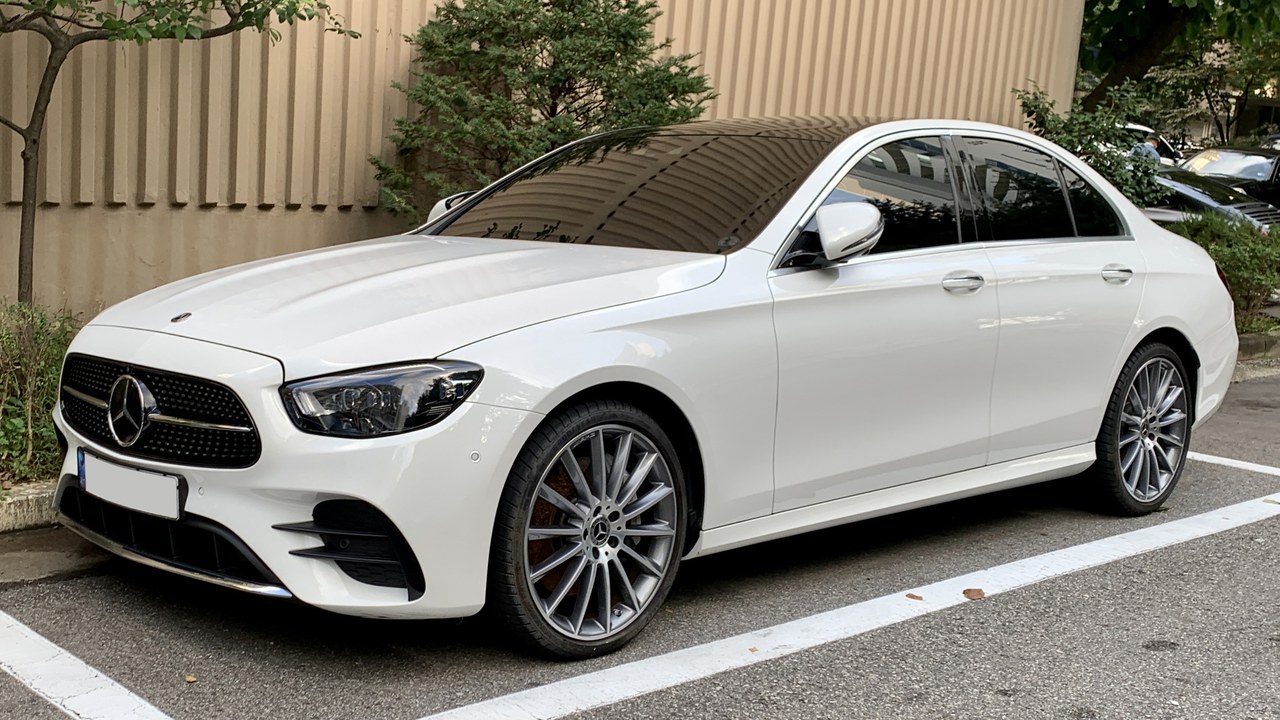
The E-Class received a Marginal rating in the moderate overlap front test, a factor IIHS cited in its year-end review that kept the sedan off its 2025 awards roster despite strong scores elsewhere.
Missing the award list does not mean the E-Class fails every category, but it does mark a step down from the Good ratings that once defined Mercedes’s midsize sedan lineup, and buyers cross-shopping on safety alone would need to look elsewhere.
9. Ram 1500 crew cab (2026): Poor Up Front Good Elsewhere
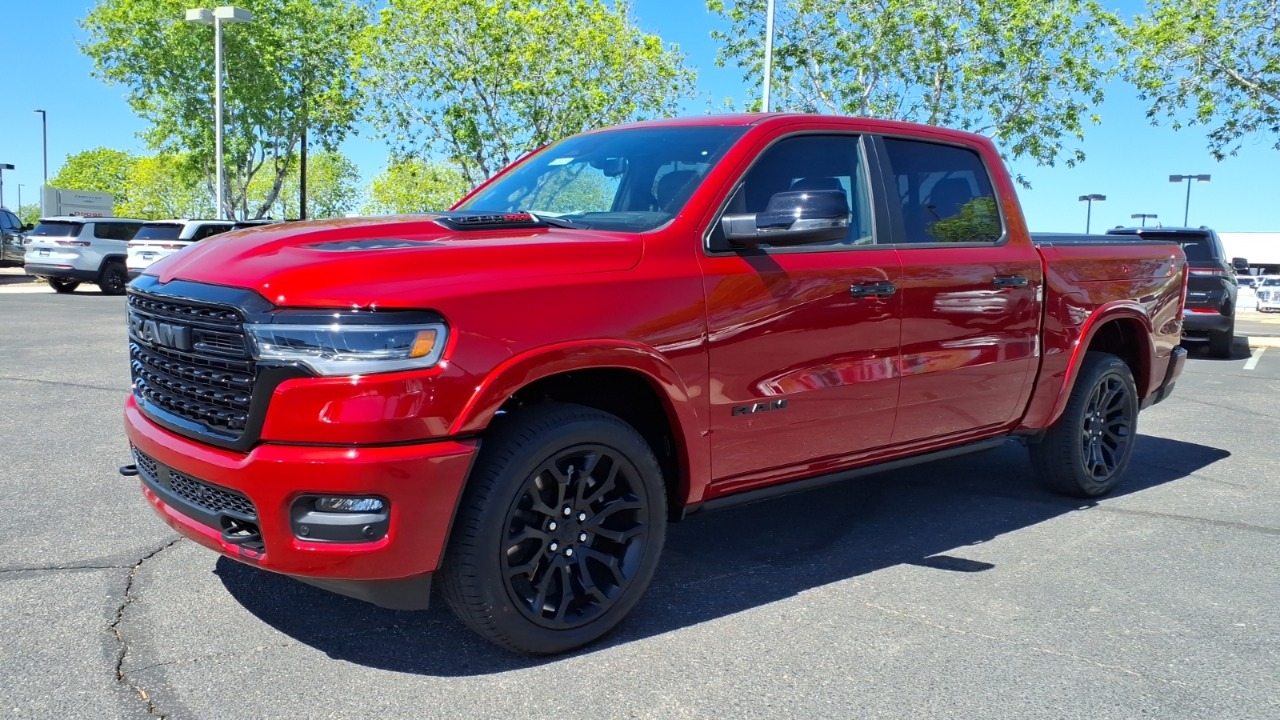
The Ram 1500 crew cab posted a Poor rating in the moderate overlap front test, missing an award even though the same IIHS release credited it with good small-overlap and side results overall.
The split score illustrates how a full-size truck’s frontal structure can lag behind its performance in other crash directions, since the small-overlap and side tests stress different parts of the frame than a direct moderate overlap impact does.
10. Volkswagen Tiguan (2026): One Of Only Four To Miss
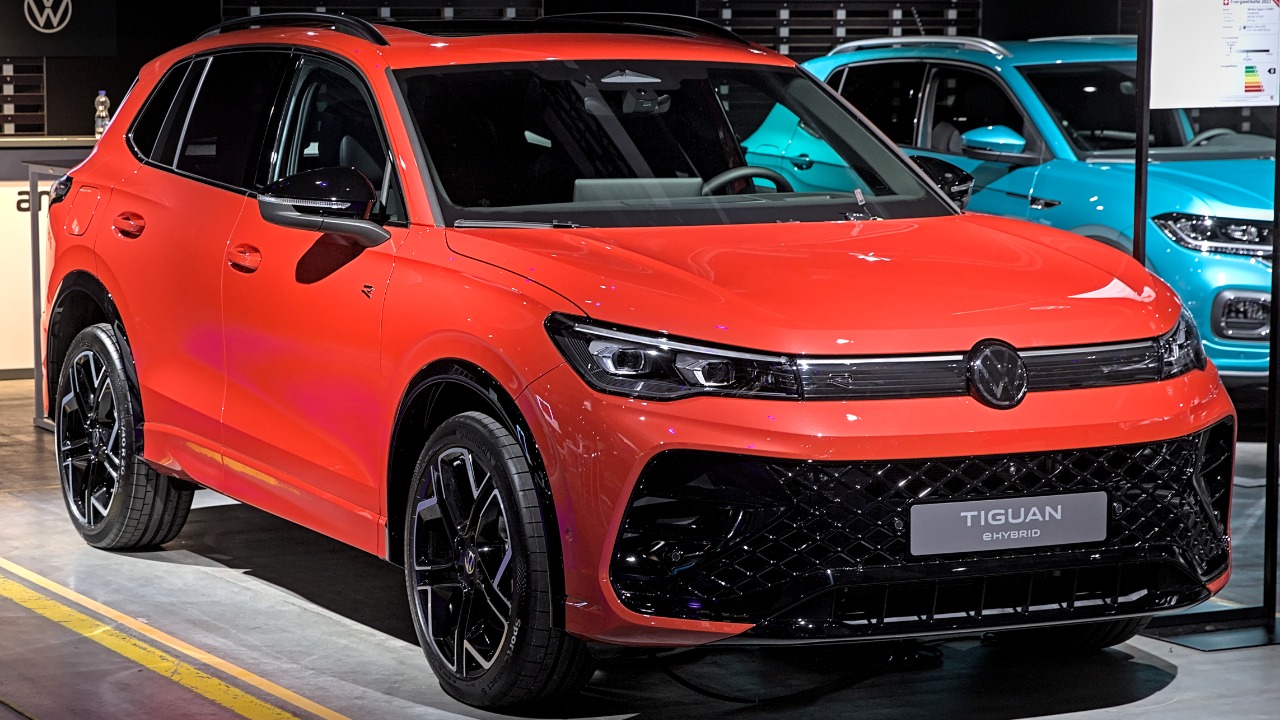
The redesigned Tiguan scored Poor in the moderate overlap front test, making it one of only four vehicles that missed an award in that testing round overall, according to an IIHS accolades report.
Being one of only a small handful to miss the cut in a large batch of tested vehicles suggests the Tiguan’s frontal structure lags behind most of its class rather than the whole industry this particular testing cycle.
11. Mitsubishi Outlander (2025): A Belt That Moved The Wrong Way
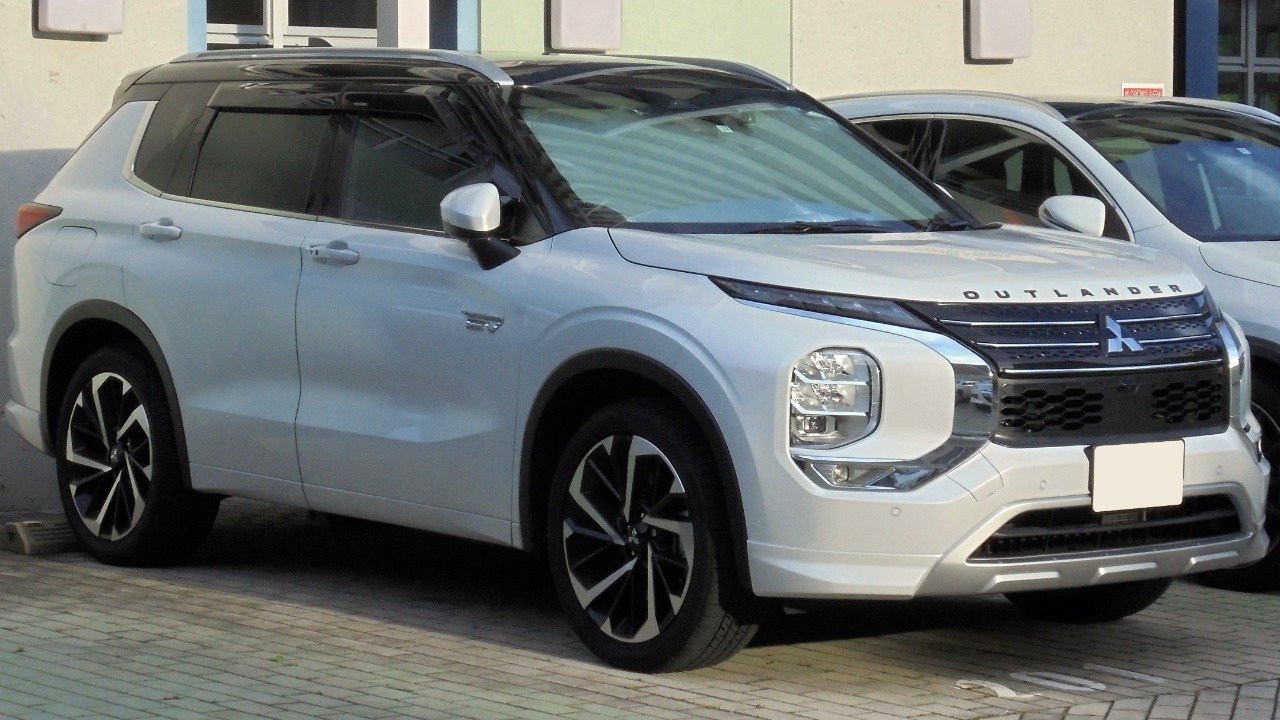
The Outlander earned a Marginal rating in the moderate overlap front test after fresh IIHS measurements showed the rear dummy’s lap belt shifting from the pelvis onto the abdomen during the simulated frontal collision test.
That belt movement is exactly the failure mode the 2022 test update was designed to catch, since the original protocol used a dummy too large to reveal a hazard that mainly threatens smaller rear-seat passengers today.
12. Audi Q4 e-tron (2025): Rear-Passenger Injury Risk Flagged
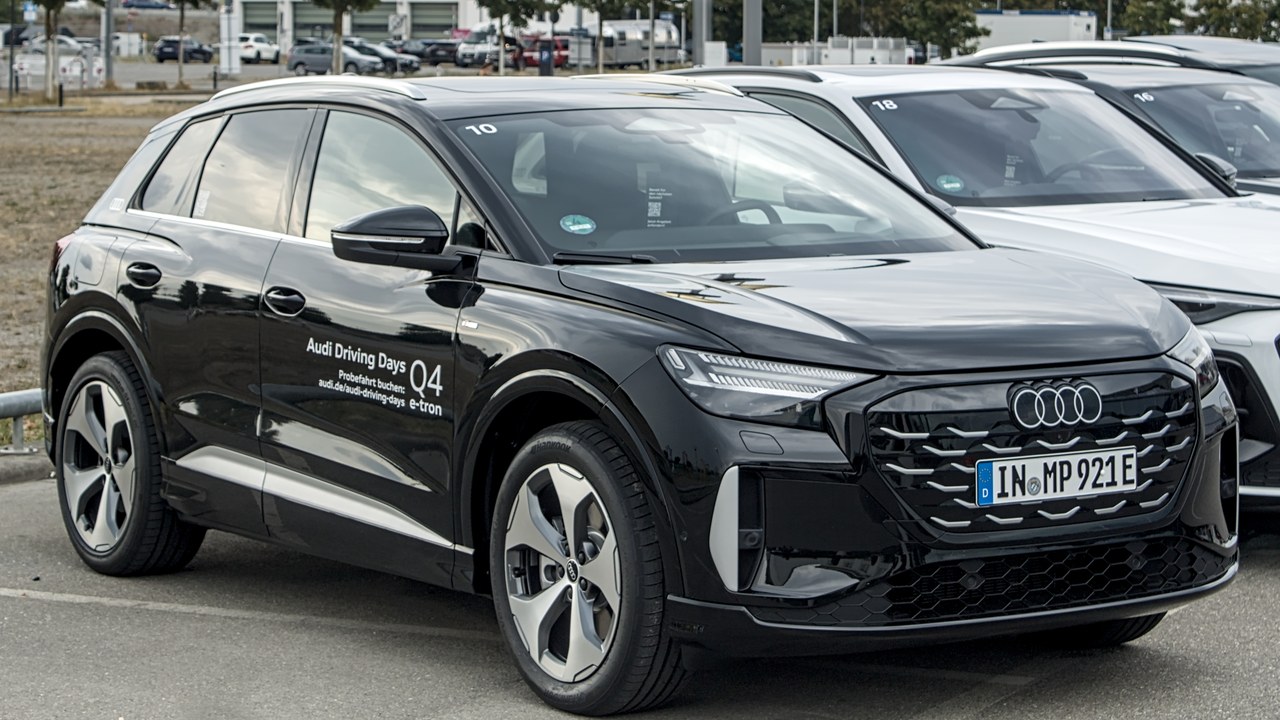
The Q4 e-tron drew a Poor rating in the moderate overlap front test after dummy measurements pointed to a strong likelihood of rear-passenger chest and abdominal injuries, according to IIHS’s full evaluation of the SUV.
As an electric SUV built on a dedicated battery platform, the Q4 e-tron shows that added weight and structure from a battery pack does not automatically translate into a better frontal score for rear occupants in every design.
More from Morning Overview
