
Auto insurers track which motorcycles rack up the most claims, and the data consistently singles out one class of bike: the supersport. The Highway Loss Data Institute’s collision and comprehensive-loss studies rank models by dollars paid out per insured vehicle, and separate research ties the same class to higher rider death rates. Here are ten motorcycles that insurance data marks as the costliest to crash and the deadliest to ride.
1. Kawasaki Ninja ZX-10R: Insurance’s Priciest Motorcycle
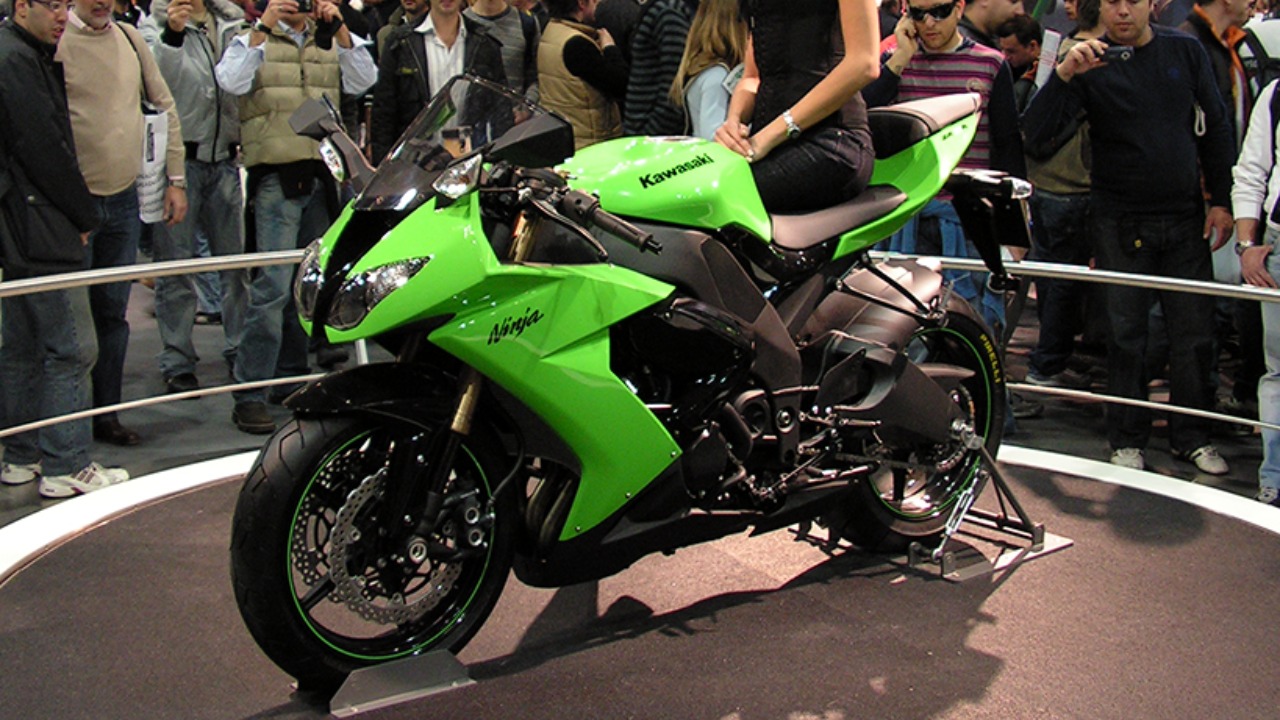
The Kawasaki Ninja ZX-10R sits atop HLDI’s motorcycle collision-loss index at 920, where 100 marks the all-motorcycle average, making it the single costliest bike insurers track for crash claims. HLDI builds that index from real claim payouts across millions of insured motorcycle-years, not sticker price or raw engine size.
A supersport built for track-level acceleration, it combines a high claim frequency with expensive bodywork, forks and bracketry that tend to shatter rather than dent in even a modest low-speed spill. Replacement fairings and plastics alone can run into the thousands, and insurers price policies for that risk before a rider ever leaves the dealership lot.
2. Honda CBR1000RR: The Highest Comprehensive-Loss Score
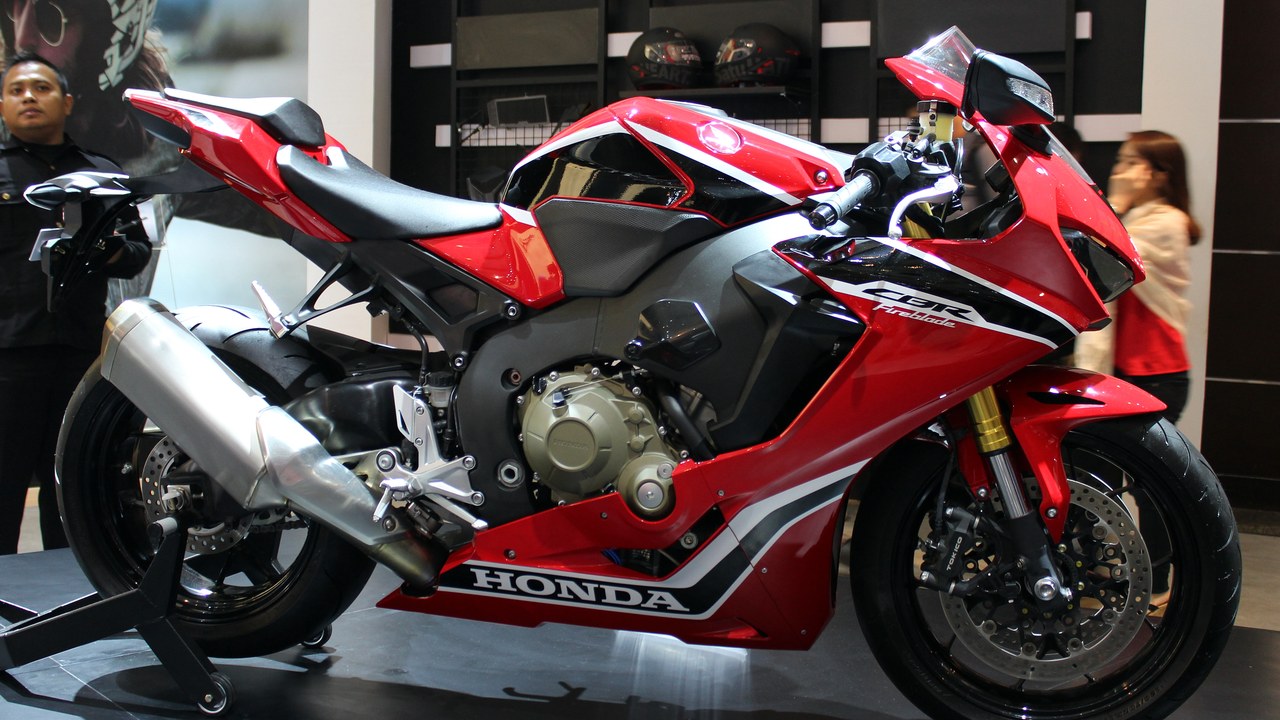
HLDI’s comprehensive-loss report puts the Honda CBR1000RR at an index of 1,217, more than twelve times the average across every motorcycle measured, the highest score any bike in the entire study recorded. Comprehensive coverage pays for losses outside a collision, including theft, fire and vandalism.
The same report lists the CBR1000RR first for theft claims as well, a combination that reflects both its resale demand among thieves and the steep replacement cost of its fairings and instrument cluster. Owners typically pay noticeably higher comprehensive premiums than riders of touring or cruiser-style machines carry for that reason.
3. Suzuki GSX-R1000: Frequency Over Repair Cost
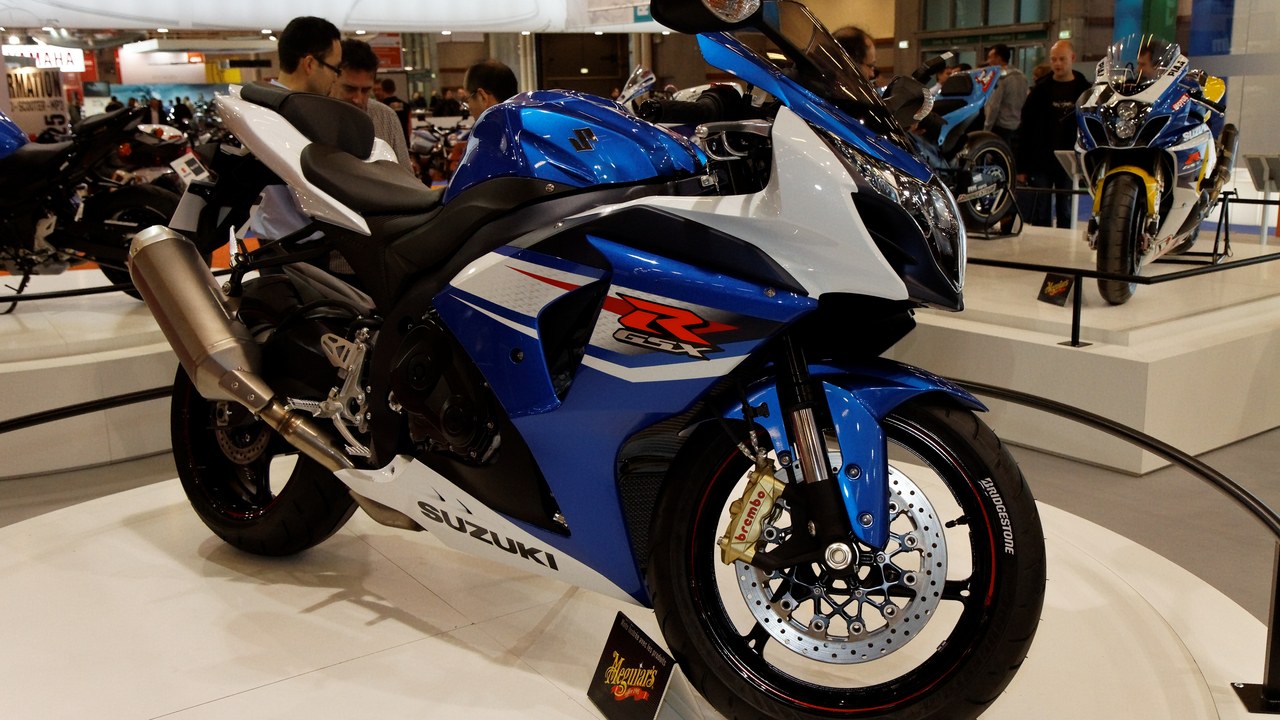
The Suzuki GSX-R1000 ranks second on the same comprehensive-loss table at 1,086, a score HLDI attributes mainly to how often owners file claims rather than to unusually expensive individual repairs or parts.
That distinction matters for underwriters, since a bike generating frequent claims can cost an insurer more over a policy term than one with rarer but pricier repairs, even when both post a similar overall loss index. It also explains why premiums on a GSX-R1000 rarely undercut those on rival literbikes despite the difference in claim causes.
4. Suzuki GSX-R750: A Smaller Engine, Similar Losses
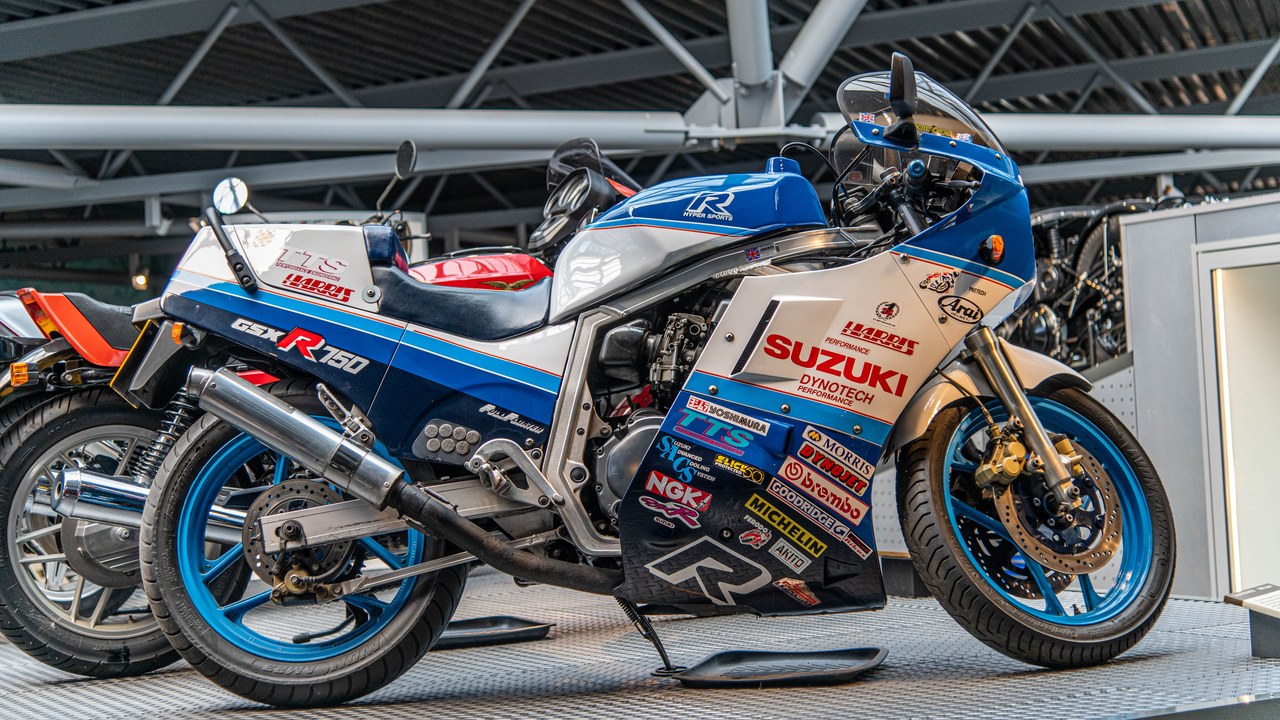
Third on HLDI’s comprehensive-loss ranking is the Suzuki GSX-R750, posting a score of 983, nearly ten times the average motorcycle despite carrying a noticeably smaller engine than most of the bikes ranked above it.
Its losses show that displacement alone does not predict how expensive a motorcycle is to insure, since claim patterns and theft appeal can push a mid-size sport bike into literbike territory. Suzuki has sold the GSX-R750 for decades specifically to riders chasing that supersport feel without the biggest available engine.
5. Yamaha YZF-R1: Four Times The Crash-Loss Average
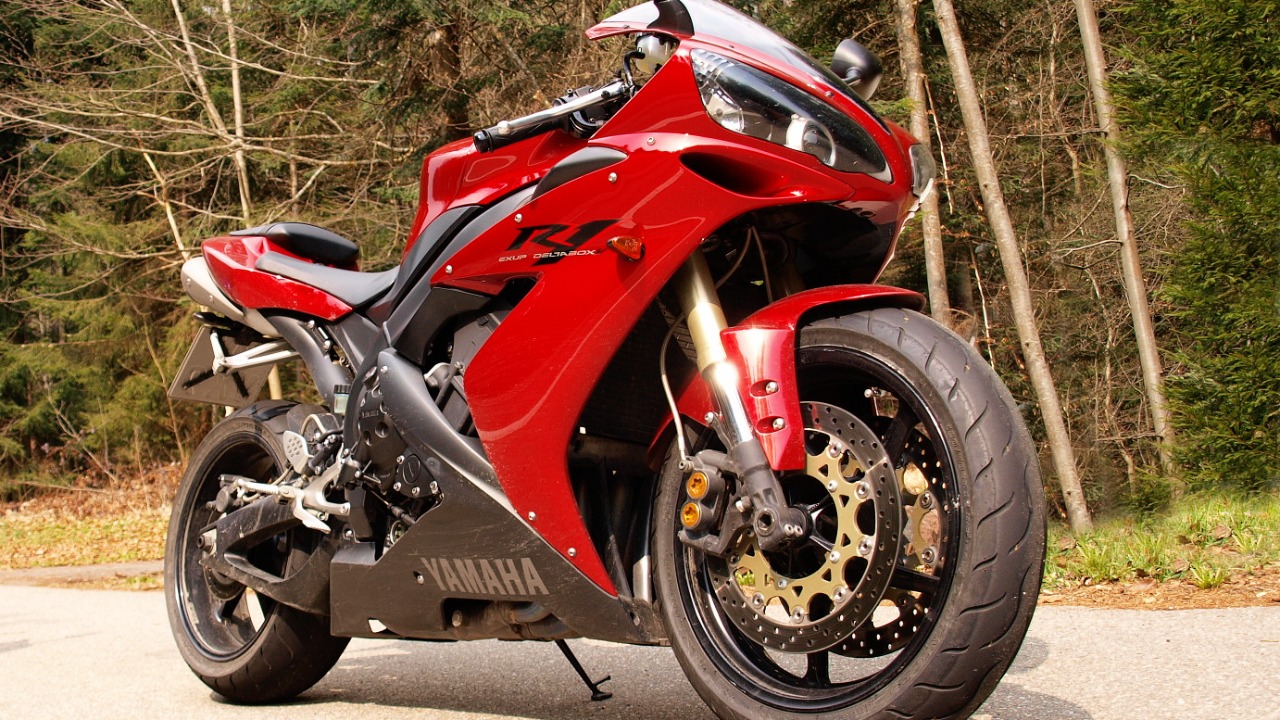
HLDI’s collision-loss data gives the Yamaha YZF-R1 an index of 405, over four times the all-motorcycle average and enough on its own to place it among the ten costliest bikes to insure against crash damage.
Collision losses, distinct from comprehensive claims like theft or fire, measure only what insurers pay to repair or replace a bike after an at-fault or single-vehicle wreck, a cost the R1 runs up fast. Its carbon-look bodywork, exposed frame components and race-tuned suspension all add to the bill once a claim is filed.
6. Kawasaki Ninja ZX-6R: Exhibit A For Power-To-Weight
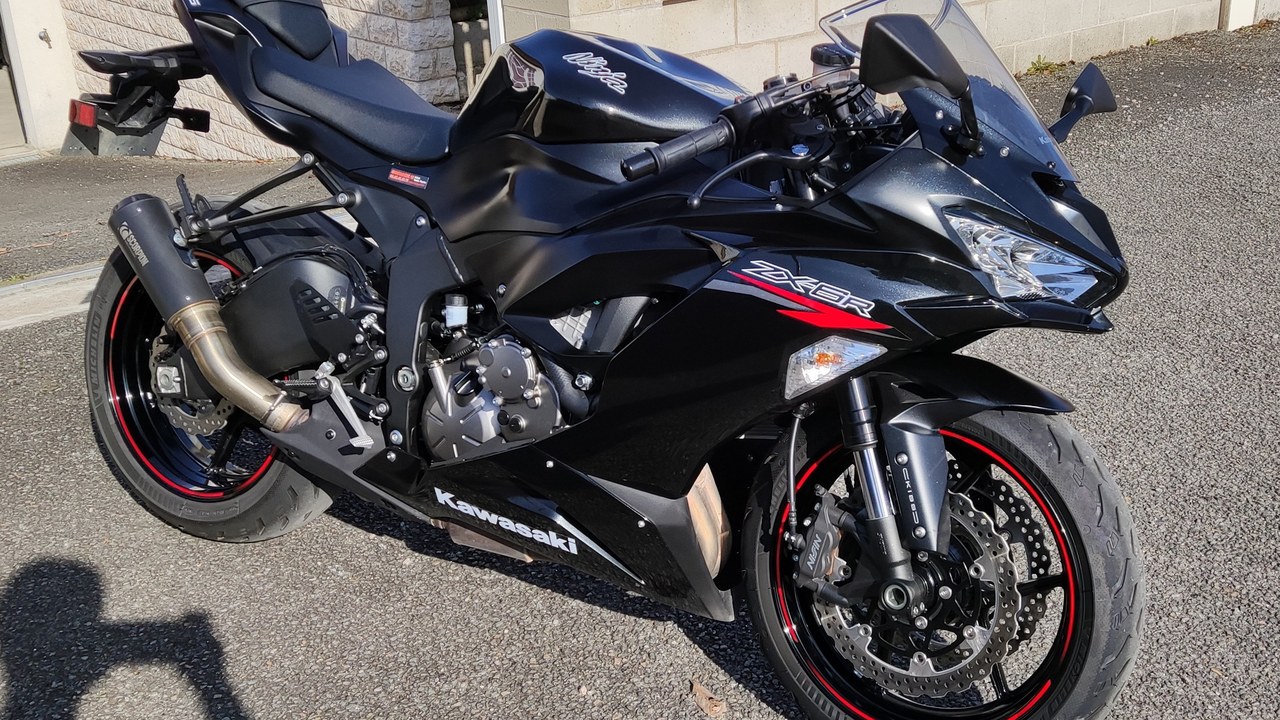
Researchers cited the Kawasaki Ninja ZX-6R in IIHS-backed research illustrating why supersports carry such steep losses, noting its 111 horsepower packed into a machine weighing only about 404 pounds ready to ride.
That ratio runs roughly triple what a typical touring motorcycle offers, giving riders far more acceleration than braking or handling margin to match on public roads. The same research ties that imbalance directly to elevated crash rates and to the outsized insurance losses supersports post as a class.
7. Suzuki Hayabusa: A Fast Tourer, Not A Racer
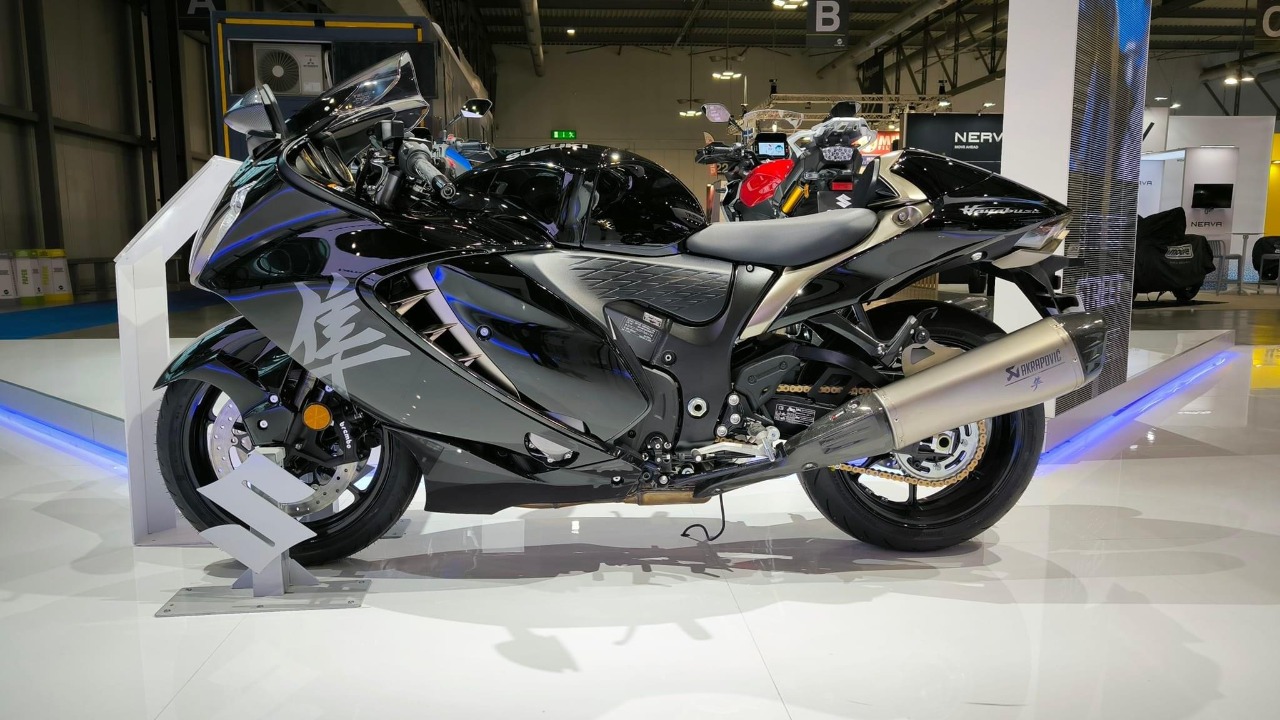
The Suzuki Hayabusa lands in HLDI’s highest comprehensive-loss bracket at 797, roughly eight times the average, the only sport-touring model rather than a track-focused supersport to reach that top group.
Its inclusion shows that raw top speed and displacement alone, without the racetrack styling of a typical supersport, are enough to push a motorcycle’s insurance losses into the same range as its more aggressive rivals. Suzuki markets the Hayabusa for long-distance comfort, yet insurers still treat it like a pure performance machine.
8. Suzuki GSX-R600: Smallest Engine On The List
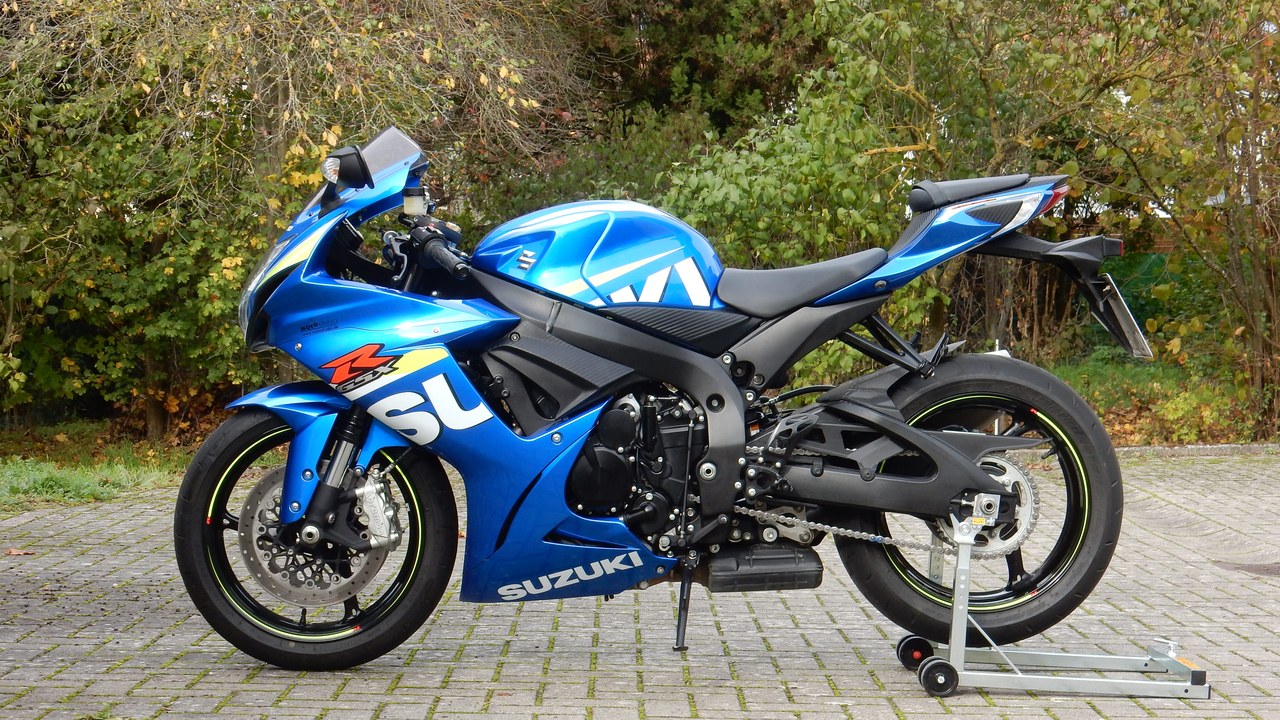
At a collision-loss index of 421, about 4.2 times the average, the Suzuki GSX-R600 is the smallest-displacement motorcycle to appear among HLDI’s ten worst bikes for crash losses, sitting alongside literbikes with roughly double its engine size.
Its presence on that list undercuts the idea that only the largest literbikes drive up insurance costs, since a mid-size 600cc supersport can rack up nearly identical crash-claim losses in an aggressive rider’s hands. Its light weight and sharp handling encourage exactly the riding style that produces frequent, costly collision claims.
9. Honda CBR600RR: Ahead Of Bigger Bikes
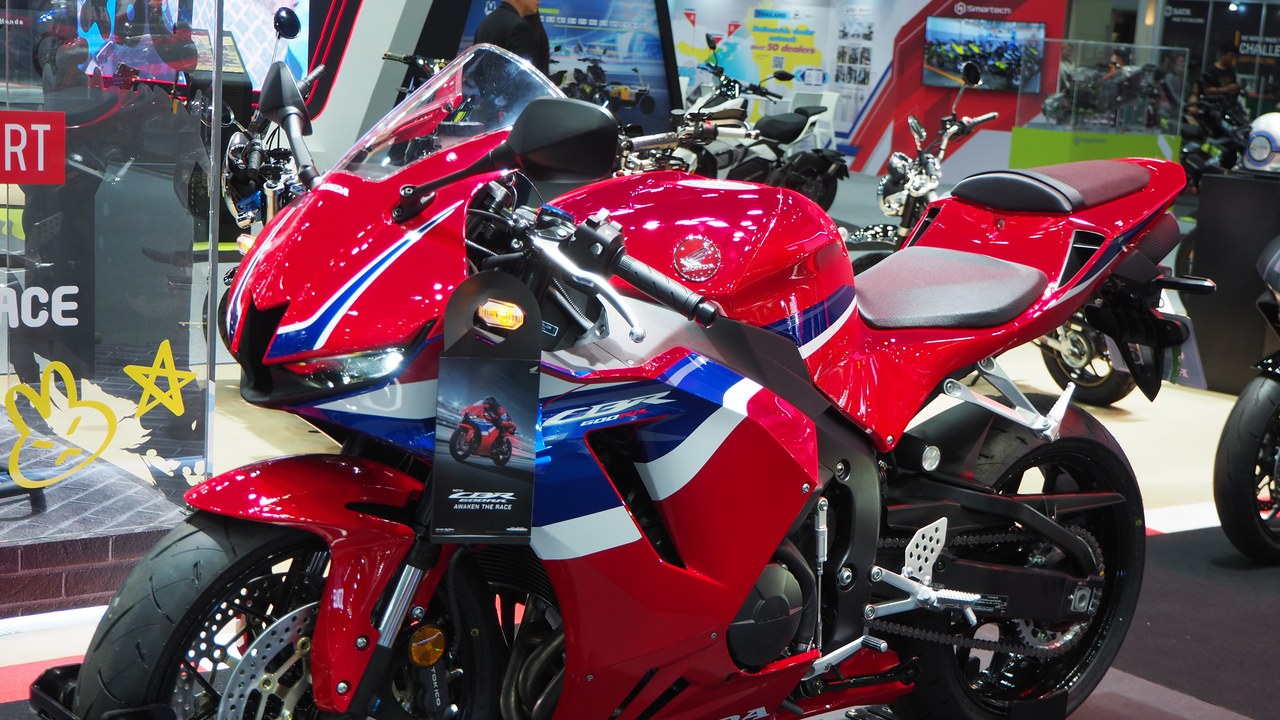
Honda’s CBR600RR posts a collision-loss index of 480 in the same HLDI bulletin, placing the 600cc supersport ahead of several larger, full-size, litre-class motorcycles for pure crash-claim cost alone.
That outcome suggests engine size plays a smaller role in collision losses than riding style and chassis geometry, since a smaller, lighter bike built for aggressive cornering can still generate outsized claims. Decades of racetrack development went into that agility, and insurers now price the CBR600RR accordingly for everyday street use, not just weekend track days.
10. Kawasaki Ninja H2: A Supercharged Outlier
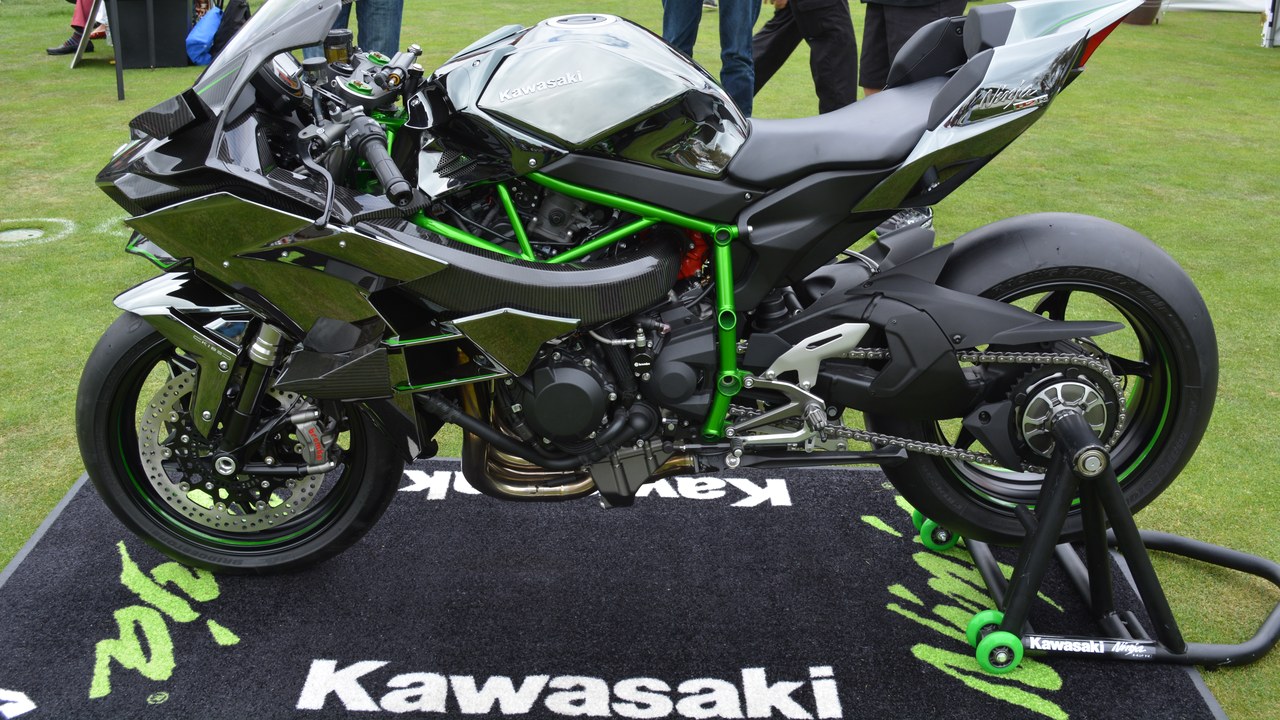
Injury researchers single out the Kawasaki Ninja H2 in an analysis of dangerous motorcycles, pointing to its supercharged engine and a top-speed capability of roughly 209 mph as reasons it ranks among the most dangerous production bikes sold today.
No other mass-production motorcycle on sale approaches that speed with a factory-installed supercharger, a combination that leaves little margin for error at speeds few public roads were ever designed to handle. That gap helps explain why the model draws special scrutiny from safety researchers and insurers alike.
More from Morning Overview
- Card skimmers hidden on gas pumps are draining accounts, and there’s a quick way to spot them
- The NSA warns one messaging setting can clone your texts to a stranger
- Security experts still urge phone owners to switch off one location-tracking setting
- Automakers are quietly dropping the stop-start feature many drivers love to hate
