
Volkswagen has sold American drivers everything from a rear-engine bug to an electric Microbus successor. Along the way the brand produced vans, coupes, hatchbacks and even a pickup built in Pennsylvania. Here are twelve Volkswagens that left a lasting mark on US roads, from the Beetle to the newest electric van.
Help yourself and the planet: The Cool Down makes it easy to help yourself while helping the planet, with smart, simple changes to save more and waste less in your everyday life.
We may earn a commission if you sign up.
1. Volkswagen Beetle: Small Car, Huge Following
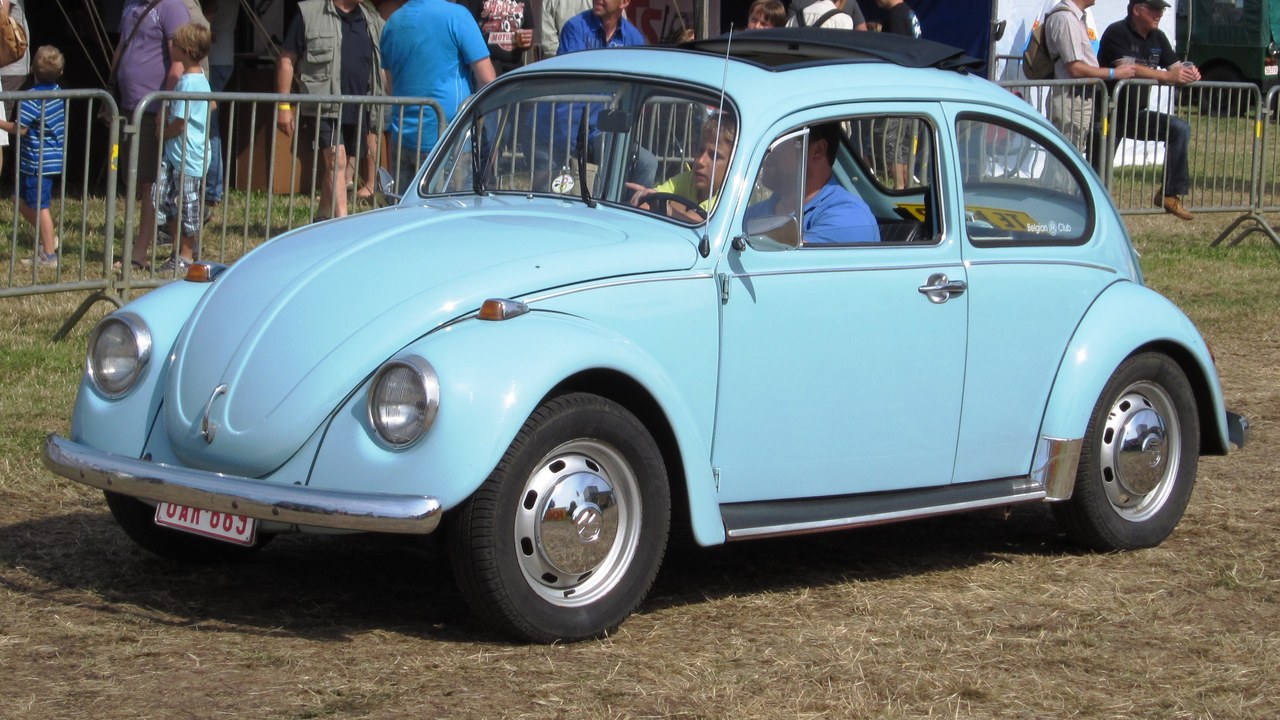
The rear-engine Beetle gave American buyers an unconventional alternative to Detroit sedans, and its popularity climbed steadily through the postwar years. According to Hagerty’s Beetle buyer’s guide, US sales passed 100,000 in 1960, while roughly 21.5 million Beetles were built worldwide over the production run.
Those figures explain why the car remains a fixture at shows and in classic-car classifieds. A model built in such volume left a deep supply of parts and survivors, which keeps the Beetle one of the most approachable ways into vintage ownership for newcomers and veterans alike, and a reference point for every later Volkswagen sold in America.
2. Volkswagen Type 2 Westfalia camper: Home On Wheels
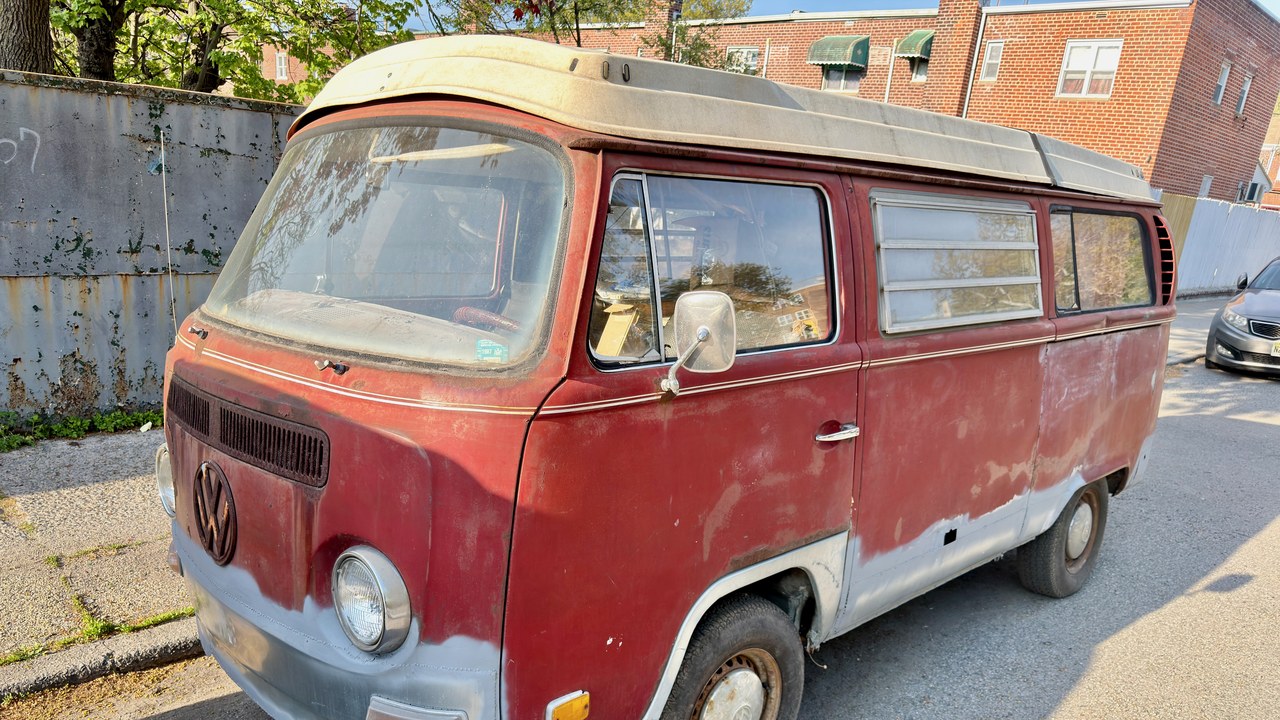
Converted from the Type 2 van, the Westfalia camper was sold from the early 1950s to 2003, a span of roughly half a century. The Westfalia camper entry on Wikipedia describes how the vehicle became a symbol of hippie and surf culture, turning a utilitarian people mover into a rolling bedroom and kitchen.
Its image outlived the counterculture that made it famous. Campgrounds, beach parking lots and festival fields still feature the pop-top silhouette, and the long production history means several generations of vans carry the camper label, each adapting the same idea of compact, self-contained travel for a new group of buyers.
3. Volkswagen Karmann Ghia: Italian Lines, German Bones
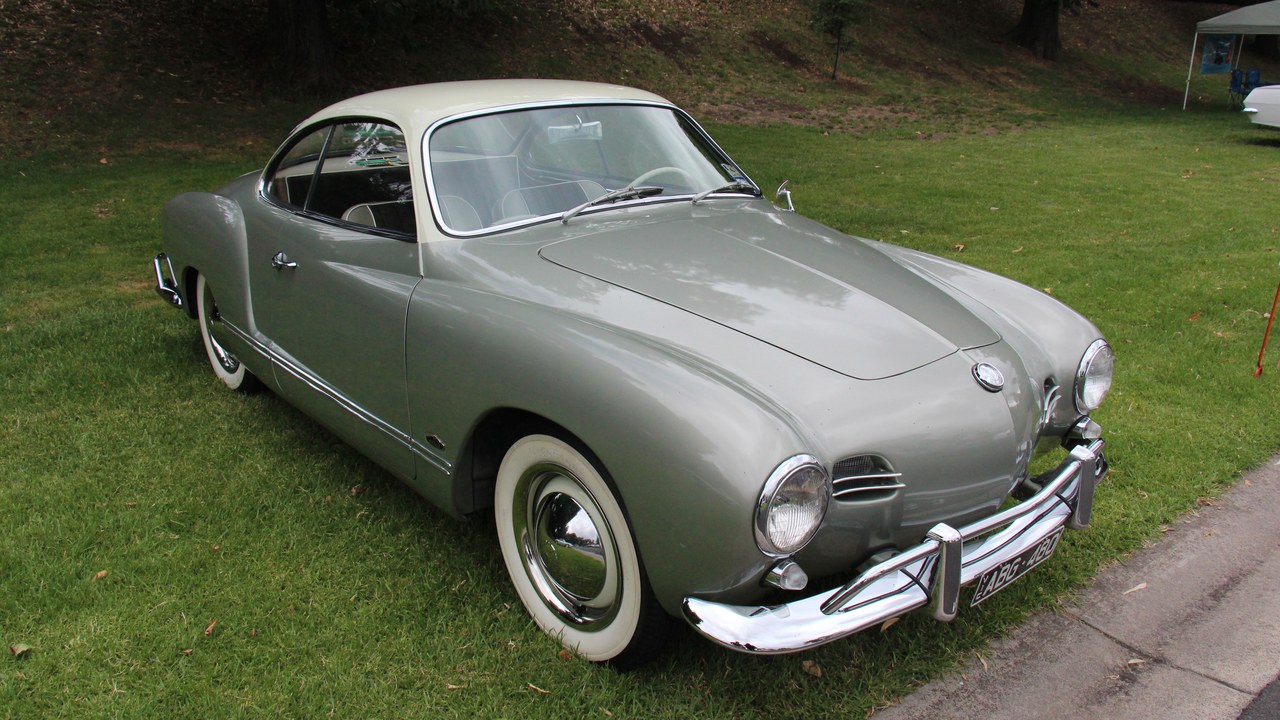
Aimed at buyers who wanted style rather than utility, the Karmann Ghia coupe reached the US in 1956. A SlashGear roundup of classic Volkswagens puts total production at 441,950 cars, a respectable number for a low-slung two-door that shared its mechanical basics with more ordinary Volkswagen products.
That pairing of sleek bodywork with familiar running gear defined its appeal. Owners got a car that looked far more expensive than it was, while mechanics found little that was exotic underneath. The combination helps explain why the coupe is still a common and welcome sight among enthusiasts who prefer elegance to outright speed.
4. Volkswagen Thing: Utility With A Sense Of Humor
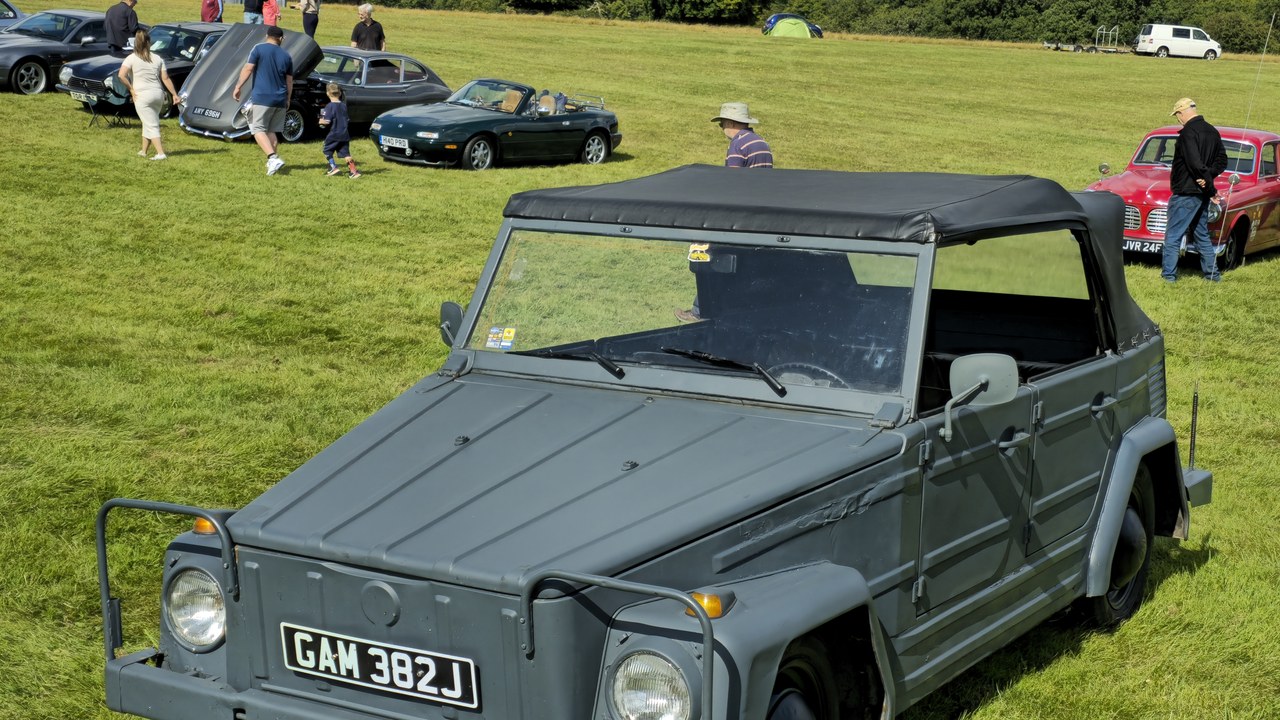
Known as the Type 181 “Courier” in much of the world, this boxy open-top machine was sold in the United States simply as The Thing. Volkswagen’s newsroom history of the Type 181 records that 140,768 of them rolled off the production line, a modest total beside the Beetle but enough to build a loyal following.
Folding windshield, removable doors and a spartan interior gave the vehicle a go-anywhere character that suited beach roads and back lots. Few Volkswagens of the era looked less like a conventional family car, and the odd name only added to the attraction for collectors who now seek out surviving examples with enthusiasm.
5. Volkswagen Rabbit: Front-Drive Fresh Start
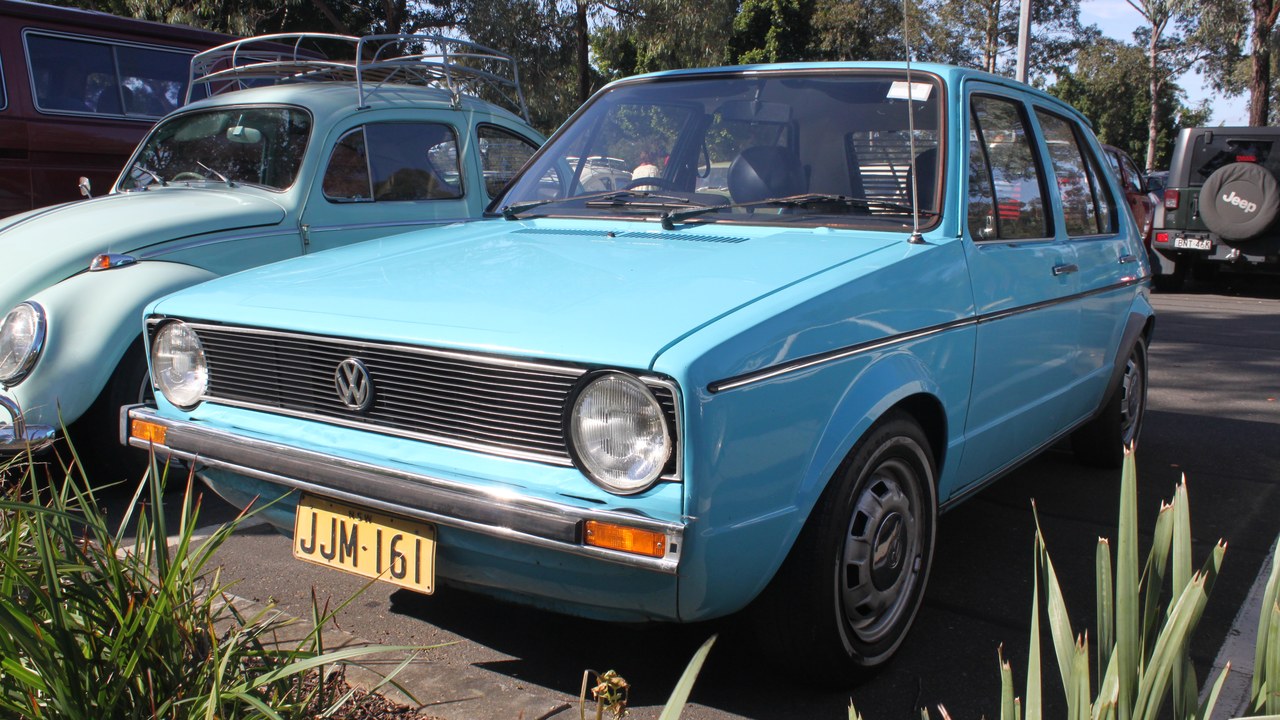
American showrooms got the first-generation Golf under a different name. As the Golf Mk1 article on Wikipedia explains, it was sold as the Rabbit following its December 1974 introduction in the United States and Canada, and assembly began at the Westmoreland plant in Pennsylvania in 1978.
Local production signaled that Volkswagen intended to stay in the American market for the long term. The compact hatchback represented a departure from the rear-engine Beetle formula that had defined the brand, and its practical shape went on to influence small cars far beyond the Volkswagen lineup during the following decades.
6. Volkswagen Rabbit GTI: Hot Hatch Arrives Late
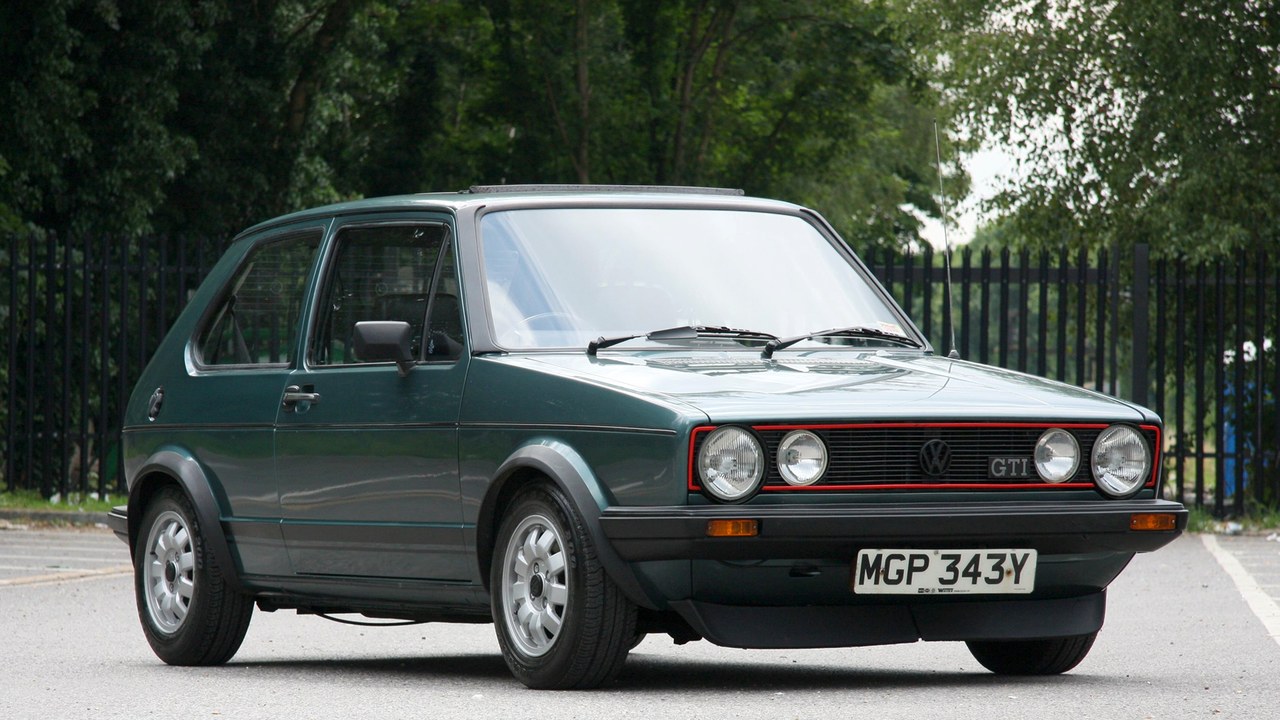
Enthusiasts in Europe had the sporty Golf GTI well before Americans did, because the model did not reach the US until the 1983 model year. According to the Golf Mk1 history on Wikipedia, about 30,000 of the 1.8-litre Rabbit GTIs were built in Pennsylvania.
The domestic build is a notable detail, since the performance variant carried the same local-assembly story as the standard Rabbit. For American drivers the car offered an affordable, light and engaging alternative to larger, heavier performance coupes, and it helped establish the small sporty hatchback as a recognized category in the country.
7. Volkswagen Scirocco: Giugiaro Draws A Coupe
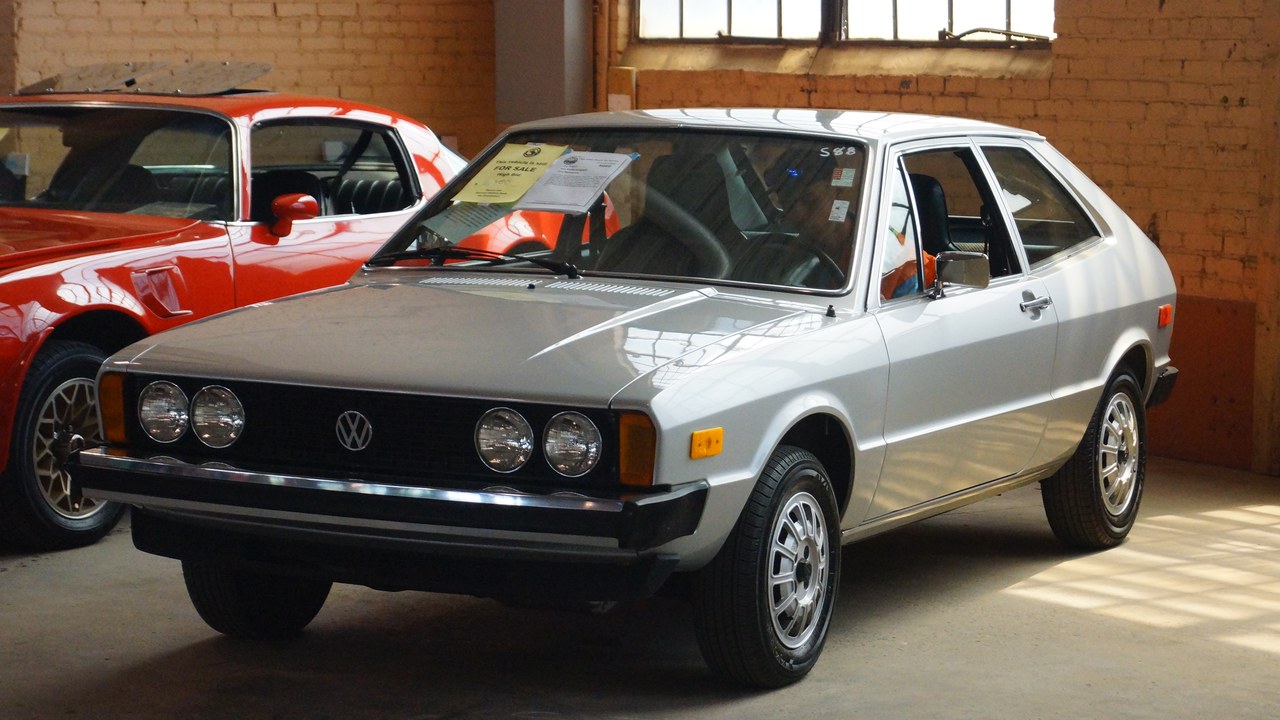
Sharp, wedge-shaped lines set the Scirocco apart from other Volkswagens when it arrived in the US in 1975. A SlashGear list of classic Volkswagens credits the styling to Giugiaro, the Italian designer whose name carried weight in the industry and gave the sporty hatchback coupe a distinctive look.
Mechanically the car drew on the same front-drive underpinnings as the Rabbit, so the appeal rested mostly on shape and attitude. That made the Scirocco a different kind of Volkswagen for the period: a fastback intended for drivers who wanted visual drama from a compact, affordable package rather than purely practical transport.
8. Volkswagen Vanagon: Boxier, Roomier, Water-Cooled
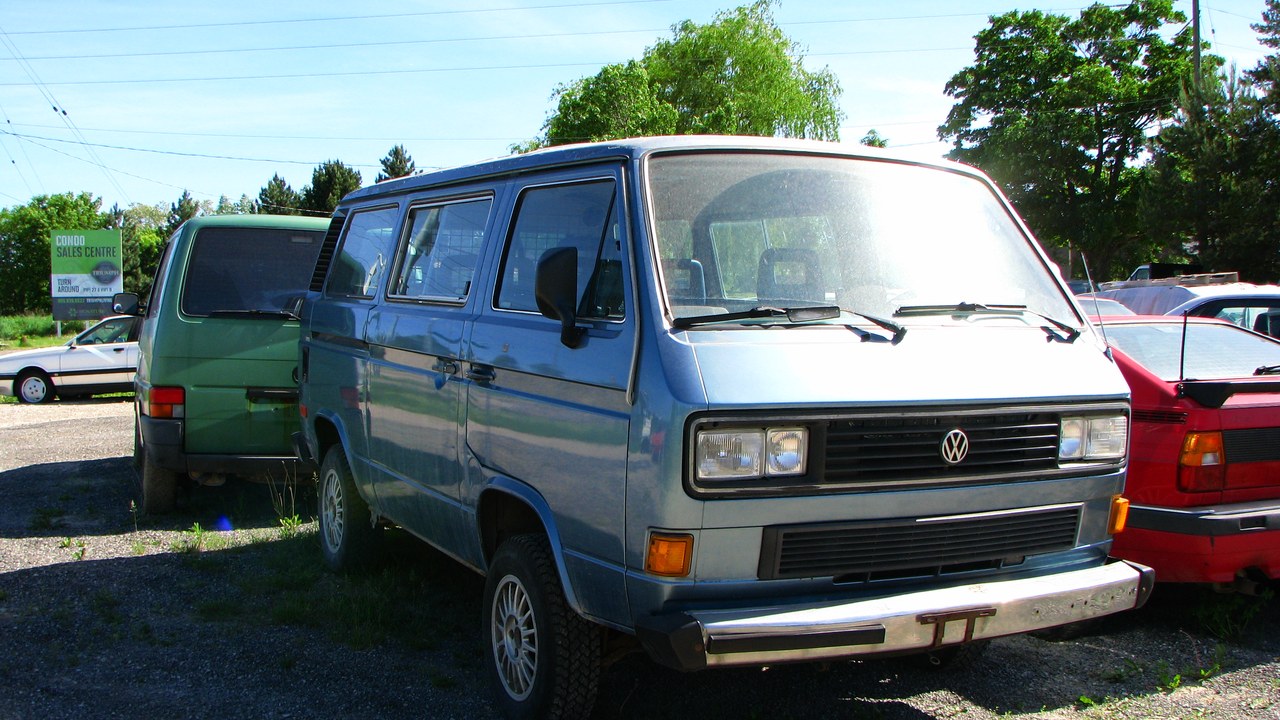
Buyers in the US knew the T3 generation of the Type 2 as the Vanagon. The Type 2 (T3) article on Wikipedia notes that it switched to water-cooled engines in 1983 and was replaced by the Eurovan, the T4, in the American market in 1993.
That change of cooling marked a clear break from the air-cooled tradition of earlier vans. The squarer body also made the Vanagon a favorite base for camper conversions, so the nameplate stayed closely tied to family road trips and outdoor travel throughout a production life that bridged two very different eras of the brand.
9. Volkswagen Jetta (first generation): A Trunk For The Rabbit
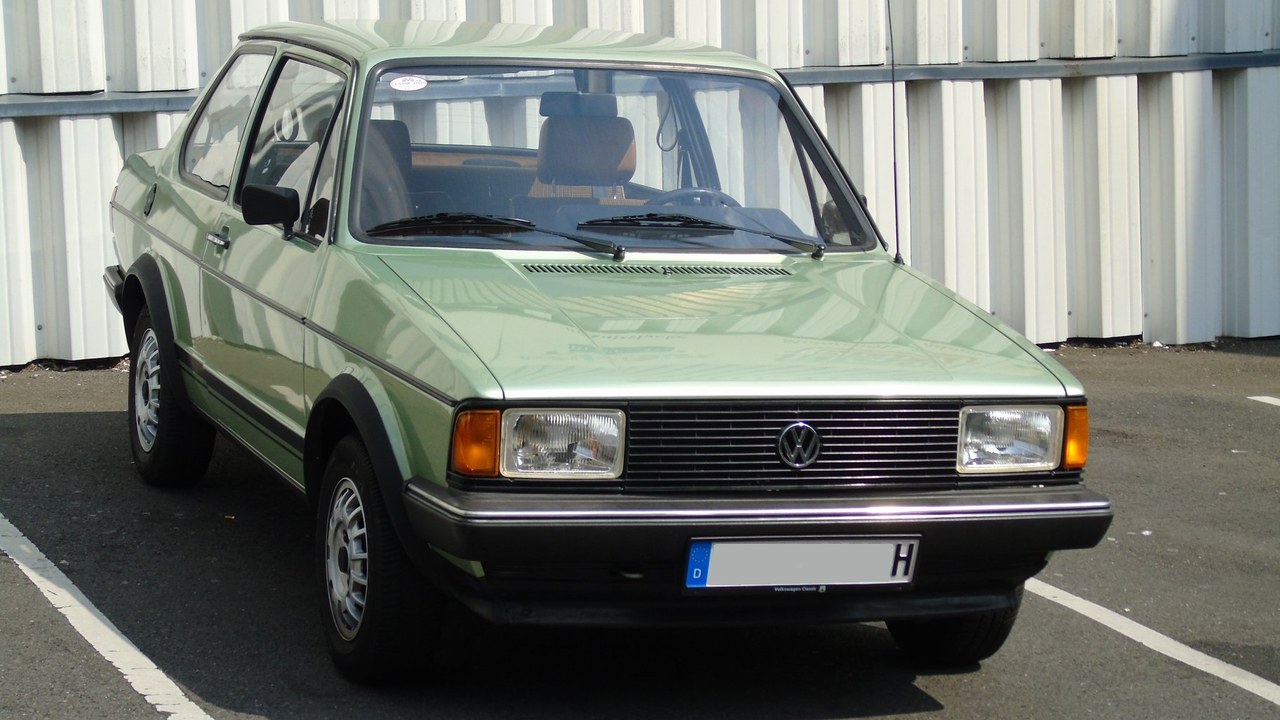
Adding a conventional trunk to the Rabbit formula produced the Jetta, and the 1980 model-year car made 76 hp. According to SlashGear’s classic Volkswagen overview, it became the best-selling German vehicle in the US, a notable result for a modest sedan with an unassuming engine.
The Jetta found its audience among shoppers who liked European engineering but wanted a traditional three-box shape. That broader appeal laid the groundwork for a nameplate that stayed in American showrooms for generations, and it explains why the first car is remembered as the start of one of the brand’s most durable lines.
10. Volkswagen Rabbit pickup: Pickup From Pennsylvania

Few buyers expect a small Volkswagen with an open cargo bed, yet the Rabbit pickup was built at Westmoreland, Pennsylvania. A Curbside Classic profile of the 1980 pickup reports that sales exceeded 25,000 units in both 1980 and 1981, which gave the small truck a real if brief presence.
The headline of that article refers to beating a tariff, a reminder that trade rules shaped what carmakers chose to build and where. Production in the American plant helped the truck sidestep those pressures, and the result remains one of the more unusual chapters in the brand’s history on this side of the Atlantic.
11. Volkswagen New Beetle: Retro Revival
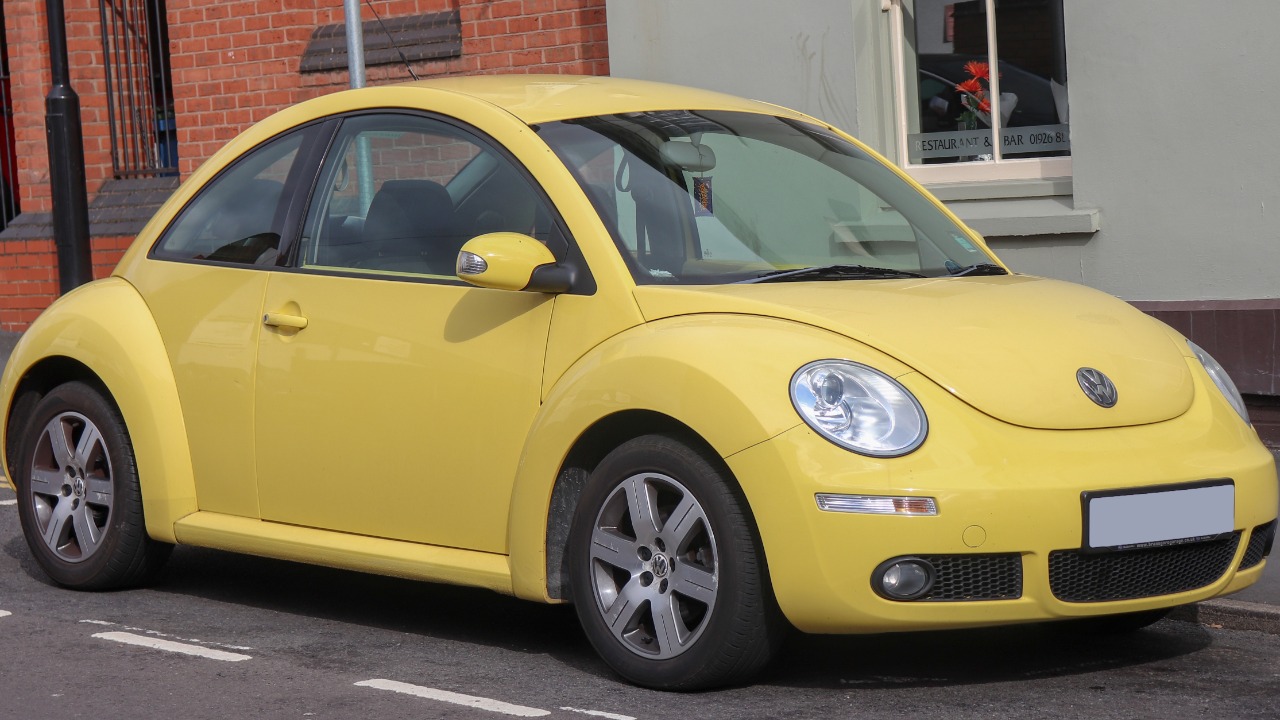
Round fenders and a deliberate nod to the past made the New Beetle a nostalgic statement when it launched in the US in 1997. The Volkswagen Group of America entry on Wikipedia states that the car helped restore the brand, which had struggled to hold buyers’ attention in the years before.
Instead of copying the original rear-engine layout, the modern car borrowed the silhouette and put it on contemporary front-drive hardware. That approach turned a memory into a mainstream product and showed that heritage could sell, an idea that carmakers across the industry have returned to repeatedly since the late 1990s.
12. Volkswagen ID. Buzz: Microbus Plugs In
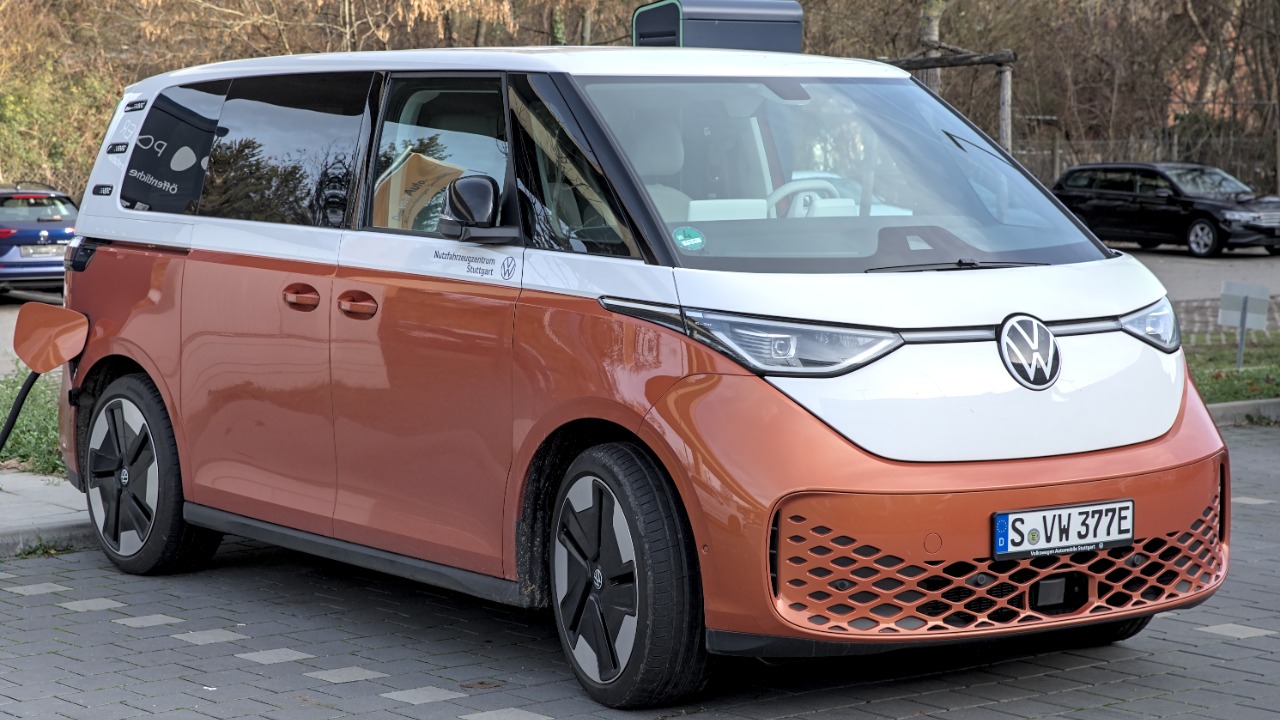
Carrying the Microbus spirit into the electric era, the ID. Buzz lists 234 miles of EPA-estimated range. According to a Volkswagen of America press release, the 2025 Pro S version starts at $59,995, a price that places the retro-styled van well above the humble origins of its ancestors.
The shape deliberately echoes the original Type 2, now paired with a battery and modern driver aids. Whether that mix proves as influential as the vans it honors remains to be seen, but the nameplate shows how the brand continues to lean on its most beloved American-market shapes while moving toward electric power.
Help yourself and the planet: Get The Cool Down →
We may earn a commission if you sign up.
More from Morning Overview
- Long use of a common prostate pill is tied to a higher chance of glaucoma
- Ford is recalling 223,472 F-150 pickups because the fuel tank can leak or detach
- Hybrids have 15% fewer problems than gas cars, while EVs and plug-in hybrids have about 80% more, Consumer Reports finds
- Regulators cleared the first U.S. small modular reactor, 4 months early
