
Ferrari’s road cars have carried the prancing horse from a 1947 debut to the hybrid age, and a handful of them changed what the company built. Some earned their place through rarity, others through engineering firsts or the people attached to them. Here are twelve that shaped the story.
Stay ahead on AI: Join 600,000+ professionals who read The Deep View, the daily newsletter that keeps you up to date with artificial intelligence.
We may earn a commission if you sign up.
1. Ferrari 125 S: Where It All Began
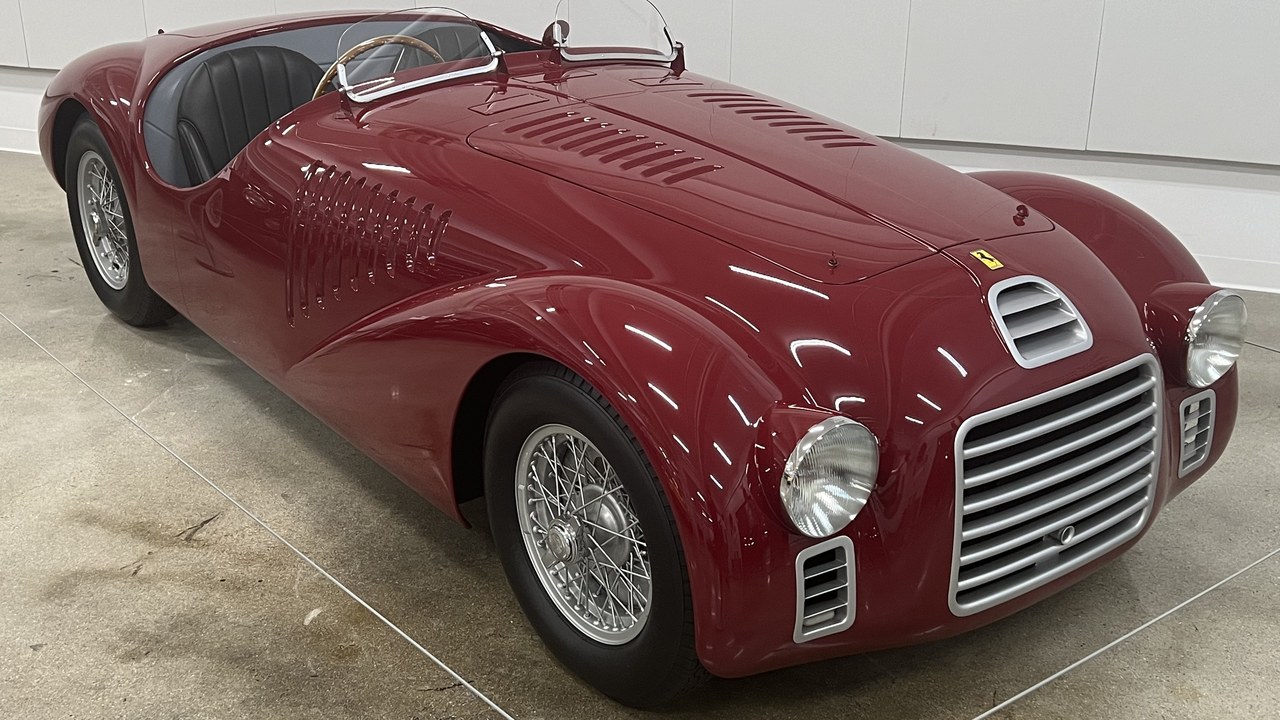
Every Ferrari road car traces back to this open two-seater, which carried the company’s own name for the first time in 1947. Auto Express’s best-Ferraris list credits the 125 S as the first road car that Ferrari built under that name, powered by a 1.5-litre V12.
Small in displacement and modest in appearance next to what followed, it nonetheless set the template of a compact twelve-cylinder engine in a lightweight body. The badge on the nose started here, and the rest of the lineage grew outward from it.
2. Ferrari 250 GTO: Thirty-Six Cars, One Loophole
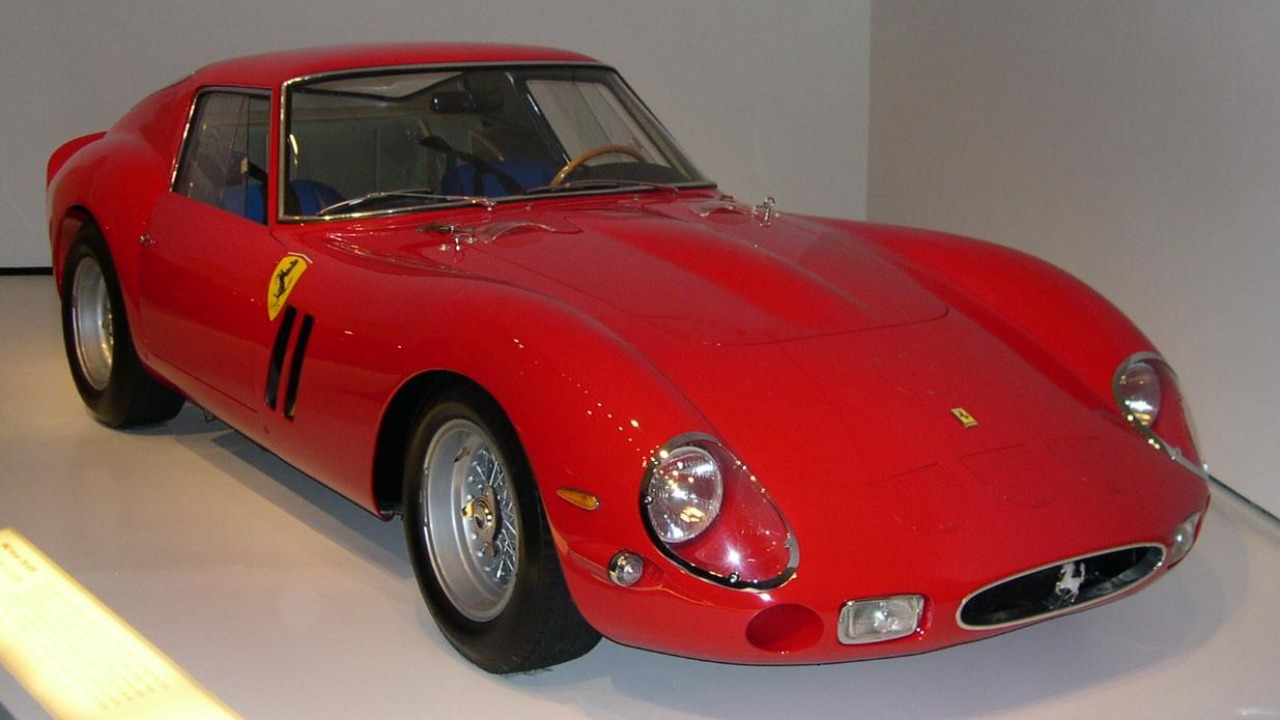
Racing rules of the era demanded a minimum production run before a car could compete in its class, and the 250 GTO sidestepped that demand. According to Motoring Research’s Ferrari retrospective, Ferrari managed to dodge the homologation rules by building just 36 cars.
That tiny production figure is a large part of why the GTO is spoken of with such reverence today. A front-engined Ferrari built for the track but registered for the road, it remains one of the most discussed cars in the marque’s history.
3. Ferrari 365 GTB/4 Daytona: A Podium Turned Into a Name
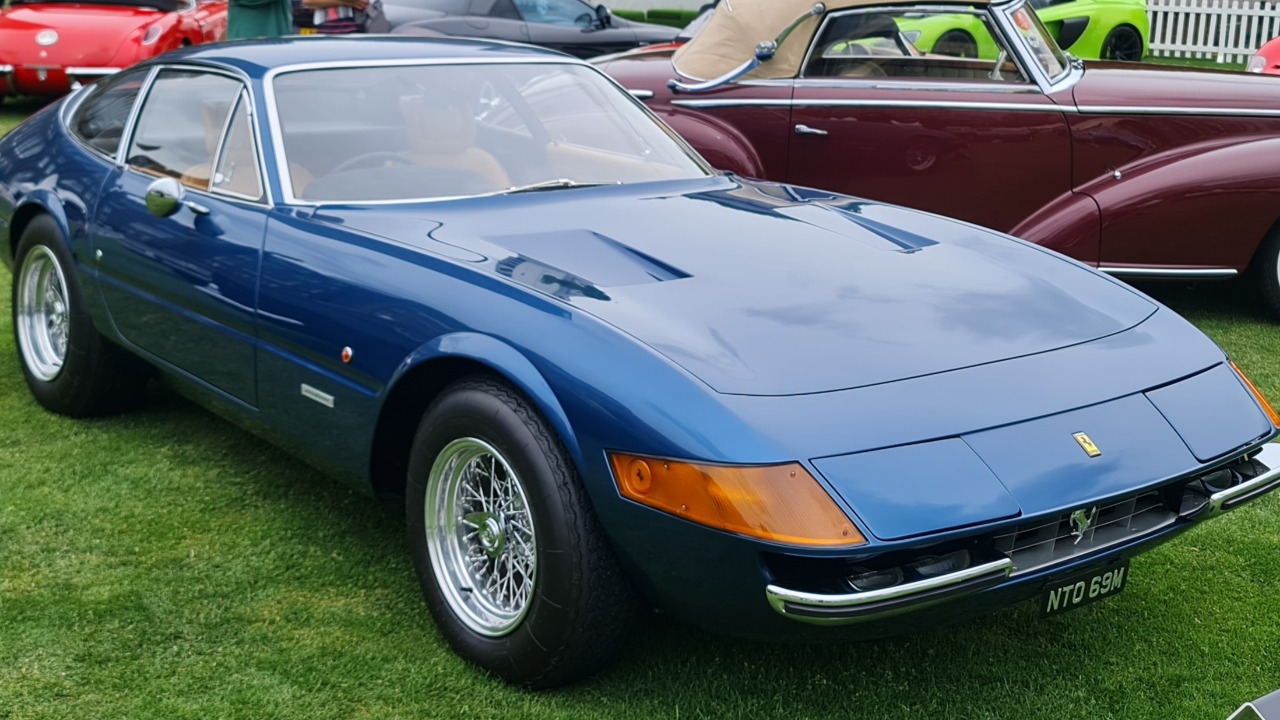
The nickname came from the track. As the Motoring Research history notes, the Daytona was named in honour of Ferrari’s 1-2-3 victory at the 24-hour race in 1967, and it was the last 12-cylinder Ferrari announced before Fiat took control of the company in 1969.
That timing places the car at a hinge point, closing one chapter of independent Ferrari ownership. A big front-engined grand tourer with a V12, it is often remembered as the final flourish of that older way of building the brand’s flagship.
4. Ferrari Dino 246: The First Mid-Engined Road Ferrari

Enzo Ferrari wanted a mid-engined model, and the Dino was the answer. Per Auto Express’s ranking, he started with a smaller rival to the Porsche 911, making the Dino 246 his first mid-engined road model.
The layout placed the engine behind the driver, an arrangement that would later define a long run of Ferrari sports cars. Compact and light, the Dino proved the concept on the road well before the idea became the company’s default.
5. Ferrari 308 GTB/GTS: Fibreglass and Sales Success
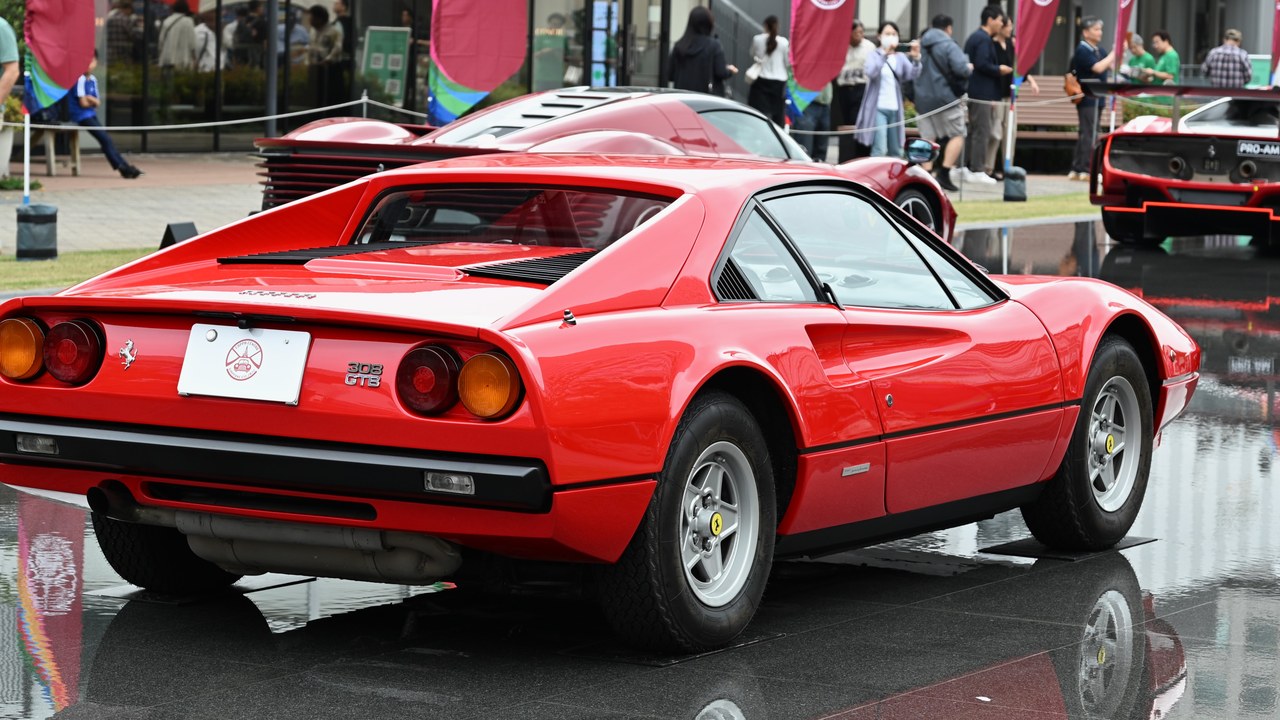
Ferrari’s habit of hand-finished metal bodywork gave way, briefly, to a new material on this model. Motoring Research’s decade-by-decade guide describes the 308 as the first Ferrari to feature a fibreglass body, and it delivered sales success previously unknown to the company.
The GTB coupe and the GTS with its removable roof panel brought a wider audience into showrooms. Its commercial results gave the small manufacturer a financial footing that earlier, rarer models had not provided.
6. Ferrari Testarossa: Wide, Red and Everywhere
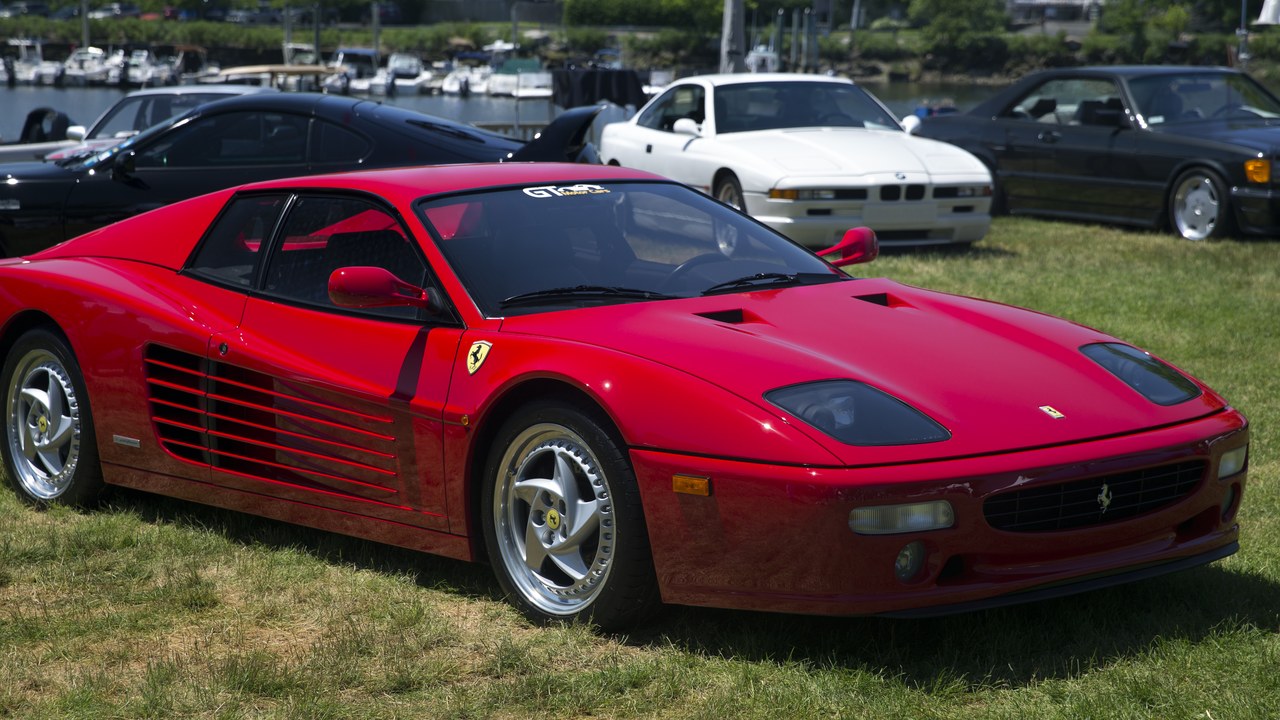
Few Ferraris are as instantly recognised as the Testarossa. The Wikipedia list of road cars gives its production span as 1984 to 1996, with a Spider variant appearing in 1986.
Its long production run made it a fixture of the late twentieth century, and the side strakes and broad rear became a shorthand for the era’s supercar image. Beyond those dates, the list page leaves details of the car’s engineering to other sources.
7. Ferrari F40: Enzo’s Final Presentation
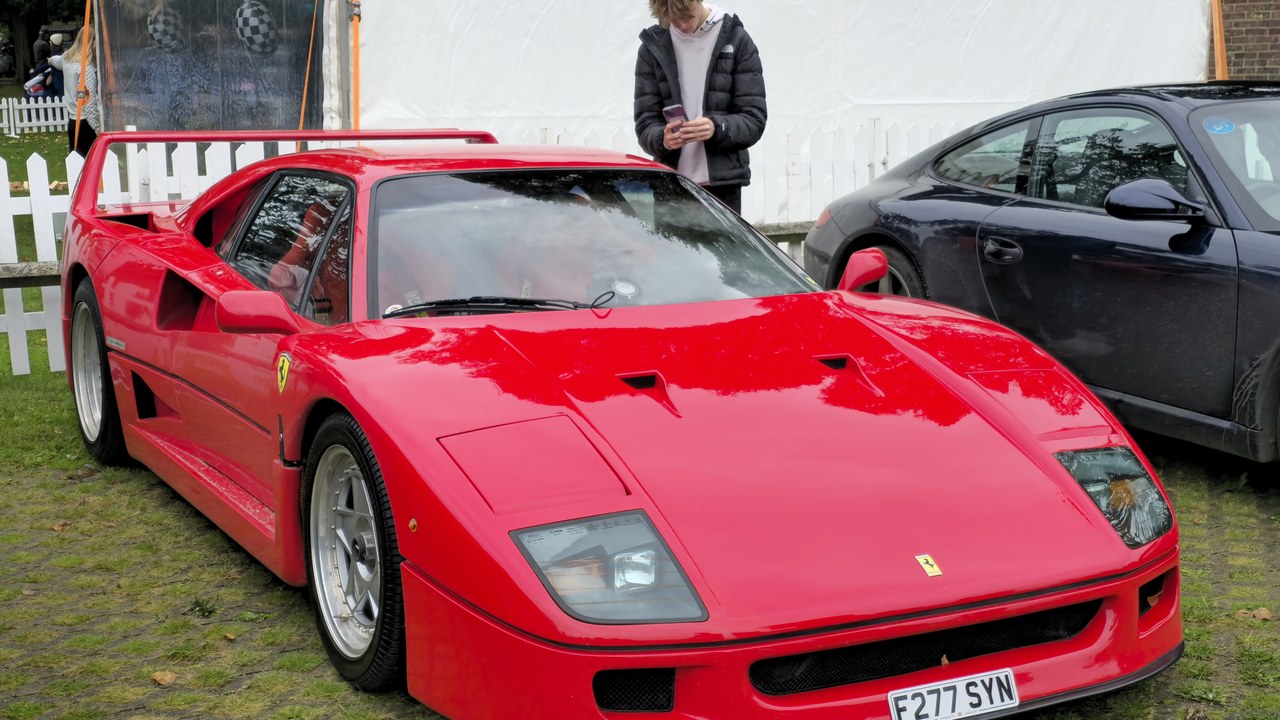
Ferrari built 1,311 F40s between 1987 and 1992, according to Motoring Research’s account. It was also the last new car presentation that Enzo Ferrari attended before his death in 1988.
That personal connection gives the F40 a special place in the company’s story, since the founder lent his presence to its launch. The production total of 1,311 is a modest figure for such a famous car. A stripped, purposeful machine, it became a benchmark against which later flagship Ferraris were measured.
8. Ferrari F50: The Underrated Follow-Up
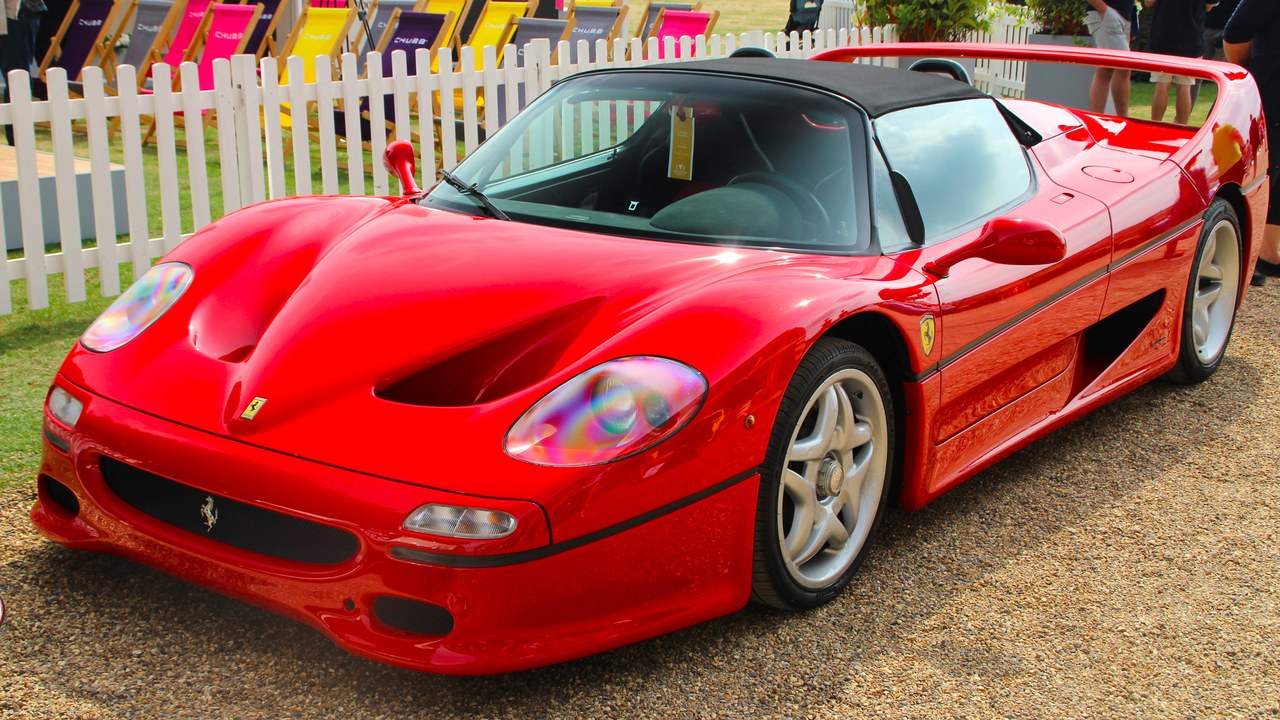
Following a legend is a difficult job, and the F50 had to follow the F40. Auto Express’s list says the follow-up did not gain the same cult status but is arguably the better car to drive.
That verdict comes from the writer, and it is offered as an opinion rather than a measured fact. Even so, it captures how the F50 is often discussed: respected on its own merits yet living in the long shadow of the car that came before.
9. Ferrari Enzo: Named for the Founder
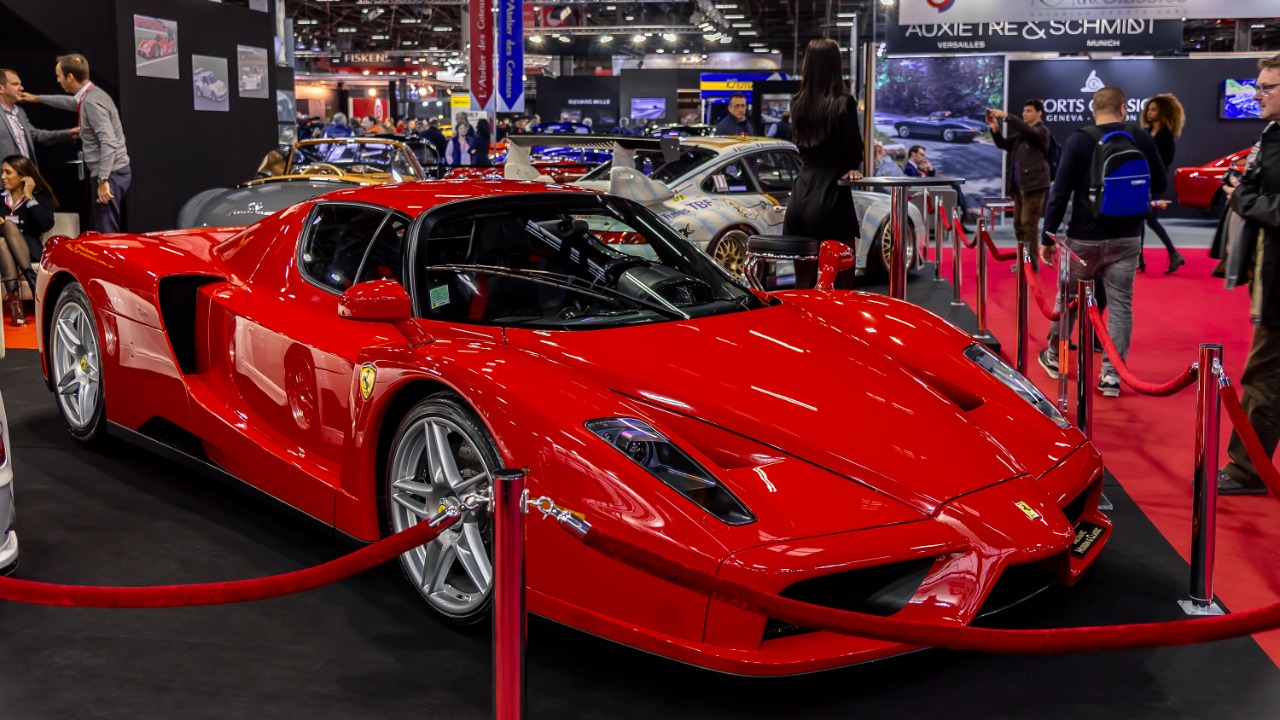
Ferrari named this supercar after its founder and launched it in 2002. The official Ferrari Enzo page states that only 399 were developed for road use, which kept the model exclusive.
Carrying the founder’s own name set the bar high, and the limited number reinforced the sense that this was a flagship, not a mainstream product. It stood as the company’s range-topping halo car in the early years of the new century.
10. Ferrari LaFerrari: A Hybrid Flagship
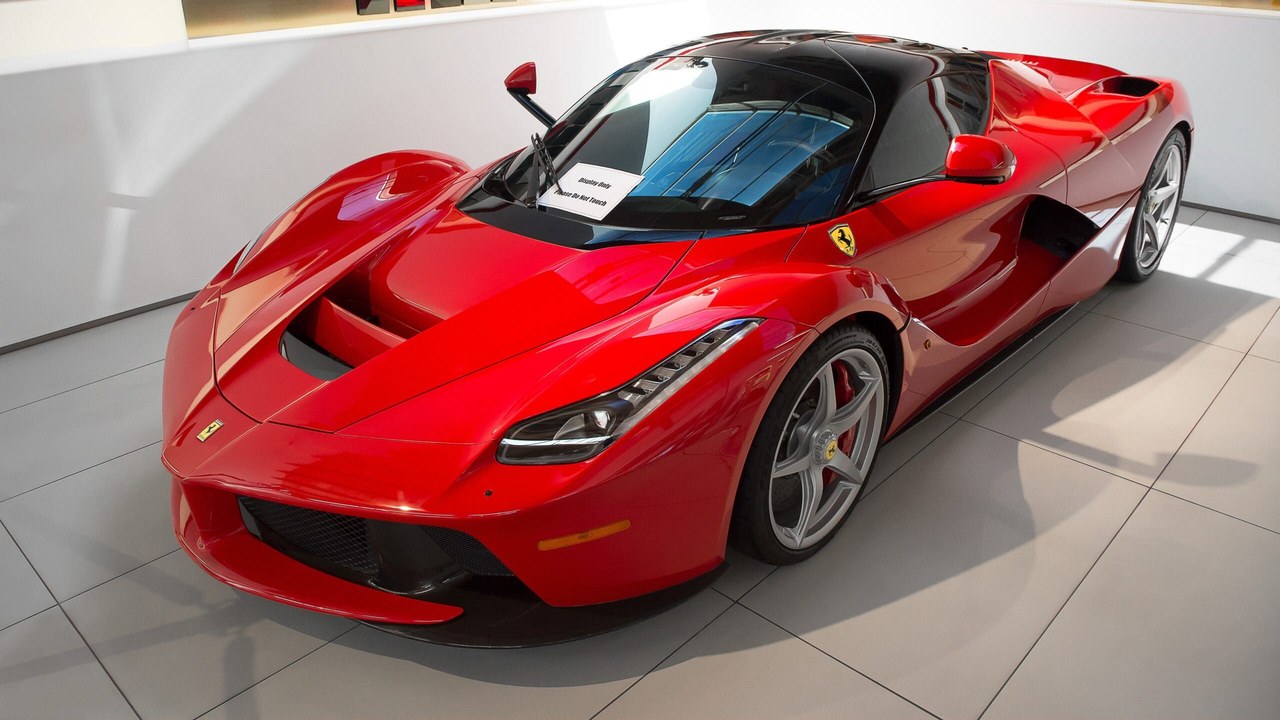
Electrification arrived at the top of the range with this car. Ferrari’s own LaFerrari page calls it the company’s first ever production car equipped with the F1-derived hybrid system, pairing a V12 with an electric motor for over 960 CV.
The approach borrowed technology from the company’s Formula 1 programme and applied it to a road car. It marked a turning point after which hybrid power became a recurring theme in Ferrari’s most important models.
11. Ferrari SF90 Stradale: A New Tier of Mid-Engine Cars
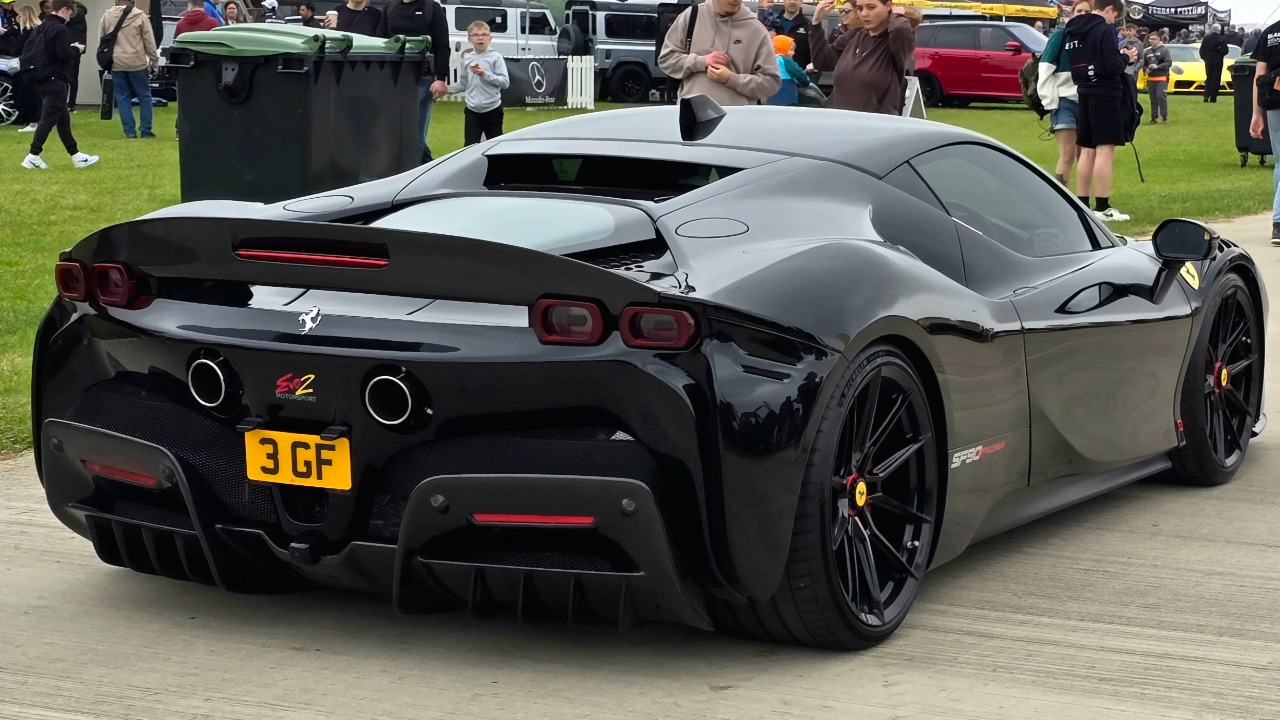
Some models matter because of where they sit in the range. According to the Wikipedia list of Ferrari road cars, the SF90 introduced a line of mid-engine cars positioned above the mid-engine sports cars, with the Stradale listed for 2019 to 2024.
That placement created a new rung above the existing mid-engine sports cars. The source is a summary list and says little about the car’s technical detail, so its significance here rests on the way it reshaped the lineup.
12. Ferrari Purosangue: The Four-Door Breakthrough
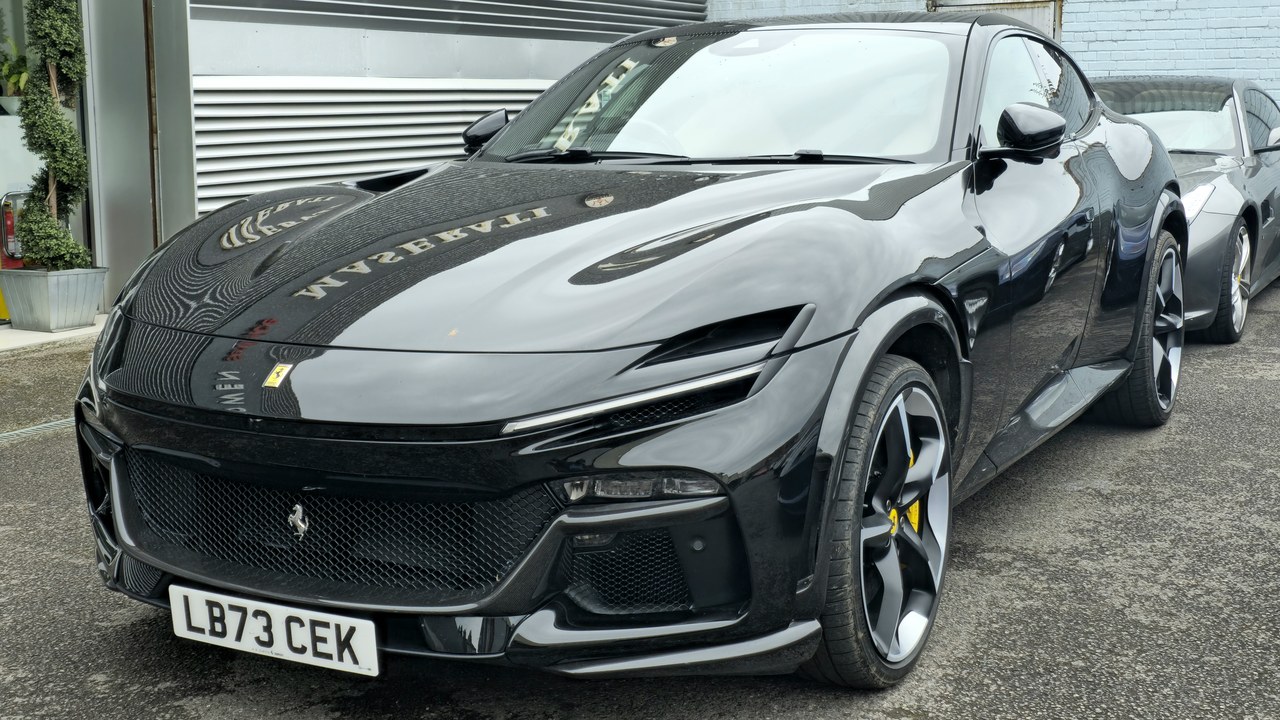
Ferrari spent decades building two-seaters and 2+2 coupes before breaking with that tradition. The Wikipedia road-car list identifies the Purosangue as Ferrari’s first production four-door, a V12 crossover SUV from 2023, a clear departure from the company’s two-door tradition.
The name translates as thoroughbred, a deliberate nod to the company’s heritage. By entering a body style it had long avoided, Ferrari signalled to the wider market that the definition of a road-going Ferrari could expand without abandoning the twelve-cylinder engine.
Stay ahead on AI: Subscribe to The Deep View →
We may earn a commission if you sign up.
More from Morning Overview
- Ford is recalling 223,472 F-150 pickups because the fuel tank can leak or detach
- Hybrids have 15% fewer problems than gas cars, while EVs and plug-in hybrids have about 80% more, Consumer Reports finds
- Regulators cleared the first U.S. small modular reactor, 4 months early
- Lake Powell sank to a record 3,517 feet, nearing the level that stops Glen Canyon Dam’s turbines
