
Mazda’s reputation rests heavily on one small roadster, yet the catalog includes rotary coupes, economy cars, trucks and big crossovers. These models mark the milestones, from the earliest twin-rotor sports car to the newest flagship SUV. Here are twelve Mazdas that show the range well beyond the Miata.
The day in tech, in one email: TLDR is the daily newsletter with links and TLDRs of the most interesting stories in startups, tech and programming.
We may earn a commission if you sign up.
1. Mazda Cosmo Sport 110S: Rotary Pioneer
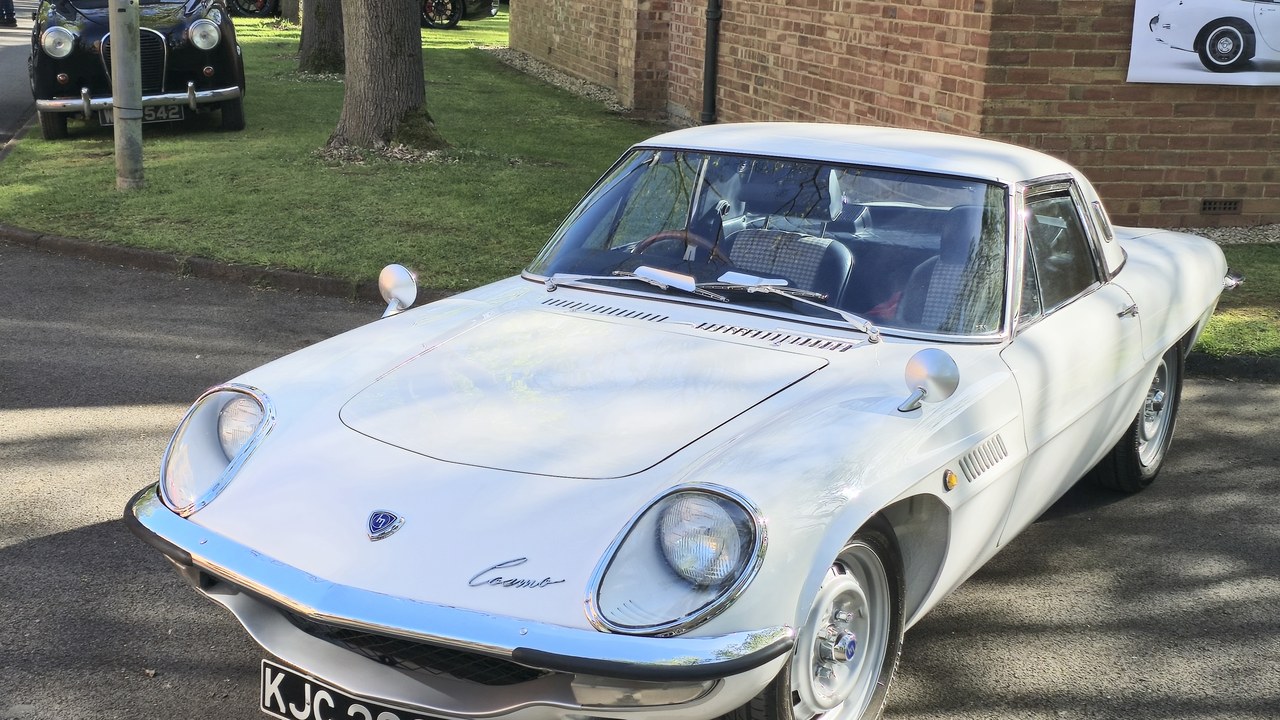
The Cosmo Sport 110S was Mazda’s first rotary-engined car, and SlashGear’s Mazda history calls it the first mass-produced dual-rotor sports car on the market. That description puts a small Japanese maker’s experiment as a pioneer of a new kind of engine.
The coupe’s low, rounded body made it look unlike anything else on the road. It established the twin-rotor layout that later Mazdas such as the RX-7 and RX-8 would carry forward, and it explains why the brand’s identity reaches well past the roadster most buyers know.
2. Mazda R100: Rotary Arrives in America
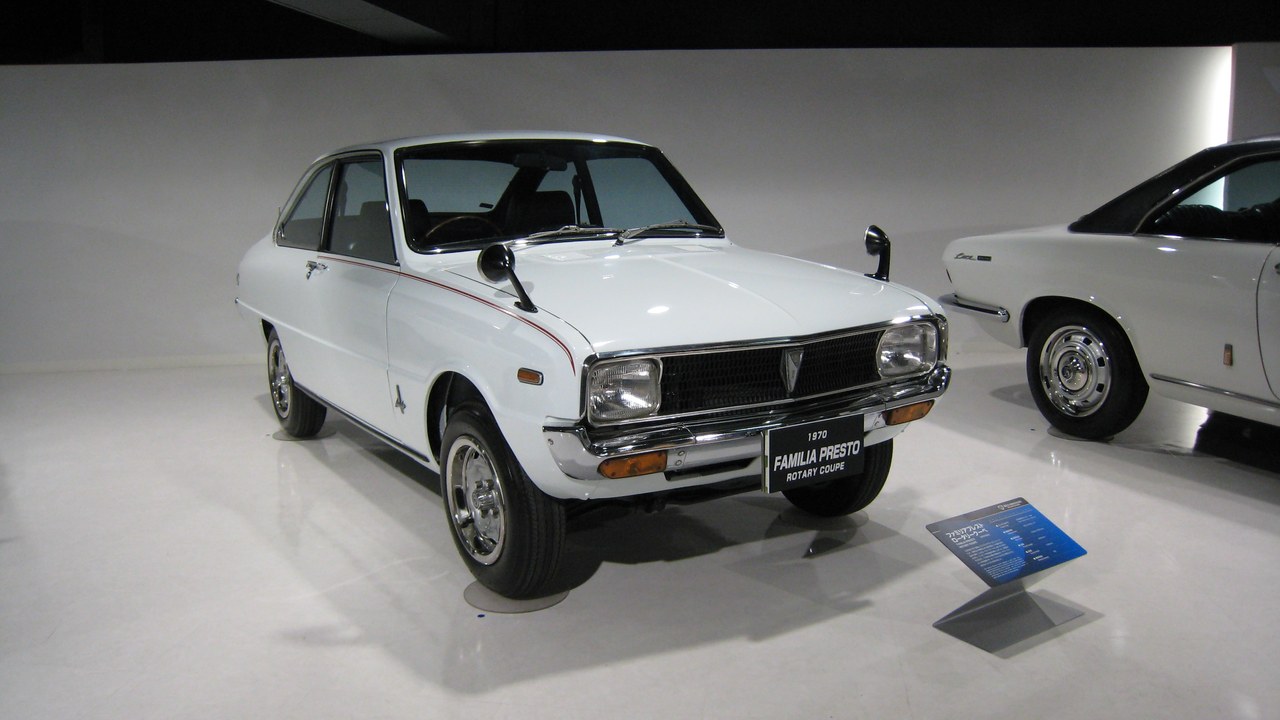
Entering US sales in 1970, the R100 was the conceptcarz Mazda timeline entry for the first mass-produced rotary-powered car in America. American shoppers met the unusual engine in a small, ordinary-looking coupe rather than an exotic.
The model was a rotary-powered version of the compact Familia line, which helps explain its modest styling. Its significance lies in the powertrain and in the foothold it gave Mazda in a market where the brand was still largely unknown.
3. Mazda RX-7: Rotary Bestseller
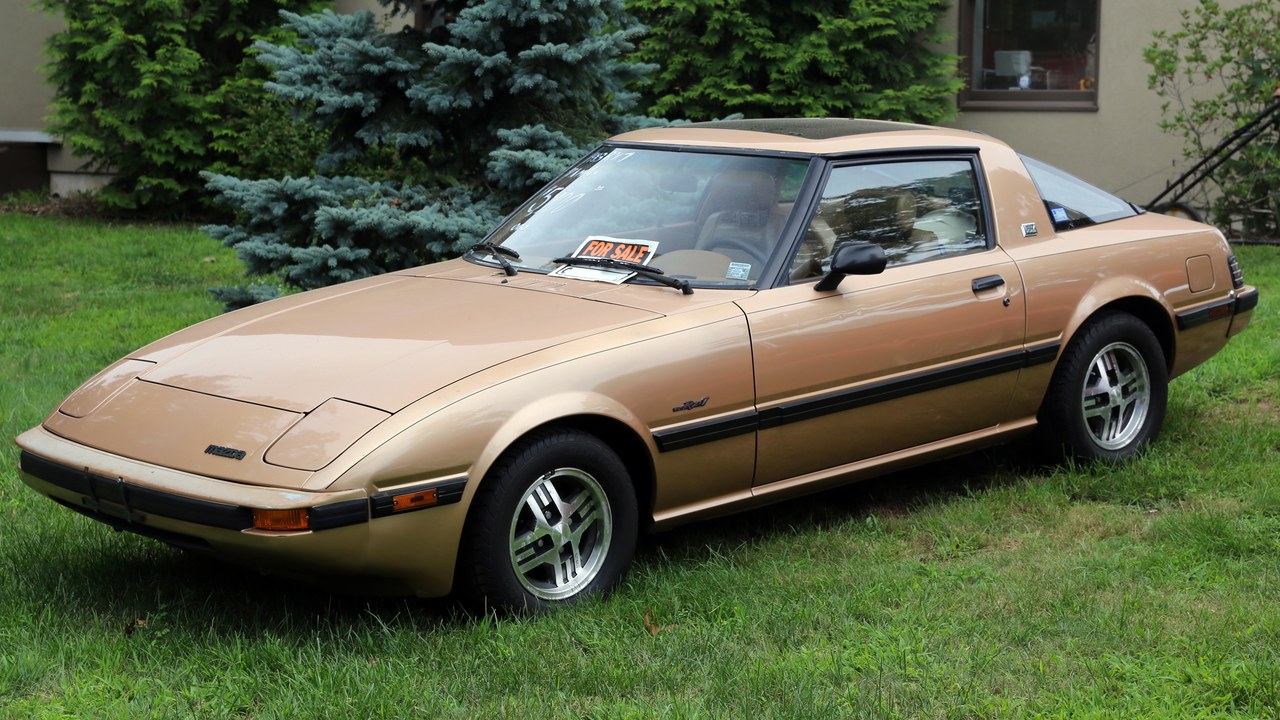
More than 800,000 RX-7s were built between 1978 and 2002, and SlashGear’s list of Mazda successes labels it the most commercially successful rotary car ever. Few engines so unusual have found that many buyers.
The span of 1978 to 2002 covers several generations of a compact two-seat sports coupe. Its long run shows the rotary concept moving from curiosity to something Mazda could build and sell steadily for nearly a quarter century.
4. Mazda GLC: Great Little Car
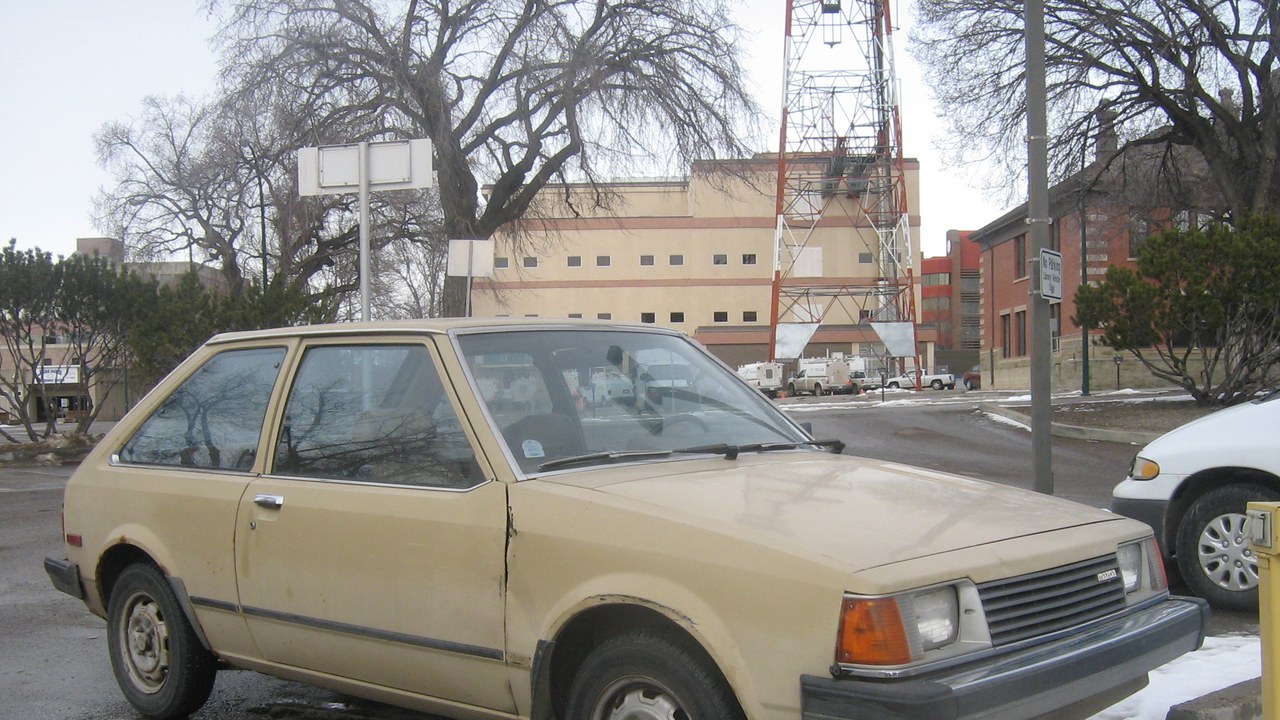
Sold in North America from 1977 to 1985, the GLC was advertised as the Great Little Car, a line recorded on the Mazda Familia article at Wikipedia. The name stood for an economical small hatchback and sedan aimed at American commuters.
A mechanical change arrived partway through the run, because front-wheel drive came for 1981. That shift moved the GLC from rear-drive roots to the layout that later small Mazdas would follow, making it a useful marker of how the maker modernised its entry-level cars.
5. Mazda 626: Import Car Champion
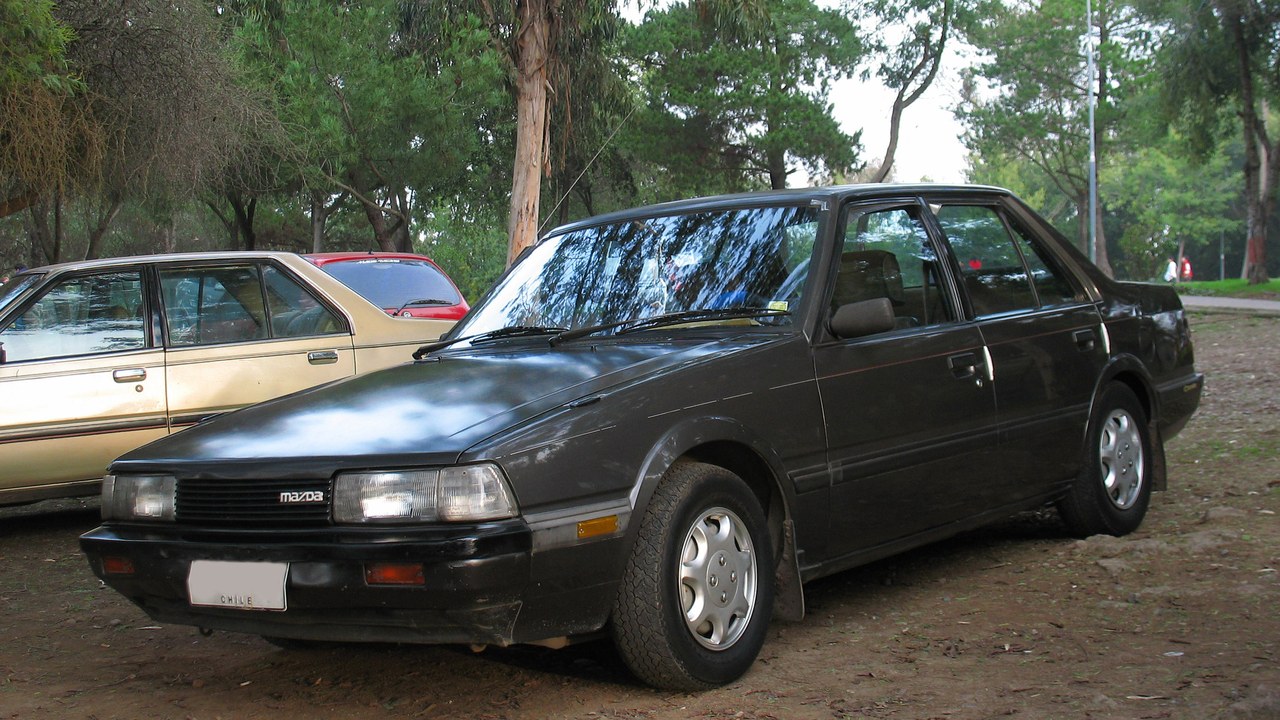
Mazda’s mid-size 626 won Motor Trend Import Car of the Year in 1983, an award noted in the conceptcarz company history. The honour signalled that the brand could compete on more than rotary novelty.
A family sedan rarely draws the attention given to a sports coupe, yet the 626 carried much of Mazda’s everyday business. The trophy gave dealers a credential for a practical car in a crowded import field.
6. Mazda B-Series pickup: Compact Workhorse
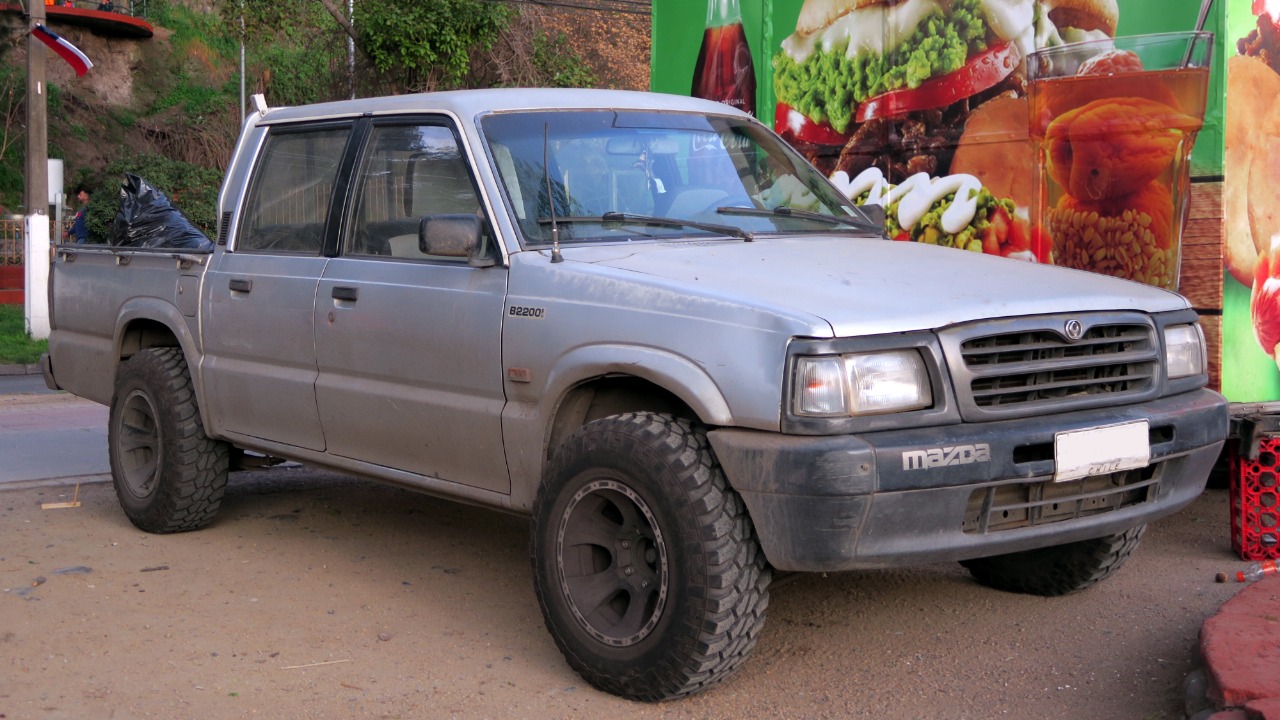
The B-Series began as the B2000, and Mazda’s timeline at conceptcarz marks the introduction of that compact pickup in 1978. The one-millionth unit sold in the US came in 1991.
Small trucks were a different line of business from the sports cars that made Mazda famous. A million US sales shows how much of the brand’s American presence rested on a plain, useful pickup rather than anything exotic, and that steady demand lasted for well over a decade.
7. Mazda MPV: Minivan Debut
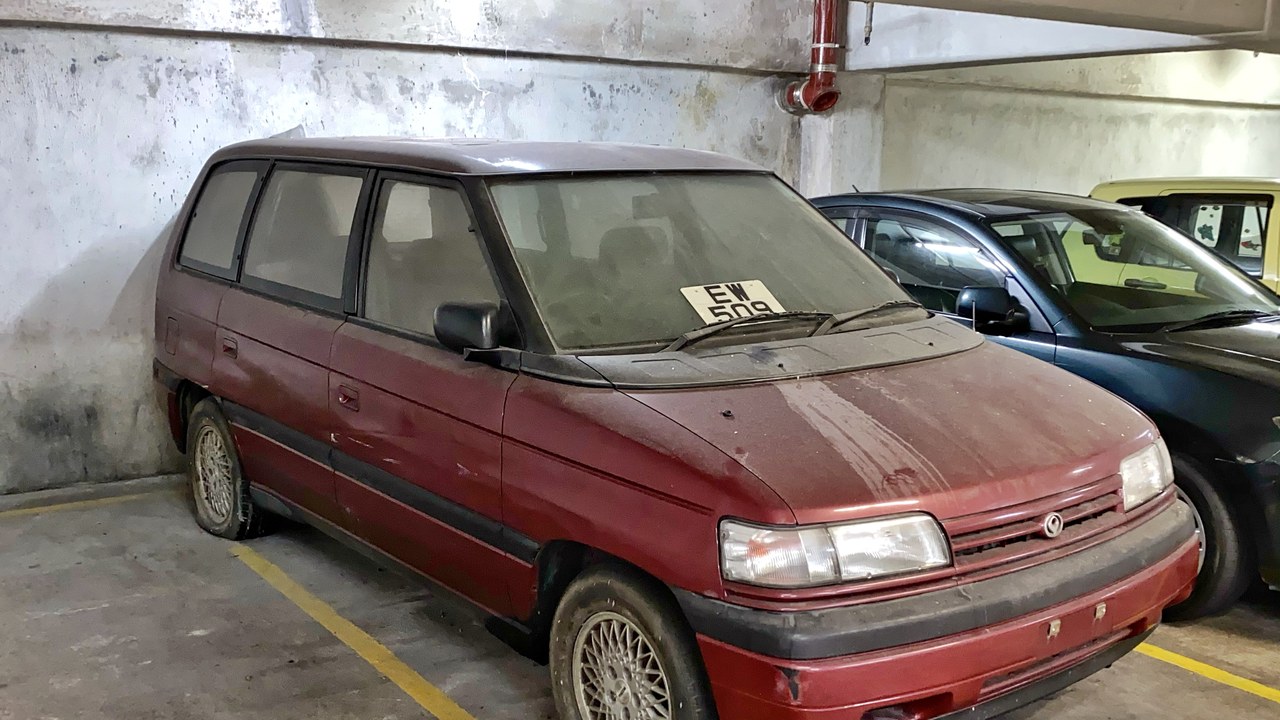
Mazda entered the minivan segment with the MPV, introduced for the 1989 model year, according to the conceptcarz Mazda history. It gave the company a family hauler to set beside its cars and pickups.
The letters stand for multi-purpose vehicle, a label that fit a van built for passengers and cargo. As a people mover from a brand better known for driving enjoyment, it widened the range considerably for families that wanted space.
8. Mazda Protegé: Compact Sedan Staple
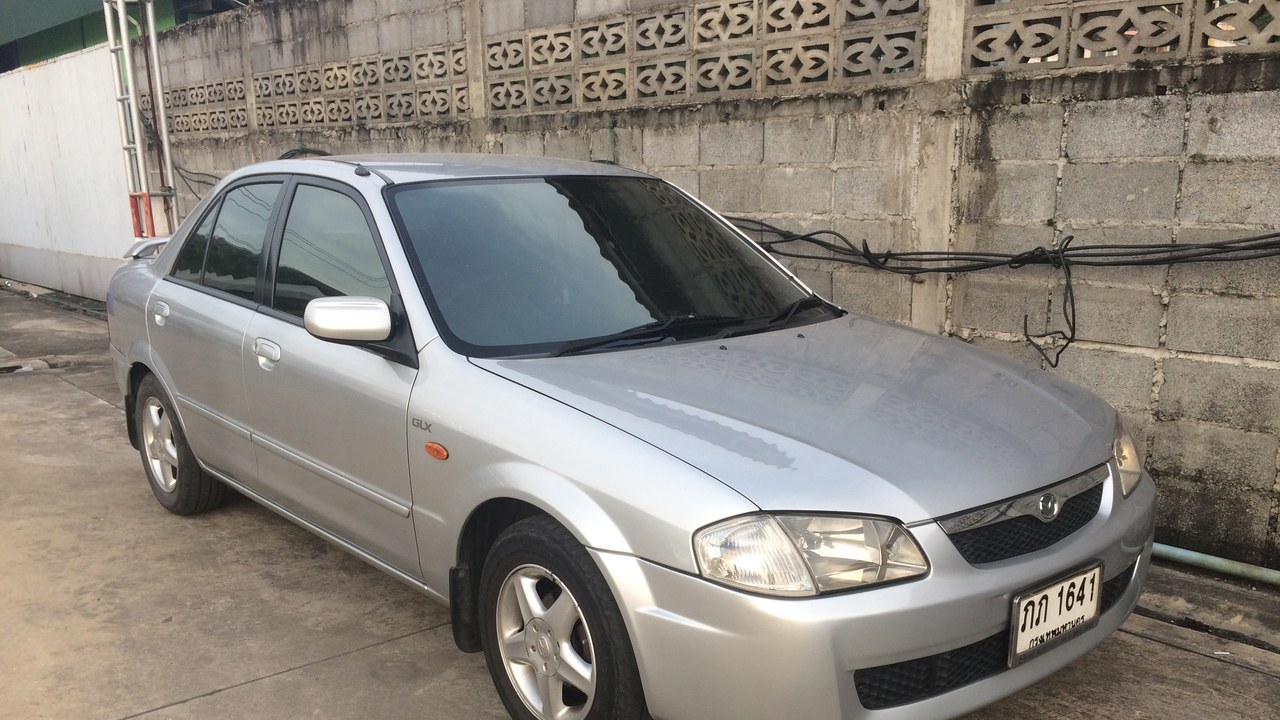
The Protegé replaced the 323 sedan as the 1990 model, and the Mazda Familia entry on Wikipedia notes that production ended with the 2003 model year. The Mazda3 arrived to take over from it.
Across those years the compact sedan served as an affordable entry point to the brand. Its handover to the Mazda3 marked the start of the naming scheme that Mazda still uses for its small cars in the decades that followed.
9. Mazda RX-8: Last Rotary Coupe
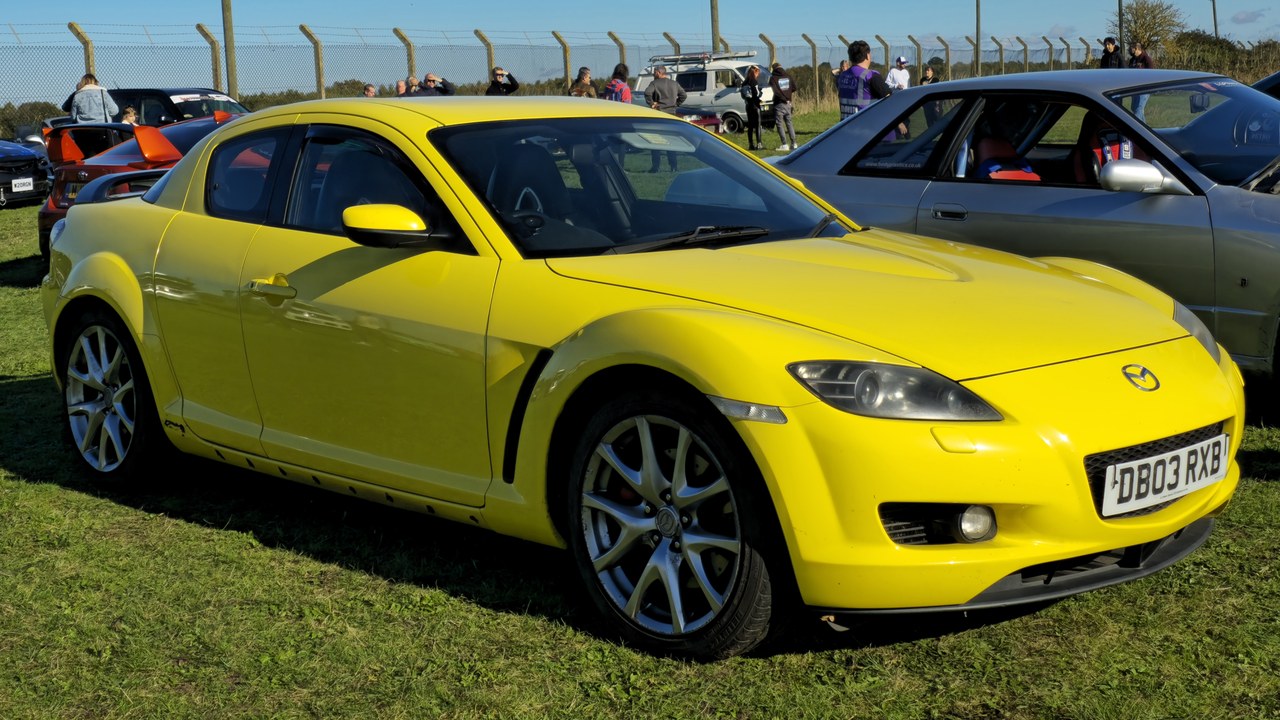
The RX-8 made its US debut for the 2004 model year, and the RX-8 article on Wikipedia records 192,094 units built over a nine-year run that ended on June 22, 2012.
As the successor to the RX-7 in Mazda’s rotary line, it kept the engine type alive into the 2010s. Production totals like that make it a modest seller by mainstream standards, yet it remains a distinctive four-seat sports car.
10. Mazda3: Fastest to Five Million
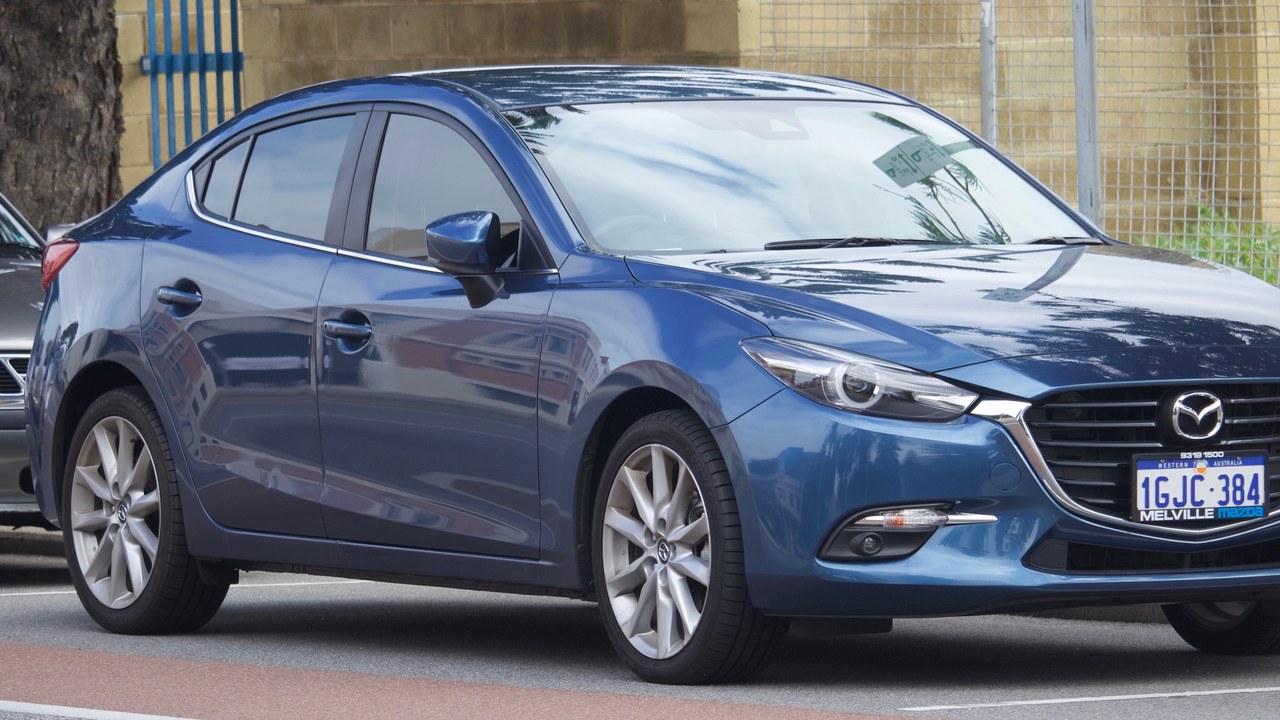
By 2016 the Mazda3 had reached five million units, which SlashGear’s success rundown describes as the fastest car in Mazda’s history to do so. The compact car had replaced the Protegé only years earlier.
Reaching that figure quickly reflects how central the model became to the brand’s sales. It is the quiet backbone of the lineup, far from the rotary experiments yet arguably more important to the company’s finances over the long term.
11. Mazda CX-5: Best Seller
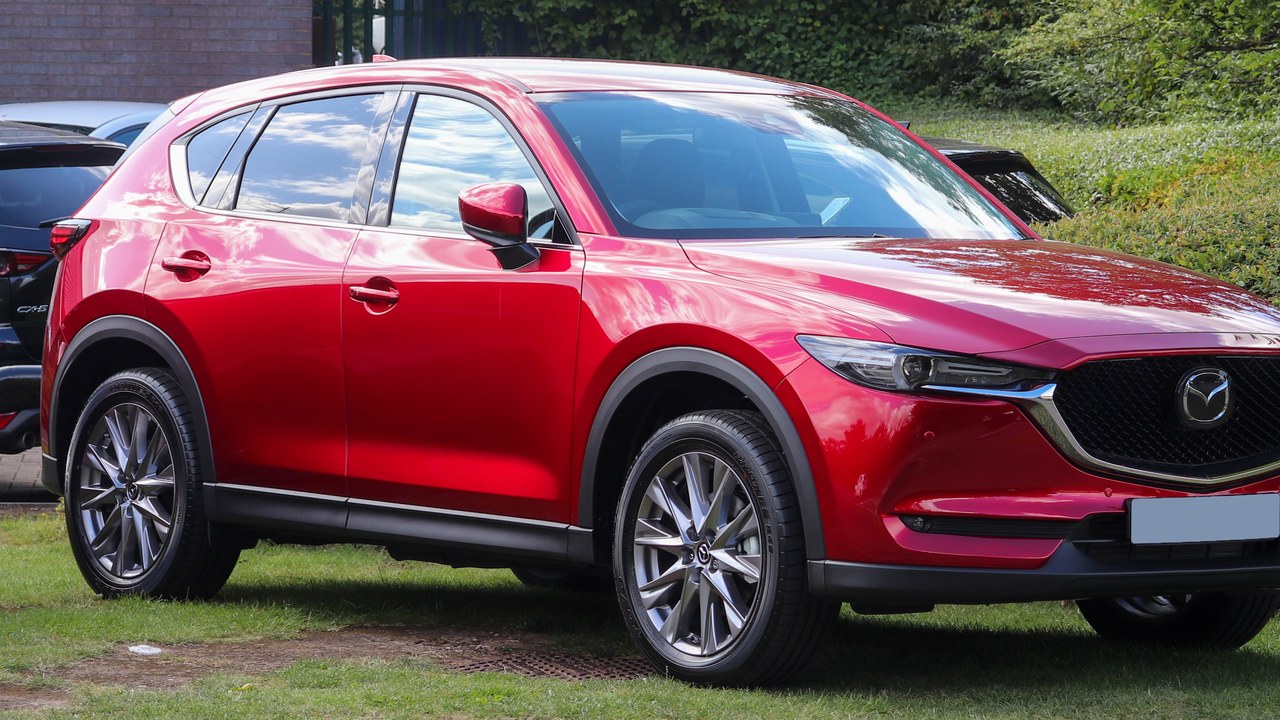
Mazda’s best seller is the CX-5, with well over three million sold since launch and more than 120,000 in the US in 2024, as SlashGear’s Mazda feature reports. The compact crossover now anchors the brand’s showroom.
Its popularity mirrors the wider market shift from sedans toward crossovers. For a company once known for coupes and roadsters, a family SUV carrying the load shows how far the lineup has moved from its early years.
12. Mazda CX-90: Flagship With Turbo Power
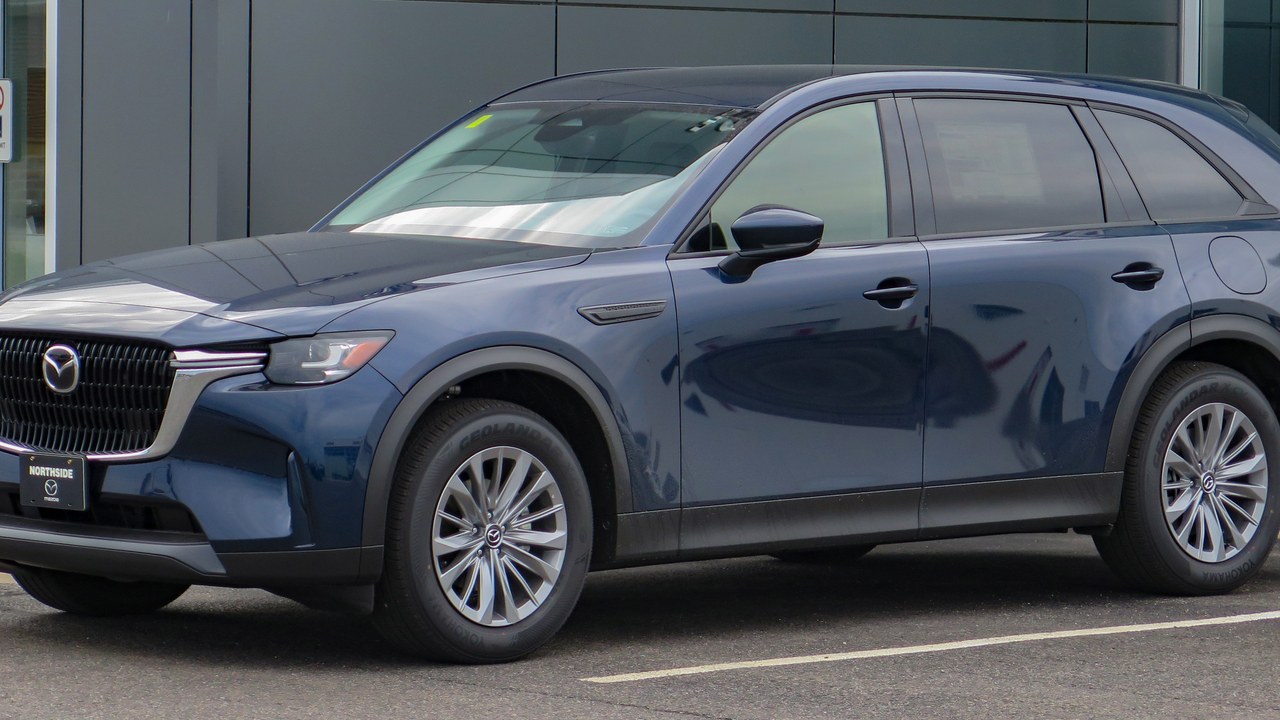
The 2027 lineup offers 340 hp from the Turbo S, according to Carscoops’ 2027 CX-90 coverage, even as the CX-70 is dropped. Mazda is replacing that model with a new two-row version of the CX-90.
That 340 hp figure belongs to the top engine option rather than every trim. The consolidation leaves the CX-90 as the large flagship crossover, a long way from the small rotary coupe that opens this list.
The day in tech, in one email: Get TLDR →
We may earn a commission if you sign up.
More from Morning Overview
- Two passengers died at an Ohio toll plaza, and the NTSB now wants the cash lanes shut
- Long use of a common prostate pill is tied to a higher chance of glaucoma
- Ford is recalling 223,472 F-150 pickups because the fuel tank can leak or detach
- Hybrids have 15% fewer problems than gas cars, while EVs and plug-in hybrids have about 80% more, Consumer Reports finds
